Brennan on the Moor Cover Image

Brennan on the Moor: TTBB Choral Octavo

$1.80 USD
Sale price  $1.80 USD Regular price 
Skip to product information
Brennan on the Moor Cover Image

Brennan on the Moor: TTBB Choral Octavo

Irish Folk Song / arr. Bruce Trinkley

Item: 00-37921

makemusic Cloud badge

Need it now?

Buy Digital Version
$1.80
Shipped

One moment…

Description
This Irish folk song tells the story of a rollicking highwayman named Willie Brennan. Ah, the frisky lad. Some say his spirit rides on, fearless and undaunted. The ultimate men's feature, complete with a full-sounding accompaniment.

Don't just read it, hear it, play along with it, and watch your students grow with it. In MakeMusic Cloud, Brennan on the Moor: TTBB Choral Octavo comes alive with professional accompaniment, adjustable tempo, and built-in practice tools that turn solo practice into real progress.

Sample Pages

Sample Audio
0:00
0:00
Sample Video
Additional Details
Series: Lawson-Gould
Publisher: Alfred Music
Page Count: 12
UPC: 038081423937
SKU: 00-37921

More about this title

About the Arranger: Bruce Trinkley
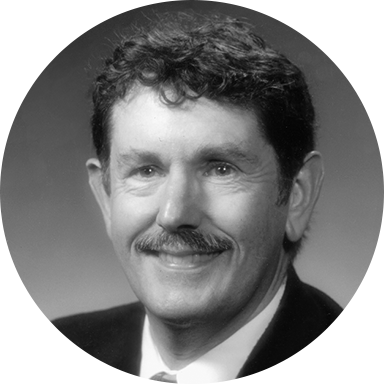
Bruce Trinkley

Bruce Trinkley is a composer and arranger whose work spans opera, chamber music, and choral literature. At Penn State University's School of Music, he teaches composition and orchestration while conducting the Penn State Glee Club, leading the ensemble on tours across the United States and internationally to England, Wales, and Trinidad and Tobago. His formal training came through Columbia University, where he studied with Otto Luening, Jack Beeson, and Charles Wuorinen.

Trinkley has established himself as a prolific arranger of traditional repertoire, creating more than 200 arrangements of folk songs, spirituals, and popular songs for choral ensembles. His original compositions have earned national recognition, including two Chamber Opera Competition wins from the National Opera Association for Eve's Odds (1999) and Cleo (2001). His recent large-scale works include Last Voyage of Captain Meriwether Lewis for men's voices and the full-length opera York: the Voice of Freedom, which premiered at Penn State Opera Theatre.

Why we love this

Trinkley's arrangement captures the swagger and storytelling momentum of this Irish folk ballad while building an accompaniment that lets your tenor and bass sections shine. The piece sits perfectly in the men's chorus repertoire sweet spot: accessible enough for groups still developing blend and balance, yet offering enough harmonic interest to reward careful rehearsal. It's exactly the kind of feature that energizes an ensemble and gives audiences a glimpse of what your men can do.

What to expect

Brennan on the Moor has the character of a well-told tale shared over a pint. There's energy and humor in the narrative, a rollicking spirit that invites rhythmic vitality and clear text delivery. The arrangement honors the folk idiom while adding harmonic color that keeps the ear engaged through twelve pages, building moments of fullness without losing the piece's inherent accessibility and charm.

Who it's for

Men's choirs of intermediate to advanced skill will find this a natural showcase piece. It works for groups with solid part-singing foundation and enough blend to sustain longer harmonic passages without sounding thin. Tenor and bass sections should both feel confident reading at this level, though the writing is straightforward enough that a musically engaged developing ensemble can succeed with solid rehearsal time.

How to get the most out of it

  • Lock the rhythm section (tenors and basses) early in rehearsal so the harmonic foundation sits solidly before layering in interpretive details.
  • Emphasize the storytelling quality of the text; this is a narrative folk song, not a concert art song. Let the humor and roguishness come through in your phrasing and diction.
  • Balance the vocal parts so the melody is clear without drowning out the inner voice movement. This arrangement has real harmonic content.
  • Shape dynamic arcs by phrase rather than holding the same volume throughout; the ballad's narrative naturally suggests peaks and valleys.

How to use it

This works as a centerpiece feature in a concert celebrating folk traditions or Irish repertoire, giving you substantial length and musical substance without demanding a separate accompanist or ensemble. Pair it with lighter vocal selections or instrumental pieces to balance its storytelling weight, or program it as the standalone highlight in a shorter men's chorus concert segment.

Skills your students will build

  • Sustaining longer harmonic passages while maintaining blend and intonation
  • Delivering text with clarity and character through a 12-page narrative arc
  • Reading and balancing inner voice movement in four-part homophonic writing
  • Rhythmic independence and ensemble lock in folk idiom contexts

You May Also Like
