
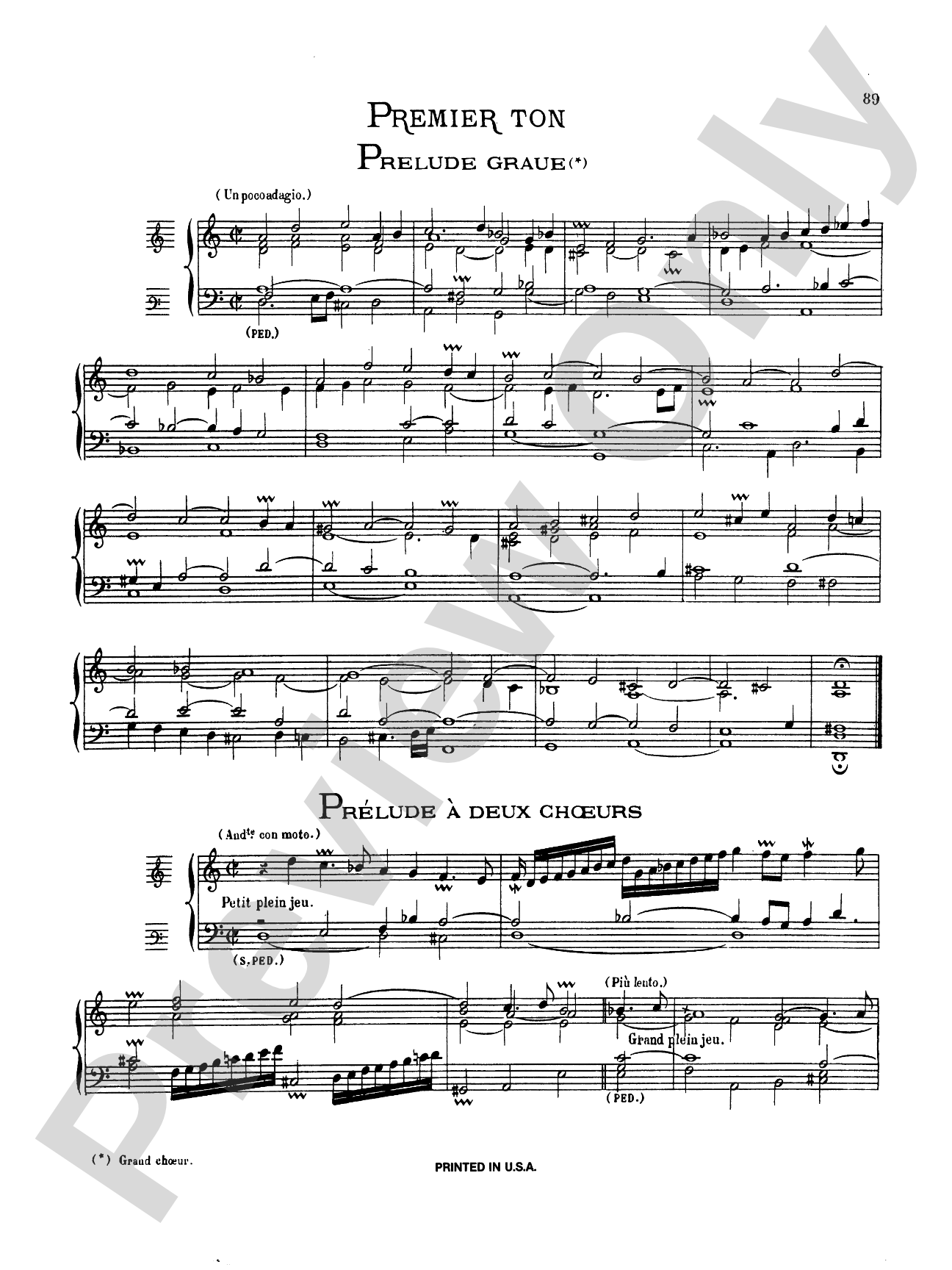
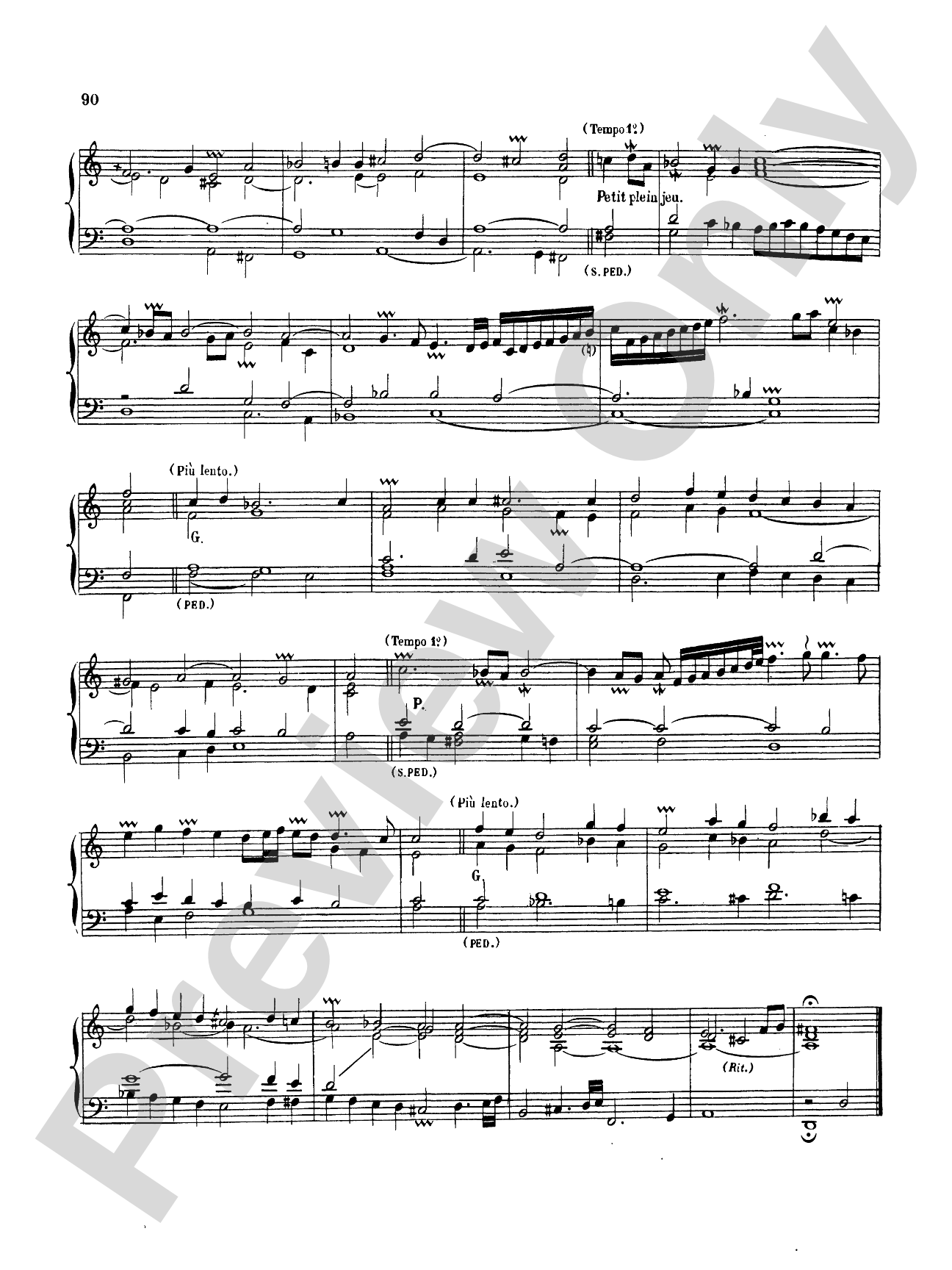
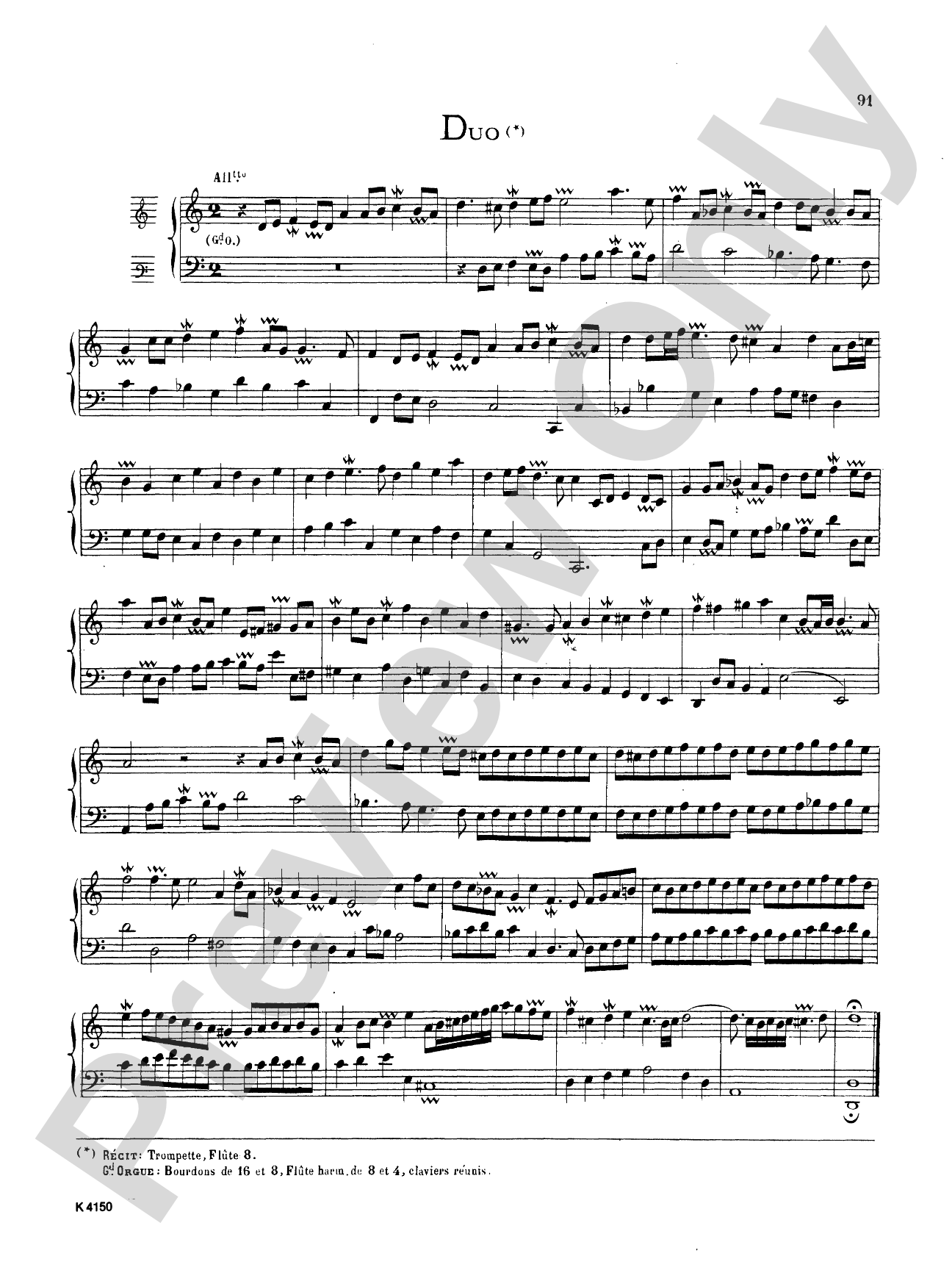
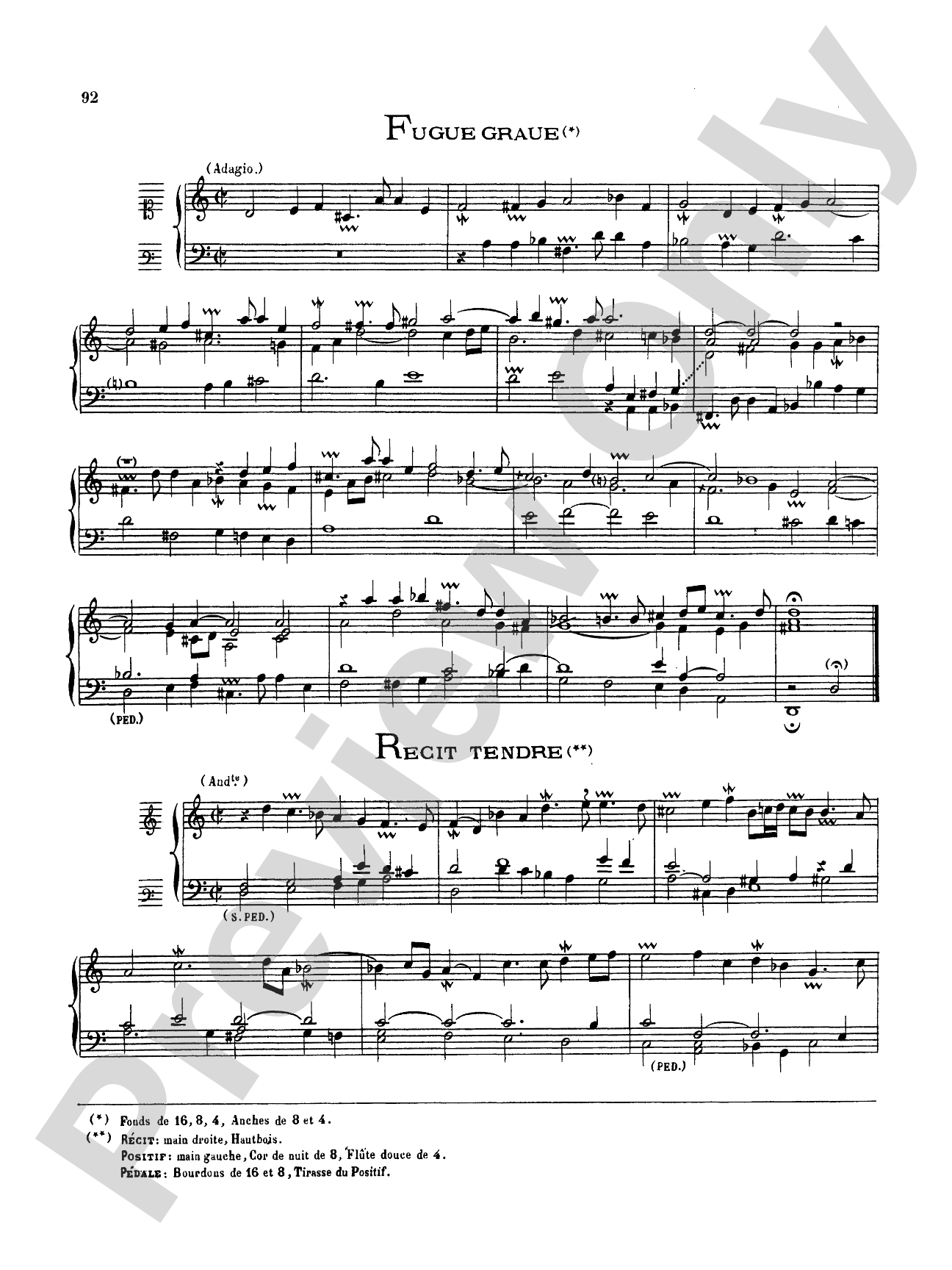

Boyvin: Organ Works, Volume II: Organ Book
By Jacques Boyvin
Item: 00-PK-0003432

$12.99
Pickup currently not available
Buy Extra Parts (Digital PDF Download)
| Product | Price | Quantity |
|---|---|---|
| Boyvin: Organ Works, Volume II | $0.99 | |
| Boyvin: Organ Works, Volume II | $0.99 | |
| Boyvin: Organ Works, Volume II | $0.99 | |
| Boyvin: Organ Works, Volume II | $0.99 | |
| Boyvin: Organ Works, Volume II | $0.99 | |
| Boyvin: Organ Works, Volume II | $0.99 | |
| Boyvin: Organ Works, Volume II | $0.99 | |
| Boyvin: Organ Works, Volume II | $0.99 |
Parts Added to Cart!
Related Items
Organ Works, Volume II: Organ Book |
$12.99
|
View |
Description
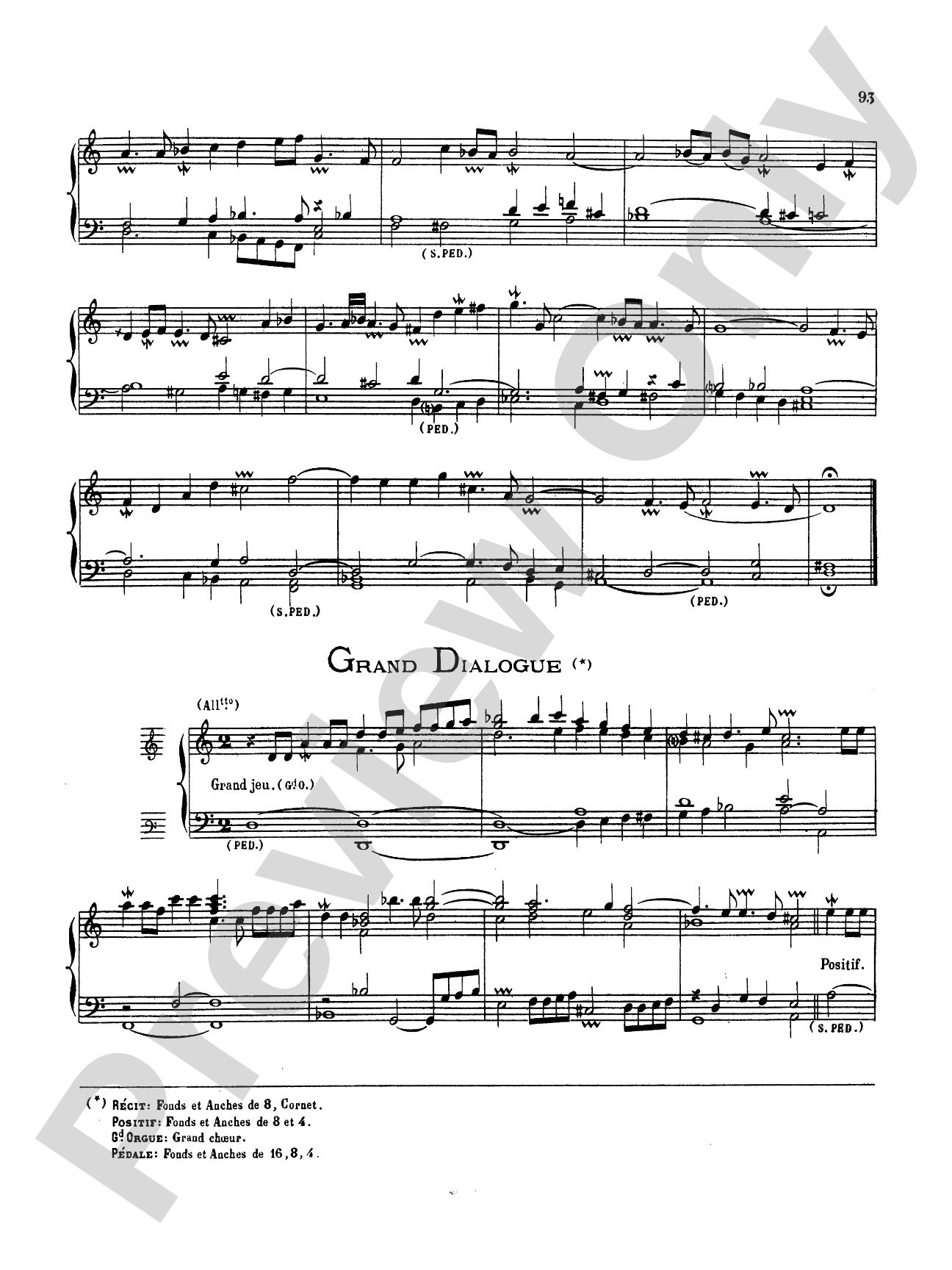
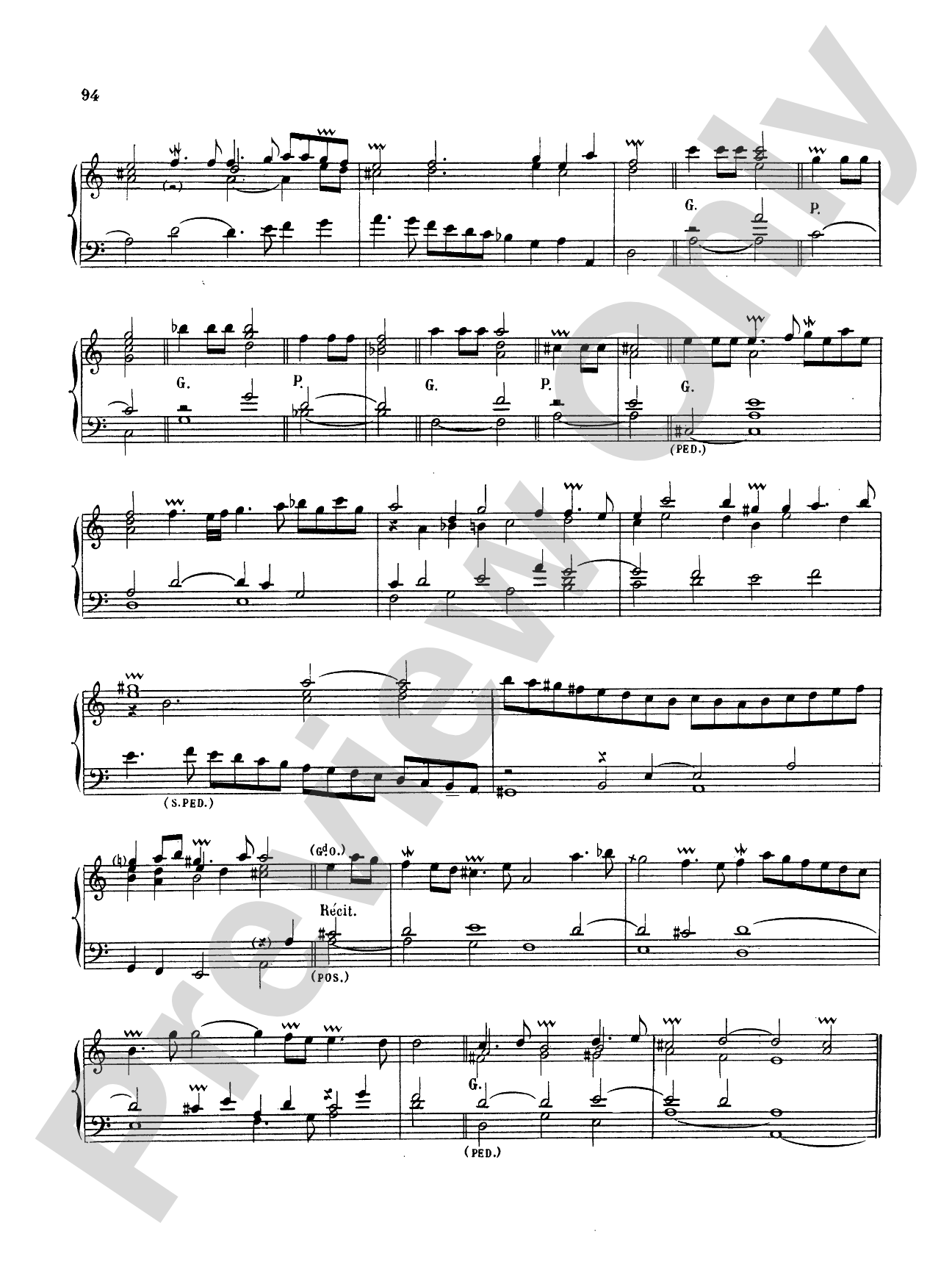
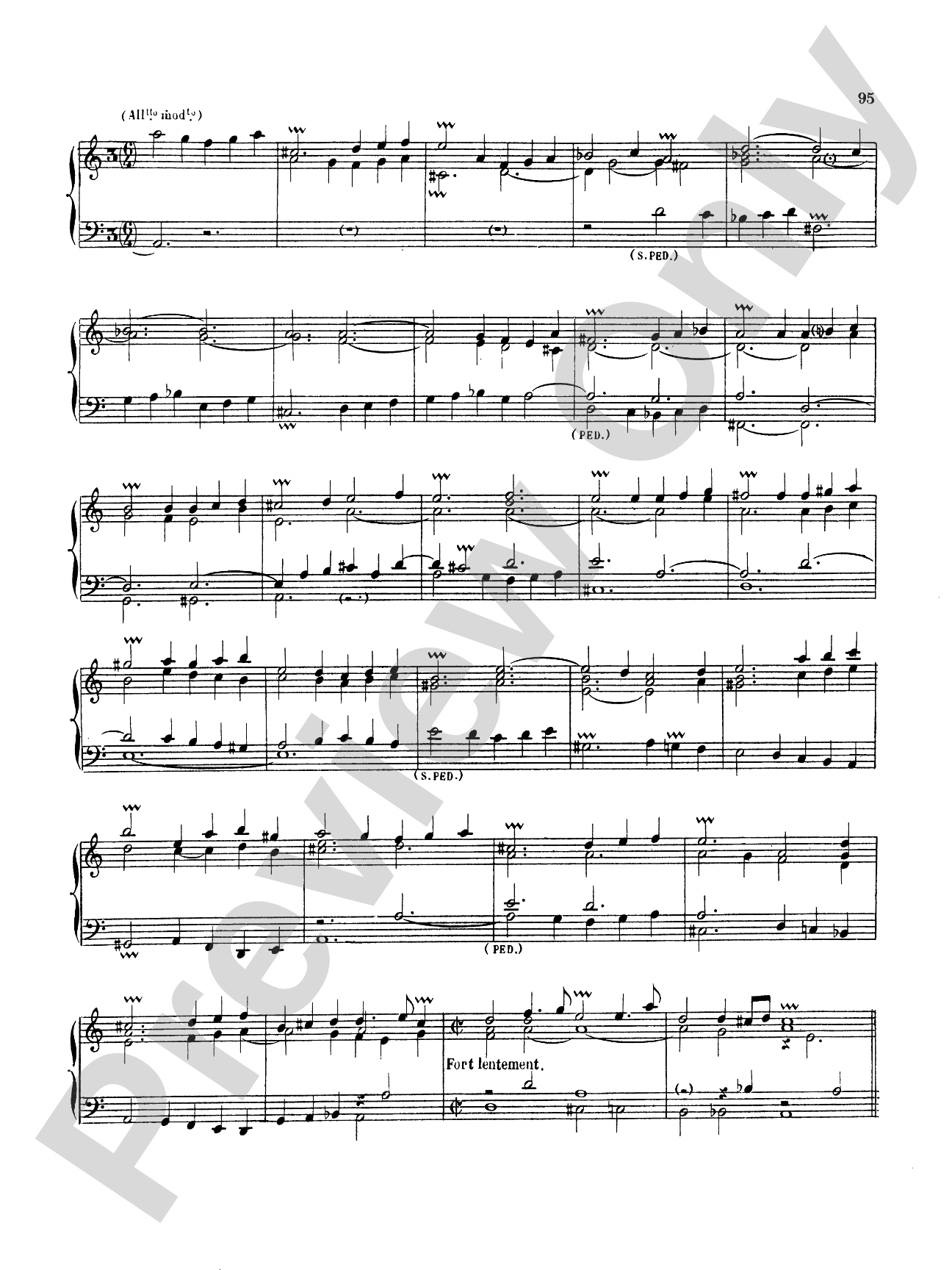
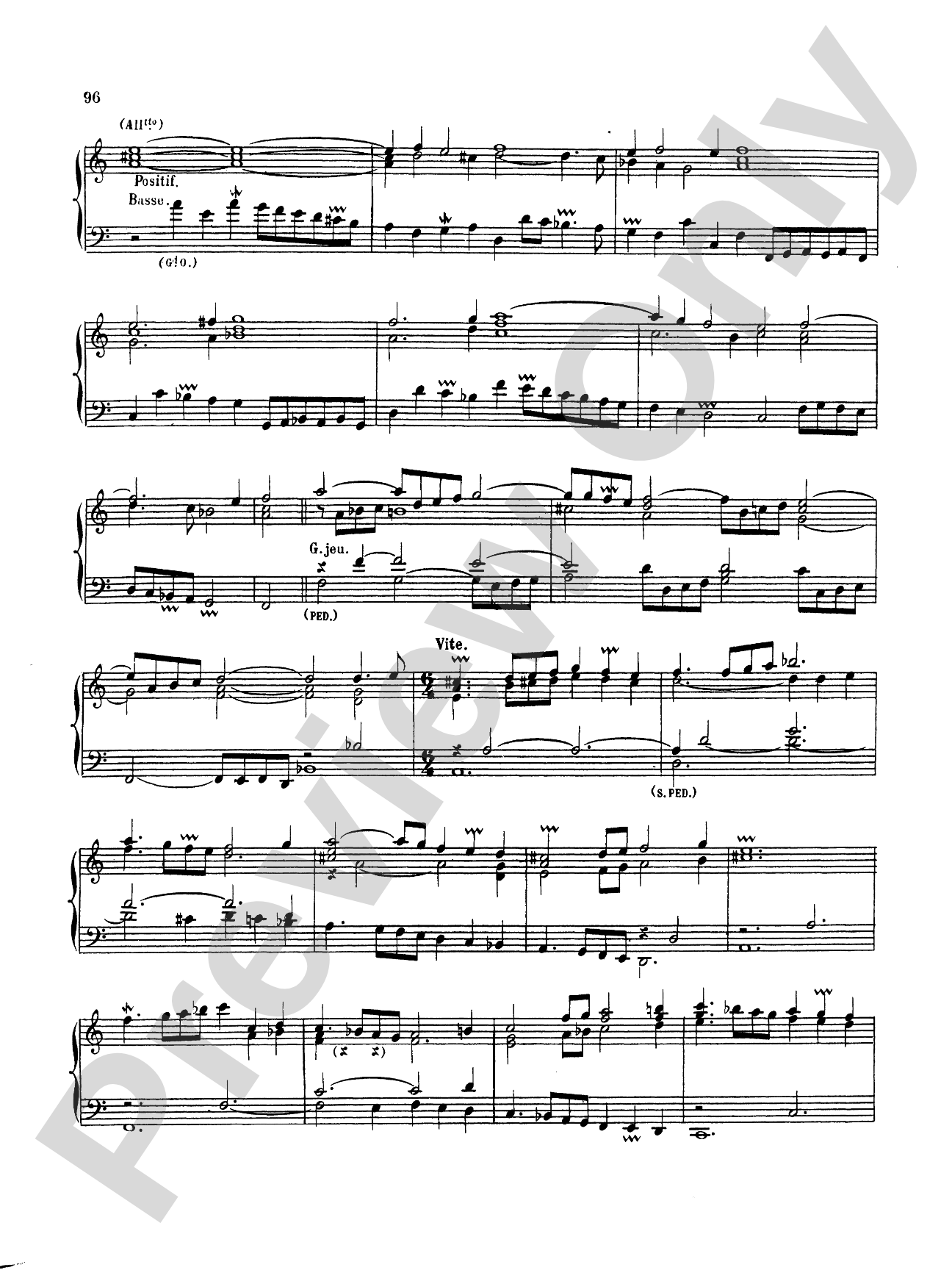
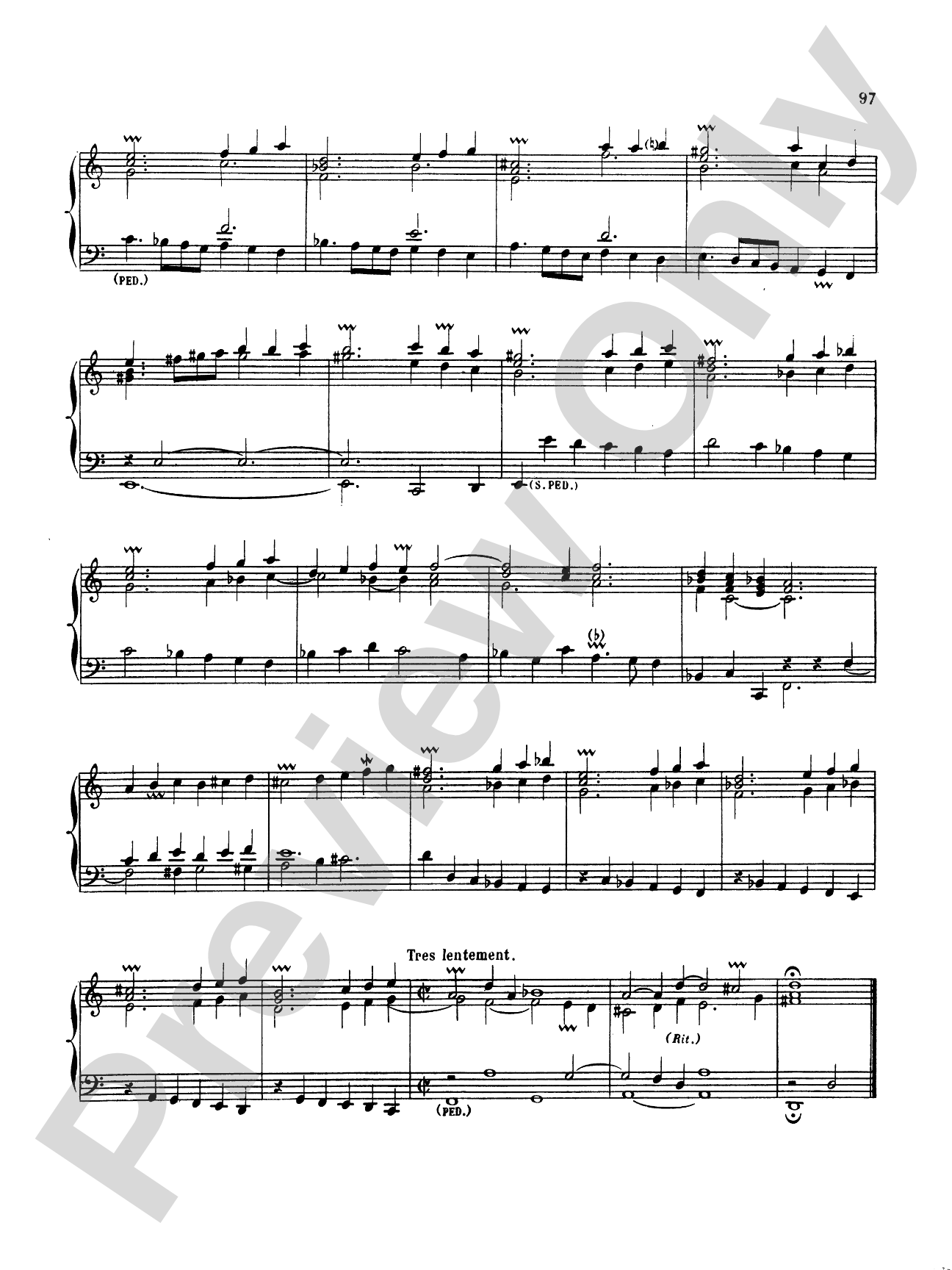
A collection of exercises, for Organ, composed by Jacques Boyvin.


Don't just read it, hear it, play along with it, and watch your students grow with it. In MakeMusic Cloud, Boyvin: Organ Works, Volume II: Organ Book comes alive with professional accompaniment, adjustable tempo, and built-in practice tools that turn solo practice into real progress.
Open in the Player
Jump straight in and assign it today.
Start Your Free Trial
Open this title and explore the full library in minutes.
Sample Audio
No sample audio found.
Sample Video
No sample videos found.
Additional Details
Series:
Kalmus Edition
Publisher:
Alfred Music
Page Count:
72
SKU:
00-PK-0003432
More about this title
About the Composer: Jacques Boyvin
Jacques Boyvin (c. 1649-1706) was a French organist and composer who served as titular organist at the Cathedral of Rouen for much of his career. He published two collections of organ works that became foundational teaching materials in the French Baroque tradition, demonstrating the harmonic language and registration practices of his era. His compositions bridge the gap between the French classical style and the emerging techniques that would dominate eighteenth-century organ pedagogy.
Boyvin's exercises and pieces were designed for serious students of the instrument and reflect the contrapuntal discipline and ornamentation typical of late Baroque French organ music. His works remain essential historical documents for organists studying the evolution from Renaissance polyphony to the structured keyboard writing of the Classical period.
Why we love this
This volume offers organists genuine Baroque repertoire written for teaching purposes, rather than simplified arrangements or modern compositions masquerading as historical material. The exercises develop facility across the technical challenges specific to seventeenth-century French organ music: hand independence, pedal technique, and the articulation required for proper ornamentation and phrasing.
What to expect
Disciplined, elegant, and intellectually satisfying. Boyvin's writing balances clarity of line with the harmonic language of the French Baroque, creating music that sounds both logical and expressive. The exercises build in complexity and scope, creating a sense of purposeful progression rather than arbitrary technical drills.
Who it's for
Organists with solid intermediate technique who are ready to engage with historical French Baroque repertoire and understand the pedagogical framework of the seventeenth century. This collection serves students preparing for church positions, recital programs emphasizing historical literature, or anyone building comprehensive knowledge of Baroque keyboard writing.
How to get the most out of it
- Attend closely to the indicated registrations and temperament expectations of the original French Baroque organ; the harmonic colors depend on appropriate choice of stops rather than modern romantic sonorities.
- Practice hands alone and hands with pedal separately before combining all three; Boyvin's counterpoint requires independence that develops through systematic isolation.
- Allow ornamentation to emerge from the underlying harmonic motion rather than imposing decoration on stable harmony; the style depends on subtle, purposeful embellishment.
How to use it
Feature these works on recitals focused on Baroque organ literature, or program individual pieces alongside other French seventeenth-century composers to demonstrate the continuity and variety within the period. They also serve as preparation for studying the more complex works of Buxtehude or the German Baroque tradition.
Skills your students will build
- French Baroque ornamentation and articulation
- Pedal technique and foot independence in Baroque contexts
- Hand independence in two-part and three-part writing
- Registration choices appropriate to seventeenth-century French organs
- Harmonic analysis and voice leading in late Baroque tonality
- Interpretation of historical notation and style indications