Bonita Dia Cover Image

Bonita Dia: String Orchestra Conductor Score & Parts

$40.00 USD
Sale price  $40.00 USD Regular price 
Skip to product information
Bonita Dia Cover Image

Bonita Dia: String Orchestra Conductor Score & Parts

By Edmund J. Siennicki

Grade: 2

Item: 00-20277

$40.00
Shipped

One moment…

Description
Bonita Dia is a Latin-American rhumba for string orchestra that will have your students dancing in their seats! Full of rhythmic intensity, this piece may be enhanced by the addition of optional percussion instruments. Let's get ready to rhumba! Correlated with Strictly Strings, Book 1, page 32.

Bonita Dia: String Orchestra Conductor Score & Parts isn't in MakeMusic Cloud just yet...but it could be. Let us know you'd like to see it, and you'll help shape what comes next. In the meantime, start a free trial and dive into thousands of interactive titles your students can play along with today.

Sample Pages

Sample Audio
0:00
0:00
Sample Video
Additional Details
Series: Highland/Etling Strictly Strings
Publisher: Alfred Music
Page Count: 1
UPC: 038081187655
SKU: 00-20277

More about this title

About the Composer: Edmund J. Siennicki
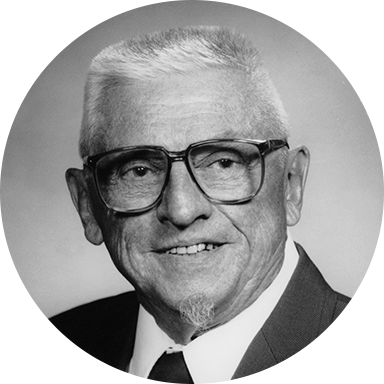
Edmund J. Siennicki

Edmund J. Siennicki grew up in Cleveland, Ohio, where at age twelve he met the legendary pianist Ignacy Jan Paderewski, an encounter that shaped his artistic direction for decades to come. He earned his Bachelor's degree from Kent State University, where he composed the school's fight song, still performed at football games today. His graduate studies at Teachers College, Columbia University included composition study with Herbert Elwell, electronic music training with Sergio Barroso, and consultation with Vincent Persichetti.

Siennicki's professional life balanced performing (bassoon and piano) with composing and teaching. He spent most of his career in Cleveland's junior high schools while also holding faculty positions at Michigan and Kent State University. His catalog includes roughly 200 published works, many of them award winners in national school orchestra composition contests. He has been composer in residence at the MacDowell Colony twice and has received consecutive ASCAP awards for twenty years. He continues to compose, visit schools, and lead clinics.

Why we love this

Siennicki captures the infectious energy of the rhumba without overcomplicating the writing, making this accessible for Grade 2 orchestras while still delivering real musical satisfaction. The rhythmic drive is infectious enough to feel authentic, and the optional percussion parts give you flexibility depending on your instrumentation and student readiness. This is smart repertoire that teaches rhythmic vitality while keeping ensemble balance manageable.

What to expect

Bonita Dia pulses with the warmth and propulsive rhythm of a Caribbean dance floor. The string parts lock into a driving accompaniment that lets students feel the groove while the melody captures the brightness and charm of the style. It's music designed to make musicians move, whether literally or in the subtle ways their bodies respond to a irresistible beat.

Who it's for

Grade 2 string orchestras ready to explore Latin repertoire with rhythmic authenticity. Works equally well for orchestras anchored by the Strictly Strings curriculum or as a standalone piece when you want to energize a program without steep technical demands.

How to get the most out of it

  • Lock the rhythmic feel early in rehearsal by establishing a steady pulse with the bass line; the rhumba doesn't sit well with uneven time keeping.
  • Balance the melody against the rhythmic accompaniment so the tune sings through without getting buried under the accompaniment figures.
  • If you're using percussion, bring those players in gradually during rehearsal so the string players can hear their foundation before adding the color on top.
  • Shape the phrasing even within the shorter sections; resist the urge to make everything straight and driving, which flattens the style.

How to use it

Slot this into a concert or rehearsal when you need a mood shift from the standard classical fare. It pairs naturally with other folk or world music selections and serves as an excellent palate cleanser between heavier works. The single-page format makes it easy to add to a mixed program or to use as a quick-win piece early in the school year when building ensemble confidence.

Skills your students will build

  • Reading and executing consistent rhythmic patterns across an ensemble
  • Balancing melody against accompaniment figures
  • Playing with stylistic awareness of Latin rhythmic conventions
  • Coordinate with optional percussion parts to build ensemble listening

You May Also Like