
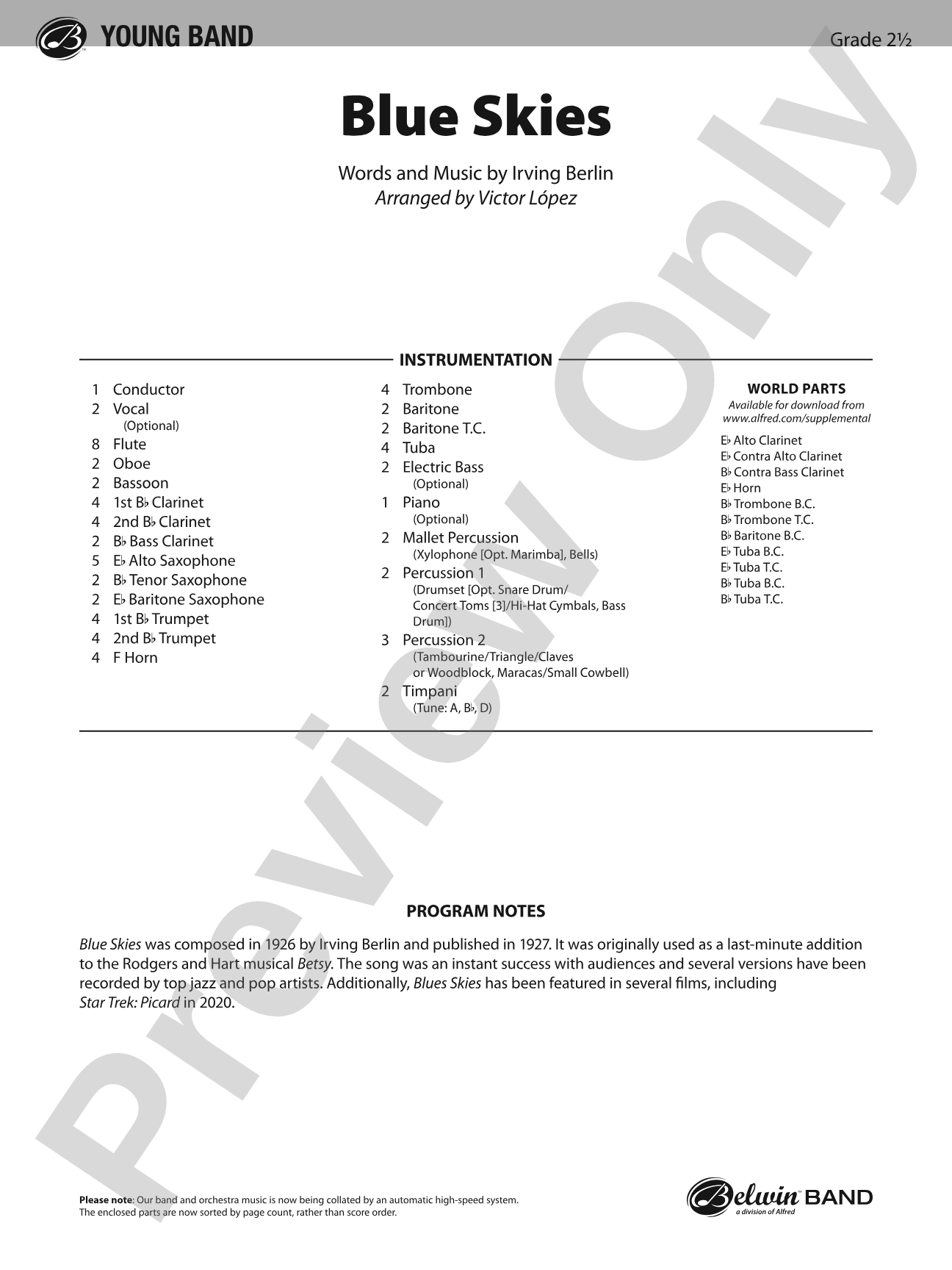
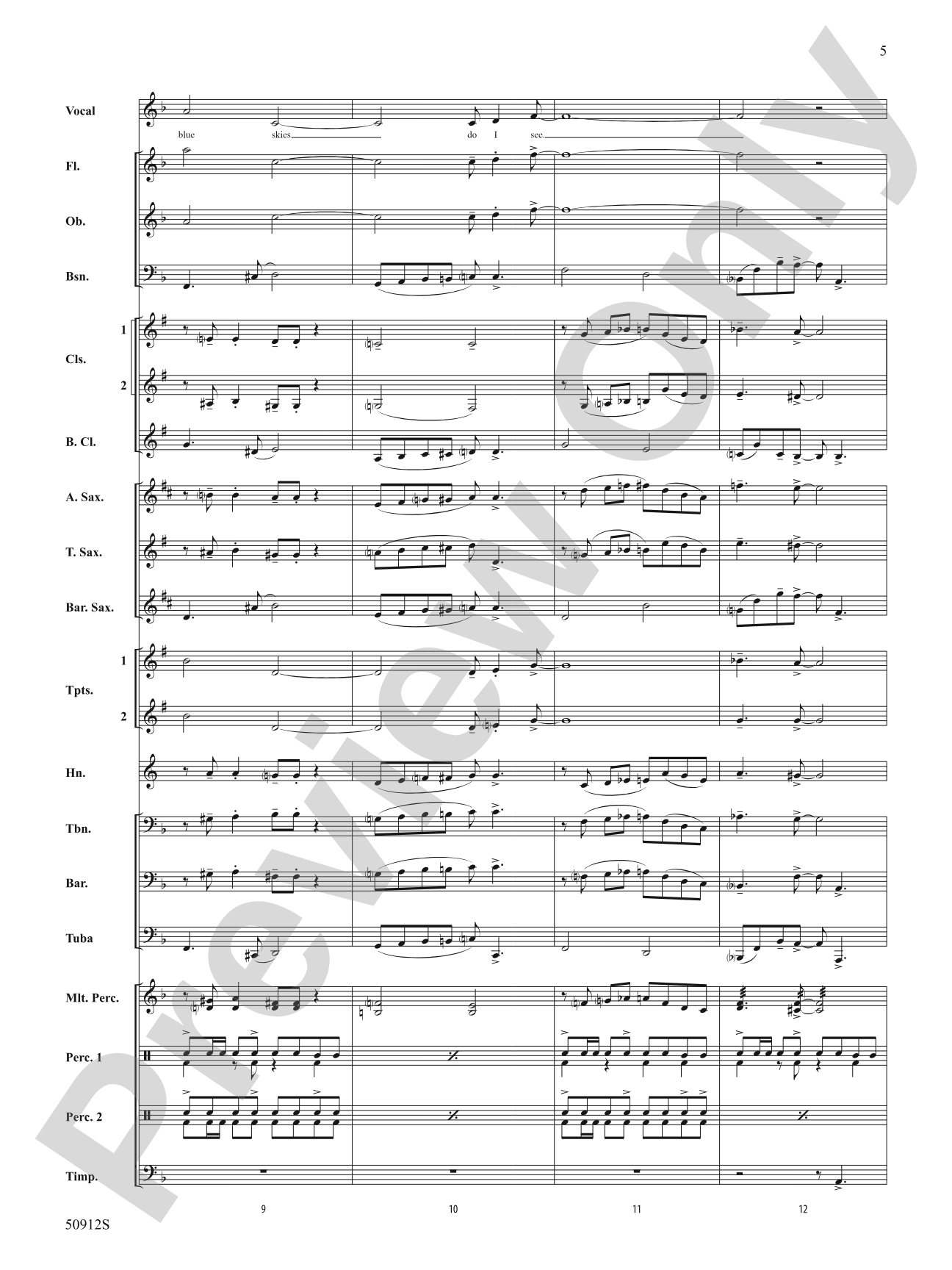
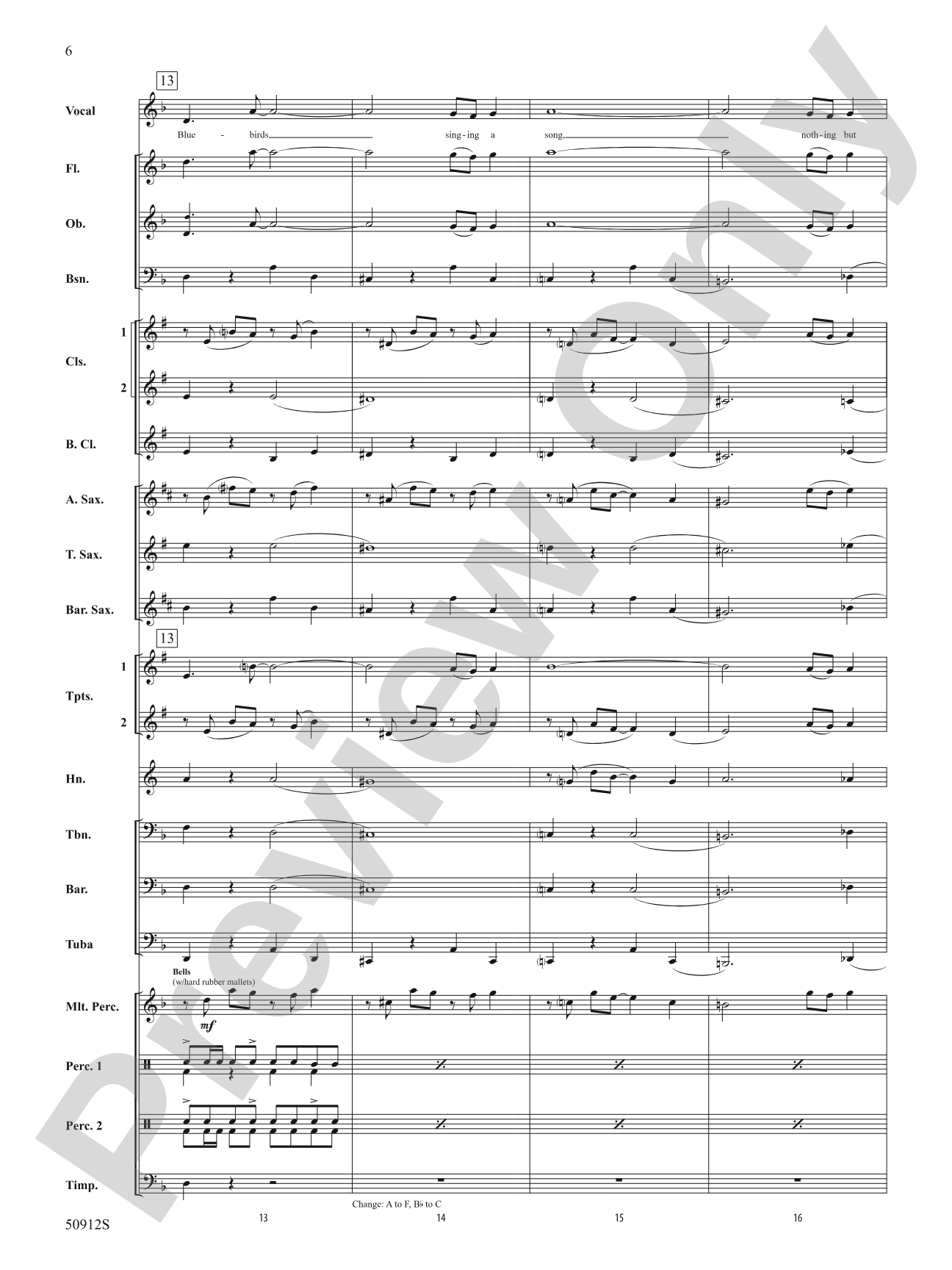
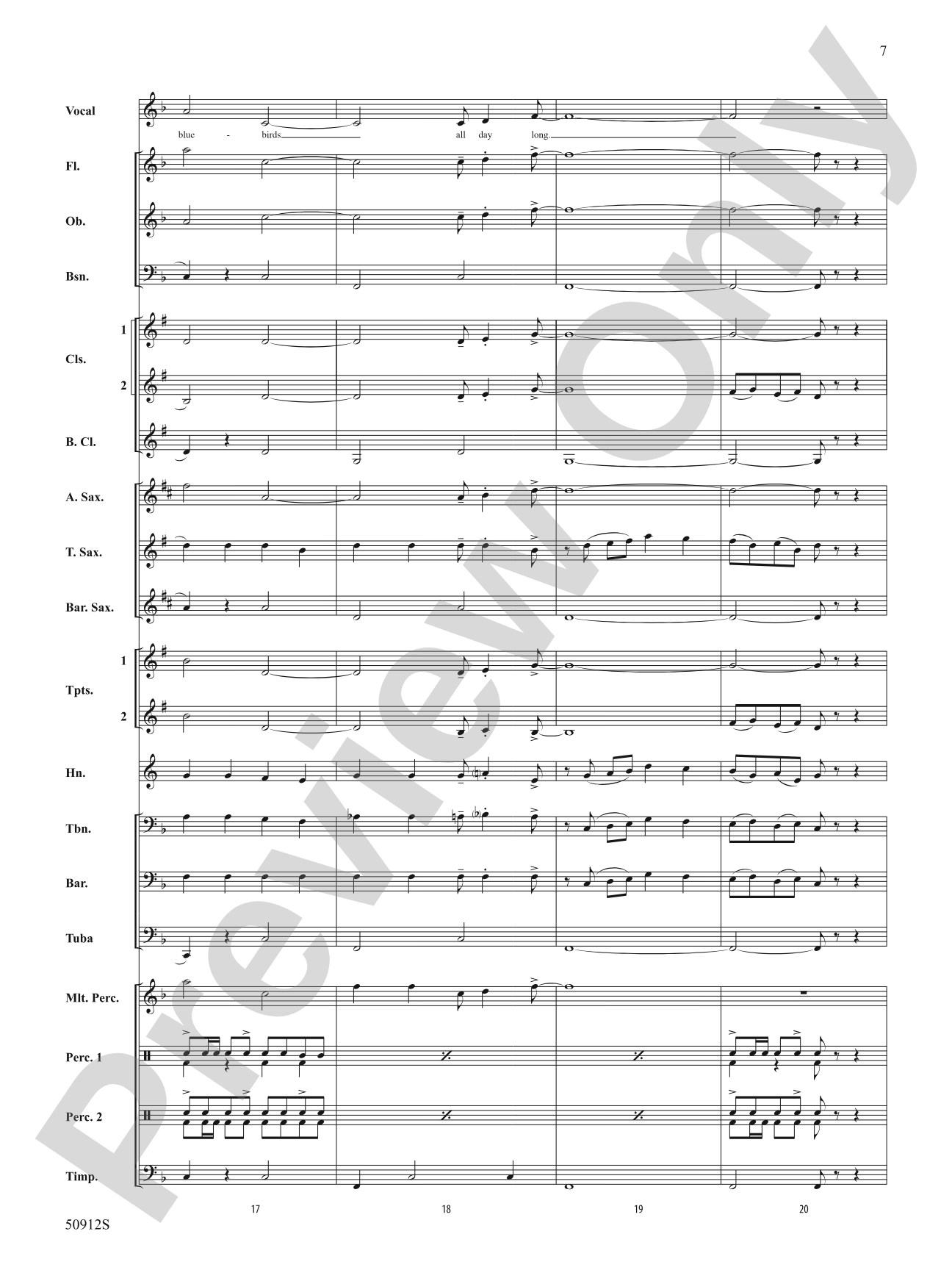
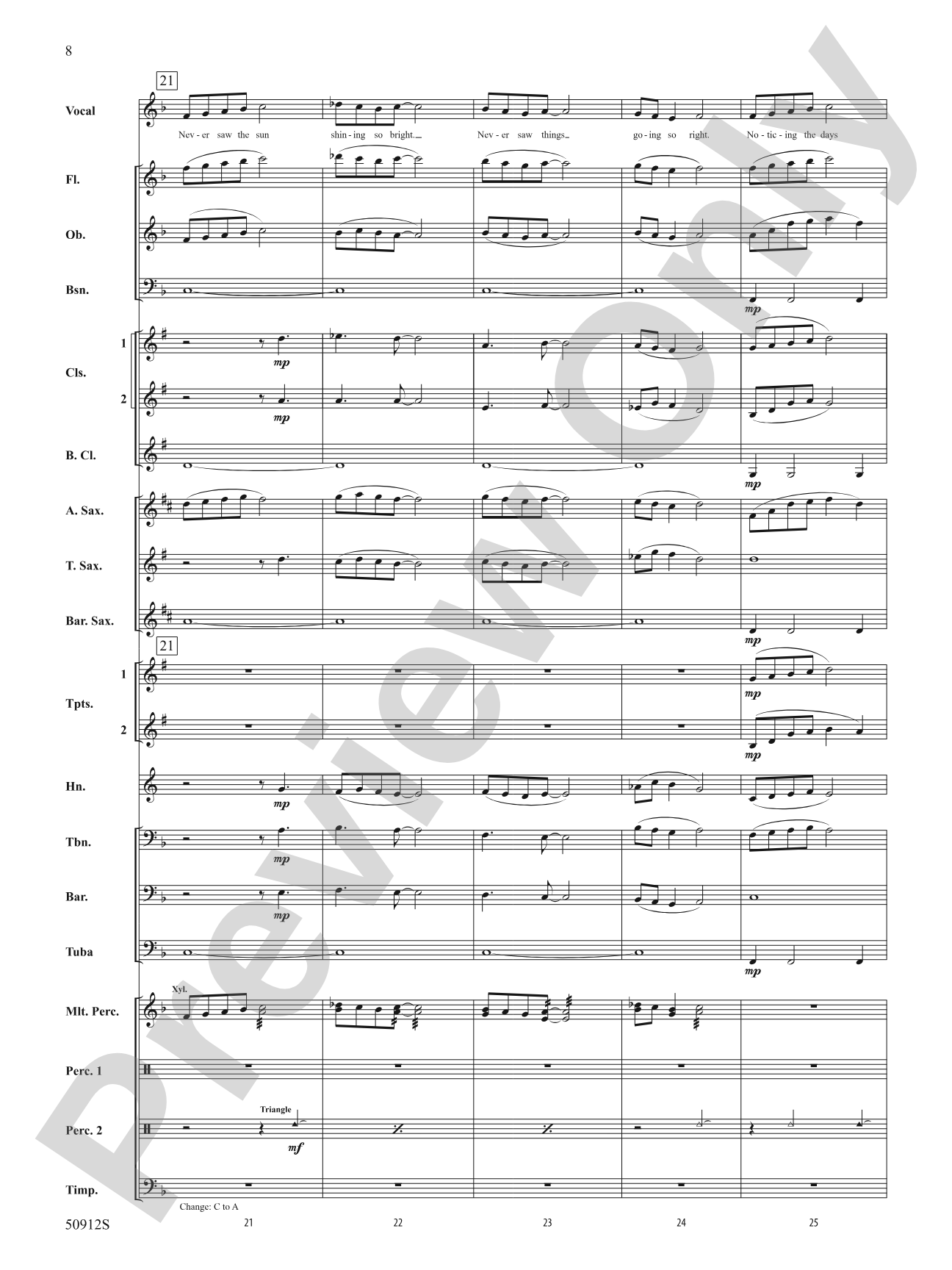
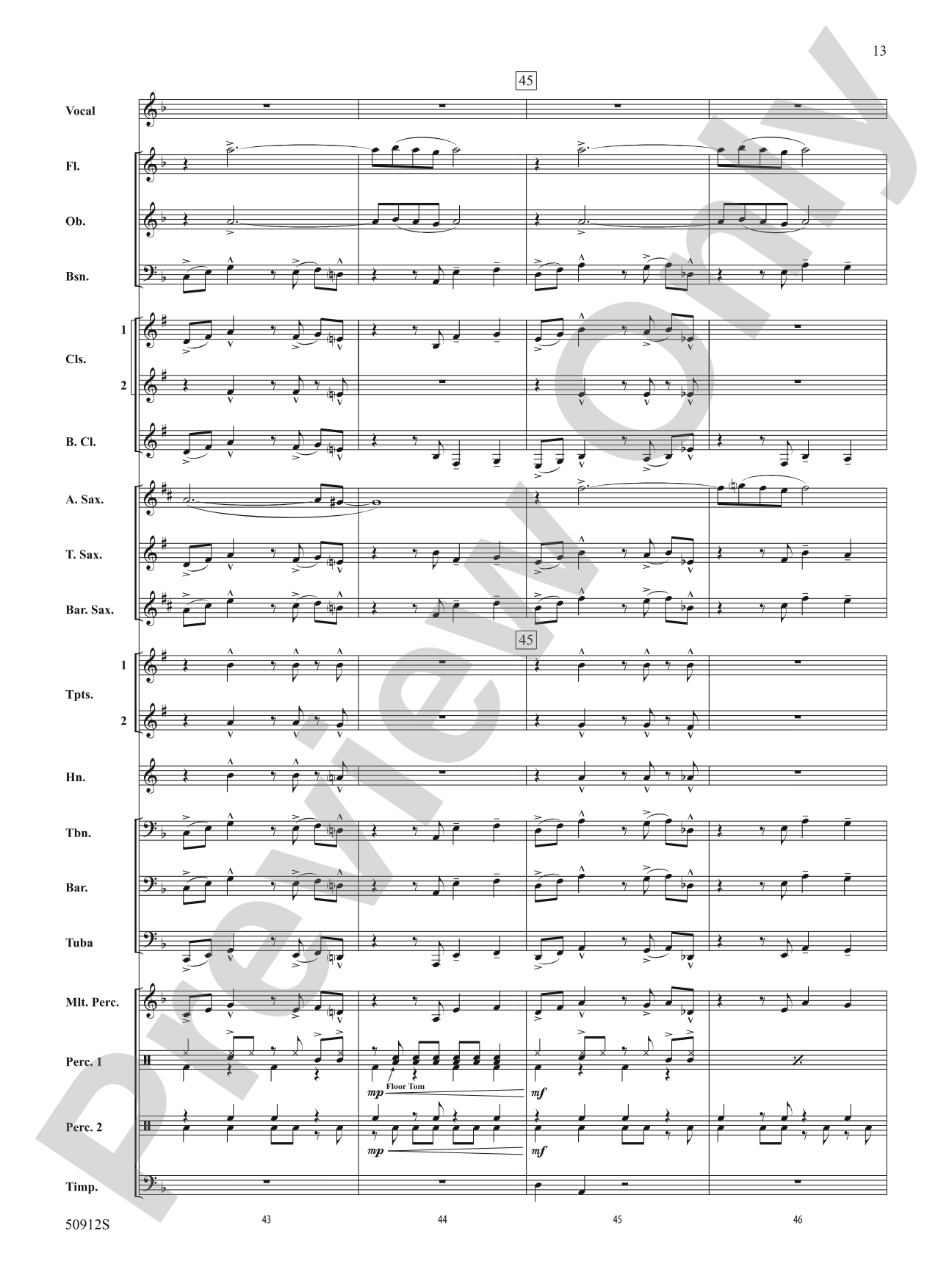
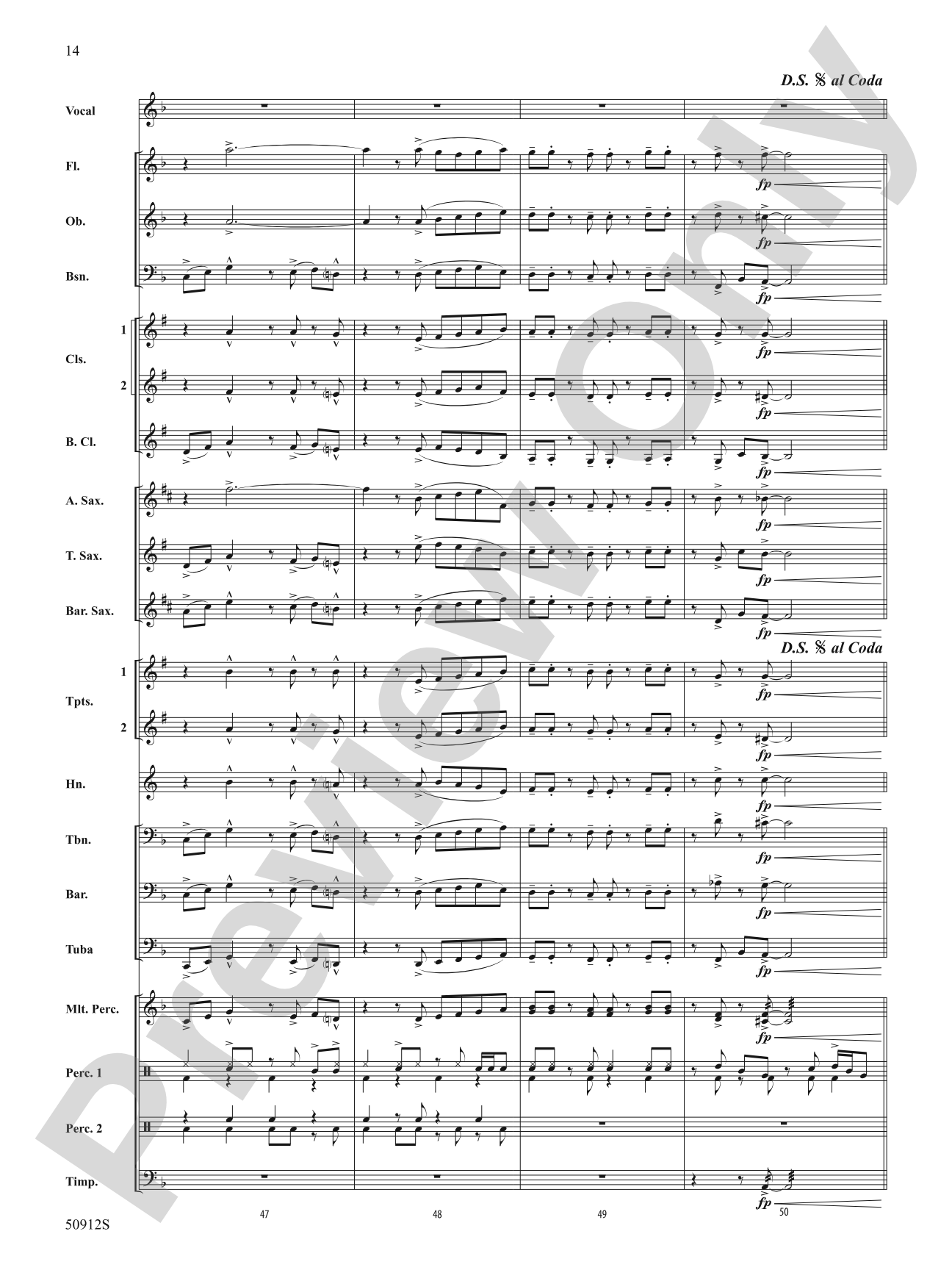
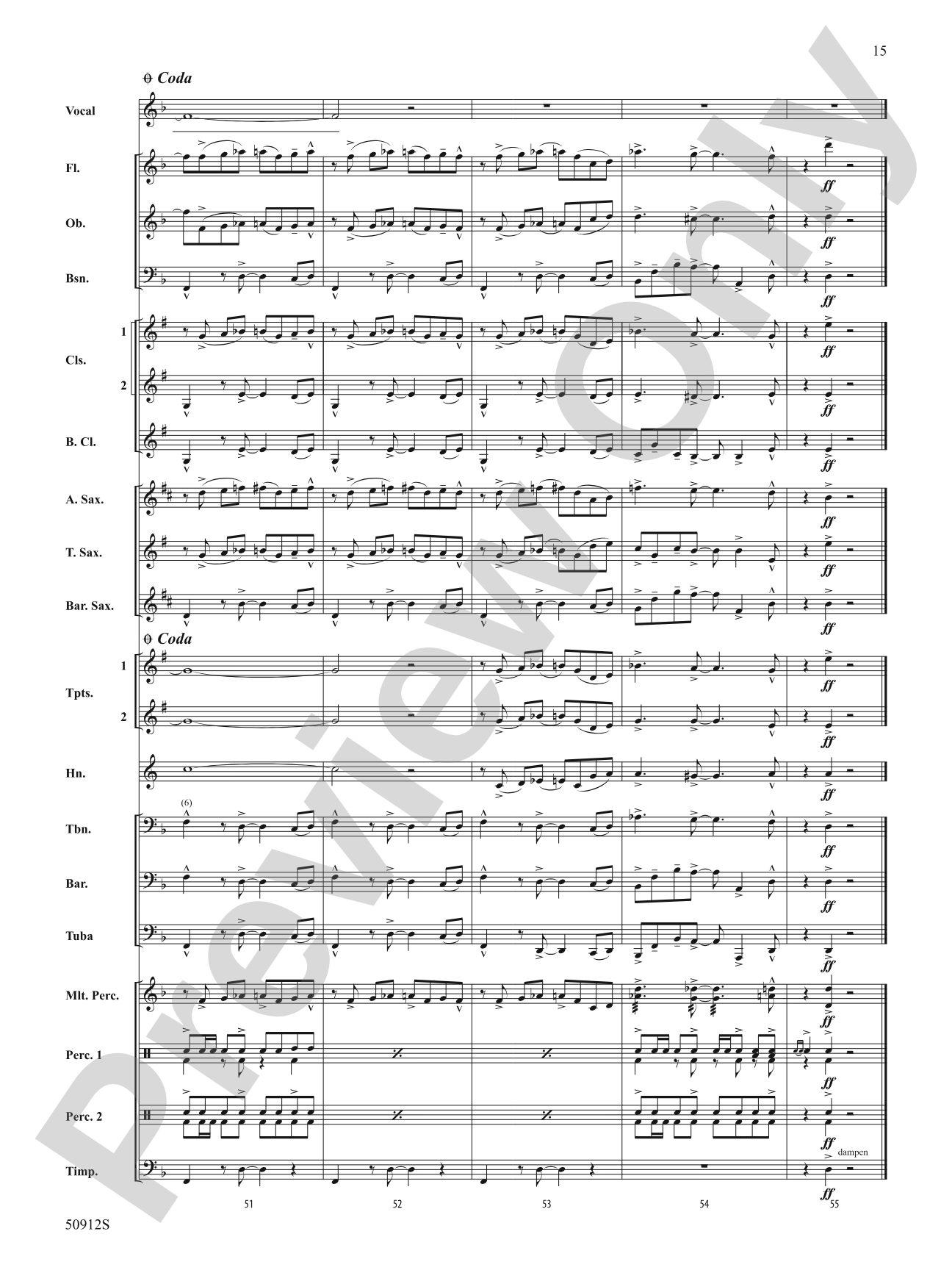

Blue Skies: Concert Band Conductor Score & Parts
Words and music by Irving Berlin / arr. Victor López
Grade: 2.5
Item: 00-PK-0009013

$75.00
One moment…
Related Items
Blue Skies: Full Orchestra Conductor Score & Parts |
$75.00
|
View | |
Blue Skies: Jazz Ensemble Conductor Score & Parts |
$45.00
|
View | |
Blue Skies: Full Orchestra Conductor Score & Parts |
$75.00
|
View | |
Blue Skies: Full Orchestra Conductor Score |
$10.00
|
View | |
Blue Skies: Concert Band Conductor Score & Parts |
$75.00
|
View | |
Blue Skies: Concert Band Conductor Score |
$10.00
|
View | |
Blue Skies: Jazz Ensemble Conductor Score & Parts |
$45.00
|
View | |
Blue Skies: Jazz Ensemble Conductor Score |
$7.00
|
View |
Description
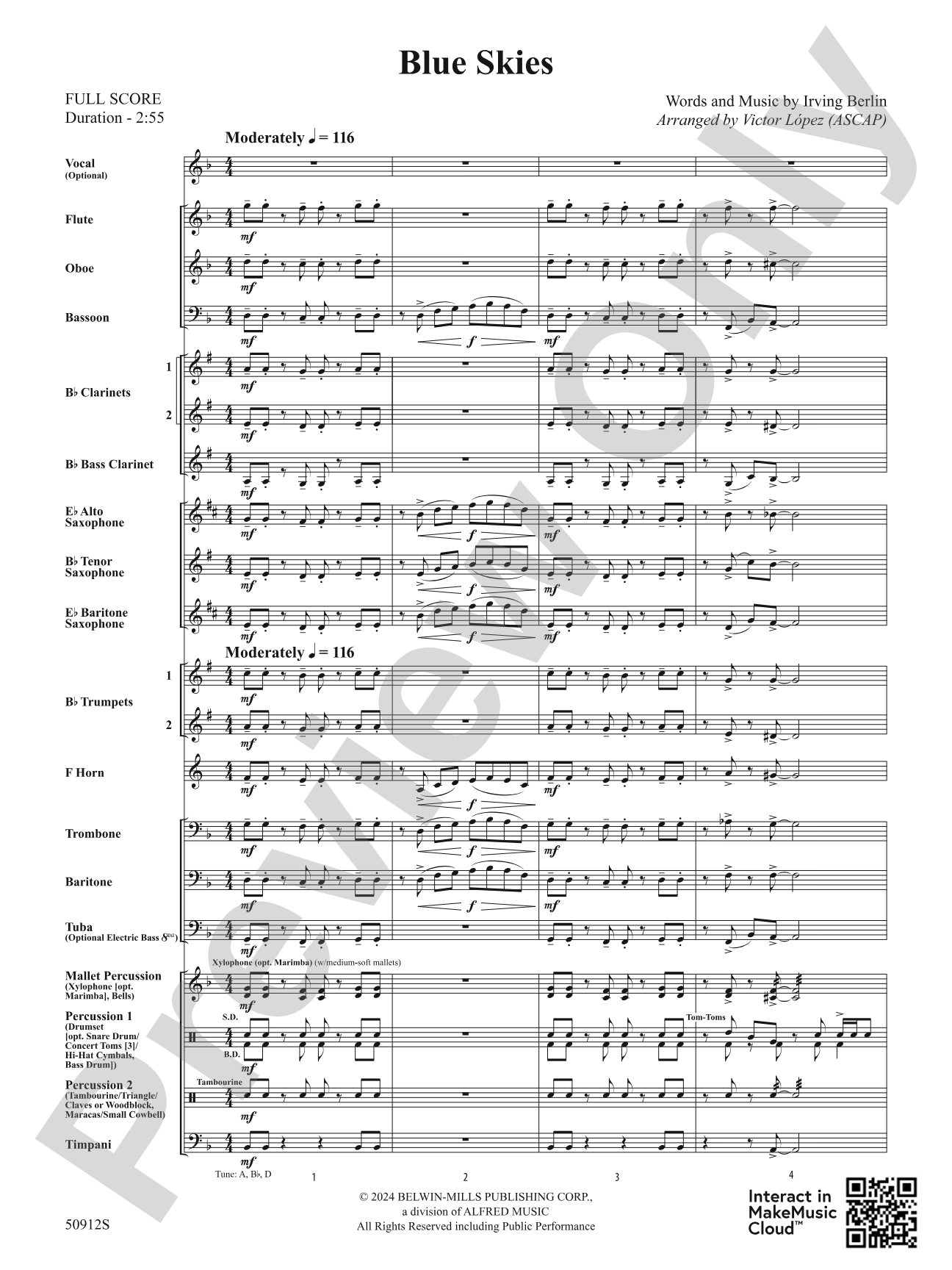
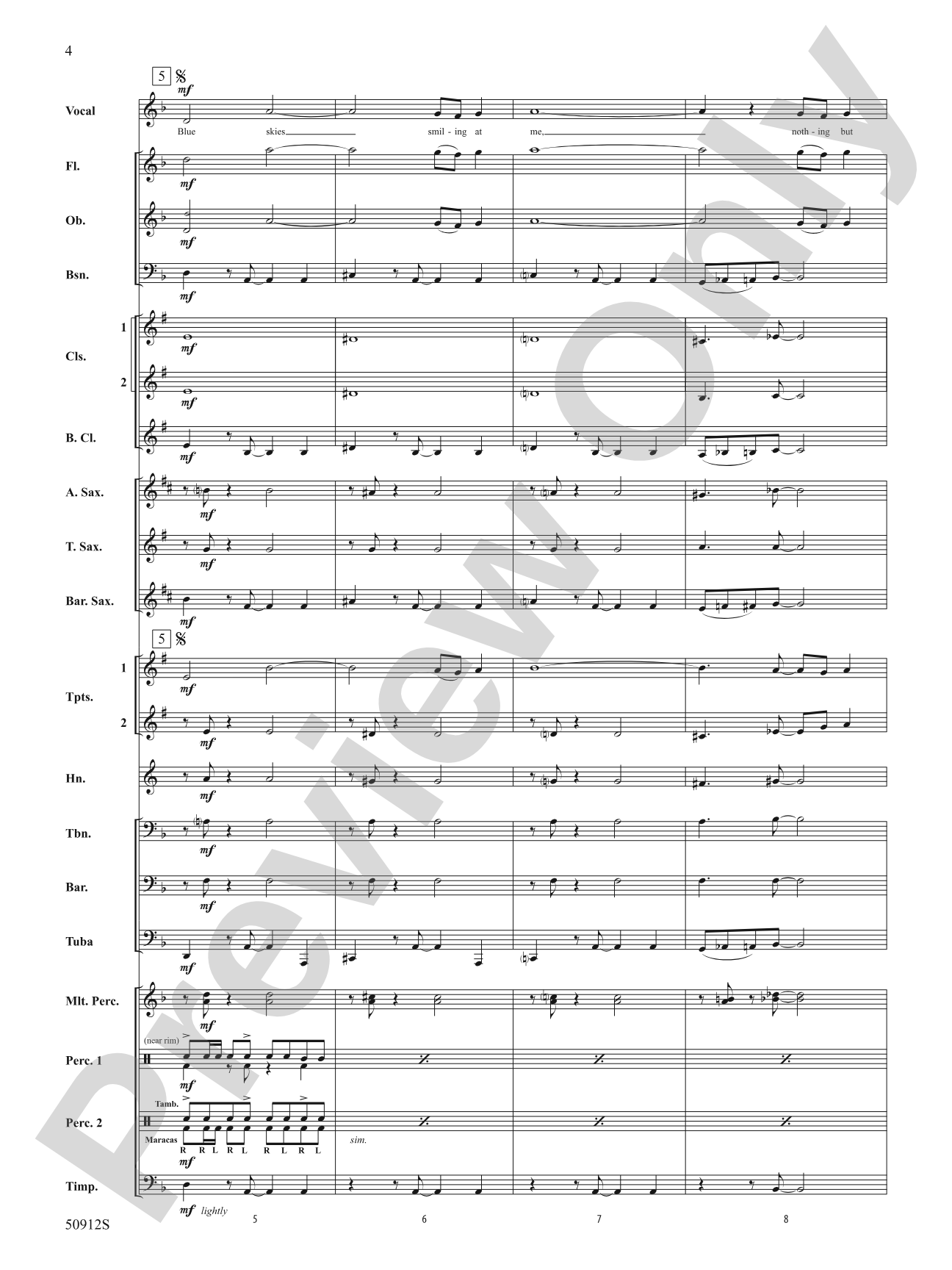
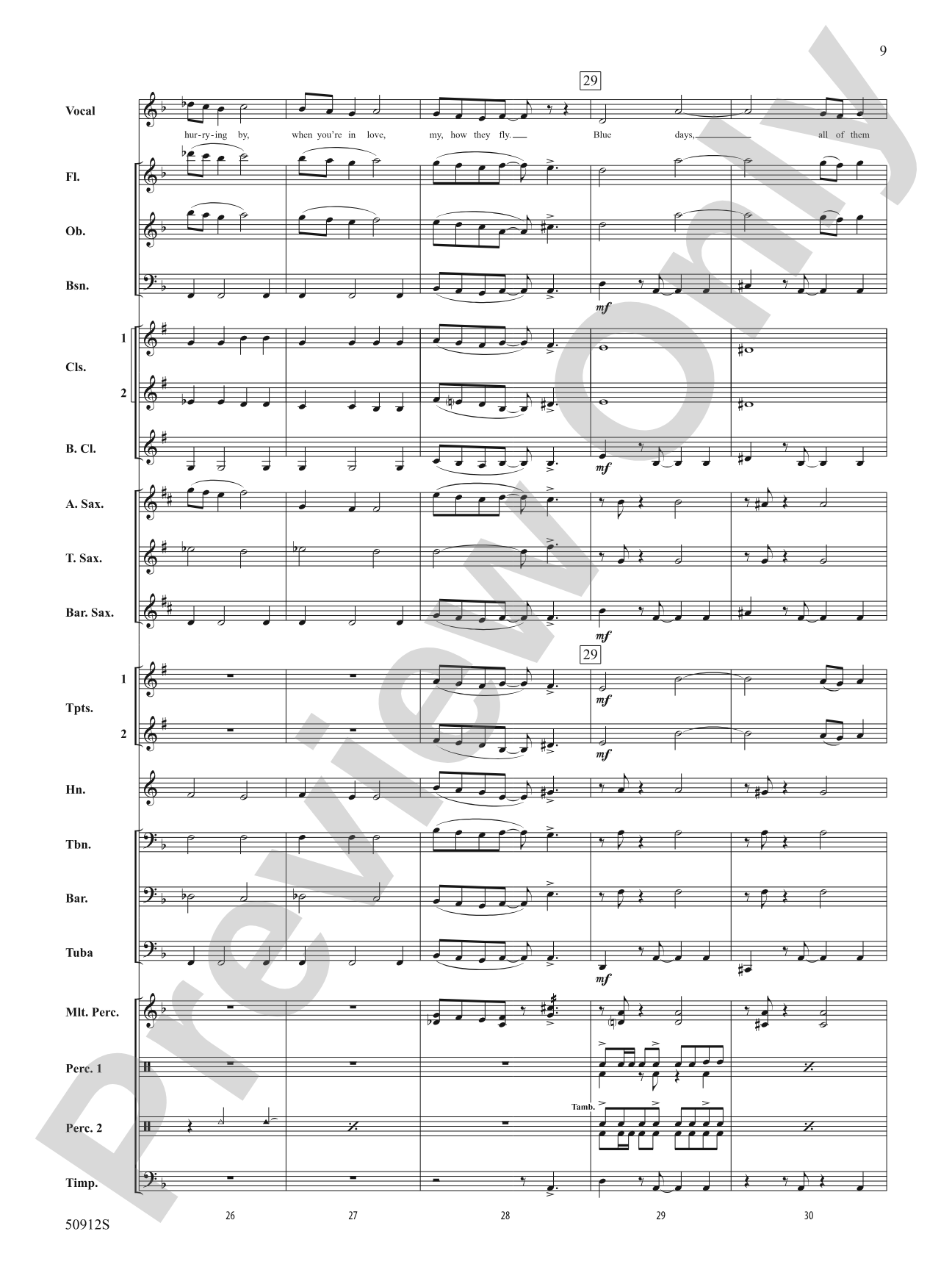
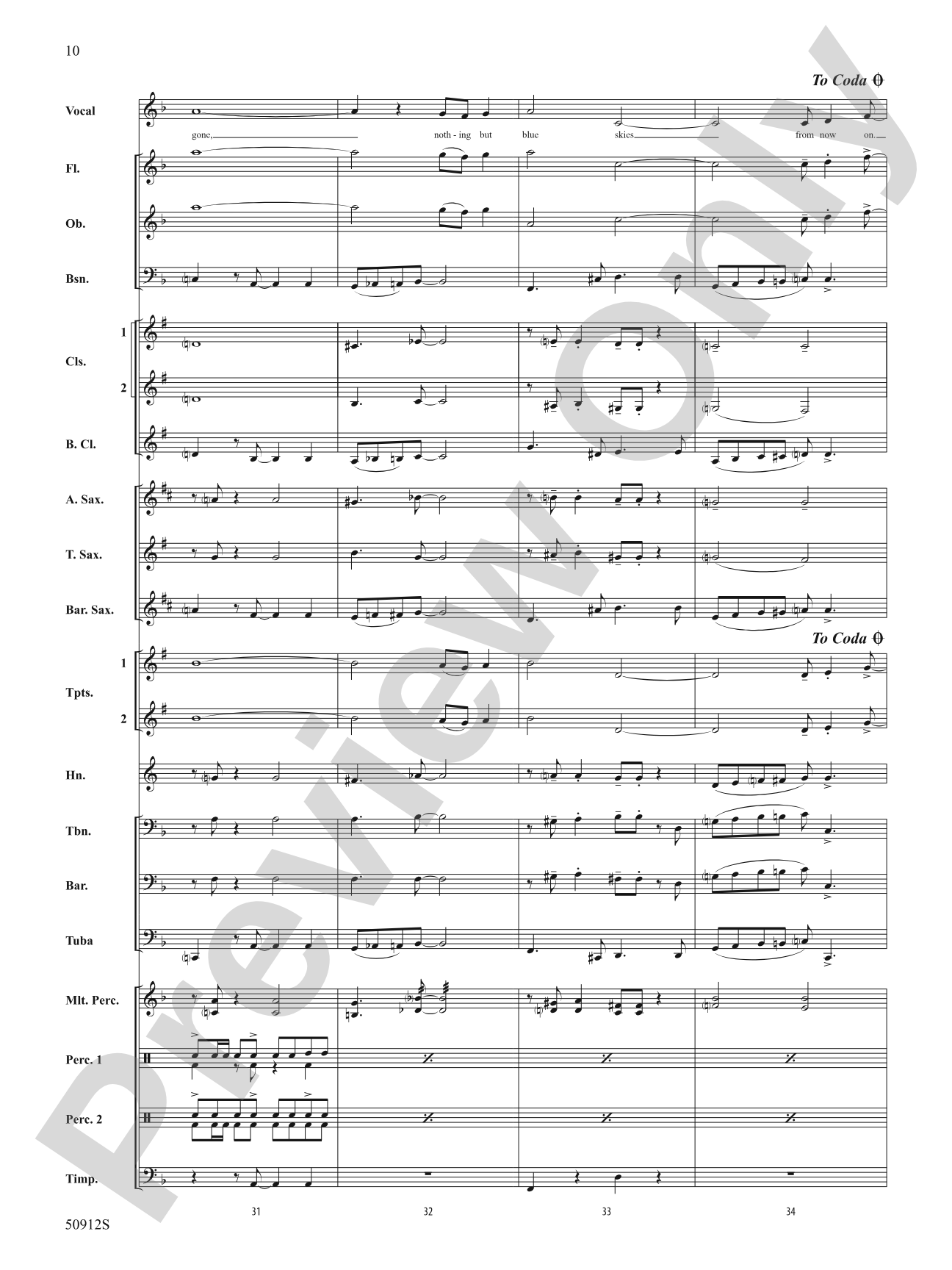
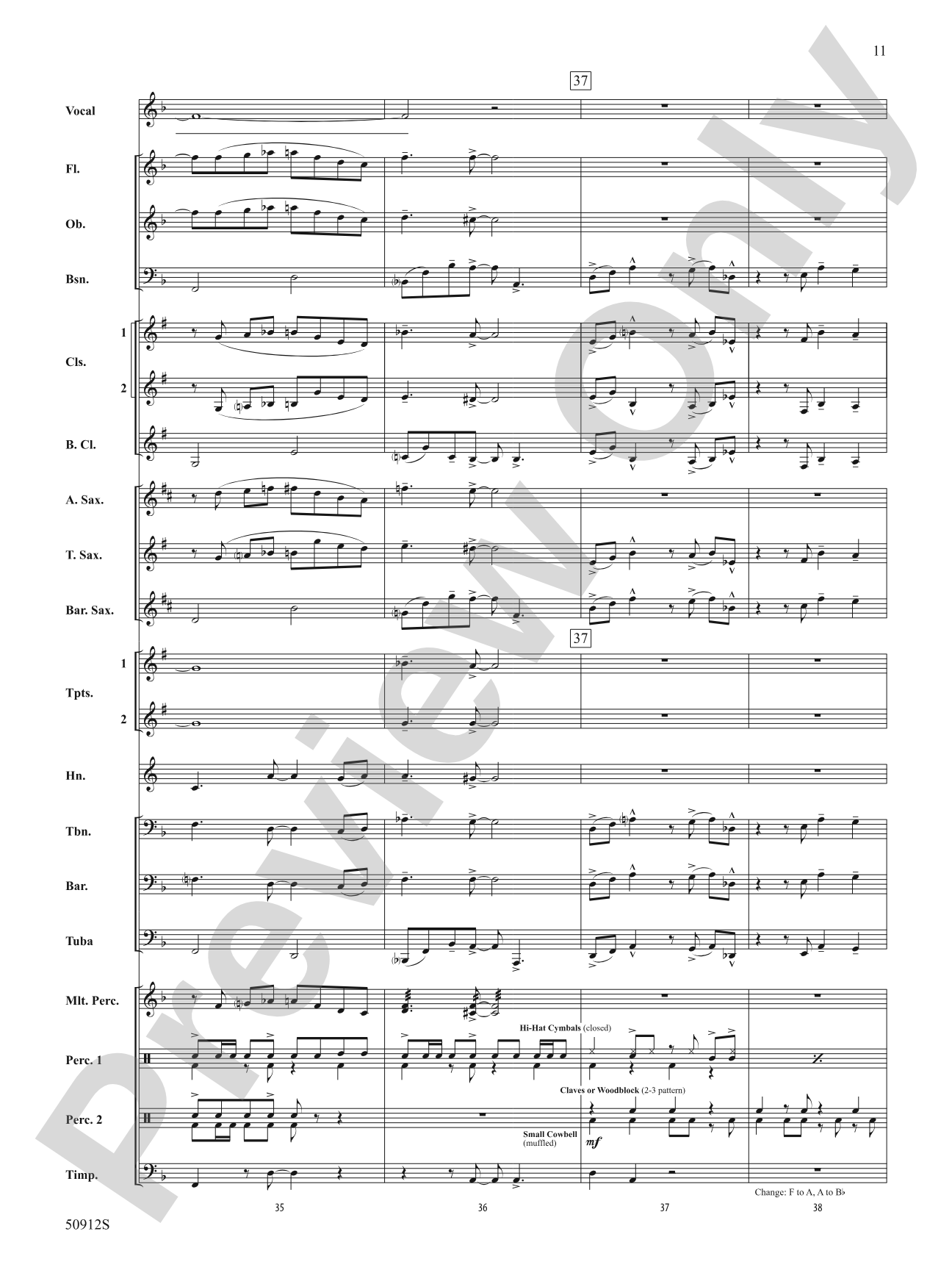
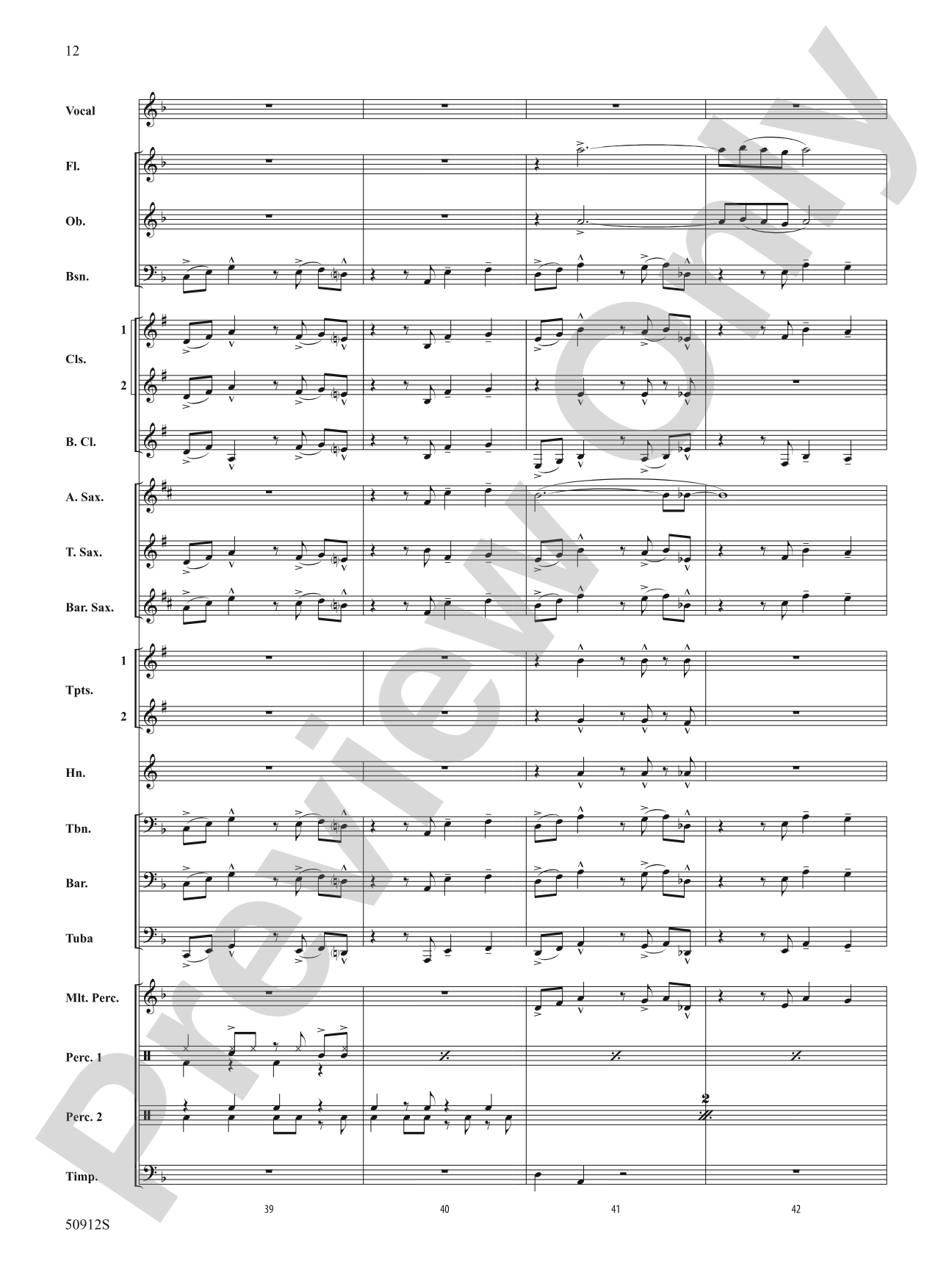
This creative and fresh arrangement of the Irving Berlin classic Blue Skies by veteran arranger Victor López is simply fantastic! With its Latin flair, the work will be easy to put together and a highlight in your next concert. An optional vocal part allows even more flexibility and is perfect for joining forces with the vocal program. (3:00)


Don't just read it, hear it, play along with it, and watch your students grow with it. In MakeMusic Cloud, Blue Skies: Concert Band Conductor Score & Parts comes alive with professional accompaniment, adjustable tempo, and built-in practice tools that turn solo practice into real progress.
Open in the Player
Jump straight in and assign it today.
Start Your Free Trial
Open this title and explore the full library in minutes.
Sample Audio
1
Audio File
--:--
0:00
0:00
Sample Video
1 / 2
Additional Details
Series:
Pop Young Band
Publisher:
Alfred Music
SKU:
00-PK-0009013
More about this title
About the Composer: Irving Berlin
Irving Berlin (1888-1989) was one of America's most prolific songwriters, composing over 1,500 songs across a career spanning nearly eight decades. Born in Russia and immigrating to the United States as a child, Berlin became a defining voice of American popular music, writing for Broadway, Hollywood, and the concert hall with equal facility. His melodies are instantly recognizable and have become part of the cultural fabric; his songs appear in school concerts, recitals, and community performances worldwide because they combine sophisticated harmonies with genuine accessibility.
Berlin's gift was writing music that feels both timeless and contemporary, whether a patriotic anthem or a jazz-inflected love song. For young musicians, his work offers a window into the Great American Songbook and demonstrates how strong melodic writing, clear harmonic structure, and emotional directness create songs that endure. Blue Skies, written in 1926, exemplifies his ability to craft a tune that is instantly singable yet harmonically rich.
Why we love this
López's arrangement captures the optimism and rhythmic lift of Berlin's melody while adding contemporary energy through its Latin feel. The Grade 2.5 scoring keeps the arrangement accessible without sacrificing musical sophistication, and the optional vocal part creates genuine programming flexibility—you can feature a soloist, singers from your choir program, or simply let the band sing through the melody as a finale. This is the kind of arrangement that lands well with audiences and rehearses efficiently, making it ideal for schools managing multiple ensembles.
What to expect
Bright and buoyant, with a warmth that comes from the familiar melody meeting fresh rhythmic energy. The Latin flavor gives the arrangement a modern, almost summery quality while honoring Berlin's original tune; students will recognize the song immediately, and the groove makes playing feel less like reading a chart and more like being part of something celebratory.
Who it's for
Band directors seeking accessible repertoire that engages both students and audiences without requiring advanced technique or maturity. This arrangement works equally well for schools with a strong concert band tradition or those building toward one, and it's especially valuable if your program partners with a vocal ensemble or features student soloists.
How to get the most out of it
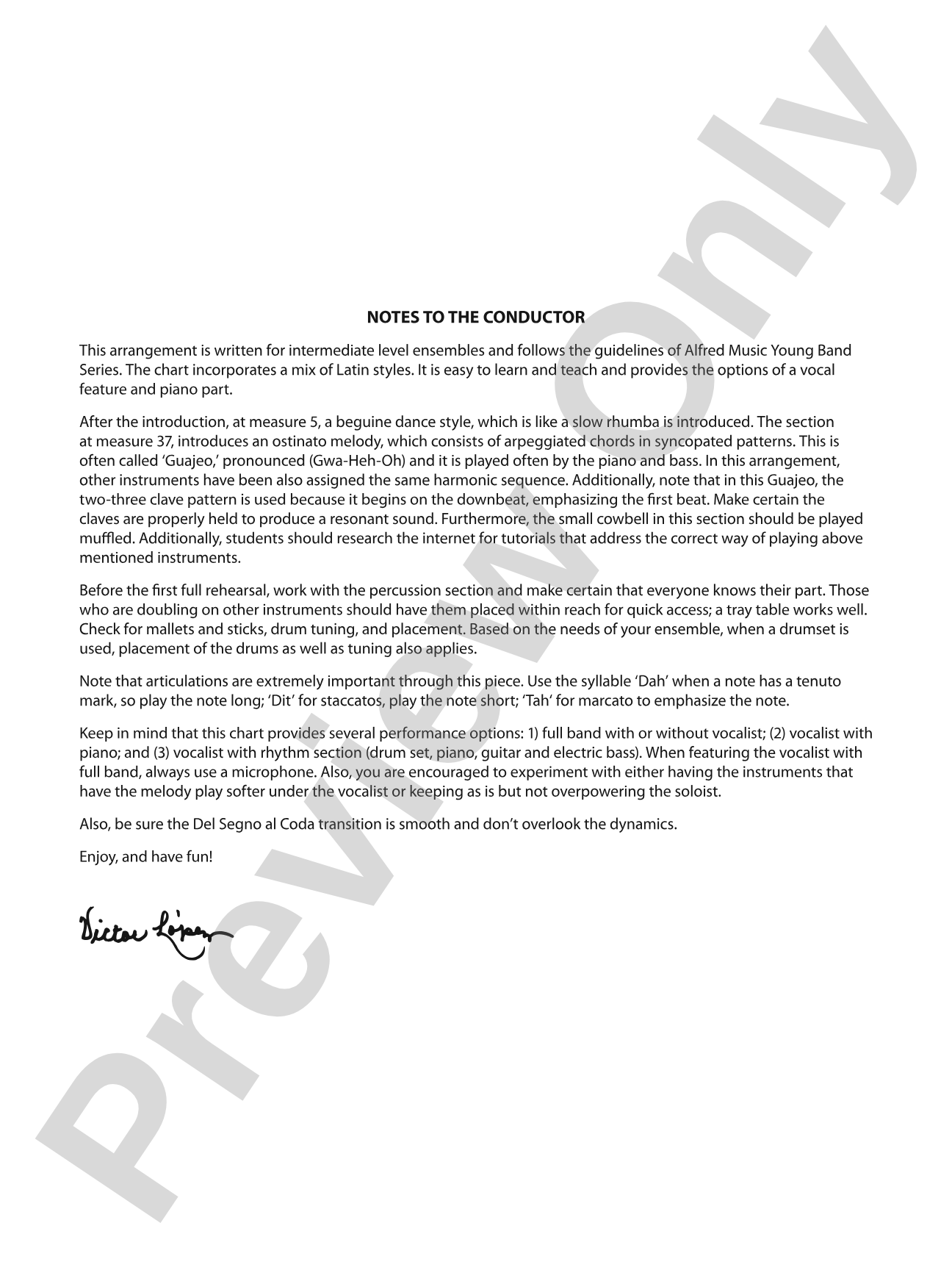
- Set the Latin groove clearly in rehearsal; establish the clave rhythm in percussion and low brass first so the full band locks into the pocket before layering melody and harmony.
- Balance the melodic line against the harmonic voices so Berlin's tune remains the focal point even when winds and brass are tutti.
- If using the optional vocal part, rehearse the singers with a small section of the band initially, then gradually build full band accompaniment so the vocal line stays centered.
- Shape the three-minute arc with subtle tempo and dynamic flexibility; resist the urge to rush the Latin sections, as the arrangement gains character from sitting into the rhythm.
How to use it
Program this as a concert closer or a bridge between your classical and contemporary pieces; its uplifting character and three-minute duration make it perfect for transitions or as a standalone highlight that appeals to families in the audience. It also works well alongside other pop arrangements or Great American Songbook selections if you're building a themed concert.
Skills your students will build
- Latin rhythmic feel and clave awareness
- Balanced ensemble playing across multiple melodic and harmonic layers
- Phrasing and shaping of a well-known melody within a contemporary arrangement
- Sectional coordination when integrating an optional vocal line