
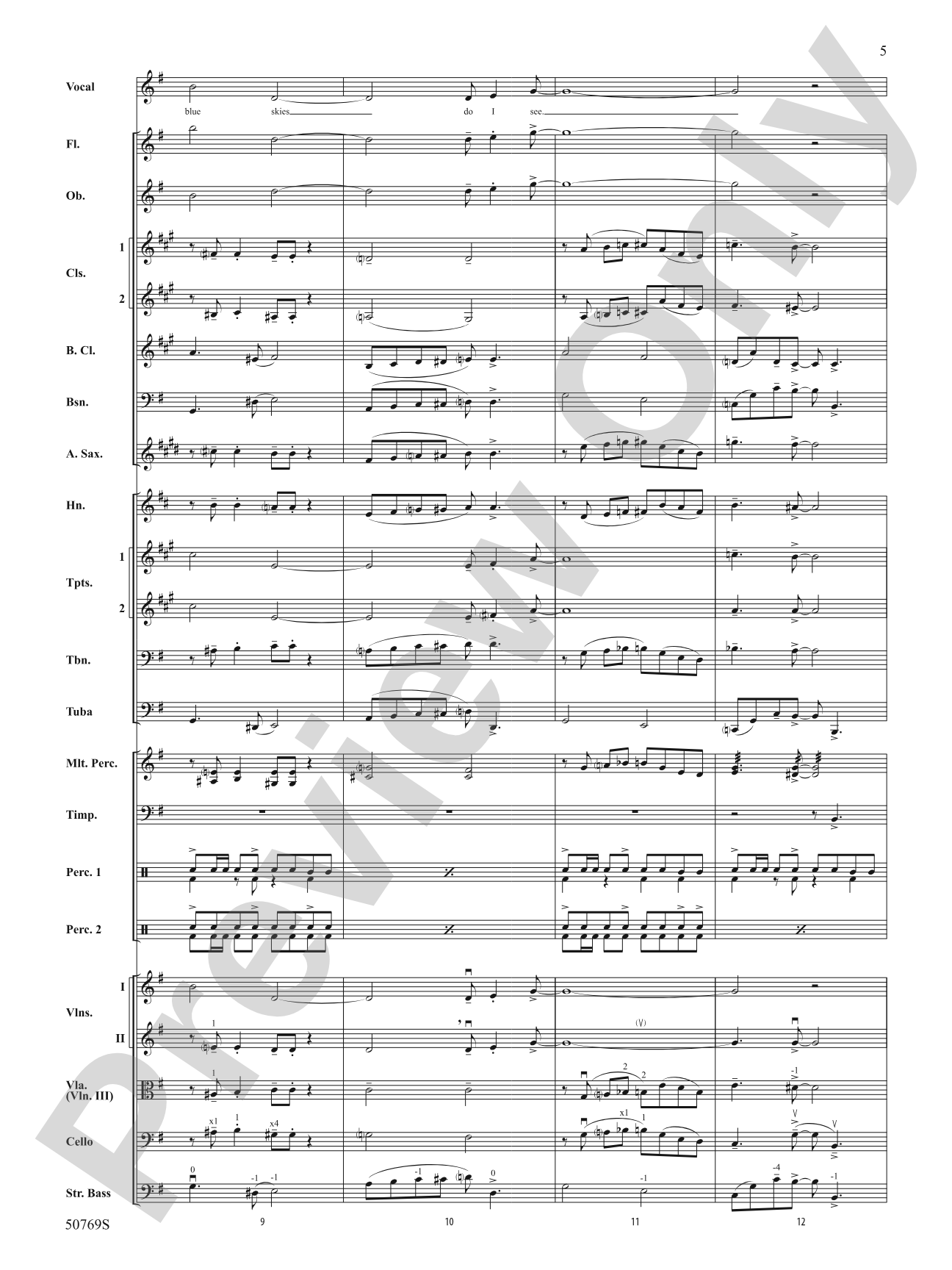
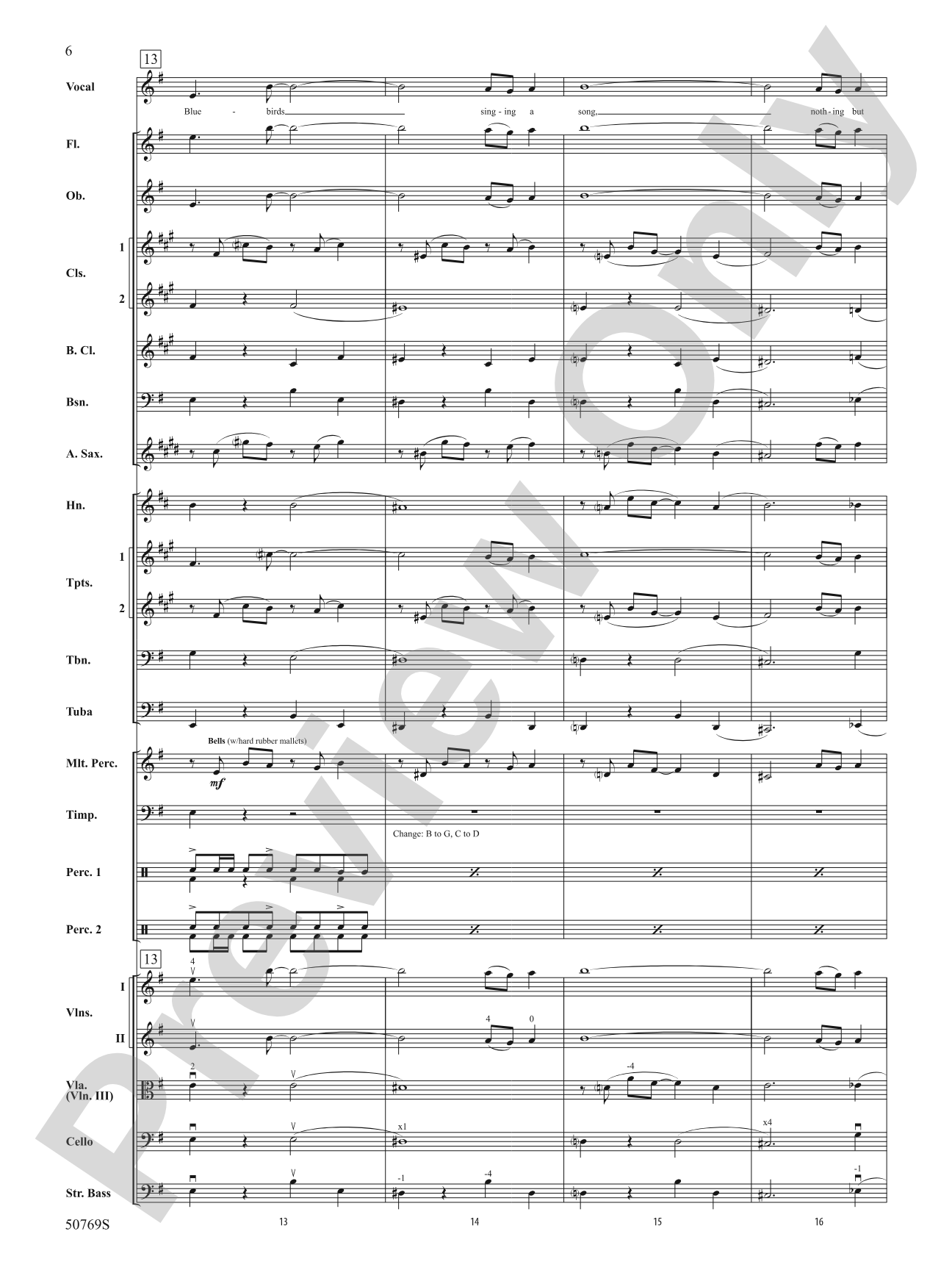
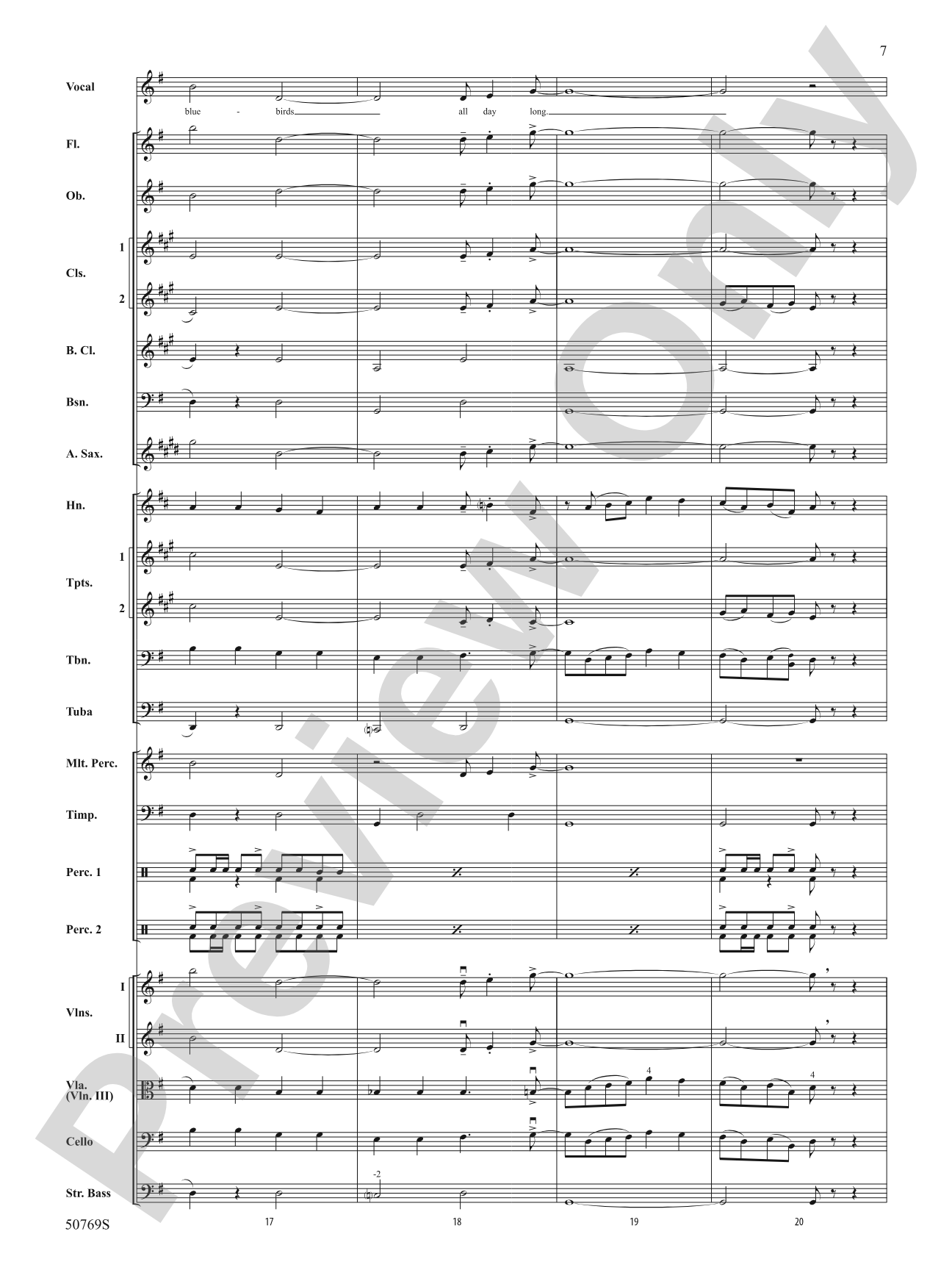
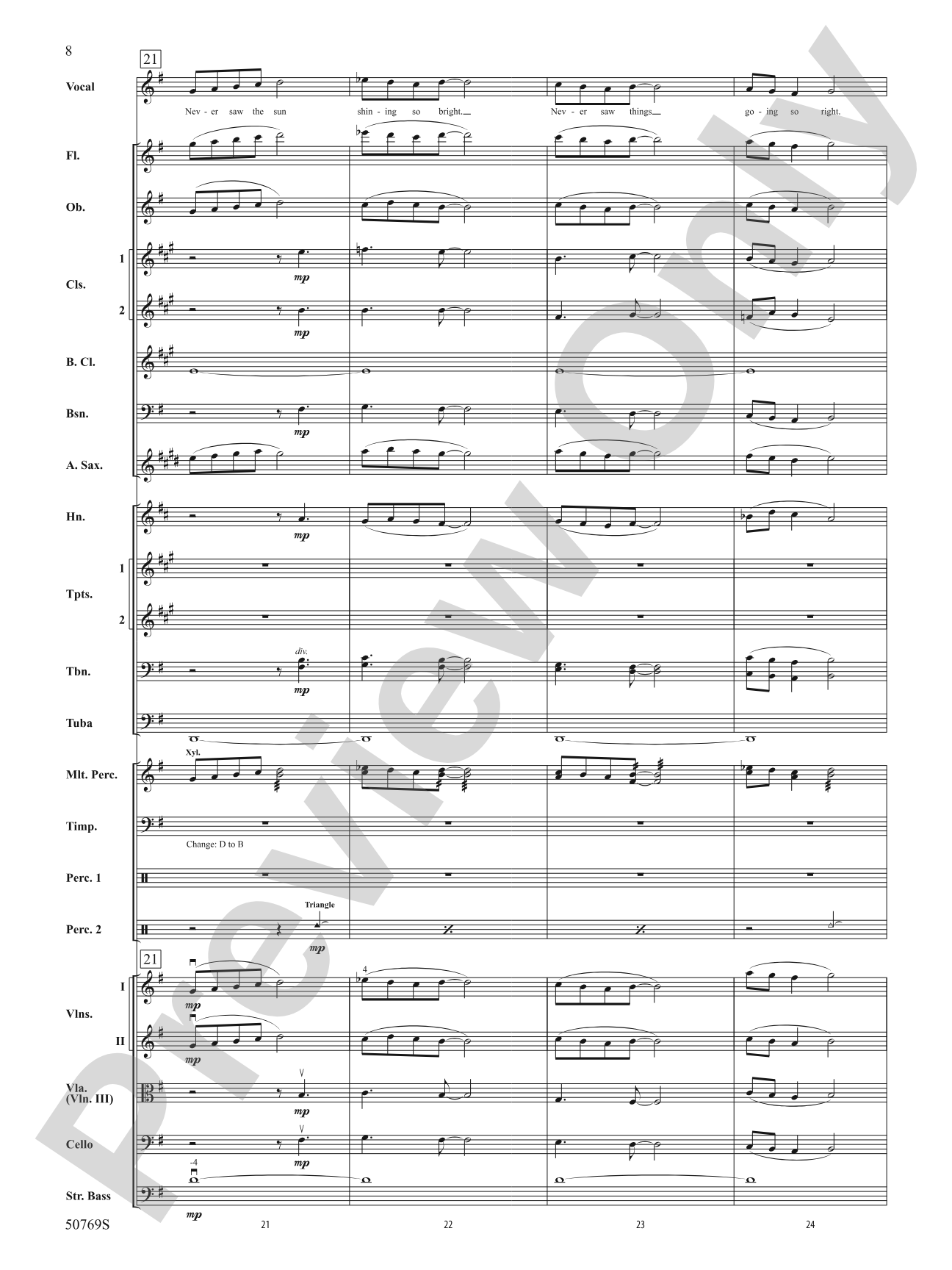
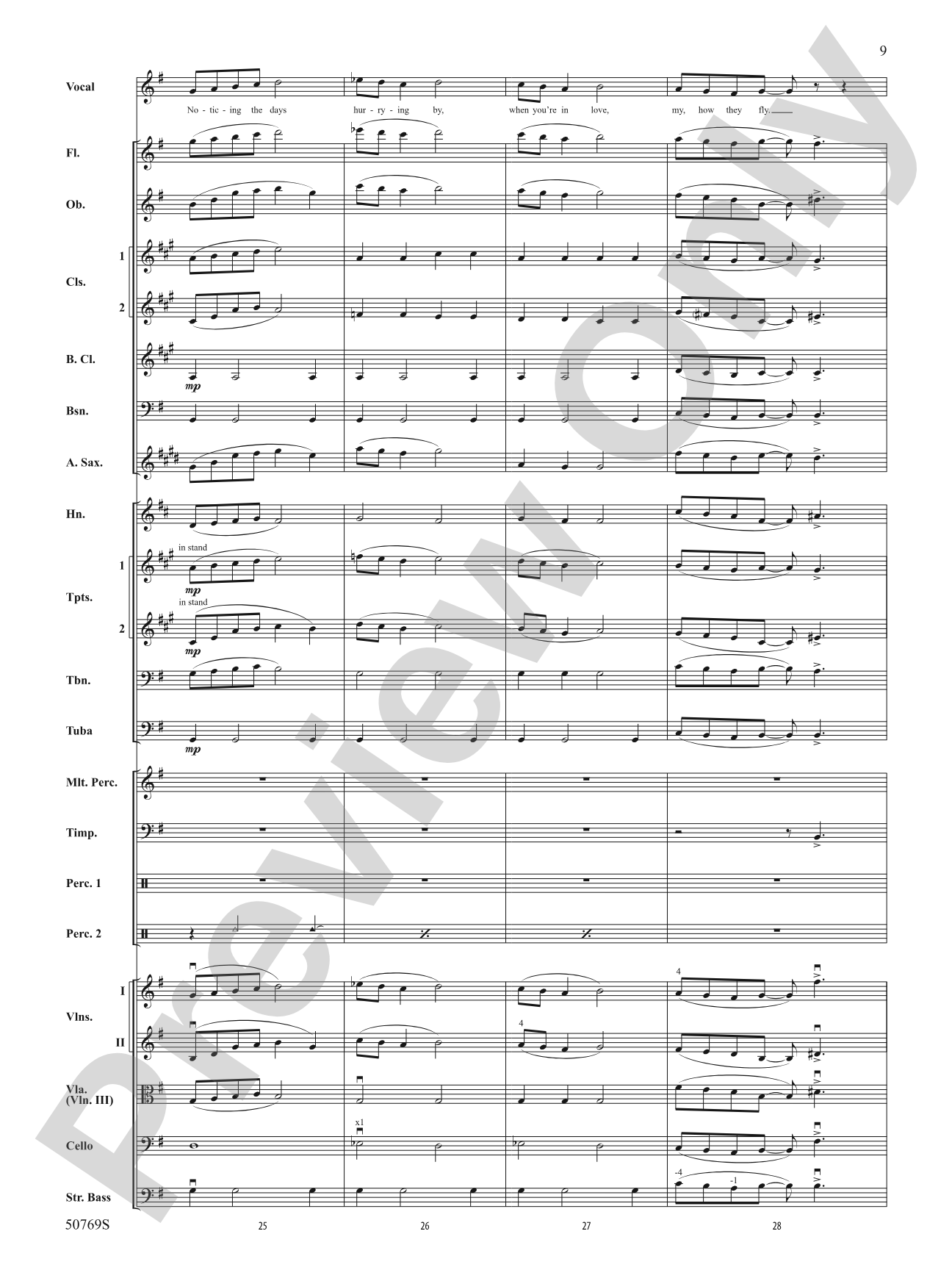
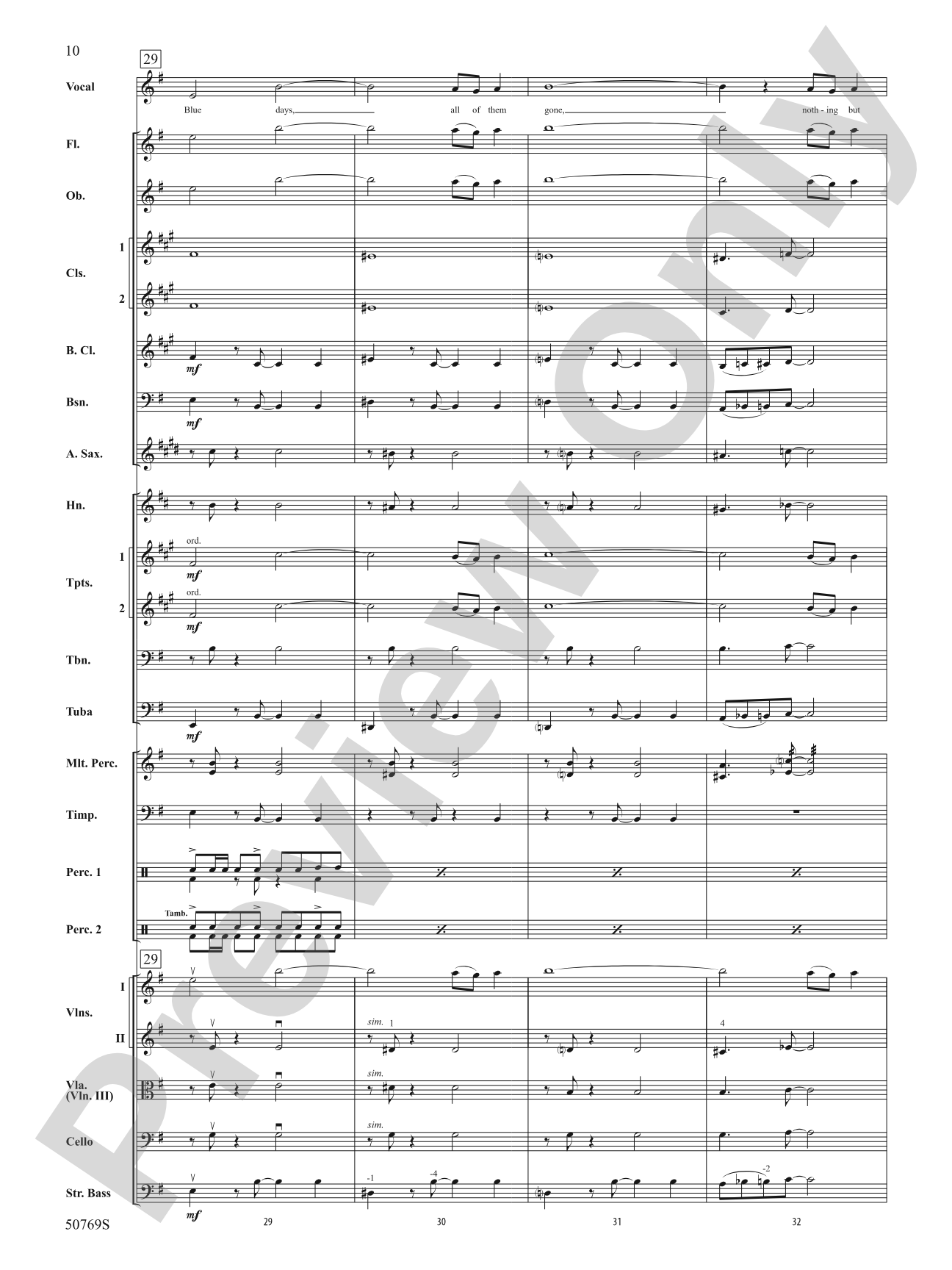
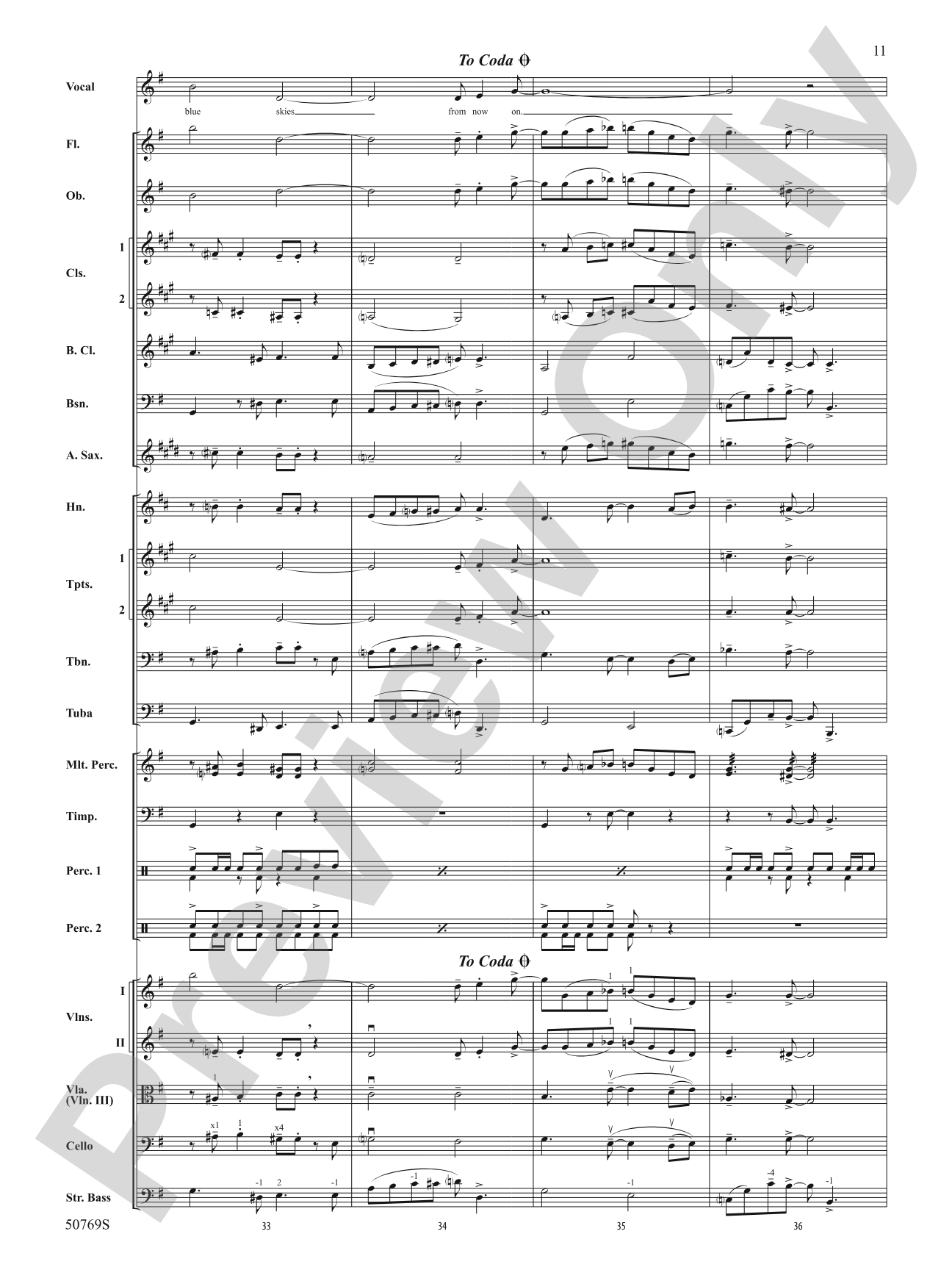
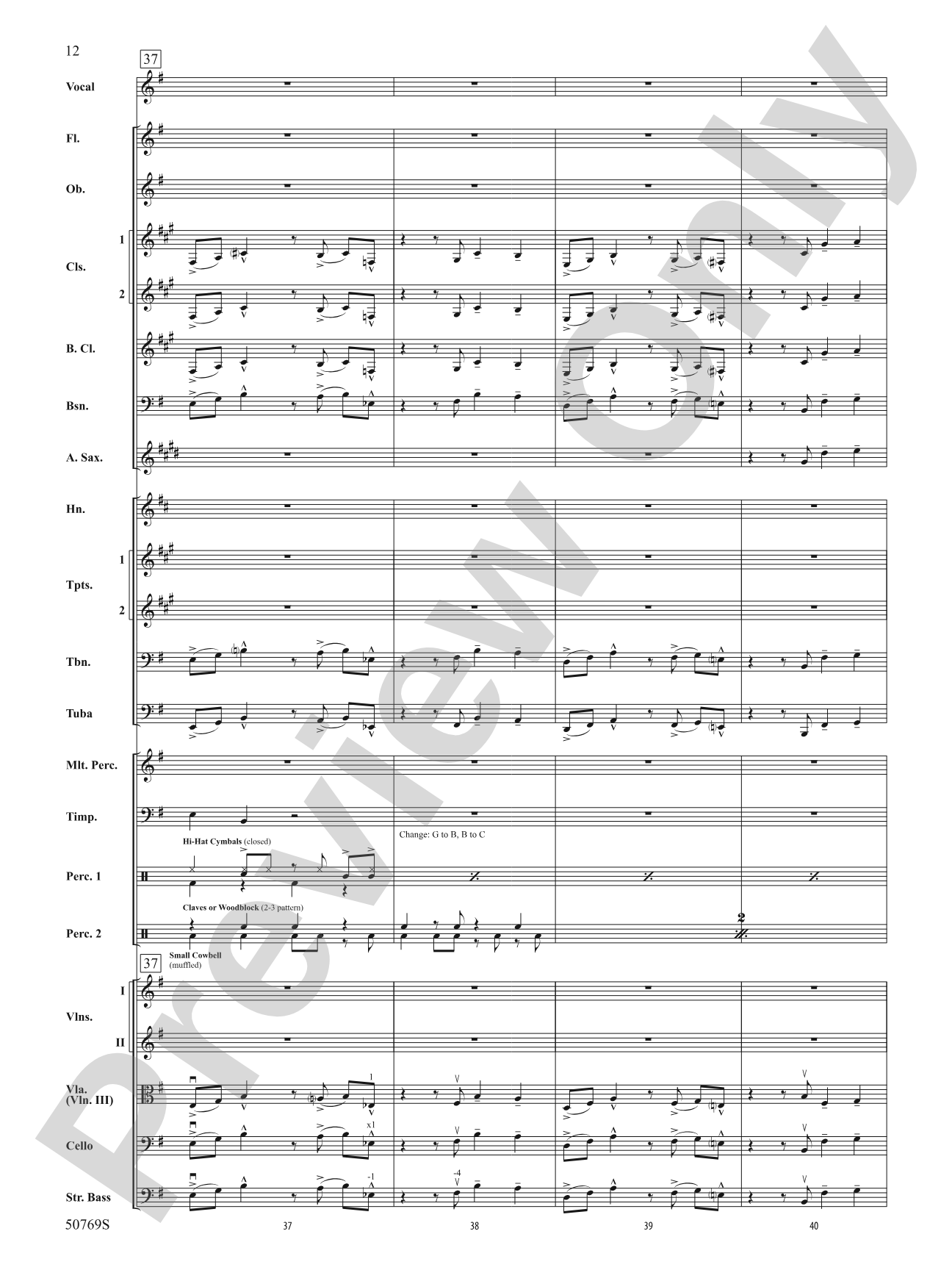
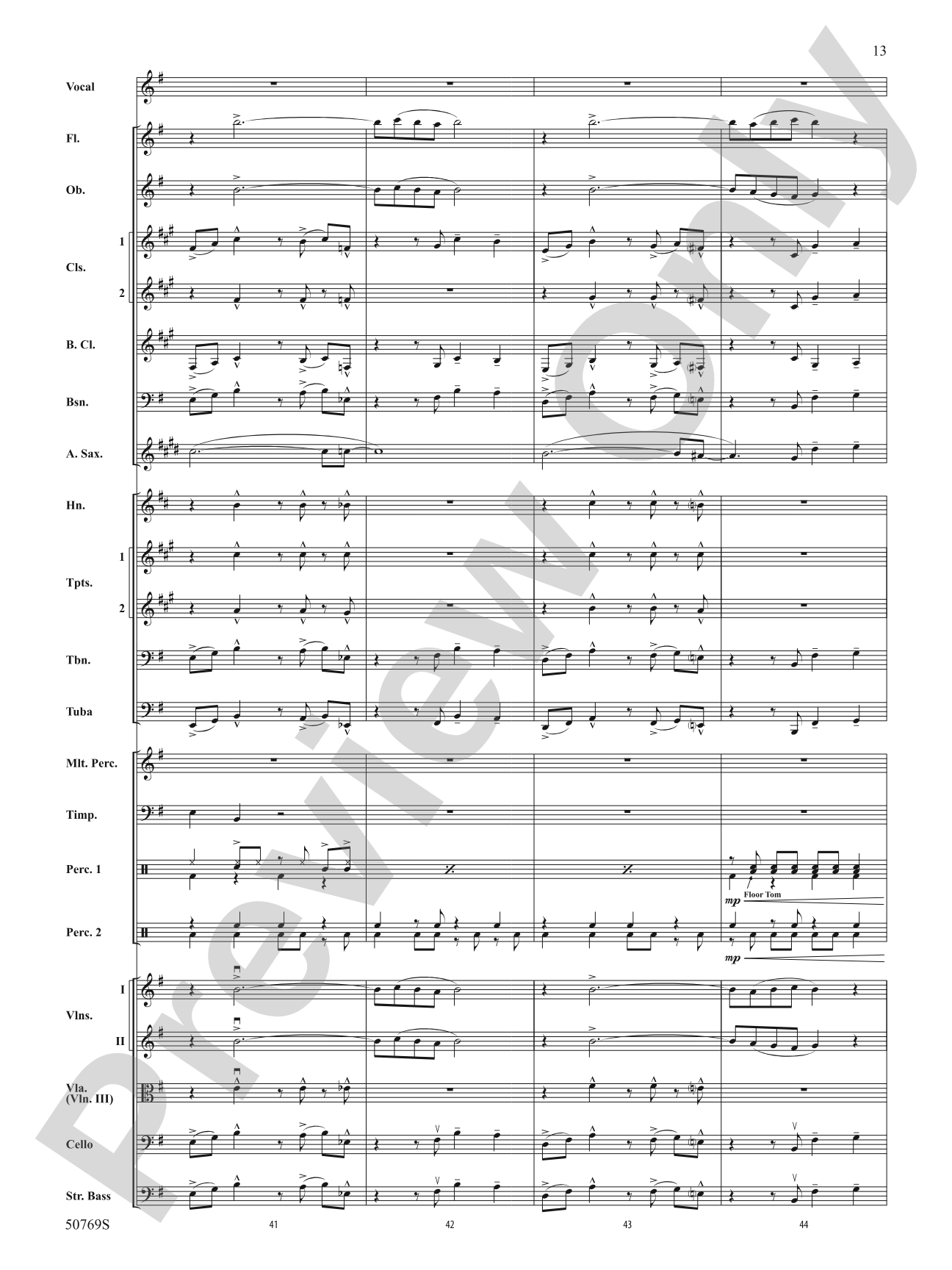
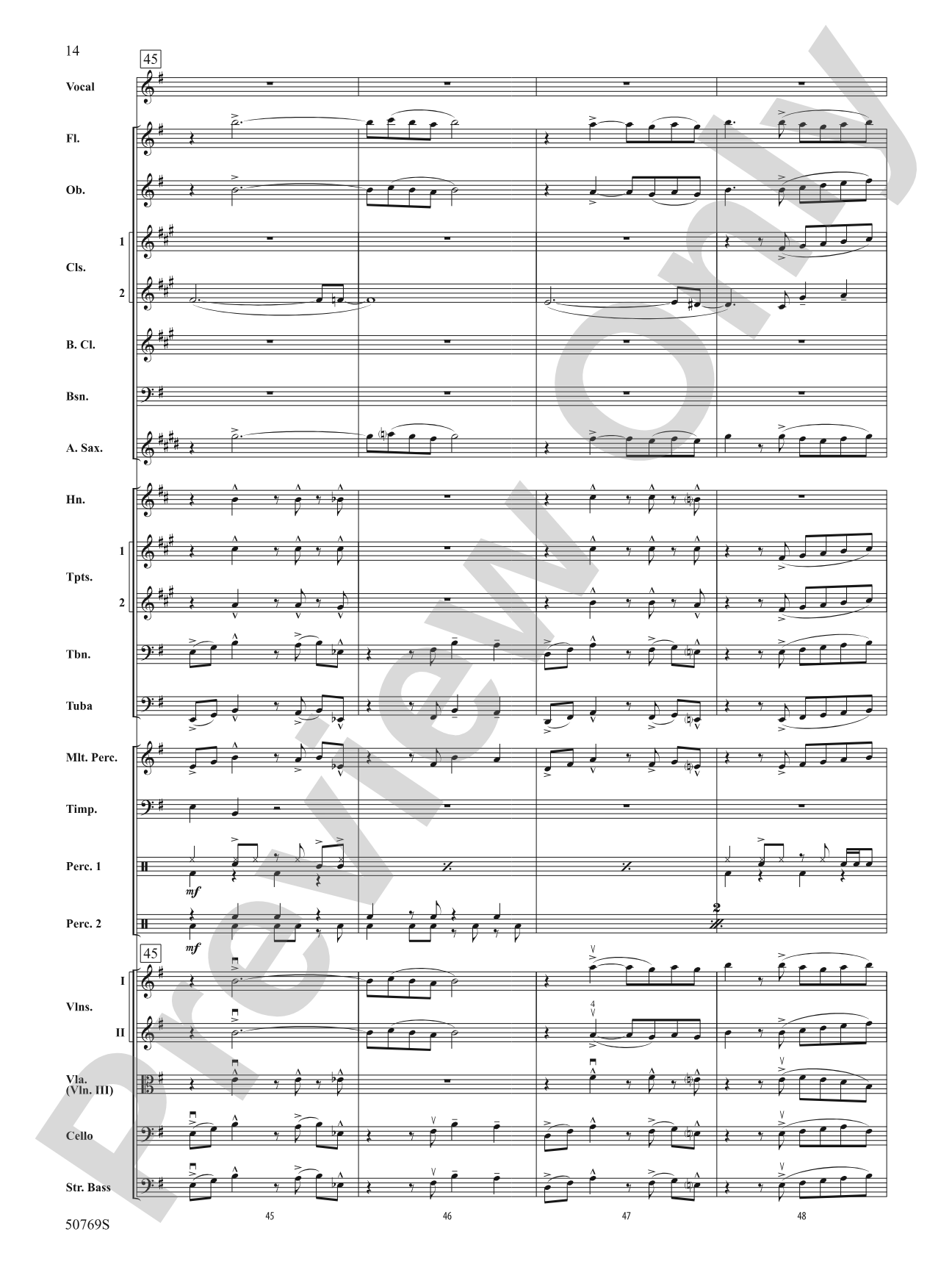
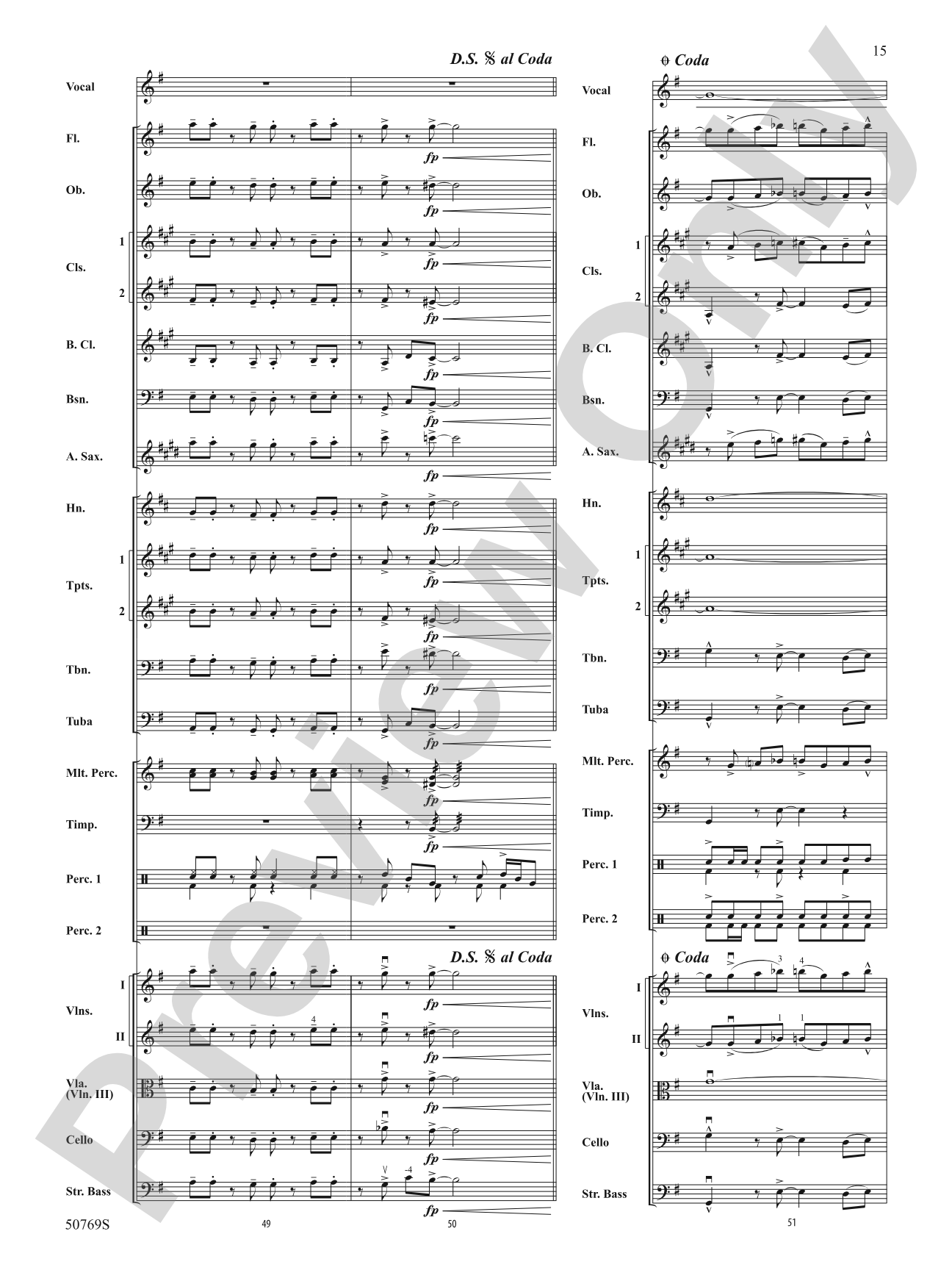
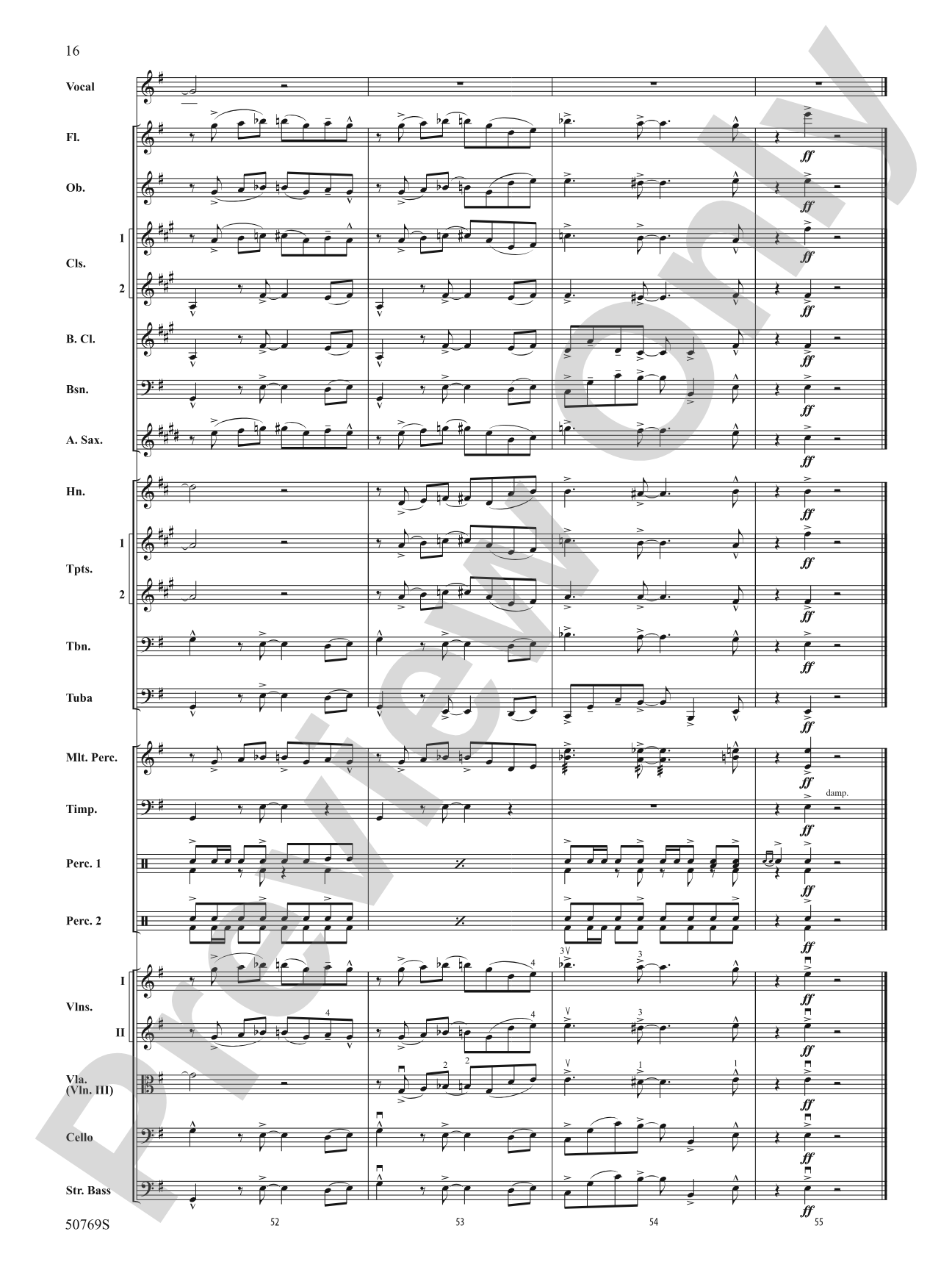

Blue Skies: Full Orchestra Conductor Score & Parts
Words and music by Irving Berlin / arr. Victor López
Grade: 2.5
Item: 00-PK-0008885

$75.00
One moment…
Related Items
Blue Skies: Concert Band Conductor Score & Parts |
$75.00
|
View | |
Blue Skies: Jazz Ensemble Conductor Score & Parts |
$45.00
|
View | |
Blue Skies: Full Orchestra Conductor Score & Parts |
$75.00
|
View | |
Blue Skies: Full Orchestra Conductor Score |
$10.00
|
View | |
Blue Skies: Concert Band Conductor Score & Parts |
$75.00
|
View | |
Blue Skies: Concert Band Conductor Score |
$10.00
|
View | |
Blue Skies: Jazz Ensemble Conductor Score & Parts |
$45.00
|
View | |
Blue Skies: Jazz Ensemble Conductor Score |
$7.00
|
View |
Description
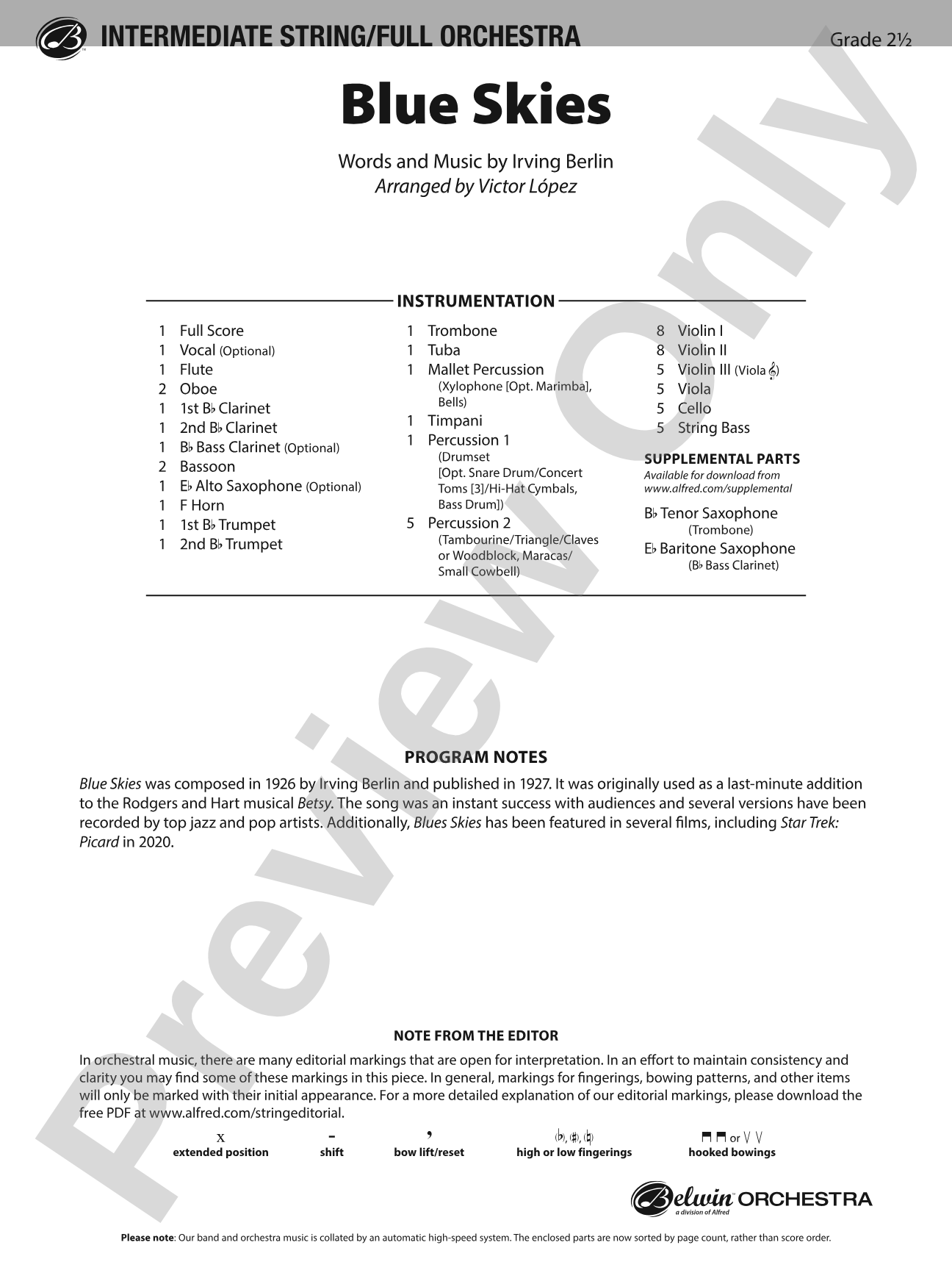
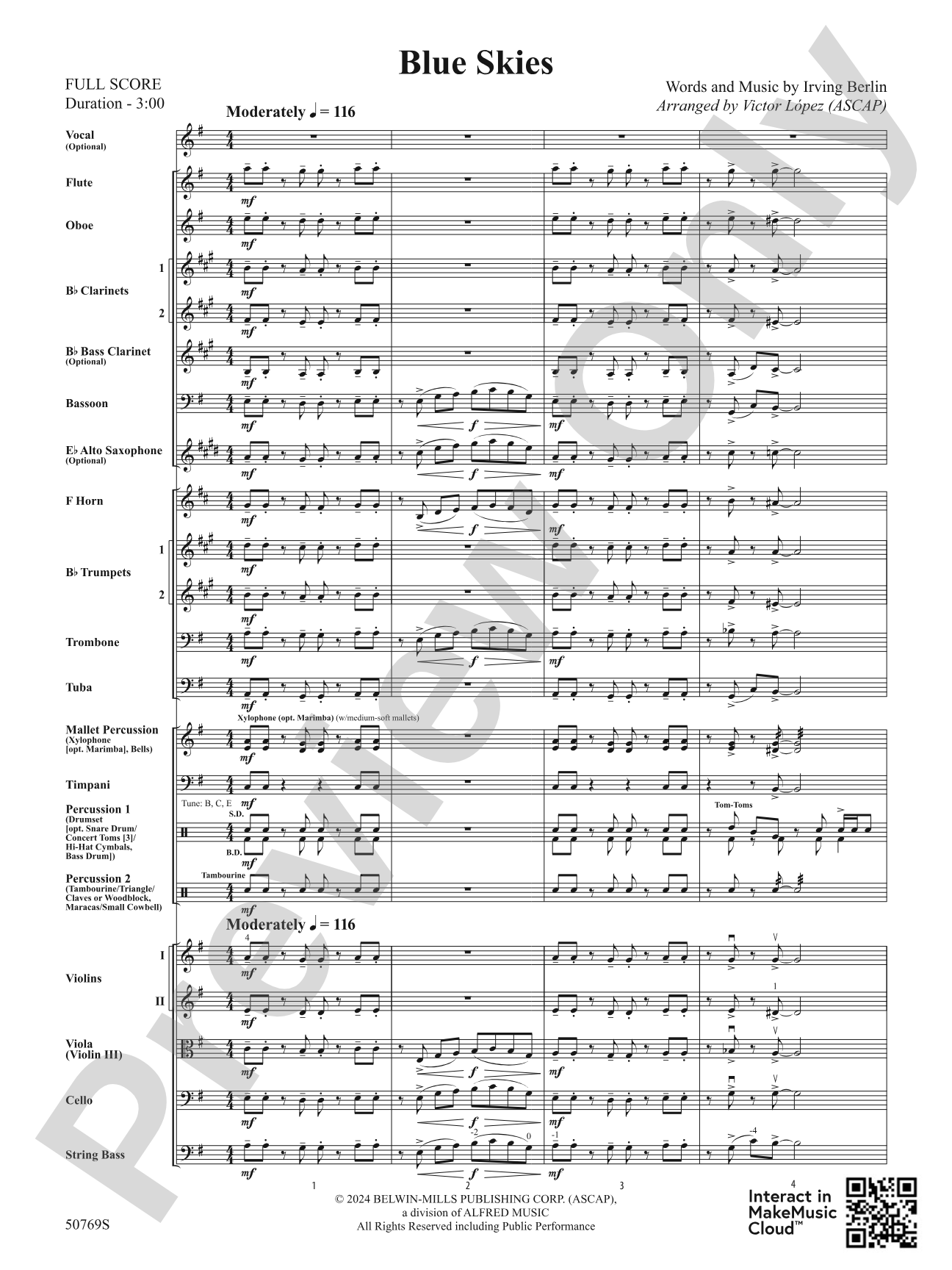
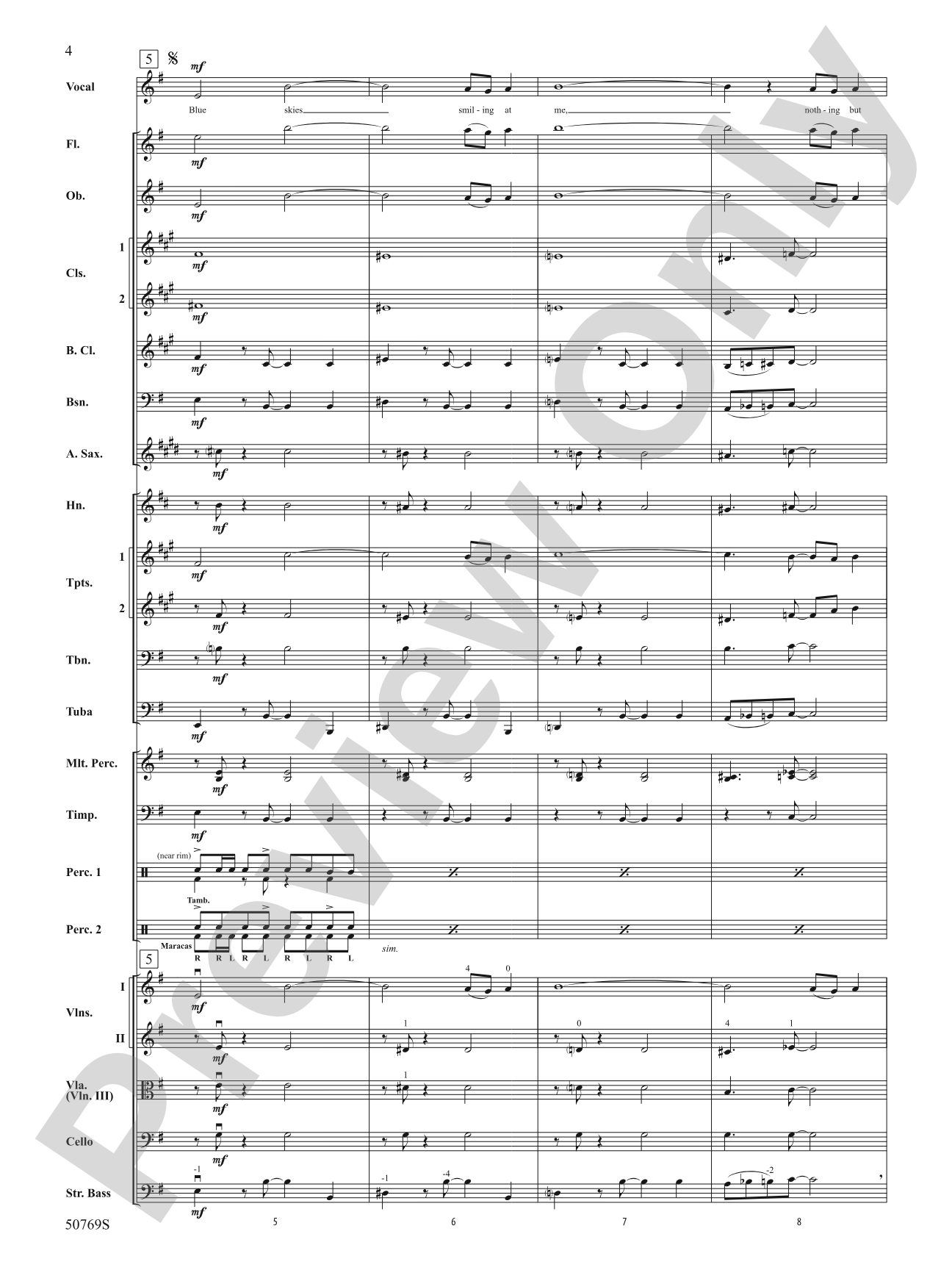
This creative and fresh arrangement of the Irving Berlin classic Blue Skies by veteran arranger Victor López is simply fantastic! With its Latin flair, this arrangement will be easy to put together and will be a highlight in your next concert. An optional vocal part makes this arrangement even more flexible and perfect for joining forces with the vocal program. (3:00)


Don't just read it, hear it, play along with it, and watch your students grow with it. In MakeMusic Cloud, Blue Skies: Full Orchestra Conductor Score & Parts comes alive with professional accompaniment, adjustable tempo, and built-in practice tools that turn solo practice into real progress.
Open in the Player
Jump straight in and assign it today.
Start Your Free Trial
Open this title and explore the full library in minutes.
Sample Audio
1
with vocals
--:--
2
without vocals
--:--
with vocals
0:00
0:00
Sample Video
1 / 2
Additional Details
Series:
Pop Intermediate String/Full Orchestra
Publisher:
Alfred Music
SKU:
00-PK-0008885
More about this title
About the Composer: Irving Berlin
Irving Berlin (1888-1989) stands as one of American popular music's most prolific and enduring songwriters. Over a career spanning nearly eight decades, he composed over 1,000 songs that became standards of American popular song, from ragtime through swing and into the rock era. Berlin's melodies are marked by their directness, singability, and emotional clarity—qualities that have made his catalog a cornerstone of the Great American Songbook and a touchstone for musicians across genres.
Beyond his compositional output, Berlin's influence on music education is substantial. His songs appear in curricula worldwide because they reward careful listening and musical study: the harmonic language is sophisticated yet accessible, the forms are logical, and the cultural weight of pieces like "Blue Skies" and "White Christmas" means students understand immediately why they matter. For student musicians, Berlin's work demonstrates how popular music can be both commercially successful and musically intelligent.
Why we love this
Victor López's arrangement captures the infectious energy of Berlin's melody while layering in the rhythmic sophistication of Latin jazz, making this a genuine crowd-pleaser without sacrificing musical substance. The Grade 2.5 scoring hits a sweet spot where students feel accomplished without drowning in technical demands. The optional vocal part transforms this from an instrumental feature into a genuine ensemble collaboration tool, letting you program it with your singers or keep it purely orchestral depending on your concert needs.
What to expect
Warm, buoyant, and tinged with sophisticated groove. López's Latin reharmonization gives Berlin's familiar melody a sophisticated shimmer; the arrangement swings in a way that feels both current and rooted in jazz tradition. There's a brightness throughout that lifts the listener and invites pleasure rather than struggle.
Who it's for
This arrangement serves orchestras and pit orchestras at the intermediate level who want a contemporary-sounding, high-energy concert feature without excessive rehearsal burden. It's ideal for directors programming a mixed concert that balances classical repertoire with accessible popular music, and for schools with coordinated music programs that might feature this with singers or dancers.
How to get the most out of it
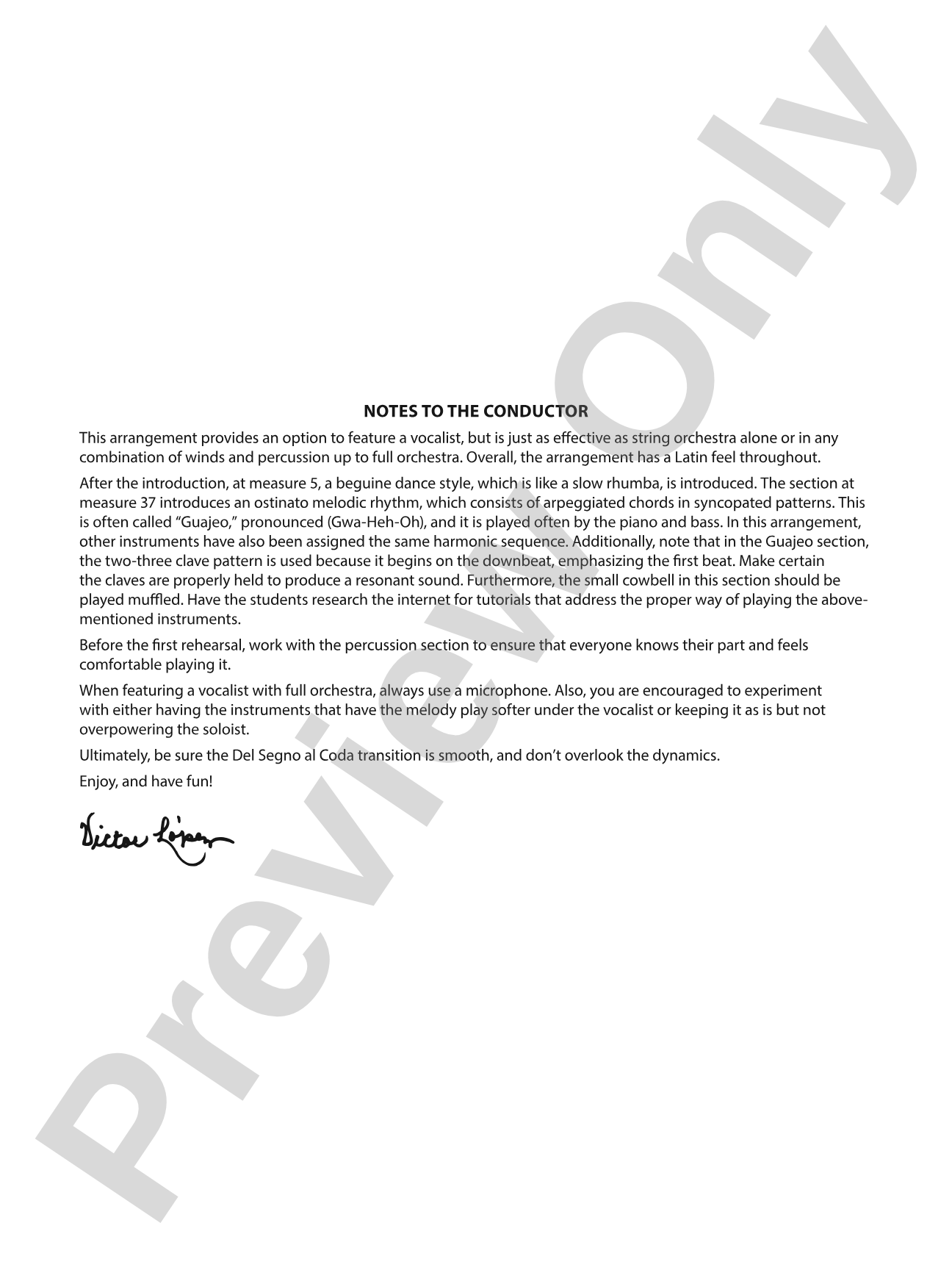
- Establish the Latin rhythmic feel early in rehearsals. Have the rhythm section (drums, bass, piano) lock in the clave and basic groove before layering in the horns and melody, so every section understands they're supporting that forward momentum rather than playing in a traditional classical meter.
- Balance the melody across your orchestration carefully. Berlin's tune is the anchor point, but López likely distributes it across multiple sections. Make sure one part isn't drowning out another; if you're unsure, let the strings or woodwinds take the lead and have brass complement from underneath.
- If you use the optional vocal part, rehearse the singer with the full orchestra early so they can hear how their line sits within the arrangement. A soloist needs to feel the Latin pocket the same way the band does, or they'll sound like they're singing on top rather than within the music.
- Keep the tempo steady but relaxed. Latin feels can tighten up if conductors push too hard; let the arrangement breathe, especially in the A sections, and trust the rhythmic framework López has built.
How to use it
Program this alongside other Great American Songbook standards or early jazz-influenced classics to create a "Song" or "Standards" concert segment, or pair it with Latin-tinged works to demonstrate how American composers have absorbed Caribbean and Latin influences. The optional vocal part also opens the door to informal collaborations with your choir or soloists, making it flexible enough to work in a spring concert showcase or a full concert program.
Skills your students will build
- Navigating mixed ensemble textures and understanding how to balance melody, harmony, and rhythm section in an orchestral setting
- Responding to Latin rhythmic conventions (clave, montuno, tumbao feel) and maintaining a relaxed pulse within a syncopated framework
- Playing stylistically idiomatic jazz-influenced articulations and phrasing, especially in the rhythm section and brass
- Listening across sections to support a non-traditional harmonic progression while maintaining ensemble cohesion