


Blue Rondo à la Turk: Percussion Ensemble
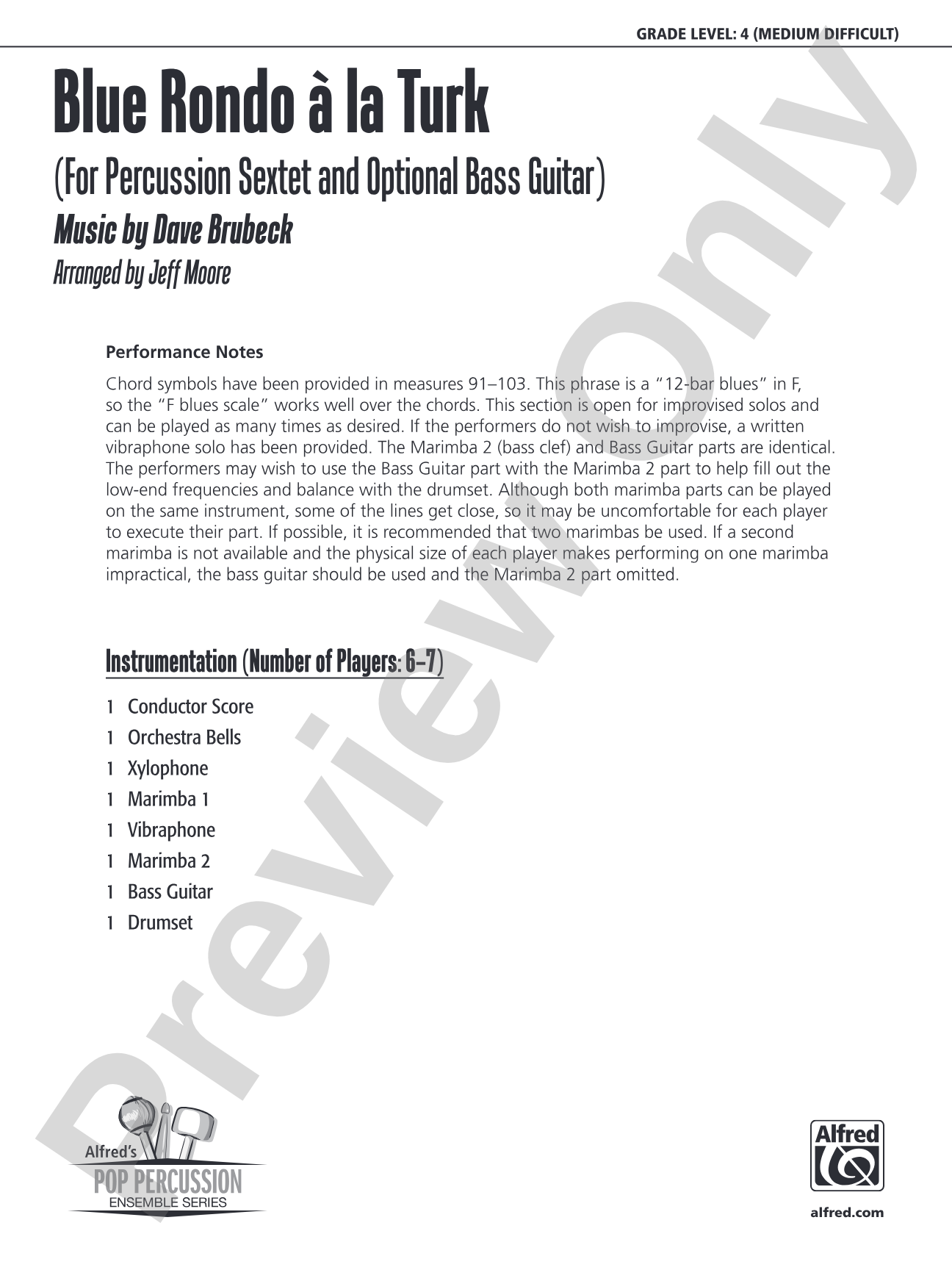
For Percussion Sextet with Optional Bass Guitar
By Dave Brubeck / arr. Jeff Moore
Level: Intermediate / Advanced
Item: 00-PK-0004118

$17.99
Pickup currently not available
Buy Extra Parts (Digital PDF Download)
| Product | Price | Quantity |
|---|---|---|
| Blue Rondo à la Turk: Score | $8.00 | |
| Blue Rondo à la Turk: Bells | $3.00 | |
| Blue Rondo à la Turk: Xylophone | $3.00 | |
| Blue Rondo à la Turk: 1st Percussion | $3.00 | |
| Blue Rondo à la Turk: Vibraphone | $3.00 | |
| Blue Rondo à la Turk: 2nd Percussion | $3.00 | |
| Blue Rondo à la Turk: String Bass | $3.00 | |
| Blue Rondo à la Turk: Drums | $3.00 |
Parts Added to Cart!
Related Items
Blue Rondo à la Turk: Percussion Ensemble |
$17.99
|
View |
Description
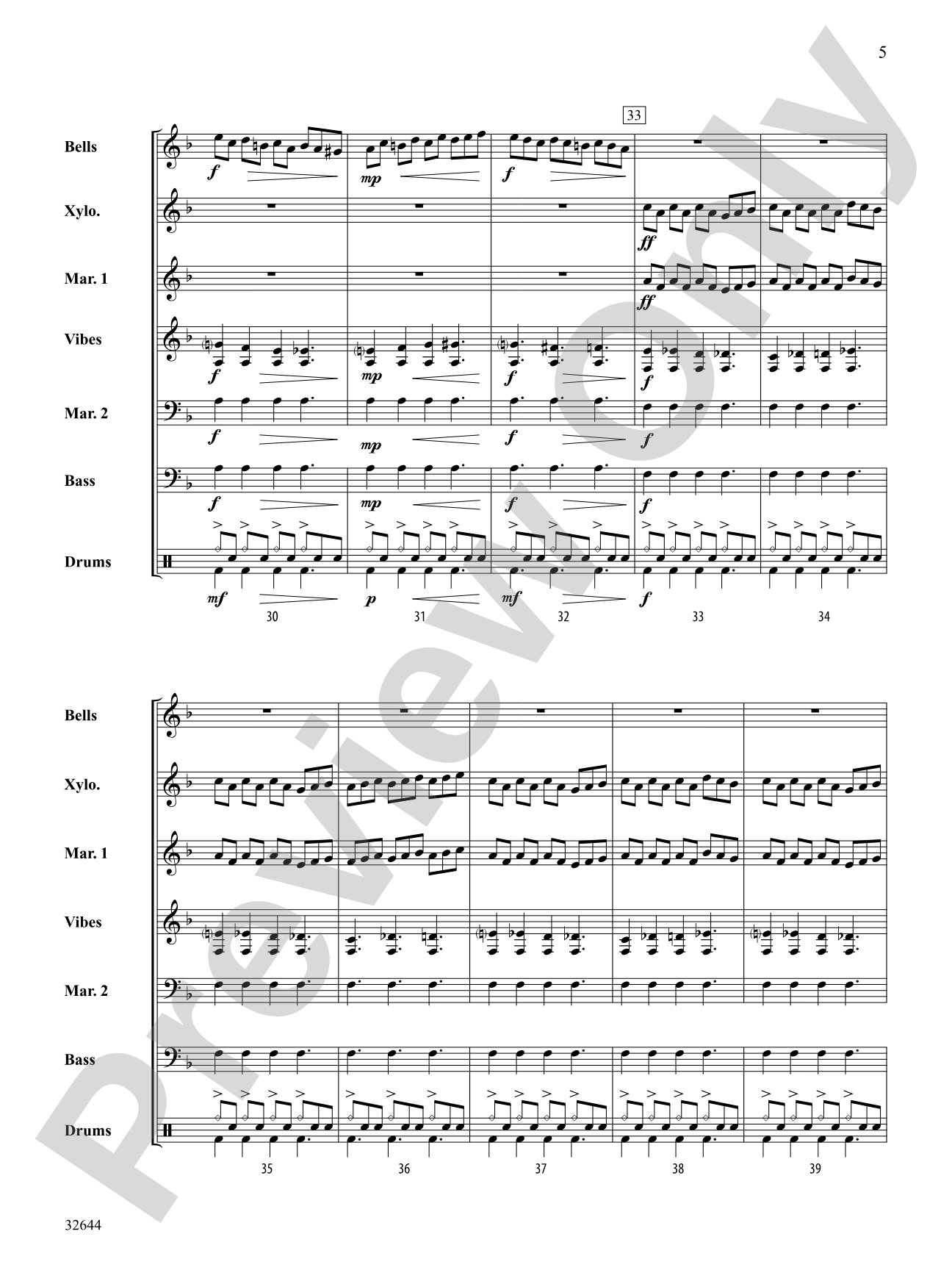
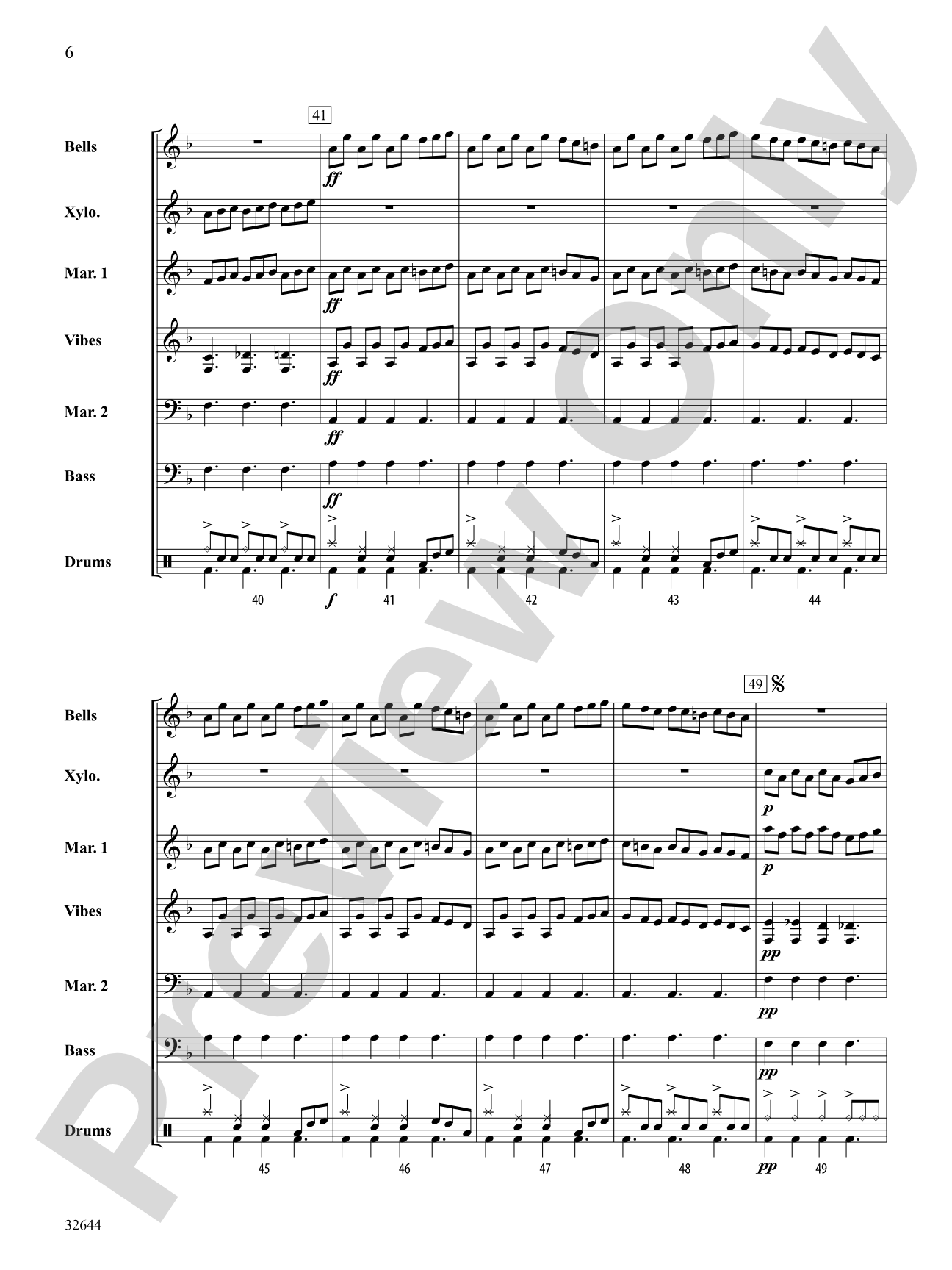
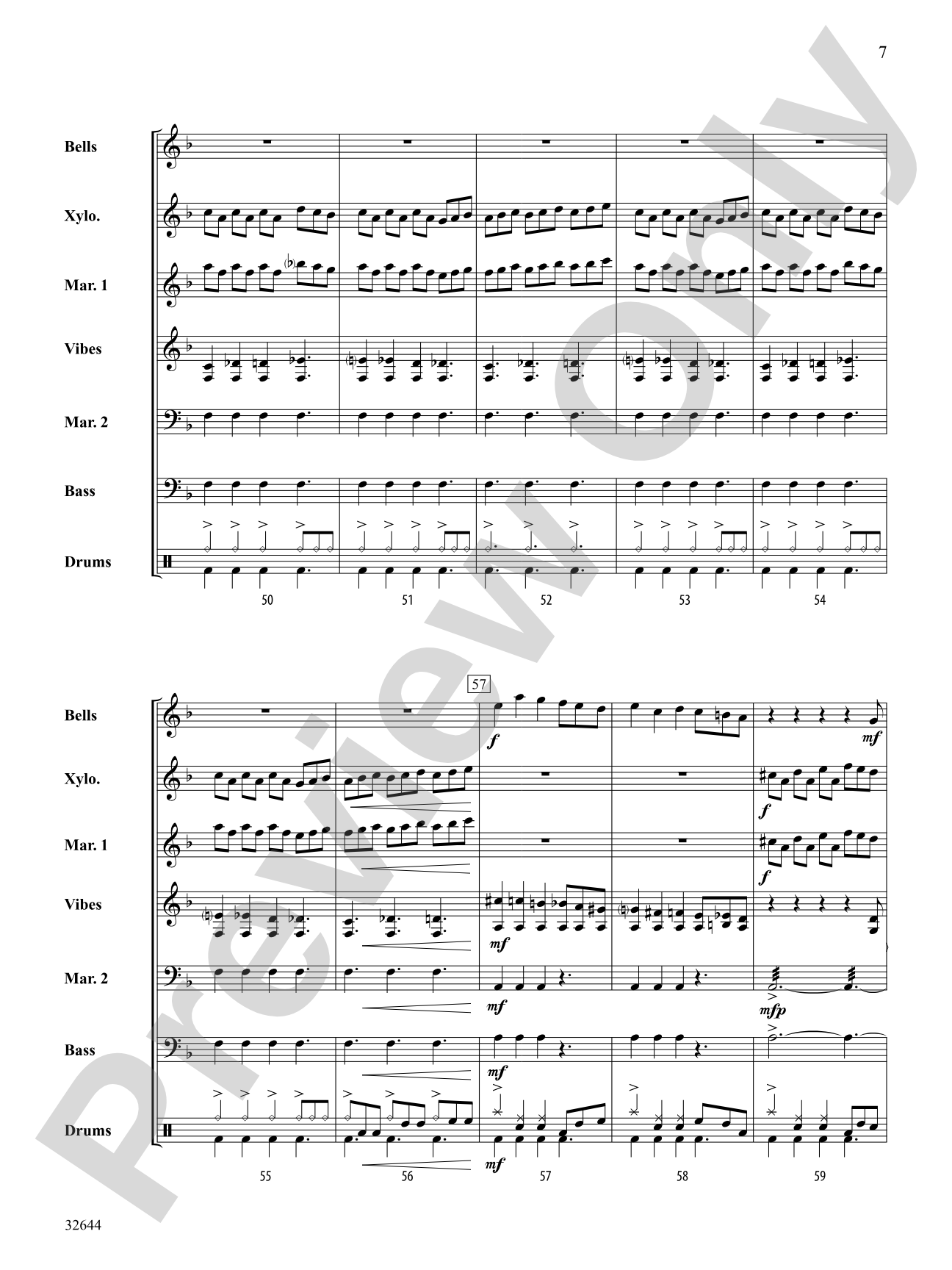
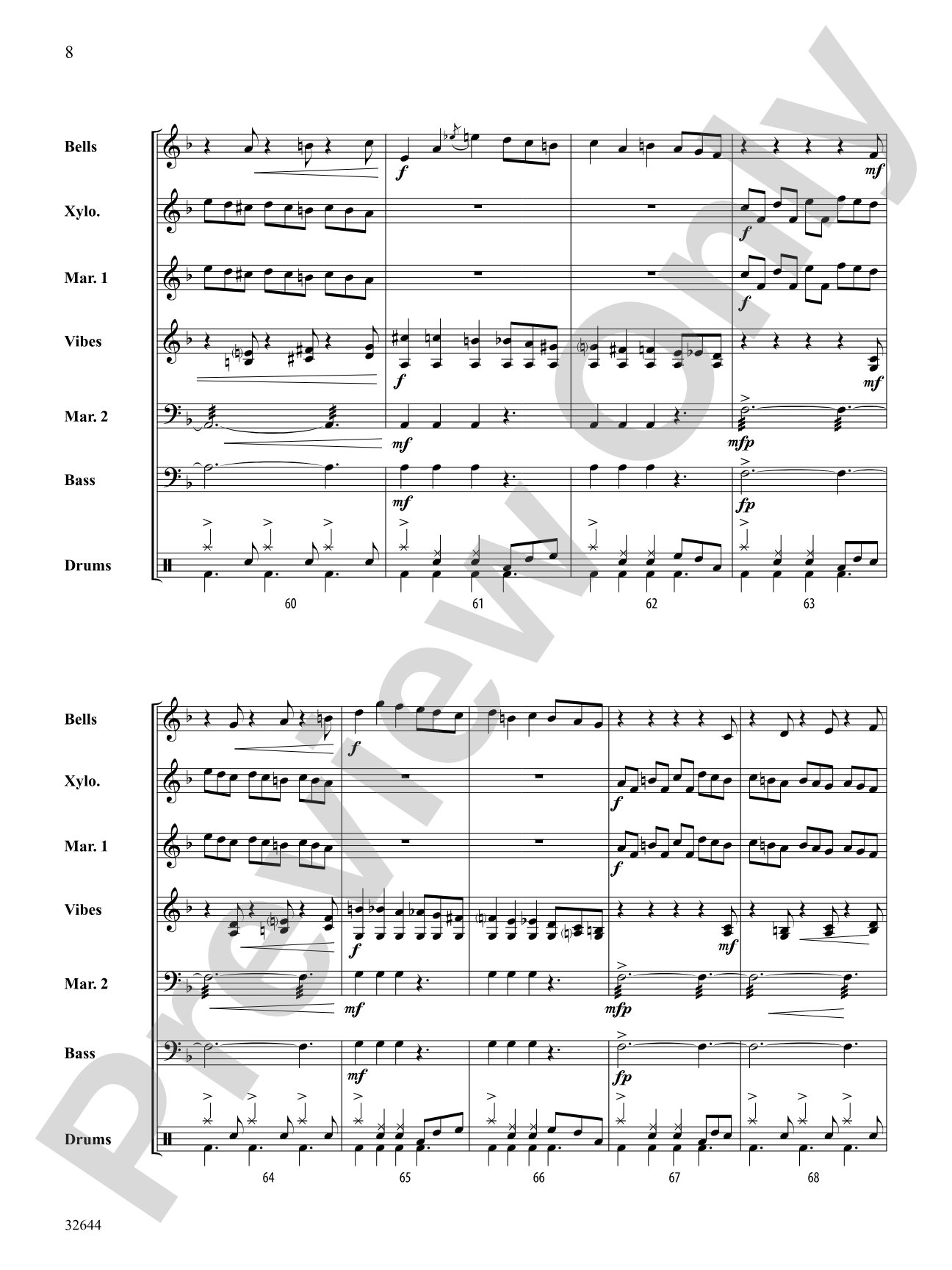
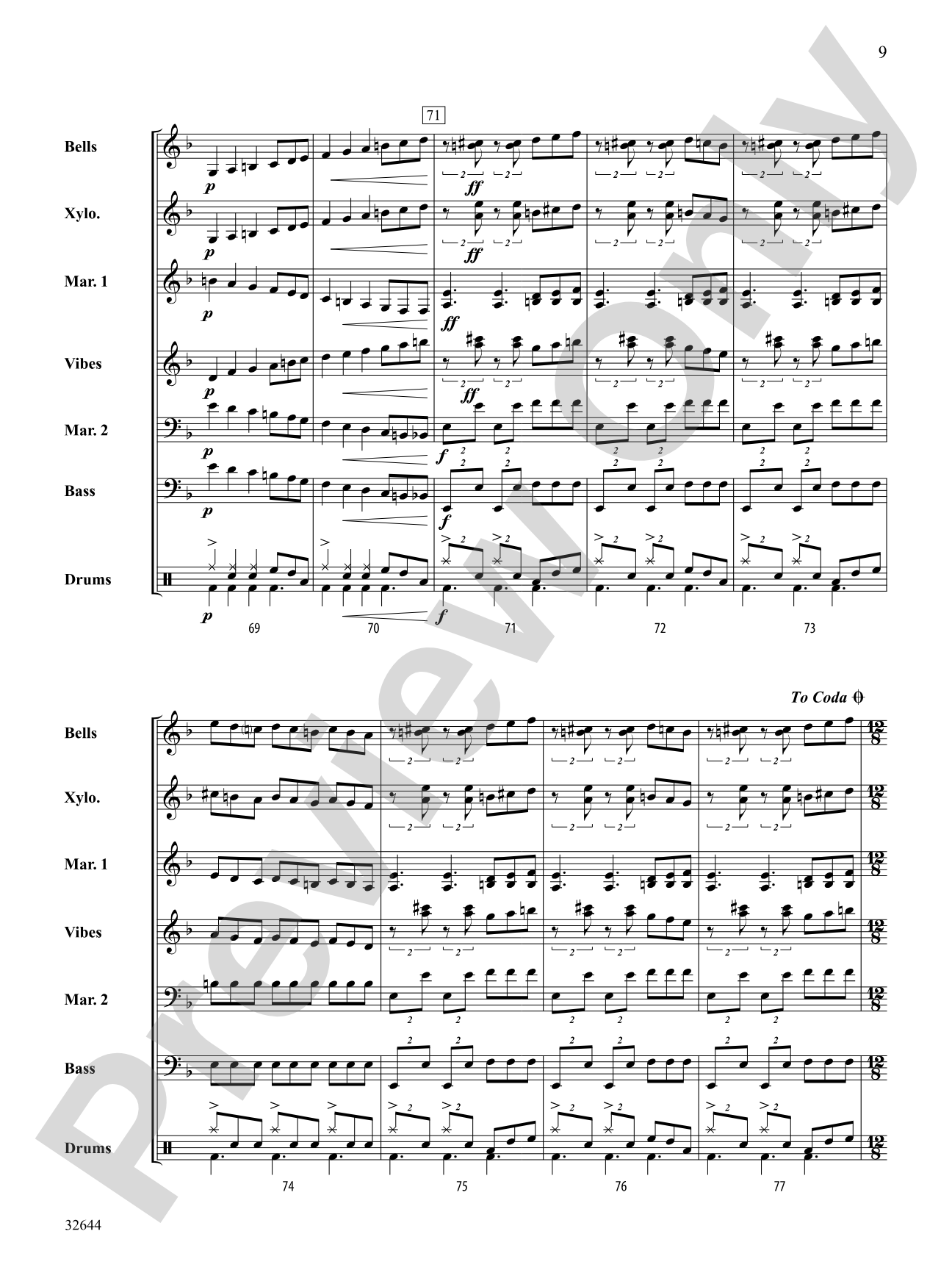
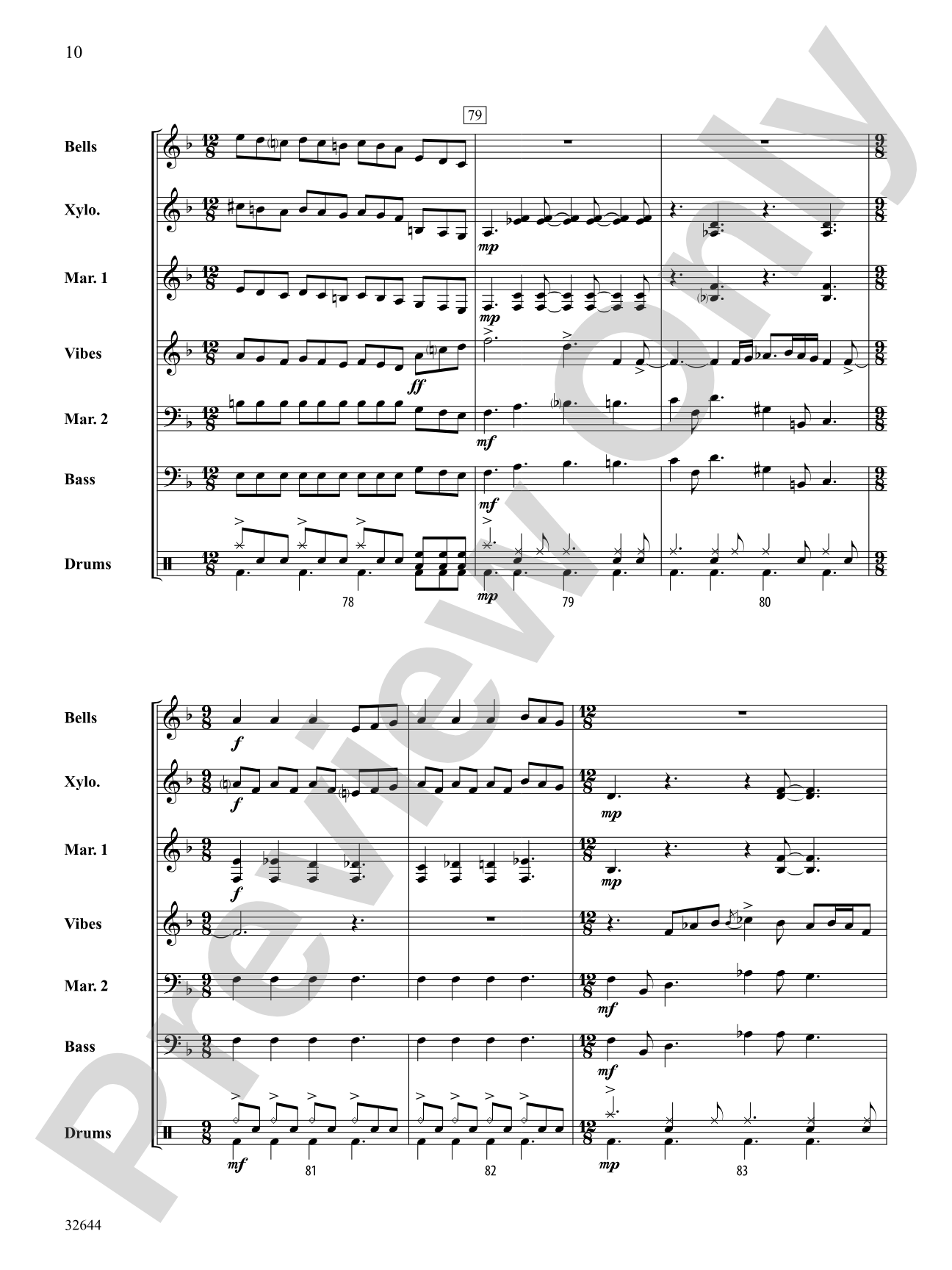
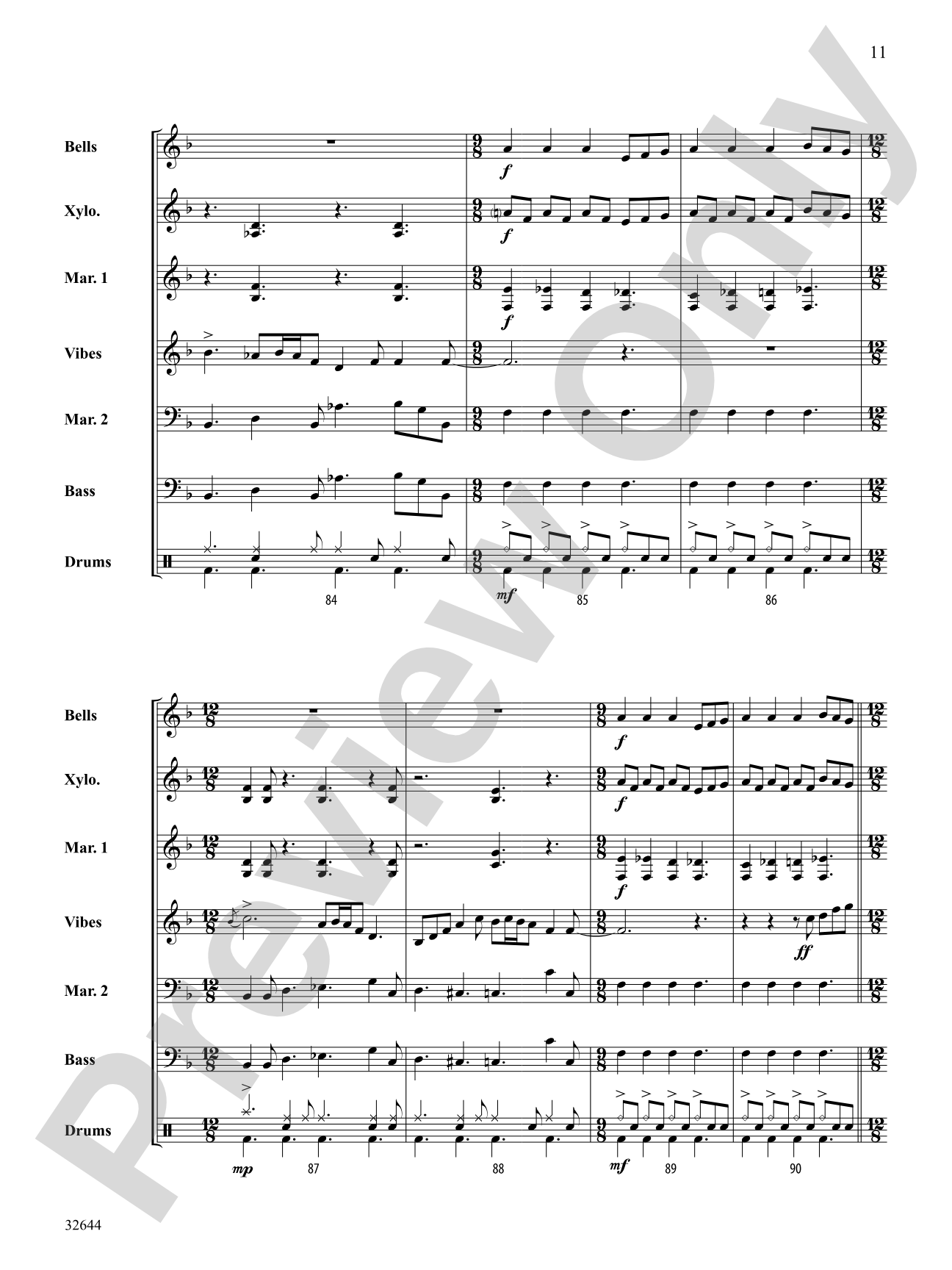
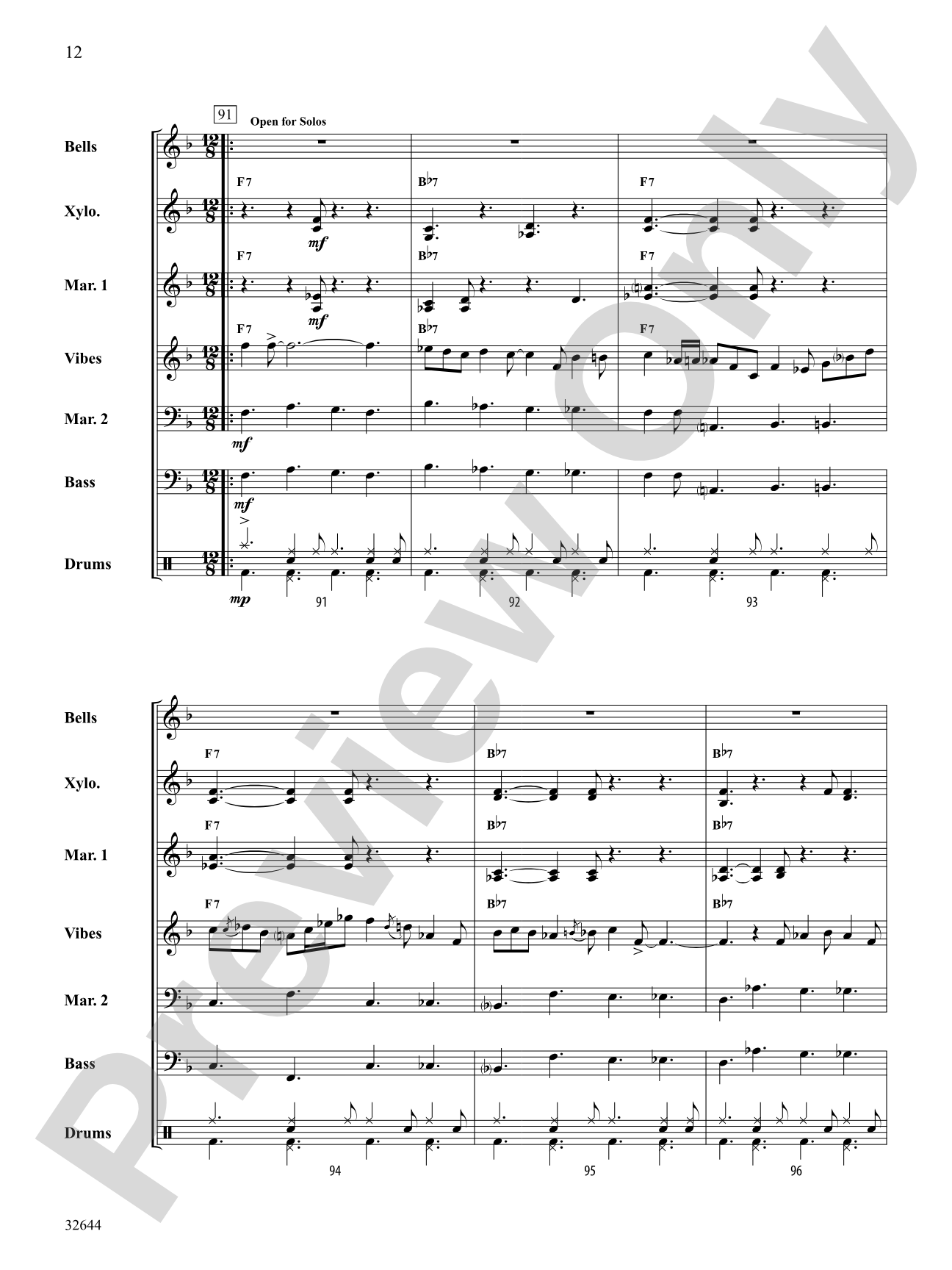
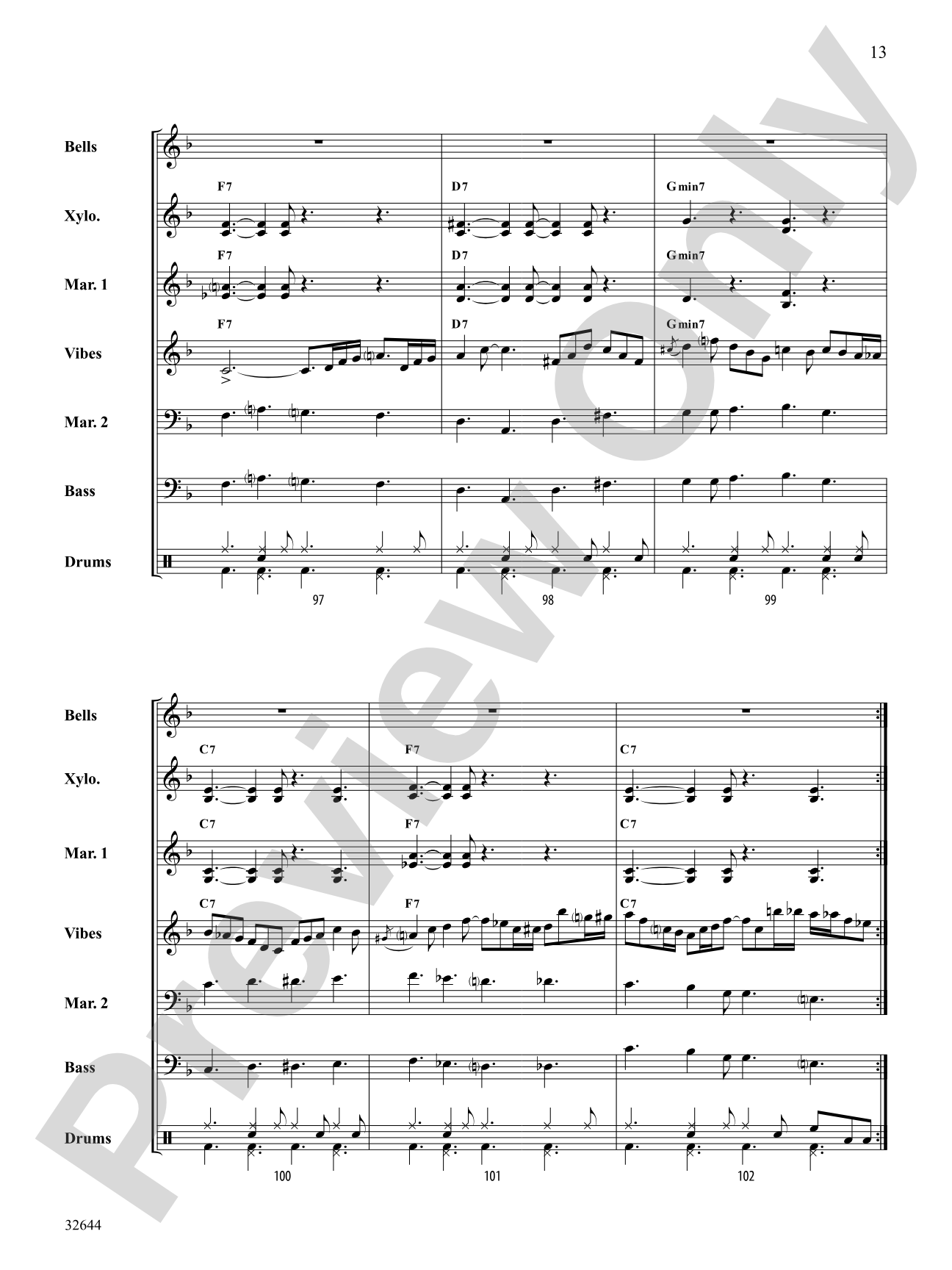
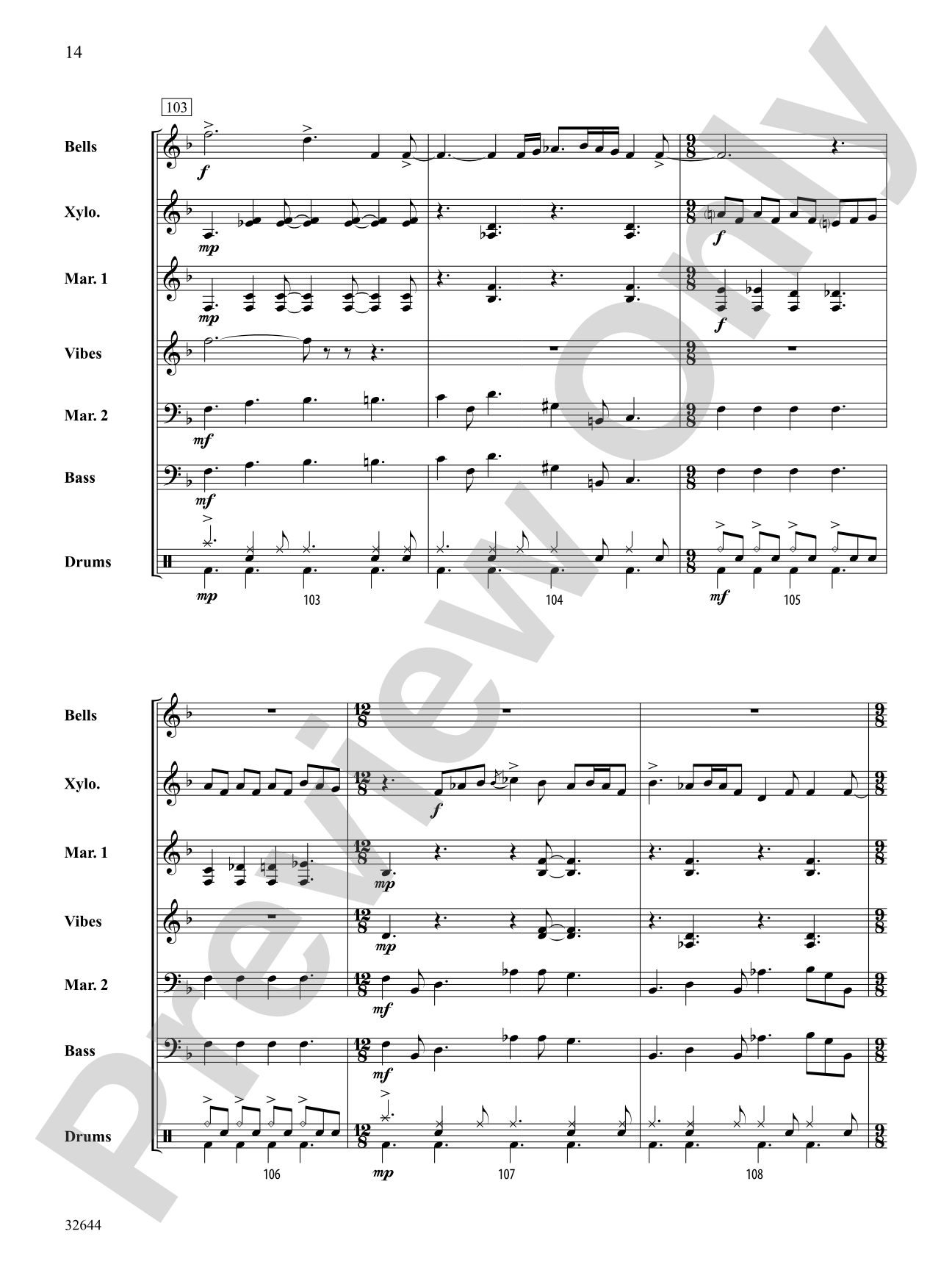
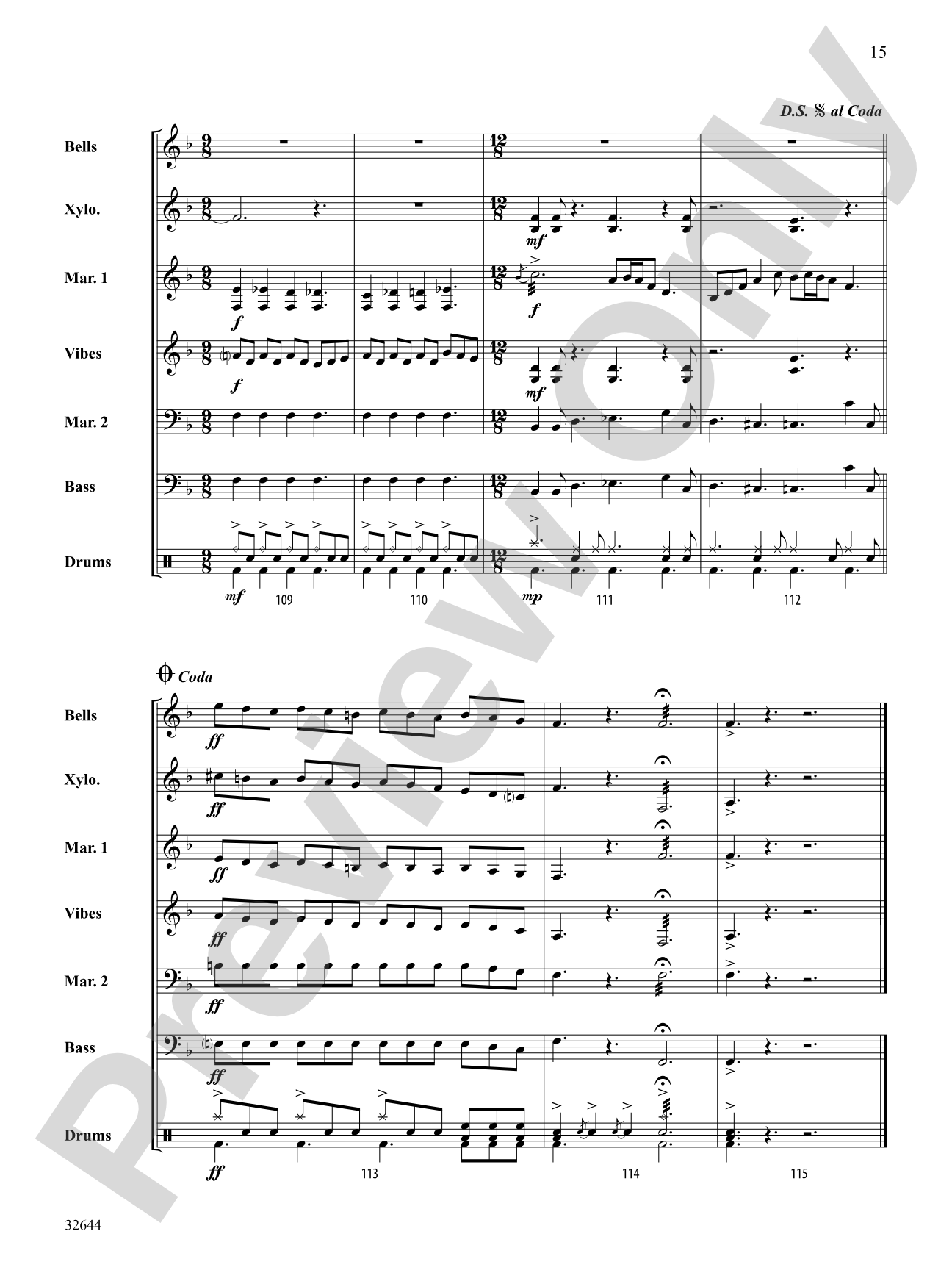
In celebration of the 50th anniversary of the Dave Brubeck landmark jazz recording "Time Out," Alfred presents a percussion ensemble arrangement of the popular Brubeck composition from that album, Blue Rondo à la Turk, written especially for the developing intermediate and advanced percussion ensemble. This arrangement captures the essence and form of his masterpiece, including mixed meters with a 12-bar blues and the classic Joe Morello drum track.


Don't just read it, hear it, play along with it, and watch your students grow with it. In MakeMusic Cloud, Blue Rondo à la Turk: Percussion Ensemble comes alive with professional accompaniment, adjustable tempo, and built-in practice tools that turn solo practice into real progress.
Open in the Player
Jump straight in and assign it today.
Start Your Free Trial
Open this title and explore the full library in minutes.
Sample Audio
1
Audio File
--:--
0:00
0:00
Sample Video
No sample videos found.
Additional Details
Series:
Alfred's Pop Percussion Ensemble Series
Publisher:
Alfred Music
Page Count:
28
SKU:
00-PK-0004118
More about this title
About the Composer: Dave Brubeck
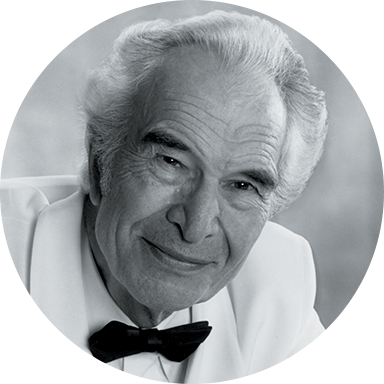
Dave Brubeck's legacy extends far beyond "Take Five" and "Time Out." A classically trained pianist who studied with Darius Milhaud after World War II, Brubeck built a career that refused easy categorization. He composed symphonies, masses, chamber works, and ballets alongside his revolutionary jazz recordings, treating both languages with equal seriousness and craft. His 1959 album "Time Out" became the first jazz record to sell a million copies, breaking commercial and artistic ground simultaneously.
Beyond the music itself, Brubeck was a cultural force. He performed integrated ensembles decades before it became commonplace, actively confronting racial barriers in mid-20th-century America. His choral works and sacred compositions have been recorded by major orchestras and performed in concert halls worldwide. The honors accumulated over his lifetime, from the Presidential Medal of the Arts to Grammy and lifetime achievement awards, reflect not just commercial success but the respect of musicians and institutions across multiple genres.
Why we love this
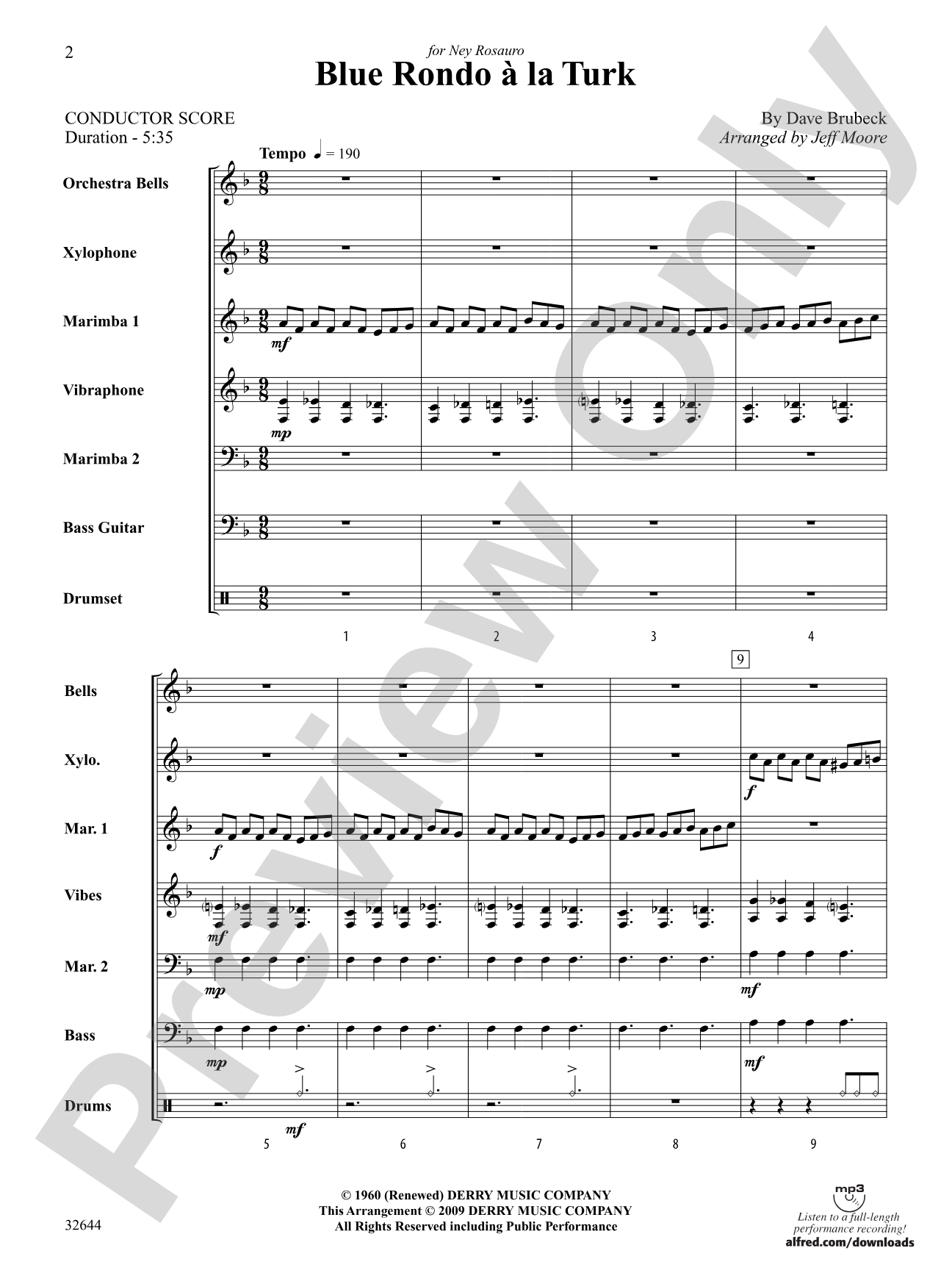
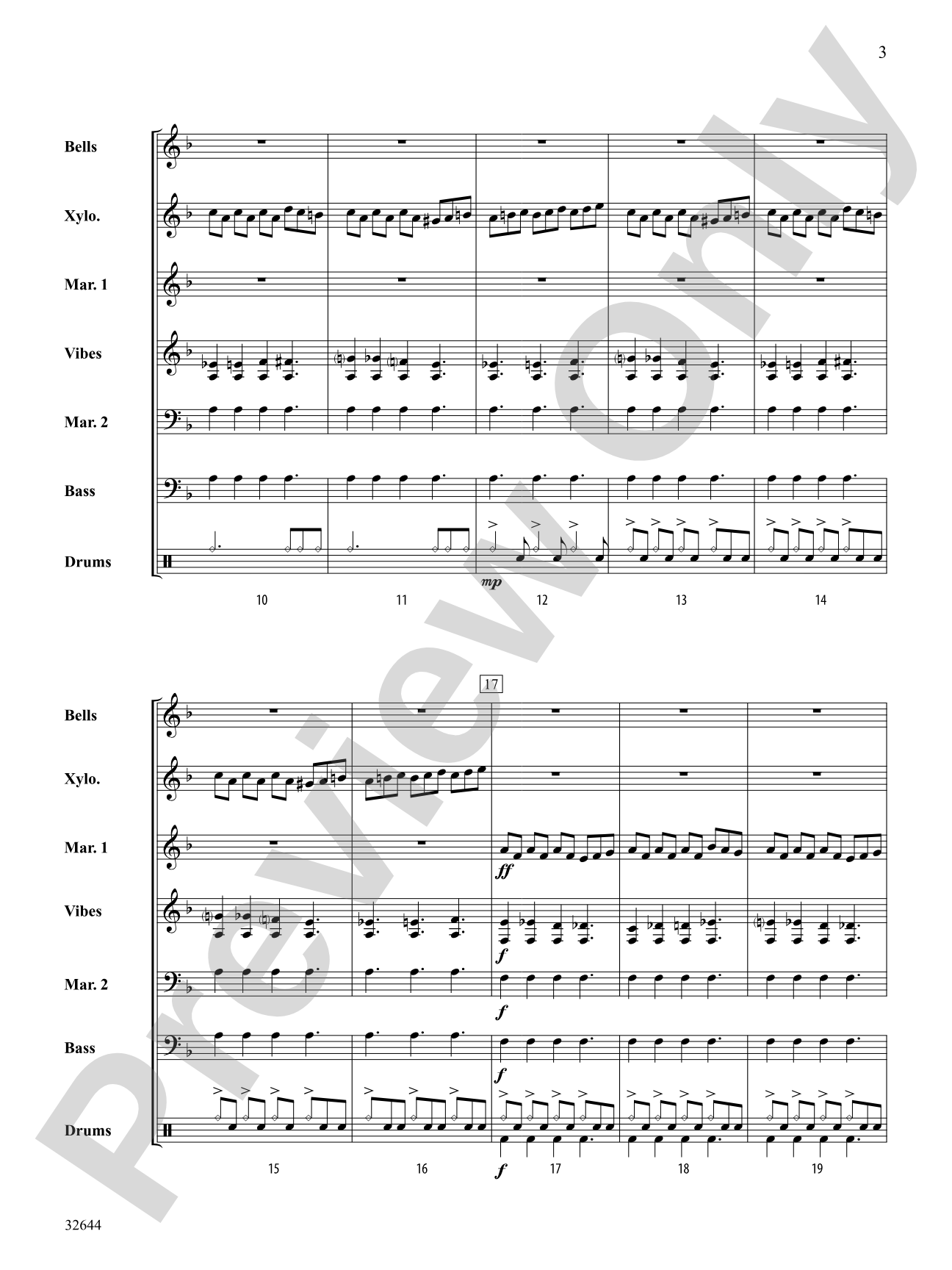
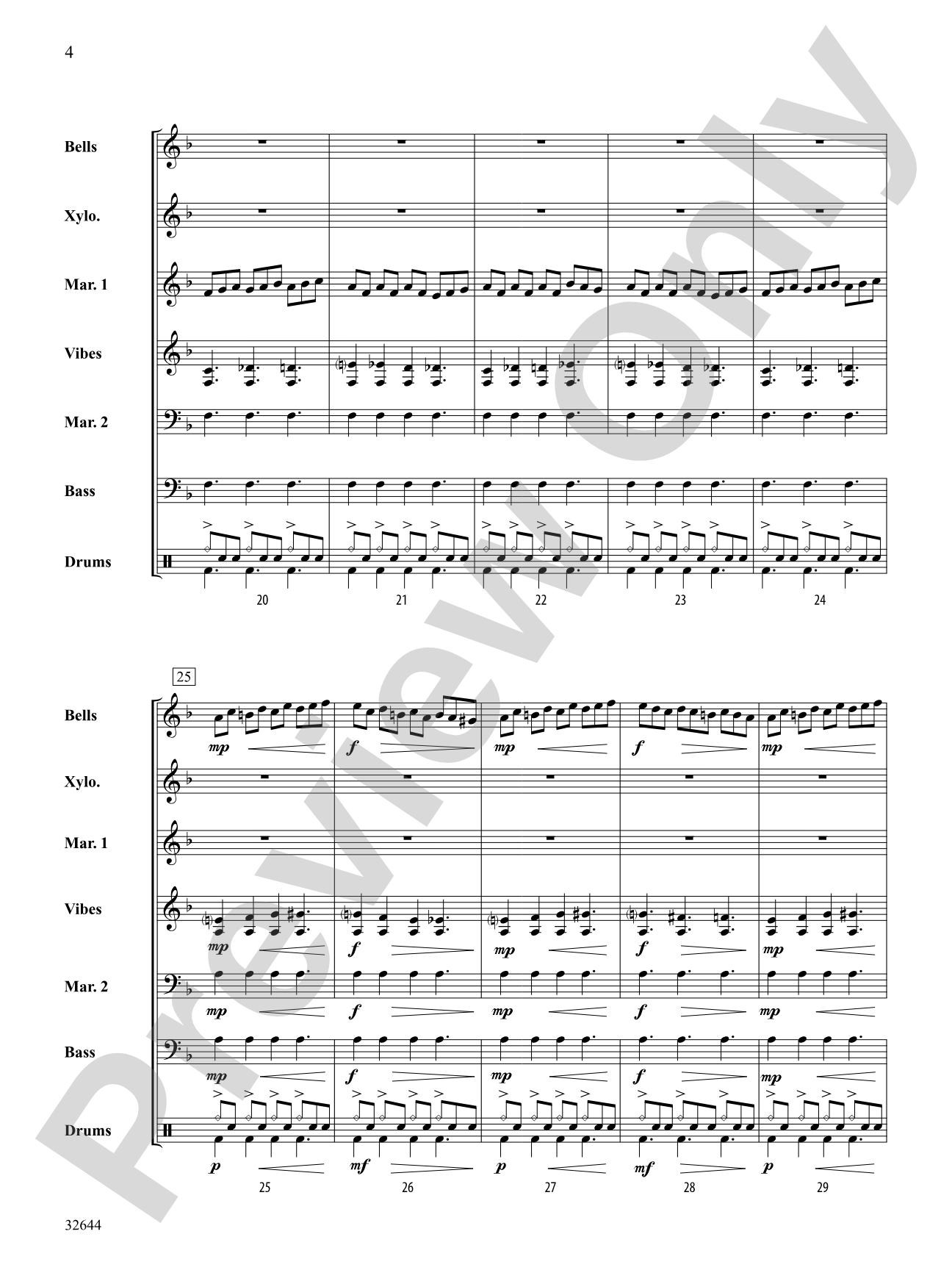
This arrangement stays true to the harmonic and rhythmic DNA of Brubeck's masterpiece while translating the legendary interplay of the original quartet into percussion voices. The mixed meters (primarily 9/8 shifting into 4/4 blues changes) give students genuine experience with asymmetrical phrasing, and the Joe Morello drum part homage means your ensemble gets to grapple with the kind of sophisticated coordination that defined "Time Out." For a 50th-anniversary celebration piece, it delivers both historical weight and genuine musical challenge.
What to expect
Restless and hypnotic. The 9/8 foundation gives the piece a rolling, almost disorienting motion that resolves into the grounded groove of the 12-bar blues. There's real swagger here, the kind that comes from rhythmic confidence rather than volume.
Who it's for
Intermediate and advanced percussion ensembles ready to tackle genuine jazz vocabulary and mixed meter fluency. This is ideal for groups comfortable with 5 or more players and willing to invest rehearsal time in rhythmic precision and timbral balance.
How to get the most out of it
- Establish the 9/8 groove as a physical pulse before layering additional parts. Have the ensemble tap the opening riff together until the meter feels inevitable, not counted.
- Balance the timbral texture carefully during the blues section. The shift from the opening vamp to 4/4 changes needs clarity; make sure the lower voices cut through without the upper percussion getting buried.
- Lock the rhythmic ostinatos precisely with the brushed and malletted parts. This piece demands tightness; even small timing slippages in the repeating figures will disrupt the groove.
- Shape the dynamics across the full 28 pages. Brubeck's architecture includes natural peaks and valleys; avoid playing at one volume level for the entire arrangement.
How to use it
Program this as a standalone feature in a concert dedicated to jazz traditions or modern percussion writing. Its 50th-anniversary context makes it a natural choice for a concert celebrating influential albums or compositions that changed music. It also works as a centerpiece for a festival or competition program where ensembles showcase stylistic range.
Skills your students will build
- Reading and performing in mixed meters (9/8 and 4/4 coordination)
- Jazz groove vocabulary and swing feel interpretation
- Timbral balance within an ensemble texture
- Rhythmic precision in layered ostinatos
- Blues harmonic changes and improvisation frameworks