Blue Heron  Cover Image

Blue Heron: String Orchestra Conductor Score & Parts

$46.00 USD
Sale price  $46.00 USD Regular price 
Skip to product information
Blue Heron  Cover Image

Blue Heron: String Orchestra Conductor Score & Parts

By Edmund J. Siennicki

Grade: 2

Item: 00-24936

makemusic Cloud badge

Need it now?

Buy Digital Version
$46.00
Shipped

One moment…

Description
Imagine the stately bird, the blue heron, in the marshes along Lake Erie. When standing on one leg in the water, the bird is visible to the careful observer, yet their large wingspan makes them majestic flyers. This piece calls for a moderate tempo. After the short introduction, the next 16 measures are played piano, mezzo forte and forte. This is followed by two versions with variations. All players get to play the melody and bowings and dynamics make the music more interesting for the audience and performers as the piece comes to a loud ending.

Don't just read it, hear it, play along with it, and watch your students grow with it. In MakeMusic Cloud, Blue Heron: String Orchestra Conductor Score & Parts comes alive with professional accompaniment, adjustable tempo, and built-in practice tools that turn solo practice into real progress.

Sample Pages

Sample Audio
0:00
0:00
Sample Video
Additional Details
Series: Highland/Etling Strictly Strings
Publisher: Alfred Music
Page Count: 72
UPC: 038081275888
SKU: 00-24936

More about this title

About the Composer: Edmund J. Siennicki
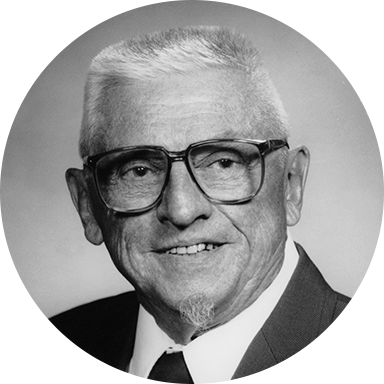
Edmund J. Siennicki

Edmund J. Siennicki grew up in Cleveland, Ohio, where a formative conversation with pianist Ignacy Jan Paderewski at age 12 shaped his musical direction. He earned his Bachelor's degree from Kent State University, where he composed Fight on for KSU, a piece still performed at the university's football games. In 1994, Kent State recognized his contributions with the Distinguished Alumnus Award.

Siennicki's formal training in composition came from Herbert Elwell, and he studied electronic music with Sergio Barroso while consulting with Vincent Persichetti. He earned his Master's degree from Teachers College, Columbia University. As both a bassoonist and pianist, he brought practical instrumental knowledge to his work. His compositions have garnered prizes in the National School Orchestra composition contests, and he served as composer in residence at the MacDowell Colony twice. With approximately 200 published compositions and two decades of ASCAP awards, Siennicki spent his teaching career primarily in Cleveland's junior high schools while also holding positions at Michigan and Kent State University. He continues to compose and conduct clinics in schools.

Why we love this

This Grade 2 piece offers something increasingly rare: a nature study with genuine compositional craft. Rather than relying on obvious bird calls or programmatic gimmicks, Siennicki builds interest through structural variety and orchestration. Every musician in your section gets the melody at some point, which keeps rehearsals focused and morale high.

What to expect

Blue Heron captures the patient observation of a bird poised mid-water, combining delicate stillness with moments of soaring flight. The opening introduction draws you toward the image, then invites you to watch as this majestic creature reveals itself through shifting textures and an energetic final ascent.

Who it's for

String orchestra directors working with Grade 2 ensembles, whether in middle school or advanced elementary settings. This piece fits well into festival and contest programs where you need music that's accessible yet musically substantial.

How to get the most out of it

  • Shape the dynamics carefully across the piano and mezzo forte sections to reveal the bird's stillness and grace. Younger string players often play uniformly loud, so isolate these contrasting passages in sectional rehearsals and conduct them with clear, deliberate gestures.
  • Balance the two thematic variations by adjusting bow speed and vibrato intensity rather than relying solely on dynamic markings. This teaches your orchestra that musical interest comes from how you play, not just how loud you play.
  • Prepare the ending by rehearsing the crescendo to the final forte as a unified gesture. String orchestras at this level sometimes ragged through big moments; mark a clear four-measure countdown before the climax.

How to use it

Program this as a showcase for your developing ensemble's ability to handle contrasting dynamics and pass primary melodic material between sections. It works well on a festival program where you want to demonstrate both restraint and confidence, or pair it with a lively folk-tune arrangement to show range.

Skills your students will build

  • Sustaining long tones at soft dynamics (piano and mezzo forte) without losing pitch or tone quality
  • Recognizing and executing contrasting articulation and bowing patterns as musical ideas repeat
  • Balancing melody and accompaniment when every section carries the primary theme
  • Building excitement through crescendo and controlled dynamic growth toward a climactic ending

You May Also Like
