
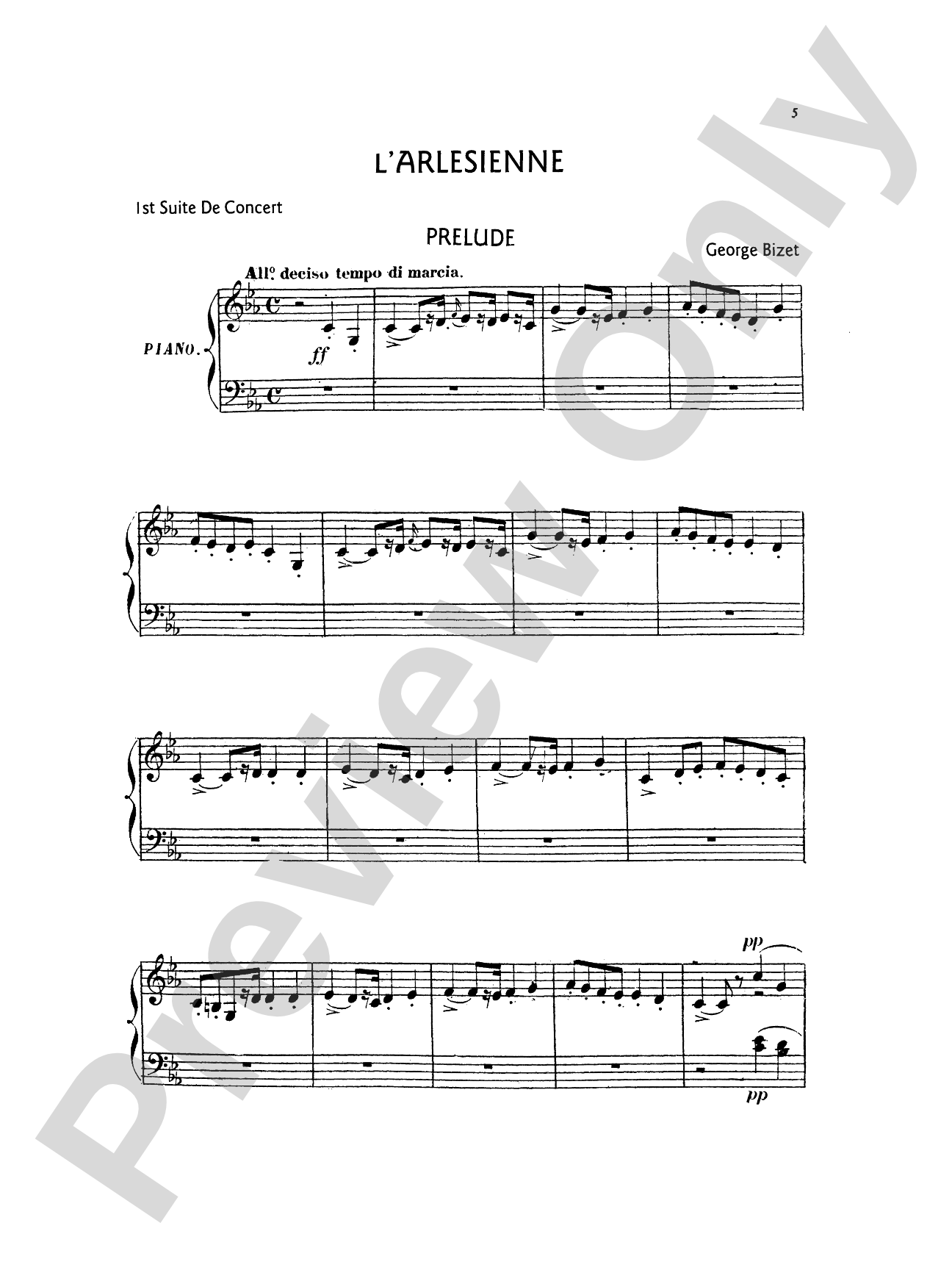
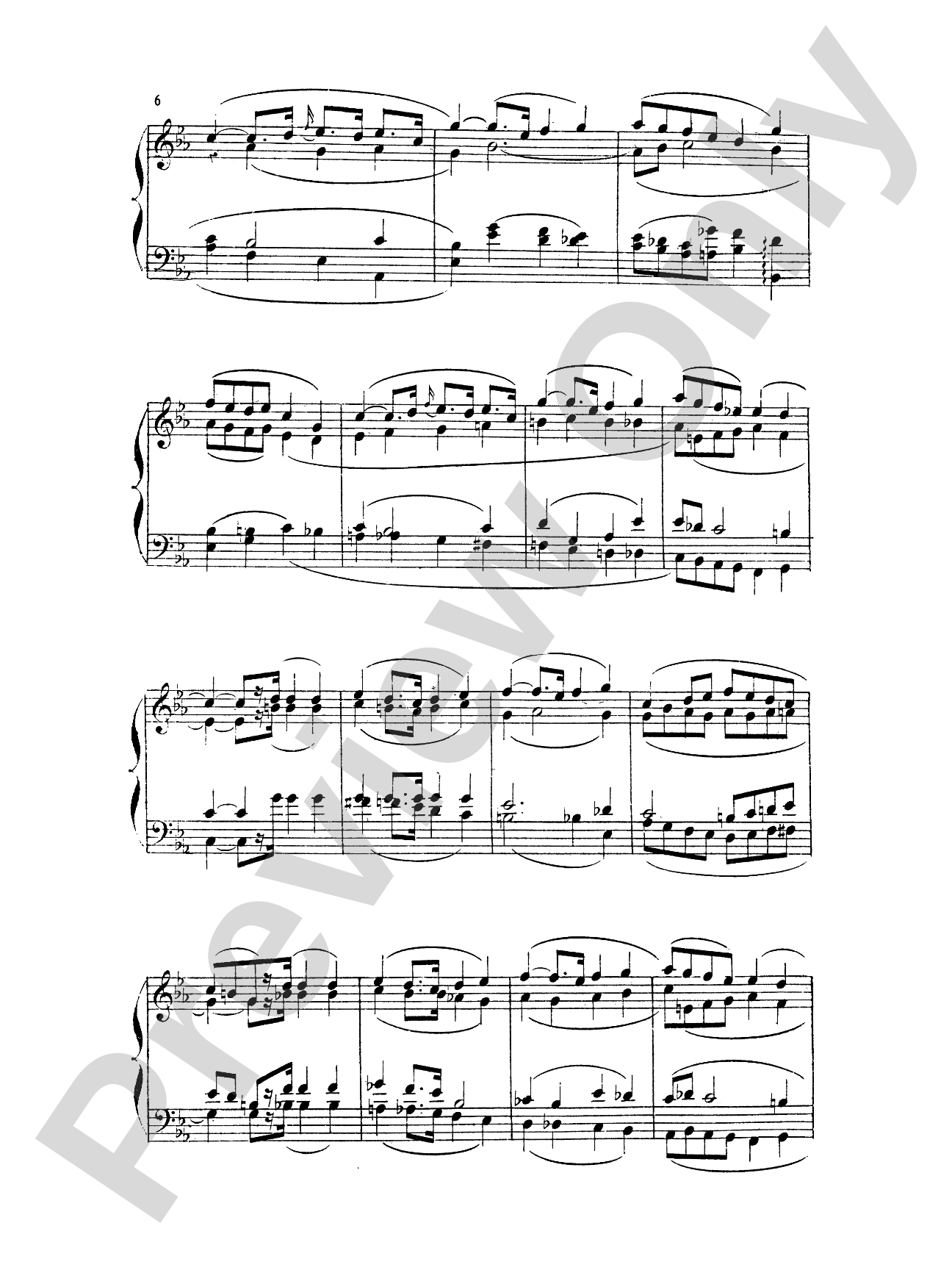
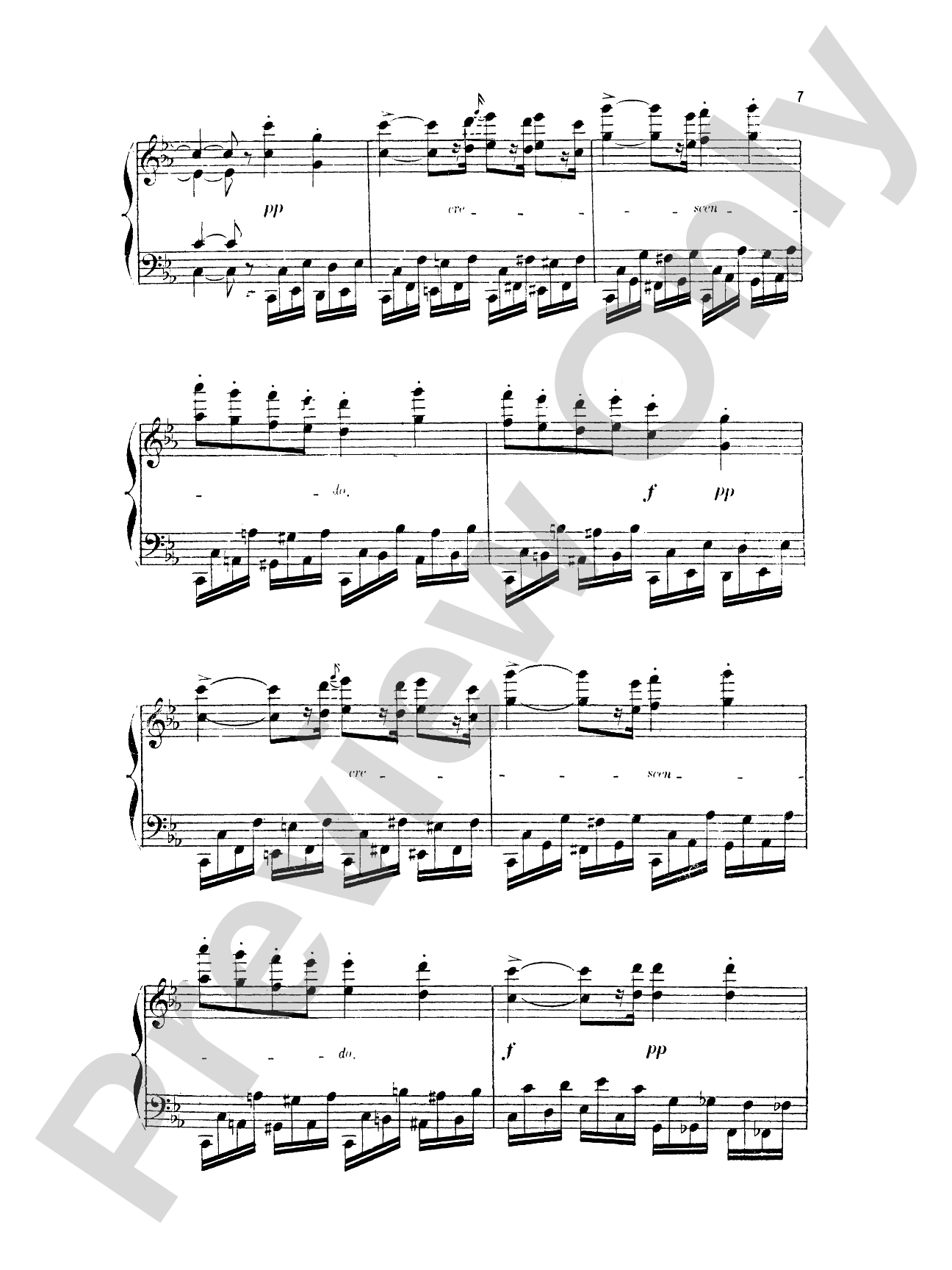
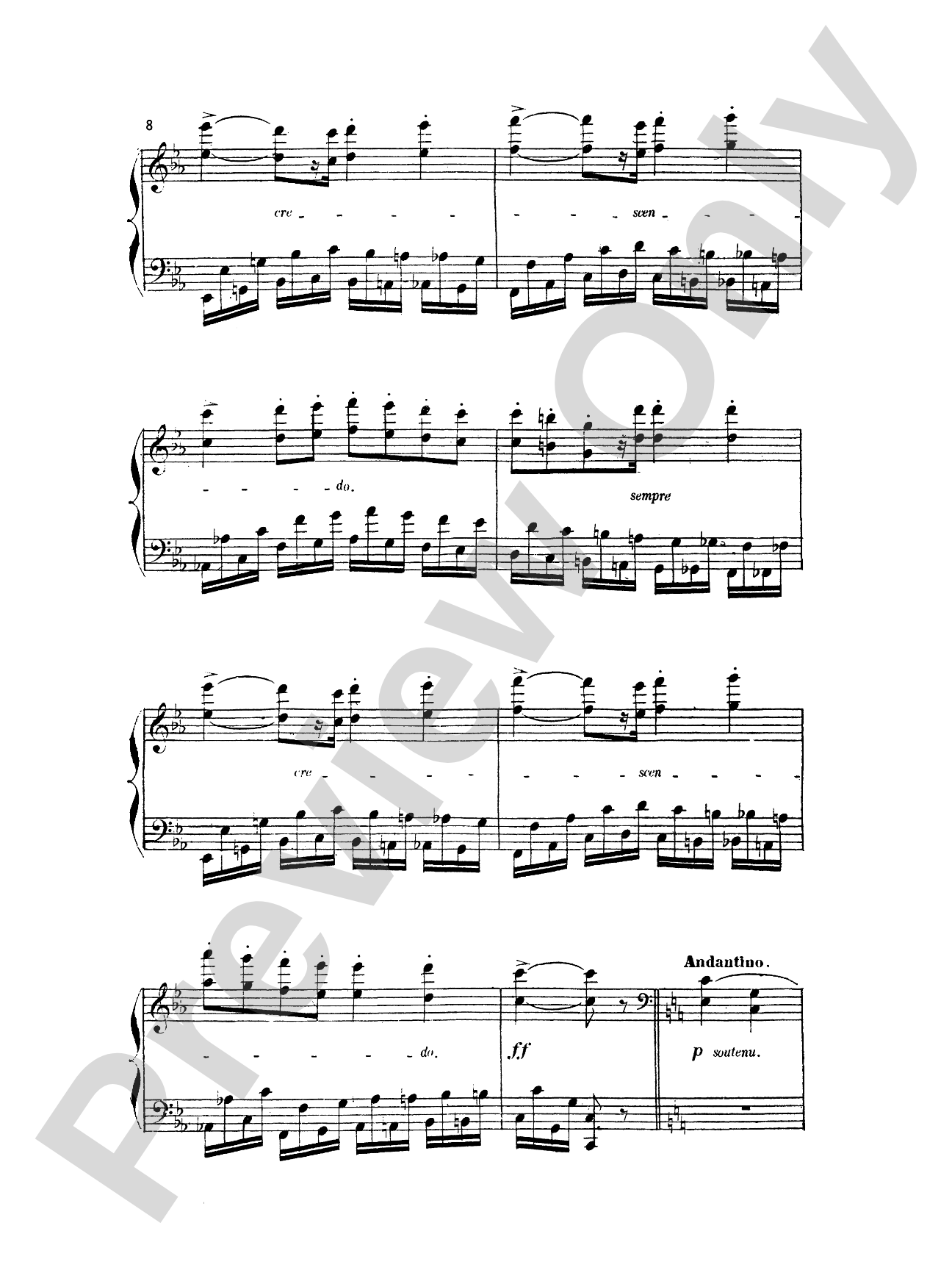
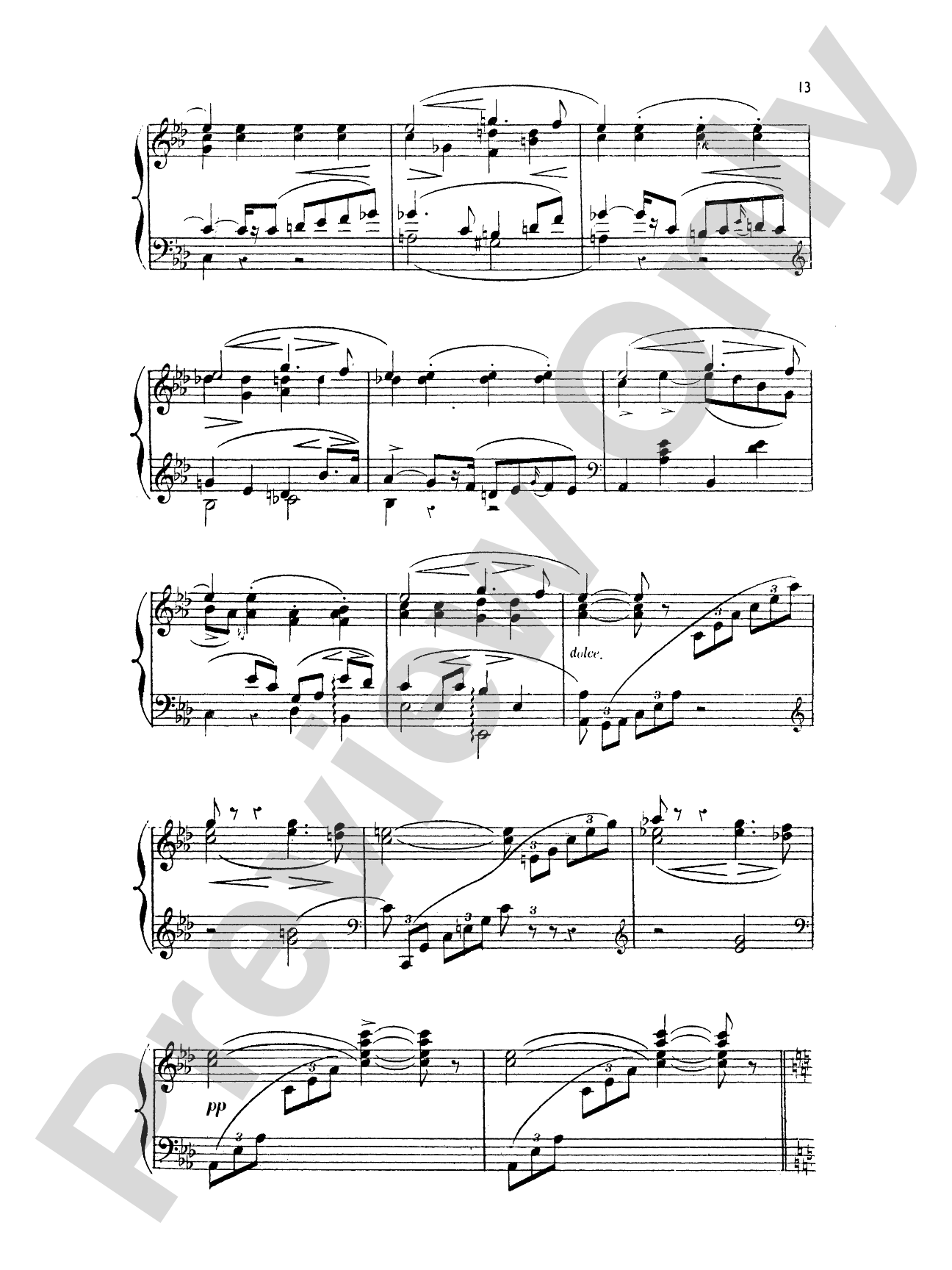
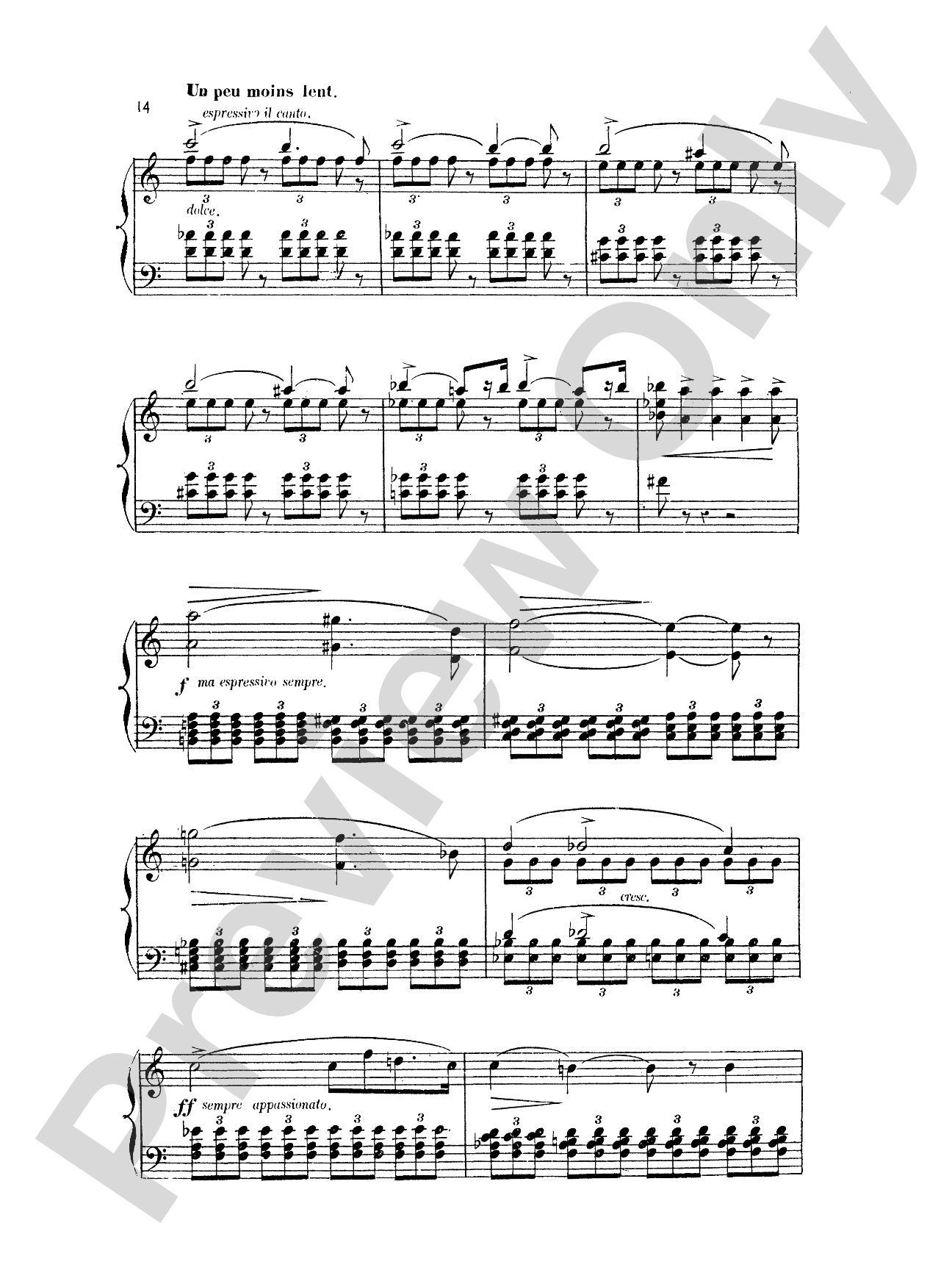
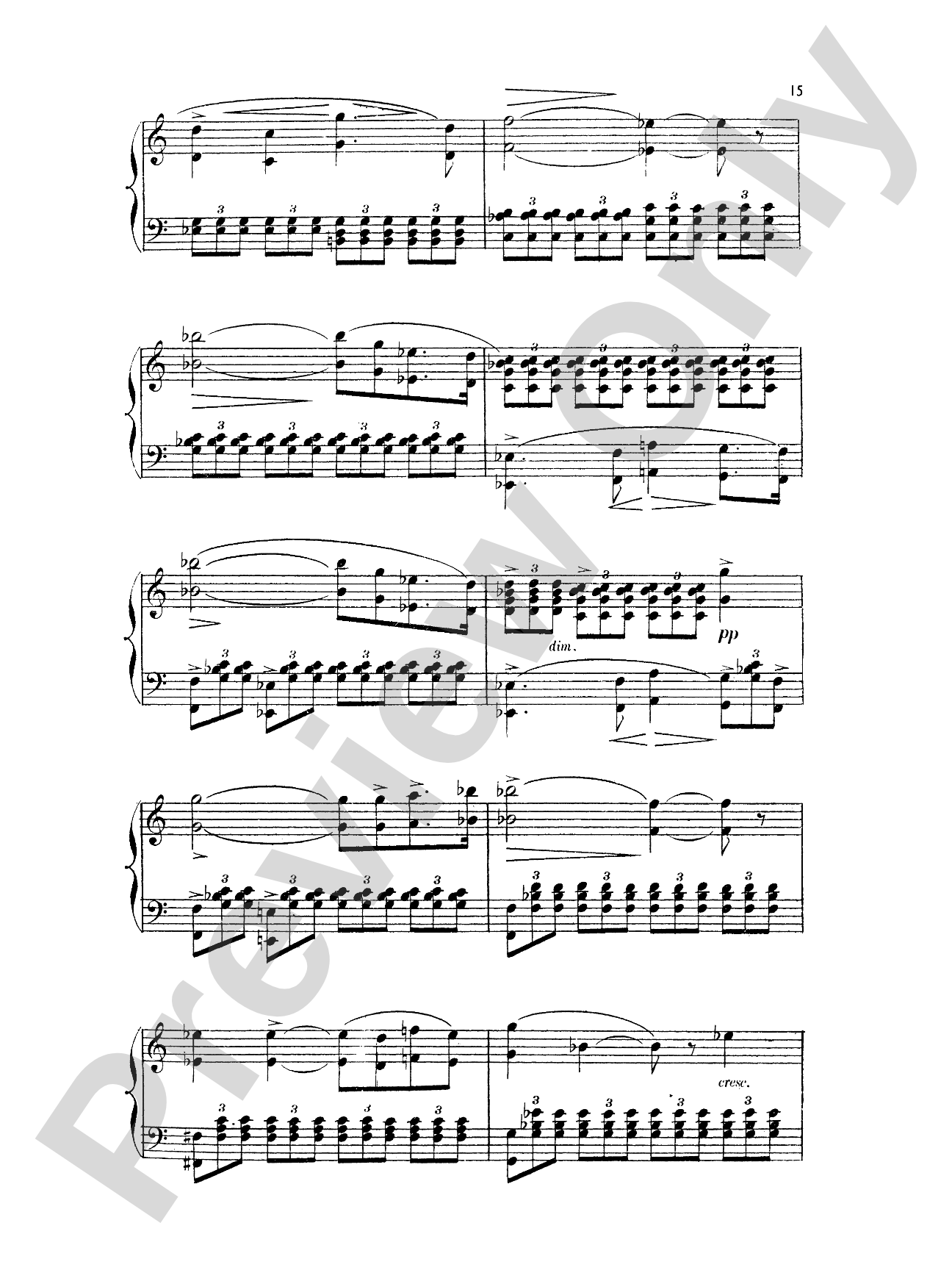
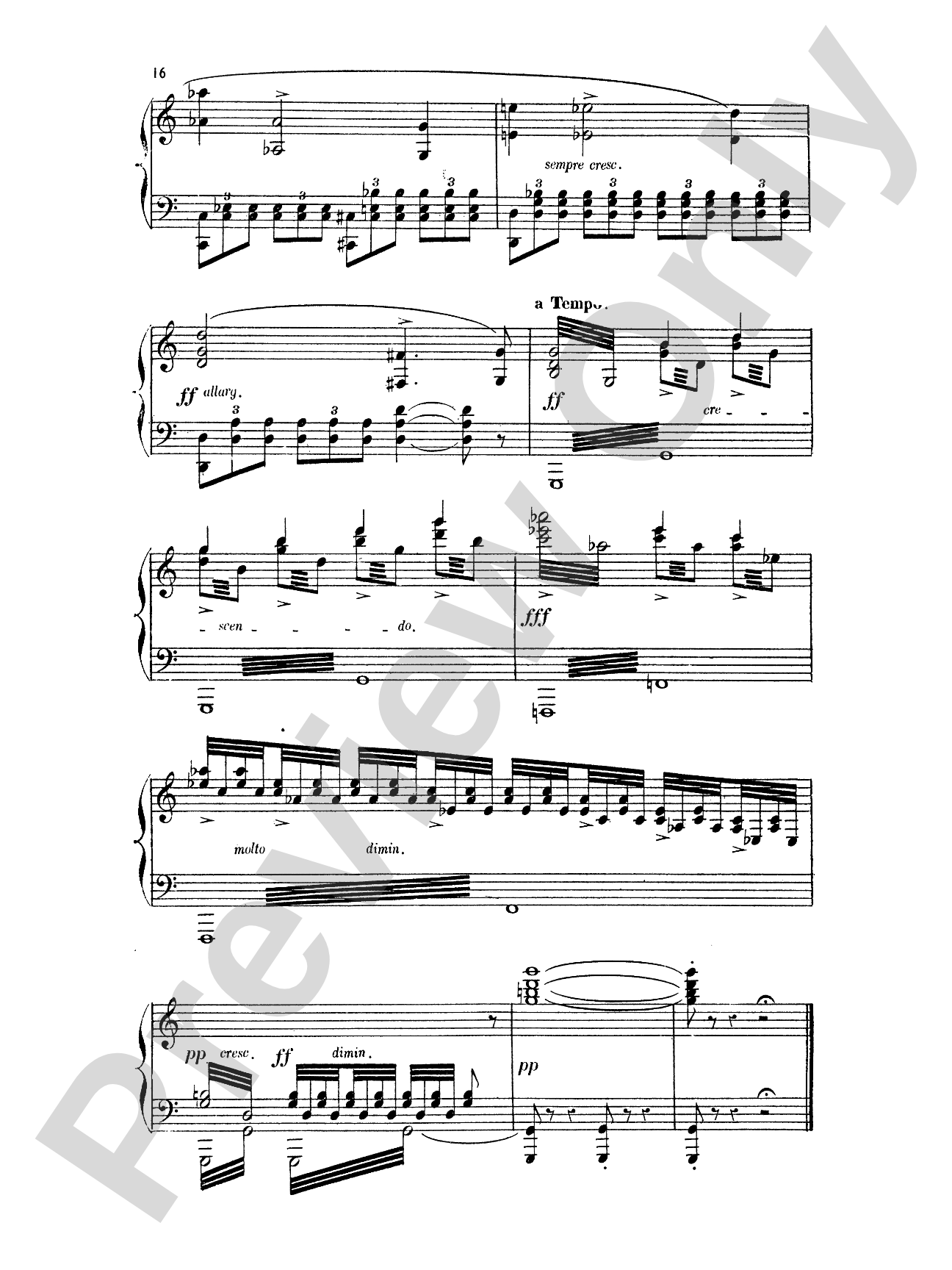

Bizet: L'Arlesienne Suites Nos. 1 & 2: Piano Book
By Georges Bizet
Level: Intermediate / Advanced
Item: 00-PK-0003903

$13.99
Pickup currently not available
Buy Extra Parts (Digital PDF Download)
| Product | Price | Quantity |
|---|---|---|
| Bizet: L'Arlesienne Suites Nos. 1 & 2 | $0.99 | |
| Bizet: L'Arlesienne Suites Nos. 1 & 2 | $0.99 | |
| Bizet: L'Arlesienne Suites Nos. 1 & 2 | $0.99 | |
| Bizet: L'Arlesienne Suites Nos. 1 & 2 | $0.99 | |
| Bizet: L'Arlesienne Suites Nos. 1 & 2 | $0.99 | |
| Bizet: L'Arlesienne Suites Nos. 1 & 2 | $0.99 | |
| Bizet: L'Arlesienne Suites Nos. 1 & 2 | $0.99 | |
| Bizet: L'Arlesienne Suites Nos. 1 & 2 | $0.99 |
Parts Added to Cart!
Related Items
L'Arlesienne Suites Nos. 1 & 2: Piano Book |
$13.99
|
View |
Description
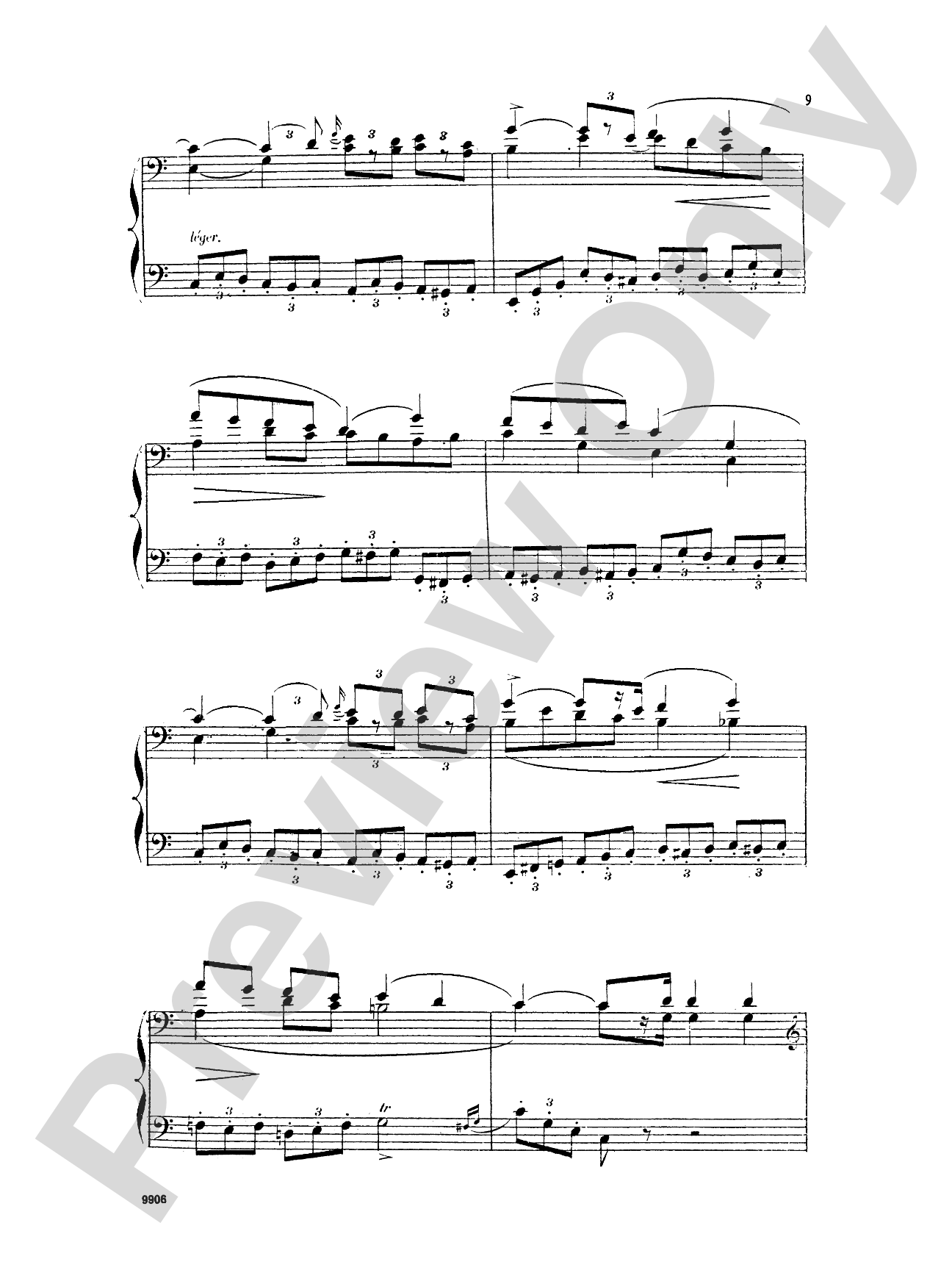
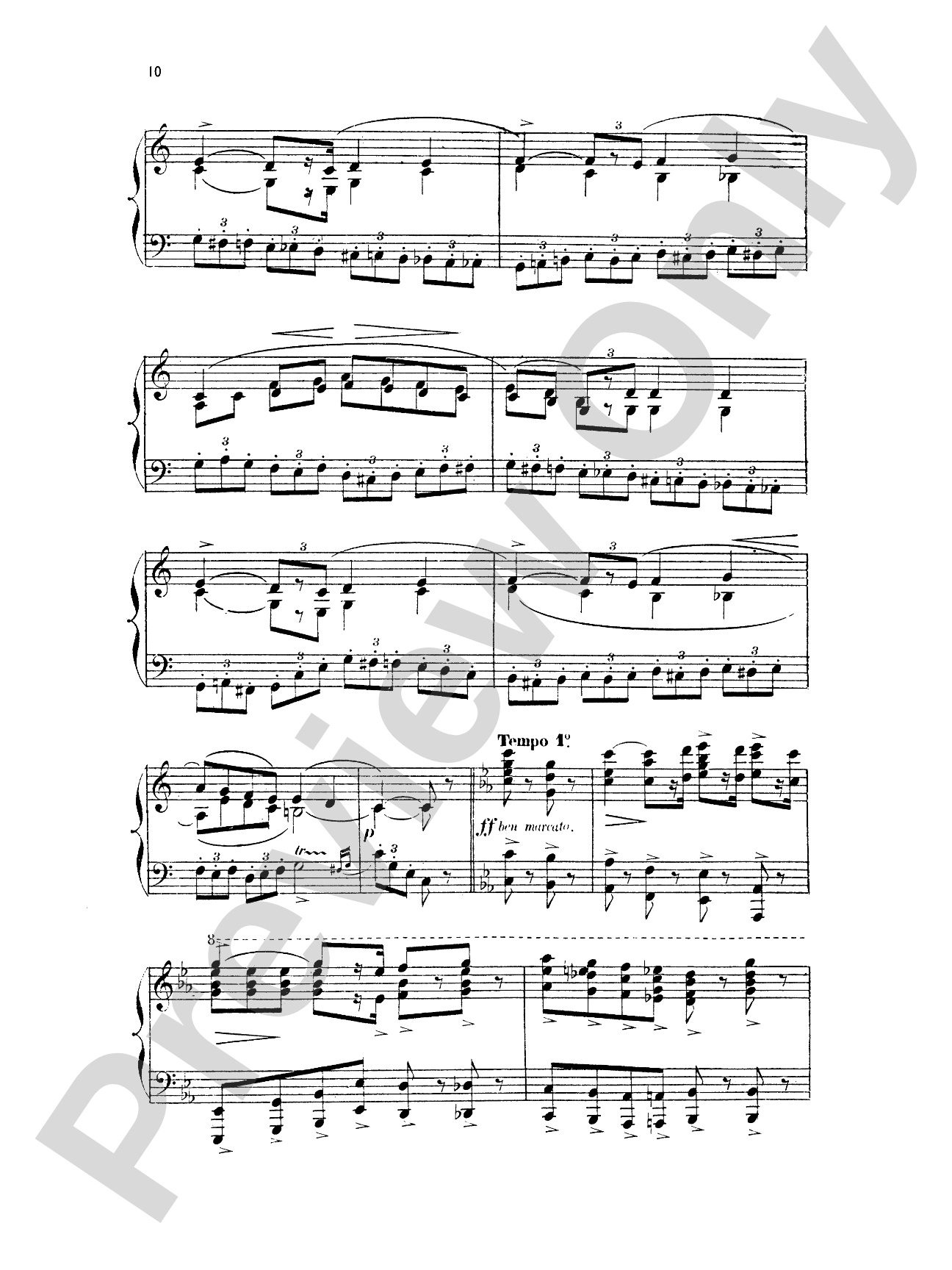
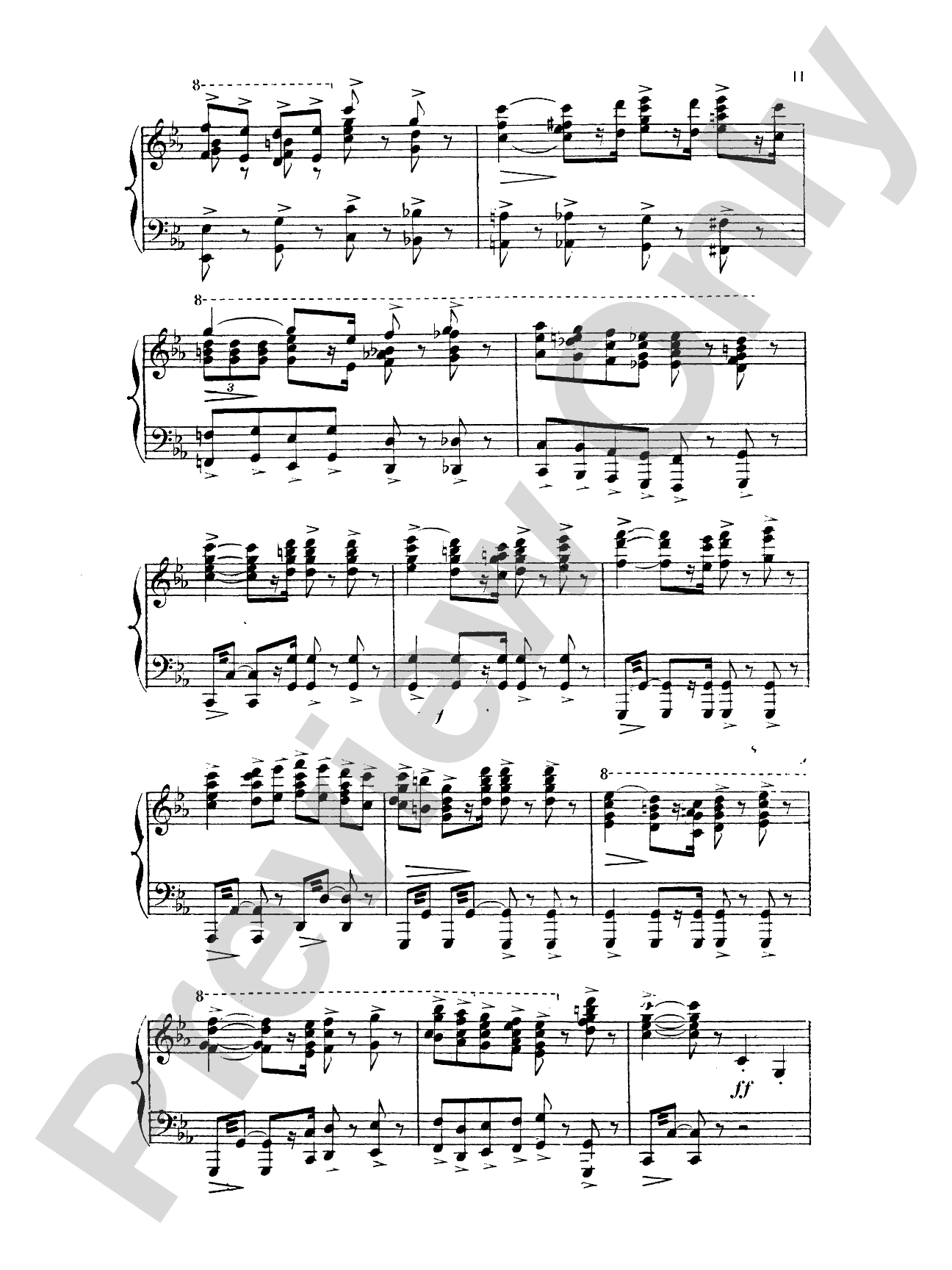
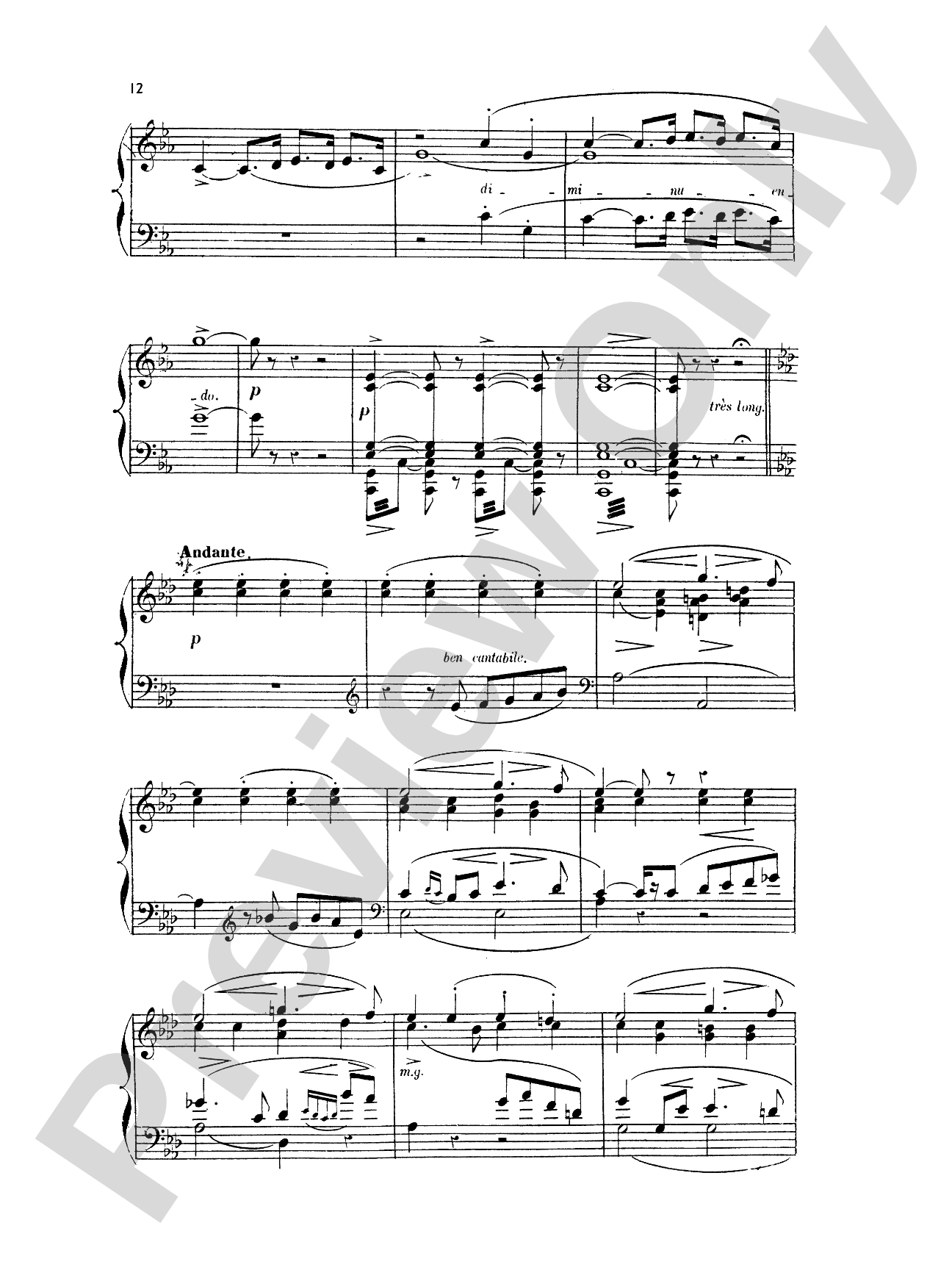
Georges Bizet composed the incidental music for Alphonse Daudet's play L'Arlésienne, which was performed beginning in October, 1872. Bizet wrote several folk-like themes for the music but also incorporated three existing tunes from a folk-music collection published by Vidal of Aix. This version is for solo piano. The first Suite includes: Prelude * Minuetto * Adagietto * Carillon. The second Suite includes: Pastorale * Intermezzo * Menuet * Farandole.


Don't just read it, hear it, play along with it, and watch your students grow with it. In MakeMusic Cloud, Bizet: L'Arlesienne Suites Nos. 1 & 2: Piano Book comes alive with professional accompaniment, adjustable tempo, and built-in practice tools that turn solo practice into real progress.
Open in the Player
Jump straight in and assign it today.
Start Your Free Trial
Open this title and explore the full library in minutes.
Sample Audio
No sample audio found.
Sample Video
No sample videos found.
Additional Details
Series:
Kalmus Edition
Publisher:
Alfred Music
Page Count:
60
SKU:
00-PK-0003903
More about this title
About the Composer: Georges Bizet
Georges Bizet (1838, 1875) stands as one of the most gifted melodists of the Romantic era, composing with an instinctive gift for memorable lines and orchestral color. Though he died at just 36, his catalog reveals a composer equally fluent in opera, orchestral music, and intimate works for piano, all marked by directness and emotional clarity.
Bizet's strength lay in his ability to blend popular elements with sophisticated harmony and structure. His incidental music for L'Arlésienne demonstrates this gift perfectly: drawing on folk melodies from Provence, he transformed everyday tunes into concert works of genuine substance. For musicians and teachers, his music offers both accessibility and depth, rewarding careful attention to phrasing and color.
Why we love this
These suites showcase Bizet's genius for orchestral color translated into idiomatic piano writing. The Farandole finale is especially rewarding: it builds with relentless momentum and gives pianists a genuine showstopper while the Minuetto and Pastorale provide moments of lyrical beauty that balance the work's more virtuosic sections.
What to expect
A journey through the sunlit, rustic world of Provence, with themes that dance and linger in equal measure. The music moves between energetic folk celebration and intimate lyricism, with orchestral grandeur translated into full, singing piano textures that demand both control and generosity.
Who it's for
Pianists at the intermediate-advanced level seeking rewarding concert repertoire with strong melodic appeal and authentic Romantic character. This edition works equally well for students aiming to build interpretive independence and for teachers looking for substantial solo material that doesn't require excessive technical specialization.
How to get the most out of it
- Approach the folk melodies with directness and clarity rather than excessive rubato; these tunes need to sing naturally, as if emerging from the melody itself rather than imposed upon it.
- In the Farandole, lock in the rhythmic ostinato early and let the tempo build incrementally; the excitement comes from structural momentum, not rushing.
- Shape the Adagietto with long, unbroken lines; resist the urge to fracture phrases with obvious hand position shifts that interrupt legato.
- Use the published text's articulation and voicing markings as your foundation, then adjust pedal strategy based on the acoustic of your instrument and venue.
How to use it
Program individual movements as recital pieces or perform both suites complete for a substantial solo set. The Farandole works beautifully as a concert finale, while the Prelude and Pastorale suit intimate chamber concert settings or early-recital slots where elegance reads more clearly than virtuosity.
Skills your students will build
- Pedal technique and resonance control across multiple dynamic levels
- Scalar and arpeggio patterns within an idiomatic context
- Maintaining forward motion through repeated rhythmic figures without mechanical phrasing
- Translating orchestral texture and color into piano voicing and balance
- Interpretation of Romantic-era articulation and stylistic nuance