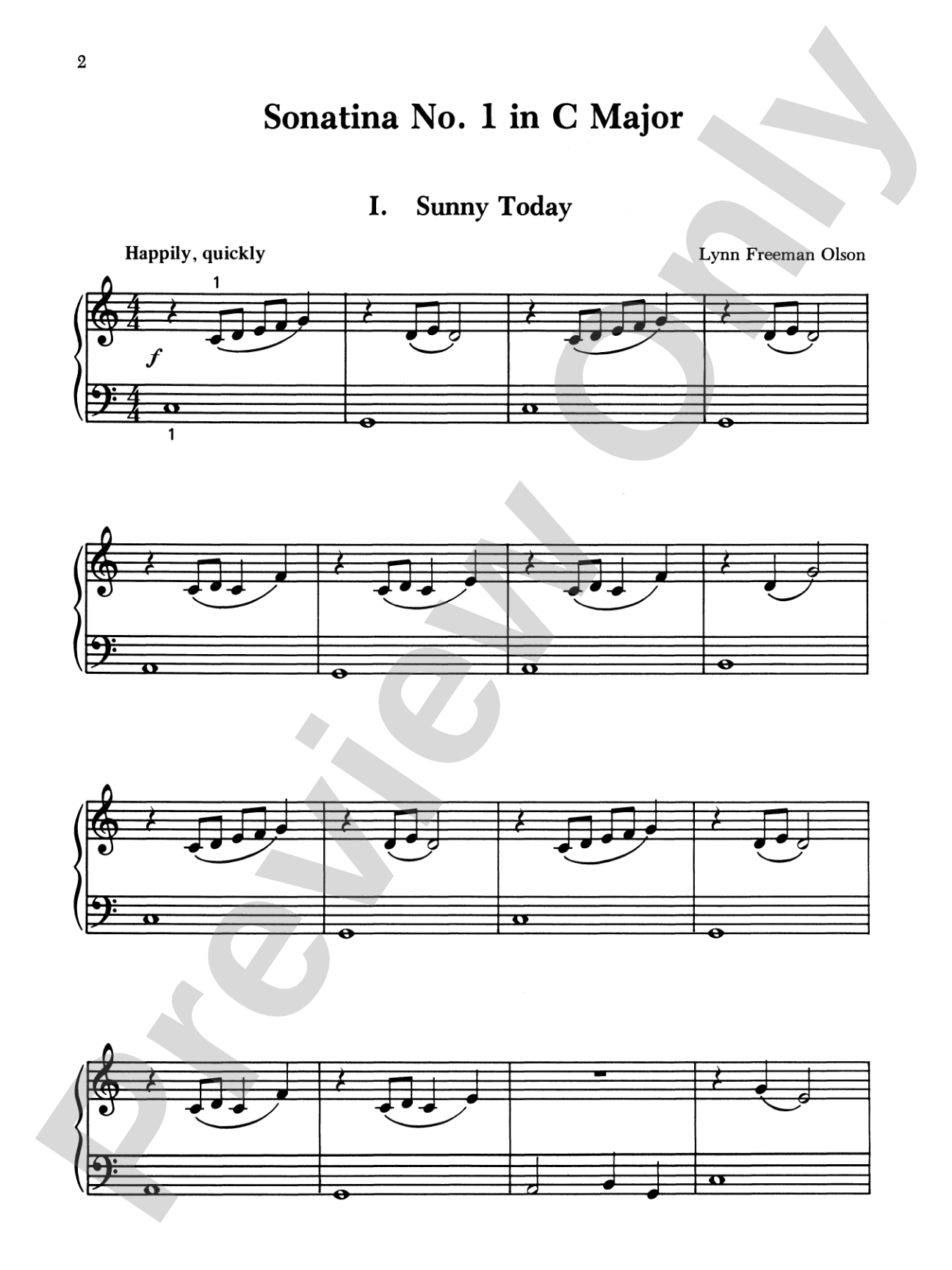
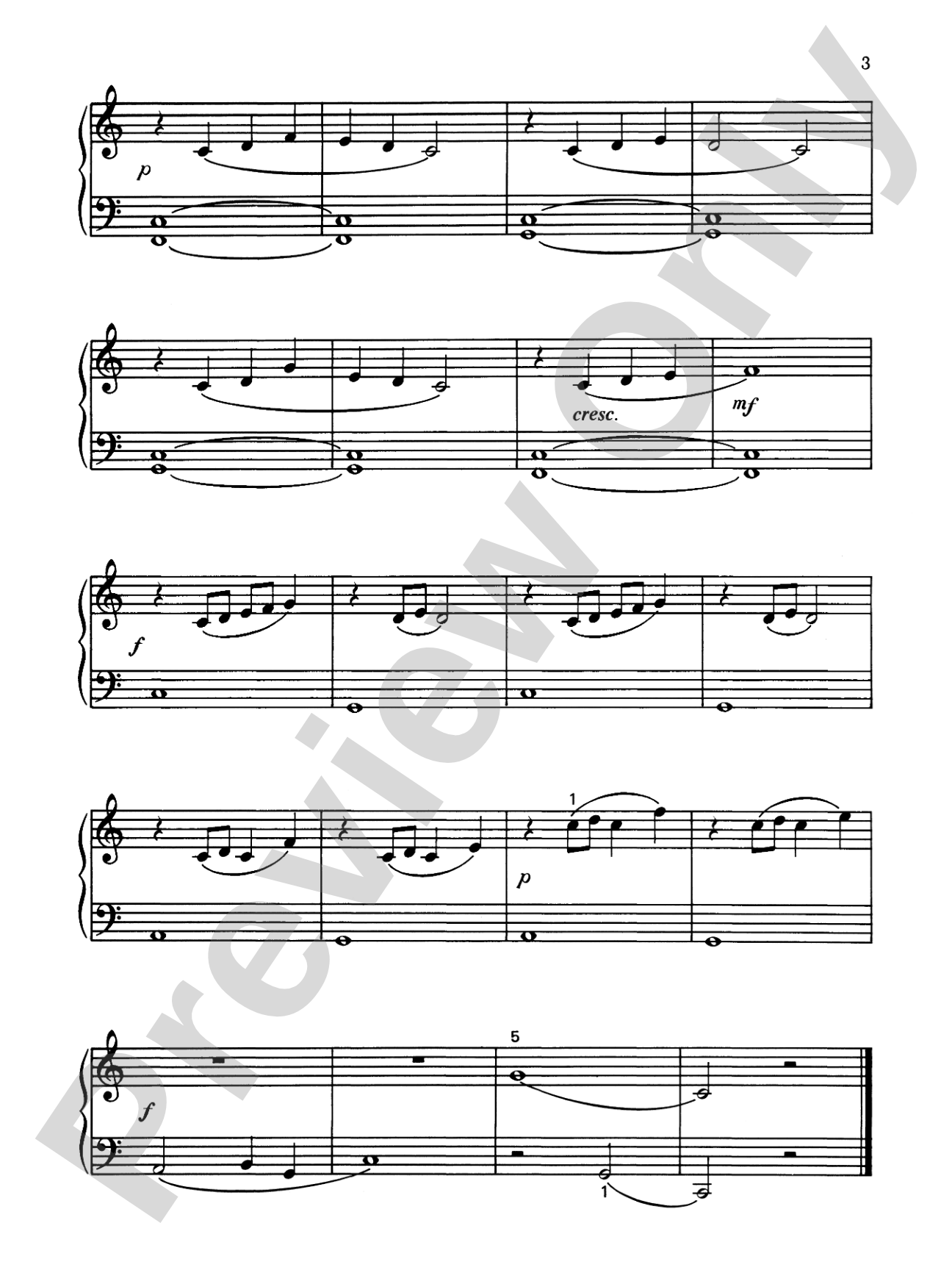
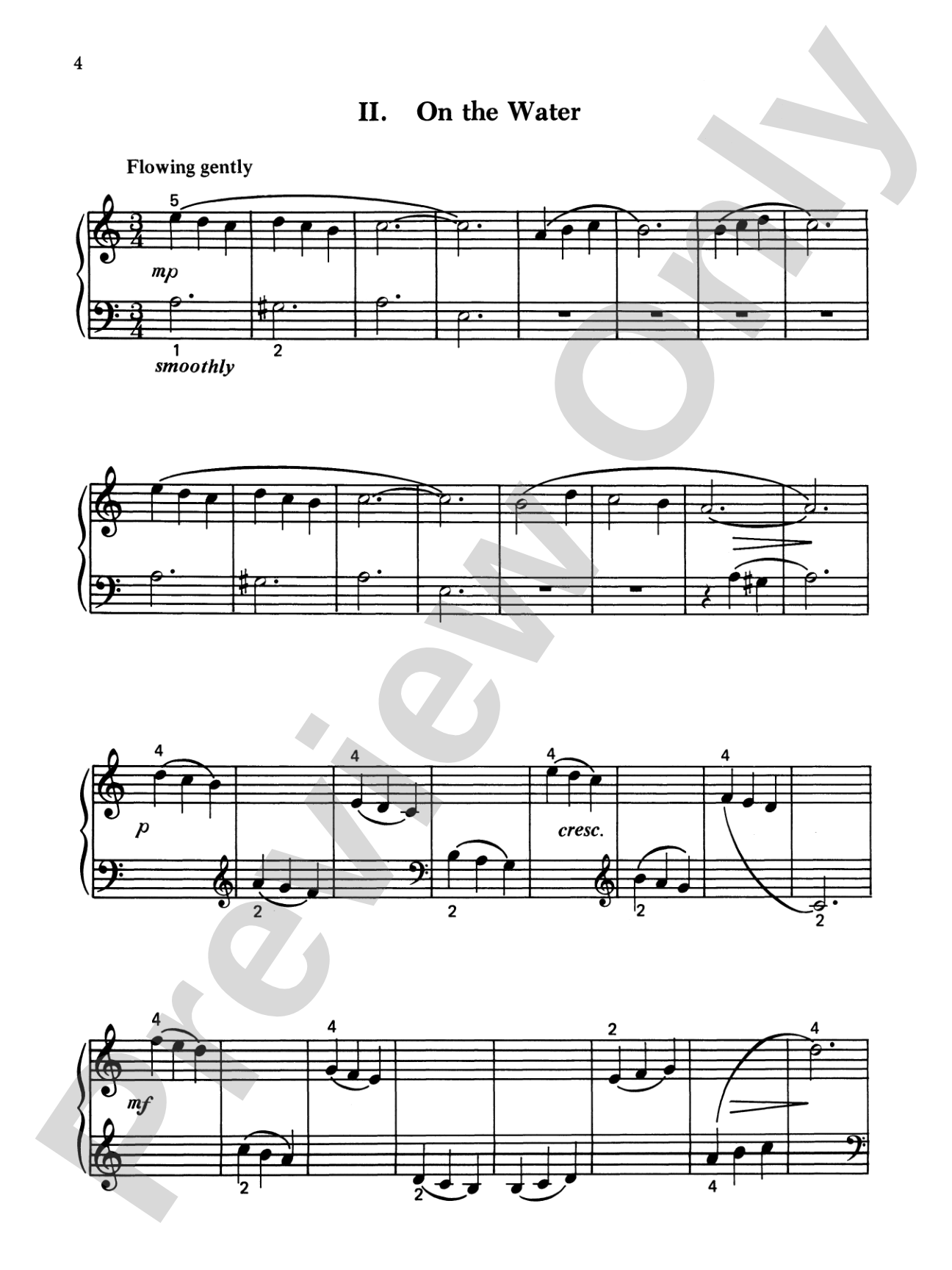
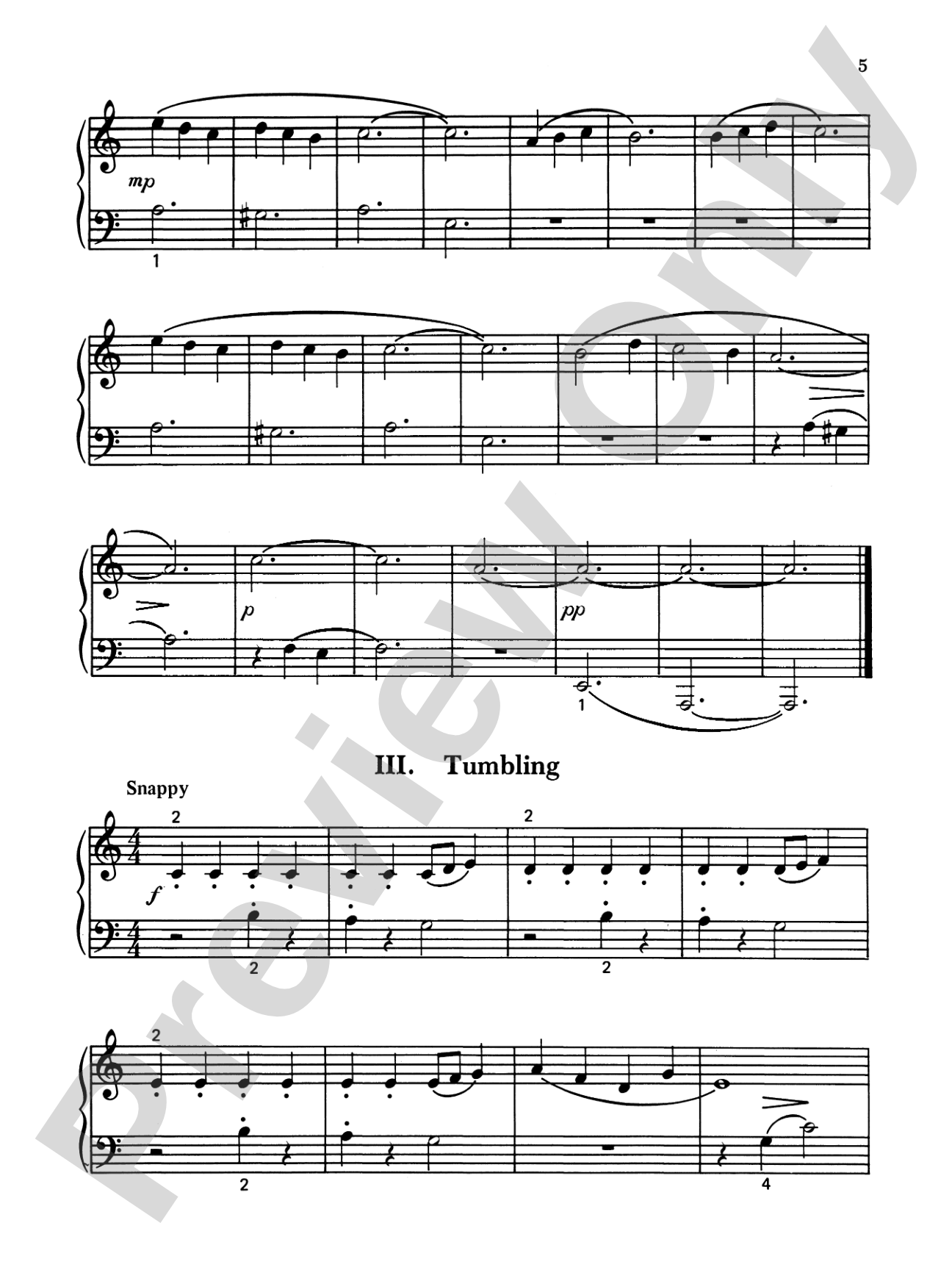
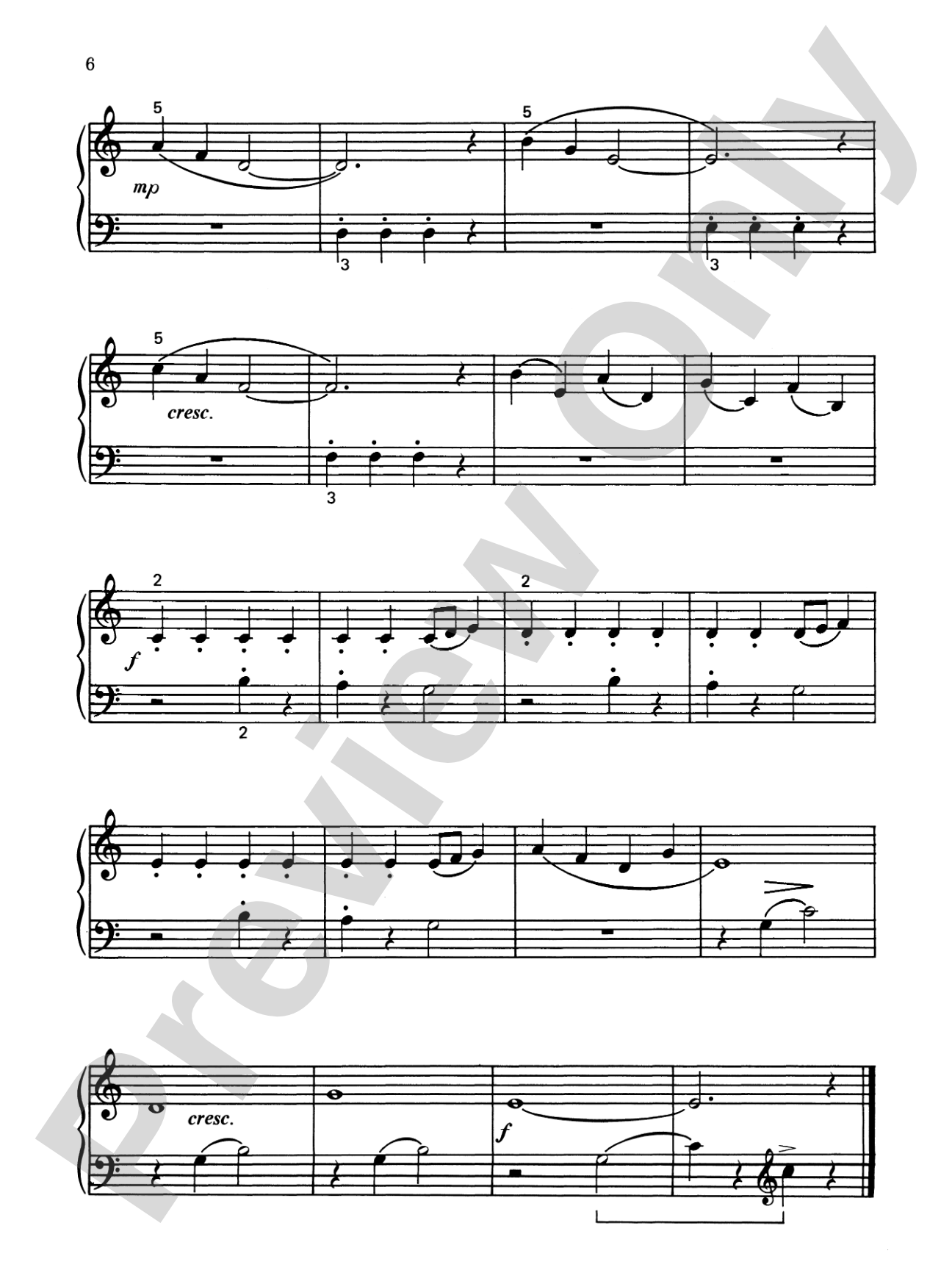
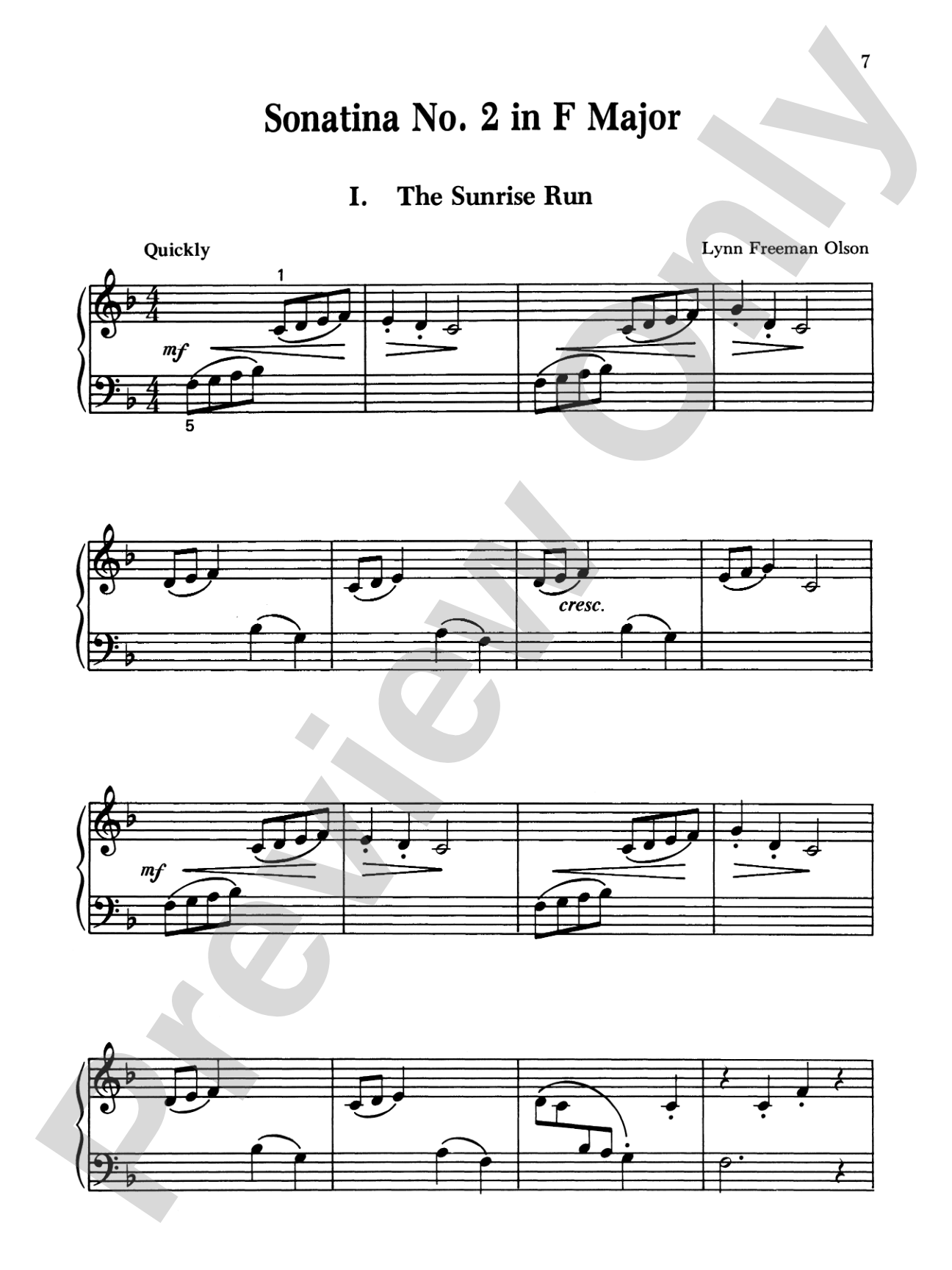
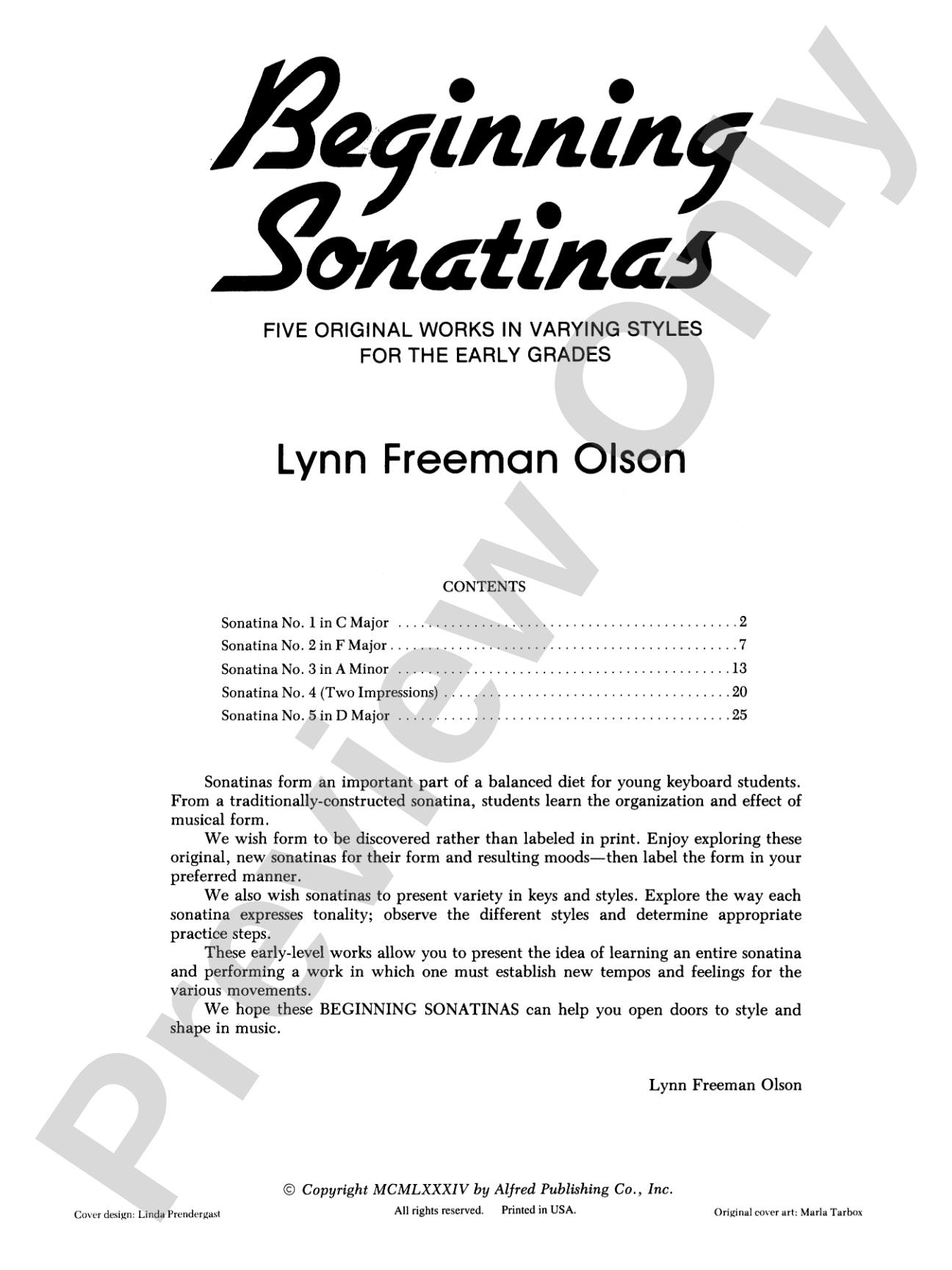
Beginning Sonatinas: Five Original Works in Varying Styles for the Early Grades Sheet Music Preview

Beginning Sonatinas: Five Original Works in Varying Styles for the Early Grades: Piano

Five Original Works in Varying Styles for the Early Grades

By Lynn Freeman Olson

Level: Elementary / Late Elementary

Item: 00-PB-0000862

Digital Download
$8.99
Description
Here are new original sonatinas that progress in difficulty. Each sonatina projects a unique style and offers an outstanding opportunity for early analysis of form and practice steps. A Federation Festivals 2024-2028 selection.

Beginning Sonatinas: Five Original Works in Varying Styles for the Early Grades: Piano isn't in MakeMusic Cloud just yet...but it could be. Let us know you'd like to see it, and you'll help shape what comes next. In the meantime, start a free trial and dive into thousands of interactive titles your students can play along with today.

Sample Audio
No sample audio found.
Sample Video
Additional Details
Publisher: Alfred Music
Page Count: 32
SKU: 00-PB-0000862

More about this title

About the Composer: Lynn Freeman Olson

Lynn Freeman Olson has spent decades composing accessible piano literature for young musicians, with a gift for writing pieces that sound mature while remaining technically manageable. Her work emphasizes musical style and structural clarity, making her compositions particularly valuable for students beginning to understand form and compositional craft.

Why we love this

These sonatinas arrive at exactly the moment when students are ready to move beyond simple pieces but need works that teach genuine form without overwhelming technical demands. Olson's attention to varied styles keeps each sonatina feeling fresh, and the built-in progression through the collection means you can assign them across multiple semesters or use them strategically within a single year.

What to expect

Each sonatina carries its own personality, from lyrical to playful to rhythmically vital. The melodies are singable and memorable, the harmonic language is clear without feeling simplistic, and the textures support rather than challenge the developing pianist's technical abilities.

Who it's for

Students in late elementary grades who have solid sight-reading skills and are beginning to encounter sonatina form are the ideal audience. Teachers seeking genuine compositional models that avoid both oversimplification and excessive technical difficulty will find these pieces invaluable for teaching musical structure.

How to get the most out of it

  • Identify the formal structure (exposition, development, recapitulation or rondo sections) before diving into technical work; marking the form on the score helps students understand why passages recur and how the piece is built.
  • Work through each sonatina slowly enough to hear the style it represents; Olson's varied approaches to melody, accompaniment, and phrasing will become more expressive once students grasp the character of each piece.
  • Pay attention to the dynamic markings as part of the form; they often highlight structural points and help clarify the musical architecture students are learning to recognize.
  • Record yourself playing through an early sonatina once you feel comfortable with it; comparing your performance to how you hear the piece in your head reveals places where tempo, pedal, or phrasing need adjusting.

How to use it

Select individual sonatinas for student recitals throughout the year, programming them as students master them rather than as a set. They also serve beautifully as teaching pieces for studio master classes, where peers can discuss form and style after hearing a classmate perform.

Skills your students will build

  • Identifying and analyzing sonatina form (exposition, development, recapitulation)
  • Playing with stylistic awareness across multiple musical contexts
  • Balancing melodic and accompaniment voices
  • Understanding phrase structure and its relationship to harmonic movement
  • Recognizing how compositional choices (key changes, rhythmic patterns, texture) support musical form

You May Also Like