

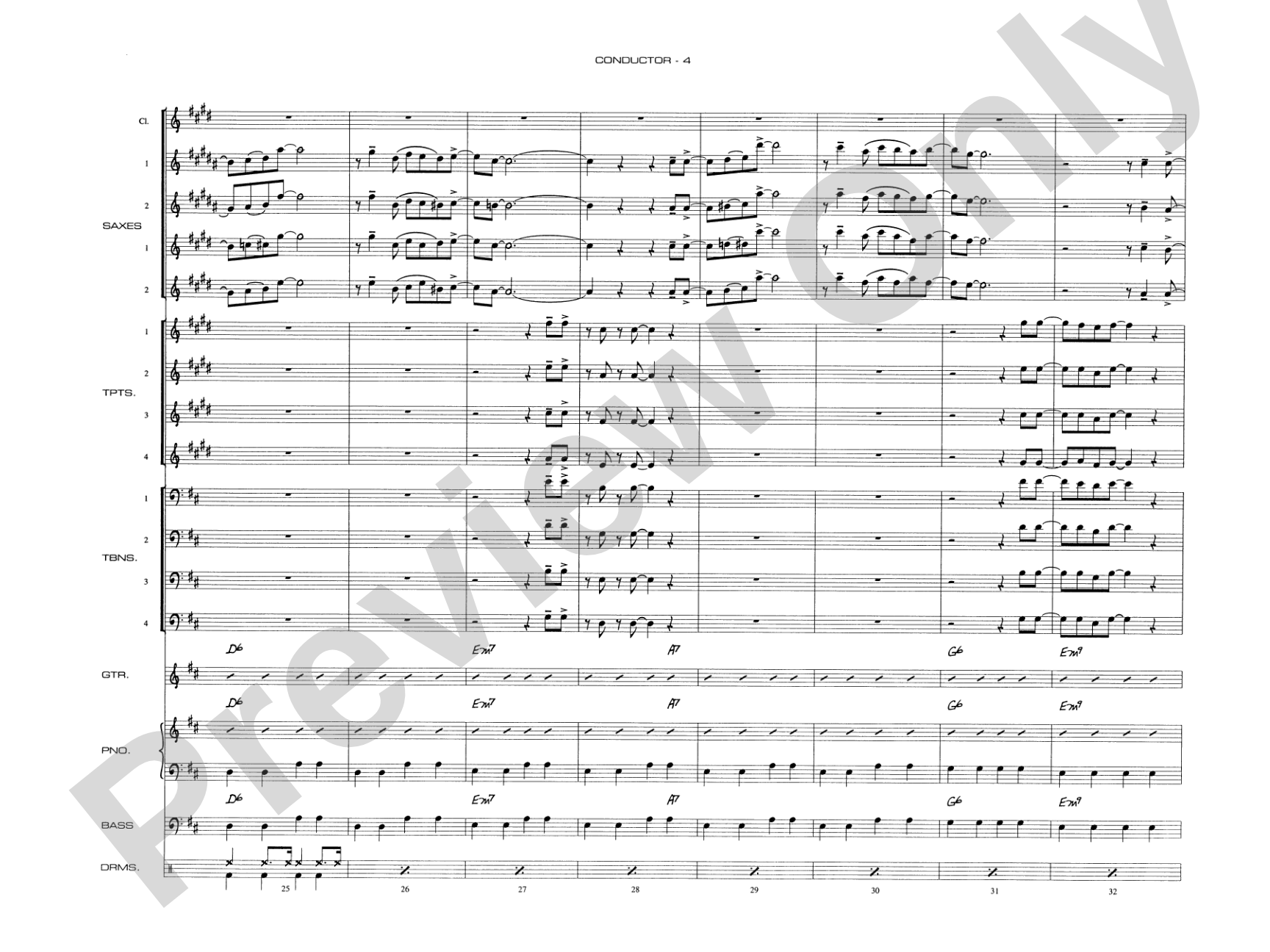
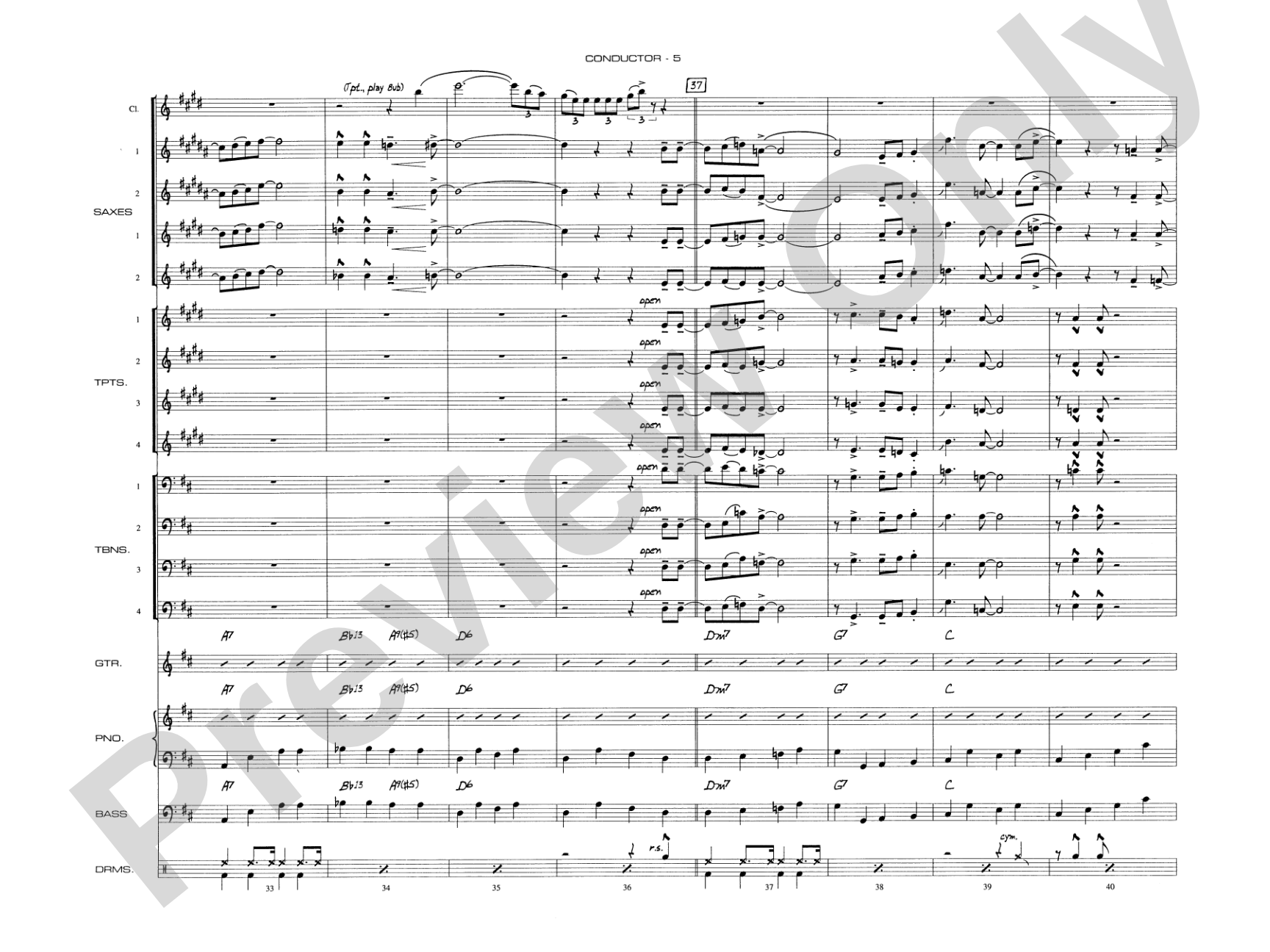
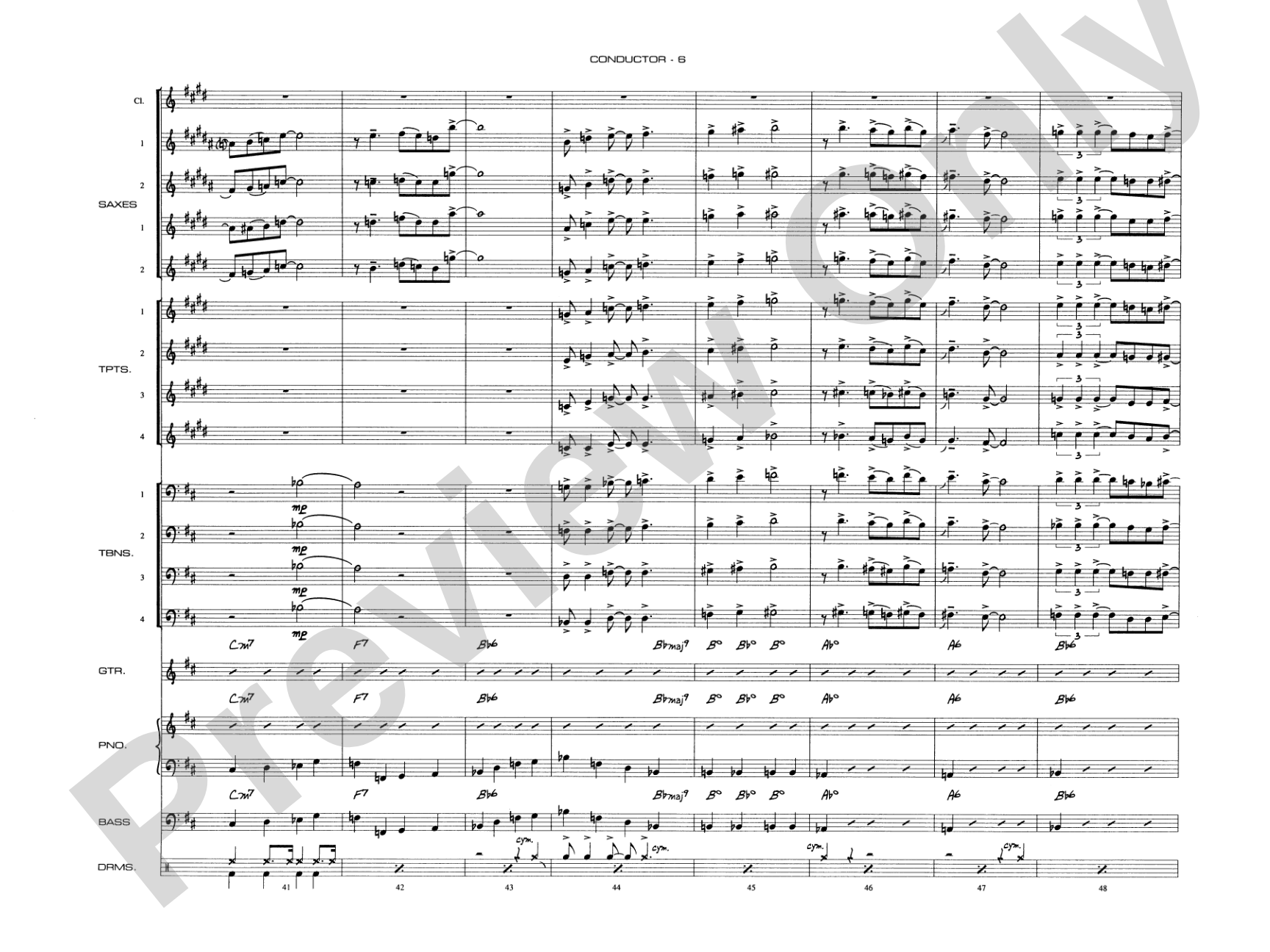
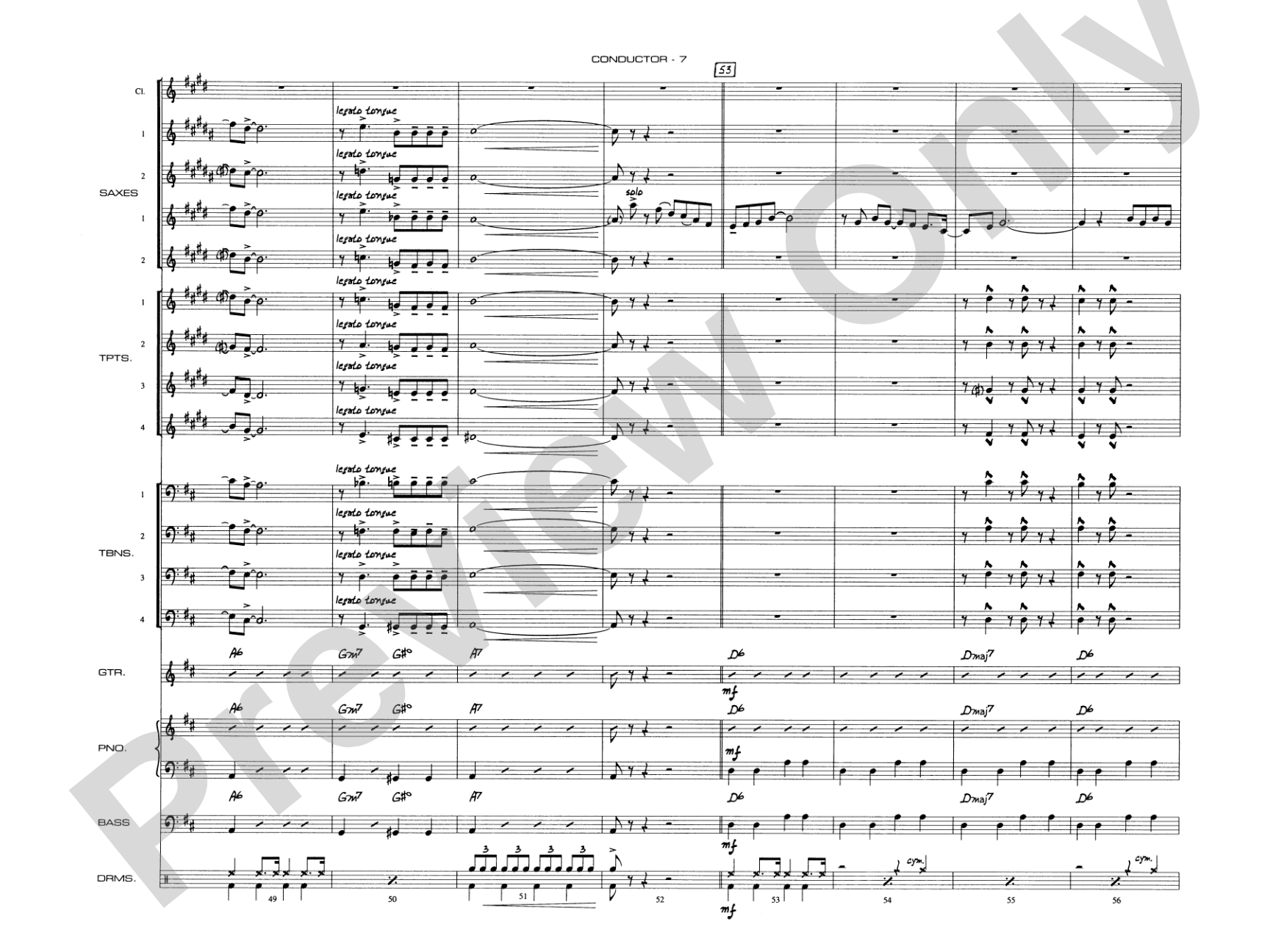
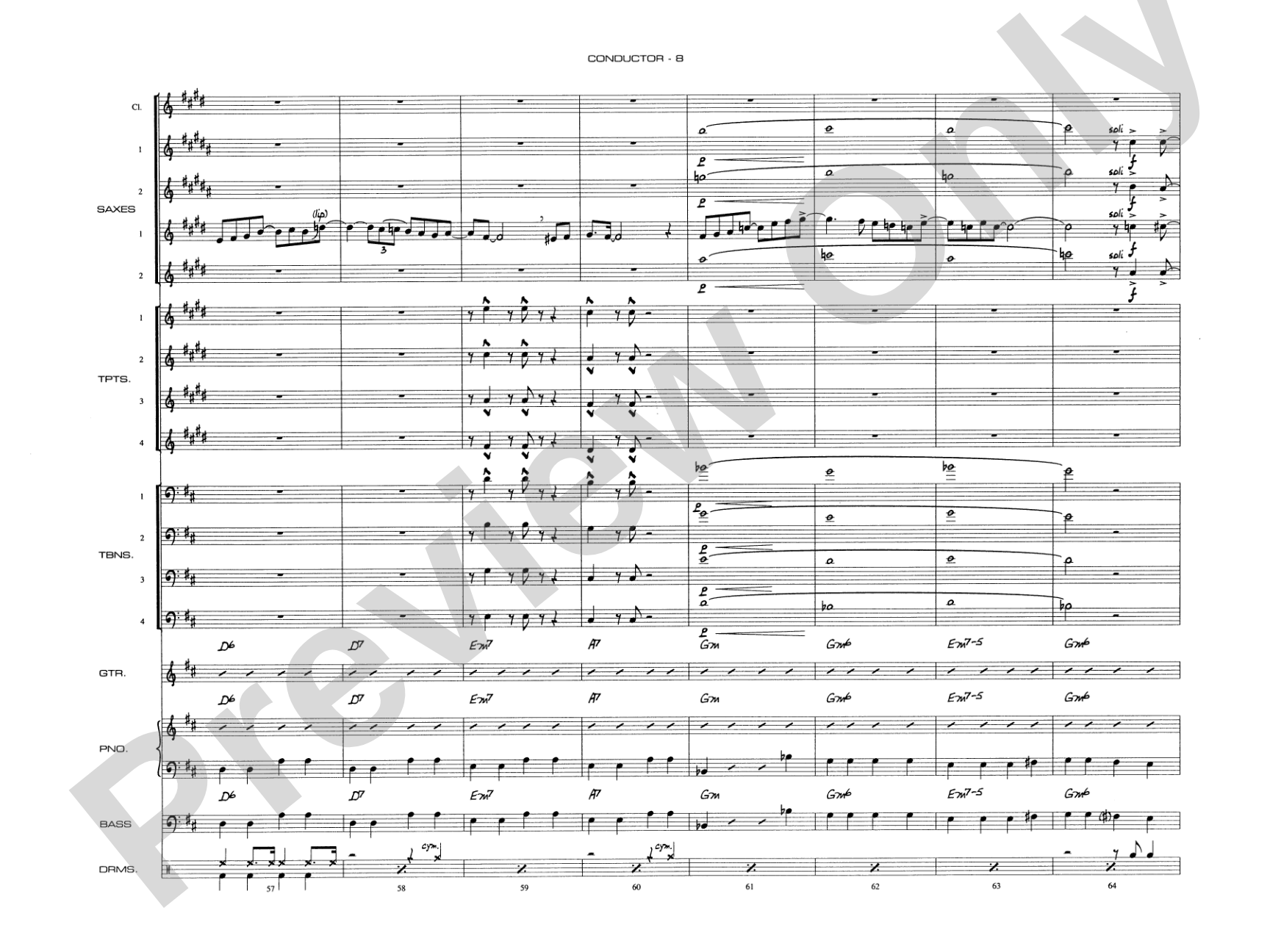
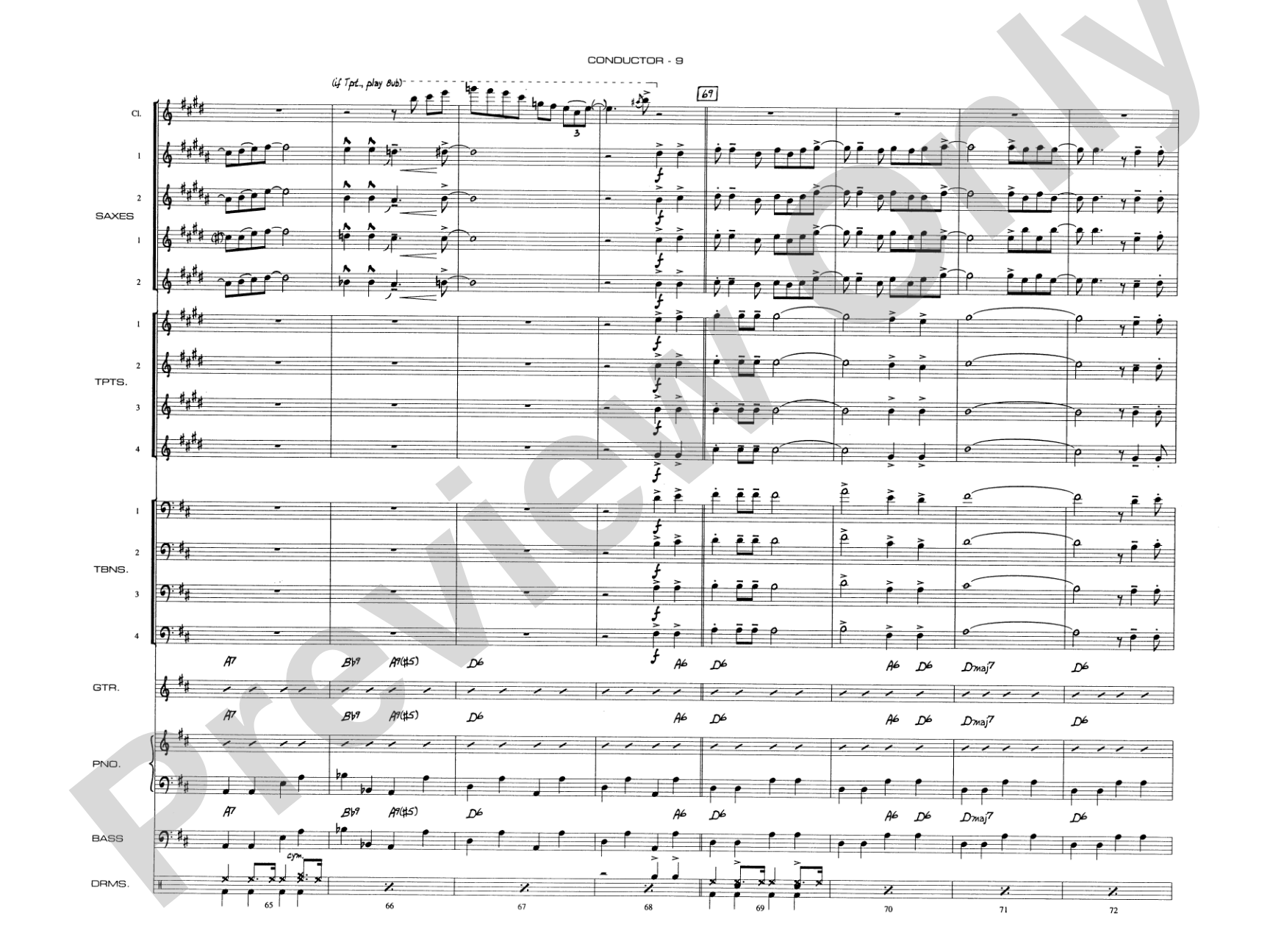
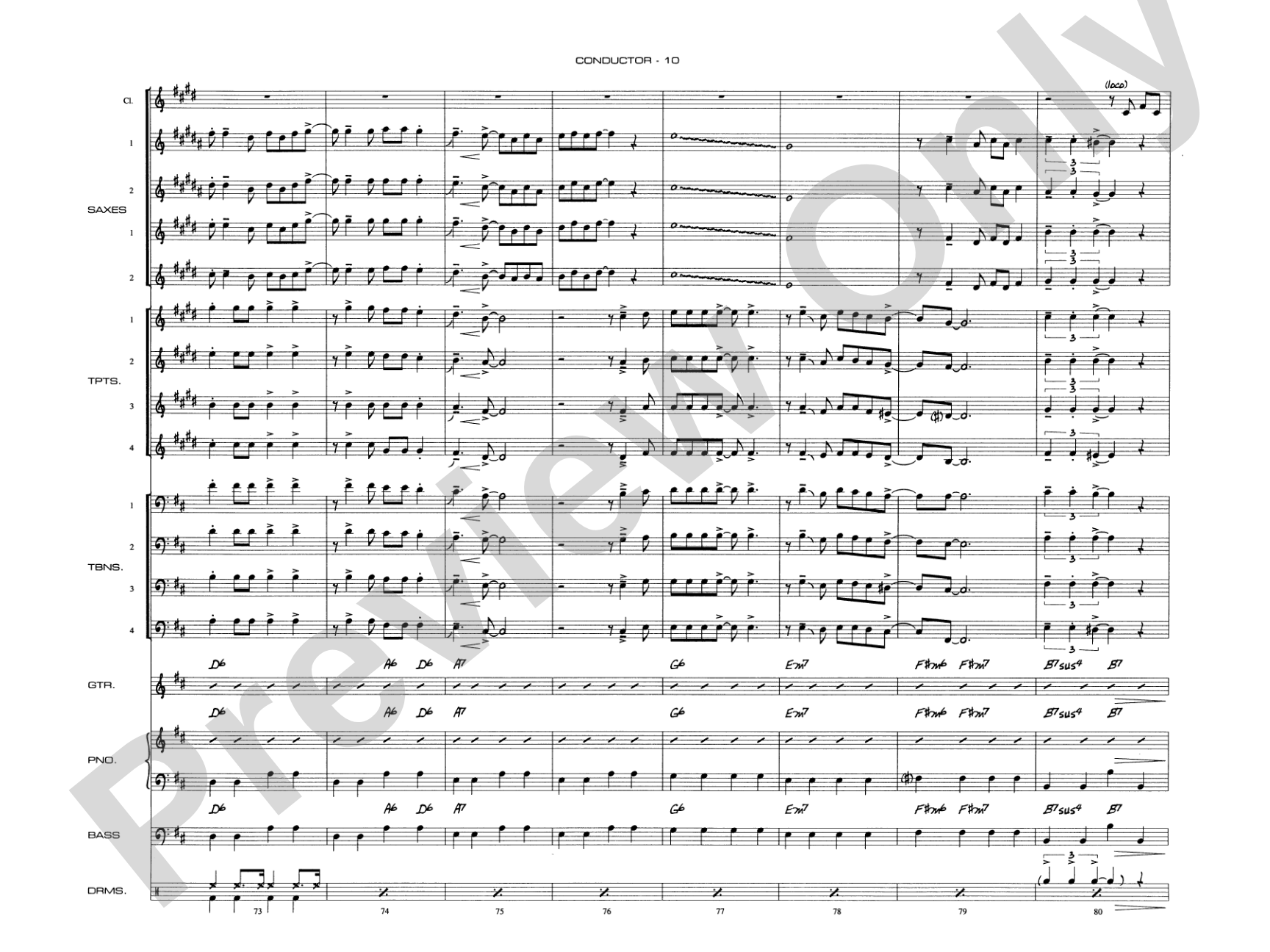
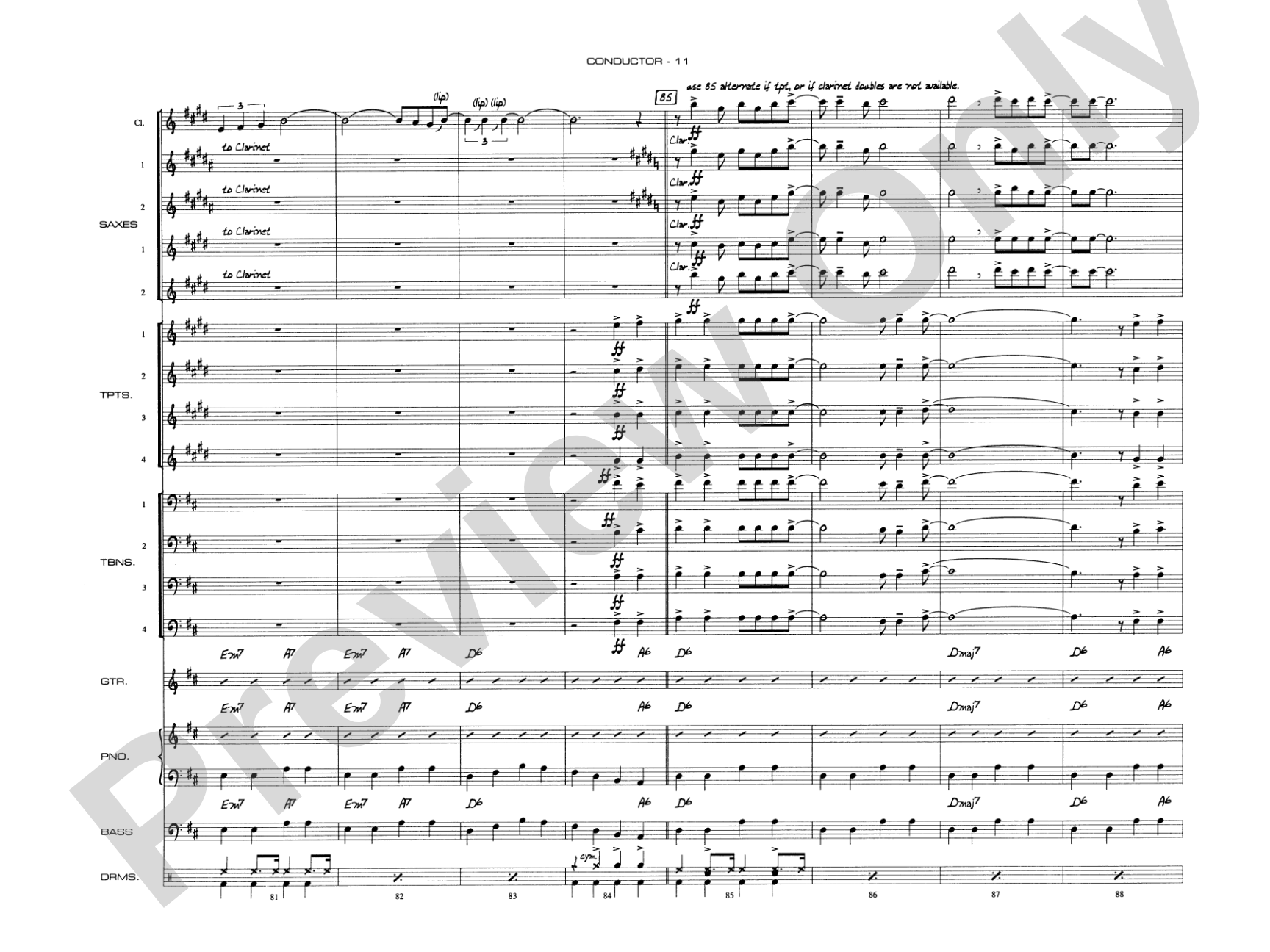
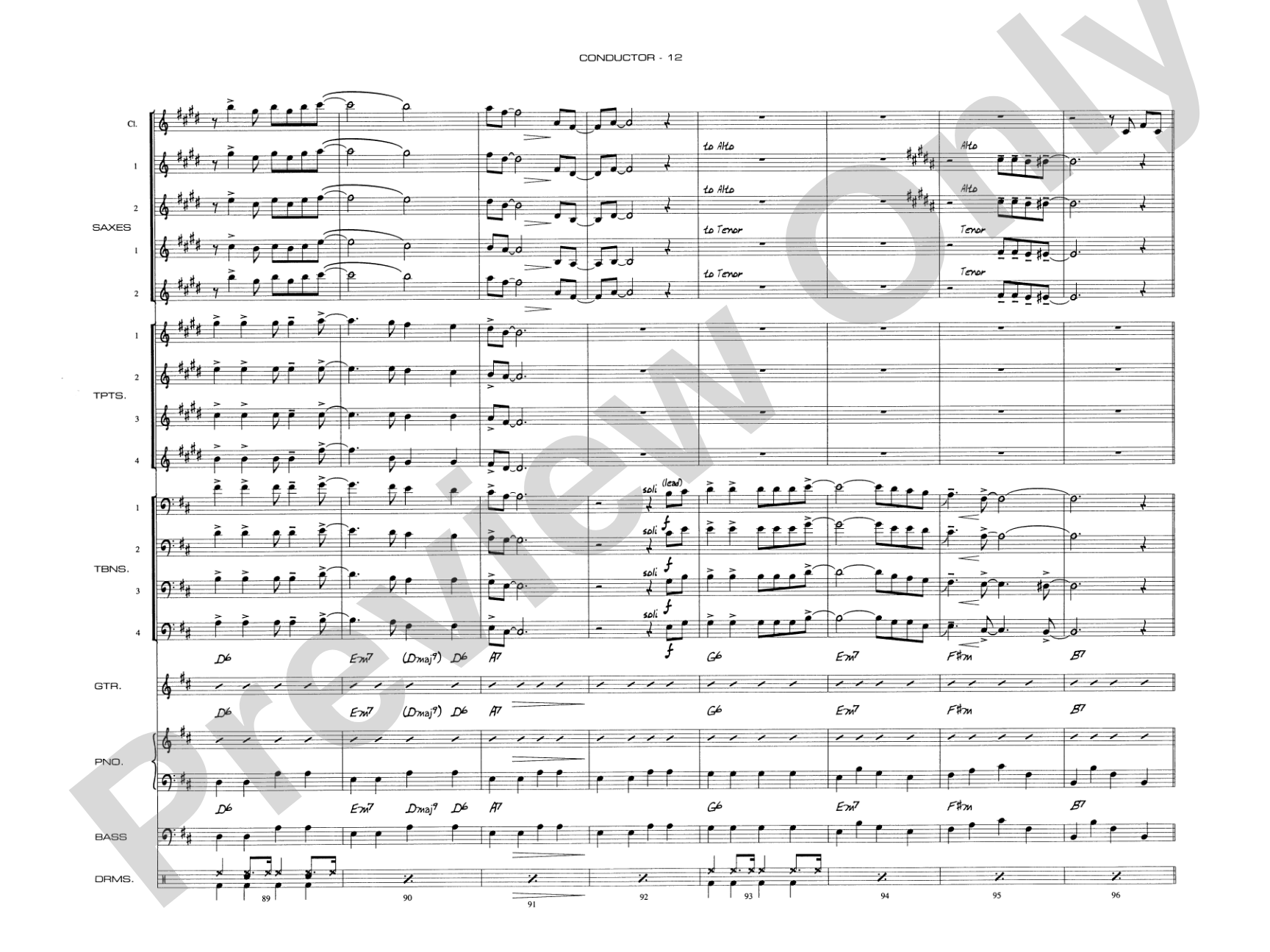
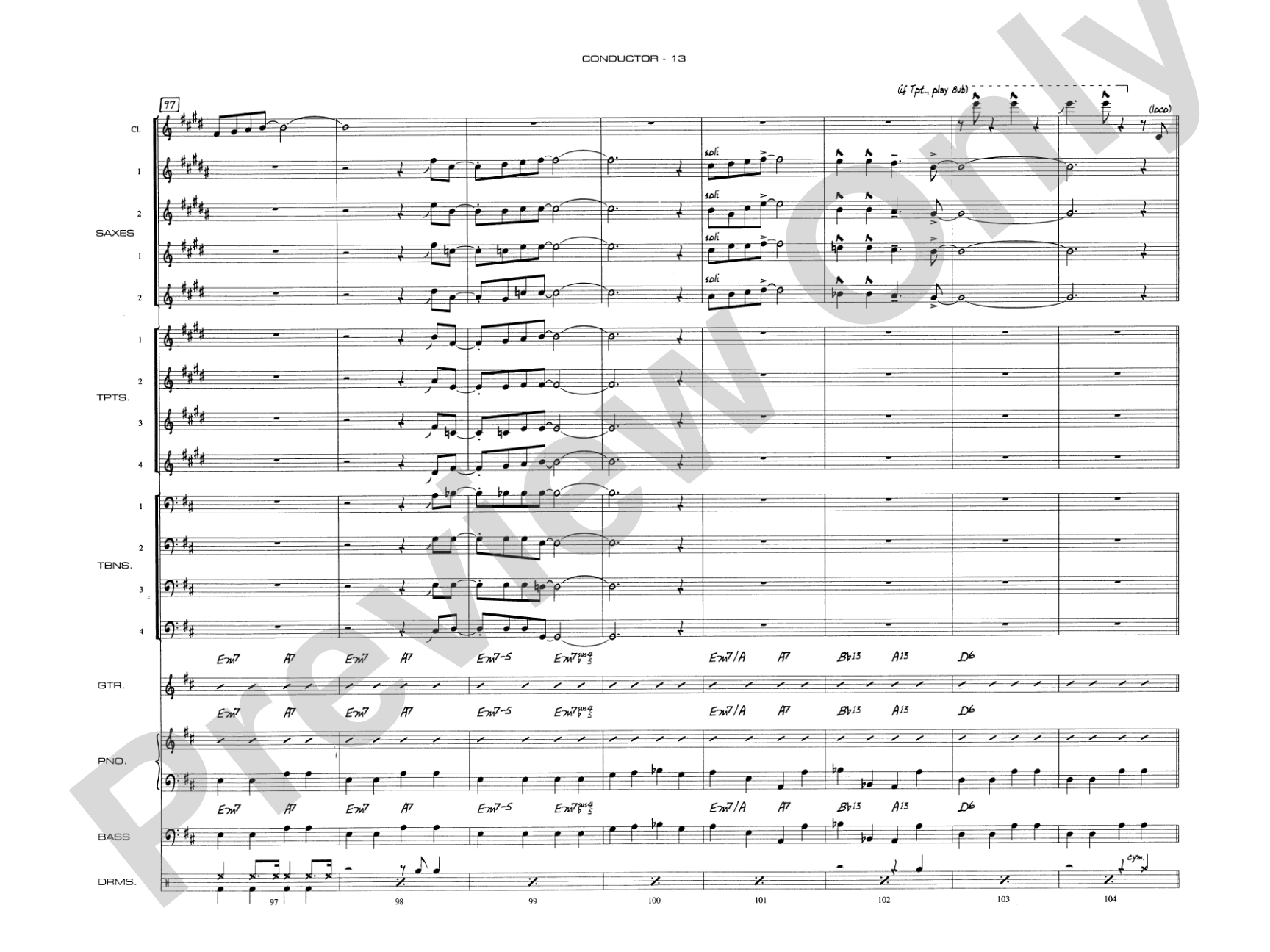
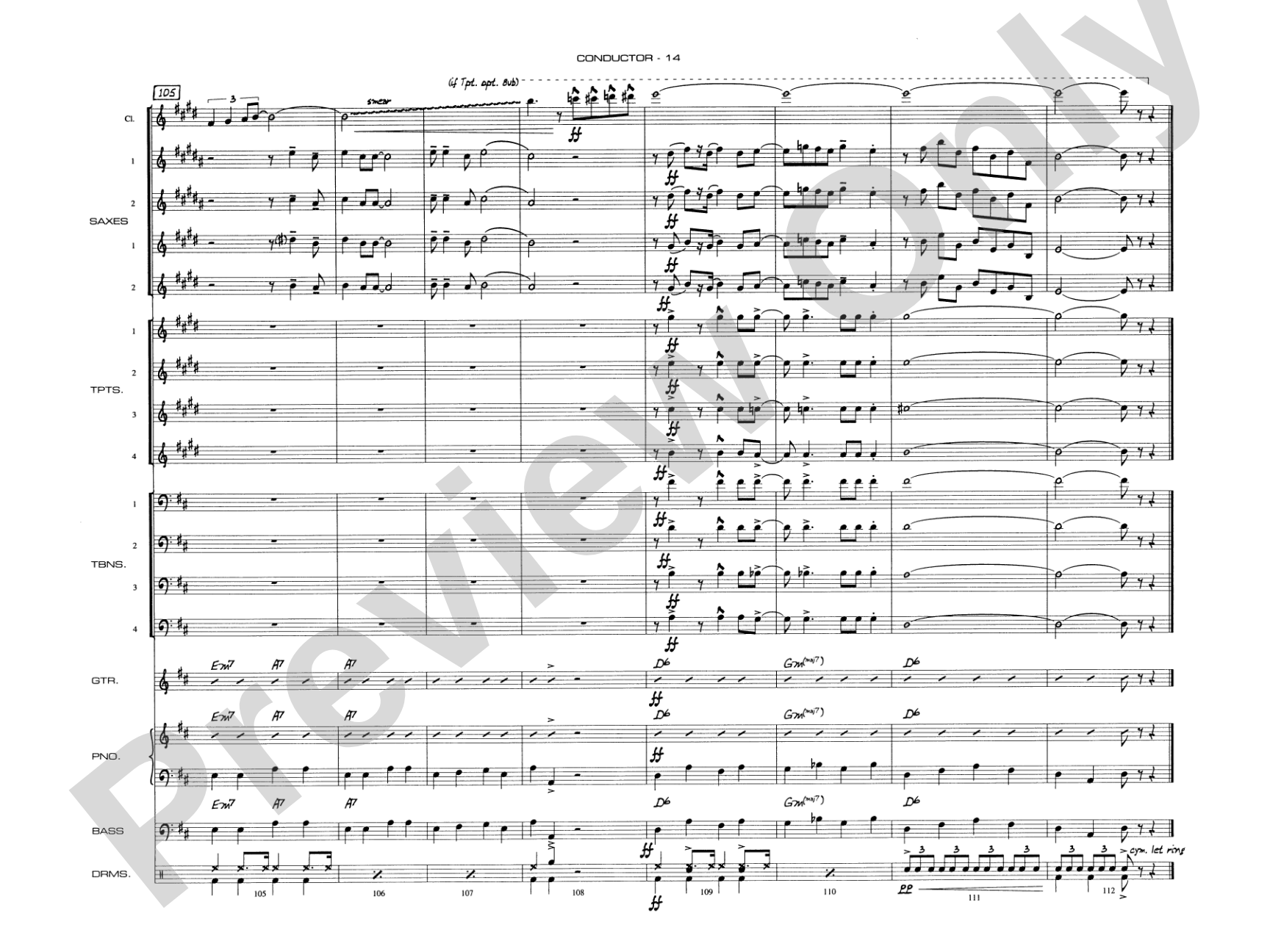
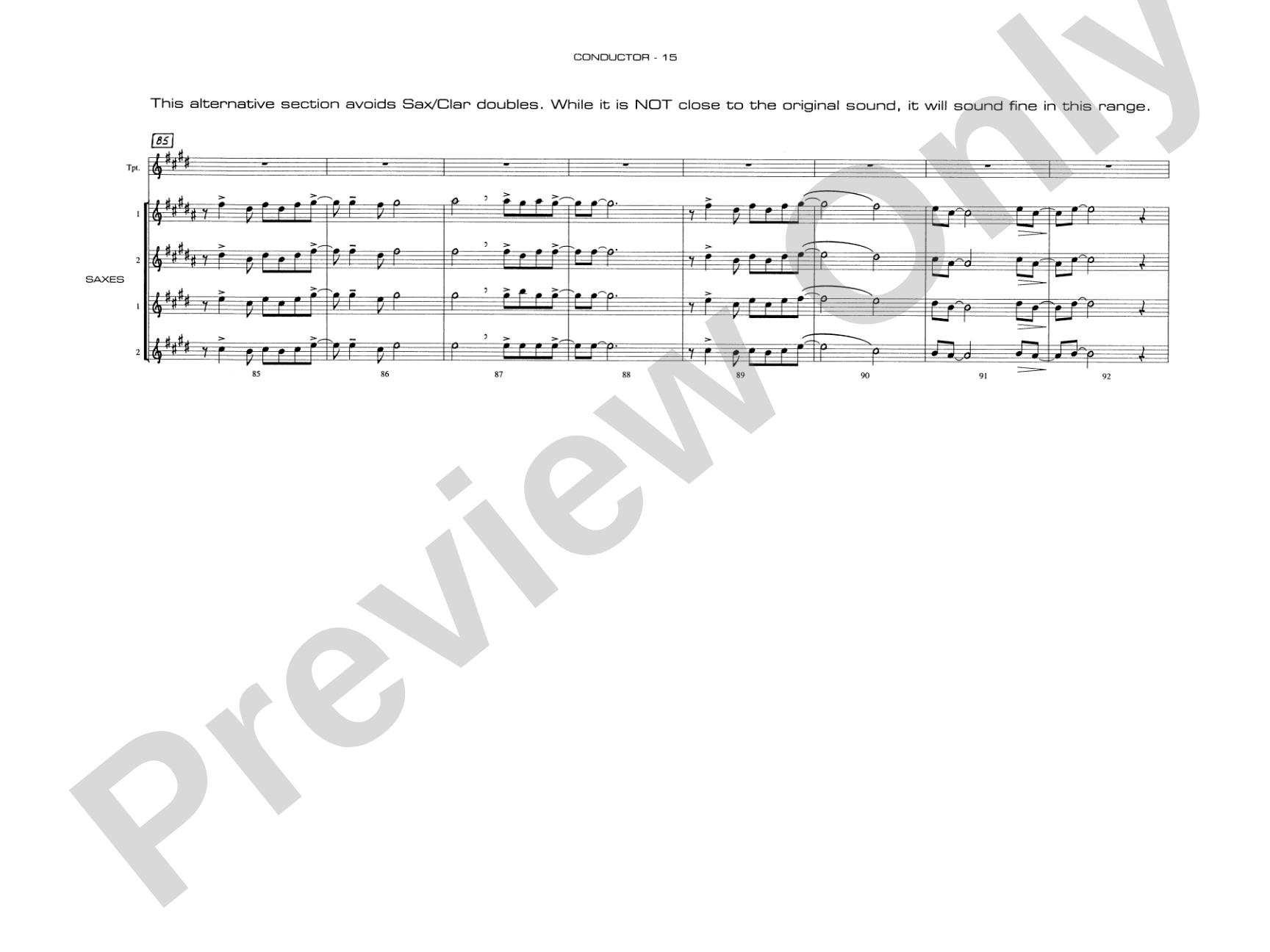




Begin the Beguine: Jazz Ensemble Conductor Score & Parts
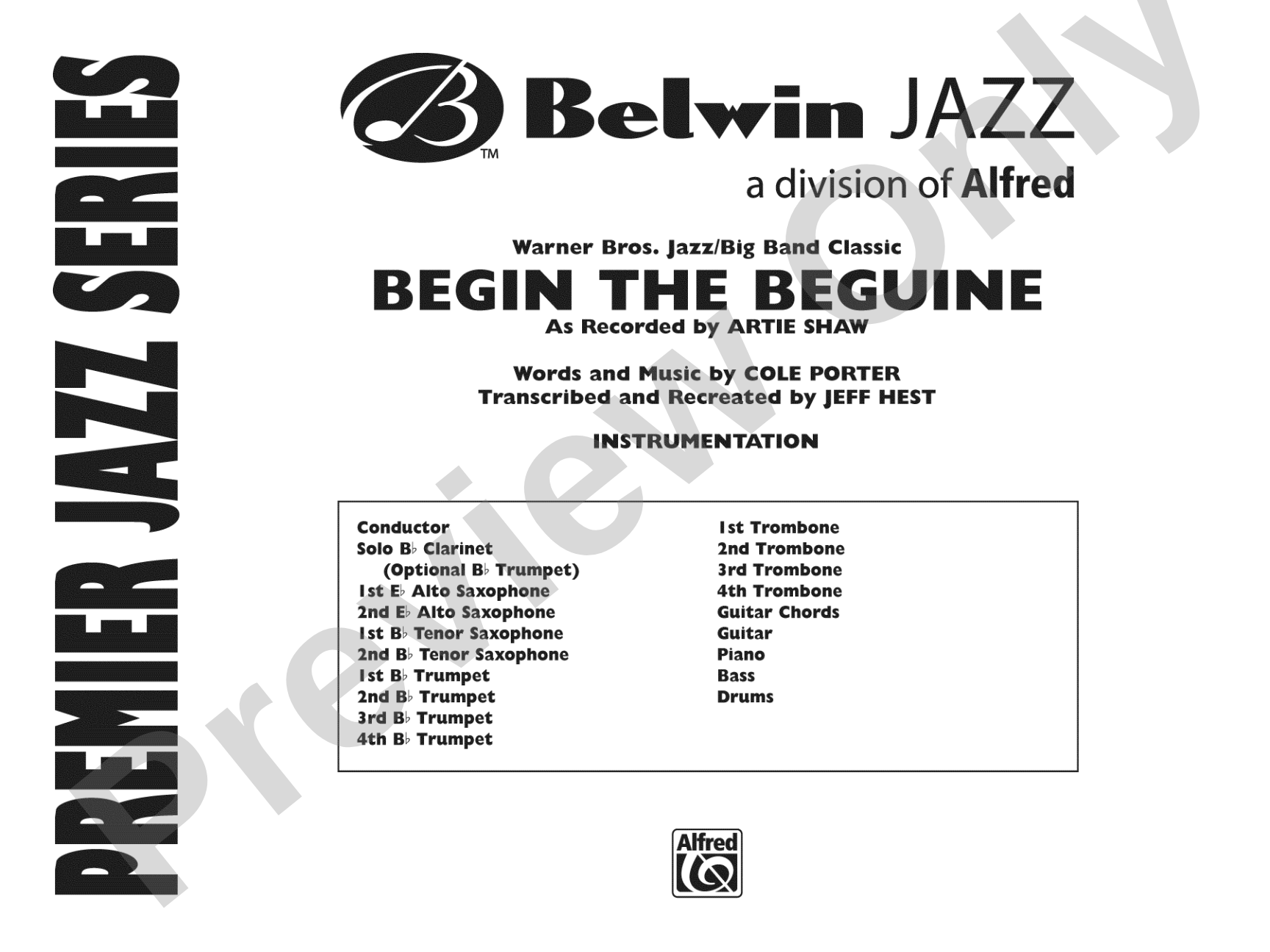
As Recorded by Artie Shaw
Transcr. and recreated by Jeff Hest
Grade: 4 (Medium Advanced / Difficult)
Item: 00-PK-0002442

$60.00
One moment…
Description
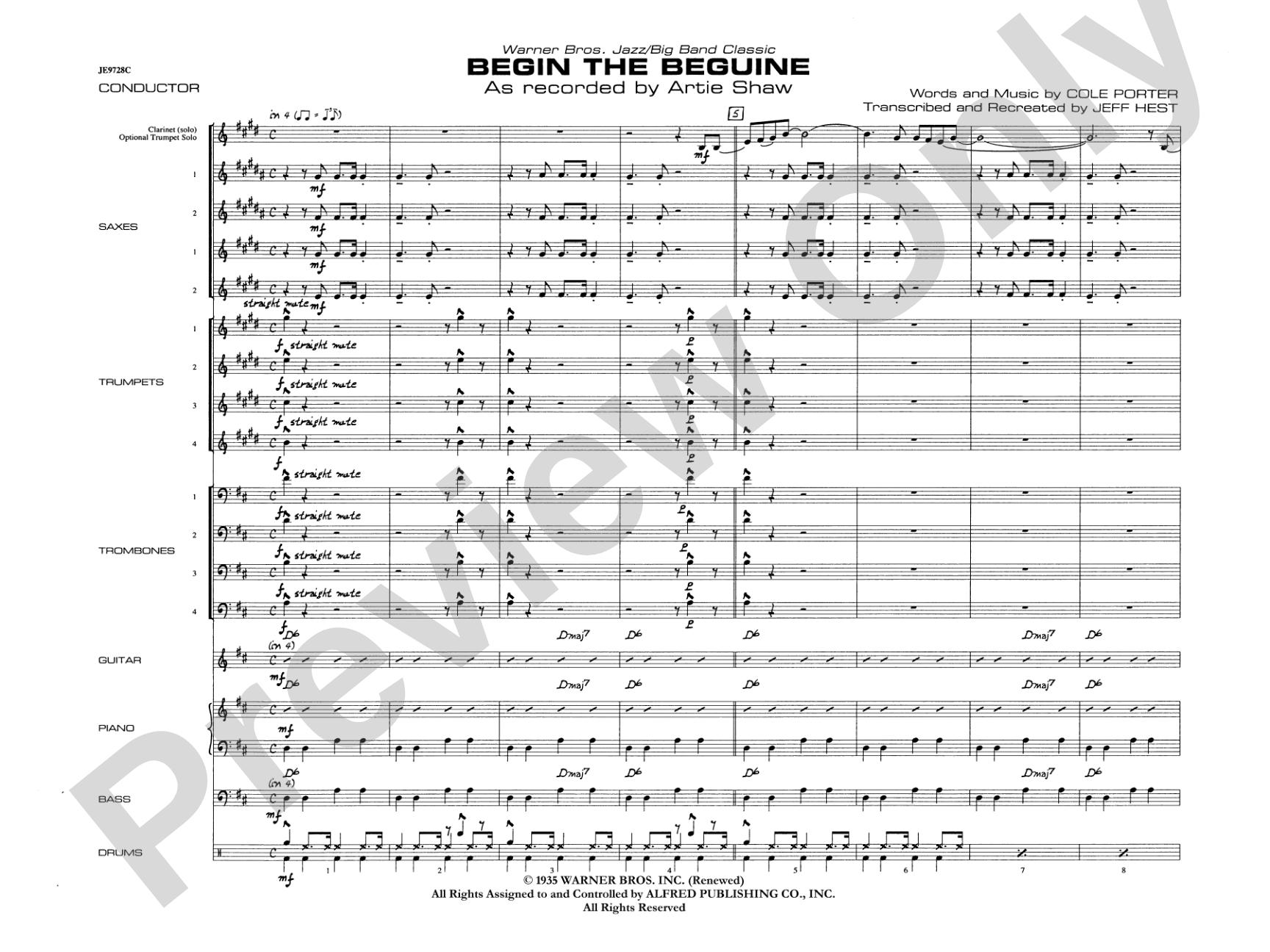
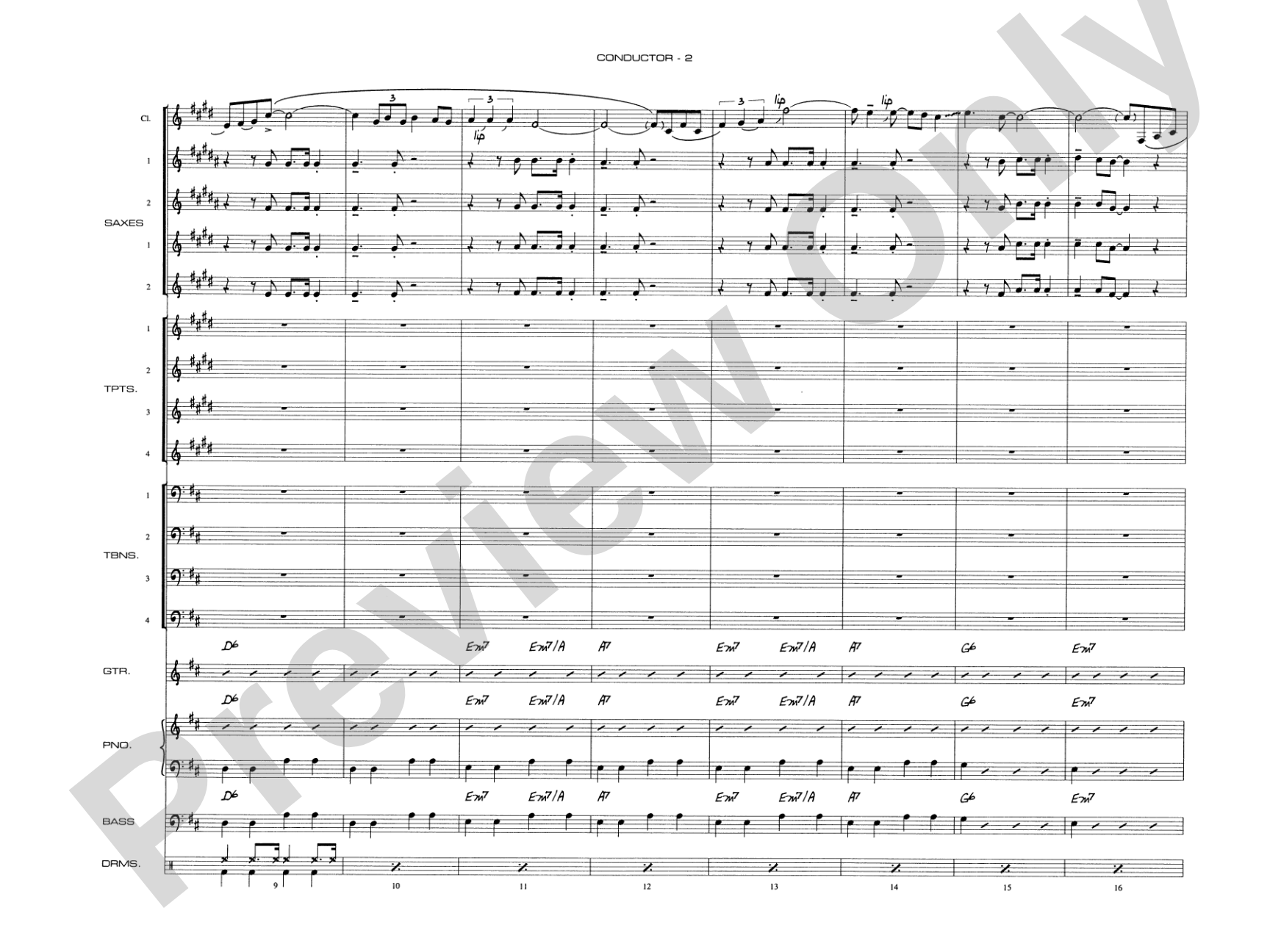
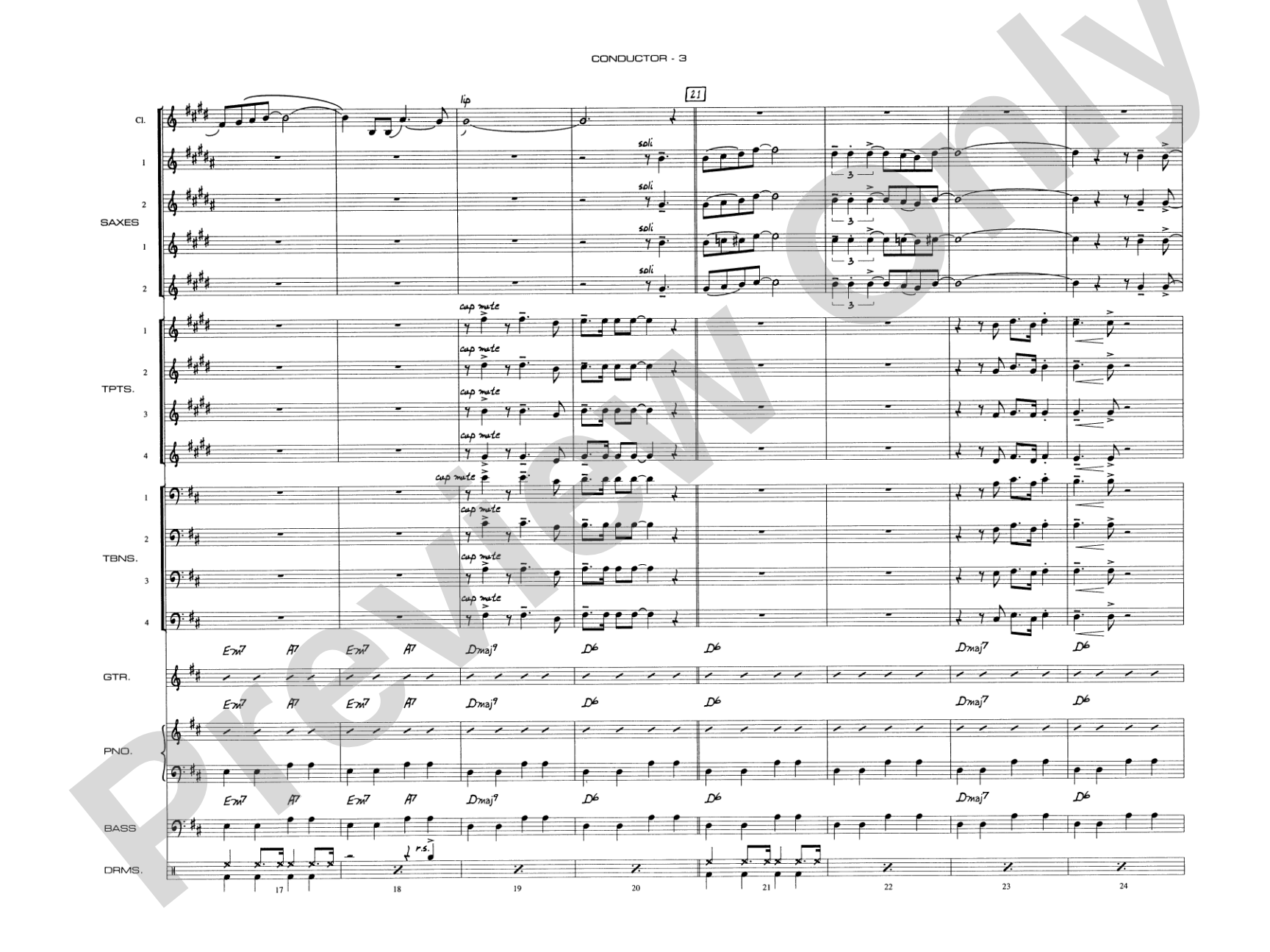
This is a truly authentic transcription of Artie Shaw's classic version of BEGIN THE BEGUINE. Jeff Hest has meticulously notated every detail of this famous chart. Since it was such an important song in the genre, this arrangement creates a great opportunity to teach your students about the history of the big band. (duration 3:19)


Don't just read it, hear it, play along with it, and watch your students grow with it. In MakeMusic Cloud, Begin the Beguine: Jazz Ensemble Conductor Score & Parts comes alive with professional accompaniment, adjustable tempo, and built-in practice tools that turn solo practice into real progress.
Open in the Player
Jump straight in and assign it today.
Start Your Free Trial
Open this title and explore the full library in minutes.
Sample Audio
No sample audio found.
Sample Video
No sample videos found.
Additional Details
Series:
Premier Jazz Series
Publisher:
Alfred Music
Page Count:
80
SKU:
00-PK-0002442
More about this title
About the Arranger: Jeff Hest

Jeff Hest has spent decades at the intersection of jazz, commercial music, and classical composition. His work spans advertising (hundreds of national spots), jazz and pop production (over 40 albums), and the musical direction of Broadway shows and films, collaborating with luminaries like Urbie Green, Eddie Daniels, Derek Smith, and Milt Hinton.
Hest holds an assistant professorship at the City University of New York, where he teaches music business and technology. His contributions to the field earned him doctoral equivalency recognition, cementing a career built on deep musicianship and industry expertise.
Why we love this
Hest's transcription captures the visceral energy and sophistication of Artie Shaw's definitive recording without sacrificing playability for an ensemble in development. The meticulous notation preserves the swing feel, sectional interplay, and soloing opportunities that made the original essential listening, while the Grade 4 scoring ensures your students can handle the demands without oversimplification. This is the rare chart that teaches genuine big band history through authentic repertoire rather than simplified approximation.
What to expect
The lilting rhythmic pulse of the beguine swings with the sophistication and restraint that defined Artie Shaw's approach to the tune. The arrangement glides between dense ensemble moments and open spaces where soloists breathe, capturing the elegance of 1930s and 1940s big band orchestration without the heavy bombast sometimes associated with the era. Energy lives in precision here, not volume.
Who it's for
Jazz ensembles at the Grade 4 level ready to grapple with a standard that demands both individual musicianship and tight ensemble synchronization. This arrangement rewards sections that have solid fundamentals in swing articulation, jazz phrasing, and reading lead sheet conventions. Programming this signals to your students that they are working with the real repertoire of the idiom, not a stepping stone.
How to get the most out of it
- Study Artie Shaw's recording together as an ensemble before first rehearsal. Hear the rhythmic precision, the clarity of the ensemble lines, and the way soloists sit in the pocket of the rhythm section. Your students will understand the style faster through listening than through annotation alone.
- Balance the complex inner voices throughout the middle section. The arrangement includes detailed voicings that need clarity; adjust your seating or rehearsal focus so your saxophones and trombones lock the harmonic foundation while trumpets shape the melodic contours above.
- Give your rhythm section room to breathe during rehearsal. The drummer, bassist, and pianist carry the swing feel; let them work through the chart's specific rhythmic figures in sectional before running full ensemble so they own the groove.
- Mark the solo sections for clarity. Hest's chart indicates where soloists take the lead. Establish who solos, for how many choruses, and what the ensemble does behind them so transitions feel deliberate rather than accidental.
How to use it
Schedule this for a jazz history or standards concert where you can frame it with brief context about Shaw's influence on American jazz. The 3:19 duration and accessible melodic hook make it an excellent centerpiece for an opening or closing set. It pairs naturally alongside other transcribed big band classics or original compositions that reflect similar swing sensibilities.
Skills your students will build
- Reading complex jazz voicings and interpreting chord symbols in ensemble context
- Swing articulation and feel in longer-form arrangements with multiple sectional entries
- Solo navigation in a written big band chart, including trading choruses and responding to ensemble figures
- Listening to and balancing inner voices while maintaining the rhythmic pocket
- Executing jazz counterpoint between sections without sacrificing ensemble cohesion