
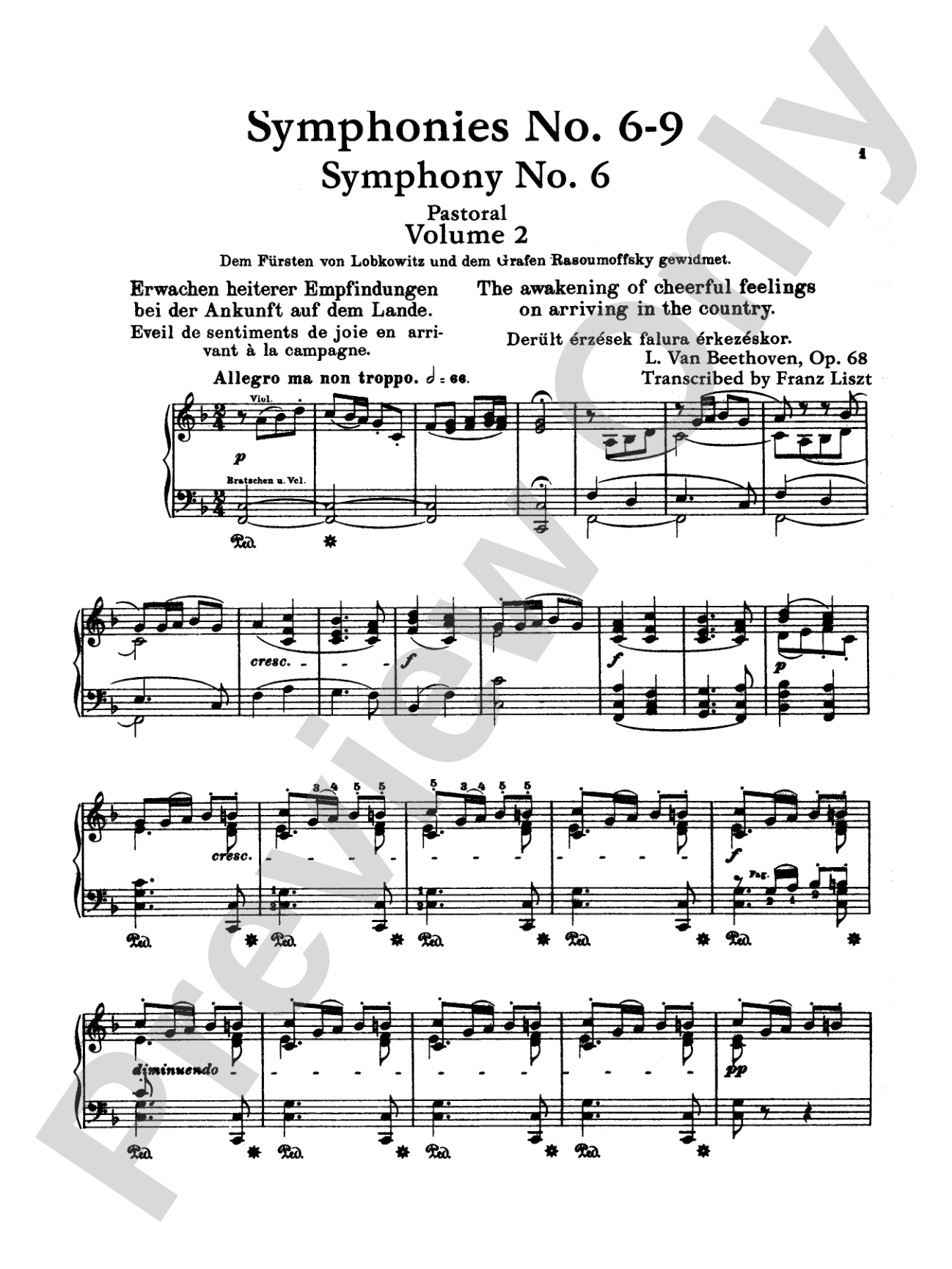
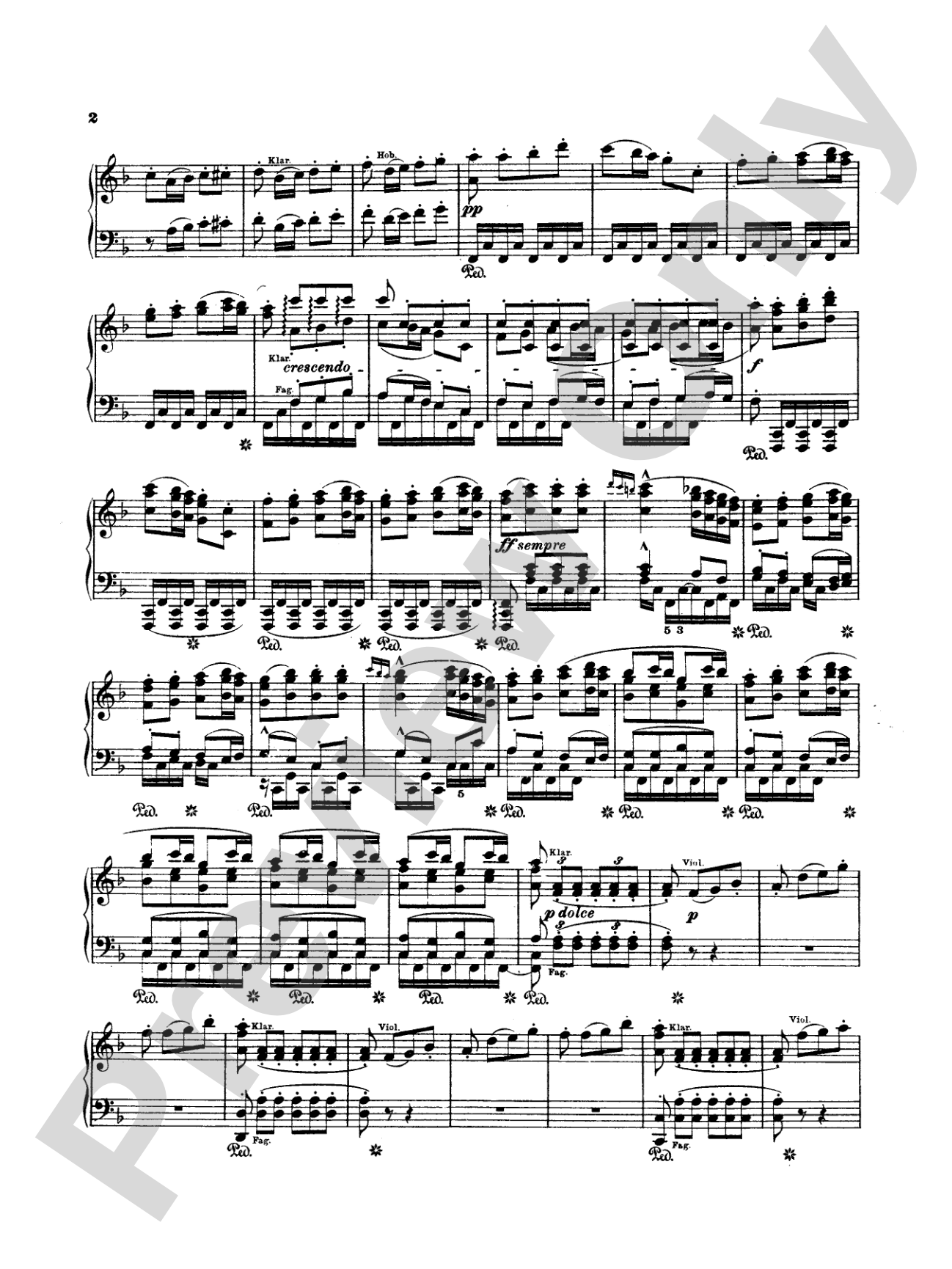
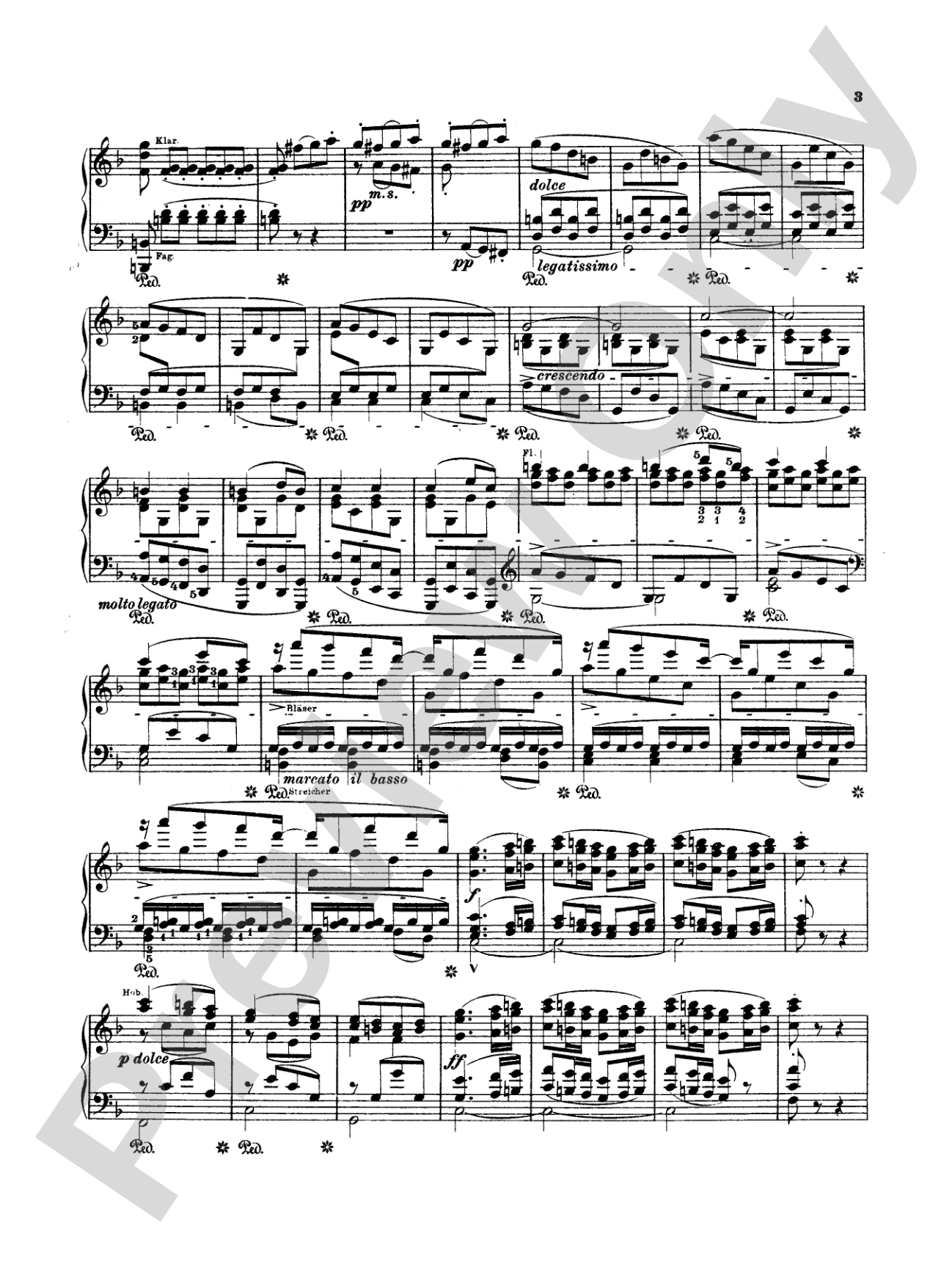
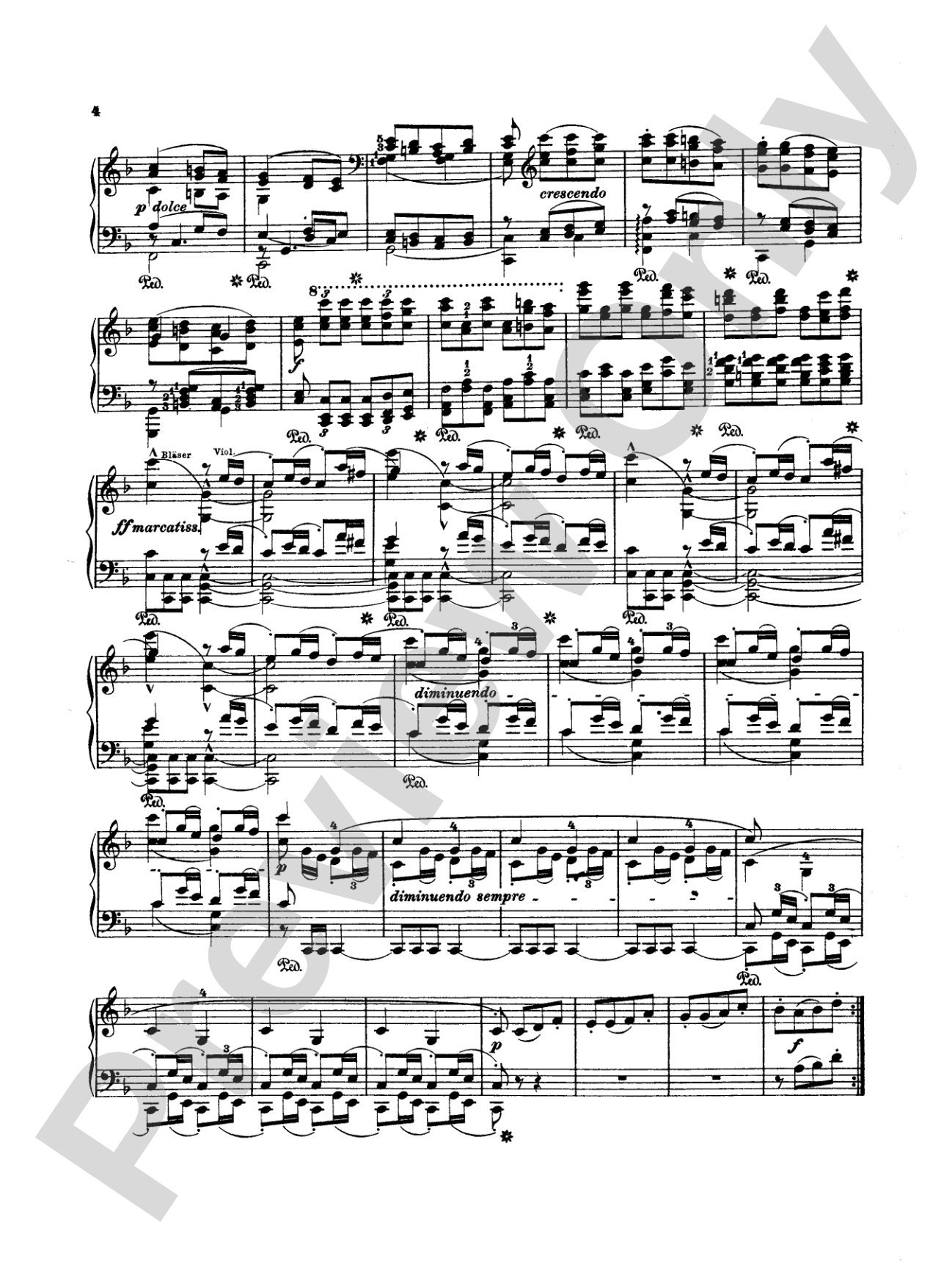
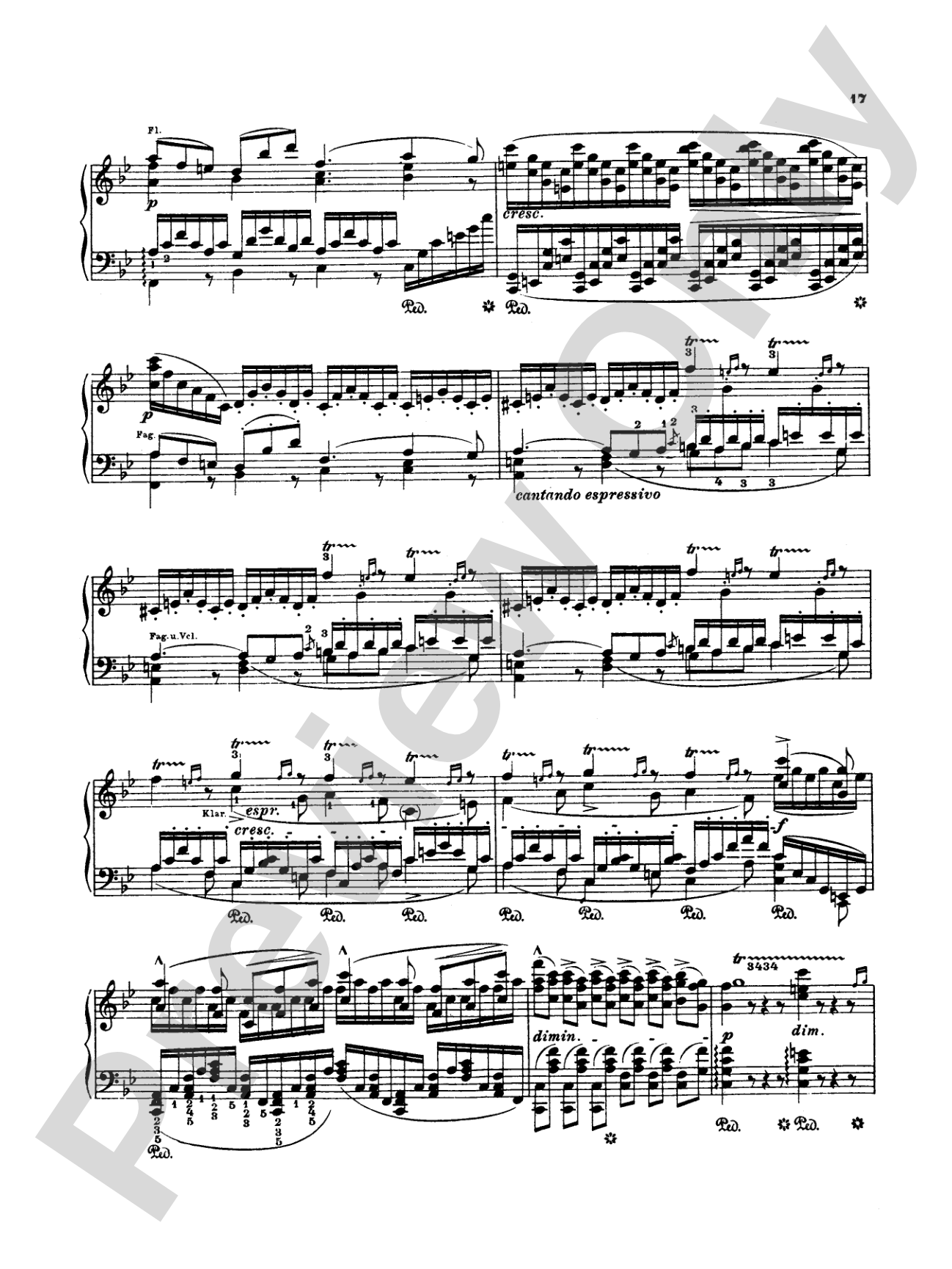
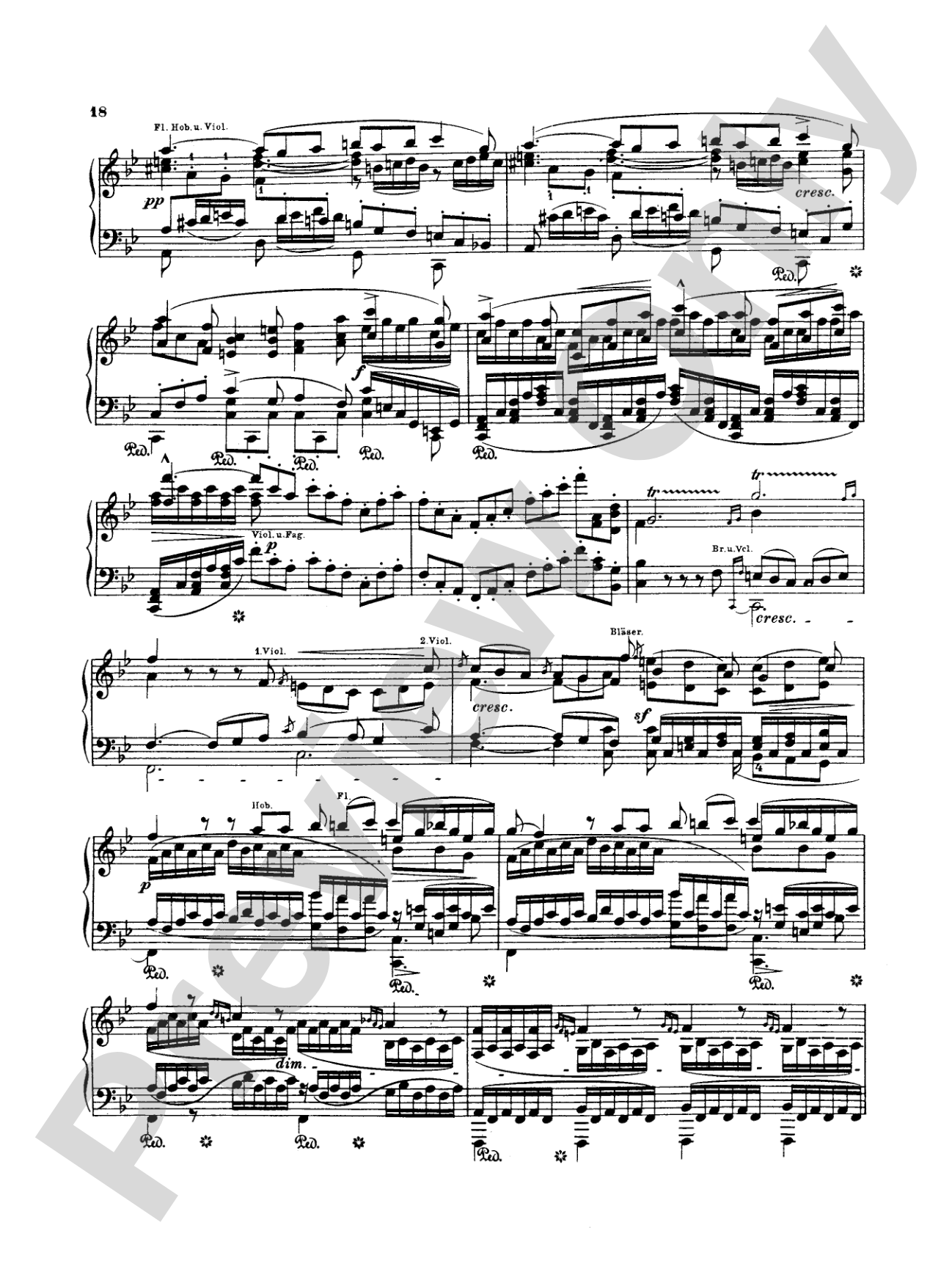
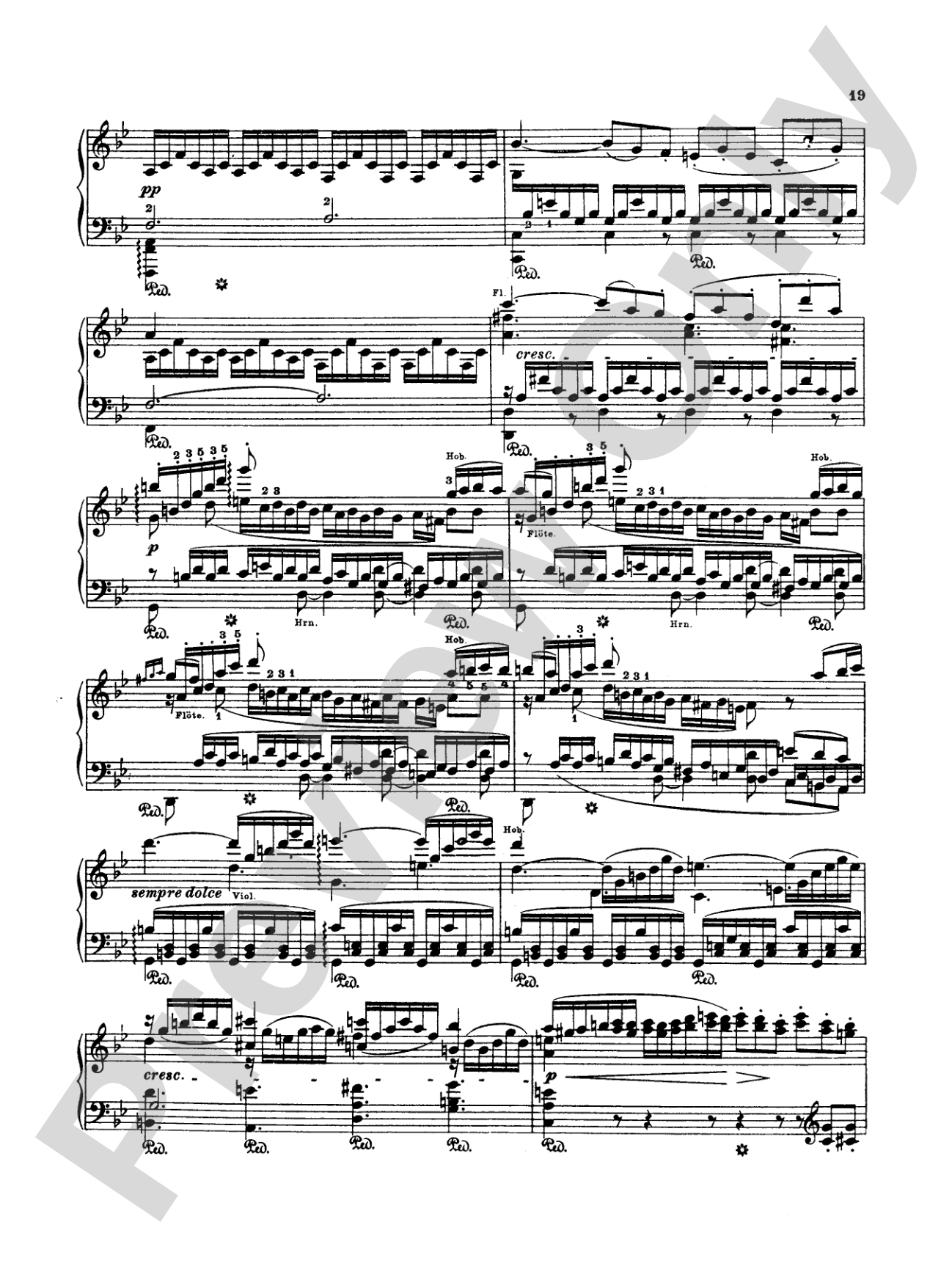
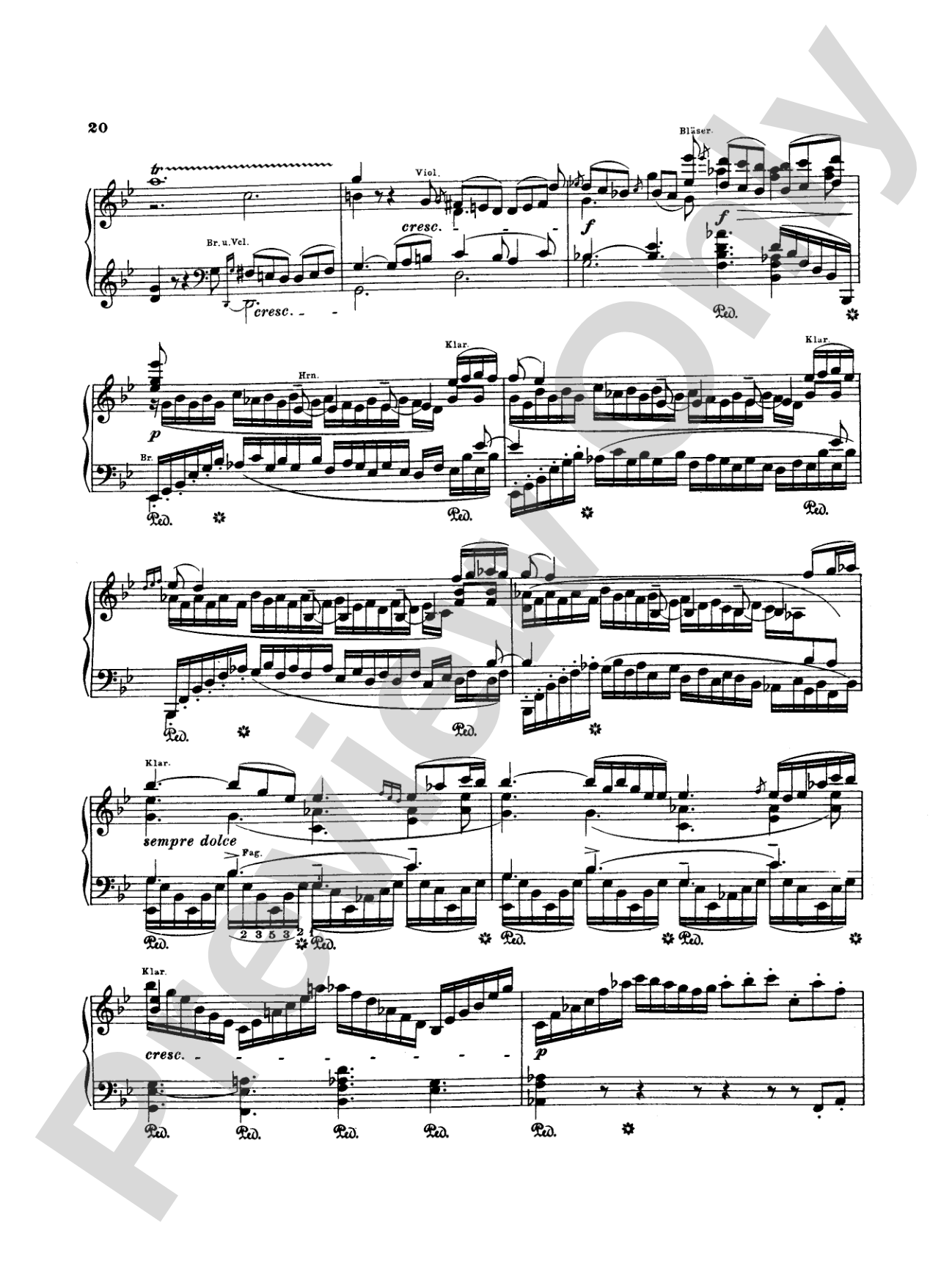

Beethoven: Symphonies (Nos. 6-9) (Arr. Franz Liszt): Piano Book
By Ludwig van Beethoven / arr. Franz Liszt
Level: Advanced
Item: 00-PK-0003714
$26.95
Pickup currently not available
Buy Extra Parts (Digital PDF Download)
Parts Added to Cart!
Related Items
Symphonies, Volume II (Nos. 6-9): Piano Book |
$26.95
|
View |
Description
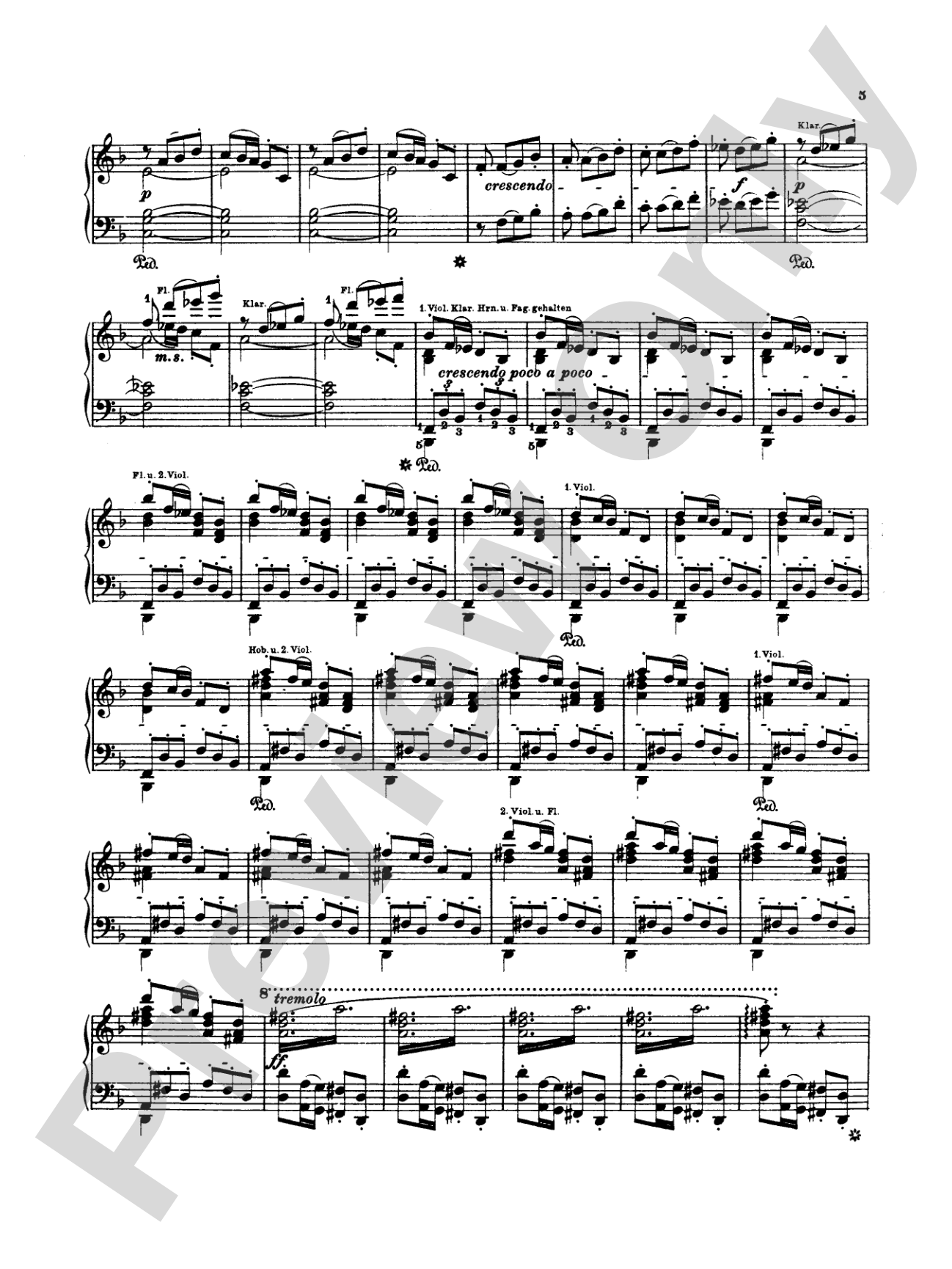
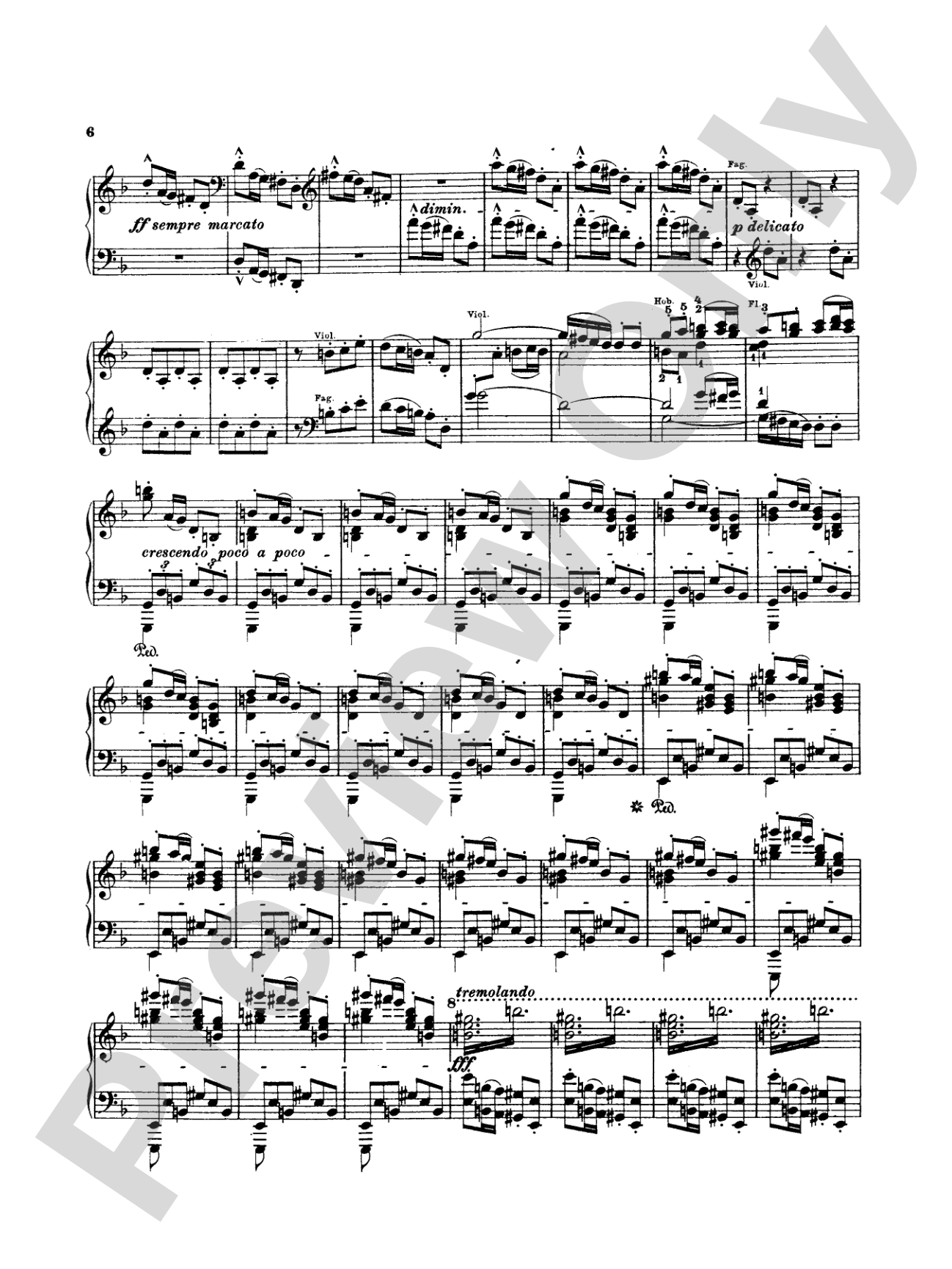
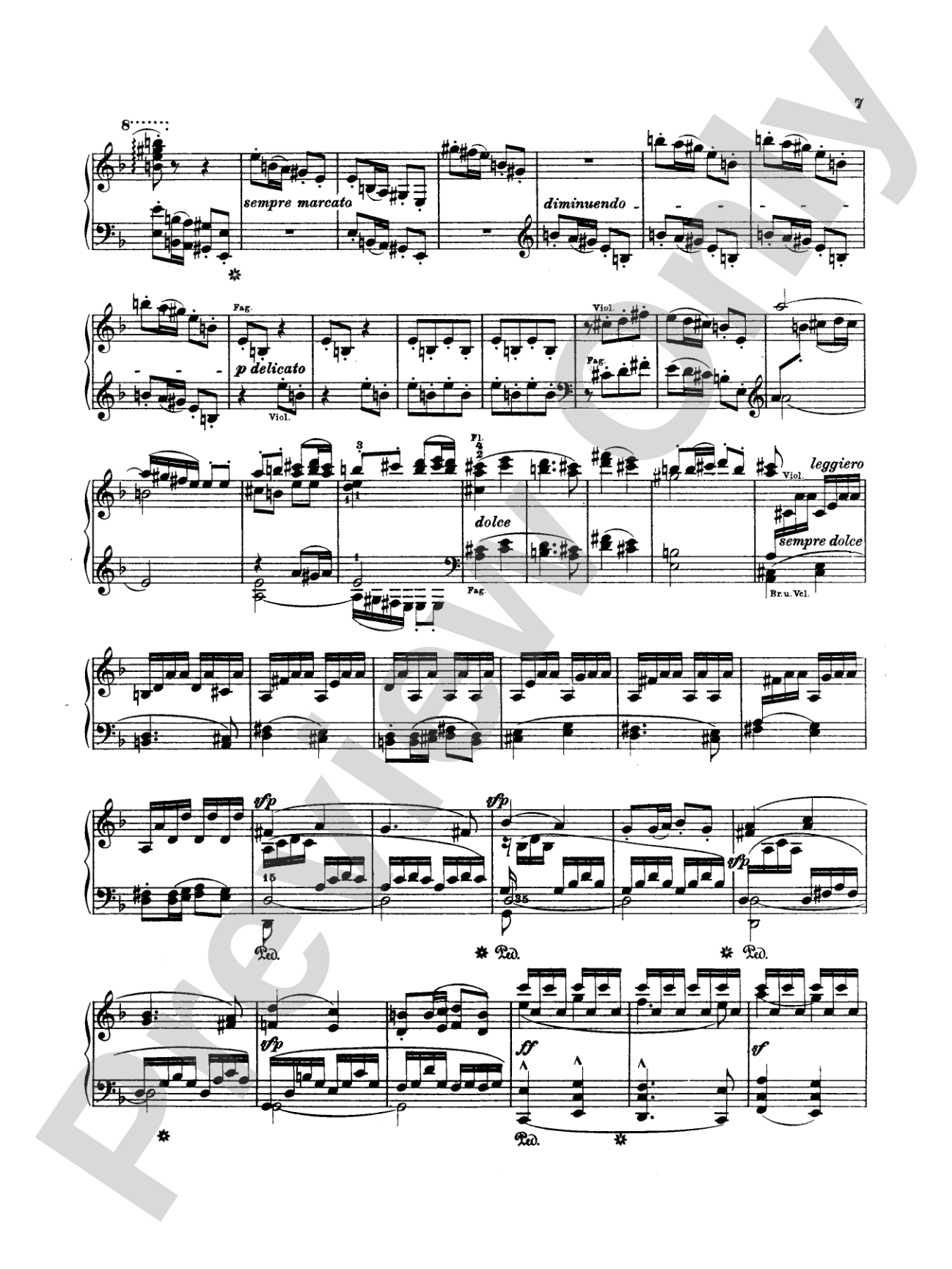
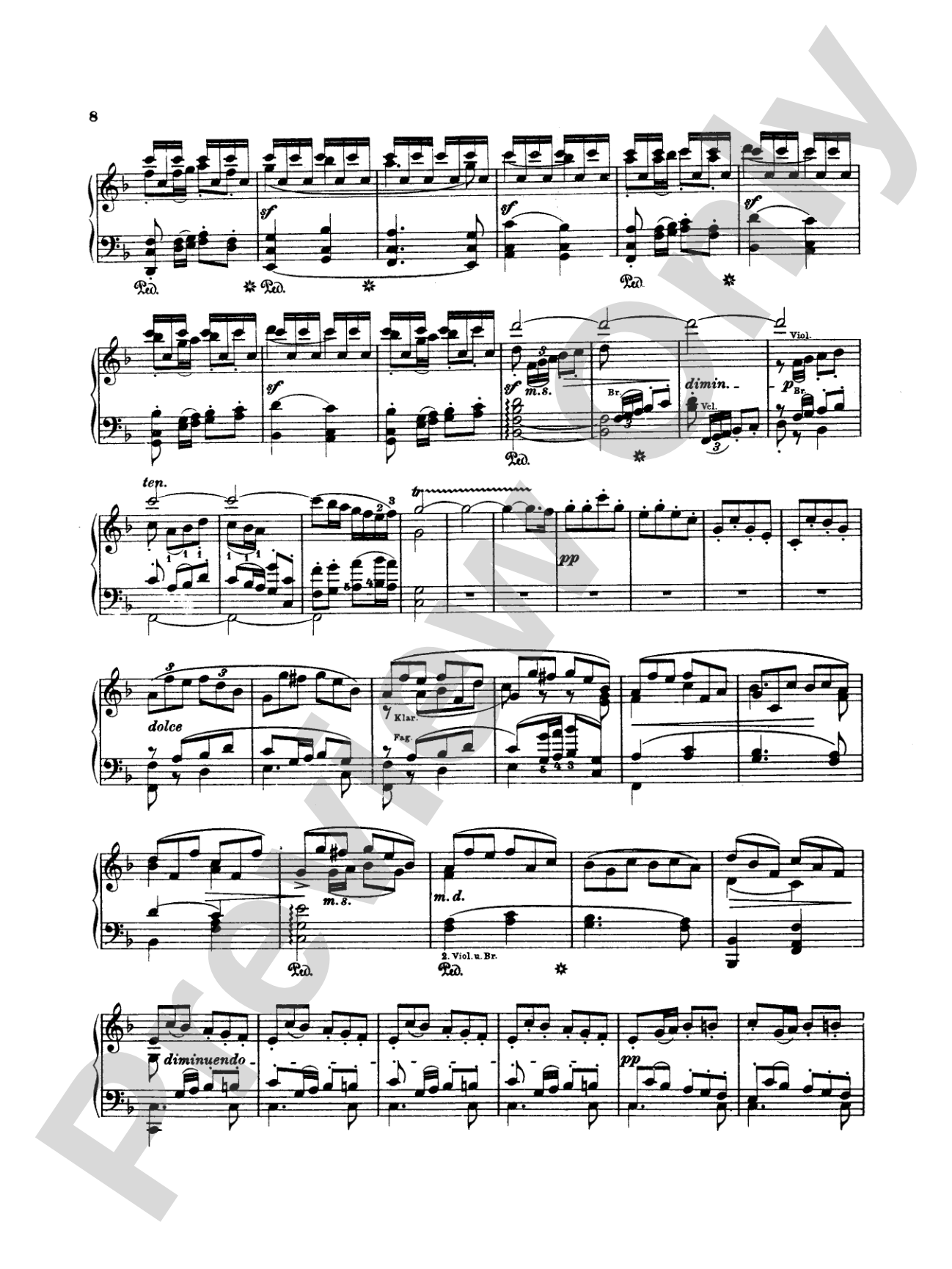
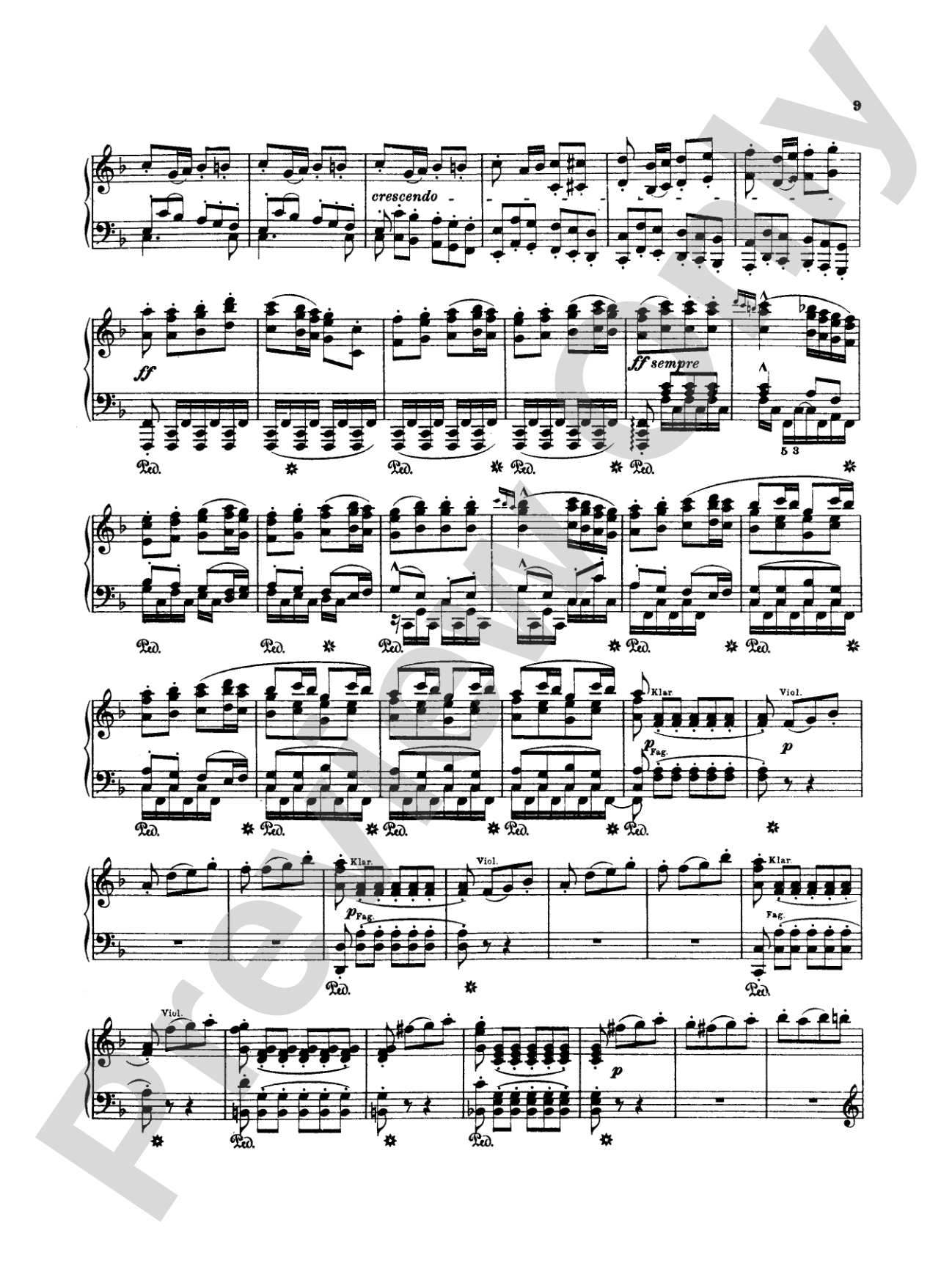
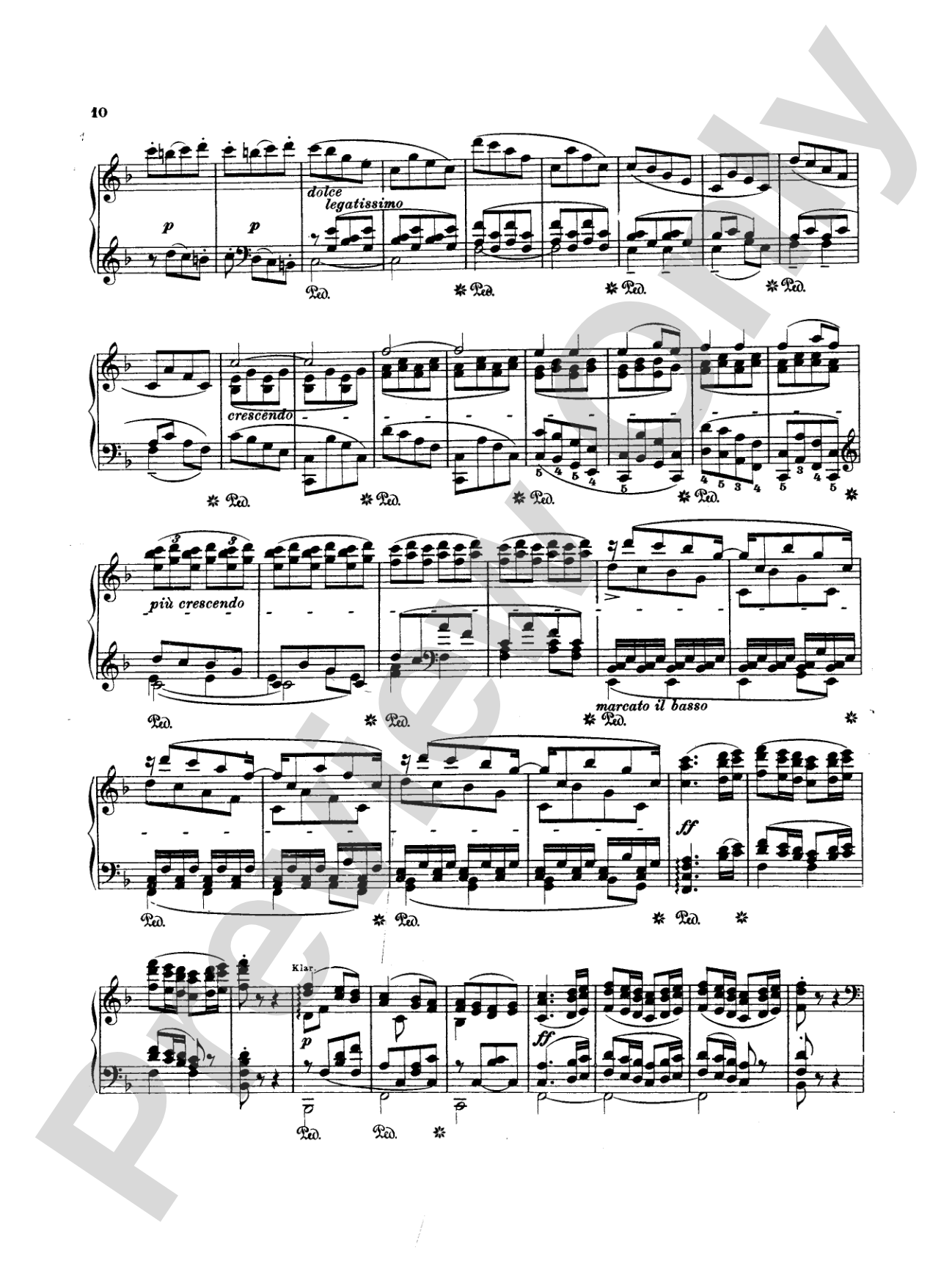
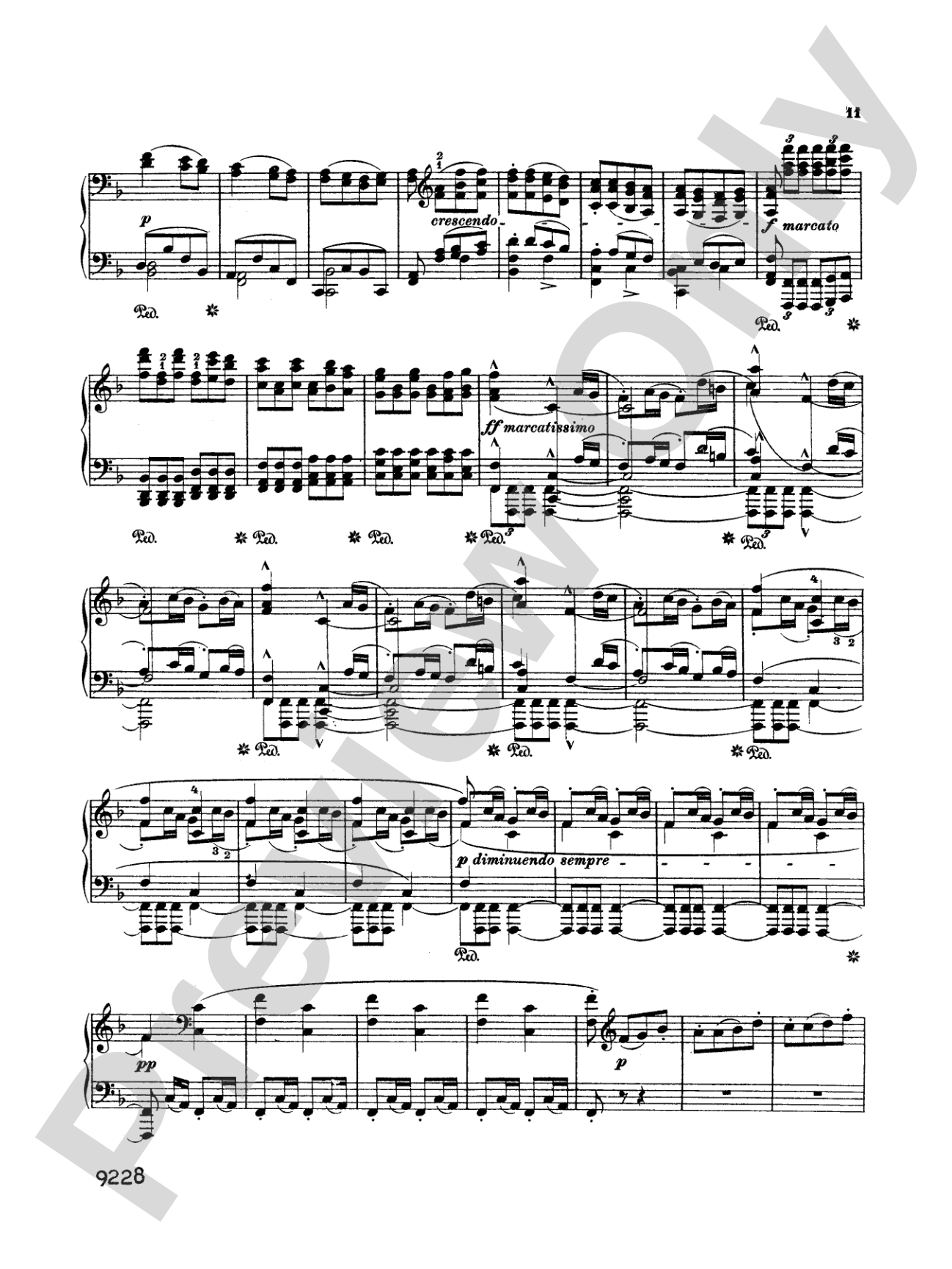
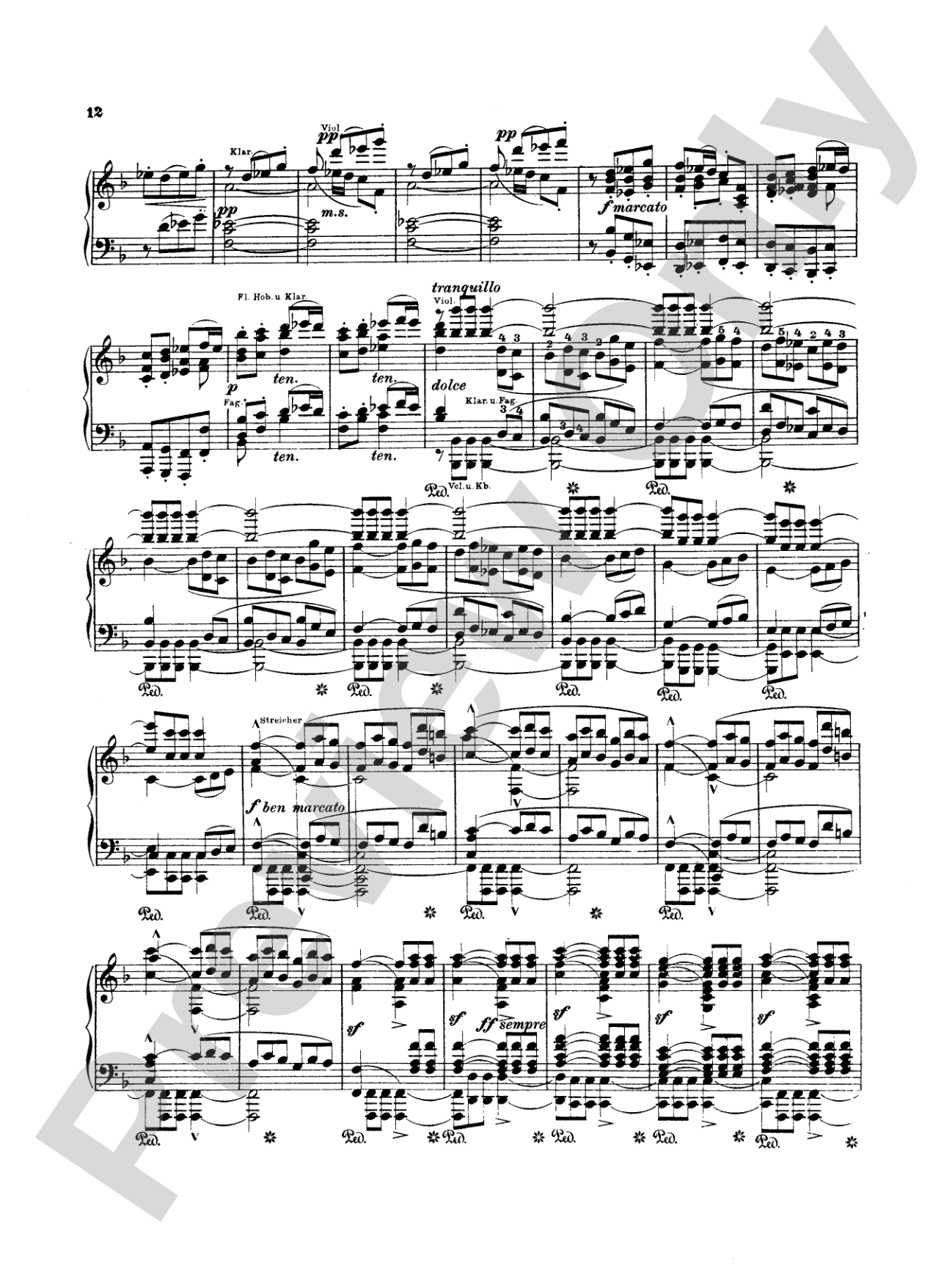
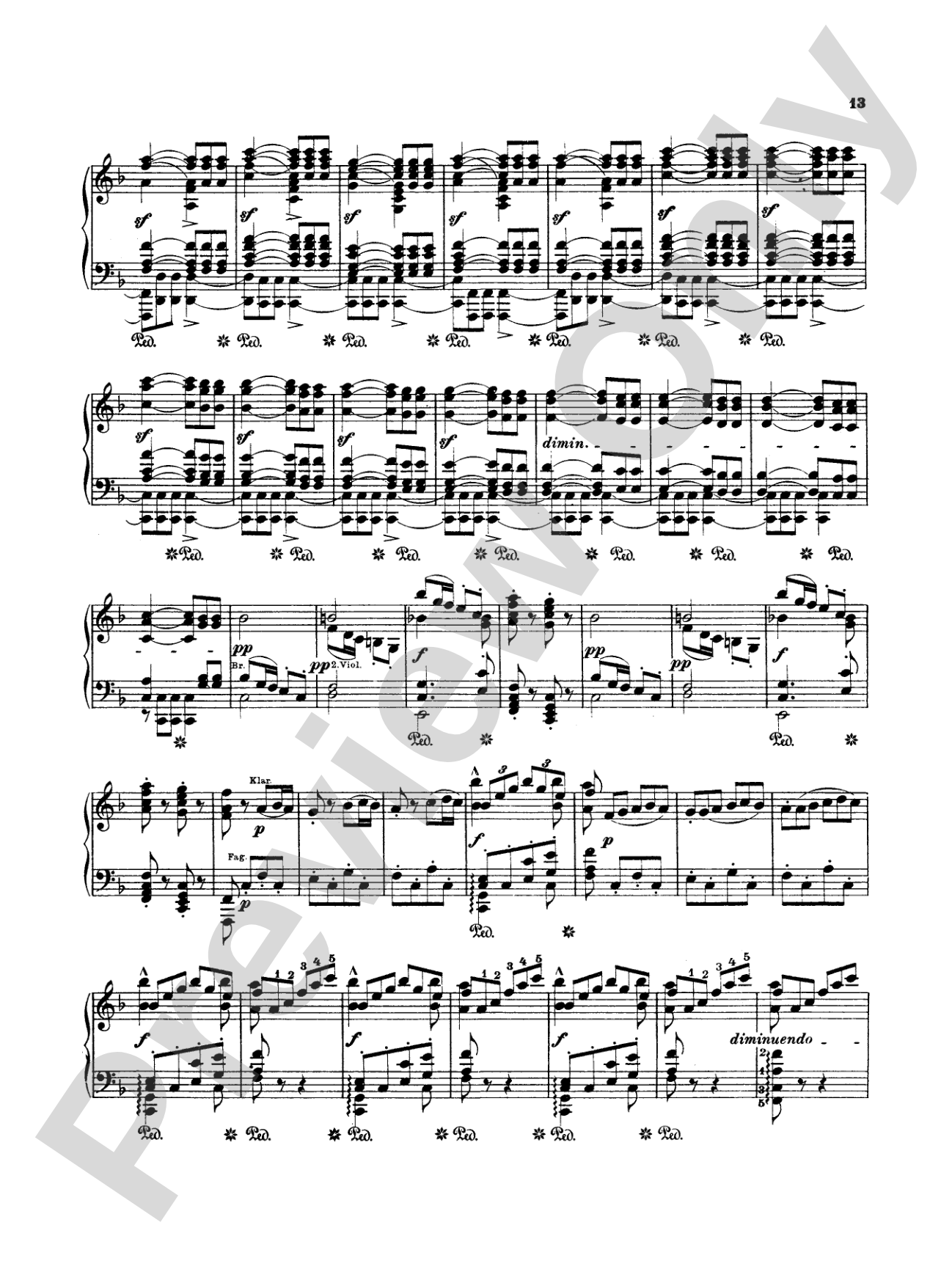
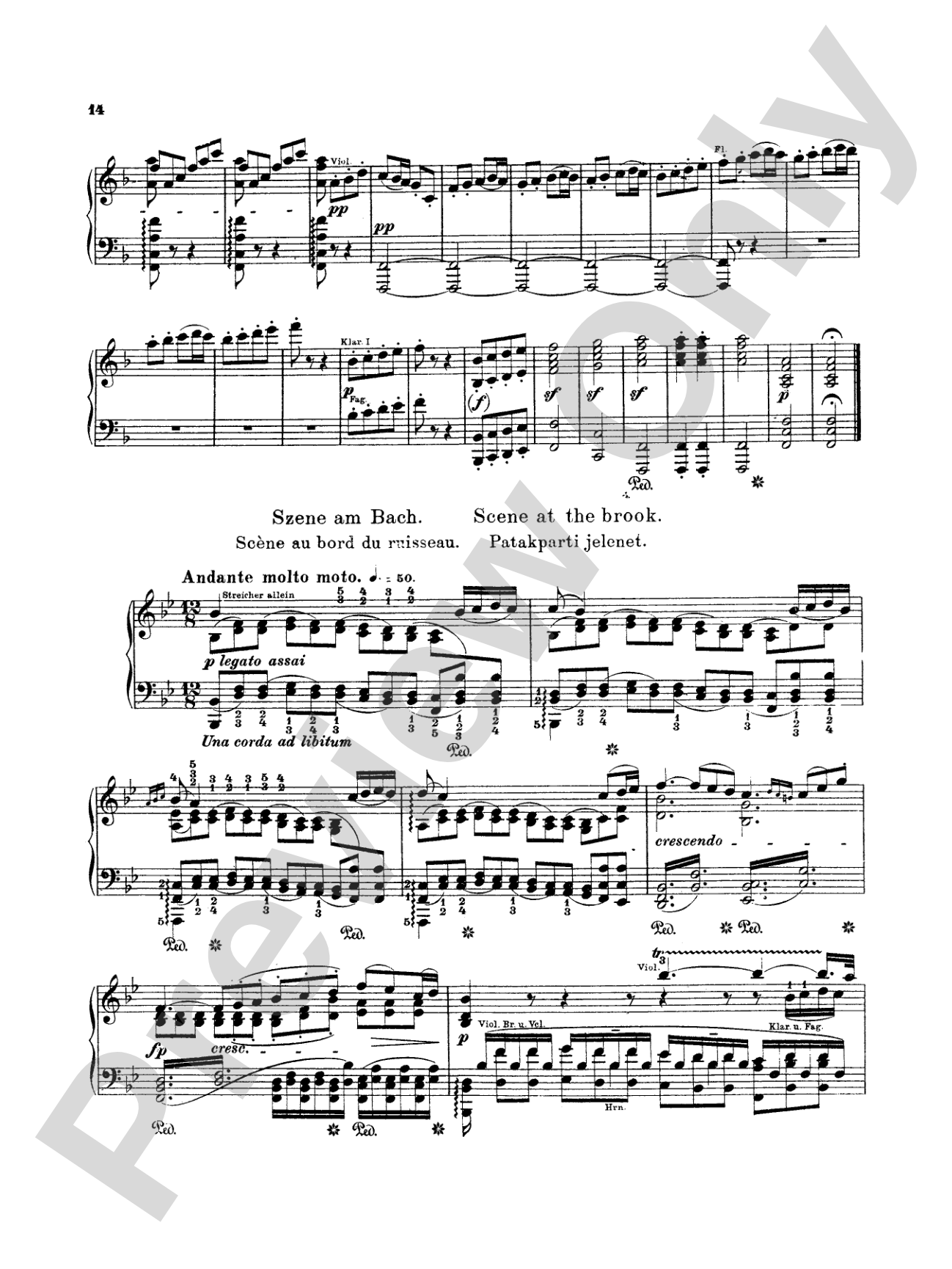
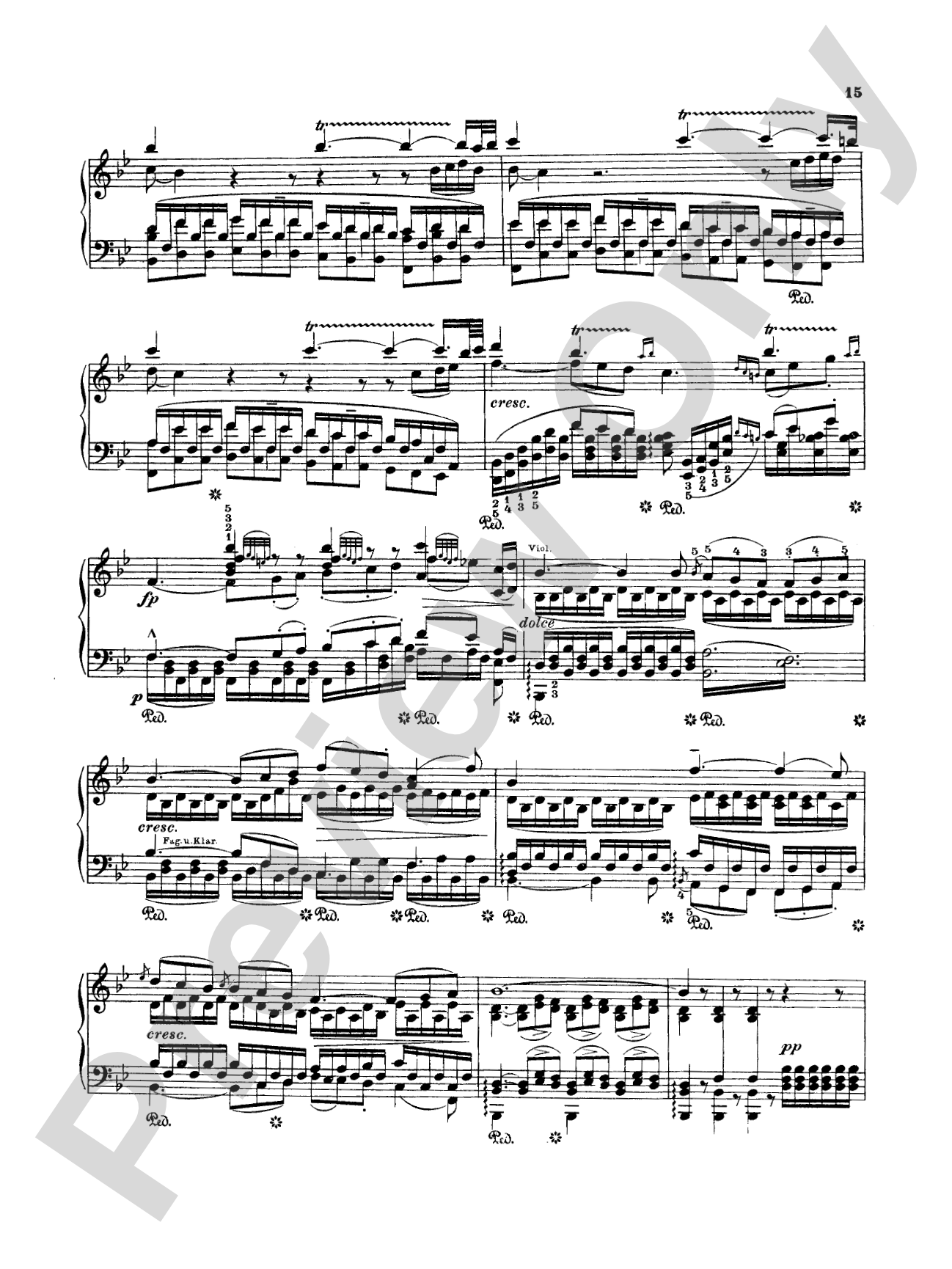
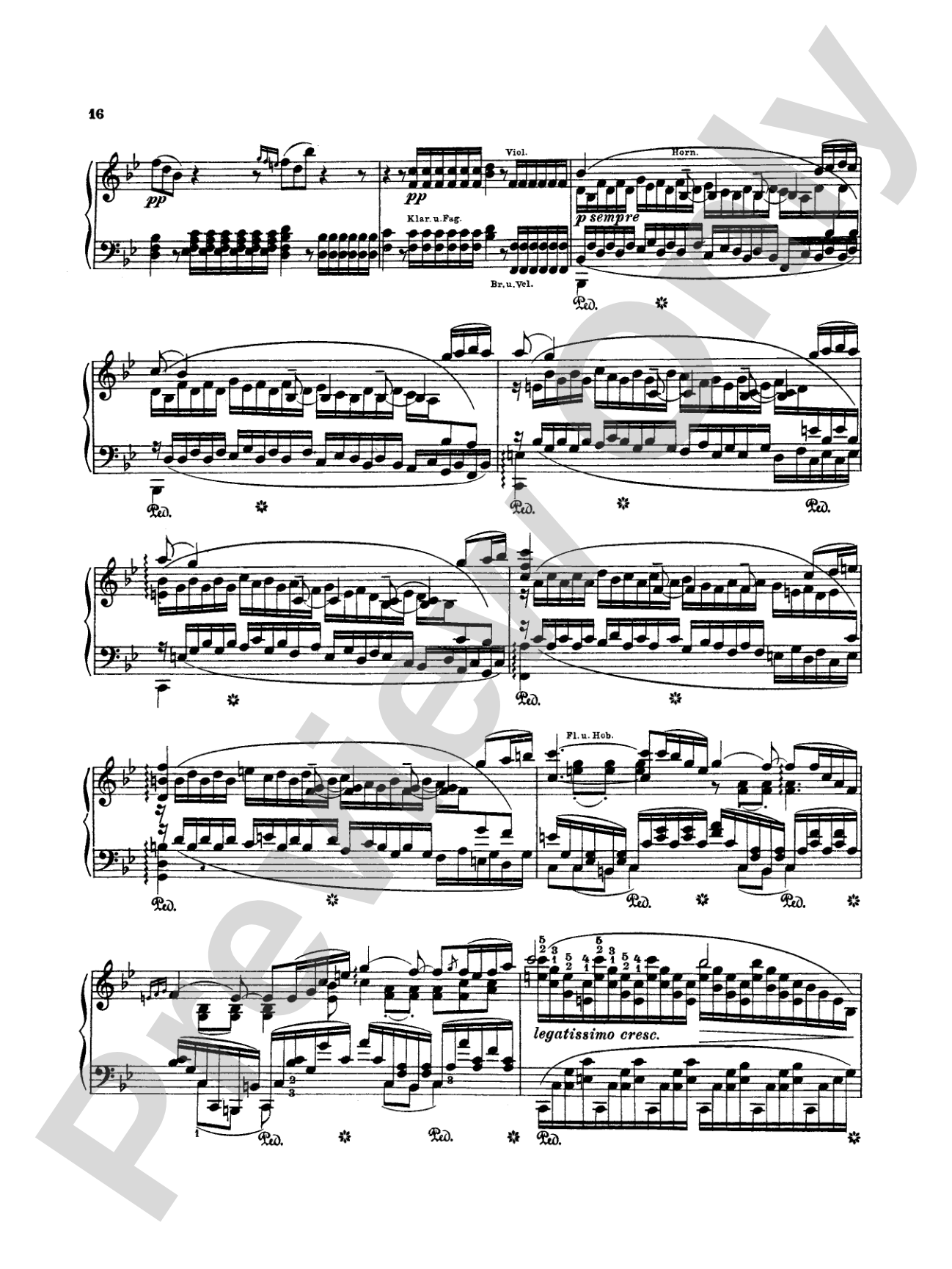
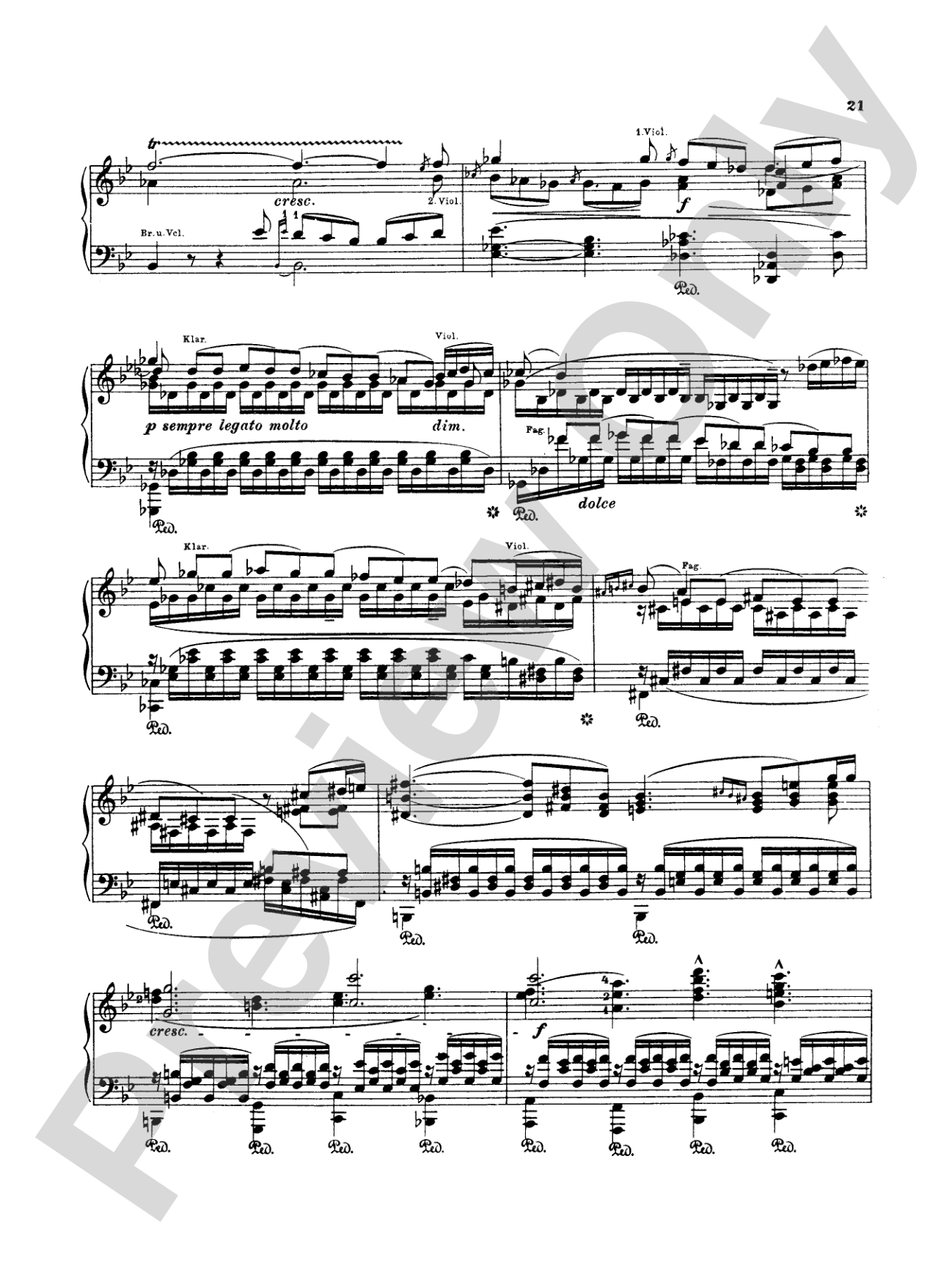
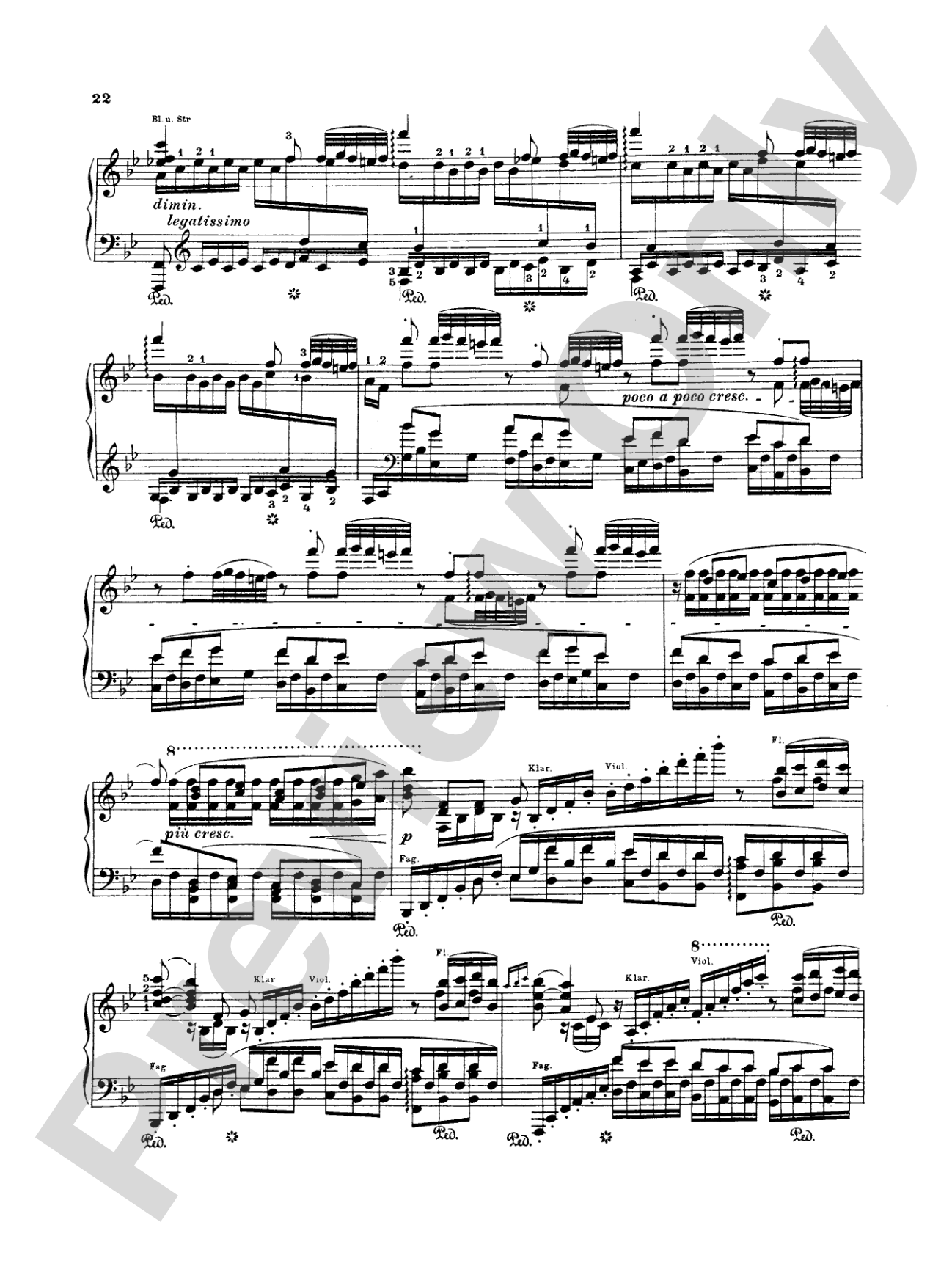
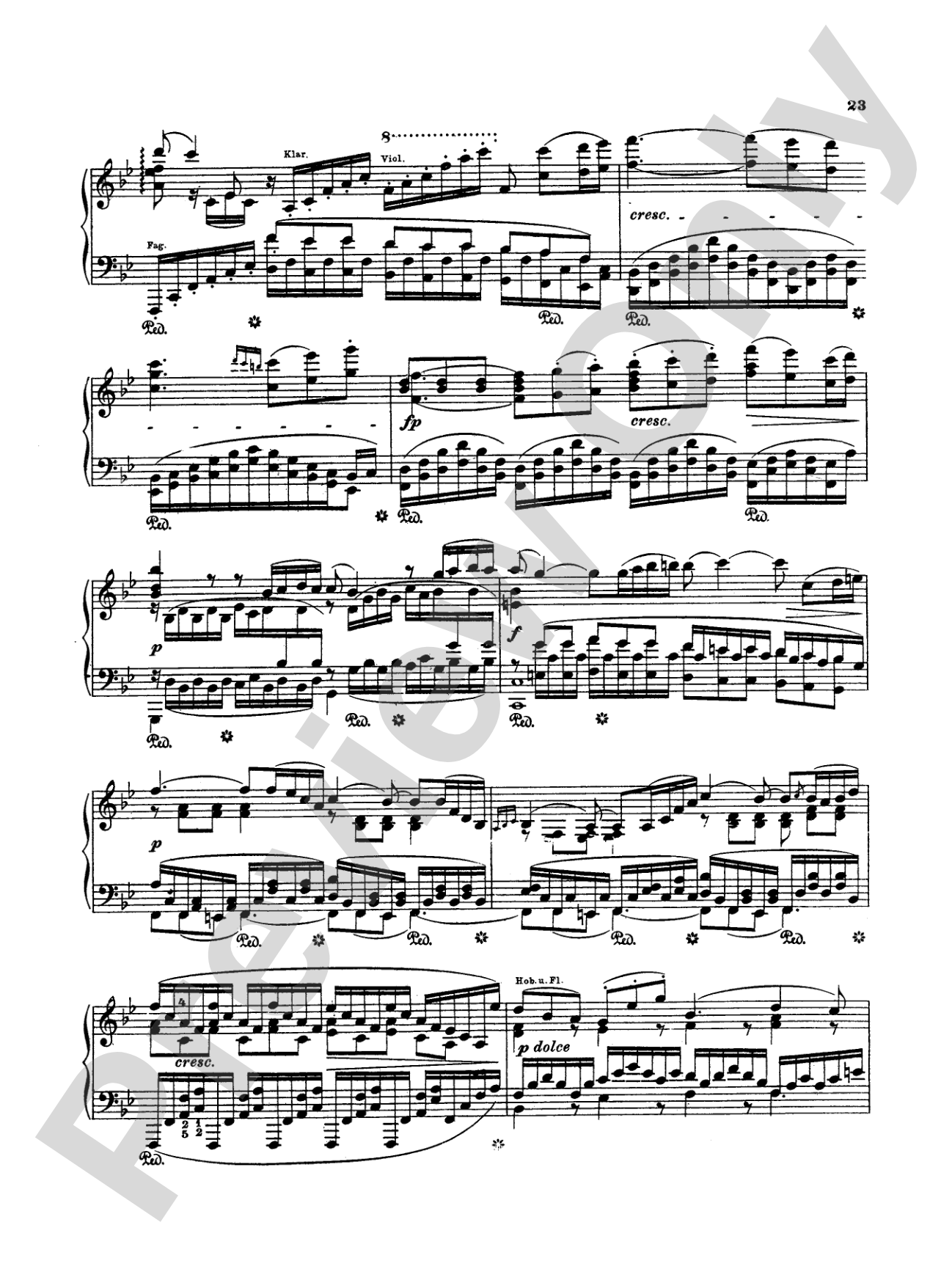
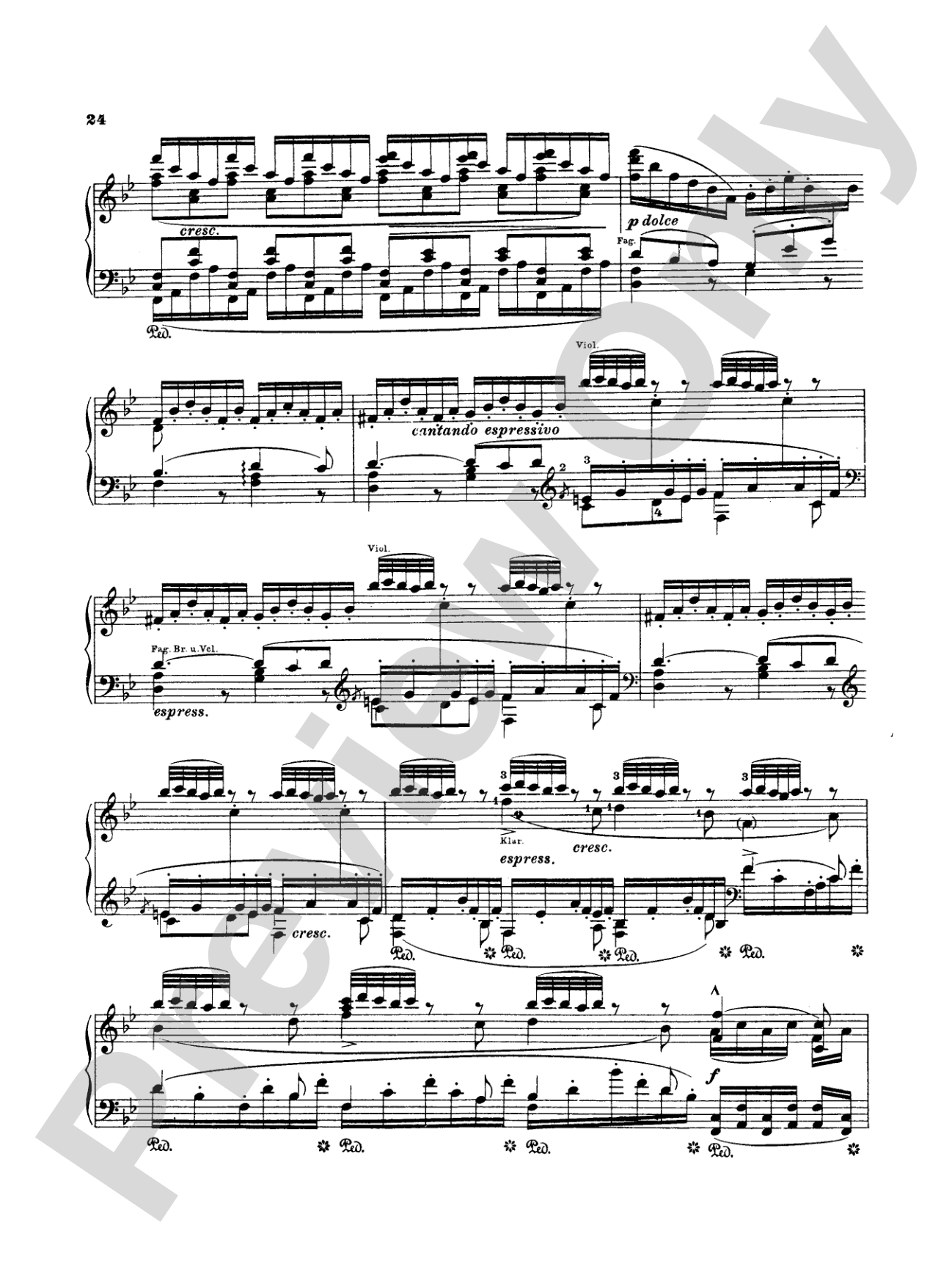
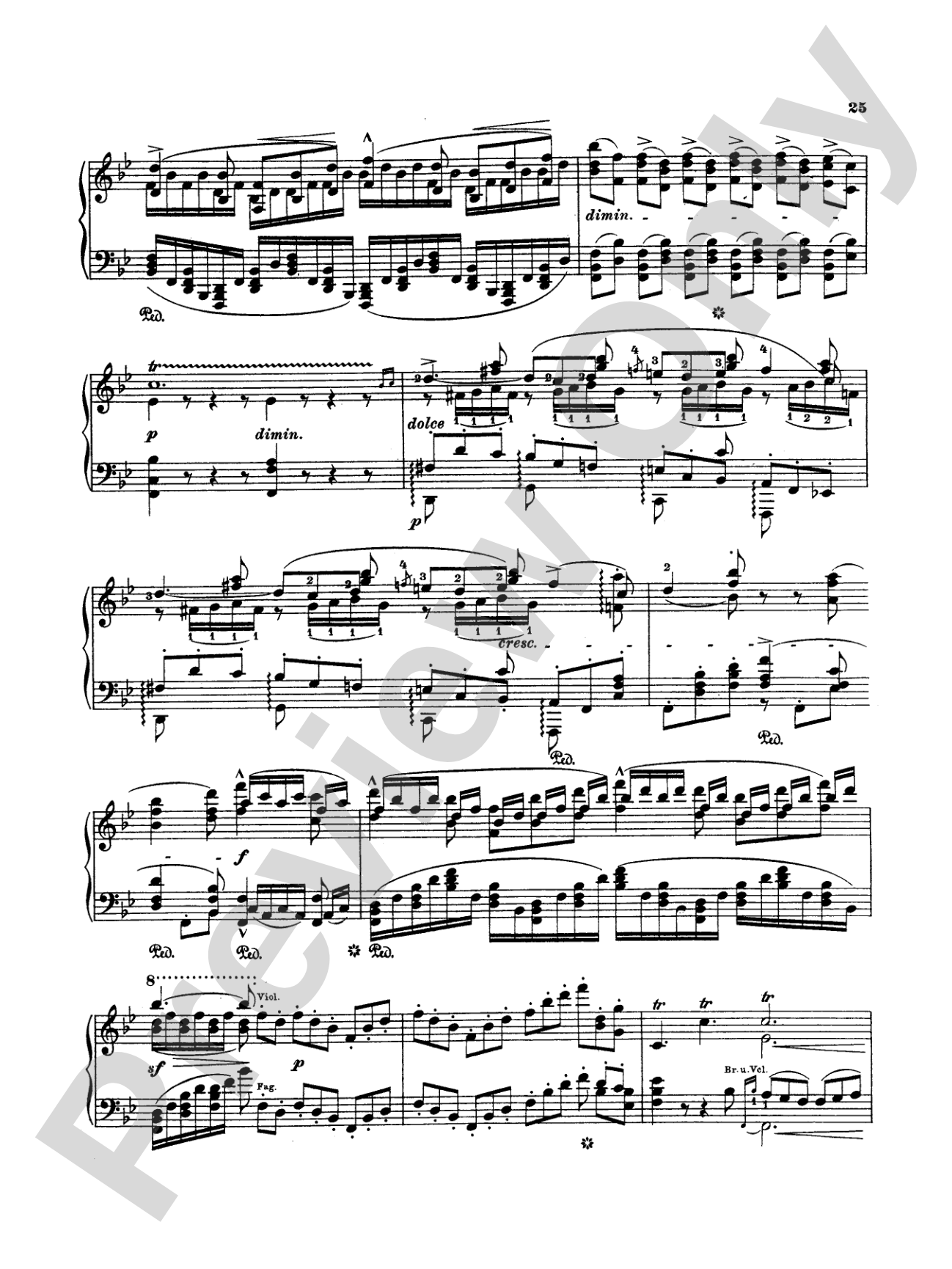
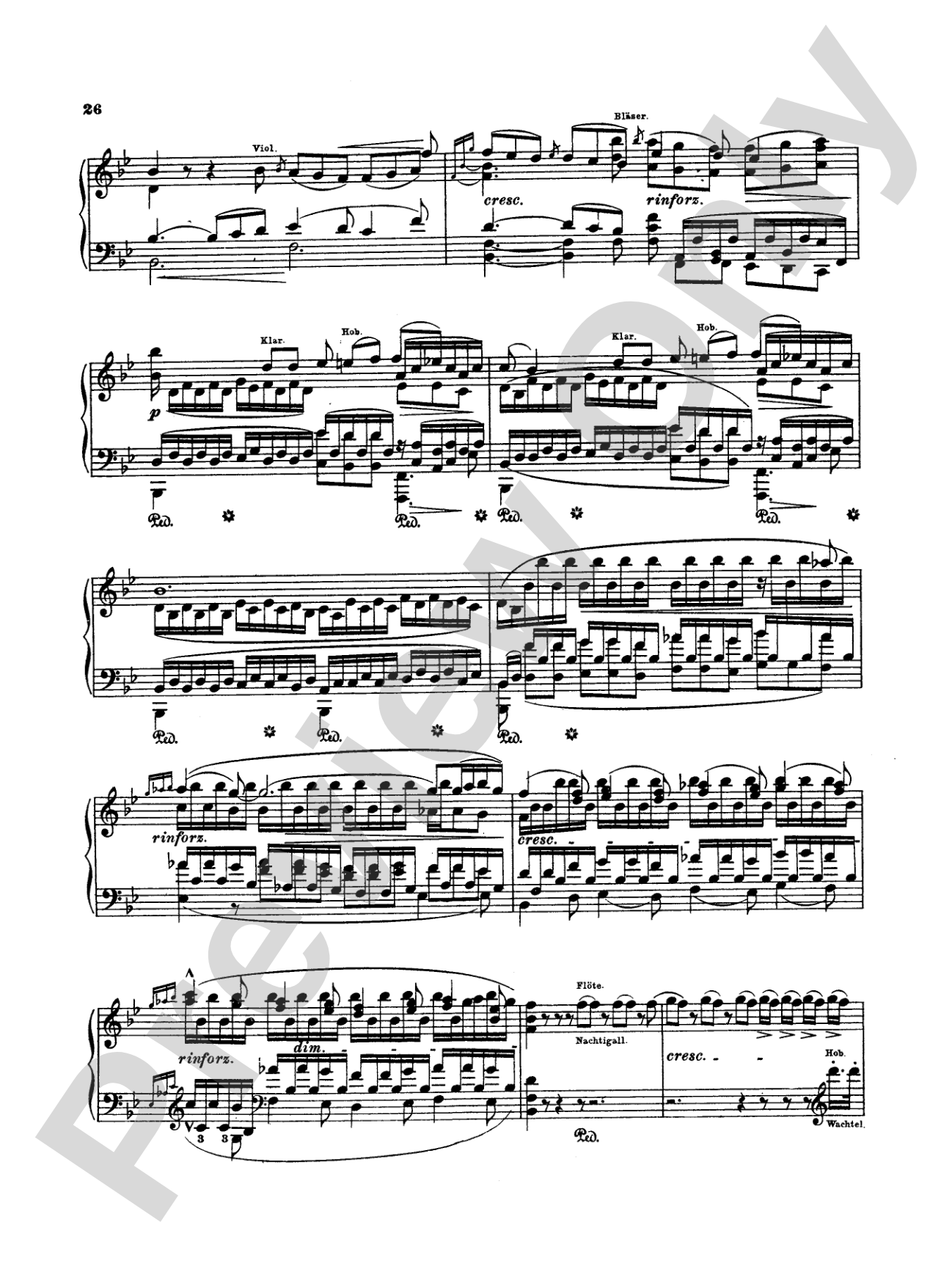
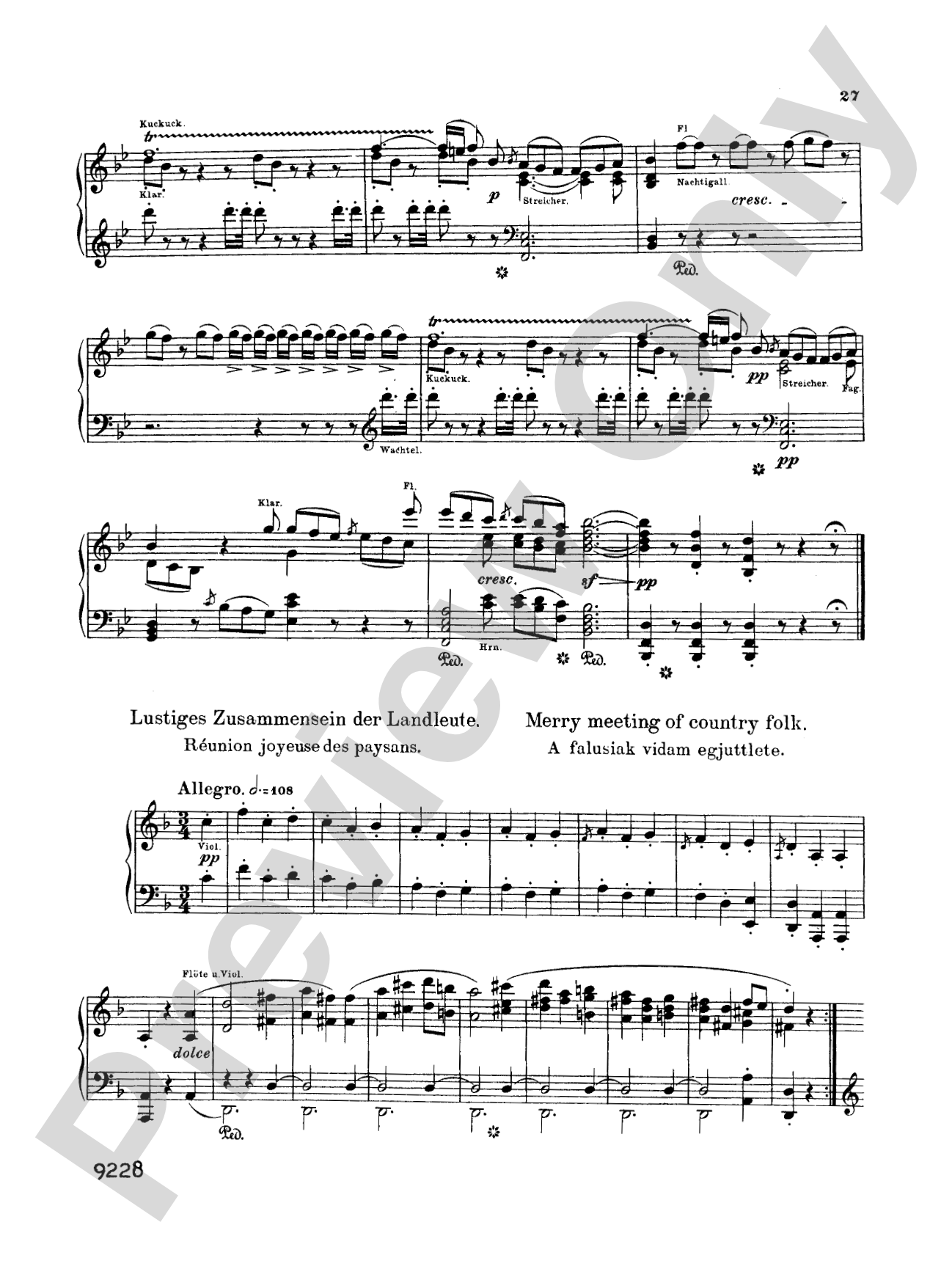
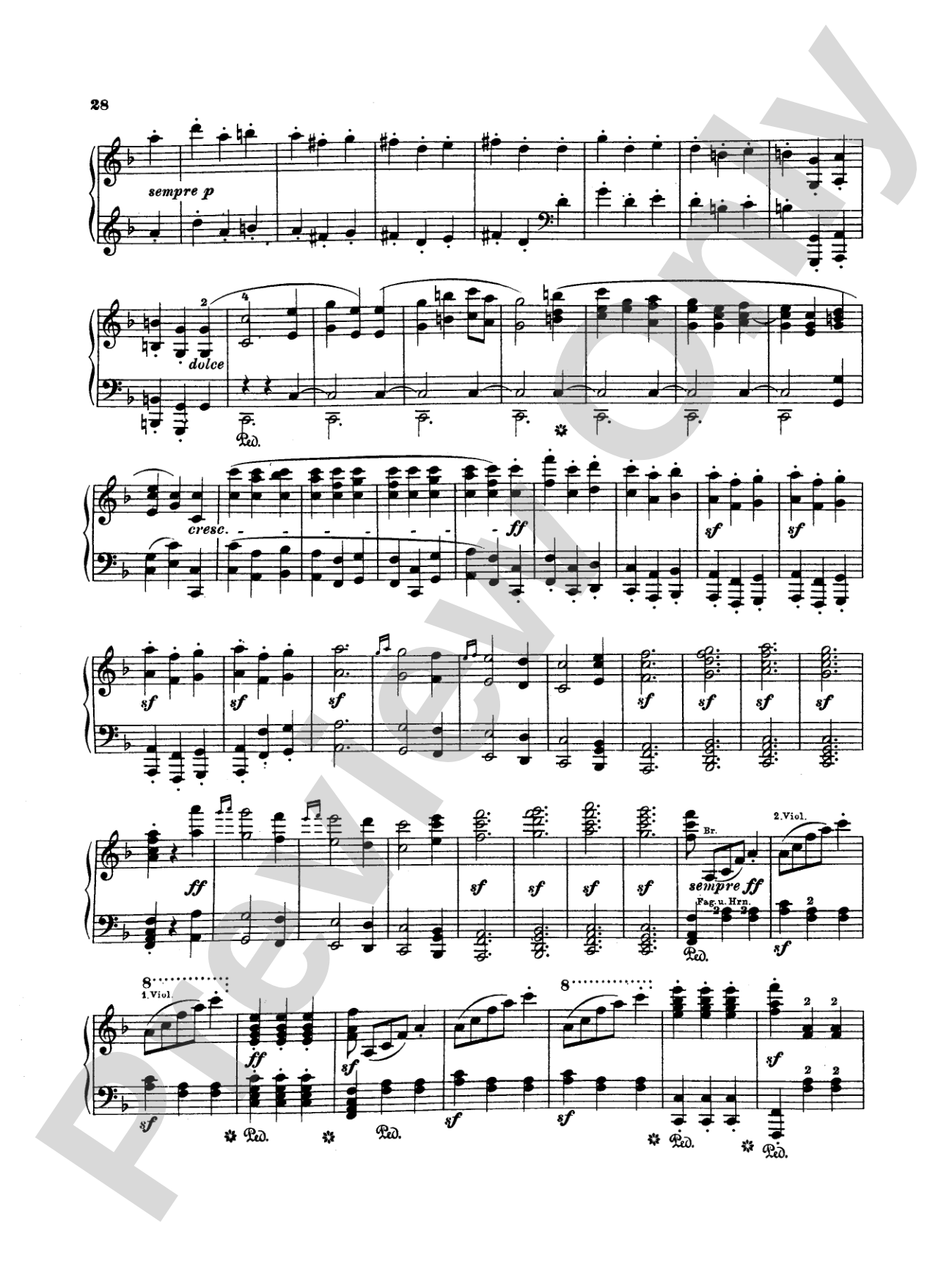
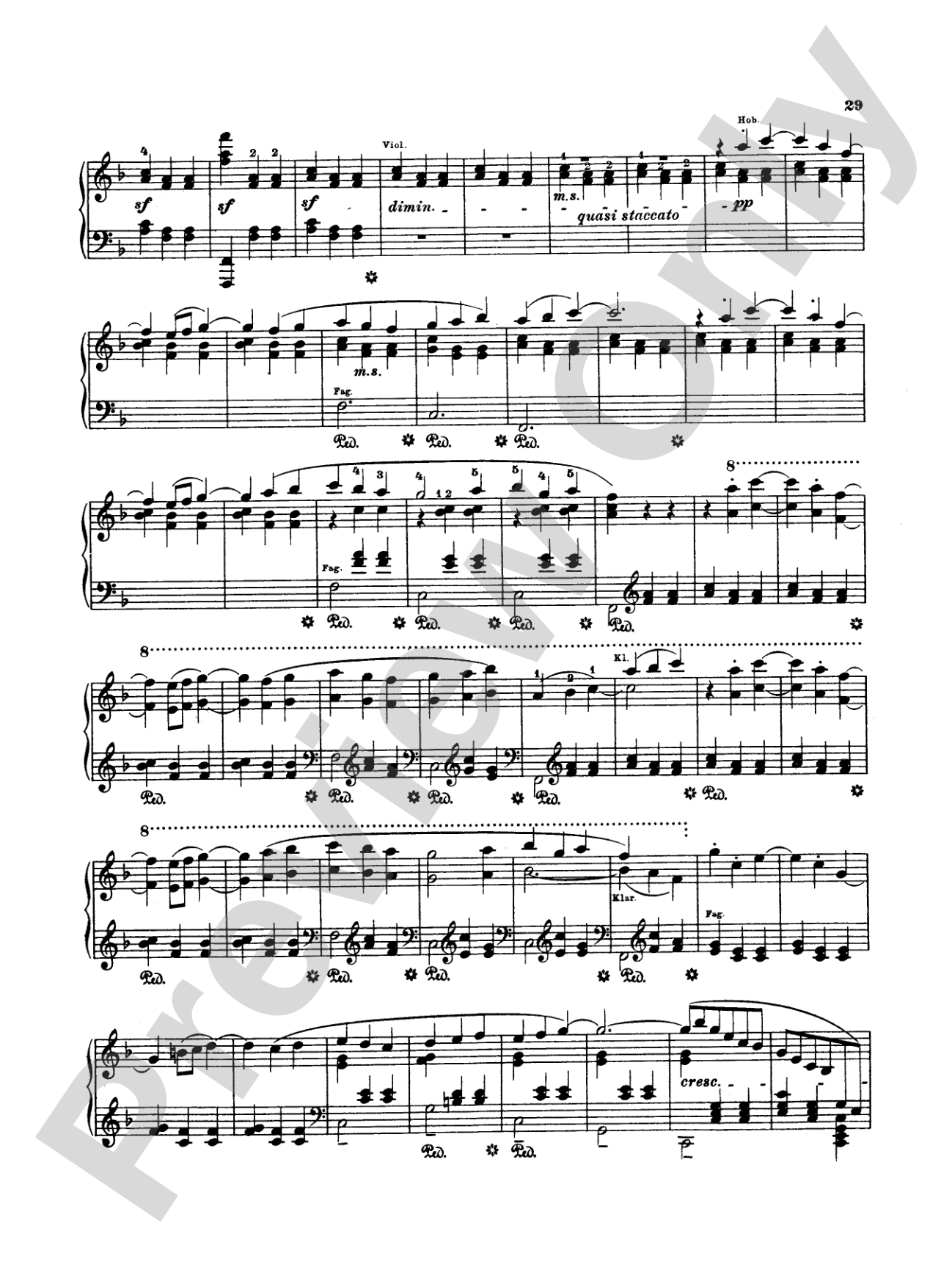
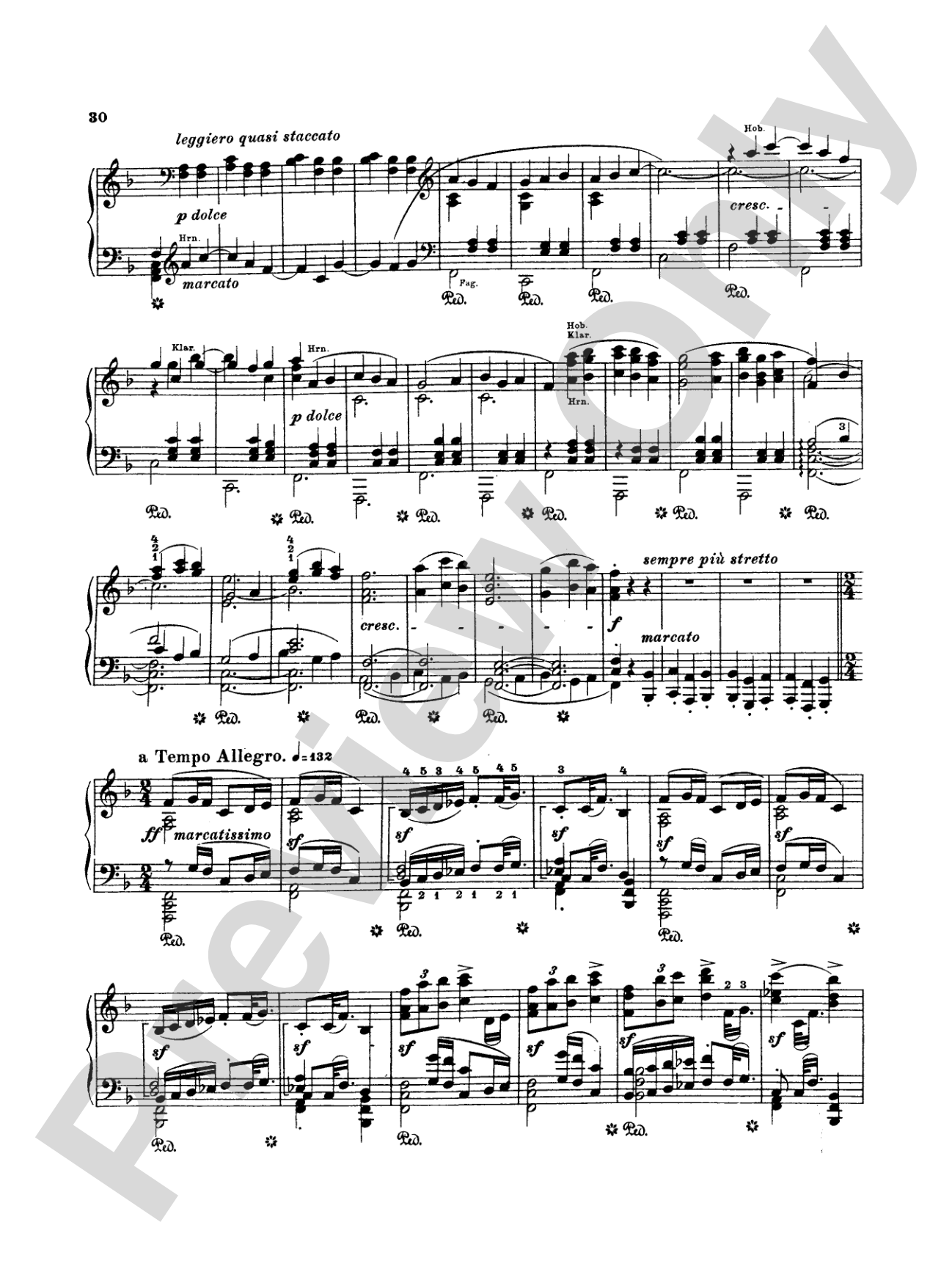
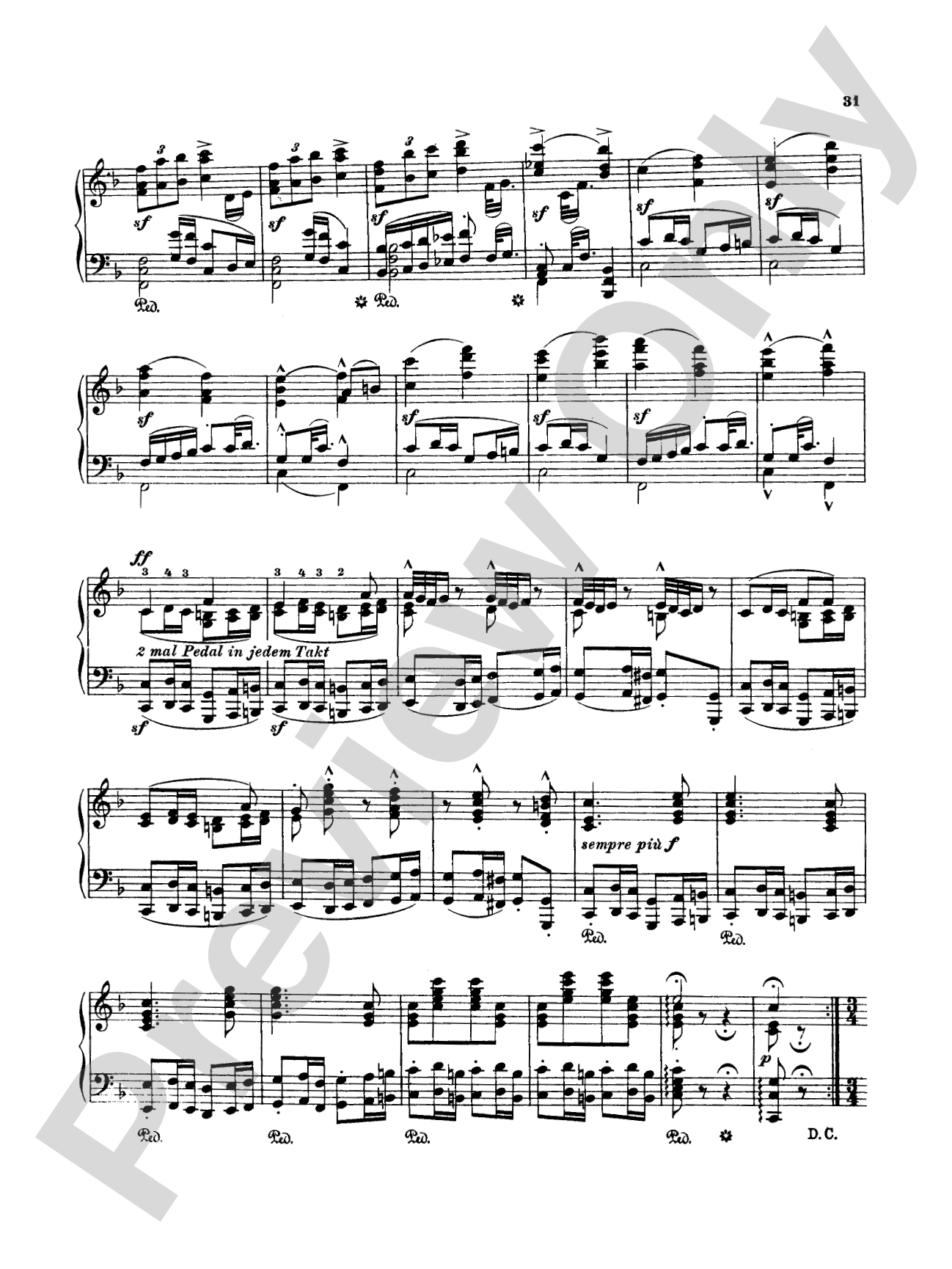
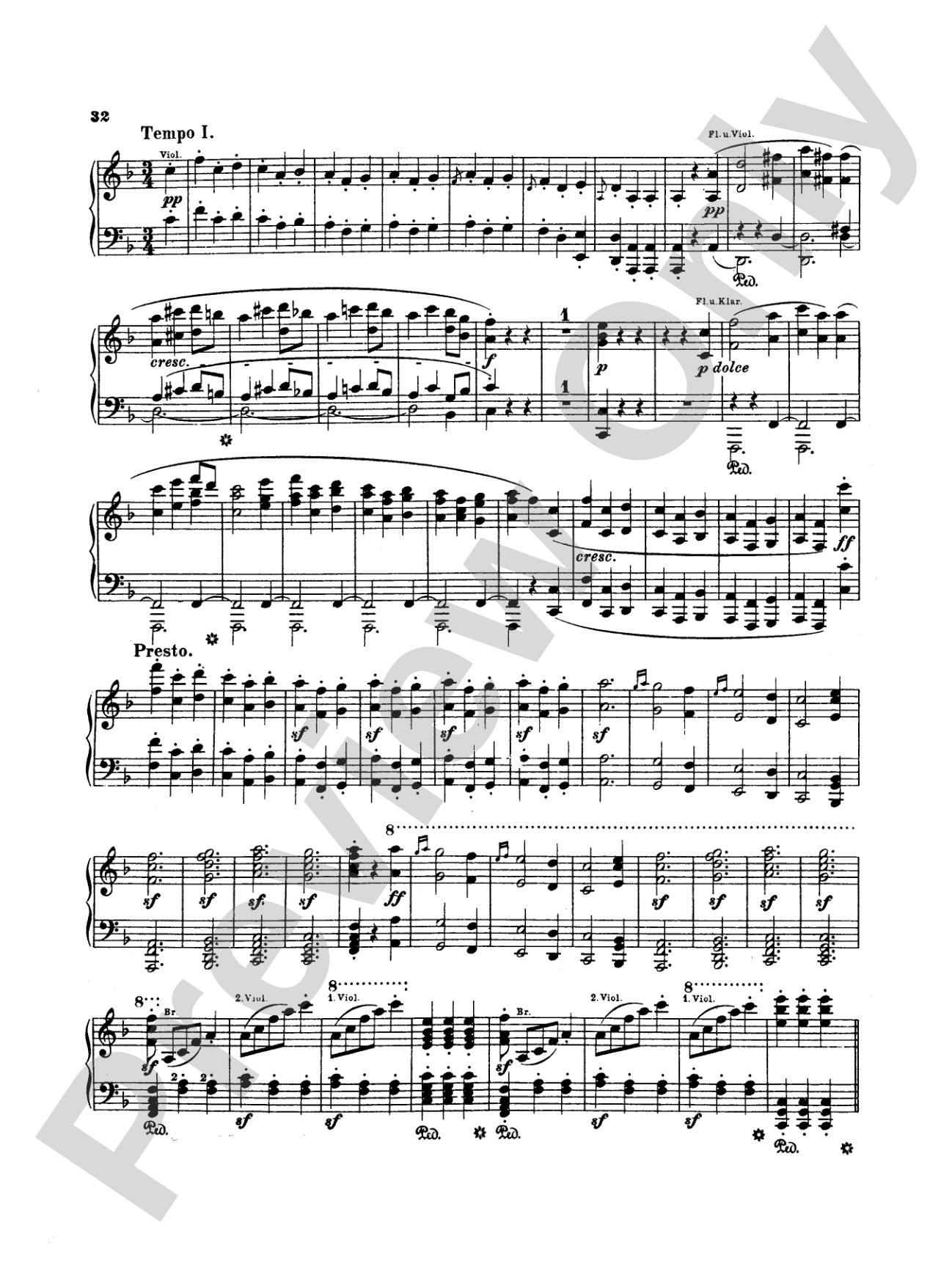
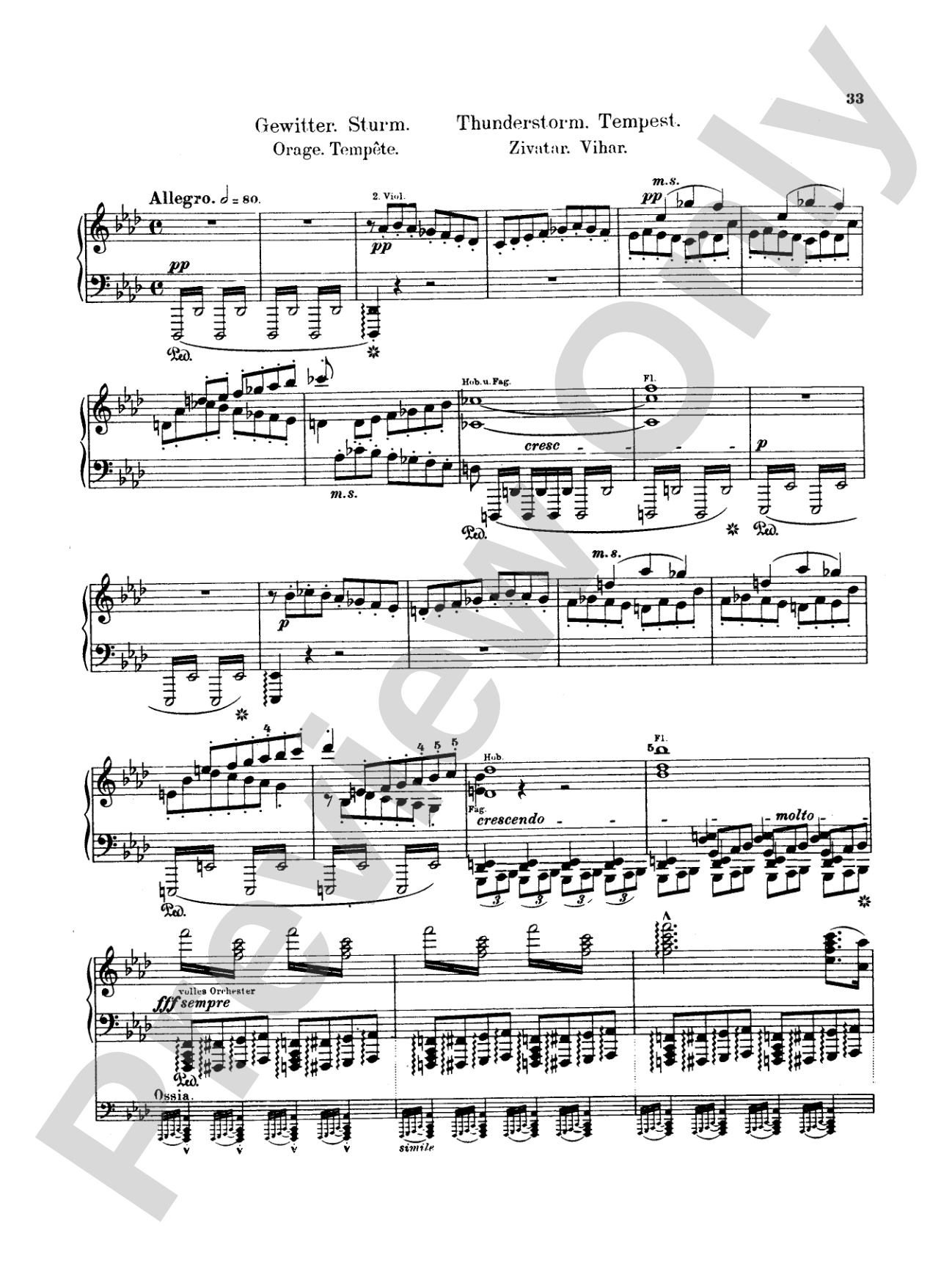
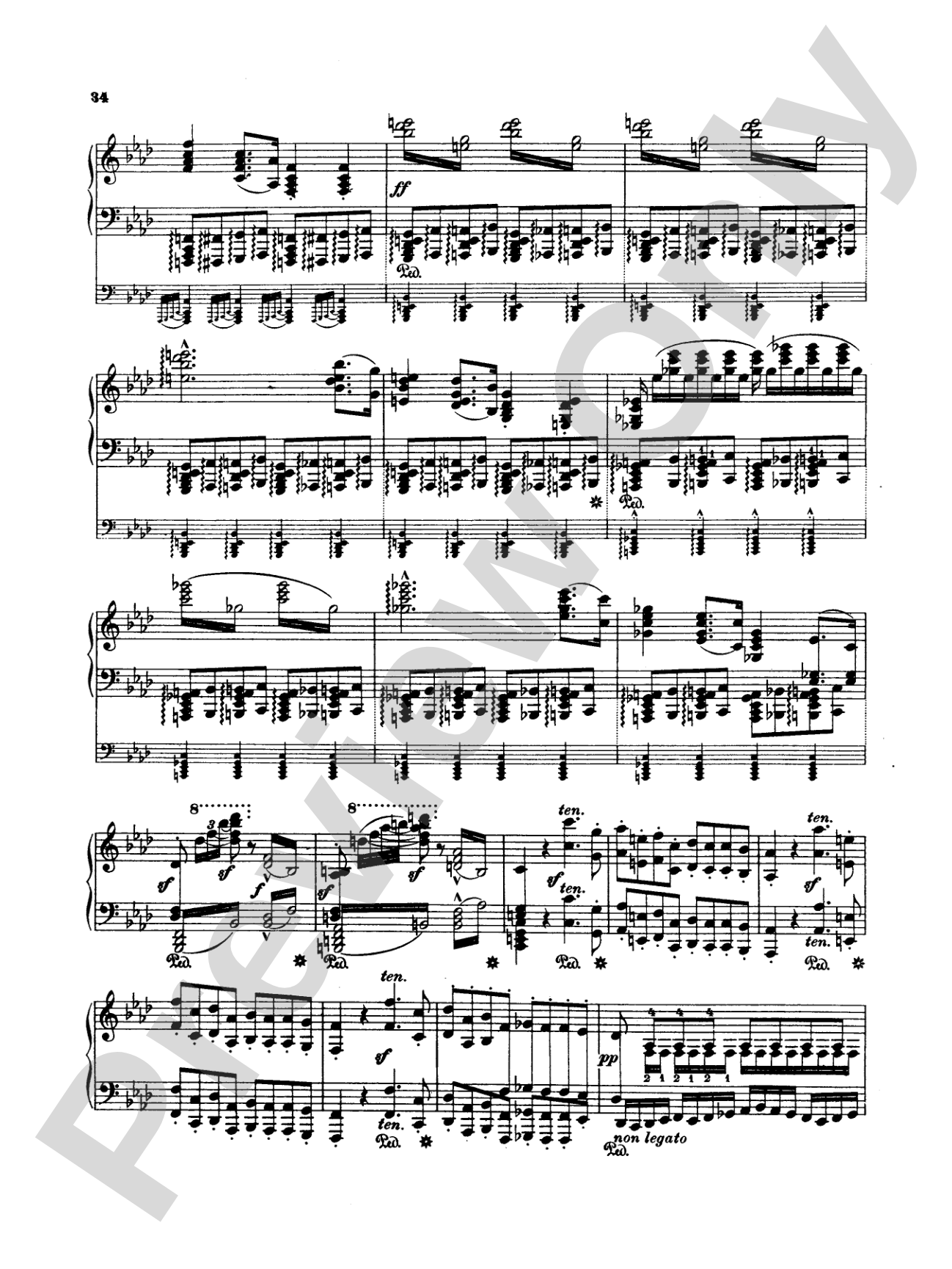
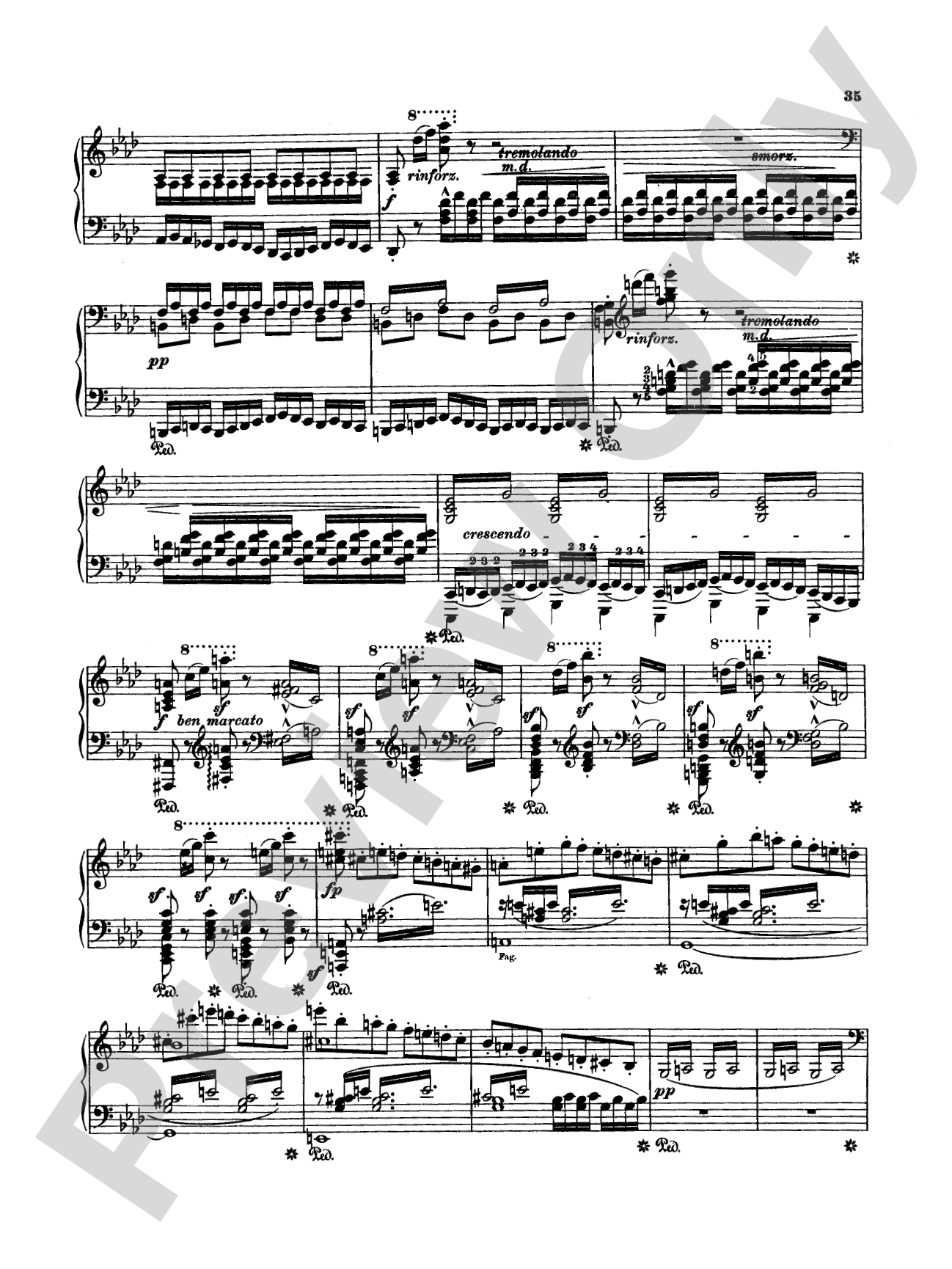
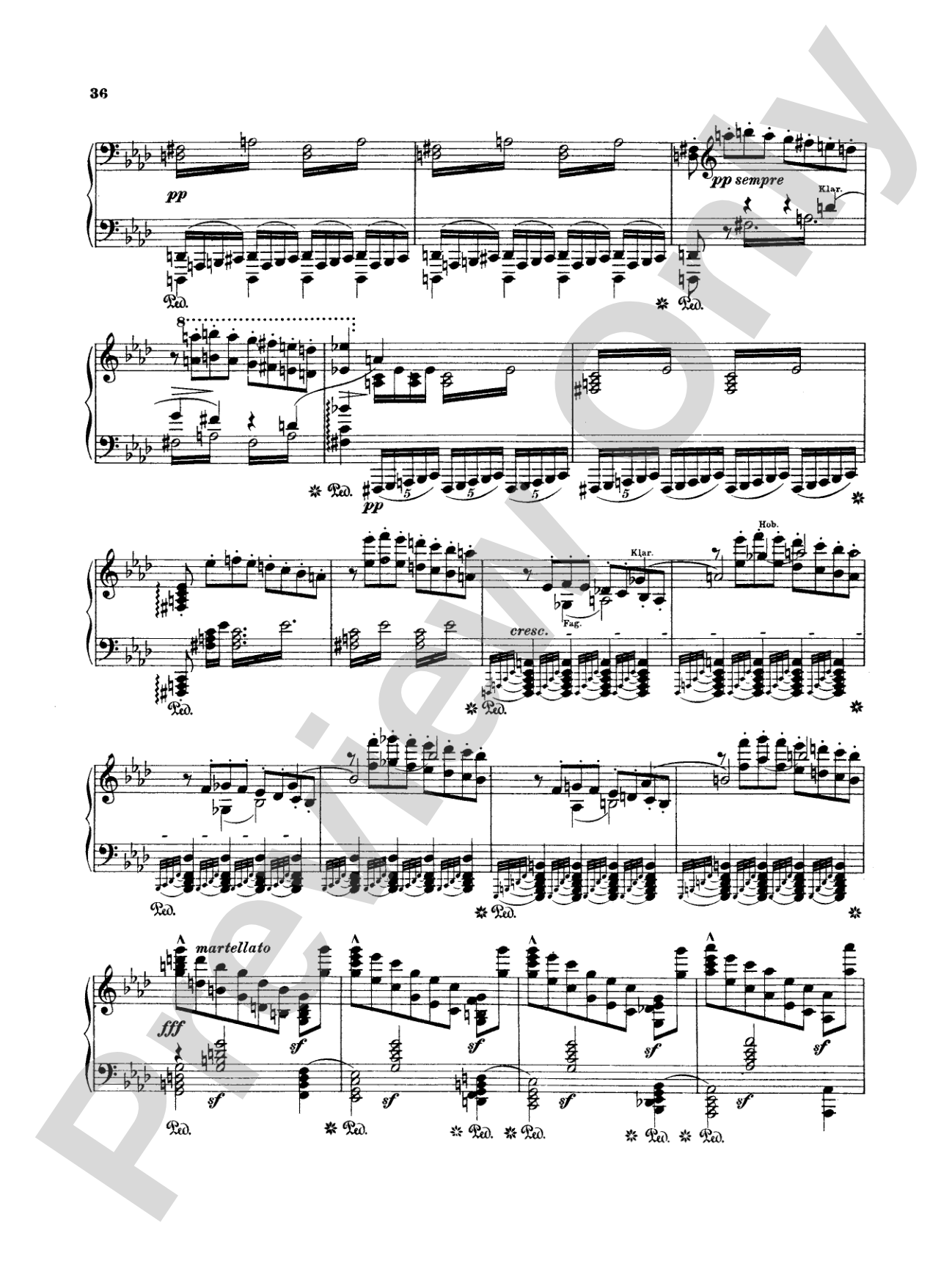
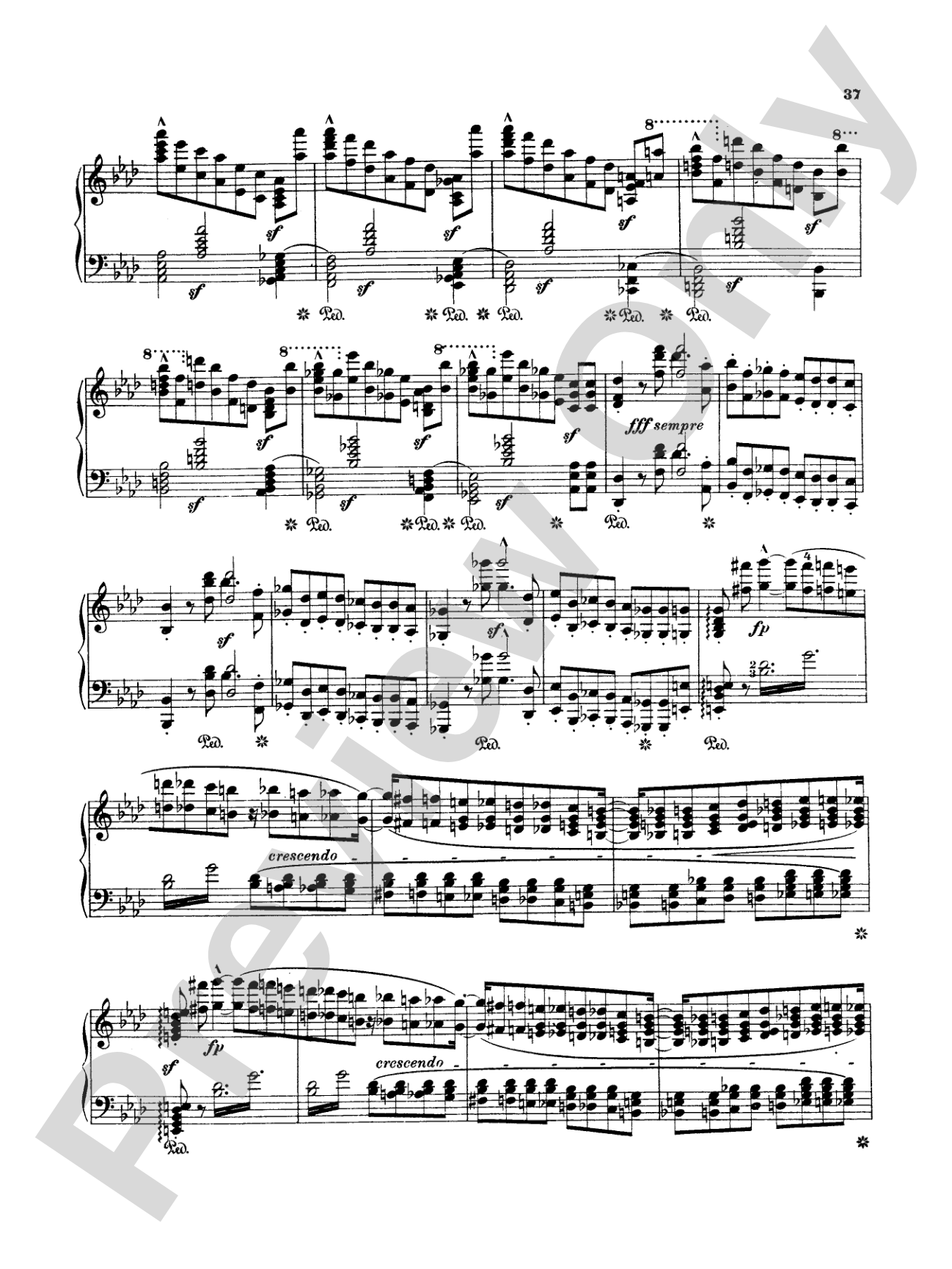
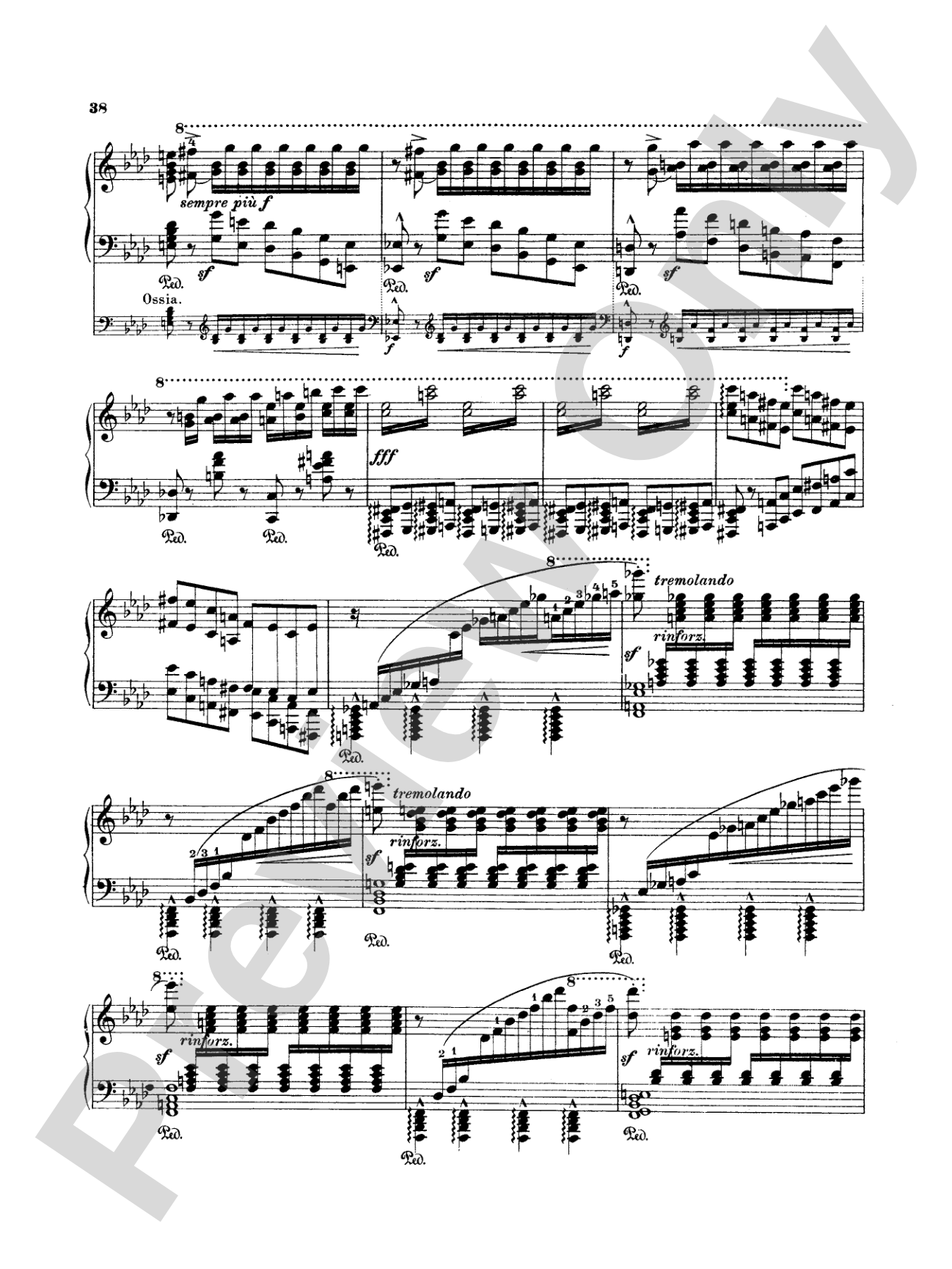
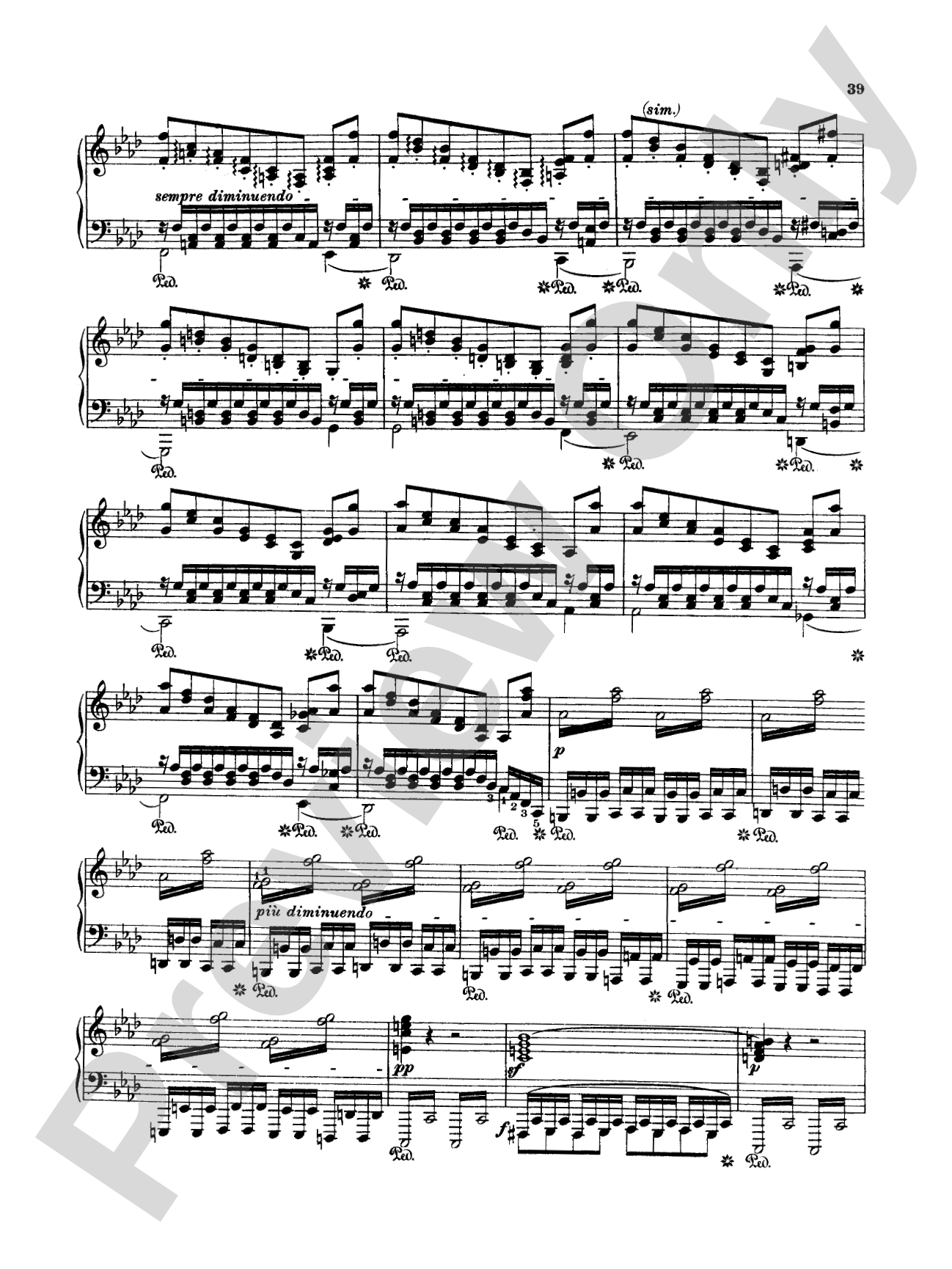
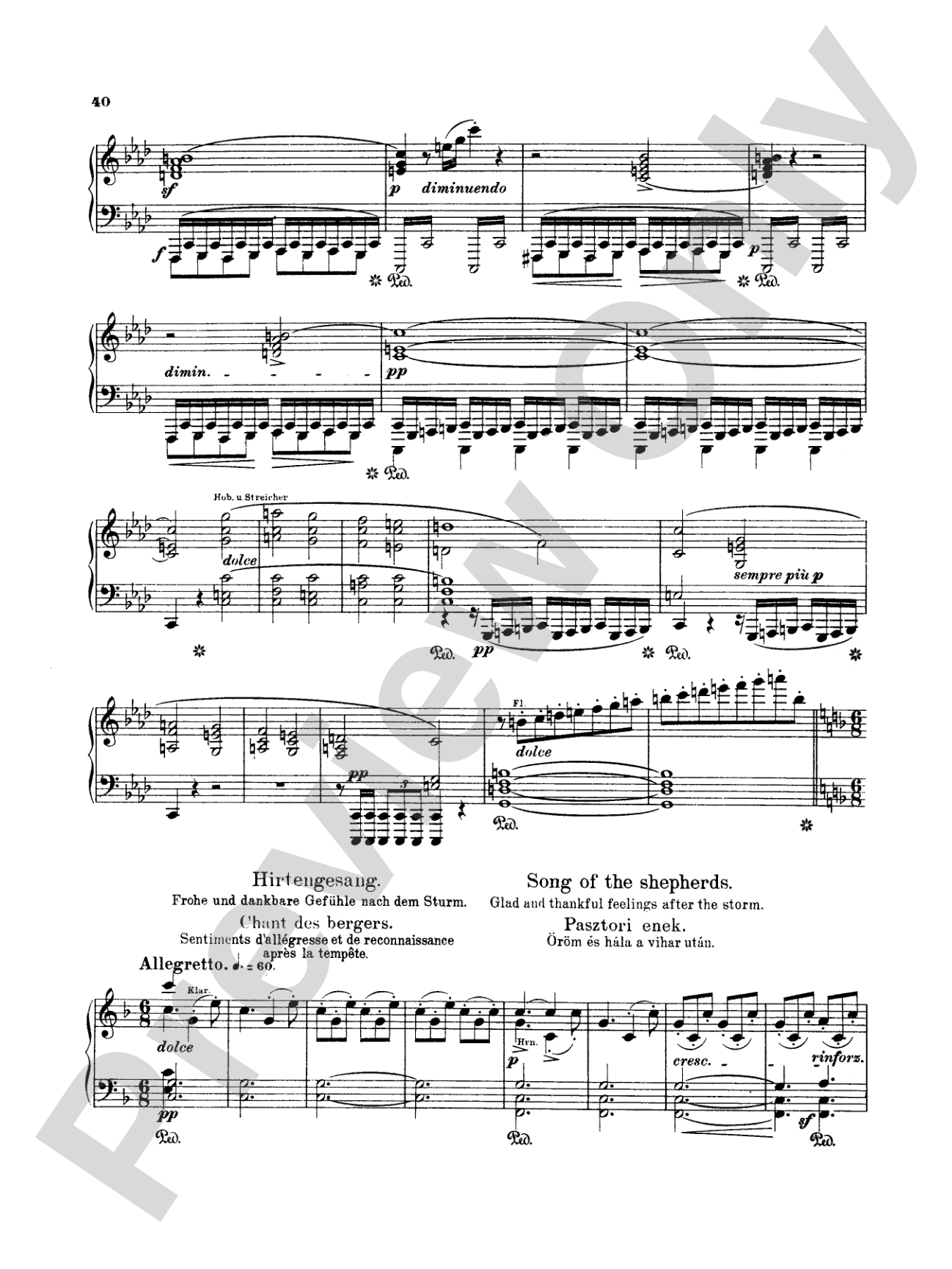
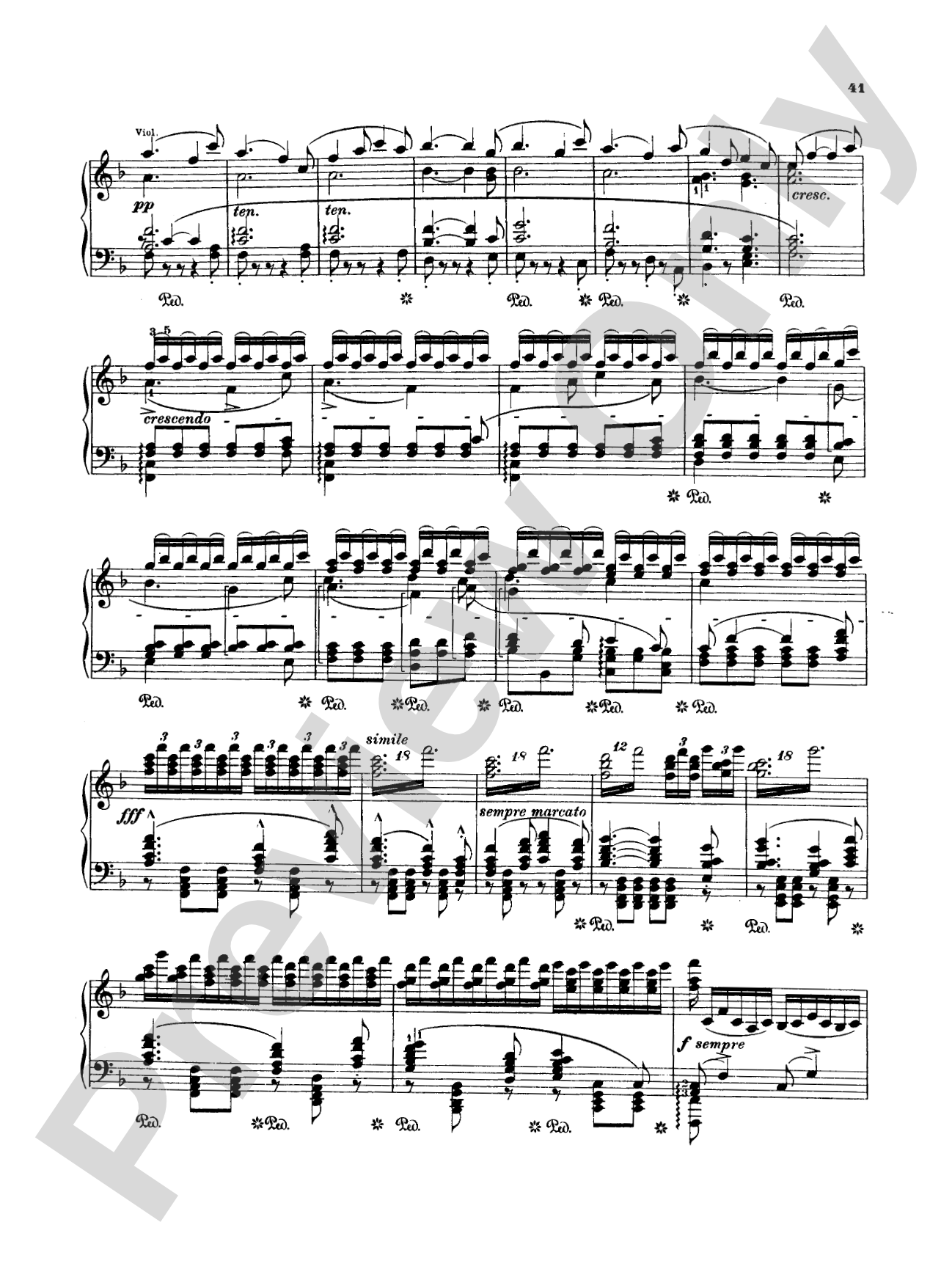
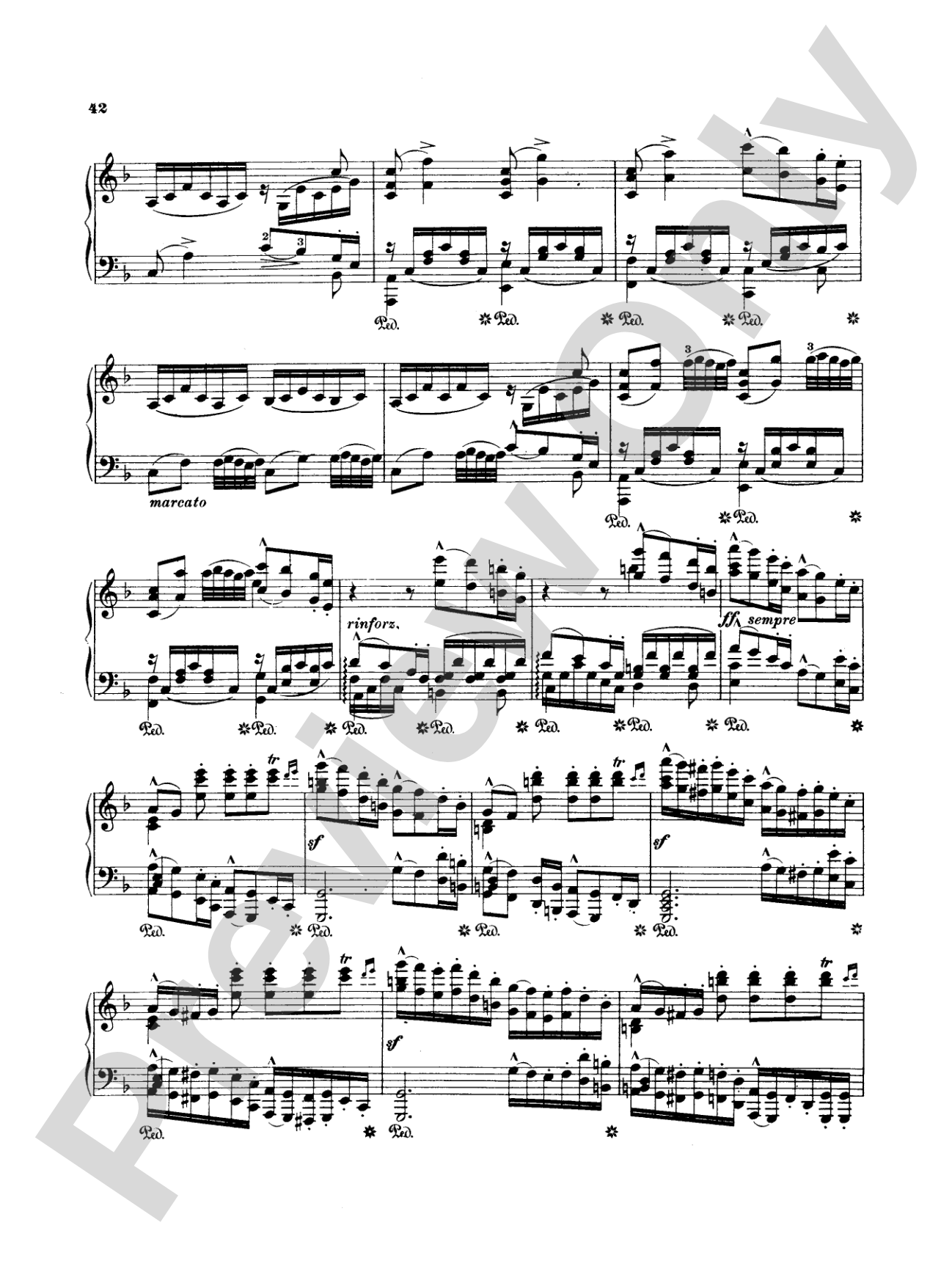
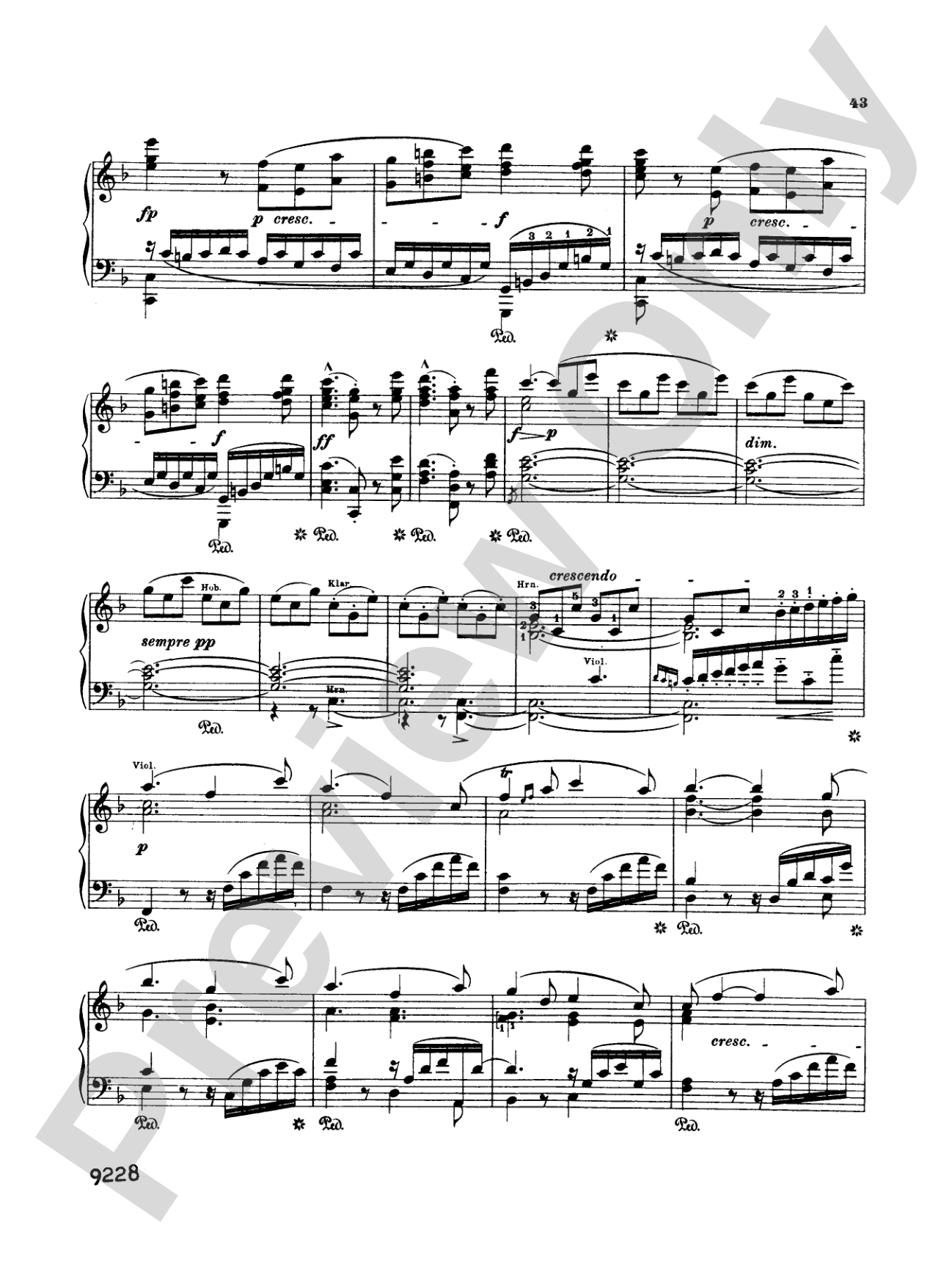
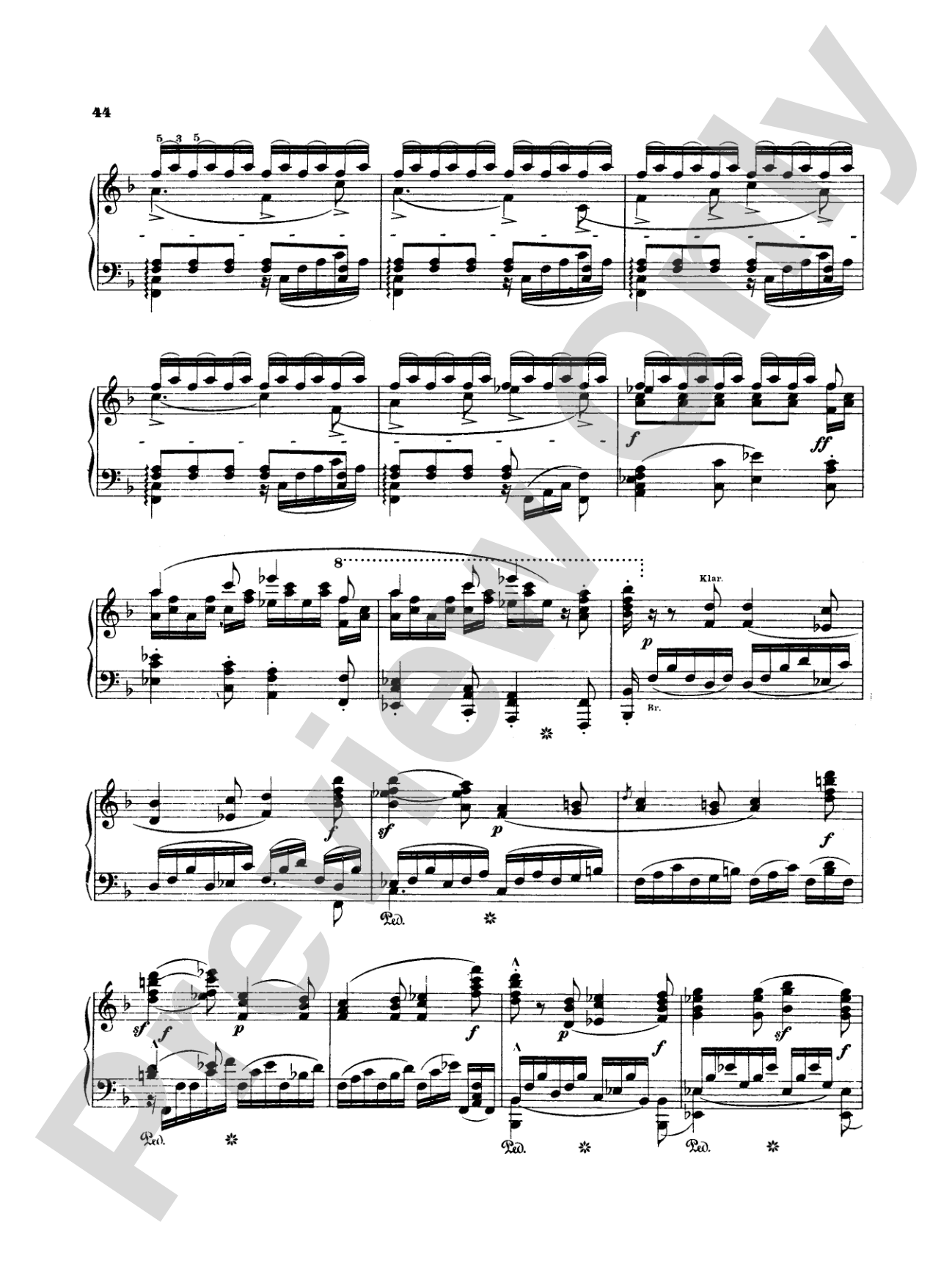
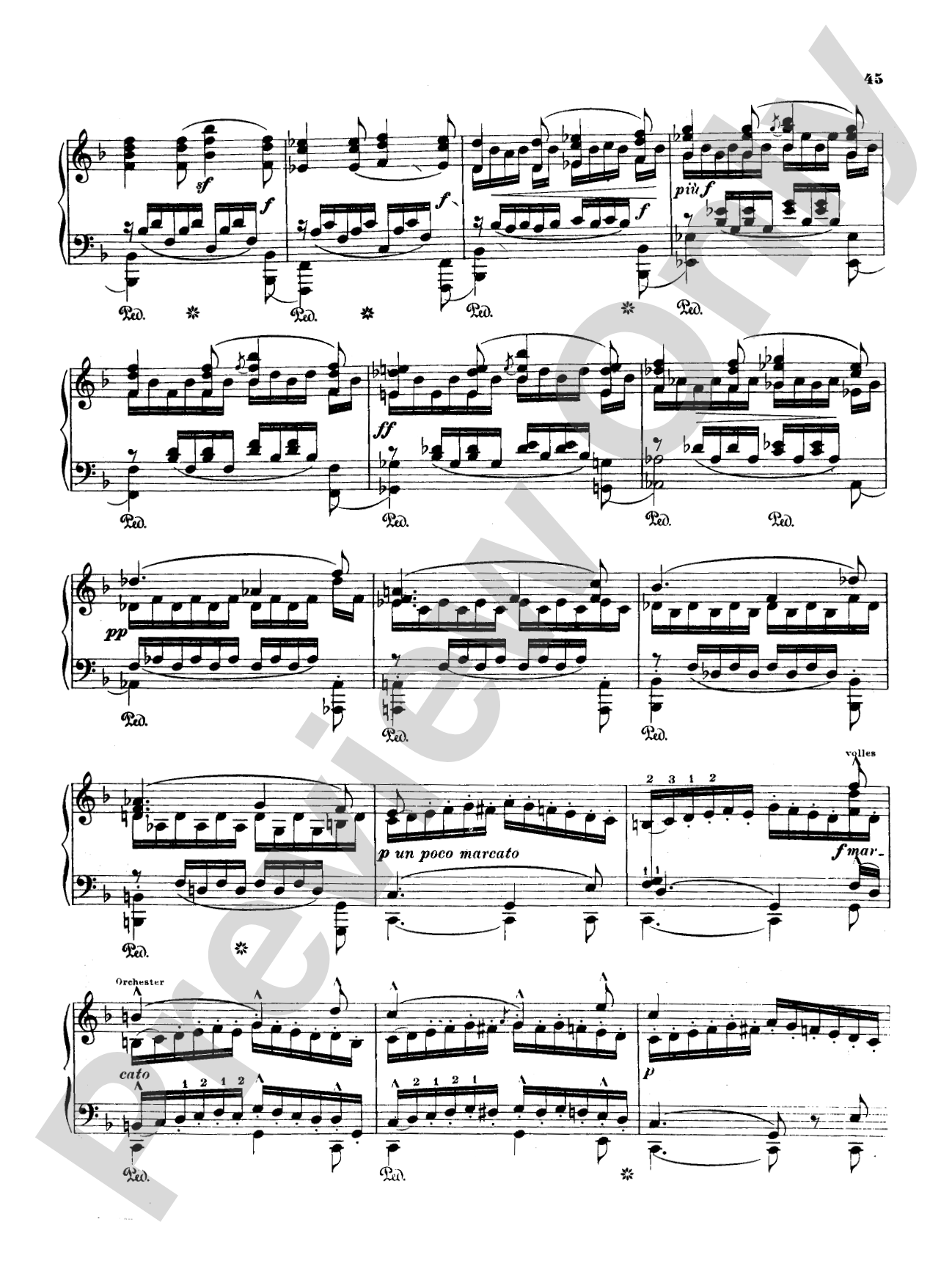
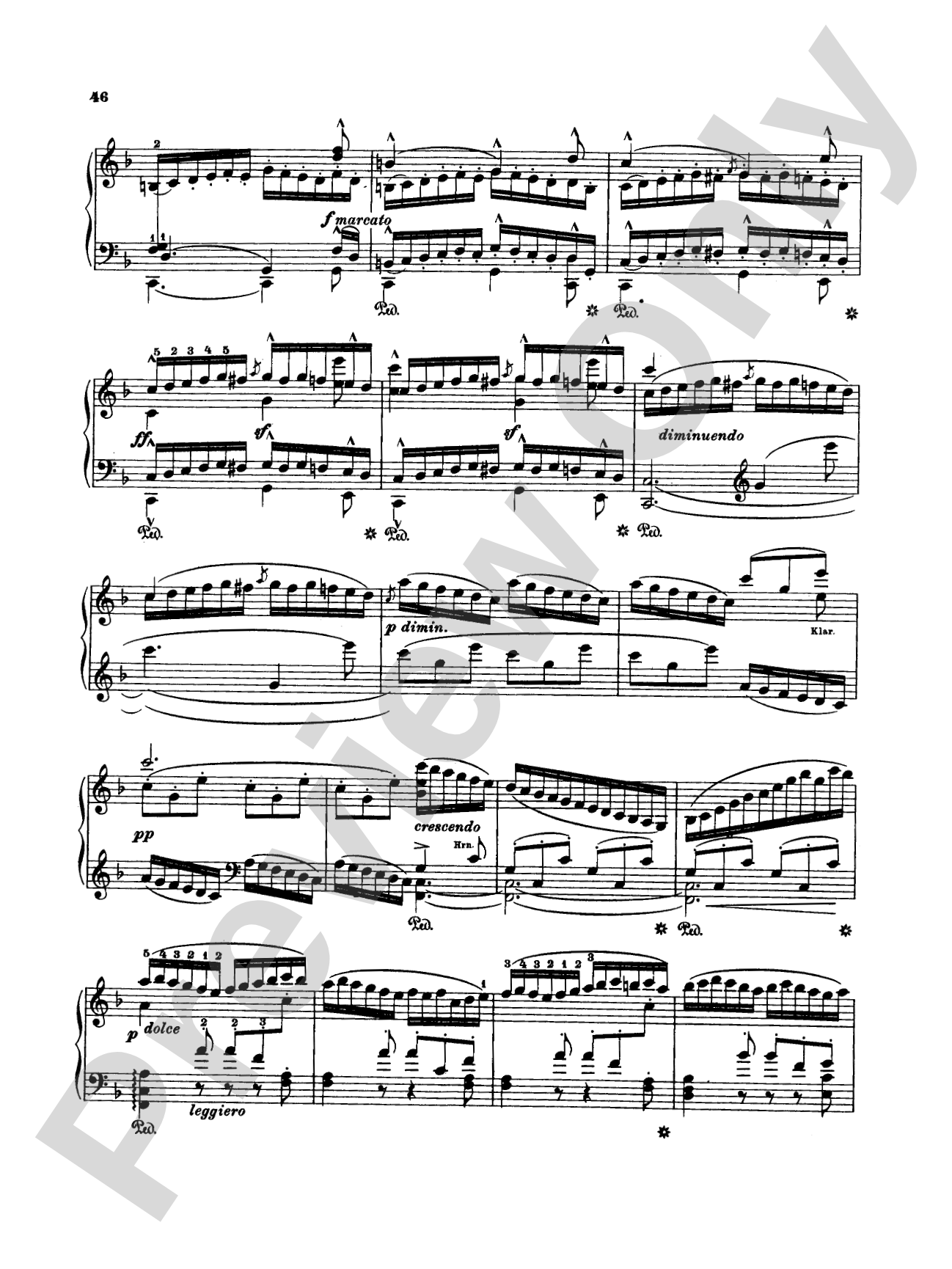
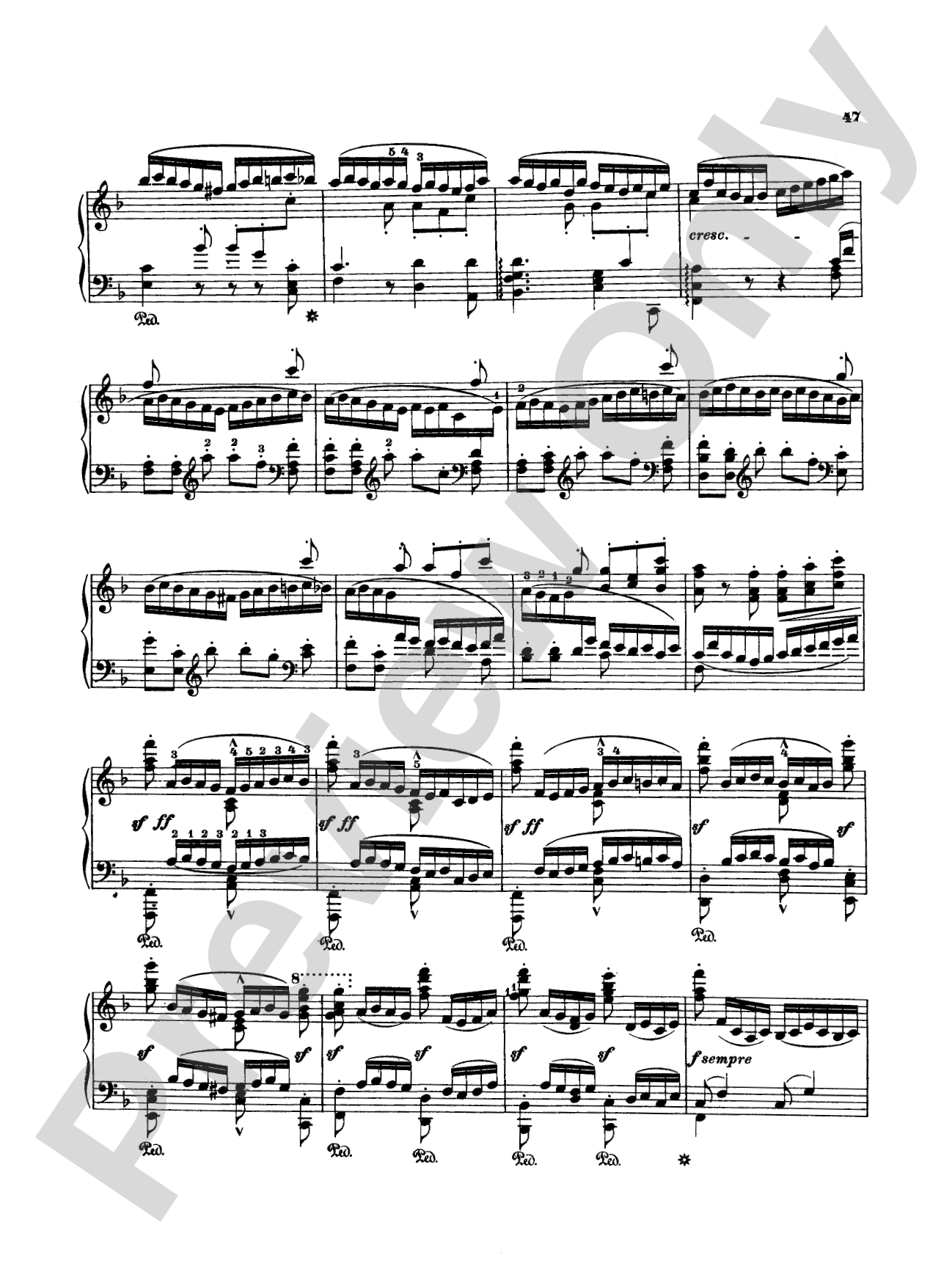
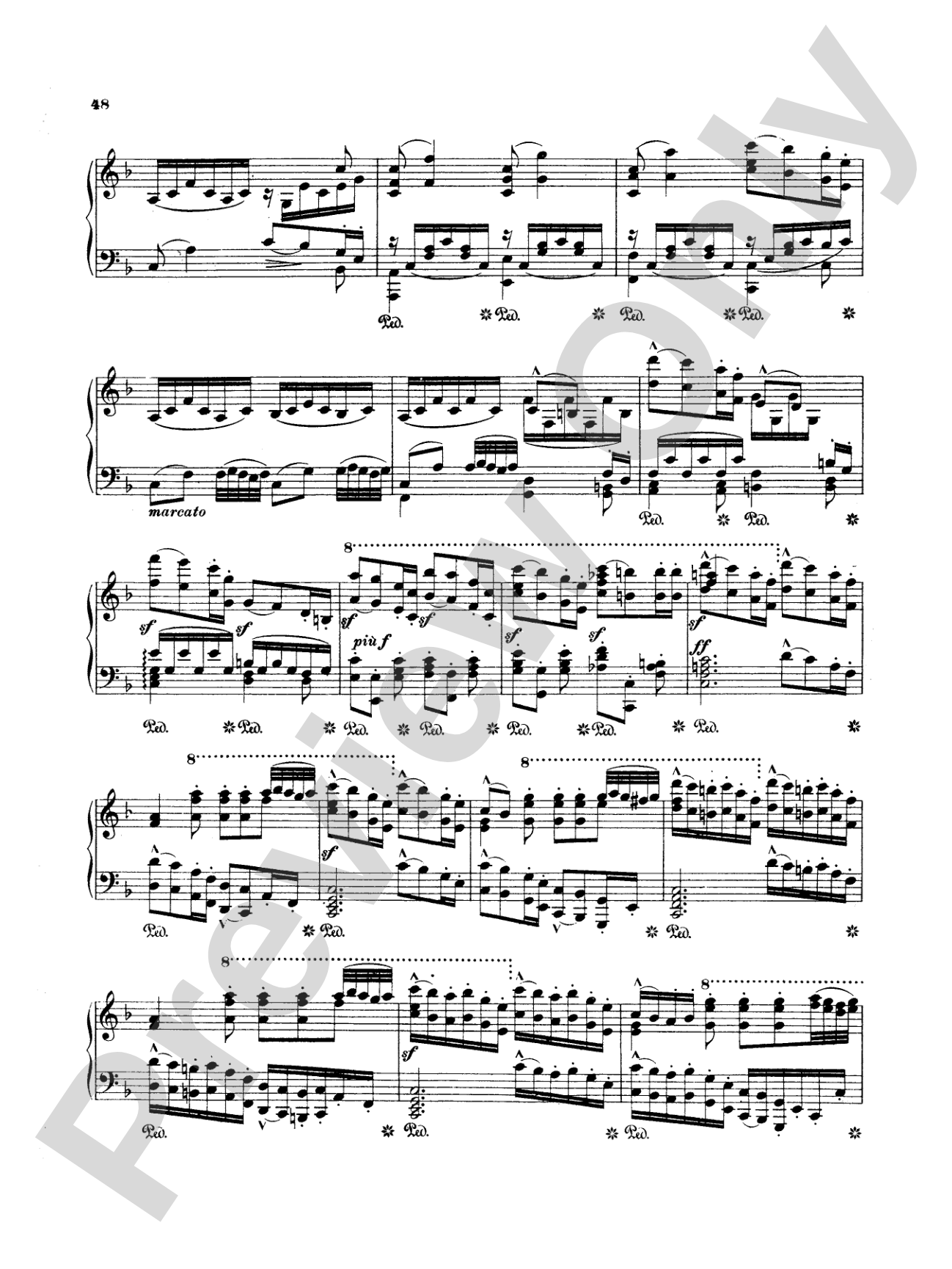
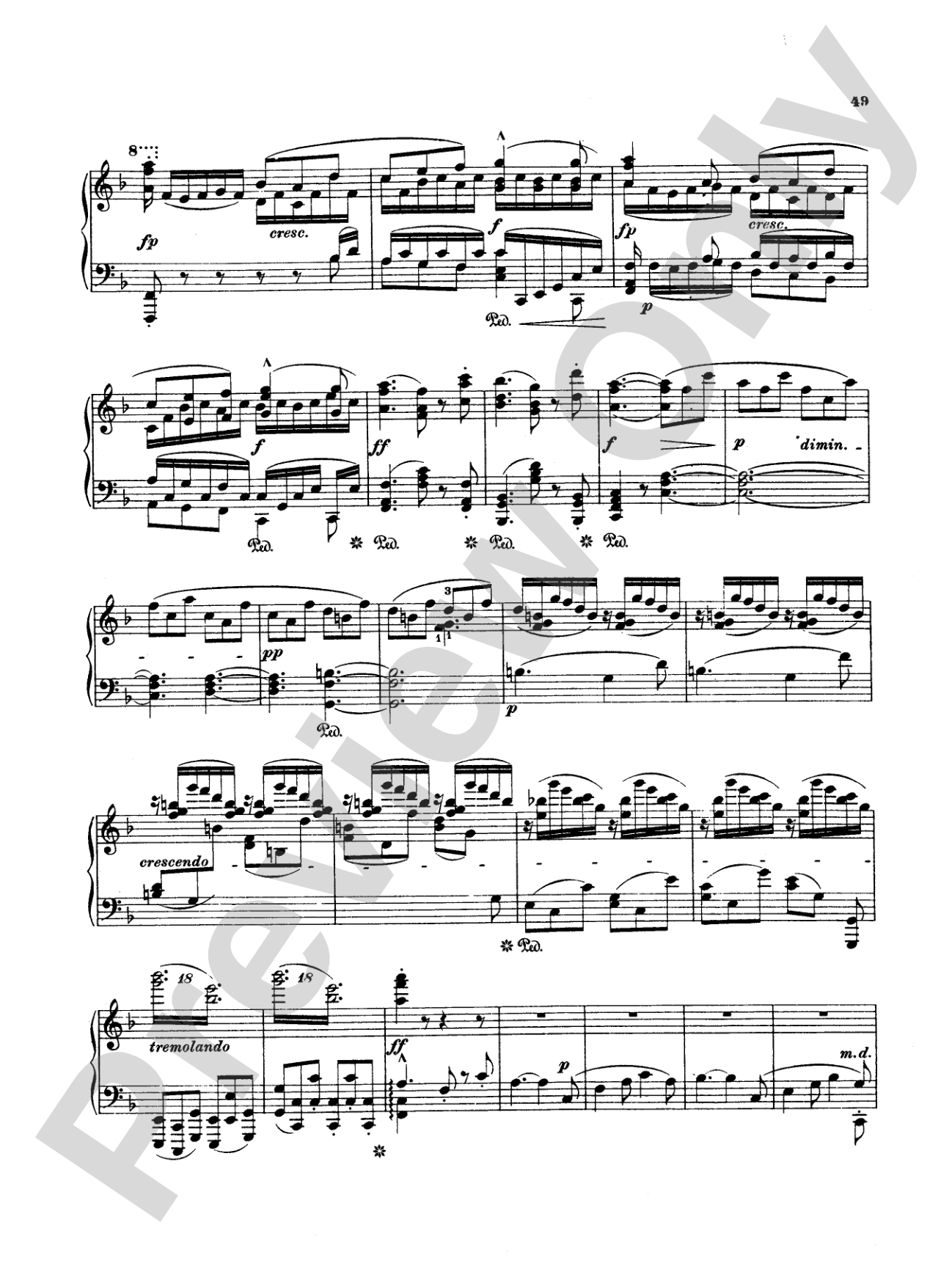
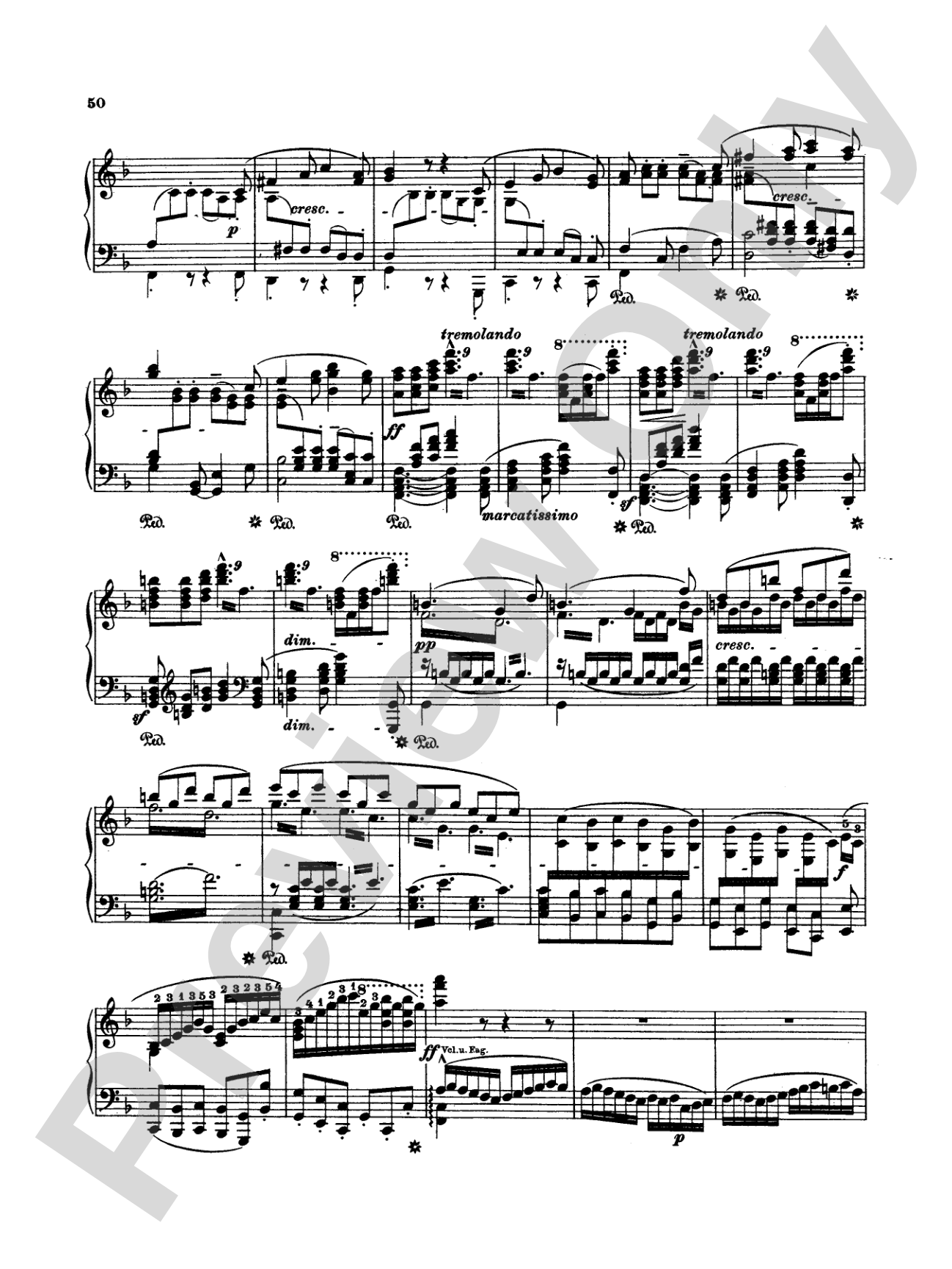
Volume II of Beethoven's Symphonies (Nos. 6-9) as transcribed for piano solo by Franz Liszt. 228 pages. Contents: No. 6, Opus 28 in F Major * No. 7, Opus 92 in A Major * No. 8, Opus 93 in F Major * No. 9, Opus 125 in D Minor.


Discover MakeMusic Cloud: thousands of interactive titles your students can play along with today.
Sample Audio
No sample audio found.
Sample Video
No sample videos found.
Additional Details
Series:
Kalmus Edition
Publisher:
Alfred Music
Page Count:
236
SKU:
00-PK-0003714
More about this title
About the Composer: Ludwig van Beethoven
Ludwig van Beethoven (1770-1827) fundamentally reshaped Western music by expanding the symphony from a vehicle for courtly entertainment into a form capable of expressing the full range of human emotion and philosophical conviction. His nine symphonies trace a spiritual and artistic journey, with the later works (particularly Symphonies 6-9) embracing larger orchestral forces, bolder harmonic language, and increasingly personal subject matter. The Ninth Symphony's choral finale stands as one of music's most consequential moments, forever linking instrumental music to the power of the human voice.
For pianists and teachers, Beethoven's symphonies represent the compositional summit of the Classical era and the bridge into Romanticism. These works demand not just technical mastery but interpretive depth, forcing the performer to grapple with structural complexity, dramatic pacing, and the challenge of translating orchestral color to the keyboard.
Why we love this
Liszt's transcriptions preserve the full intellectual and emotional architecture of Beethoven's symphonies while making them accessible to the solo pianist. These are not reductions or simplifications but rather brilliant keyboard interpretations that capture orchestral nuance through idiomatic piano writing. For advanced pianists preparing for recital or competition, this collection offers an unparalleled opportunity to engage with some of music's most consequential works on their own terms.
What to expect
These symphonies move through a landscape of profound emotional territory. The Pastoral Symphony unfolds with pastoral serenity before a violent storm; the Seventh pulses with relentless rhythmic energy and almost physical exuberance. The Eighth scales back to concentrated lyricism and humor, while the Ninth builds inexorably toward transcendence, culminating in an affirmation that resonates beyond music itself.
Who it's for
Advanced pianists seeking substantial recital repertoire that engages with canonical works at the highest level. This collection also serves pianists preparing for competitions, graduate auditions, or concert series seeking to demonstrate both technical command and musical maturity. Teachers of advanced students use these transcriptions to build interpretive skills while addressing the challenge of finding solo keyboard works of comparable depth.
How to get the most out of it
- Study the original orchestral scores when possible. Knowing which instruments carry the primary material helps clarify voice leading and prevents Liszt's pianistic figuration from obscuring Beethoven's fundamental themes.
- Approach dynamic shaping at a structural level rather than moment to moment. Beethoven's formal architecture (especially in the expansive first movements) requires long-range planning of tempo and volume to prevent the work from feeling episodic.
- Use the pedal strategically to blend harmonic shifts and sustained tones, but lift it decisively in passages where rhythmic clarity matters. Liszt's textures are often dense, and clarity of articulation separates effective performances from murky ones.
- Allow significant breathing room in slow movements. The Pastoral Symphony's unhurried pacing and the Ninth's Adagio demand patience and control; rushing either passage undermines their meditative power.
How to use it
These transcriptions work best as standalone recital statements rather than program fillers. A performance of one complete symphony commands an entire concert's worth of attention; the Ninth especially requires its own platform. Advanced students might program a single symphony movement as a capstone recital piece, or teachers might assign selected movements as repertoire milestones within a multi-year curriculum.
Skills your students will build
- Managing large-scale formal structures (sonata, rondo, theme and variations) across extended timeframes
- Translating orchestral color and texture to idiomatic piano writing
- Balancing technical figurations with underlying thematic content
- Reading and executing complex rhythmic and harmonic language across a wide keyboard range
- Interpreting dynamic and tempo markings that serve Beethoven's dramatic intent rather than literal instruction