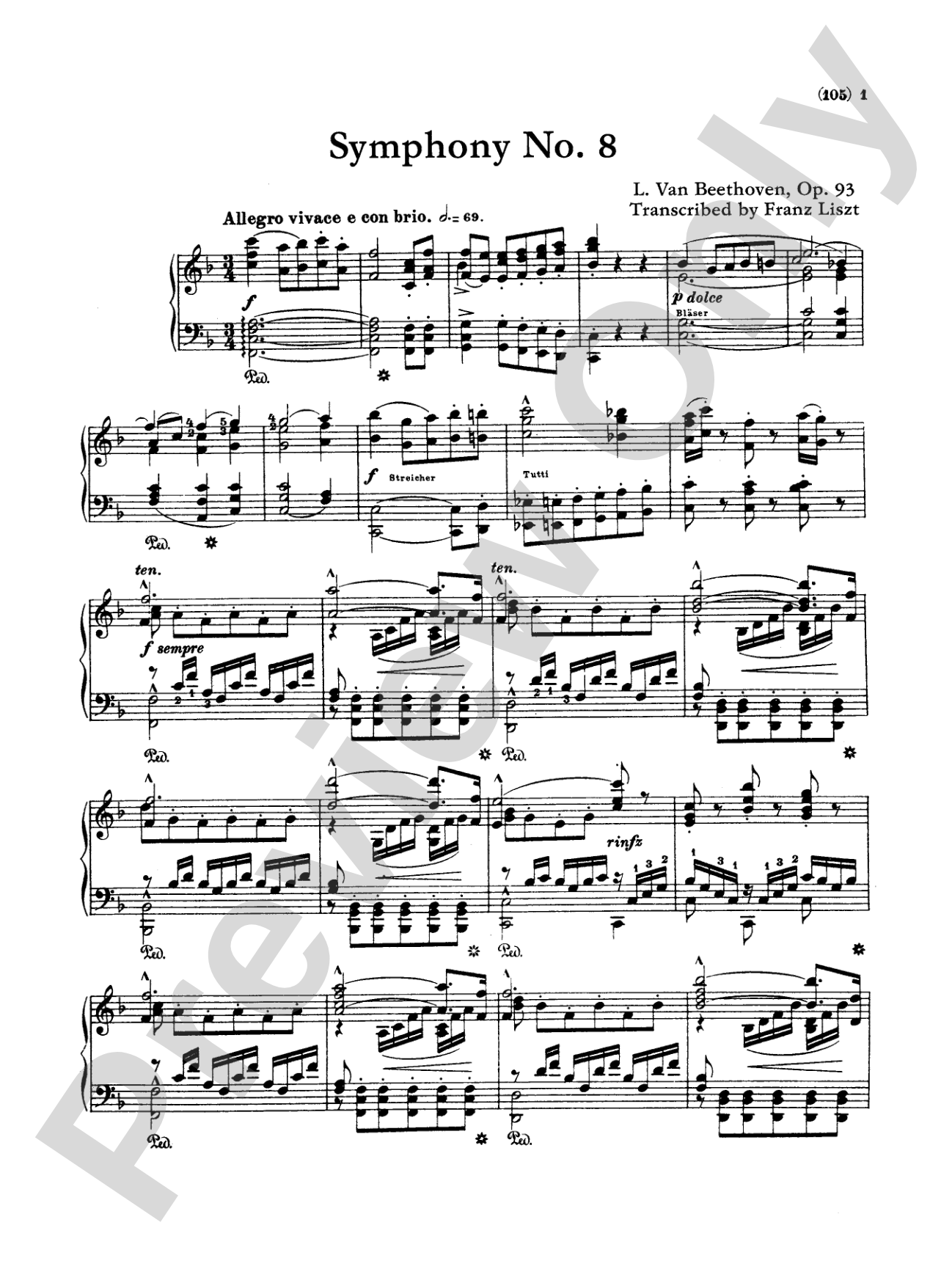
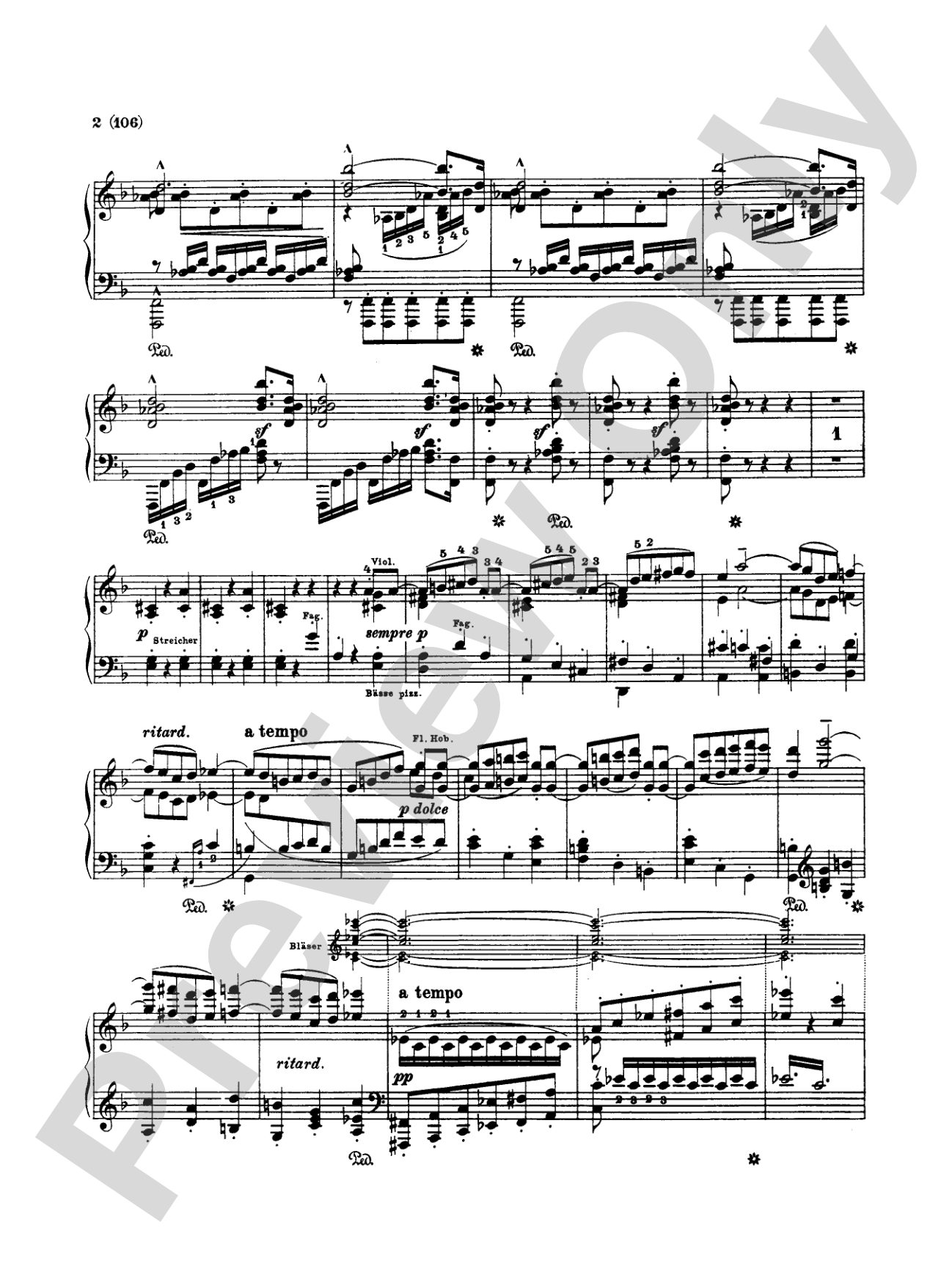
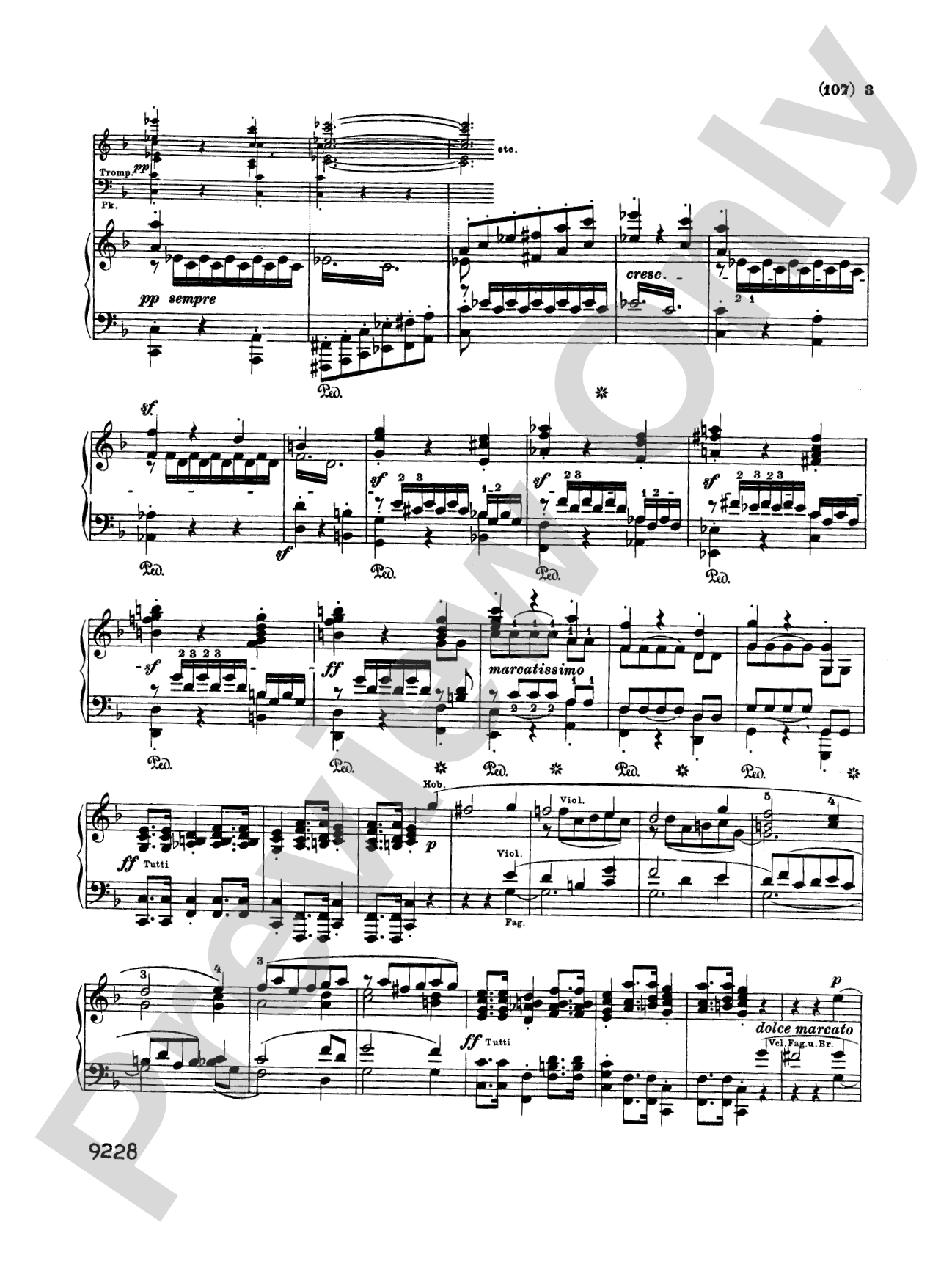
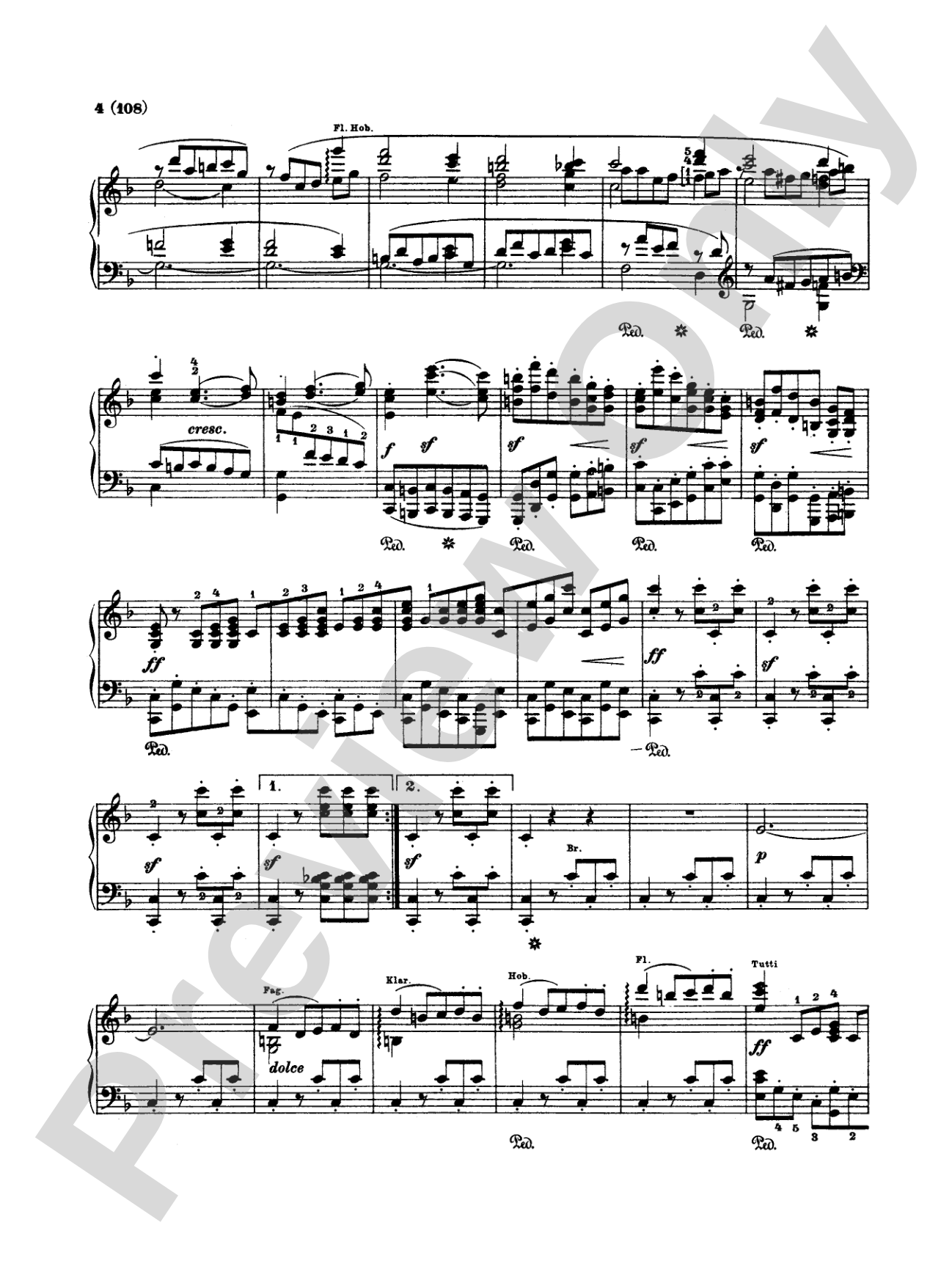
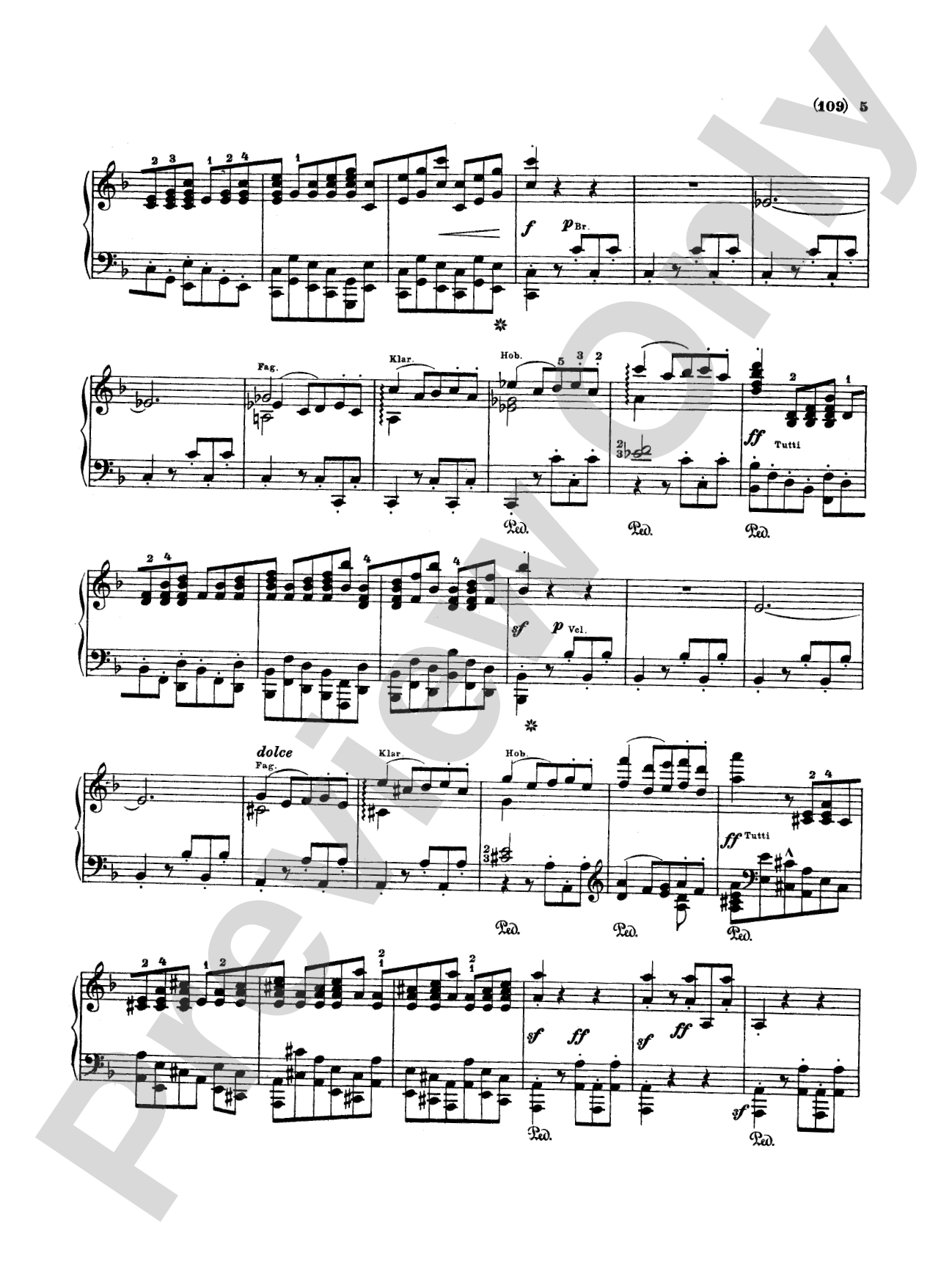
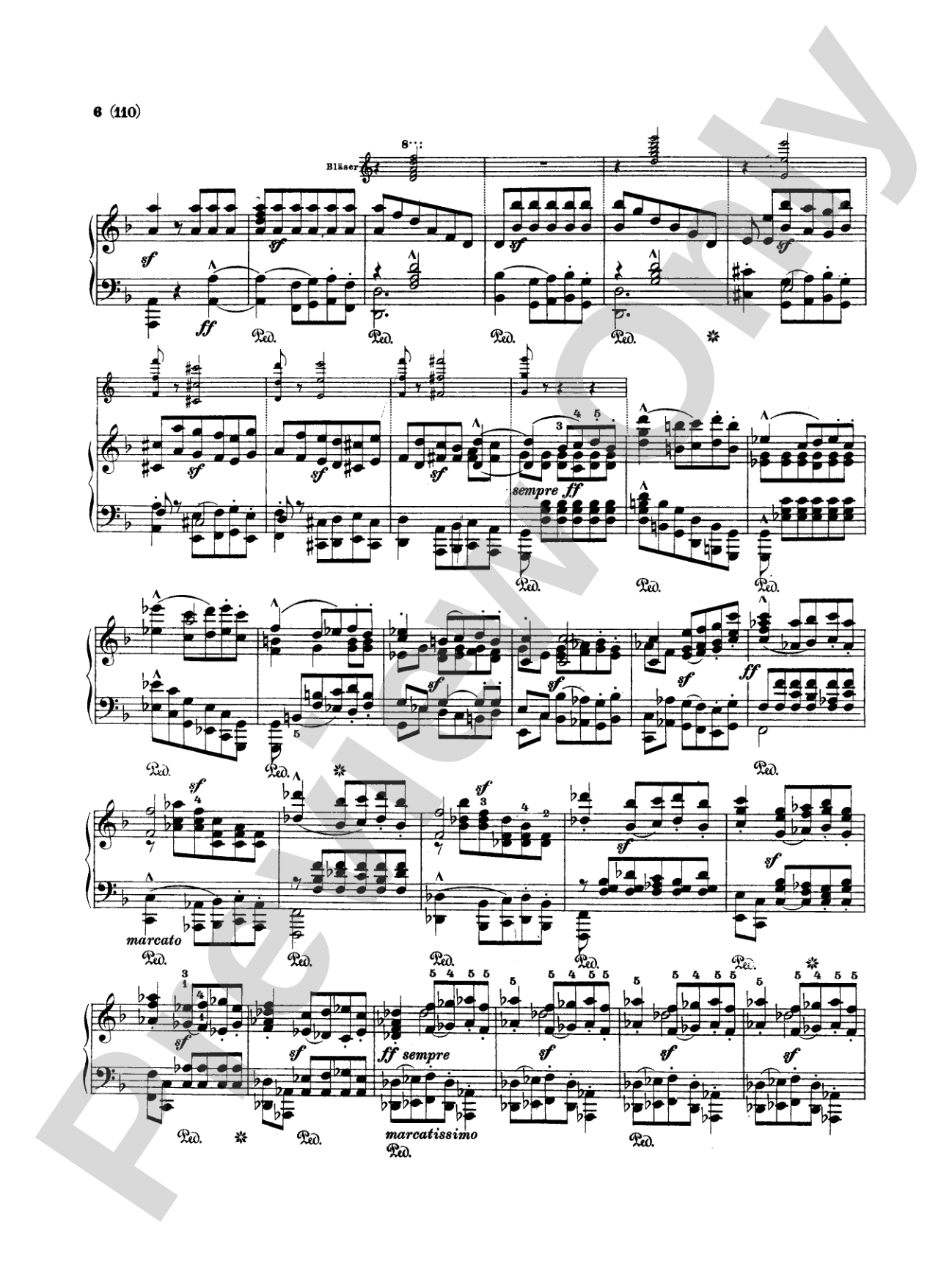
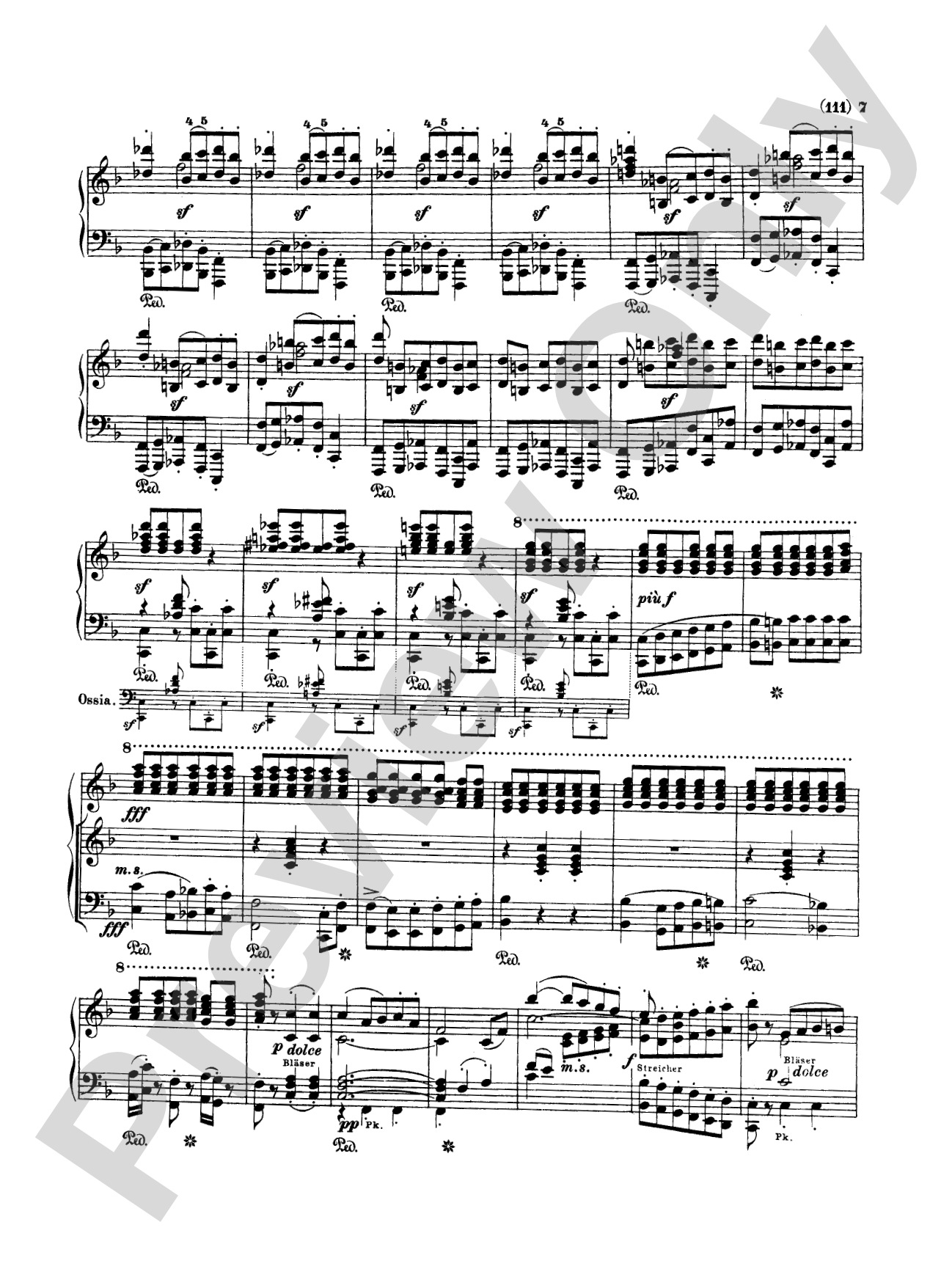
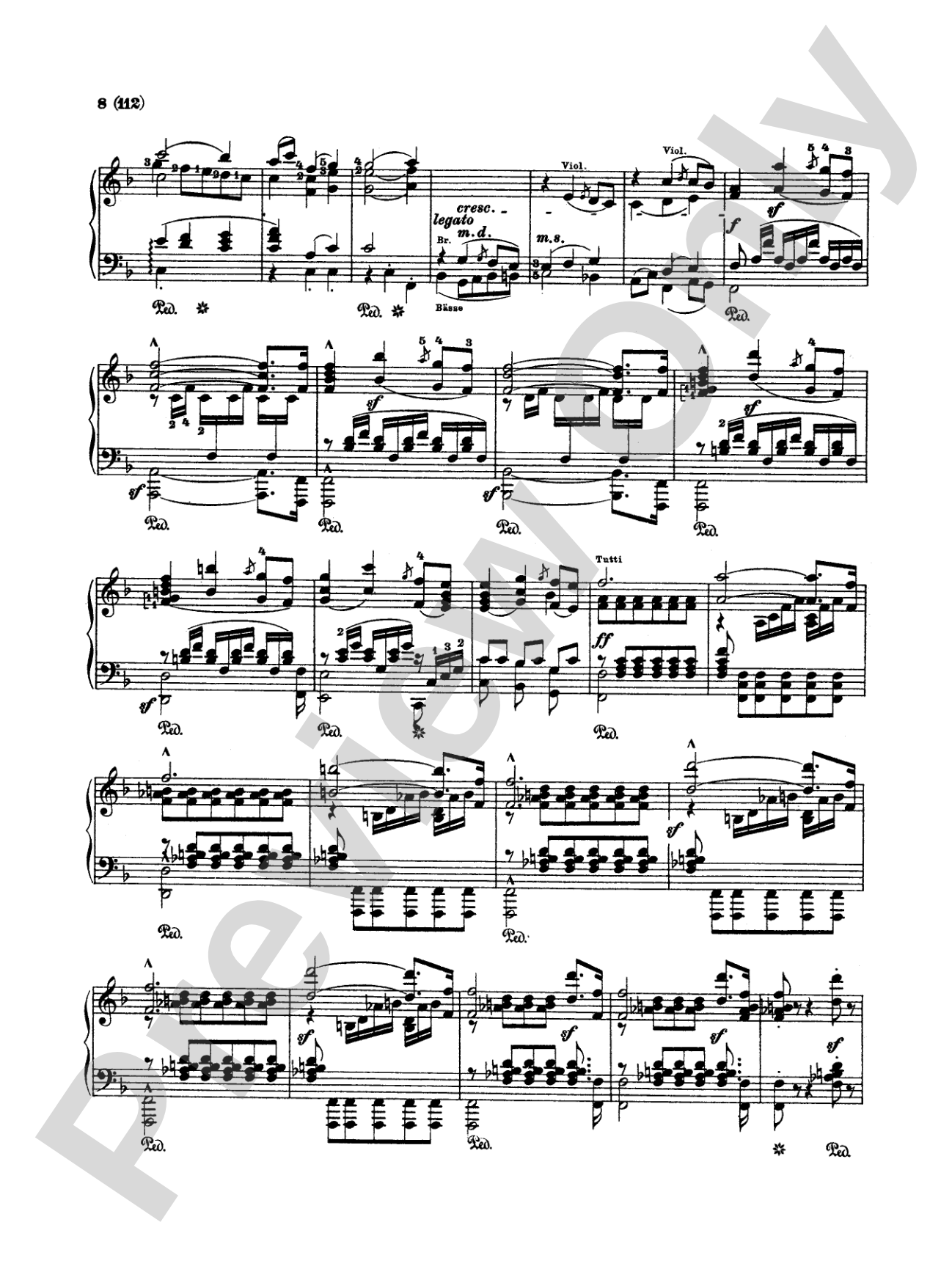
Ludwig van Beethoven (1770-1827) fundamentally reshaped Western music by expanding the symphony from a vehicle for courtly entertainment into a form capable of expressing the full range of human emotion and philosophical conviction. His nine symphonies trace a spiritual and artistic journey, with the later works (particularly Symphonies 6-9) embracing larger orchestral forces, bolder harmonic language, and increasingly personal subject matter. The Ninth Symphony's choral finale stands as one of music's most consequential moments, forever linking instrumental music to the power of the human voice.
For pianists and teachers, Beethoven's symphonies represent the compositional summit of the Classical era and the bridge into Romanticism. These works demand not just technical mastery but interpretive depth, forcing the performer to grapple with structural complexity, dramatic pacing, and the challenge of translating orchestral color to the keyboard.