
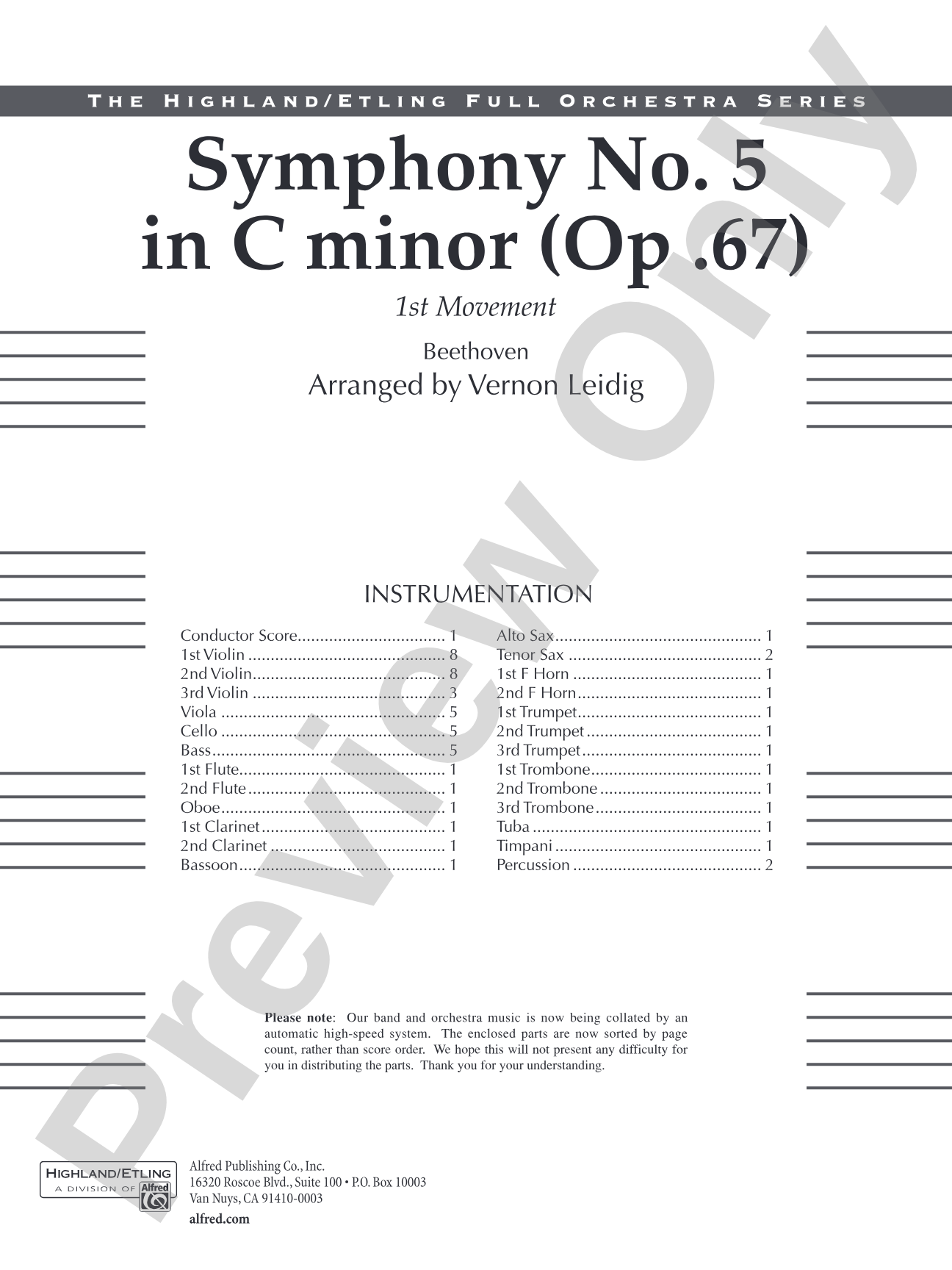
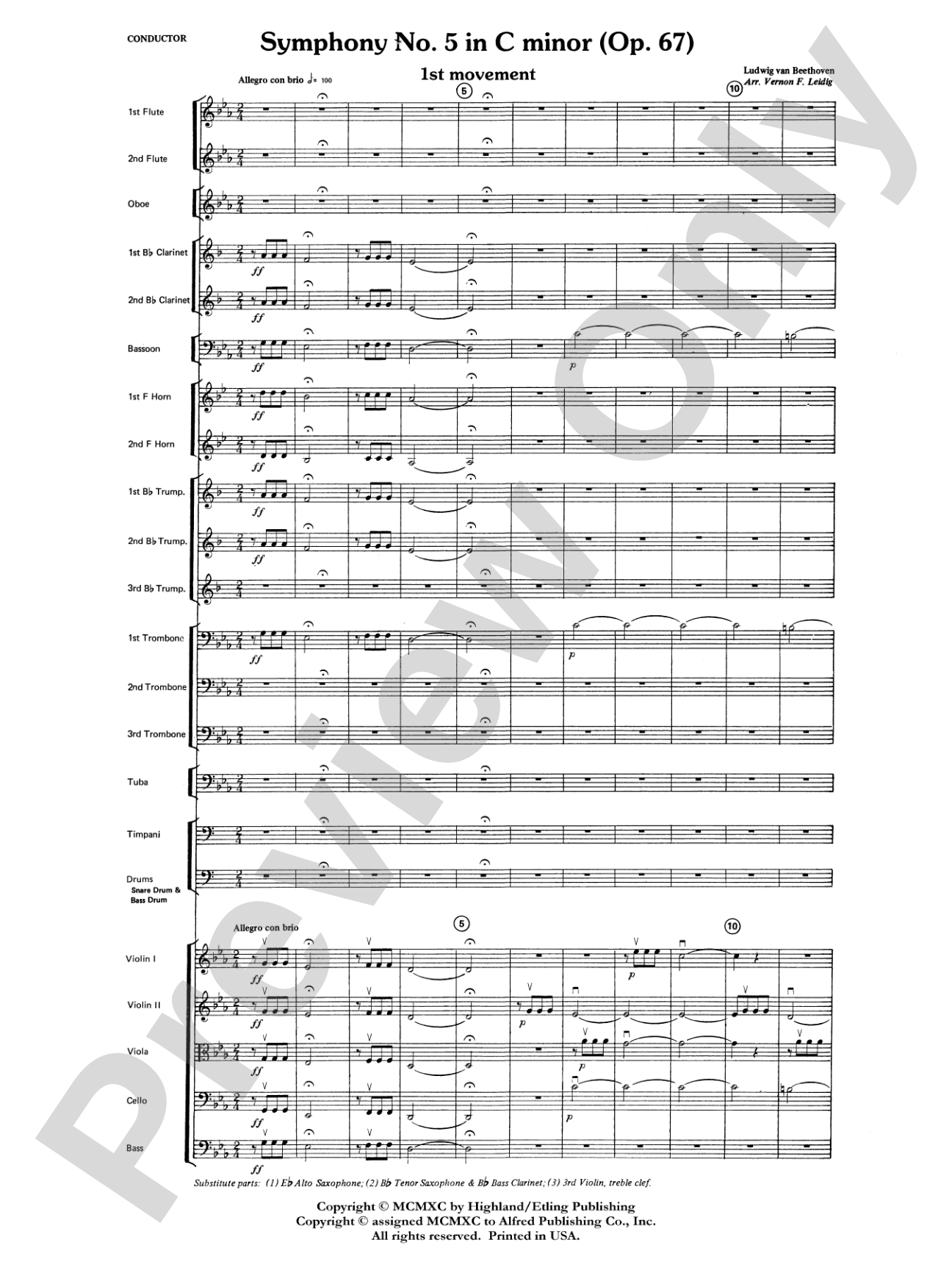
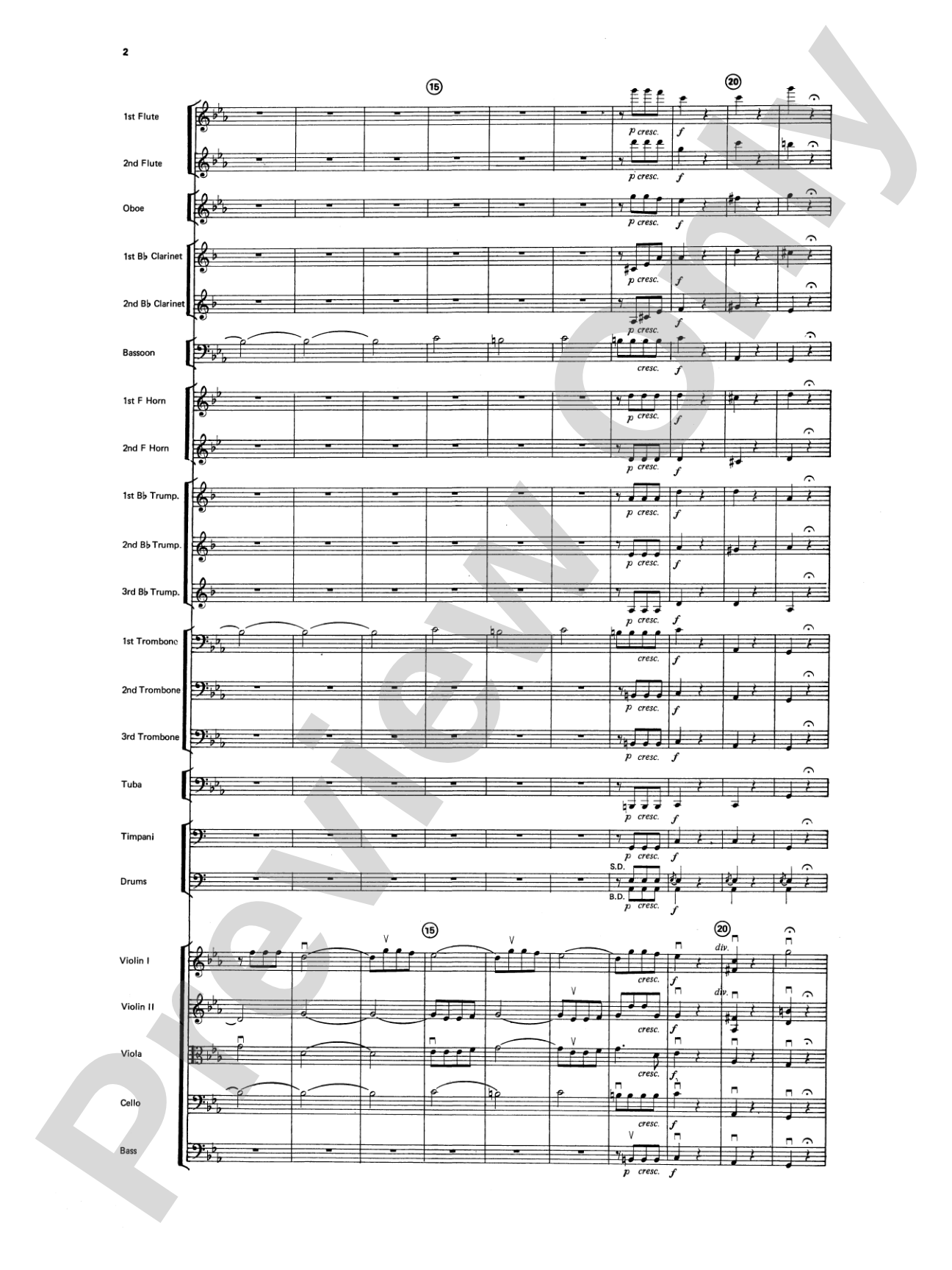
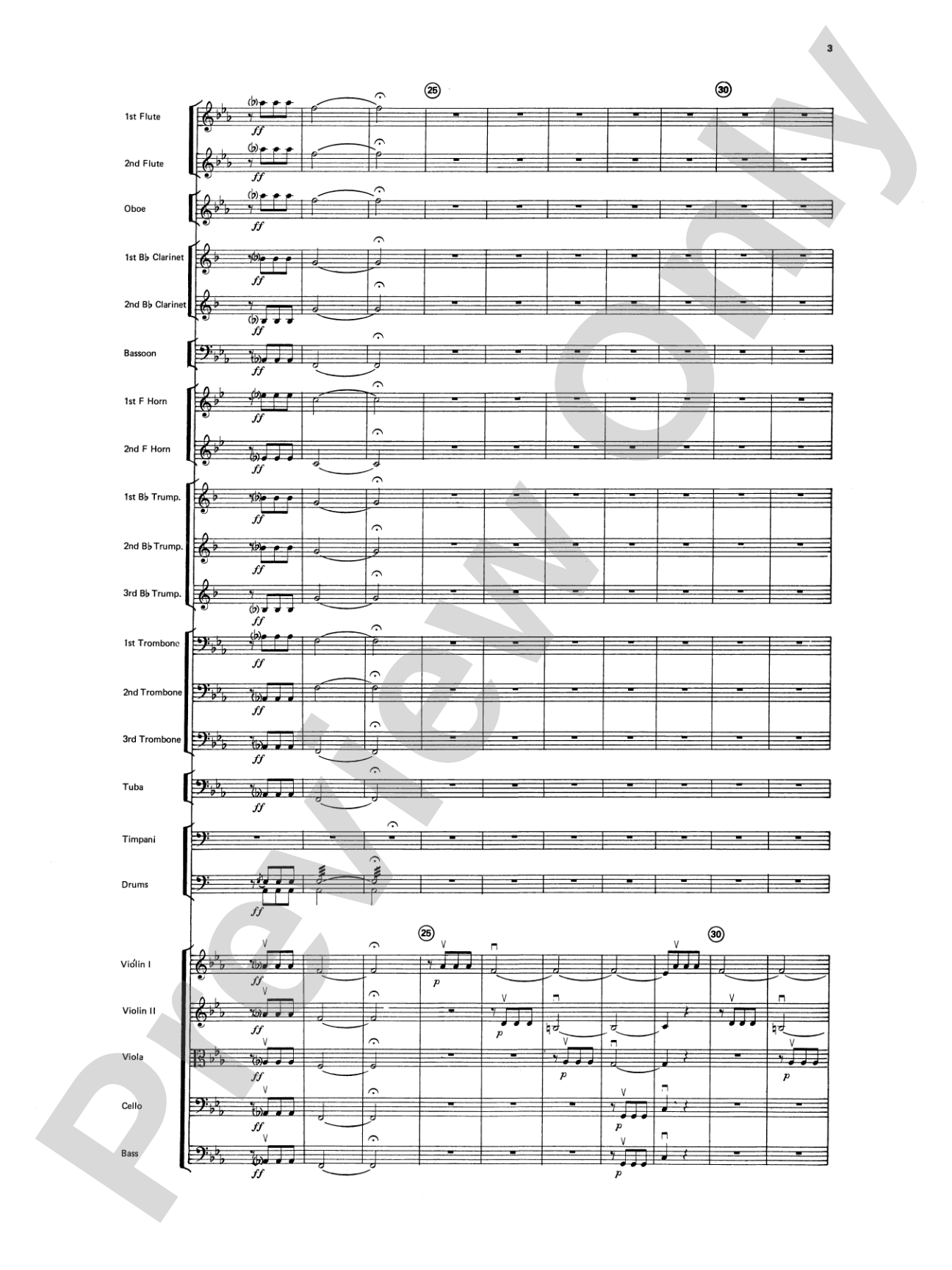
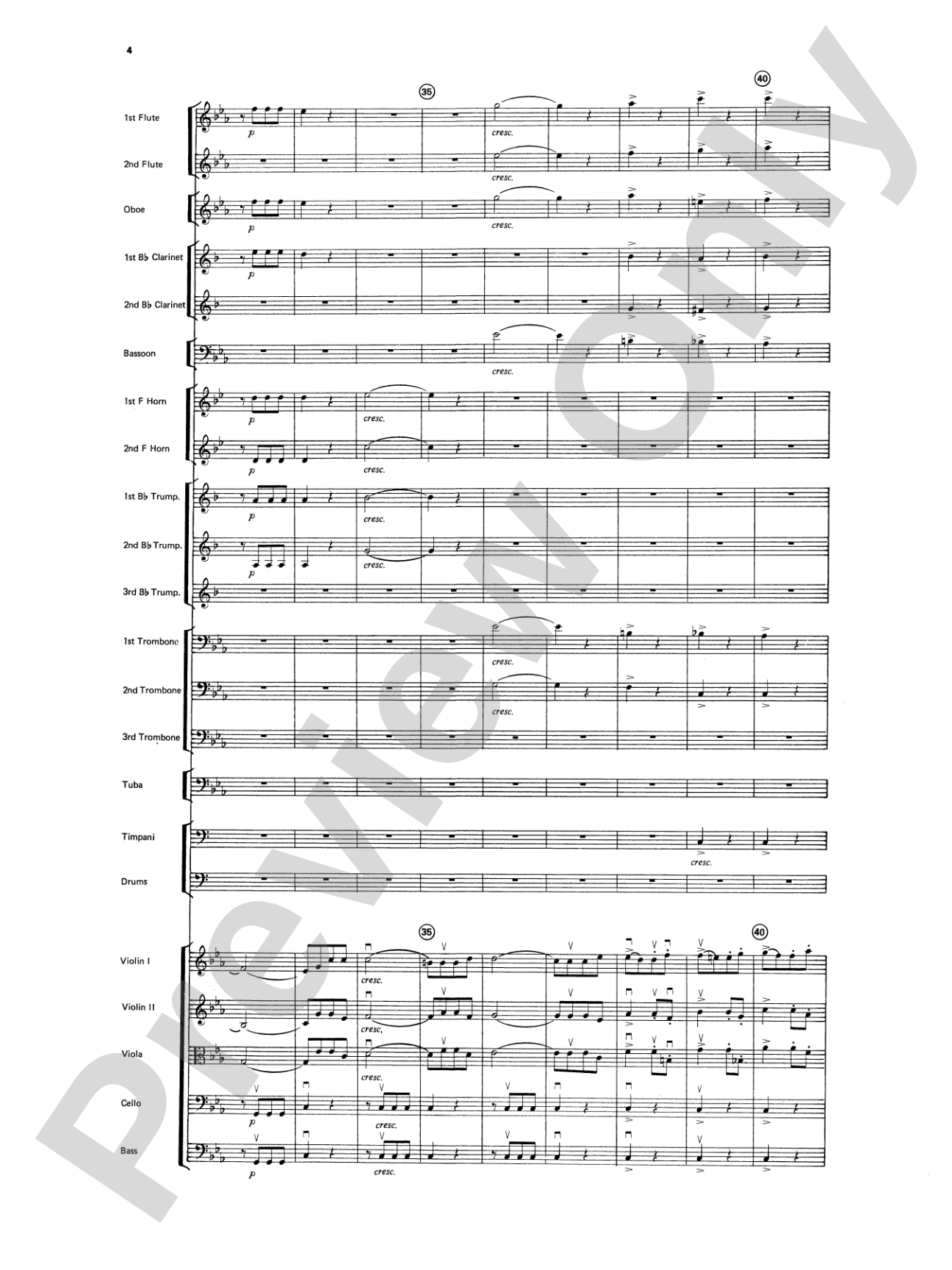
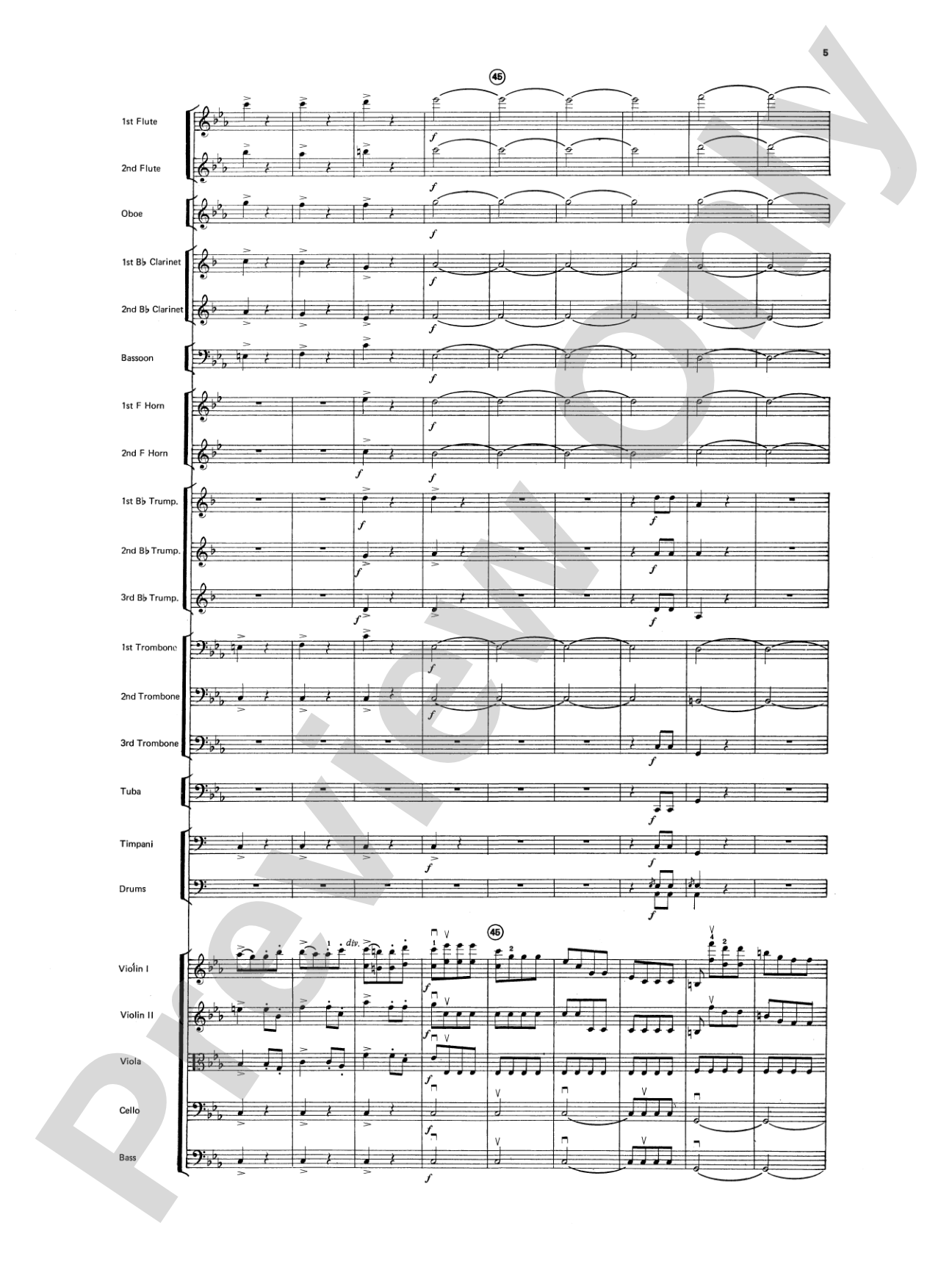
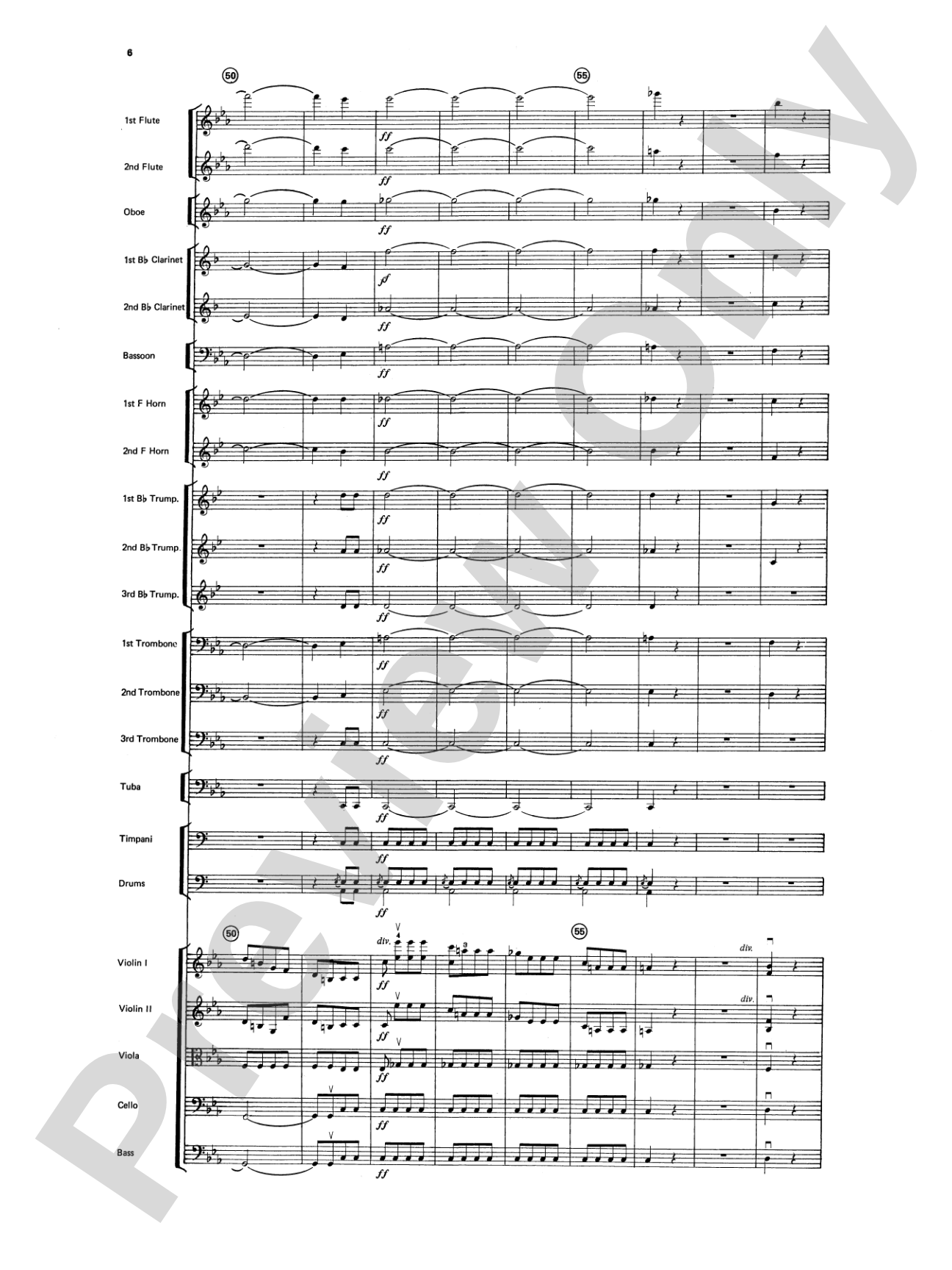
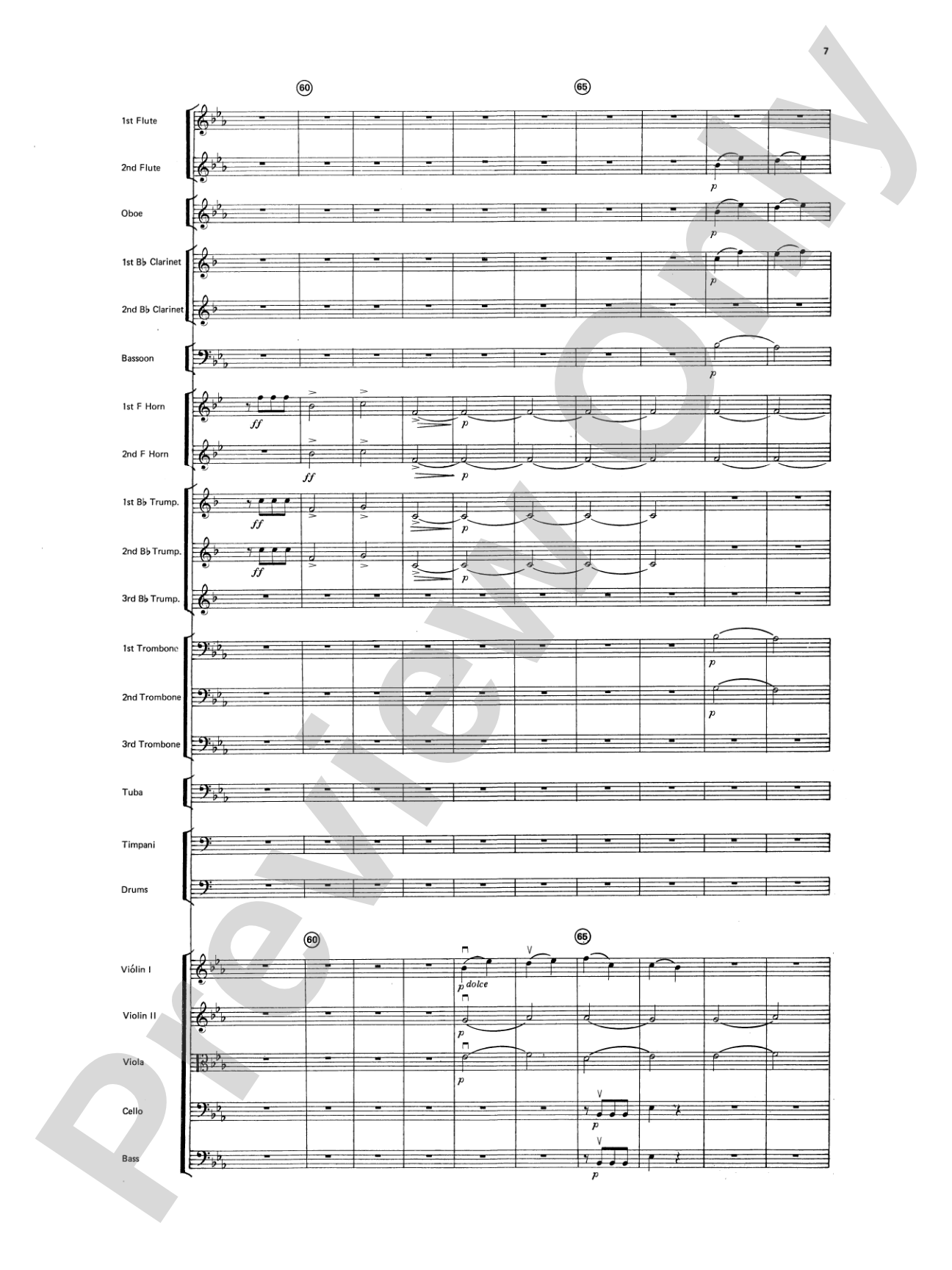
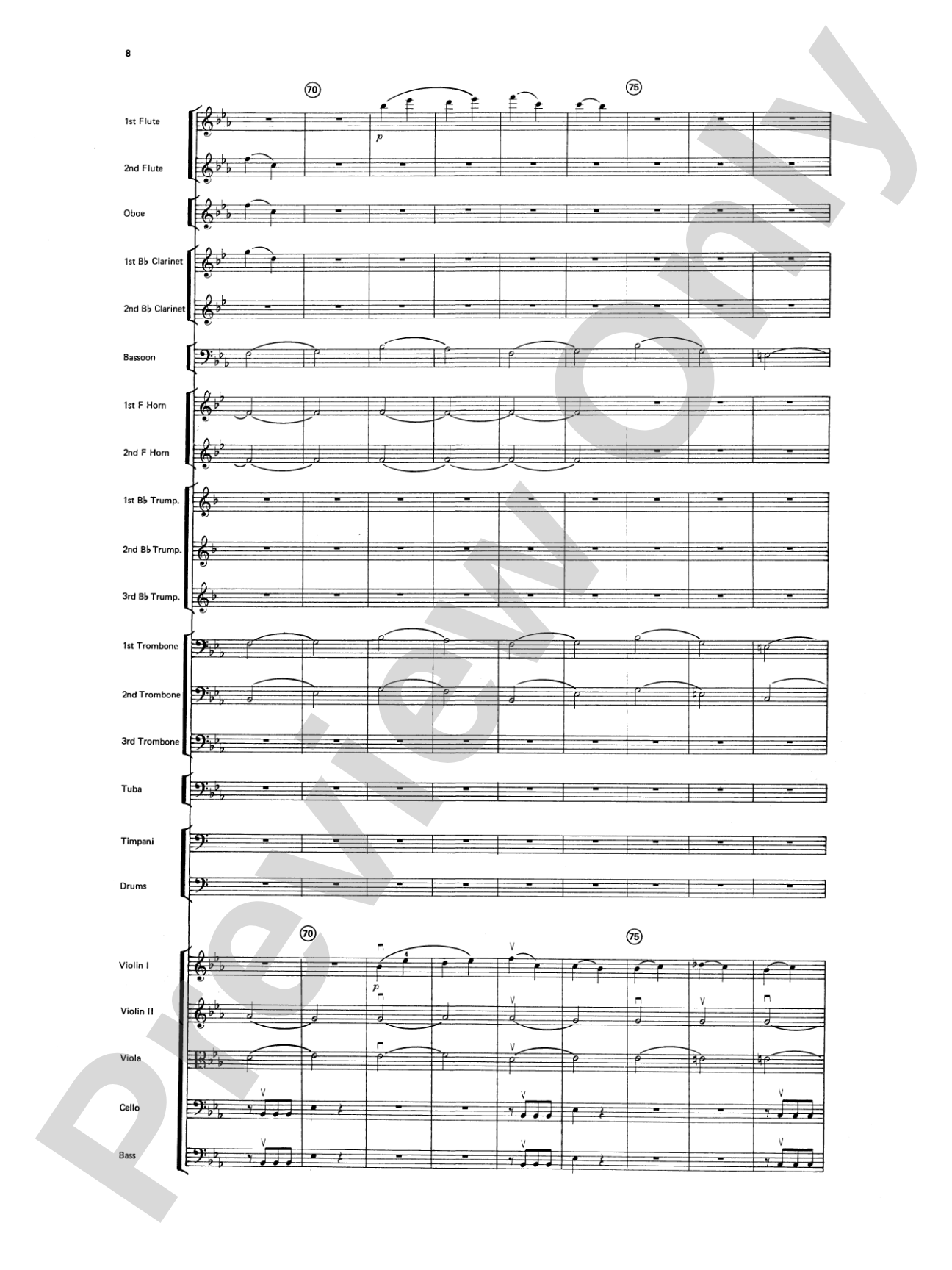
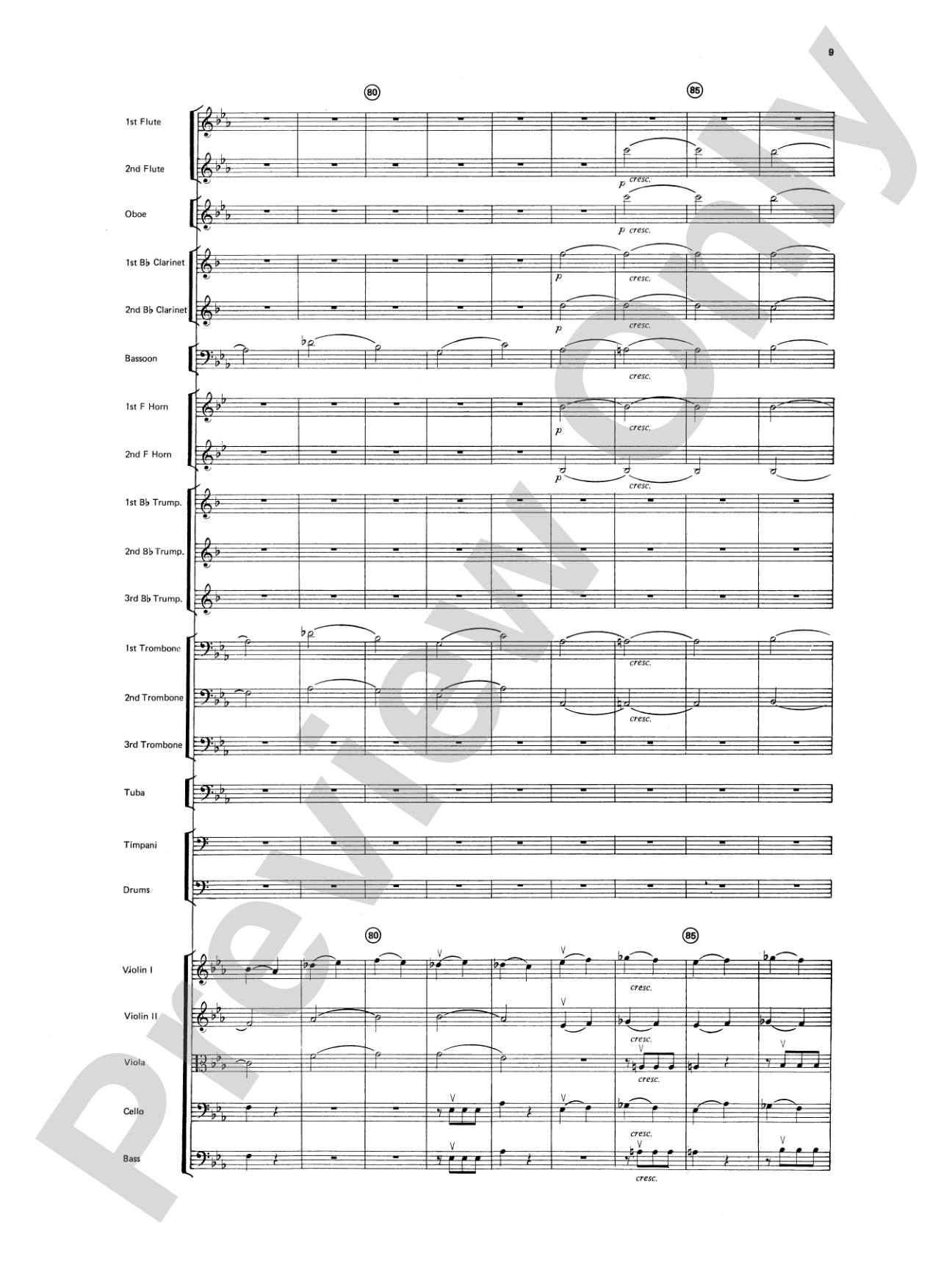
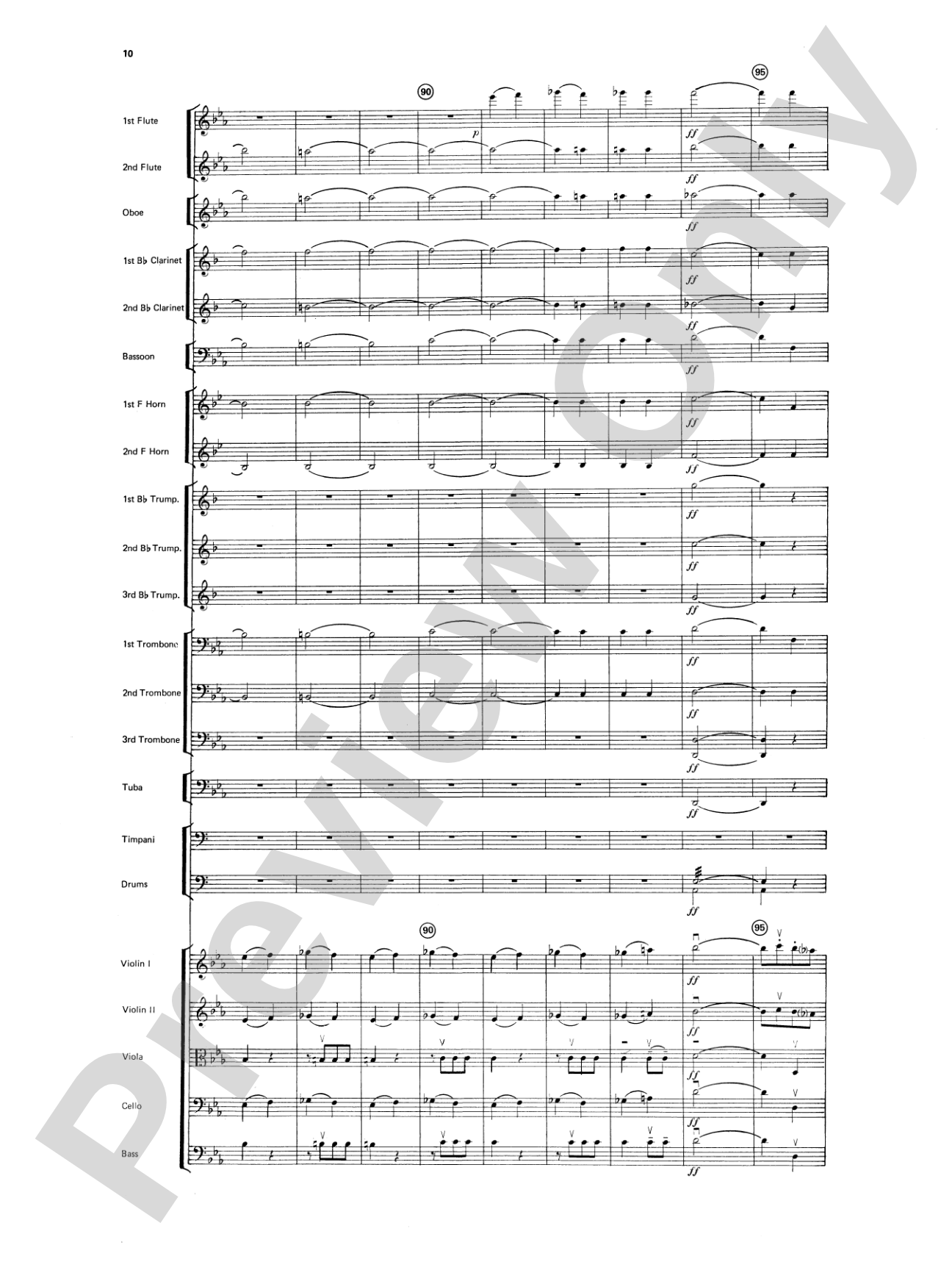
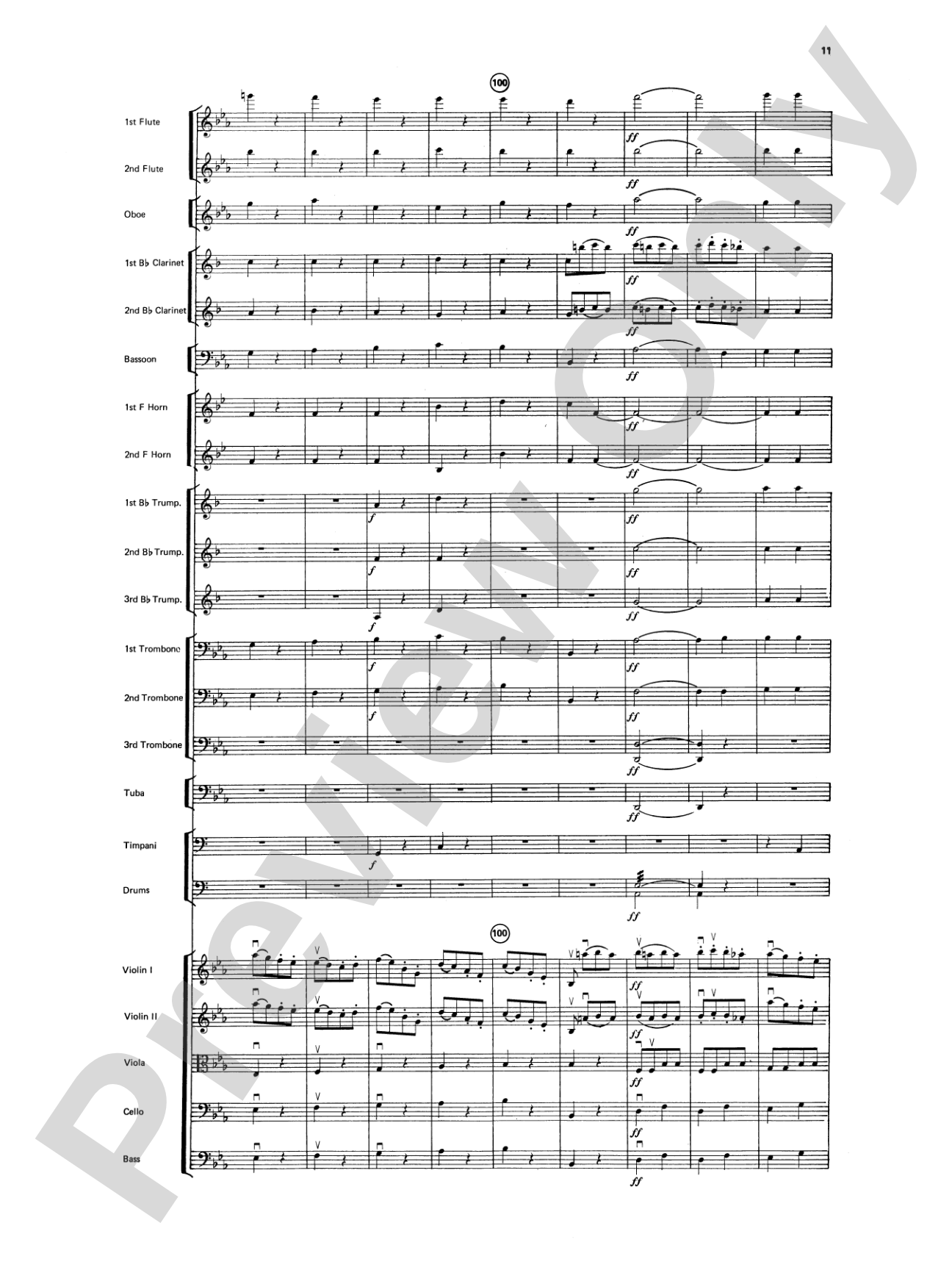
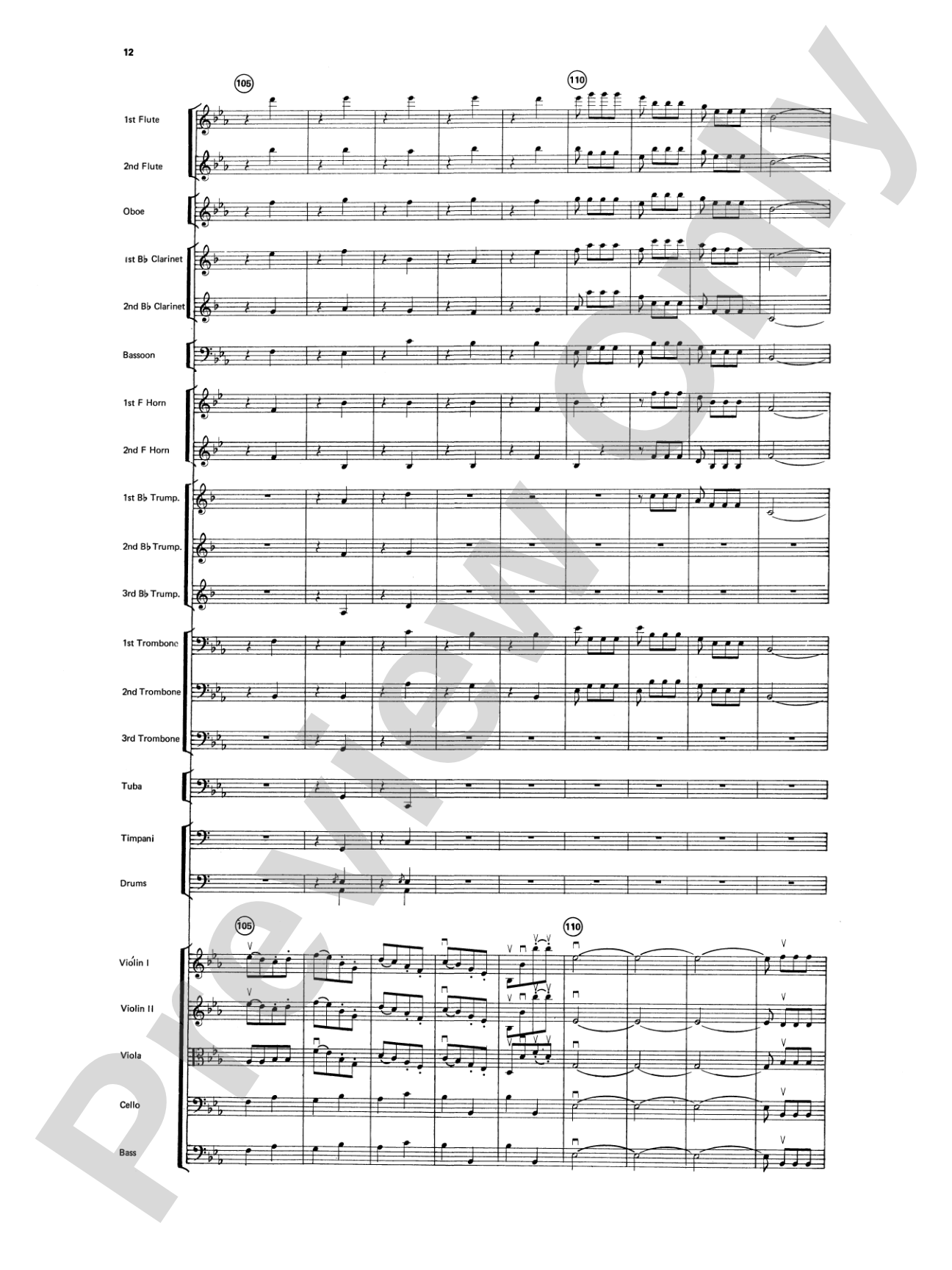
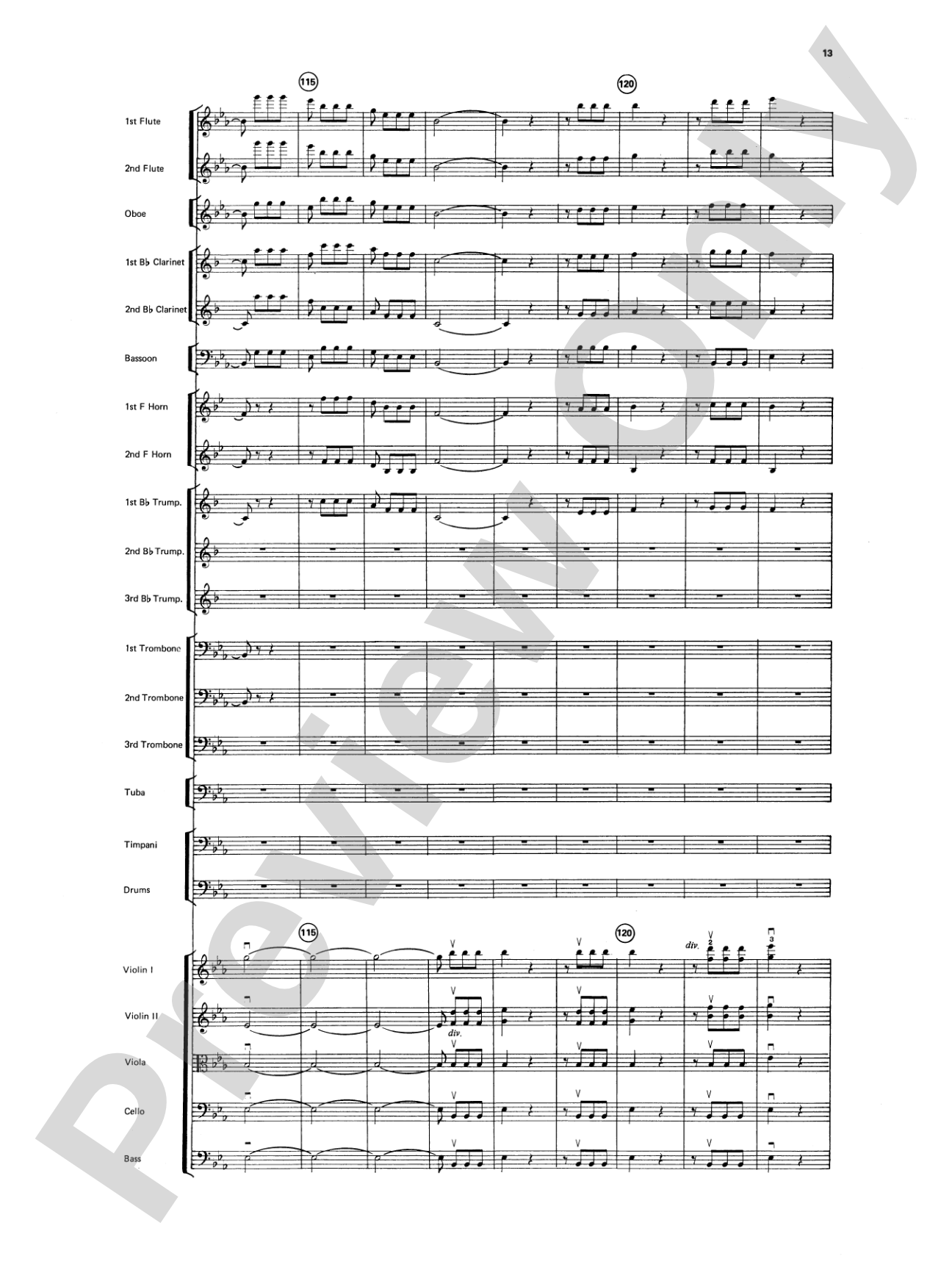
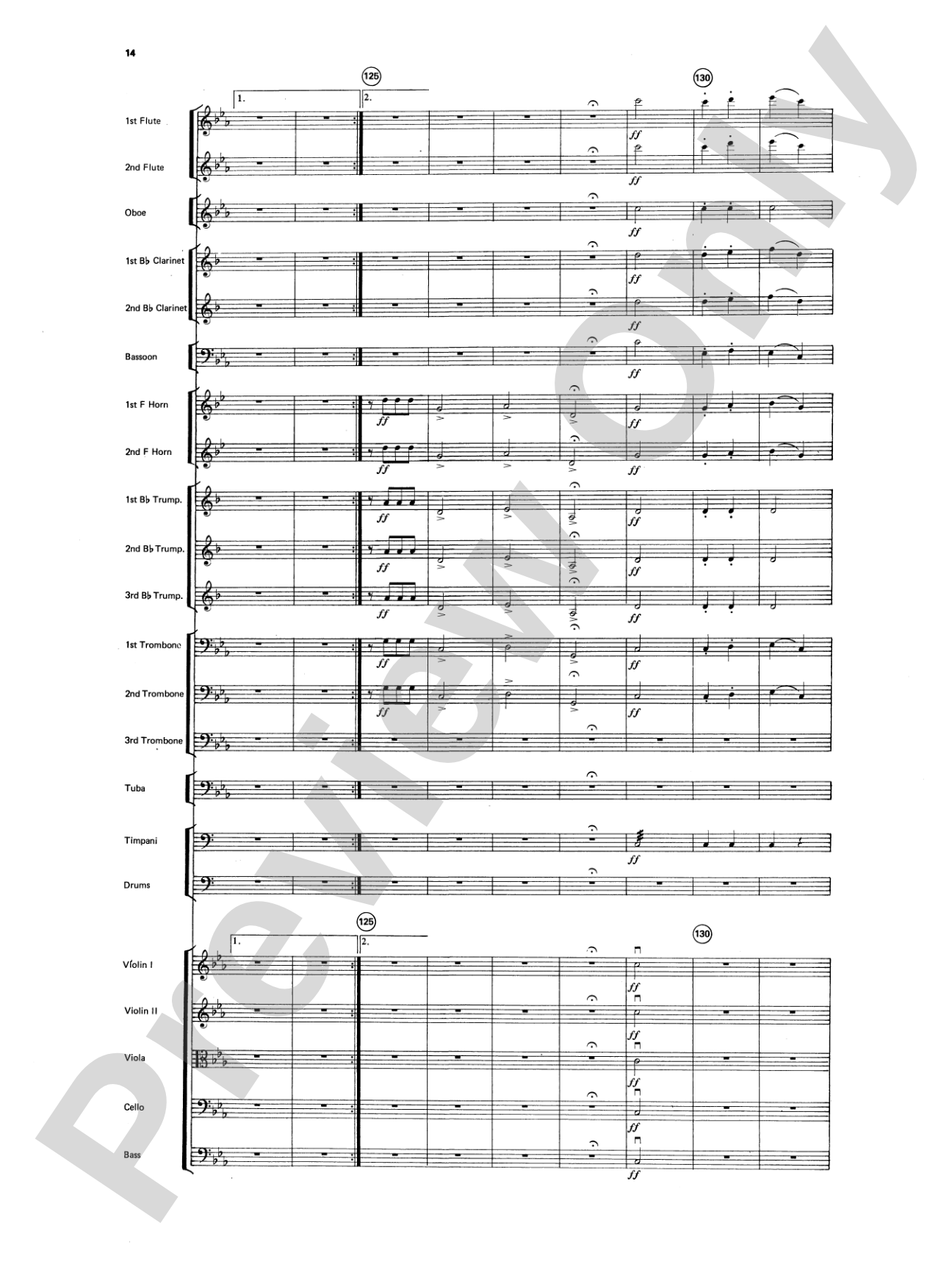
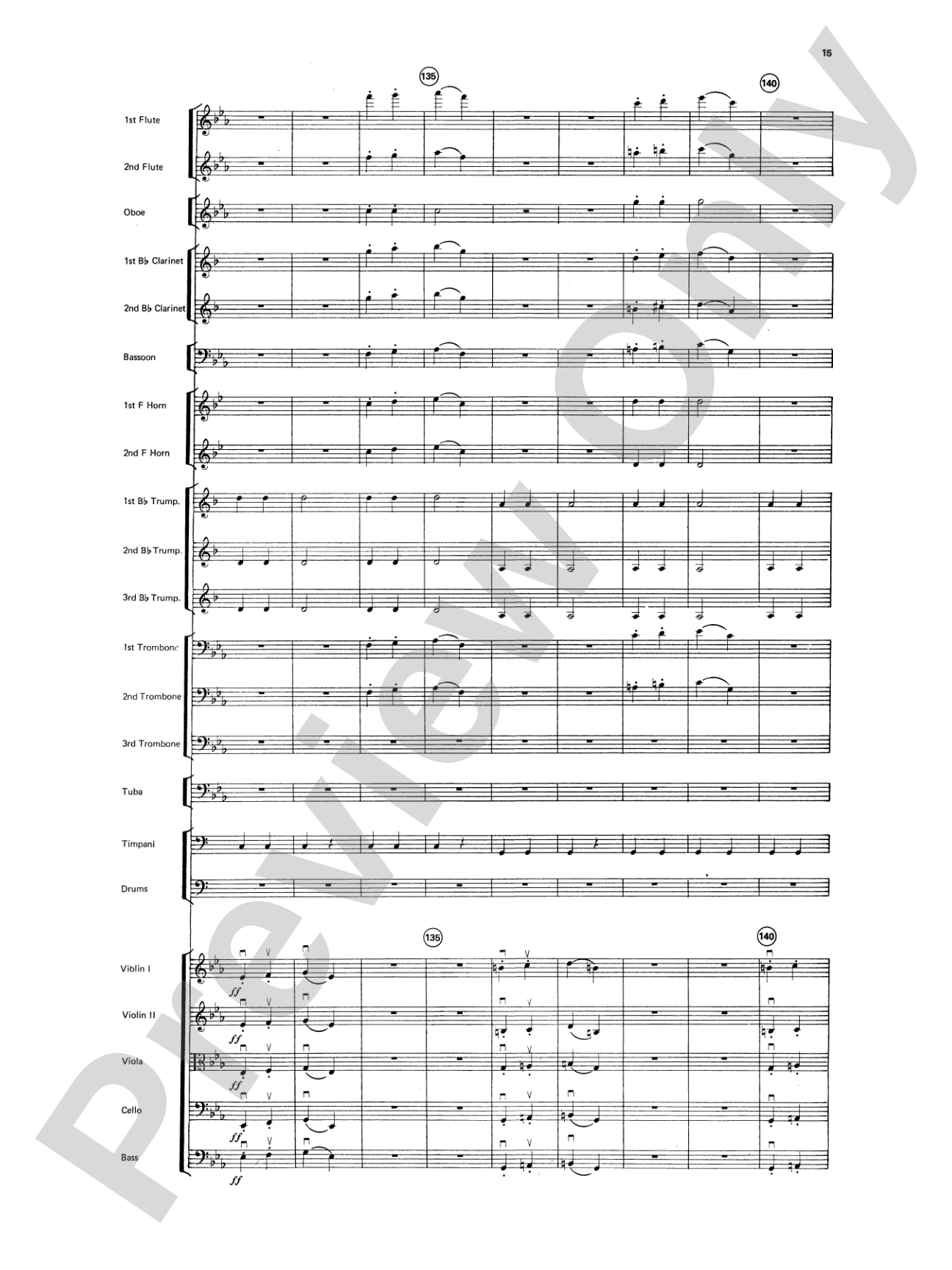
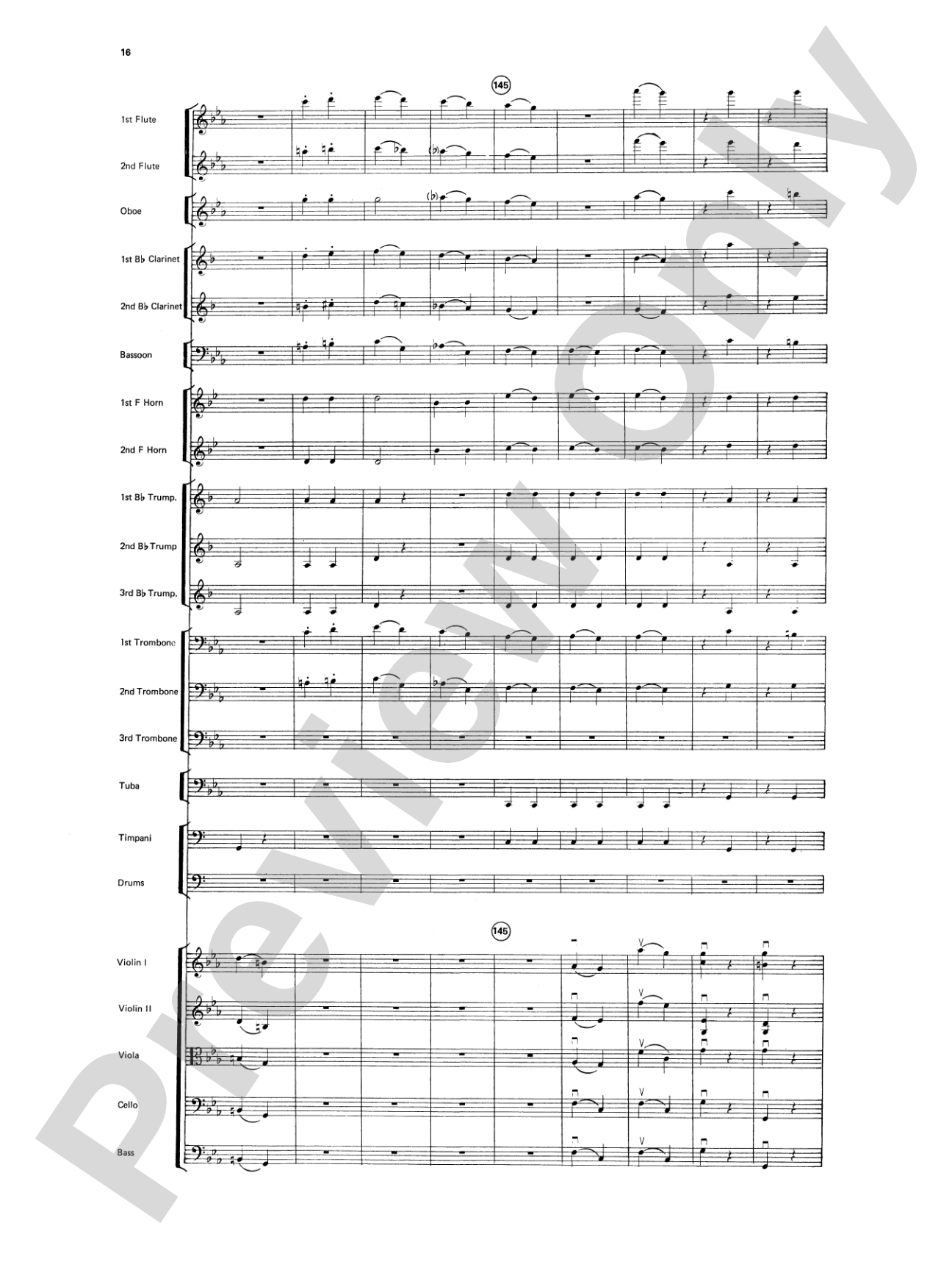
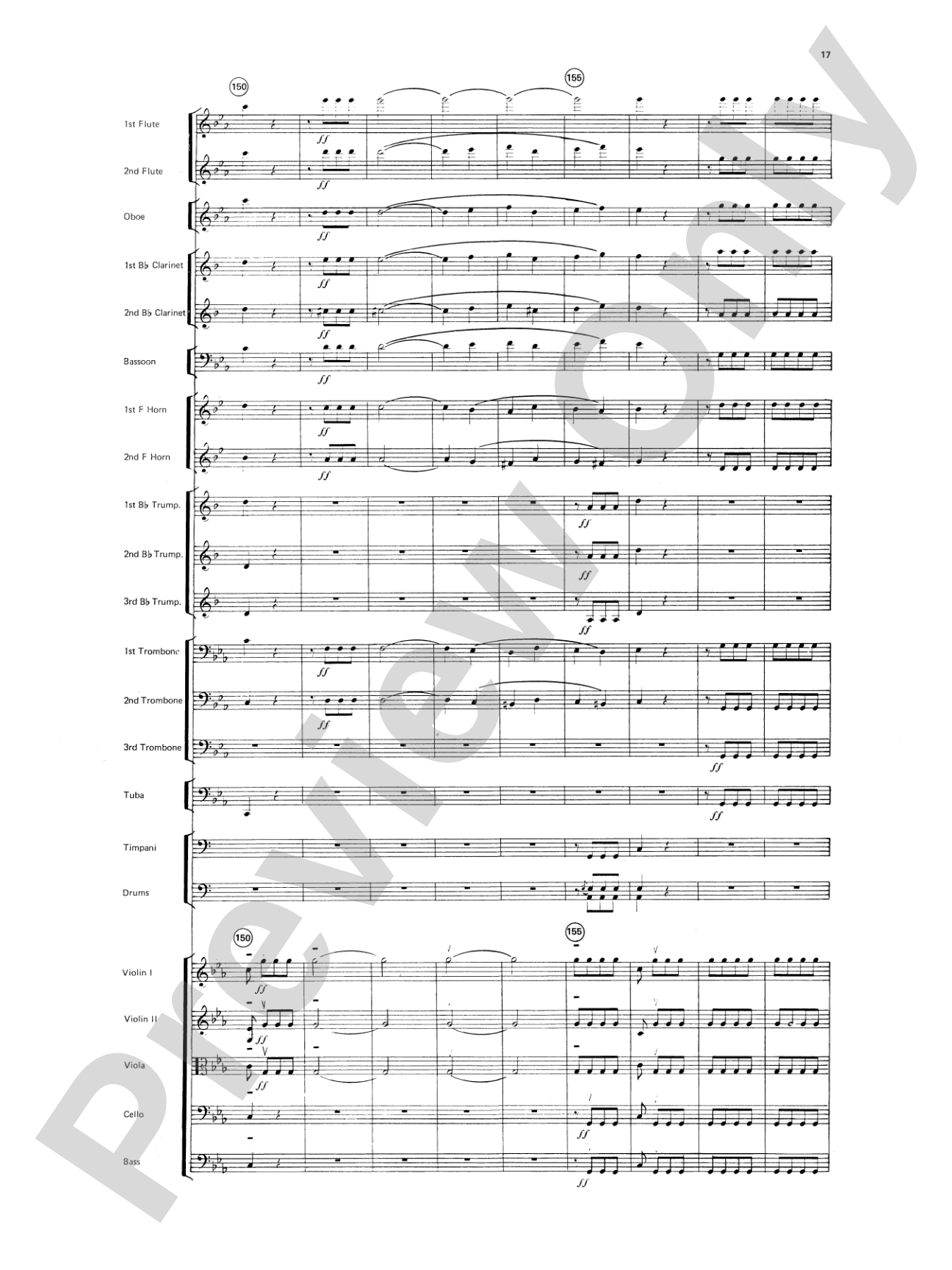
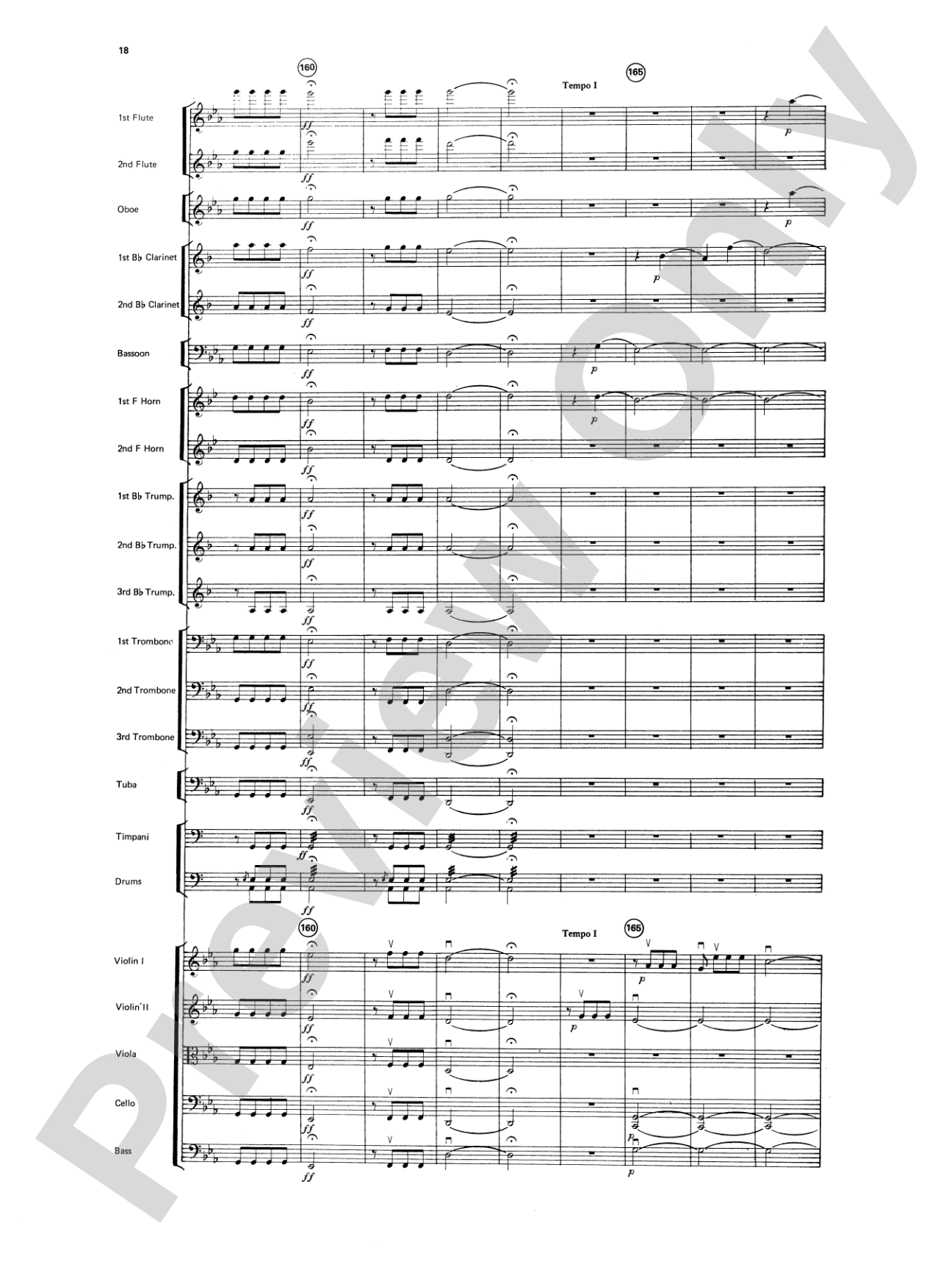
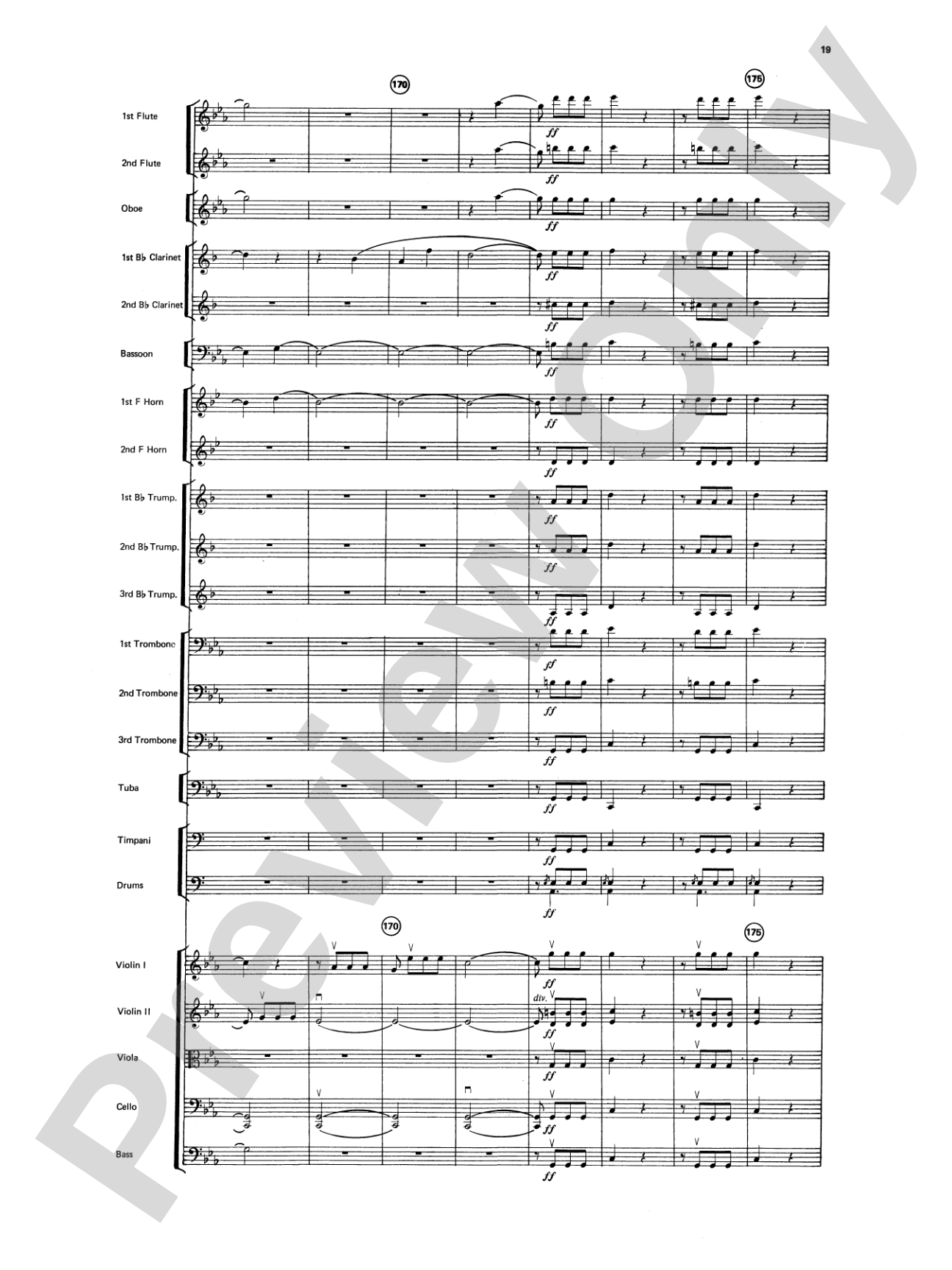
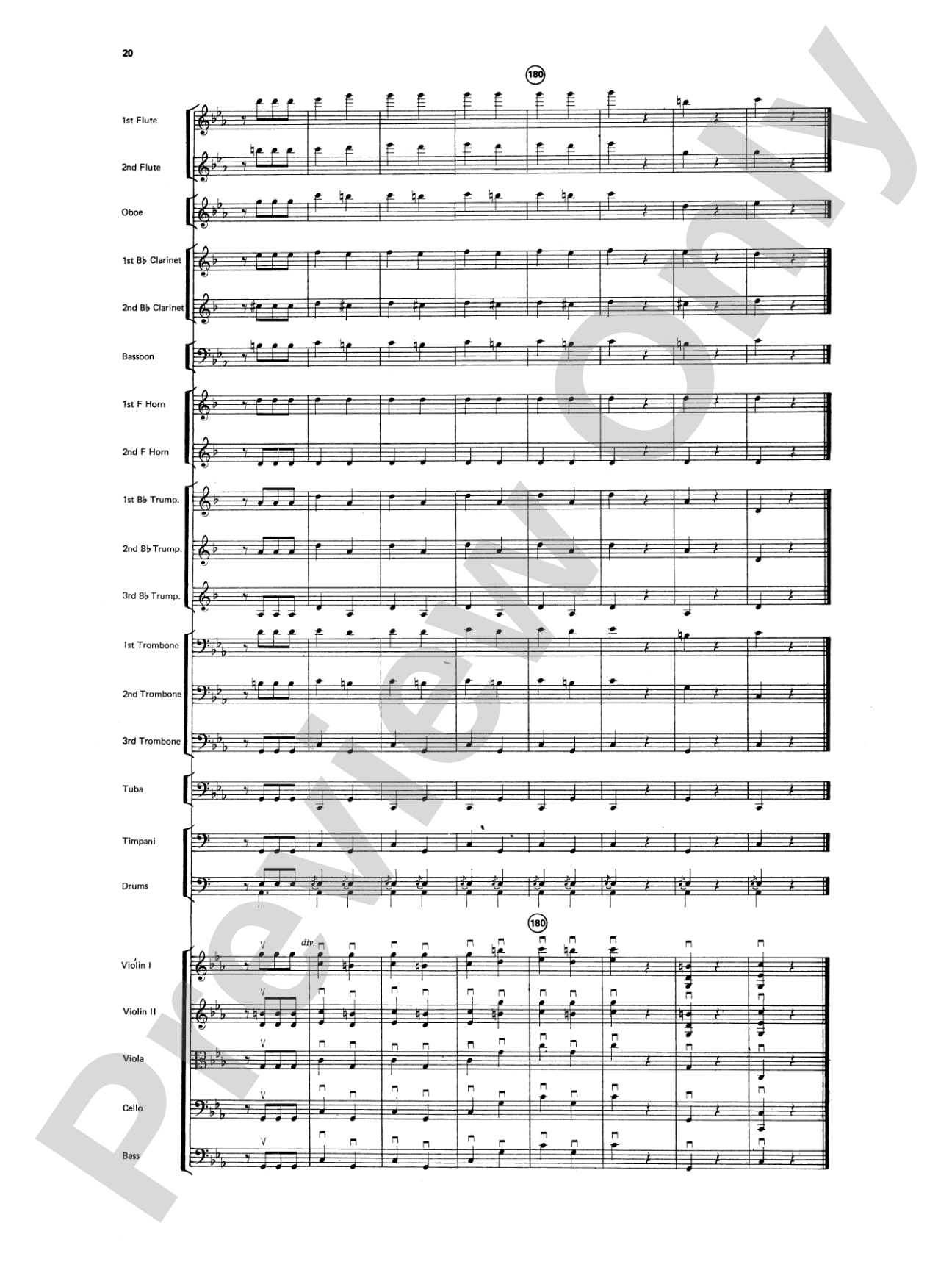




Beethoven's Symphony No. 5, 1st Movement: Score
By Ludwig van Beethoven / arr. Vernon Leidig
Grade: 3
Item: 00-PR-0000147
$9.00
Pickup currently not available
Description


Don't just read it, hear it, play along with it, and watch your students grow with it. In MakeMusic Cloud, Beethoven's Symphony No. 5, 1st Movement: Score comes alive with professional accompaniment, adjustable tempo, and built-in practice tools that turn solo practice into real progress.
Open in the Player
Jump straight in and assign it today.
Start Your Free Trial
Open this title and explore the full library in minutes.
Sample Audio
No sample audio found.
Sample Video
No sample videos found.
Additional Details
Series:
Highland/Etling Full Orchestra
Publisher:
Alfred Music
Page Count:
220
SKU:
00-PR-0000147
More about this title
About the Composer: Ludwig van Beethoven
Ludwig van Beethoven (1770-1827) bridged the Classical and Romantic eras, fundamentally reshaping what orchestral music could express. His symphonies remain cornerstones of the ensemble repertoire, studied and performed by musicians at every level for their structural clarity, emotional depth, and technical demands.
Why we love this
Grade 3 orchestras rarely get access to genuine masterworks at a playable level. This arrangement preserves the iconic opening motif and the architecture that makes Symphony No. 5 unforgettable, letting your ensemble experience the thrill of performing one of history's most recognizable compositions without drowning in technical impossibility. It's a morale builder and a legitimate artistic achievement in the same rehearsal.
What to expect
Urgent, focused, and propulsive. The famous four-note opening creates immediate dramatic tension, and the movement sweeps forward with relentless energy punctuated by moments of crystalline lyricism. Even in an accessible arrangement, the work conveys struggle and inevitability.
Who it's for
Grade 3 full orchestras ready to tackle a work with genuine compositional substance and historical weight. This arrangement suits ensembles with competent string sections and solid woodwind fundamentals but without the technical virtuosity required for the original score.
How to get the most out of it
- Establish the rhythmic unison of the opening four-note figure before anything else; lock the exact articulation and dynamic shape across all sections, since the entire movement hinges on this motive's clarity and repetition.
- Balance the transition between the urgent opening theme and the lyrical second theme by bringing out the violas and cellos when the texture shifts; this contrast is essential to the form and keeps the movement from feeling monolithic.
- Resist the urge to rush during modulations and key shifts; conductors often accelerate unconsciously when harmonic movement intensifies, but Beethoven's architecture requires space for the ear to register each harmonic arrival.
- Mark breath points for wind sections at natural phrase boundaries rather than forcing them through long passages; young orchestras play better when they know where the music genuinely permits air.
How to use it
Program this as a contest or festival piece where judges and audiences alike recognize and respect the source material. It works equally well as the anchor of a concert exploring Classical and Romantic form or as evidence of how far a young ensemble has progressed since the season began.
Skills your students will build
- Sustaining rhythmic precision across an extended movement while managing dynamic and textural changes
- Identifying and responding to sonata form structure (exposition, development, recapitulation) through listening and conducting
- Balancing independent melodic lines when a motive is distributed across multiple instruments and sections
- Managing tempo stability during key modulations and shifts in harmonic rhythm
- Coordinating articulation across the full ensemble to achieve unified attacks and releases on thematic material