
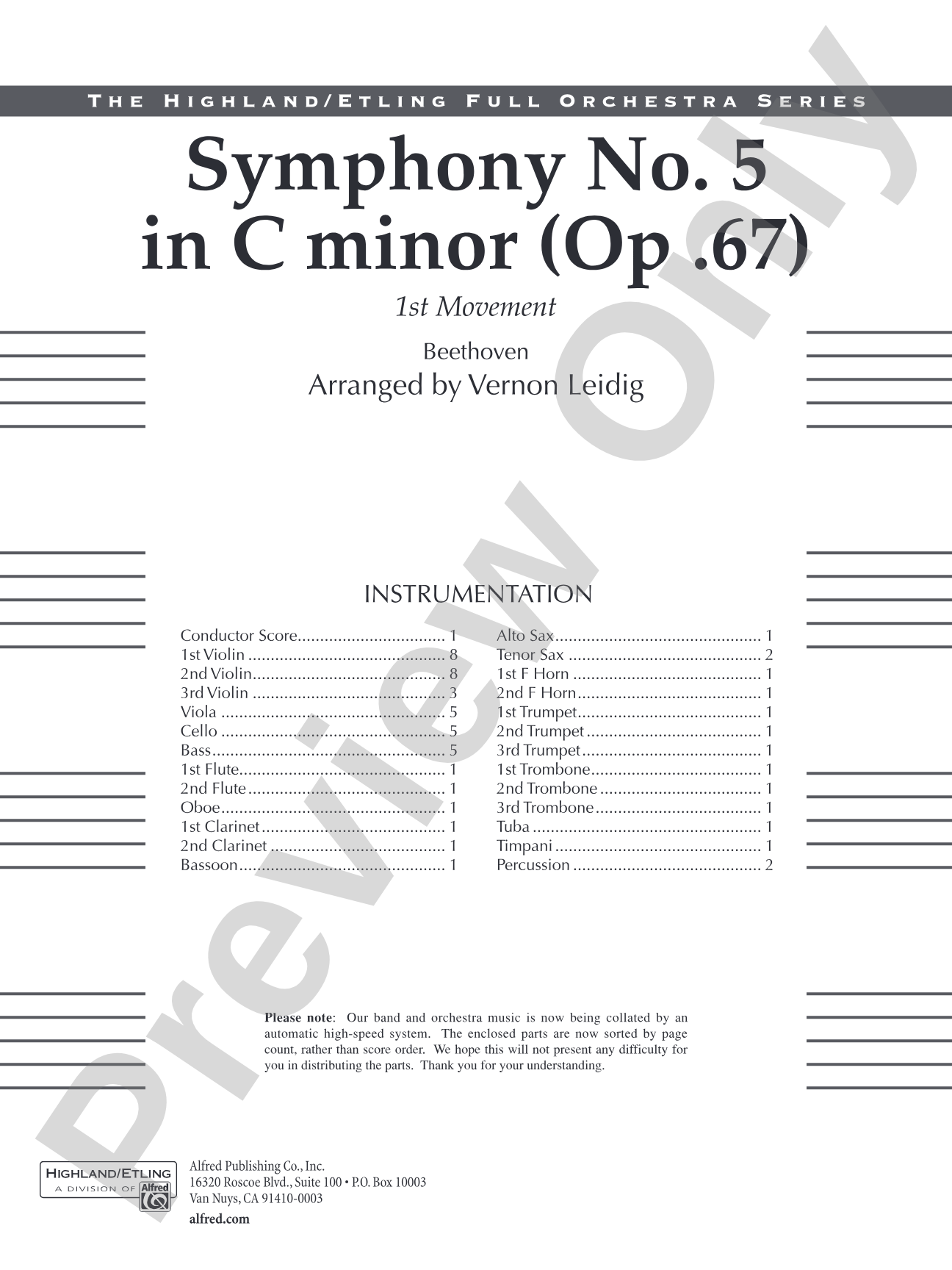
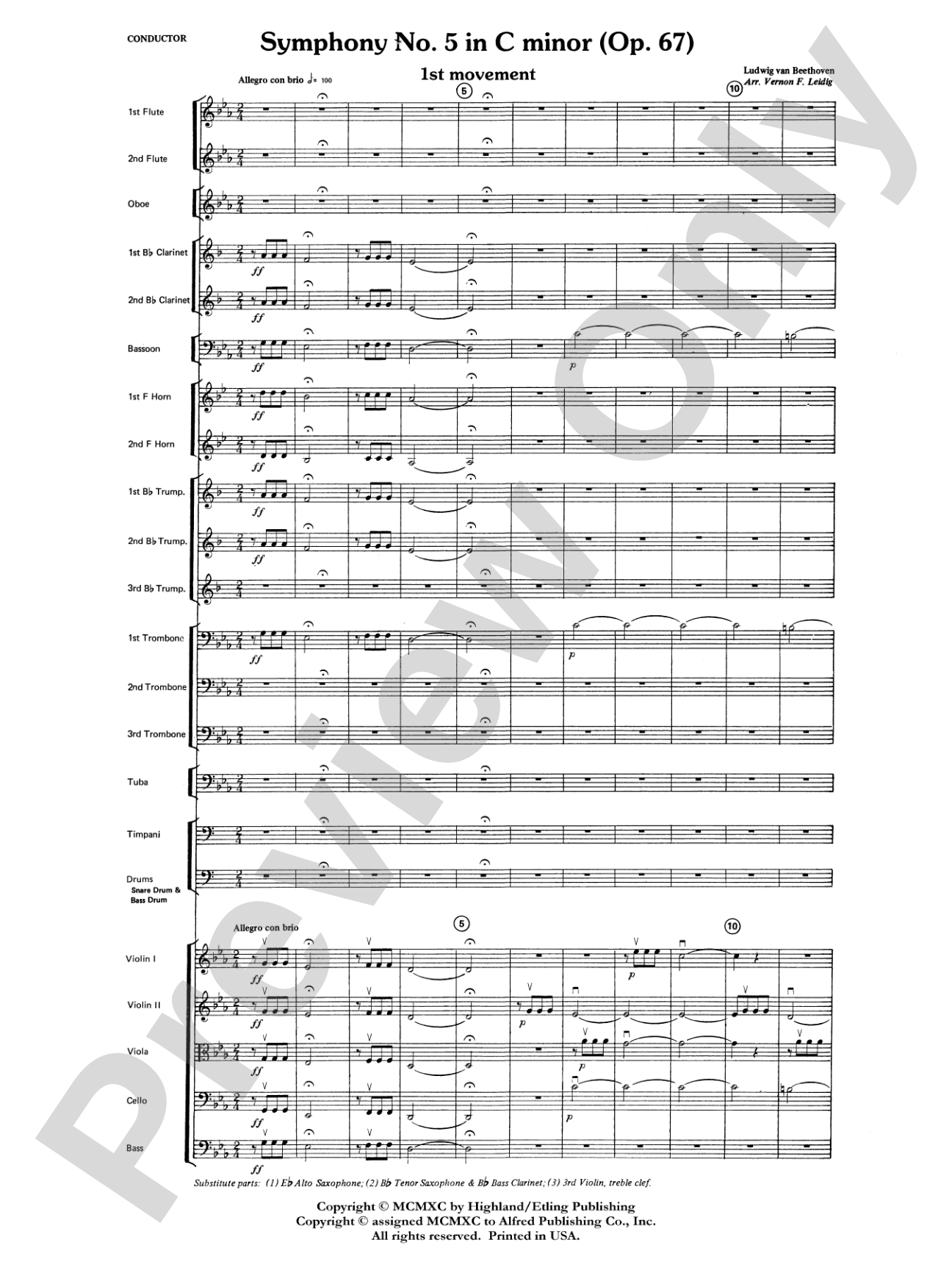
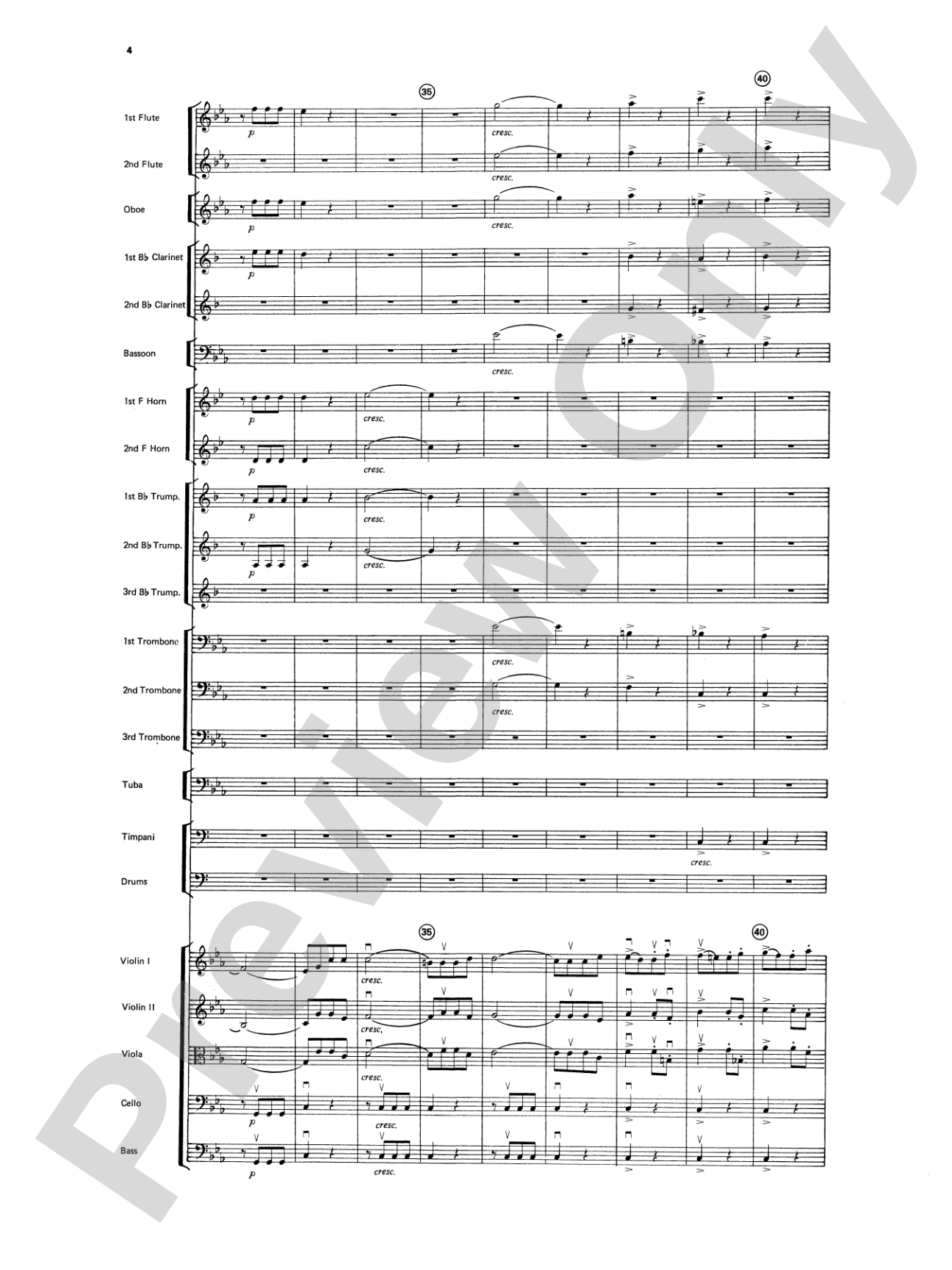
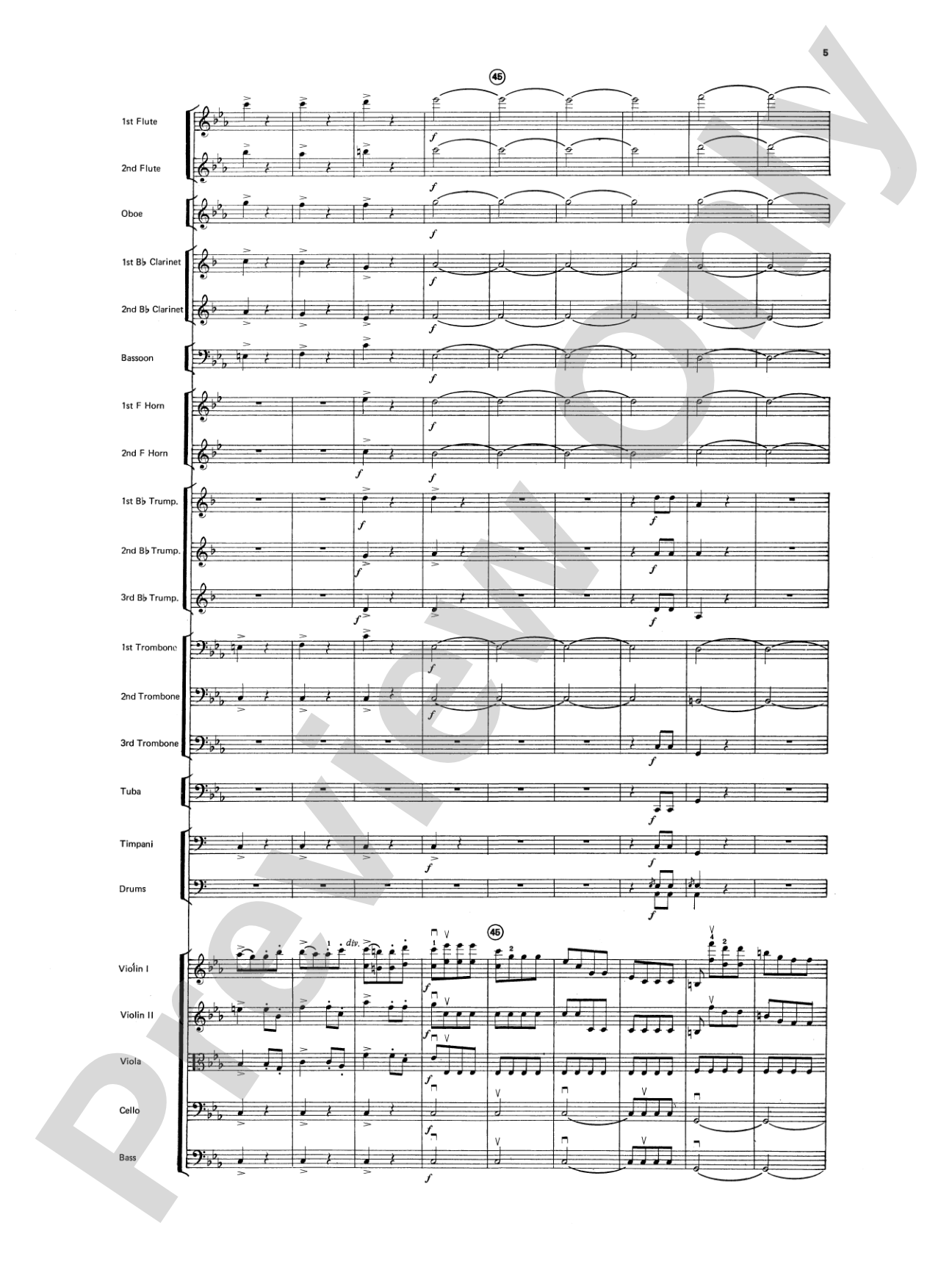
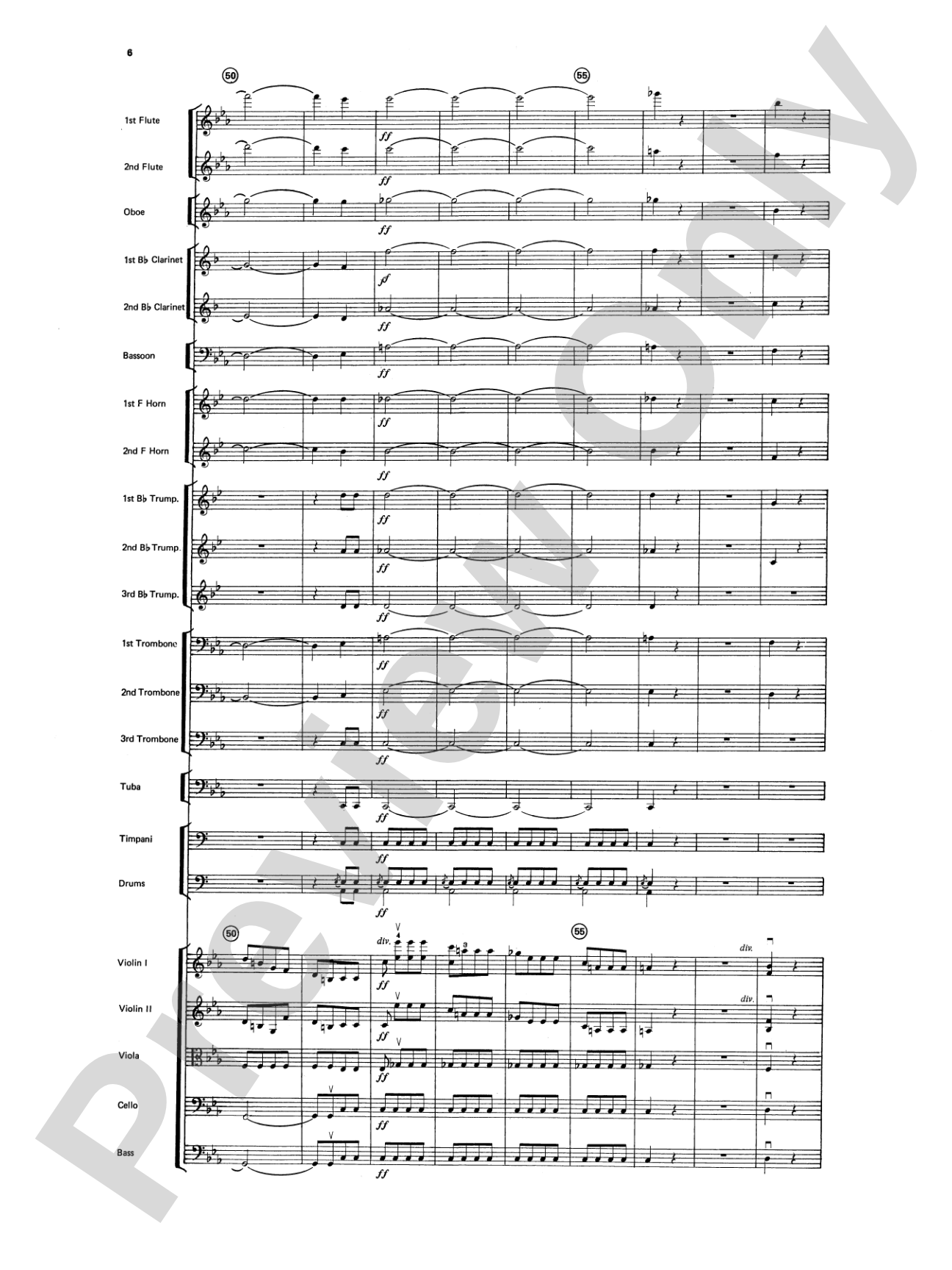
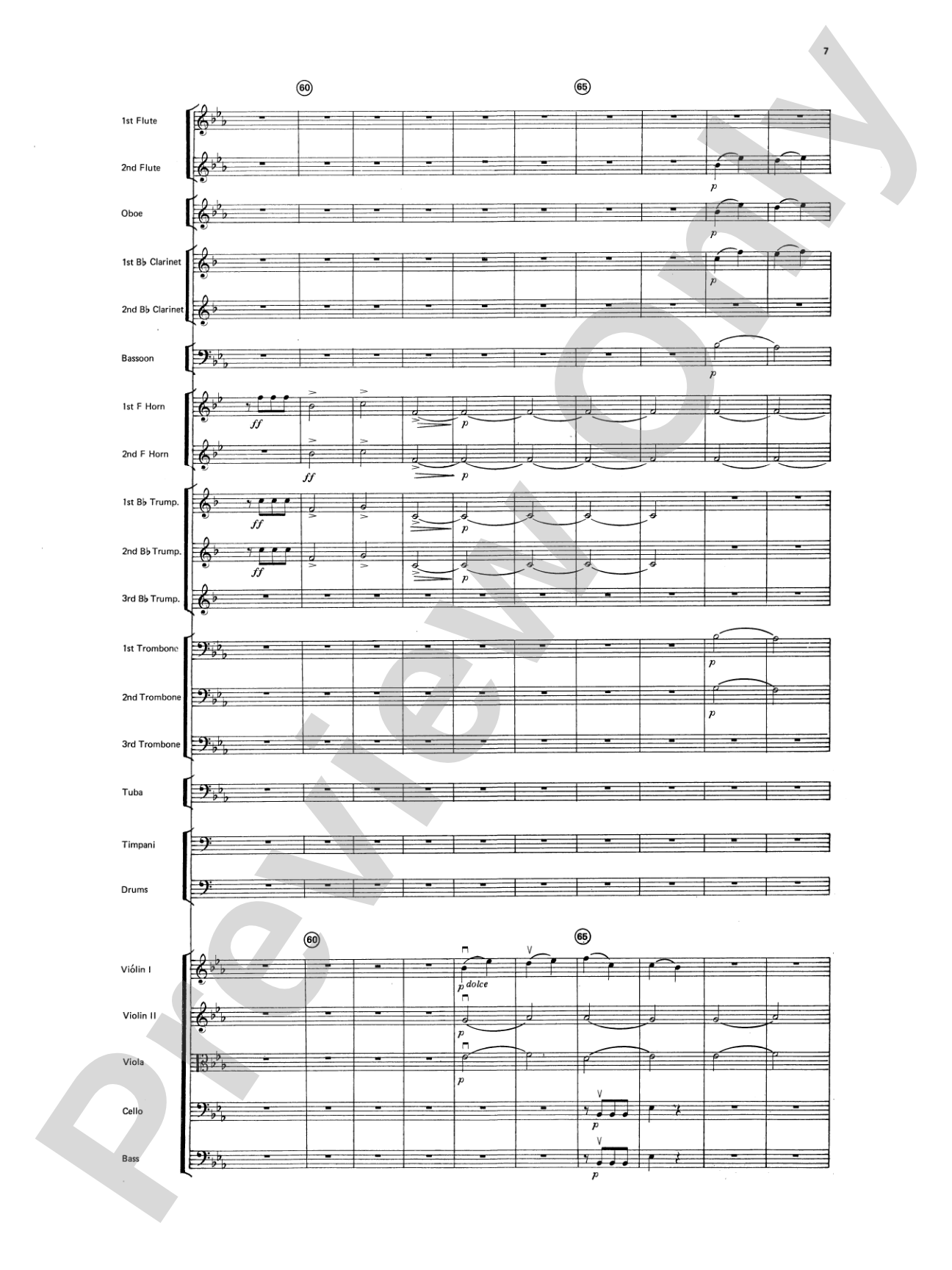
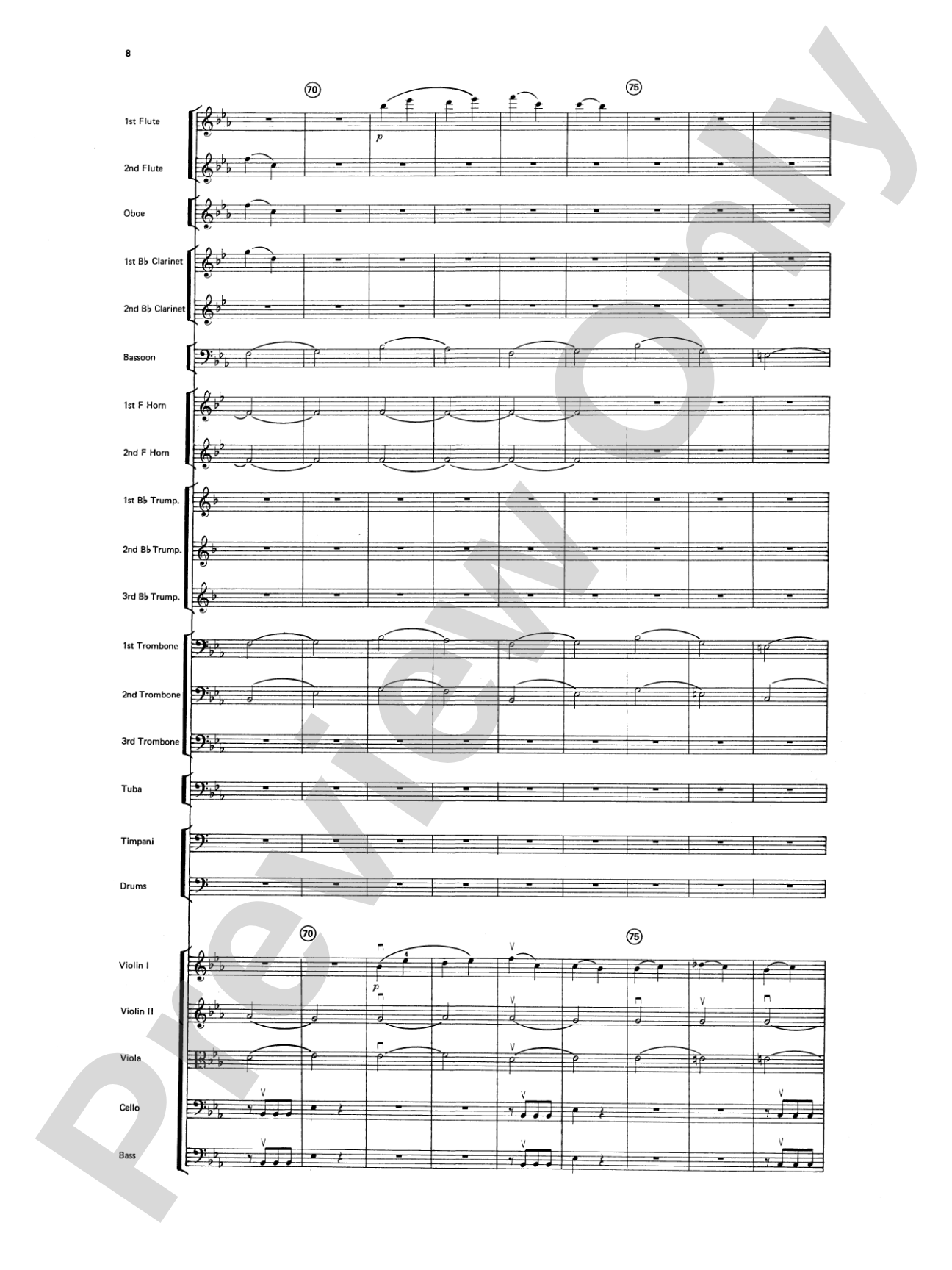
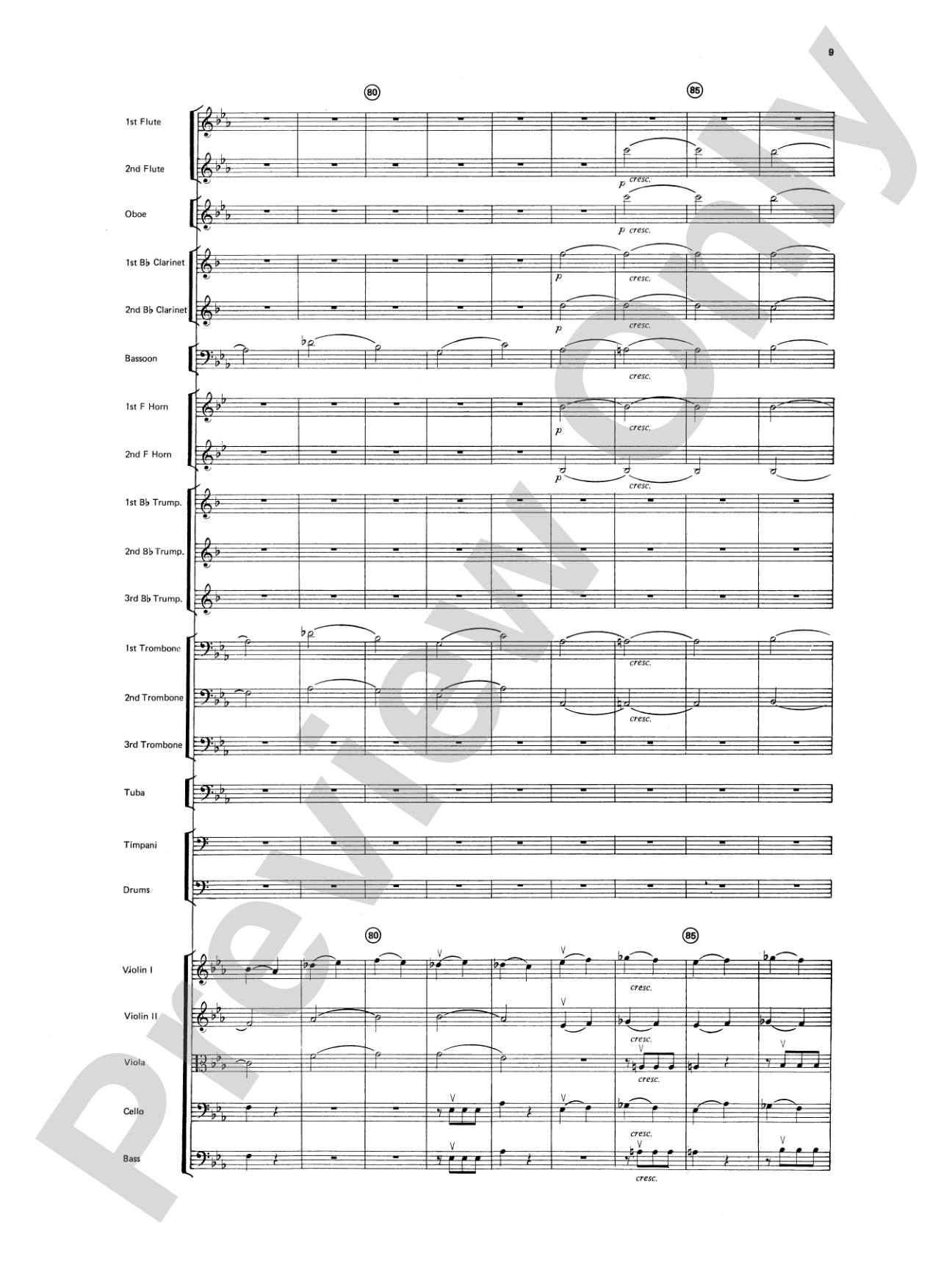
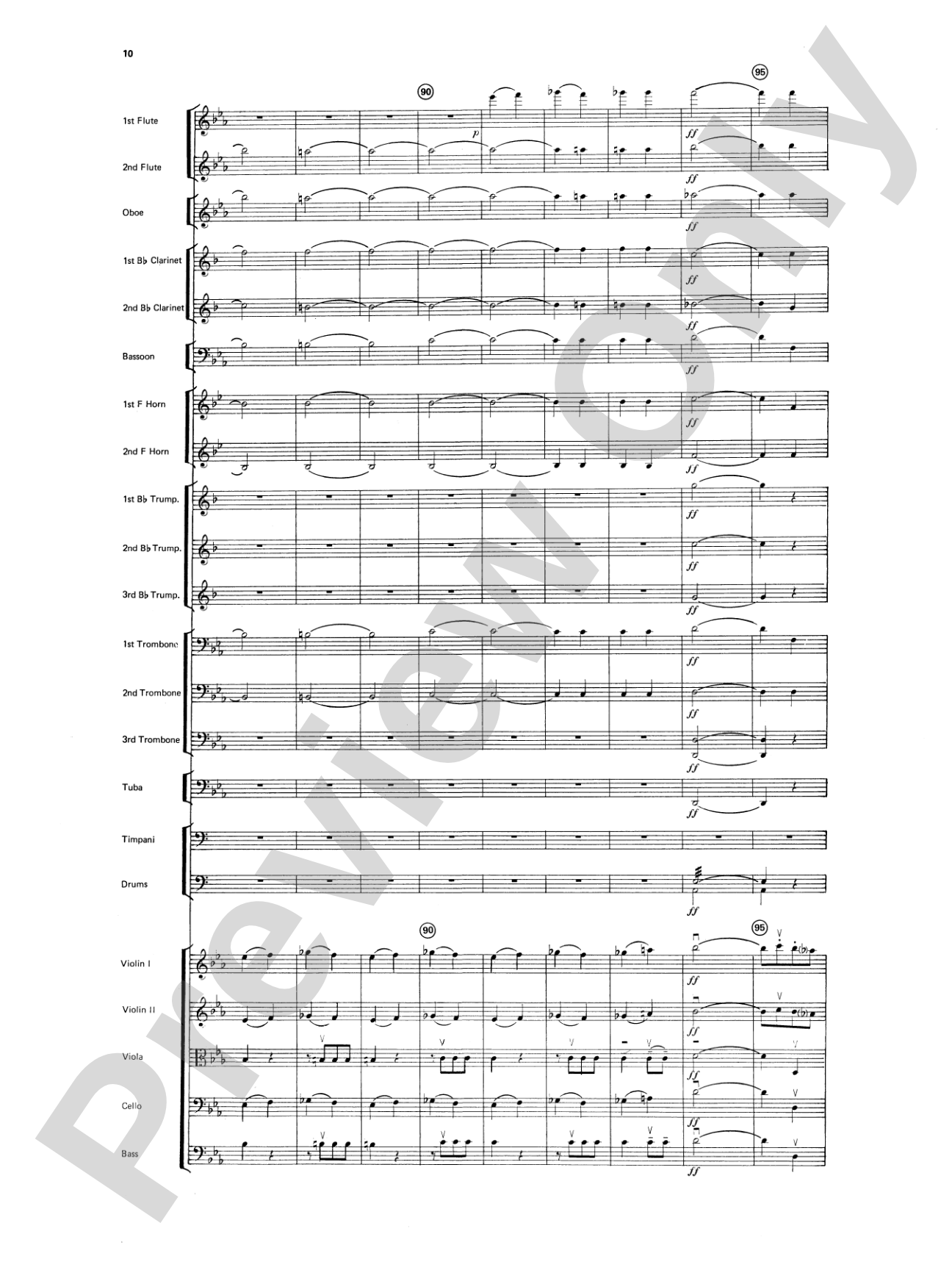
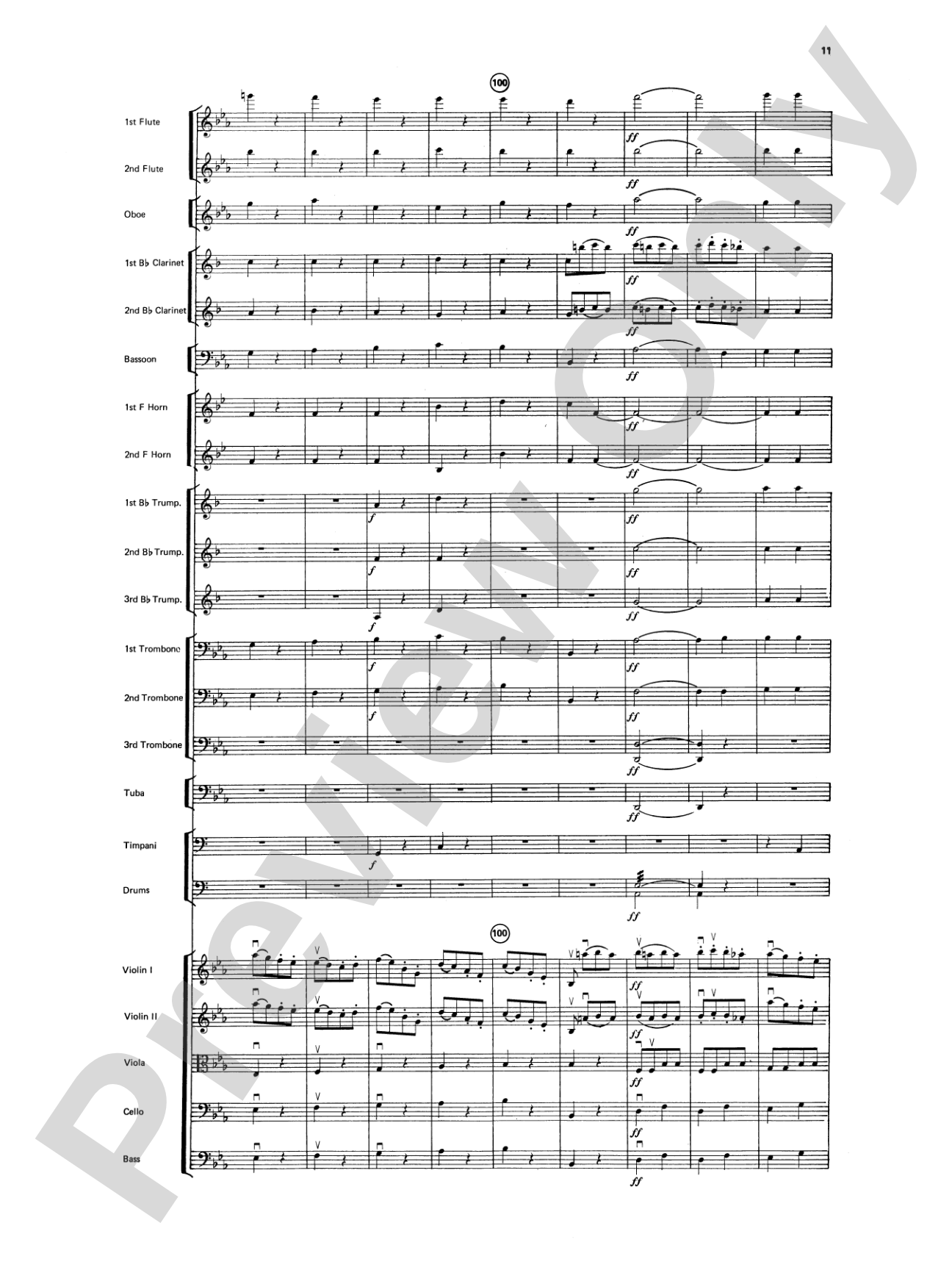
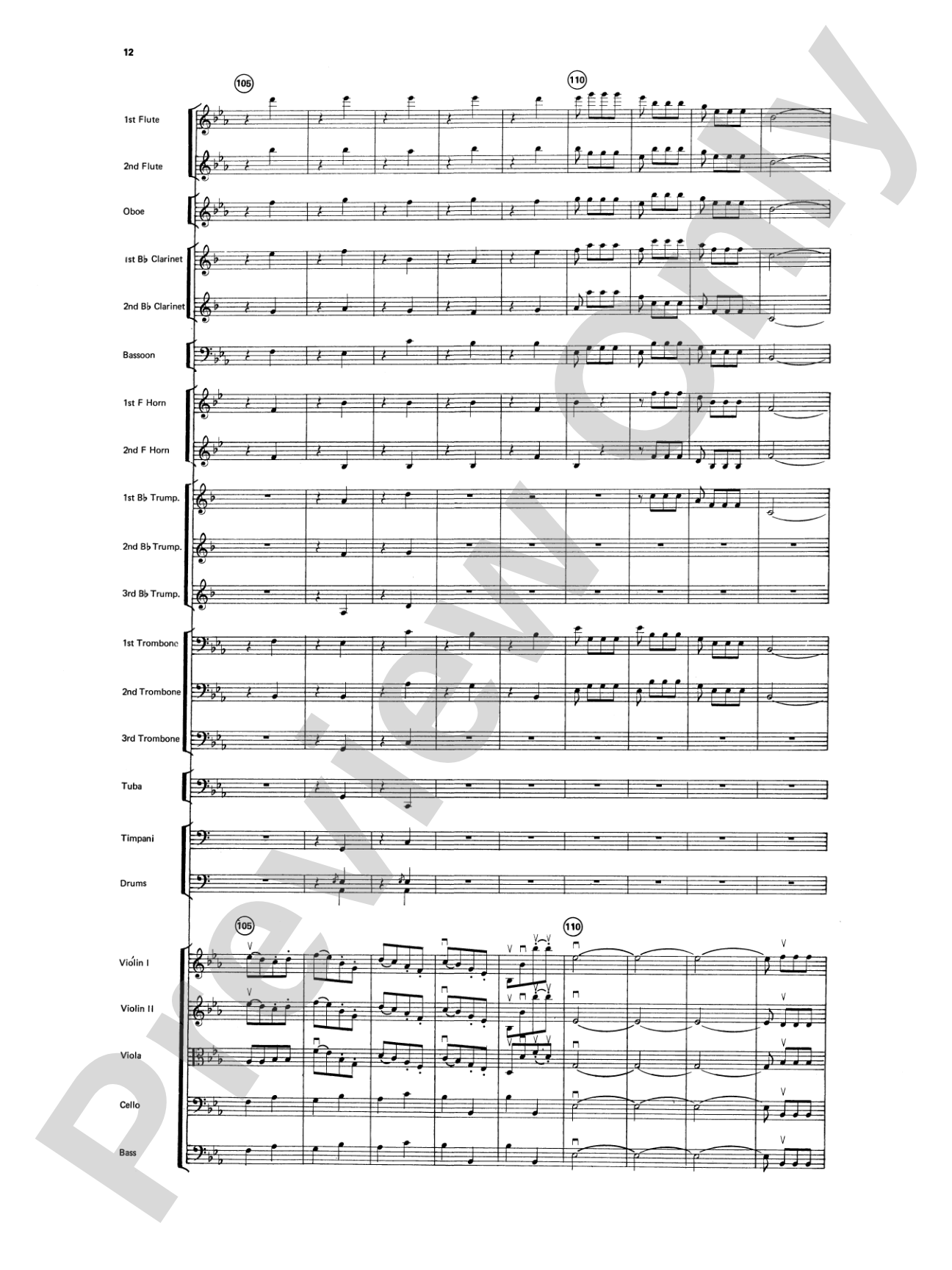
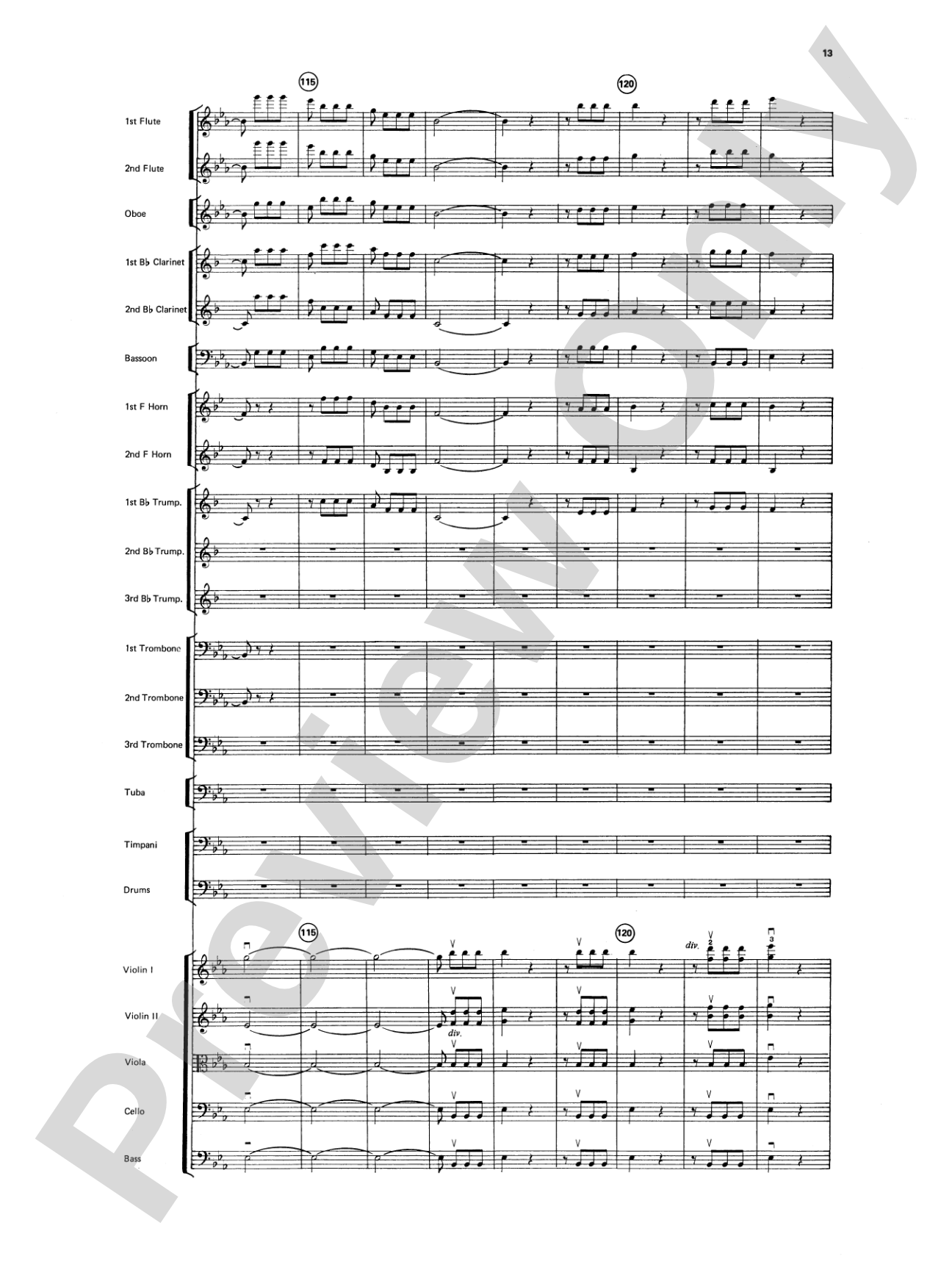
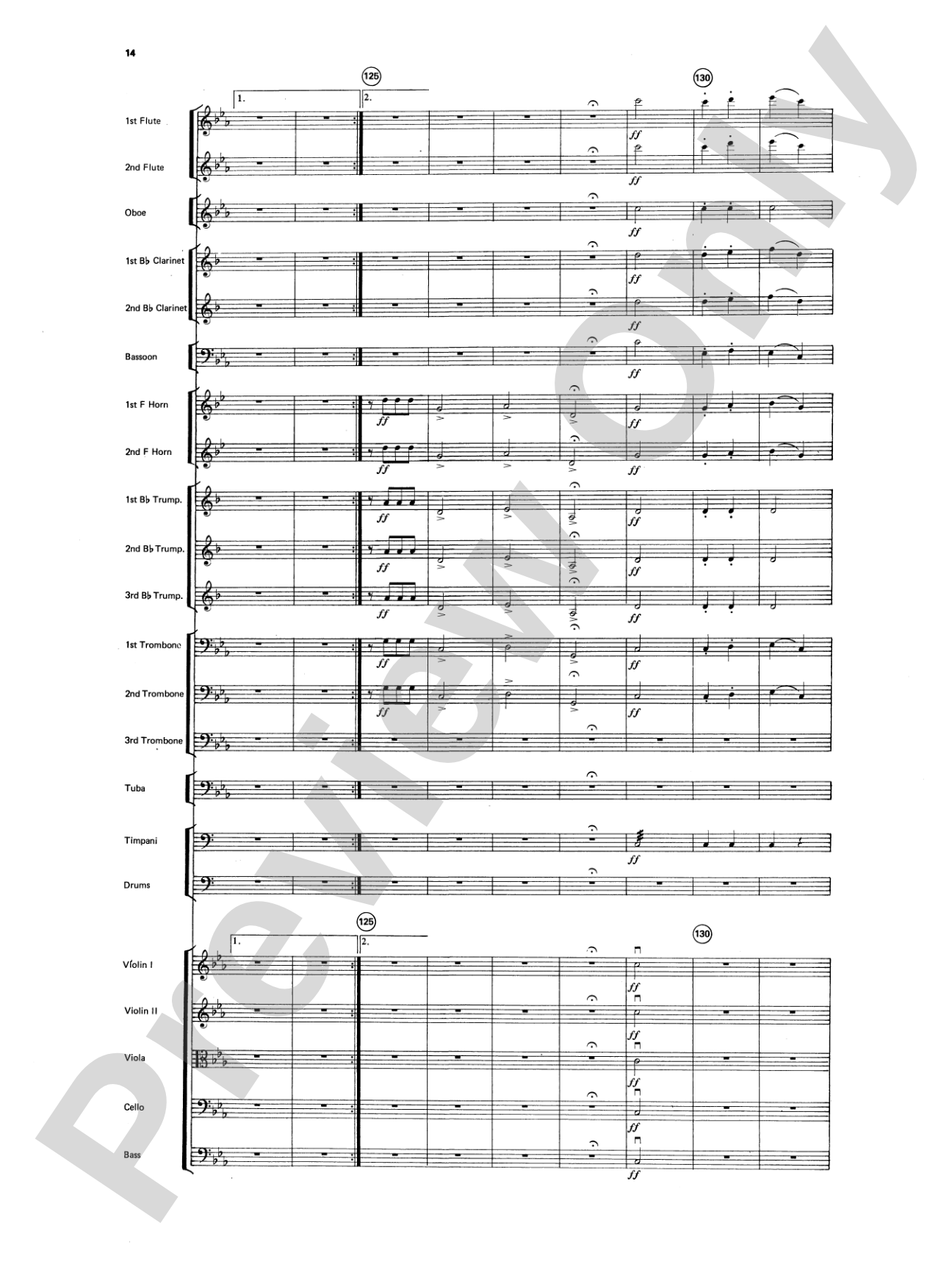
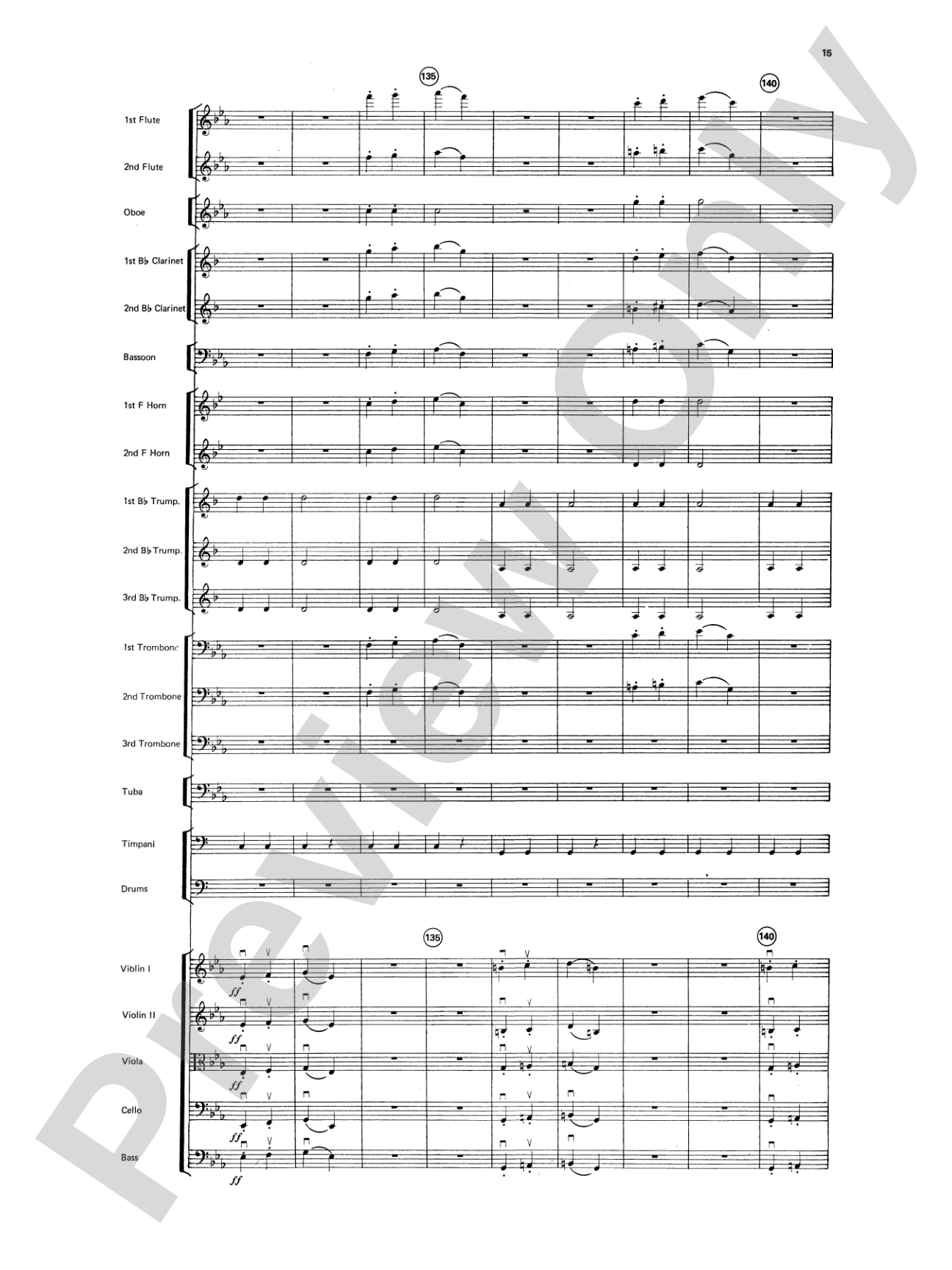
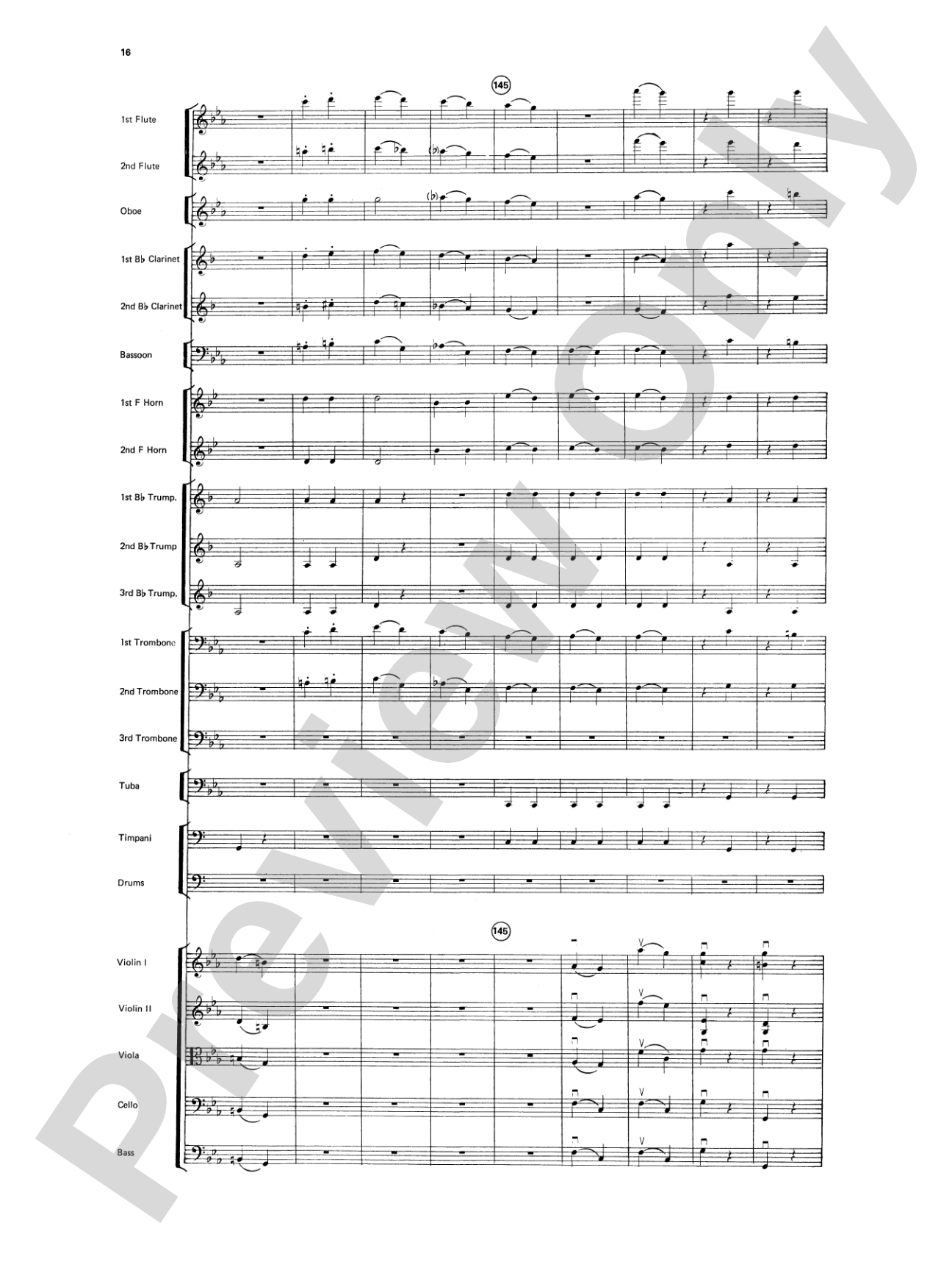
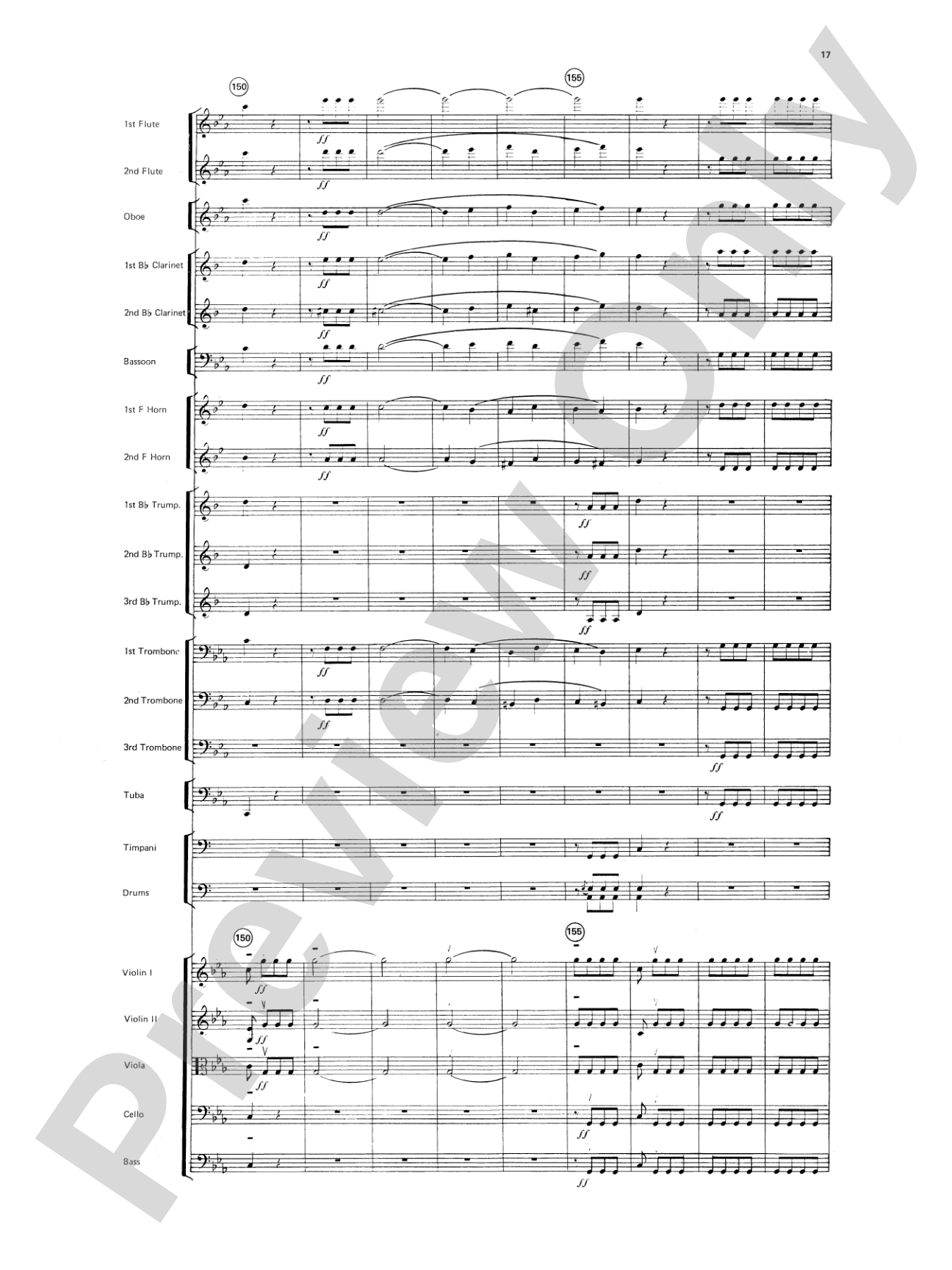
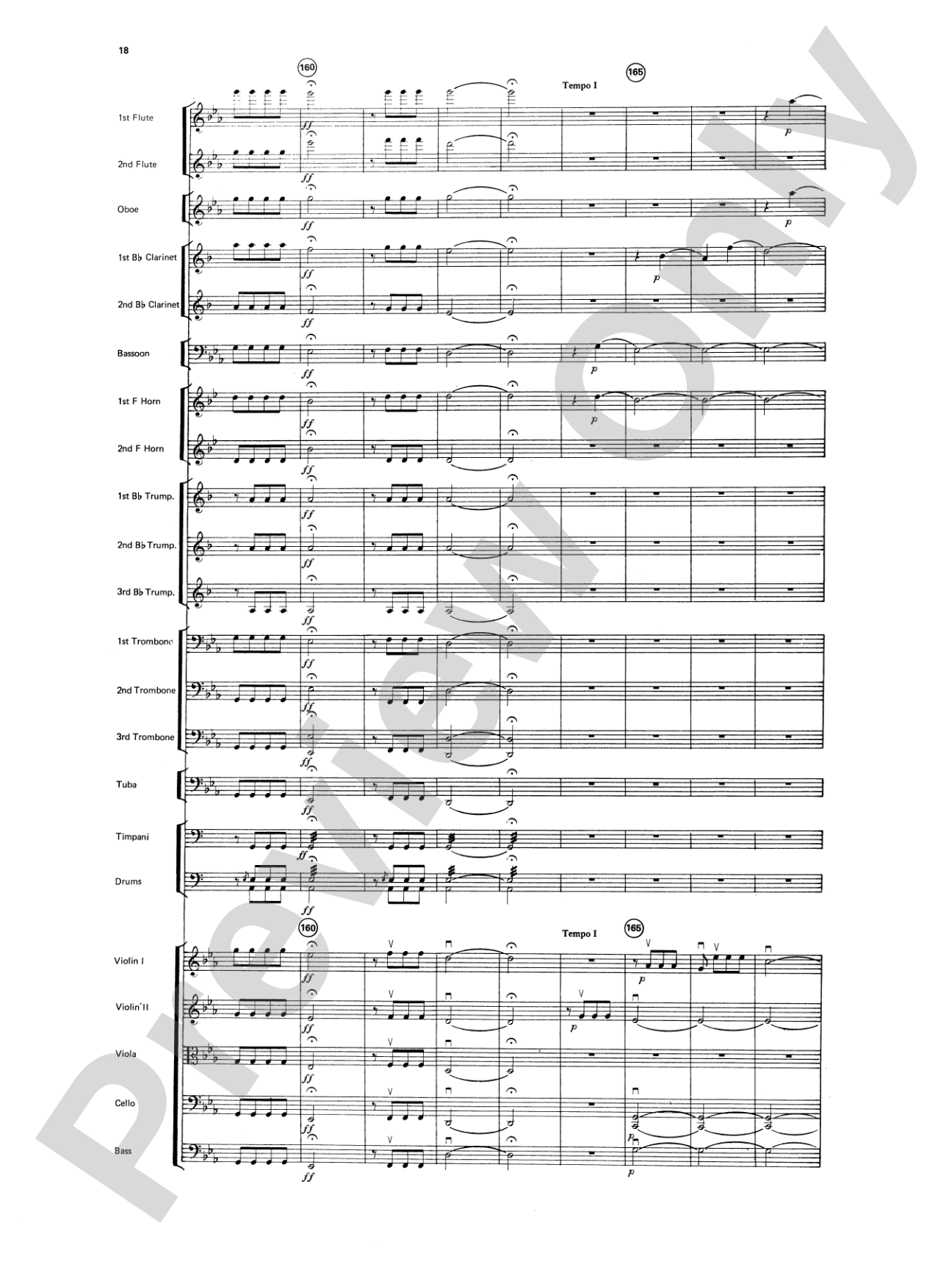
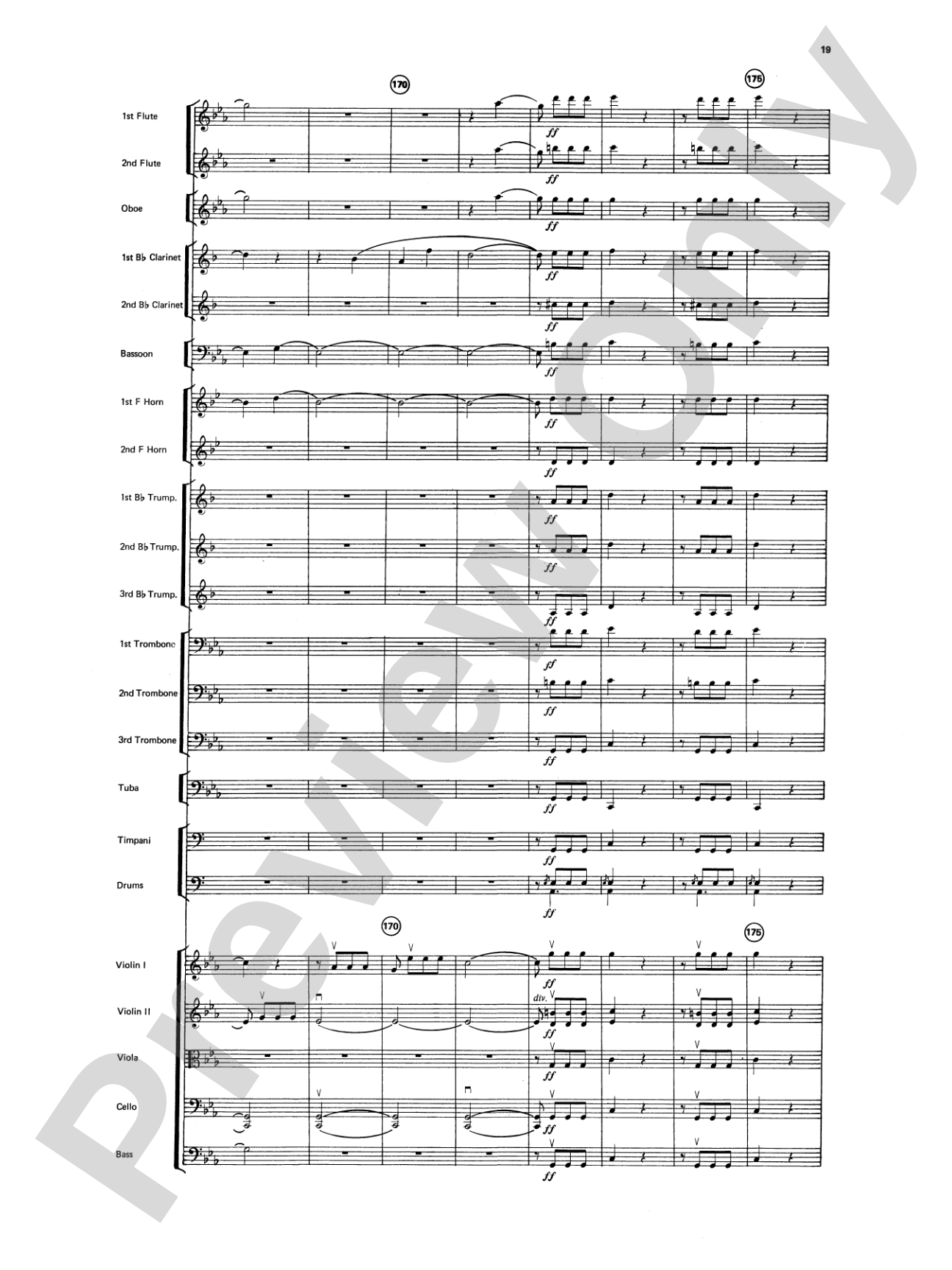
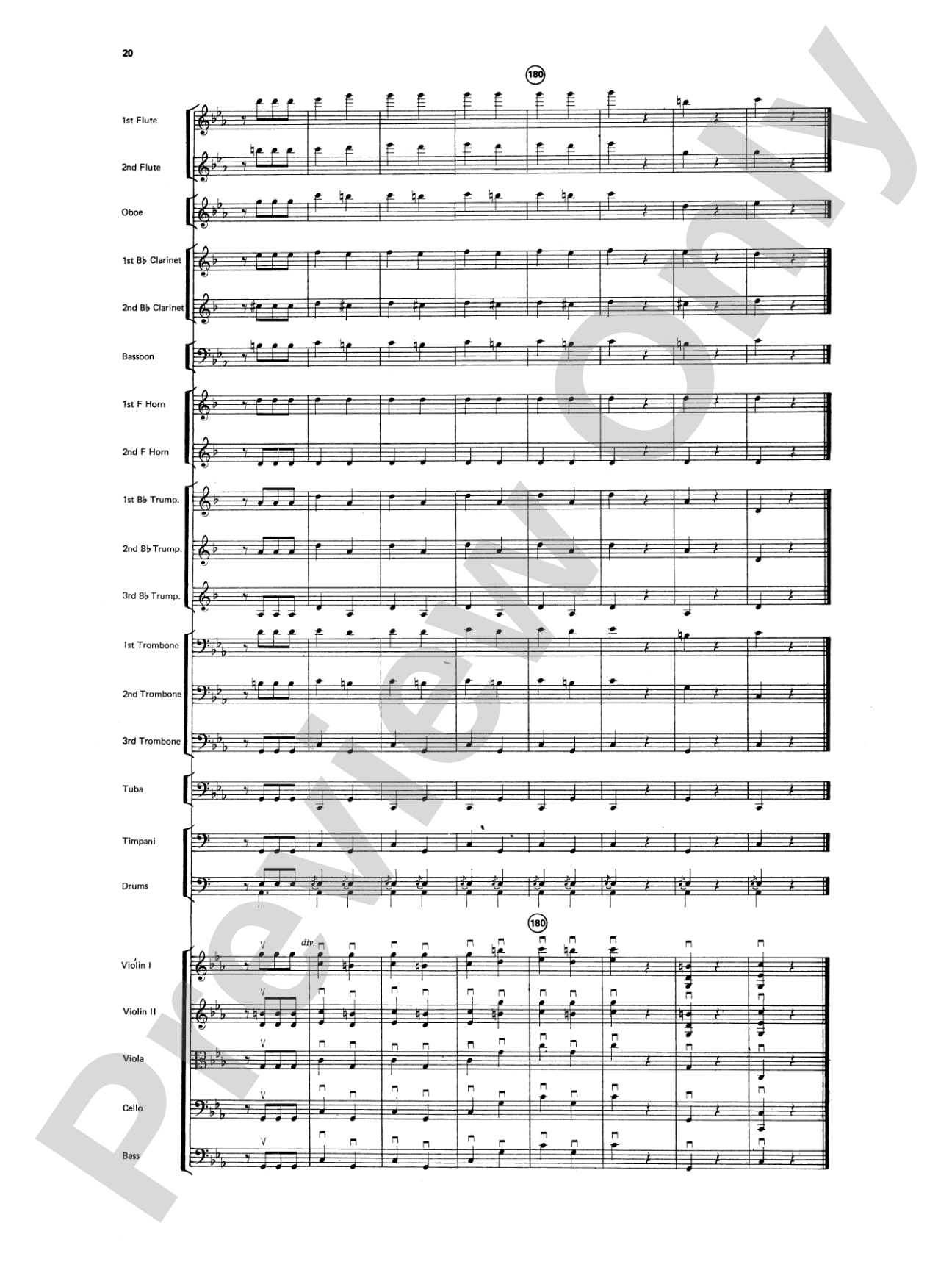




Beethoven's Symphony No. 5, 1st Movement: Full Orchestra Conductor Score & Parts
By Ludwig van Beethoven / arr. Vernon Leidig
Grade: 3
Item: 00-PK-0000154

$73.00
Pickup currently not available
Buy Extra Parts (Digital PDF Download)
Parts Added to Cart!
Description


Don't just read it, hear it, play along with it, and watch your students grow with it. In MakeMusic Cloud, Beethoven's Symphony No. 5, 1st Movement: Full Orchestra Conductor Score & Parts comes alive with professional accompaniment, adjustable tempo, and built-in practice tools that turn solo practice into real progress.
Open in the Player
Jump straight in and assign it today.
Start Your Free Trial
Open this title and explore the full library in minutes.
Sample Audio
No sample audio found.
Sample Video
No sample videos found.
Additional Details
Series:
Highland/Etling Full Orchestra
Publisher:
Alfred Music
Page Count:
220
SKU:
00-PK-0000154
More about this title
About the Composer: Ludwig van Beethoven
Ludwig van Beethoven (1770, 1827) transformed the symphony from a courtly diversion into a vehicle for profound human expression. His nine symphonies span the transition from Classical form to Romantic ambition, and his willingness to expand orchestral scope and emotional range redefined what the genre could contain.
The Fifth Symphony stands as perhaps his most iconic work. Its opening motto, four notes that announce themselves with unmistakable force, became a symbol of artistic determination and the triumph of the human spirit. Beethoven composed it during a period of personal struggle and artistic breakthrough, embedding both despair and defiance into its structure.
Why we love this
Vernon Leidig's orchestration brings this towering masterwork within reach of Grade 3 ensembles without sacrificing the dramatic arc or the momentum that makes this symphony so gripping. Students get to experience Beethoven's architectural brilliance, the way a simple four-note idea generates an entire movement, while staying engaged rather than overwhelmed. Programming this opens doors to conversations about musical logic, cultural significance, and what happens when a composer refuses to accept limitations.
What to expect
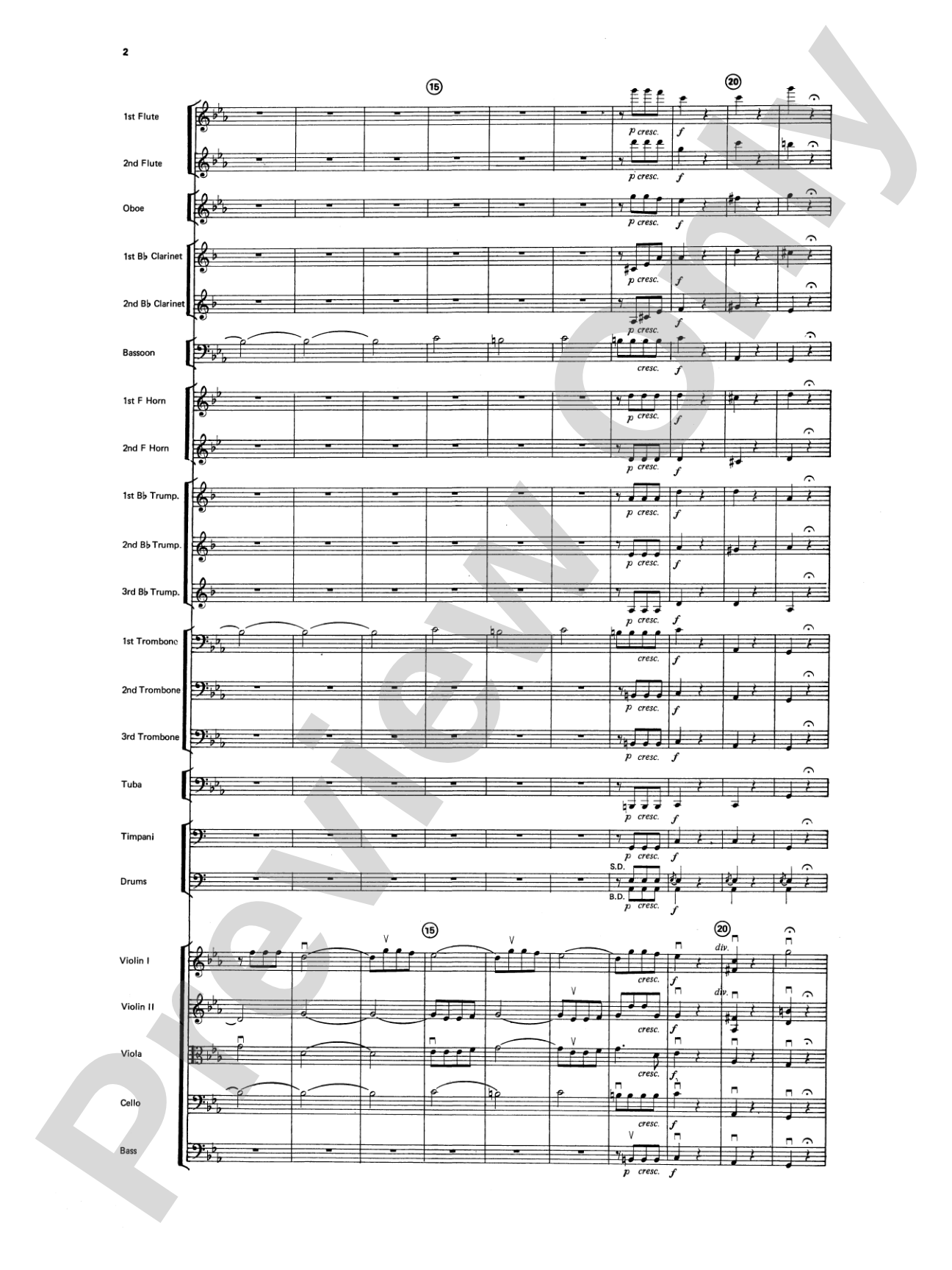
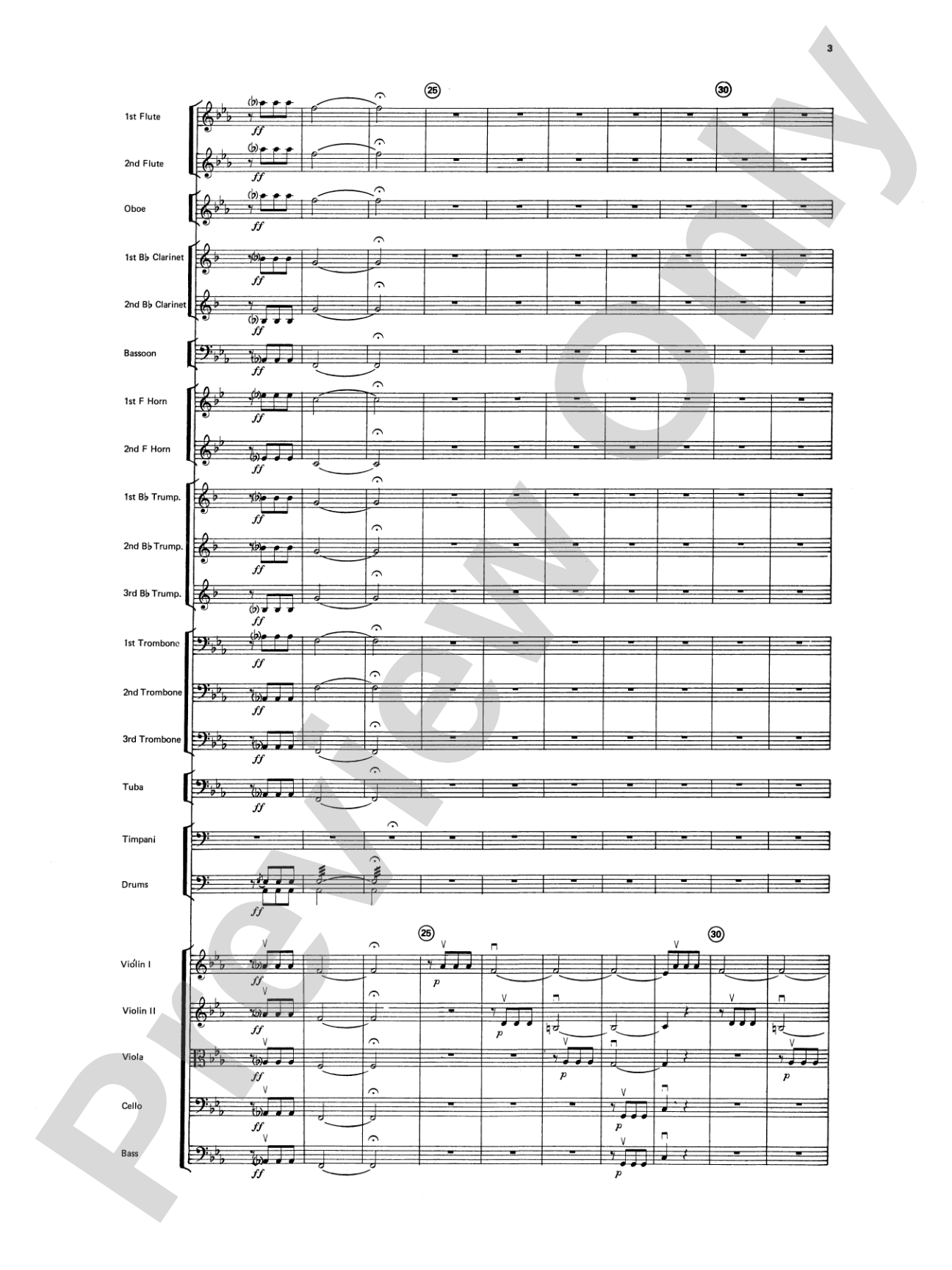
The movement opens with quiet intensity, that iconic motto delivered by cellos and violas, almost like a knock on fate's door. What follows is relentless forward motion: themes collide, the orchestra builds in layers, and the writing demands both individual clarity and collective discipline. There's drama here, but it's the drama of struggle and resolve, not mere sound for its own sake.
Who it's for
Grade 3 full orchestras ready to tackle a work with genuine compositional substance and historical weight. This arrangement suits ensembles with competent string sections and solid woodwind fundamentals but without the technical virtuosity required for the original score.
How to get the most out of it
- Establish the rhythmic unison of the opening four-note figure before anything else; lock the exact articulation and dynamic shape across all sections, since the entire movement hinges on this motive's clarity and repetition.
- Balance the transition between the urgent opening theme and the lyrical second theme by bringing out the violas and cellos when the texture shifts; this contrast is essential to the form and keeps the movement from feeling monolithic.
- Resist the urge to rush during modulations and key shifts; conductors often accelerate unconsciously when harmonic movement intensifies, but Beethoven's architecture requires space for the ear to register each harmonic arrival.
- Mark breath points for wind sections at natural phrase boundaries rather than forcing them through long passages; young orchestras play better when they know where the music genuinely permits air.
How to use it
Program this as a contest or festival piece where judges and audiences alike recognize and respect the source material. It works equally well as the anchor of a concert exploring Classical and Romantic form or as evidence of how far a young ensemble has progressed since the season began.
Skills your students will build
- Sustaining rhythmic precision across an extended movement while managing dynamic and textural changes
- Identifying and responding to sonata form structure (exposition, development, recapitulation) through listening and conducting
- Balancing independent melodic lines when a motive is distributed across multiple instruments and sections
- Managing tempo stability during key modulations and shifts in harmonic rhythm
- Coordinating articulation across the full ensemble to achieve unified attacks and releases on thematic material