

Basix® Guitar TAB Classics: Mozart: Guitar Tab
Music by Wolfgang Amadeus Mozart
Item: 00-PB-0002207
$10.99
Pickup currently not available
Description
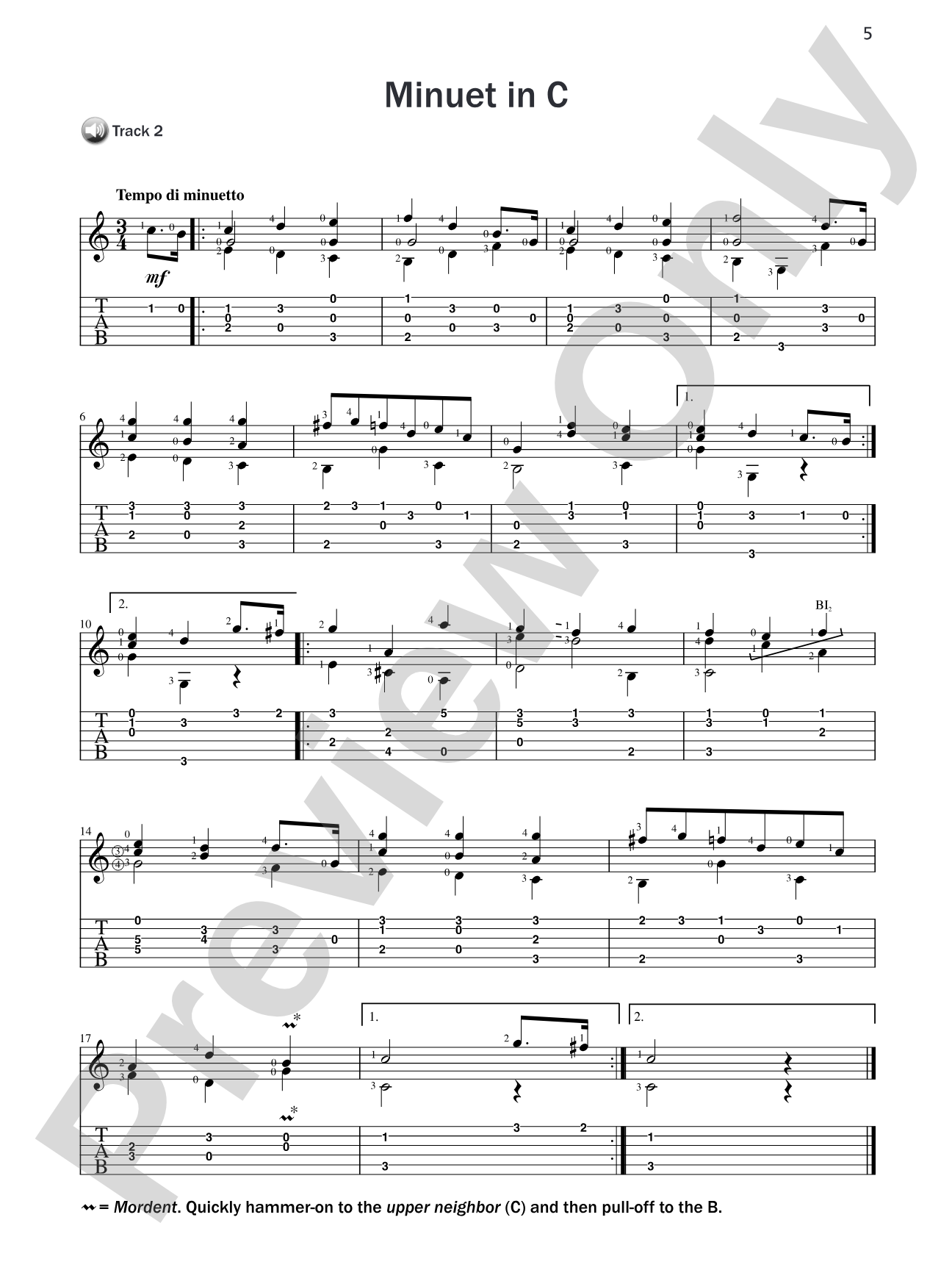
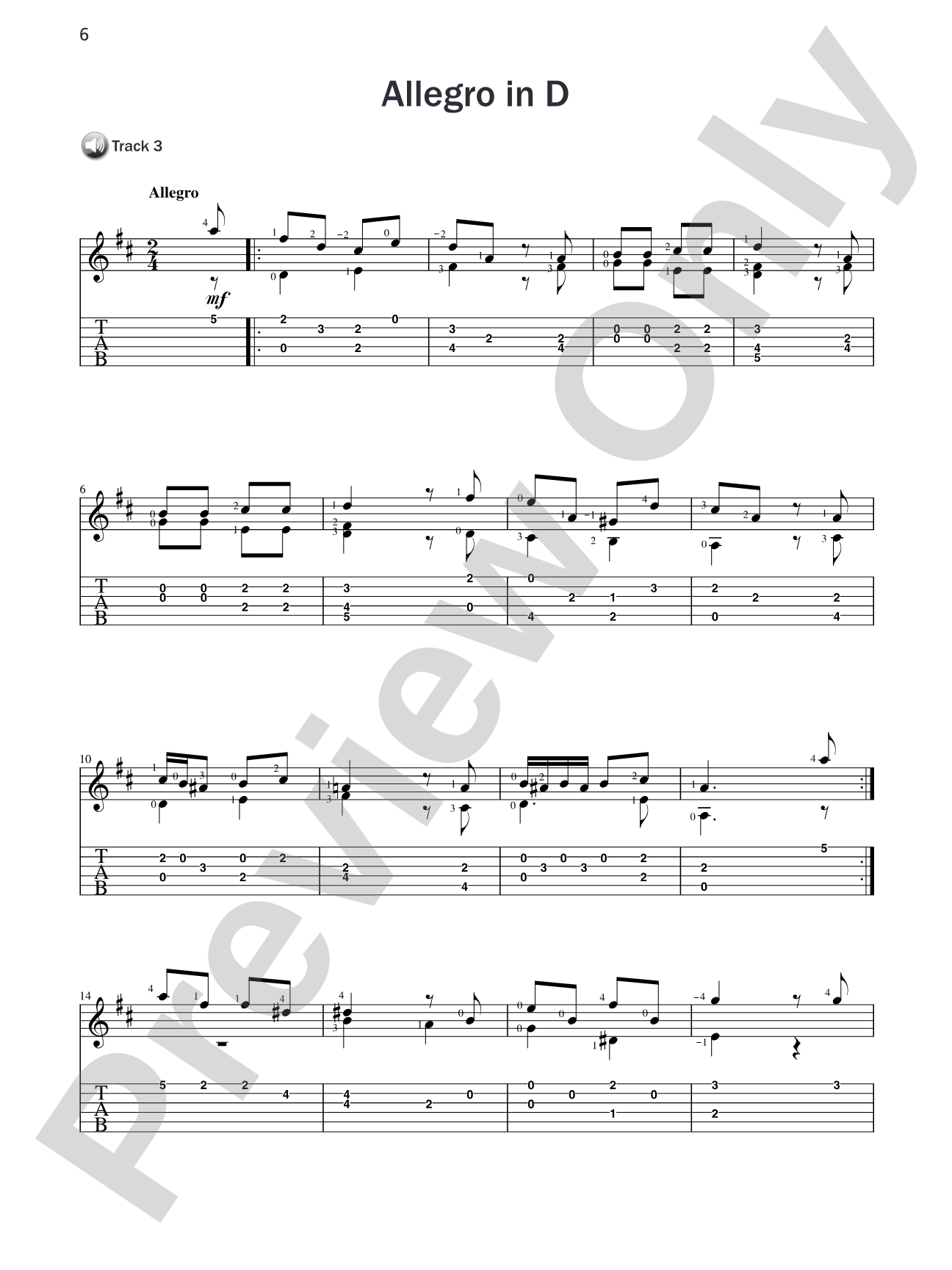
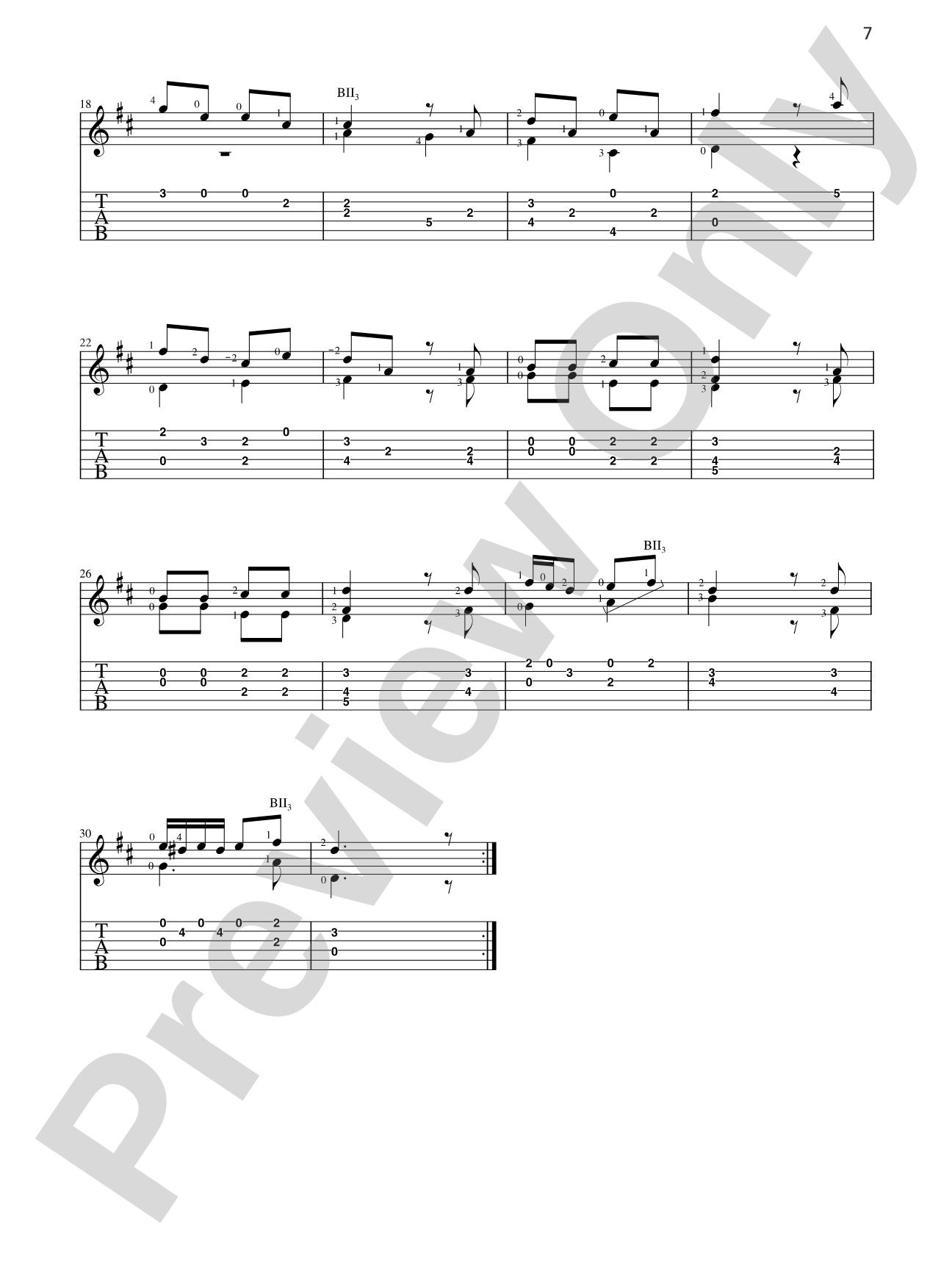
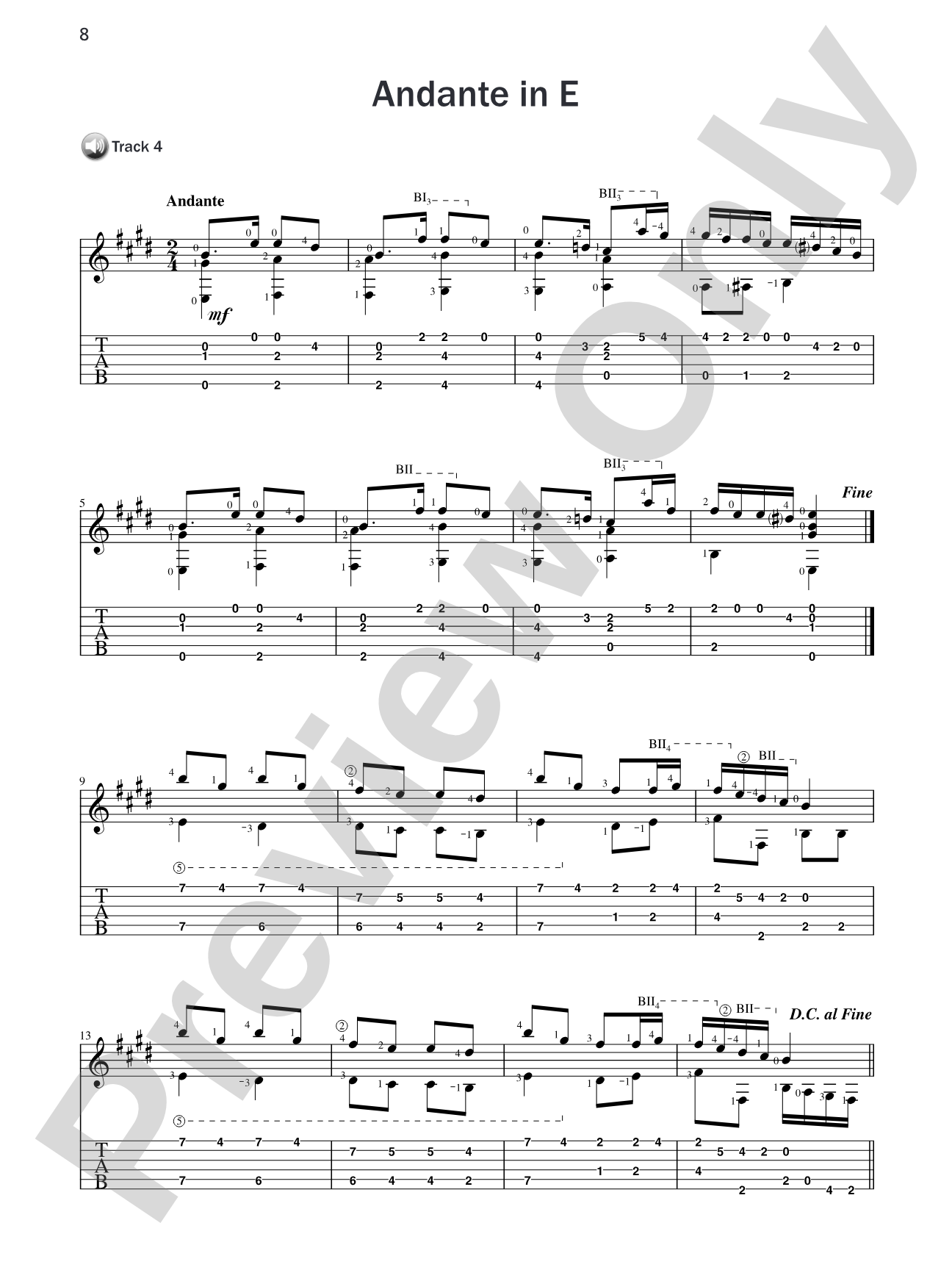
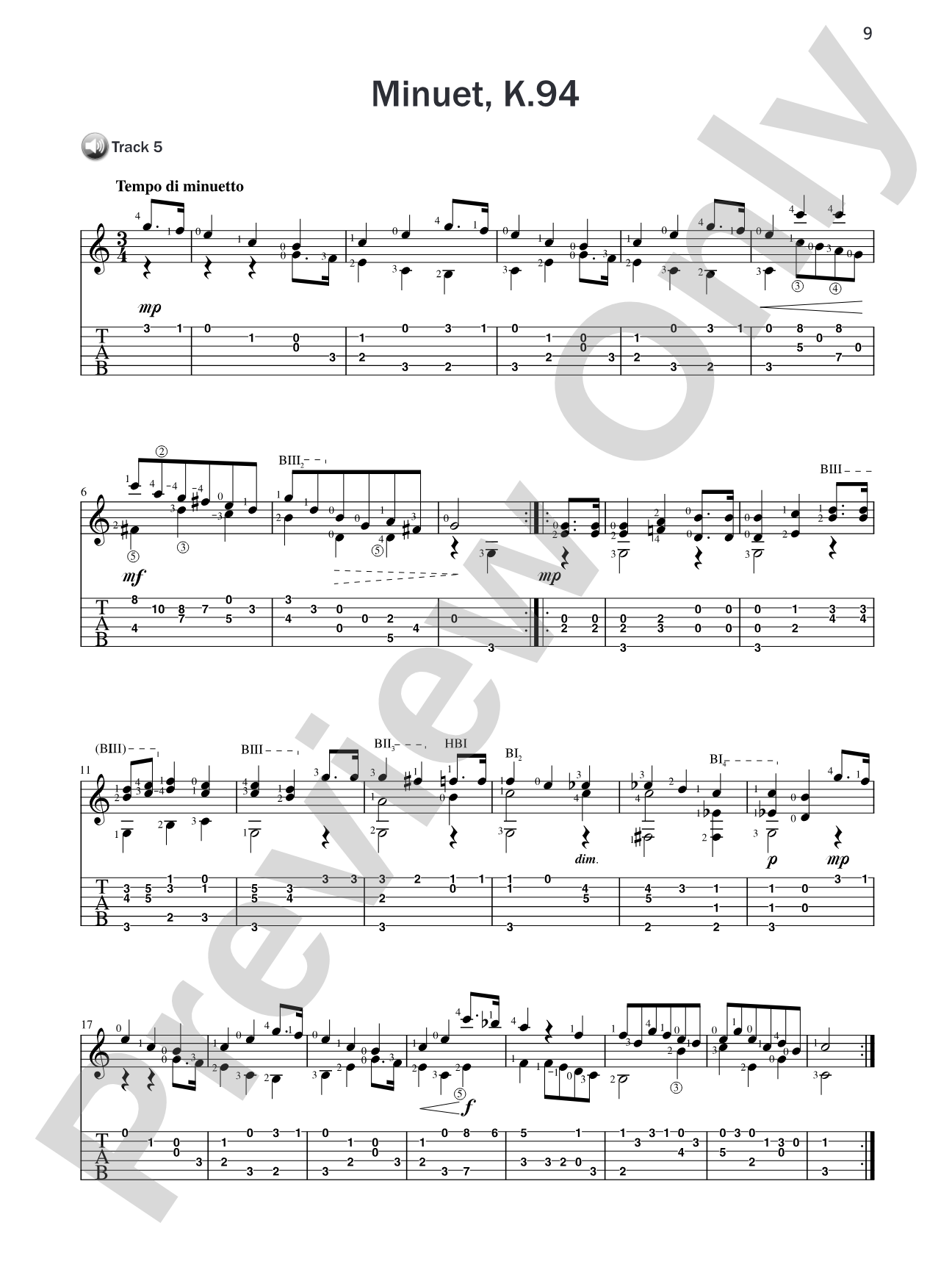
13 well-known pieces by one of the world's greatest composers arranged for guitar in standard music notation and TAB. The accompanying audio offers outstanding performances of each piece.


Basix® Guitar TAB Classics: Mozart: Guitar Tab isn't in MakeMusic Cloud just yet...but it could be. Let us know you'd like to see it, and you'll help shape what comes next. In the meantime, start a free trial and dive into thousands of interactive titles your students can play along with today.
Request This Title
Tell us you want it.
Start Your Free Trial
Explore everything that's ready to play right now.
Sample Audio
1
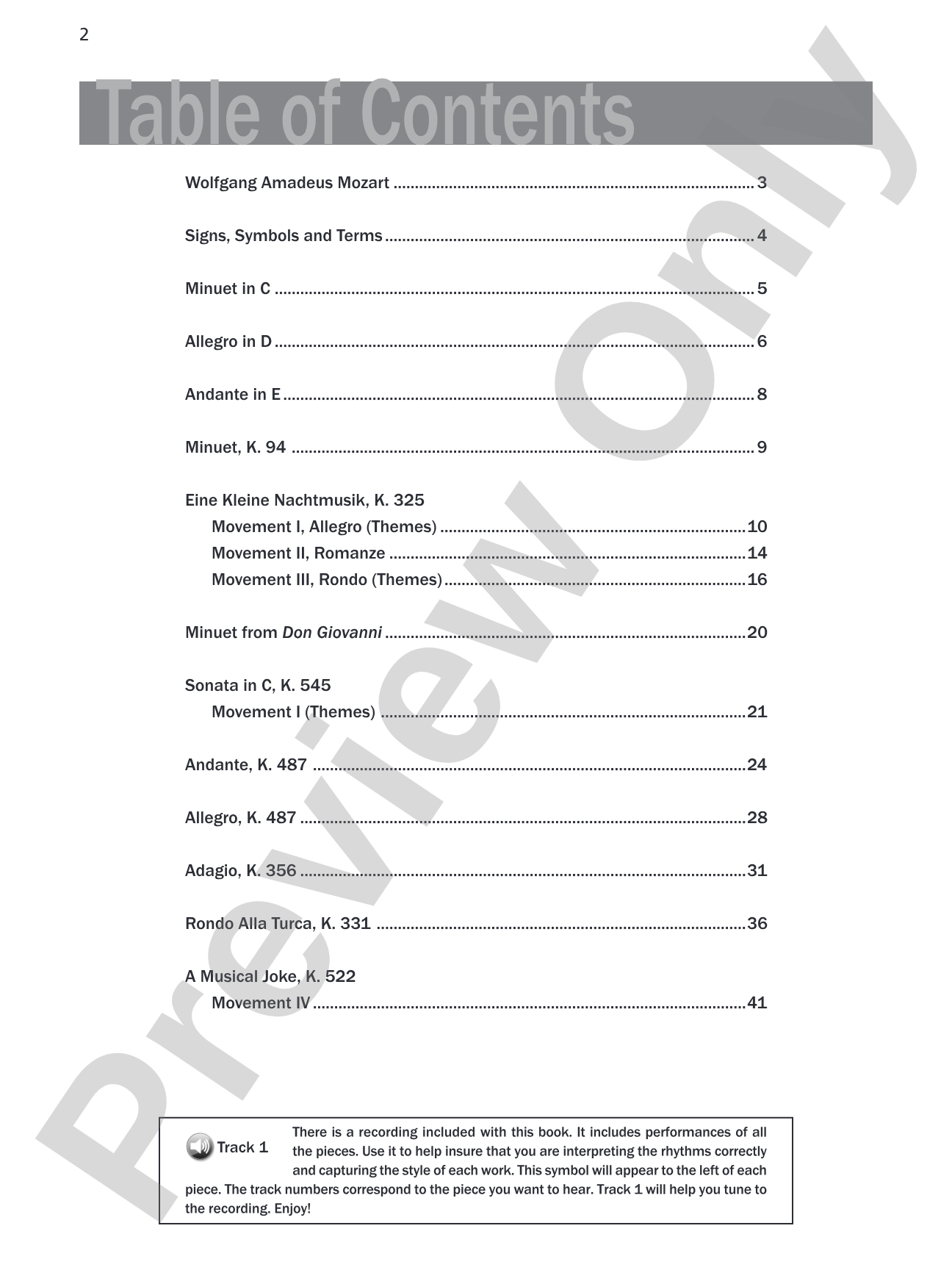
Allegro in D
--:--
2
Rondo Alla Turca
--:--
3
Sonata in C
--:--
Allegro in D
0:00
0:00
Sample Video
No sample videos found.
Additional Details
Series:
Basix® Series
Publisher:
Alfred Music
Page Count:
44
SKU:
00-PB-0002207
More about this title
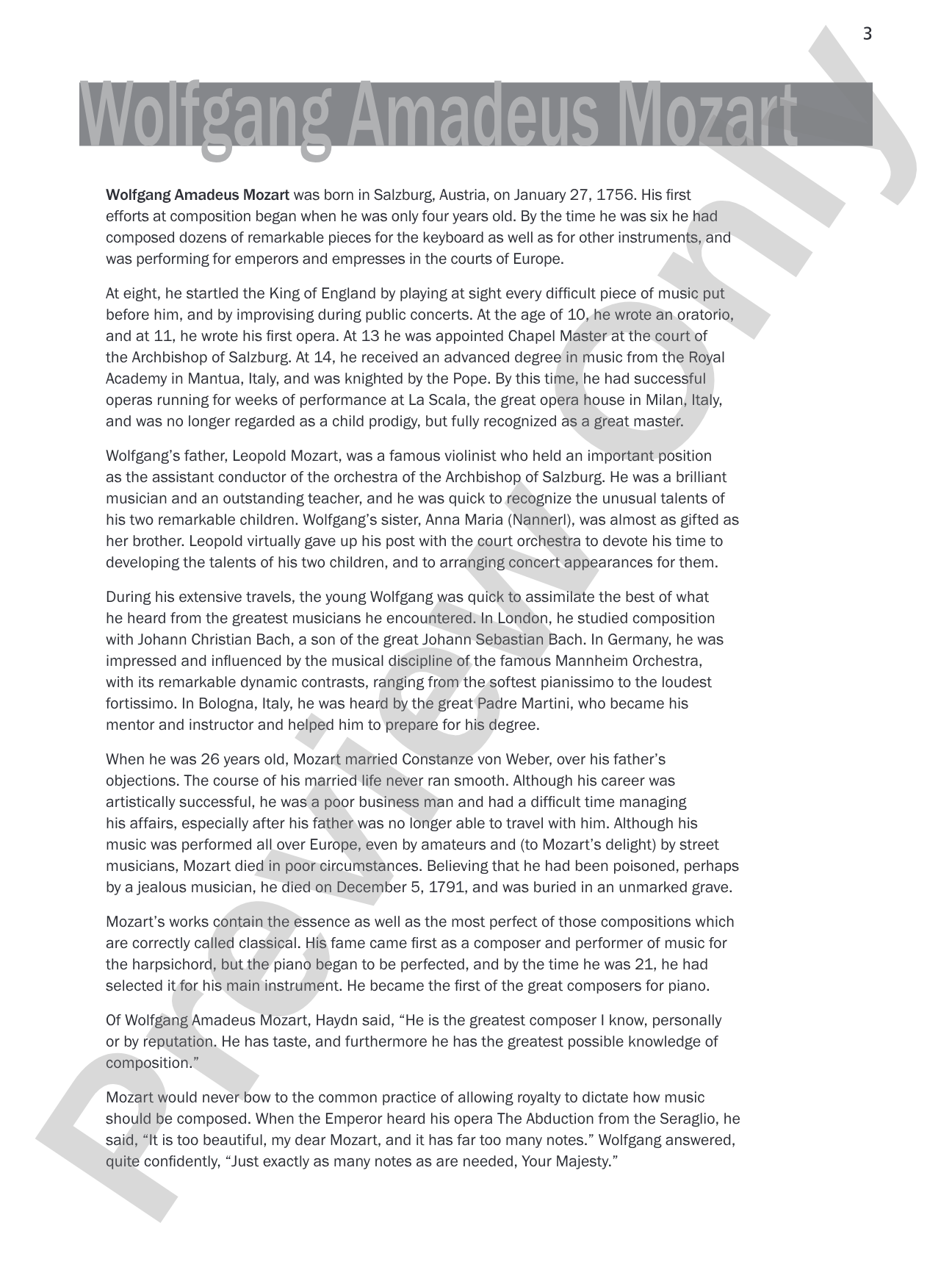
About the Composer: Wolfgang Amadeus Mozart
Wolfgang Amadeus Mozart (1756–1791) stands as one of history's most prolific and influential composers, having written over 600 works across every major genre before his death at thirty-five. His melodic gift was extraordinary; even his simplest pieces possess an elegance and clarity that make them immediately memorable while rewarding deeper study. For music education, Mozart's catalog offers an ideal entry point into classical form and refined harmonic thinking, with pieces that sound effortless but reveal careful architectural construction.
Why we love this
These thirteen selections capture Mozart's gift for melody in accessible arrangements that respect both the original writing and the guitar's unique voice. Pairing standard notation with tablature removes a common barrier for TAB-dependent players while encouraging them to strengthen their reading skills. The accompanying audio provides clear reference performances without being so polished that students feel intimidated to attempt the pieces themselves.
What to expect
These pieces radiate the clarity and grace that define Mozart's style; graceful without being precious, elegant without pretension. Melodies unfold with an almost inevitable rightness, moving through harmonic progressions that feel both logical and surprising. On guitar, the arrangements allow the natural resonance of the instrument to bring warmth to passages that might sound spare on period instruments.
Who it's for
Guitarists moving beyond beginner-level folk arrangements and ready to explore classical repertoire will find immediate entry points here. This collection works well for music students who read TAB fluently but are still building standard notation confidence, since working through these pieces strengthens both skill areas simultaneously. Teachers assembling recital material or concert programs looking for recognizable, audience-friendly pieces will appreciate both the musical substance and the 44-page scope.
How to get the most out of it
- Keep the phrasing conversational rather than rigid. Mozart's melodies invite singing, so aim for breath-like pacing even in technically straightforward passages.
- Balance evenness of tone across the dynamic range. Classical restraint means avoiding extremes, but that doesn't mean playing without color or shape.
- Listen carefully to the audio performances and identify where they shape rubato or articulation. Use those insights as starting points for your own interpretive choices rather than as templates to copy exactly.
- Check fingering efficiency on the TAB. The provided tab is helpful, but comparing multiple fingering options may reveal which feels most natural for your hand.
How to use it
Select individual pieces for solo recital slots, particularly alongside more complex contemporary or Romantic works where their formal clarity serves as welcome contrast. A guitarist with advancing technique can program several of these as a themed set, demonstrating stylistic fluency and range within a single composer's output. Emerging ensemble programs might include one or two selections as part of a classical repertoire evening.
Skills your students will build
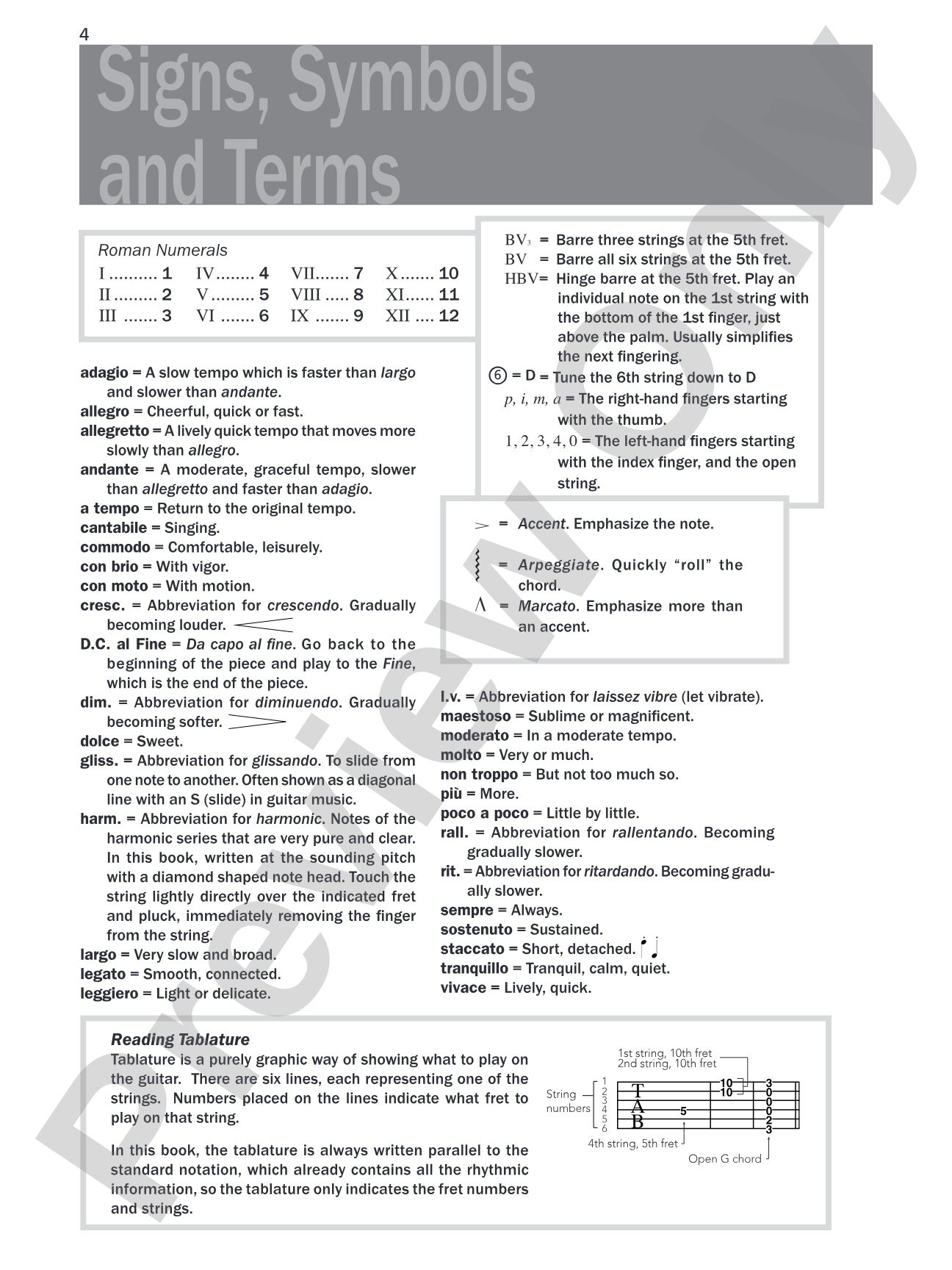
- Reading standard notation fluently while cross referencing tablature
- Interpreting baroque and classical phrasing conventions
- Shaping long melodic lines with consistent tone production
- Applying efficient fingering strategies in diatonic passages
- Balancing rhythmic precision with stylistic flexibility
- Recognizing classical phrase structure and harmonic function