

Basix® Guitar TAB Classics: Mozart: Guitar Tab
Music by Wolfgang Amadeus Mozart
Item: 00-PB-0002154
$10.99
Pickup currently not available
Description
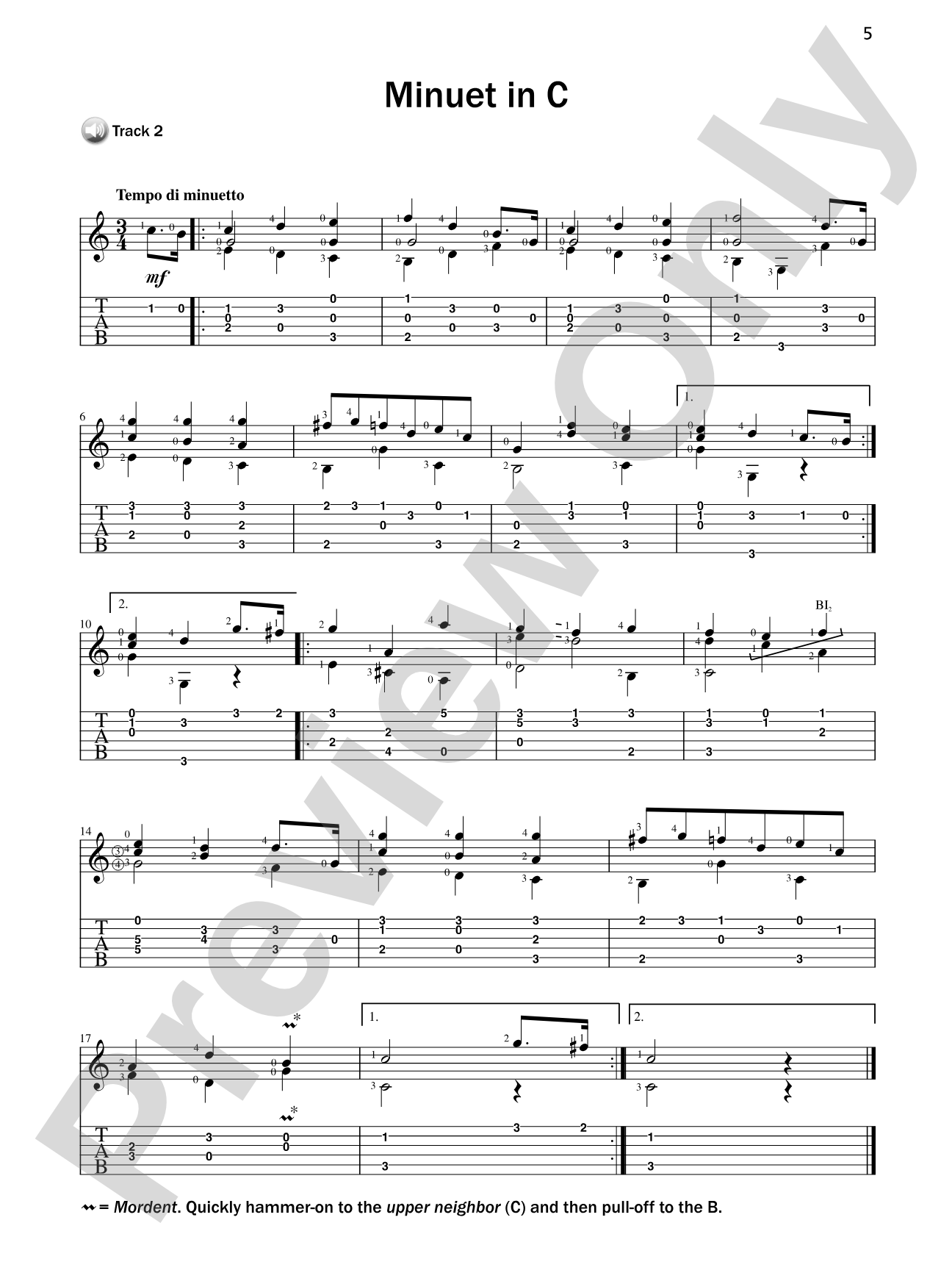
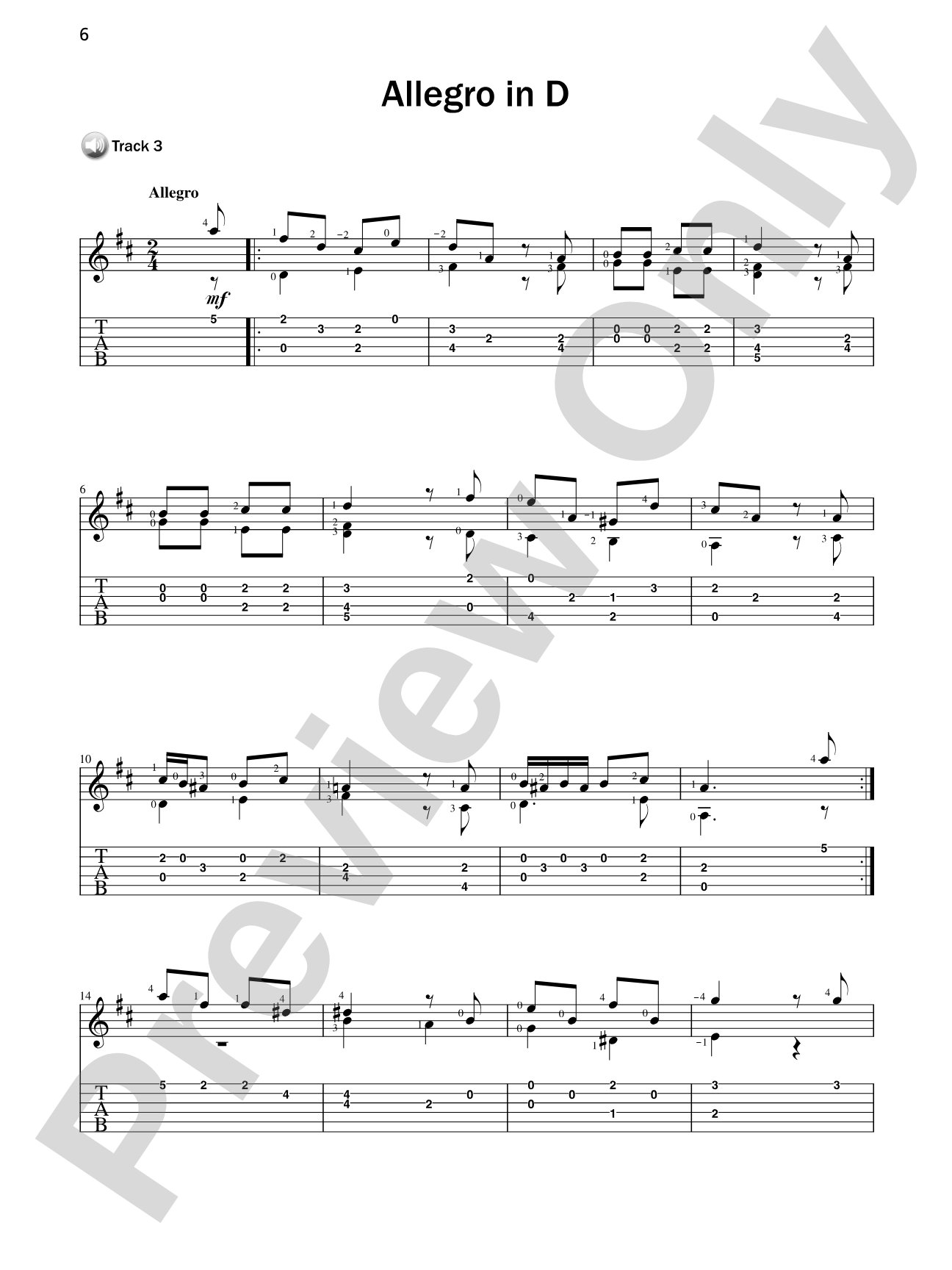
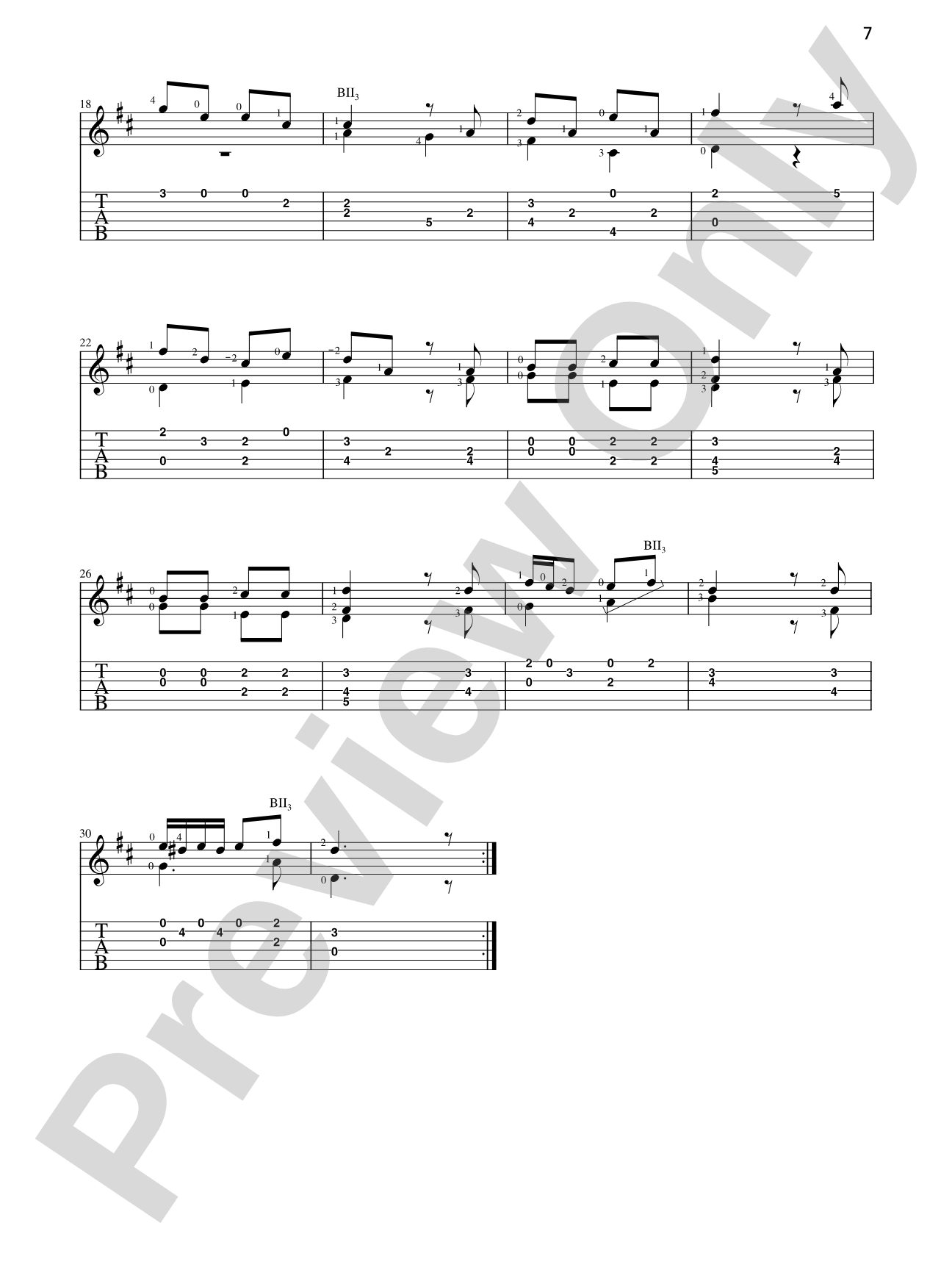
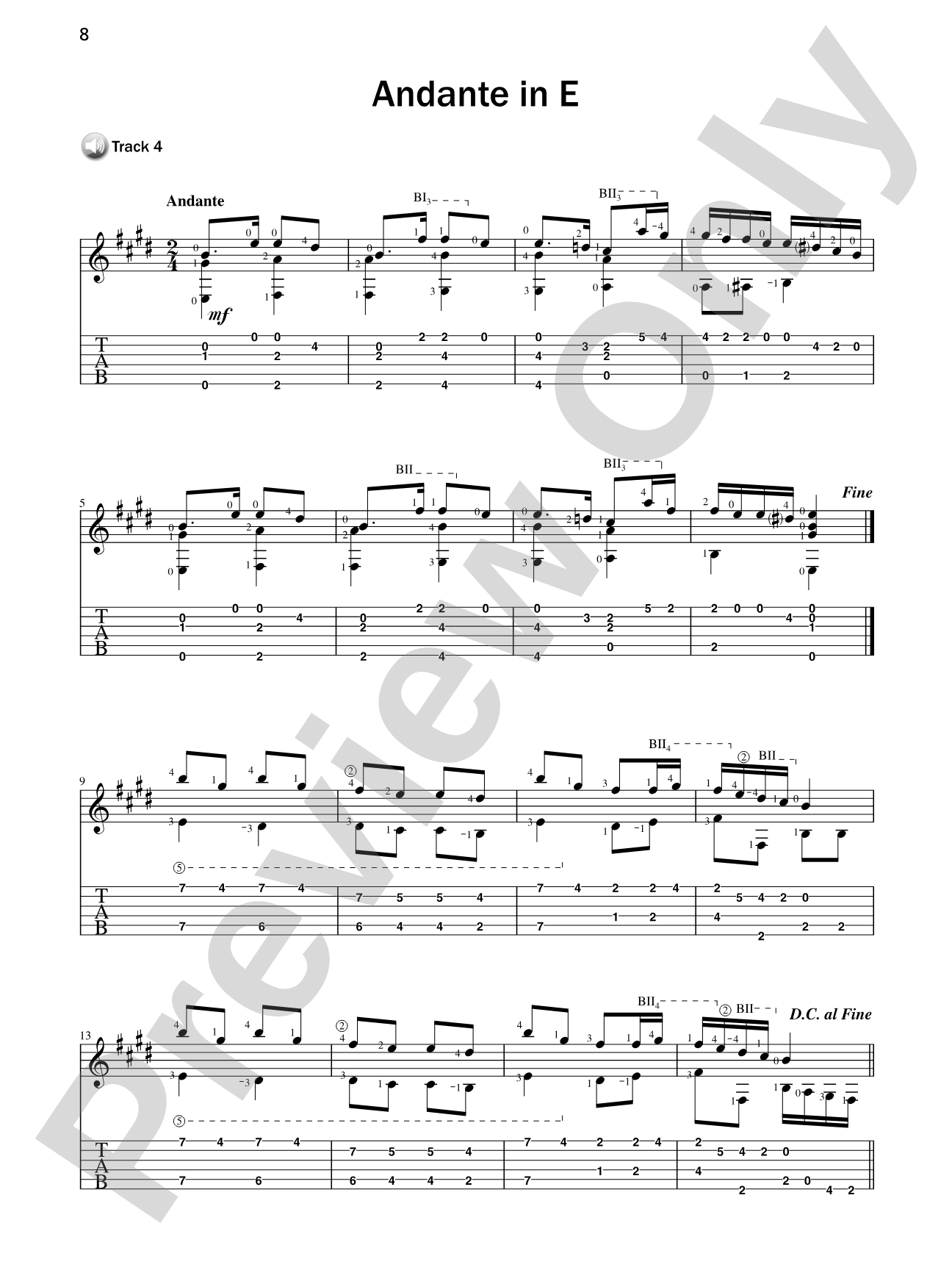
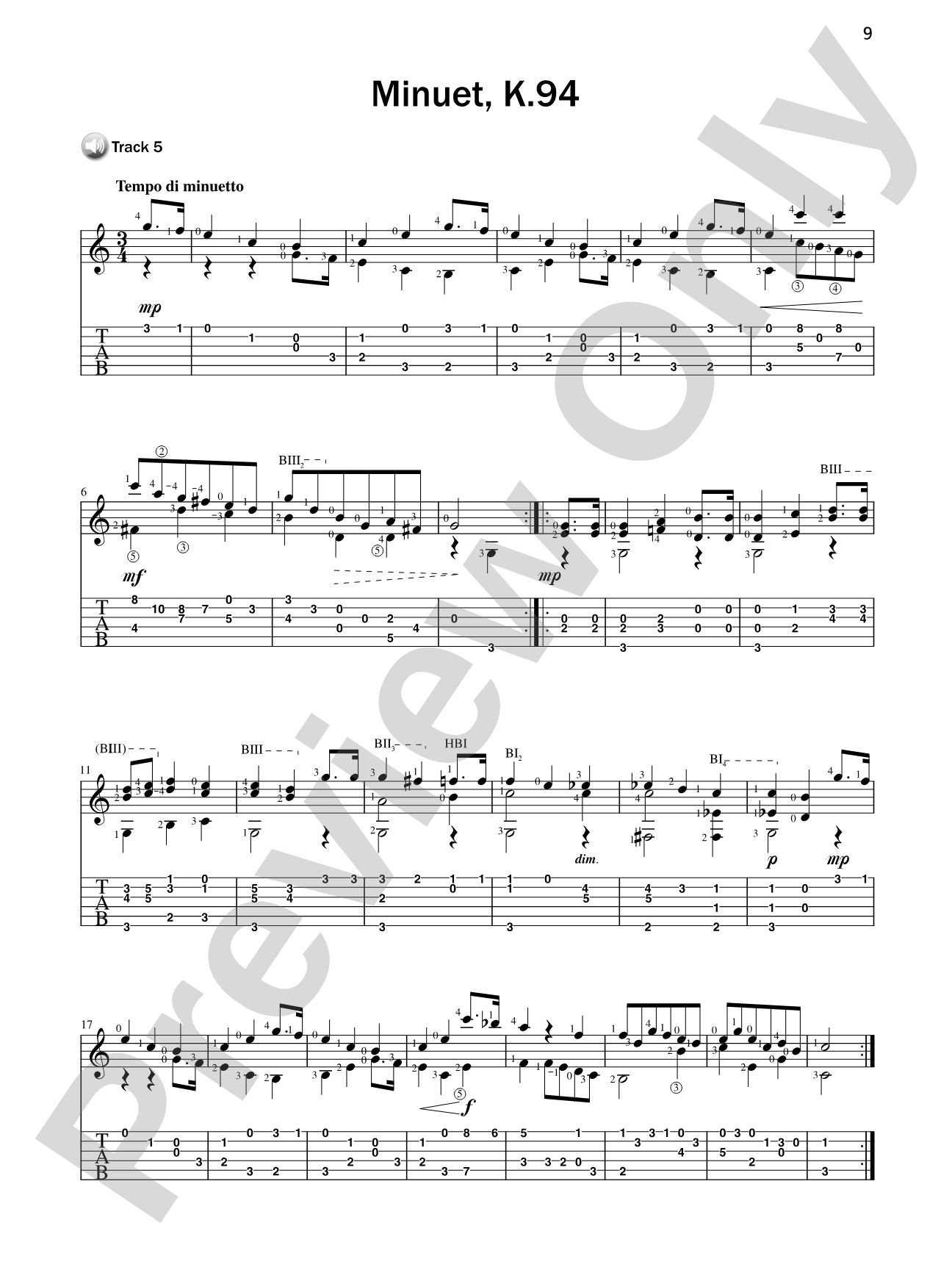
13 well-known pieces by one of the world's greatest composers arranged for guitar in standard music notation and TAB. The accompanying audio offers outstanding performances of each piece.


Basix® Guitar TAB Classics: Mozart: Guitar Tab isn't in MakeMusic Cloud just yet...but it could be. Let us know you'd like to see it, and you'll help shape what comes next. In the meantime, start a free trial and dive into thousands of interactive titles your students can play along with today.
Request This Title
Tell us you want it.
Start Your Free Trial
Explore everything that's ready to play right now.
Sample Audio
1
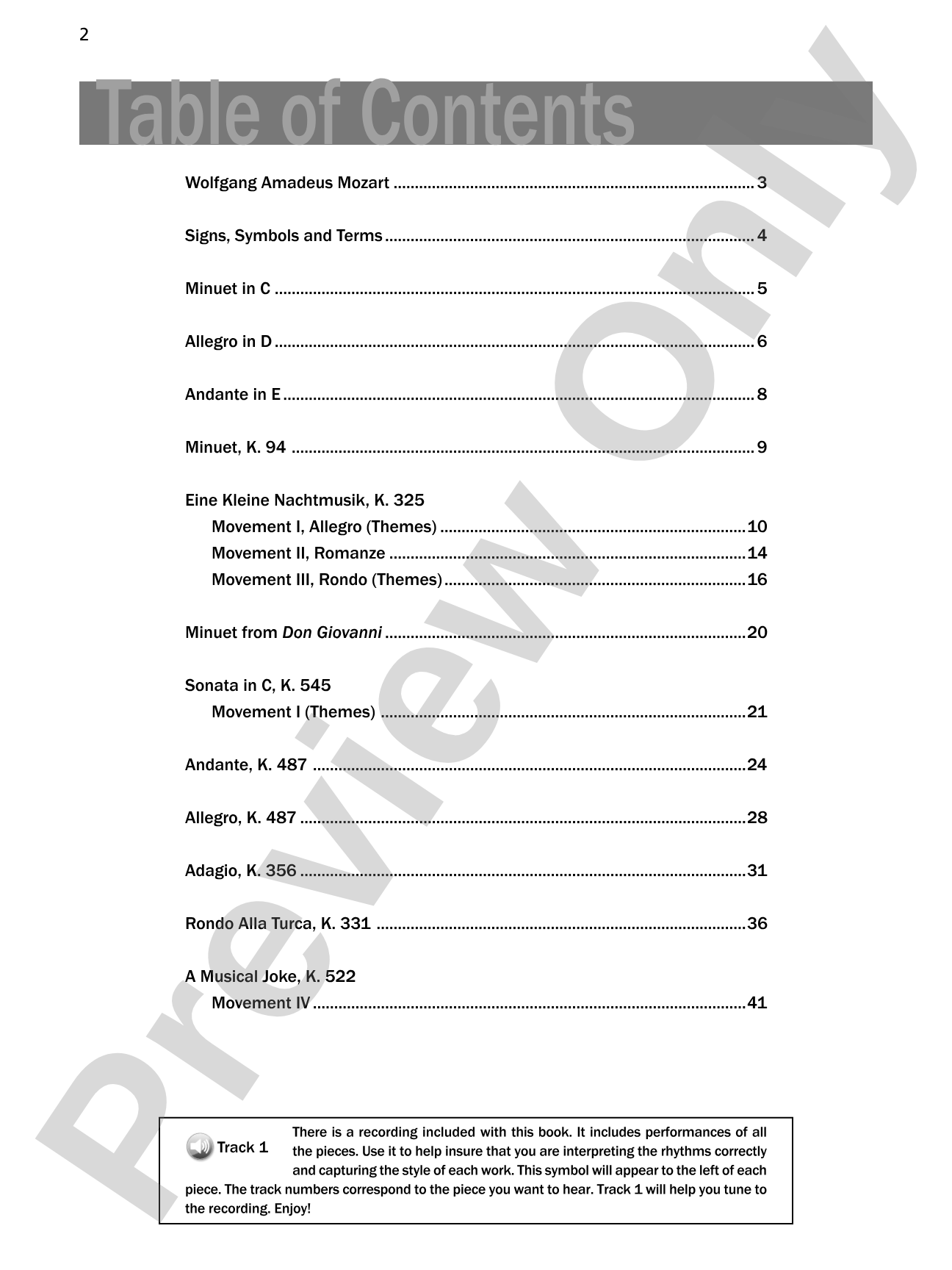
Allegro in D
--:--
2
Rondo Alla Turca
--:--
3
Sonata in C
--:--
Allegro in D
0:00
0:00
Sample Video
No sample videos found.
Additional Details
Series:
Basix® Series
Publisher:
Alfred Music
Page Count:
44
SKU:
00-PB-0002154
More about this title
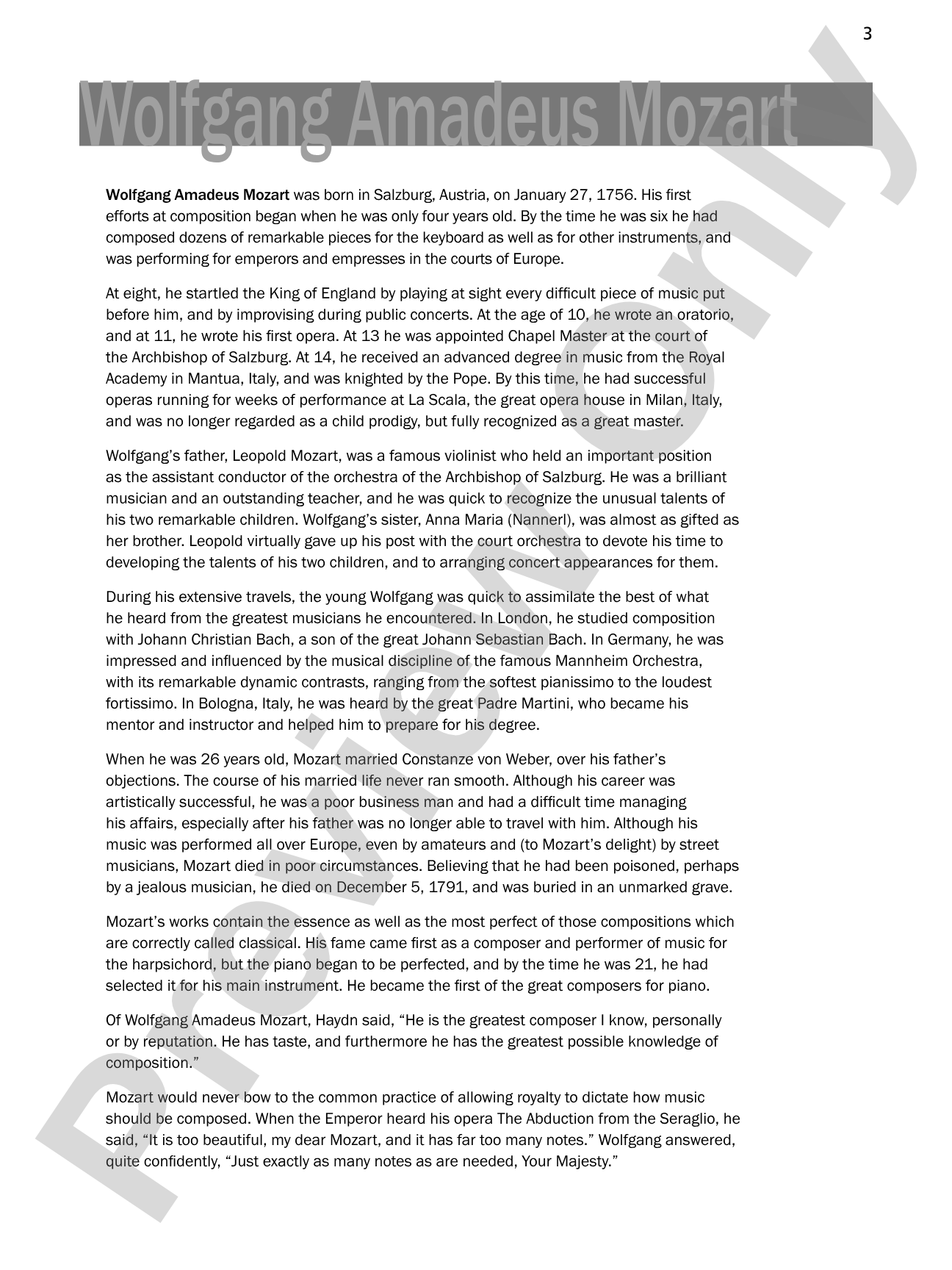
About the Composer: Wolfgang Amadeus Mozart
Mozart composed over 600 works across every major genre during his brief 35 years, fundamentally shaping Western classical music. His output ranged from symphonies and concertos to chamber music and operas, each marked by crystalline melodies, harmonic sophistication, and an instinctive sense of balance that still captivates performers and audiences alike.
For guitarists, Mozart's music offers an invaluable entry point into serious classical composition. His pieces reward careful attention to phrasing and voice leading while remaining accessible to intermediate players, making them essential study material for developing both technical fluency and musical maturity.
Why we love this
Guitar arrangements of Mozart rarely maintain this level of elegance. The selection spans his most recognizable works, from the delightful Rondo Alla Turca to charming minuets, and the TAB alongside standard notation removes barriers for learners still building reading fluency. Audio performances establish a clear musical target, helping students grasp phrasing and tempo in context rather than guessing from the page.
What to expect
Elegant, crystalline, often playful. Mozart's melodic gift shines through even in guitar format; pieces like Rondo Alla Turca sparkle with joy and movement, while his slower movements invite genuine introspection and sustained singing tone. The 44 pages flow between character pieces that range from witty to serene.
Who it's for
Intermediate guitarists ready to explore classical masterworks beyond simple folk arrangements. Also useful for ensemble directors introducing students to repertoire that builds refined technique and historical literacy without overwhelming younger or less experienced players.
How to get the most out of it
- Treat ornaments and grace notes with grace but don't sacrifice rhythmic precision. Mozart's embellishments exist in service of the melody, not as decorative flourishes.
- Let the harmonic rhythm breathe. Especially in slower movements, resist the urge to fill every silence. Space between phrases gives Mozart's elegant lines room to sing.
- Balance the melody against accompaniment carefully when playing arranged works. The guitar often carries both, so use dynamics and articulation to clarify the intended hierarchy.
- Study the audio performance closely, but don't imitate every detail mechanically. Use it as a reference for character and proportions, then make the piece your own through thoughtful interpretation.
How to use it
Feature these alongside other classical guitar selections in a student recital, or program a single Mozart arrangement as a palate cleanser between heavier contemporary works. They work equally well as solo repertoire or as part of a larger guitar ensemble performance exploring the classical period.
Skills your students will build
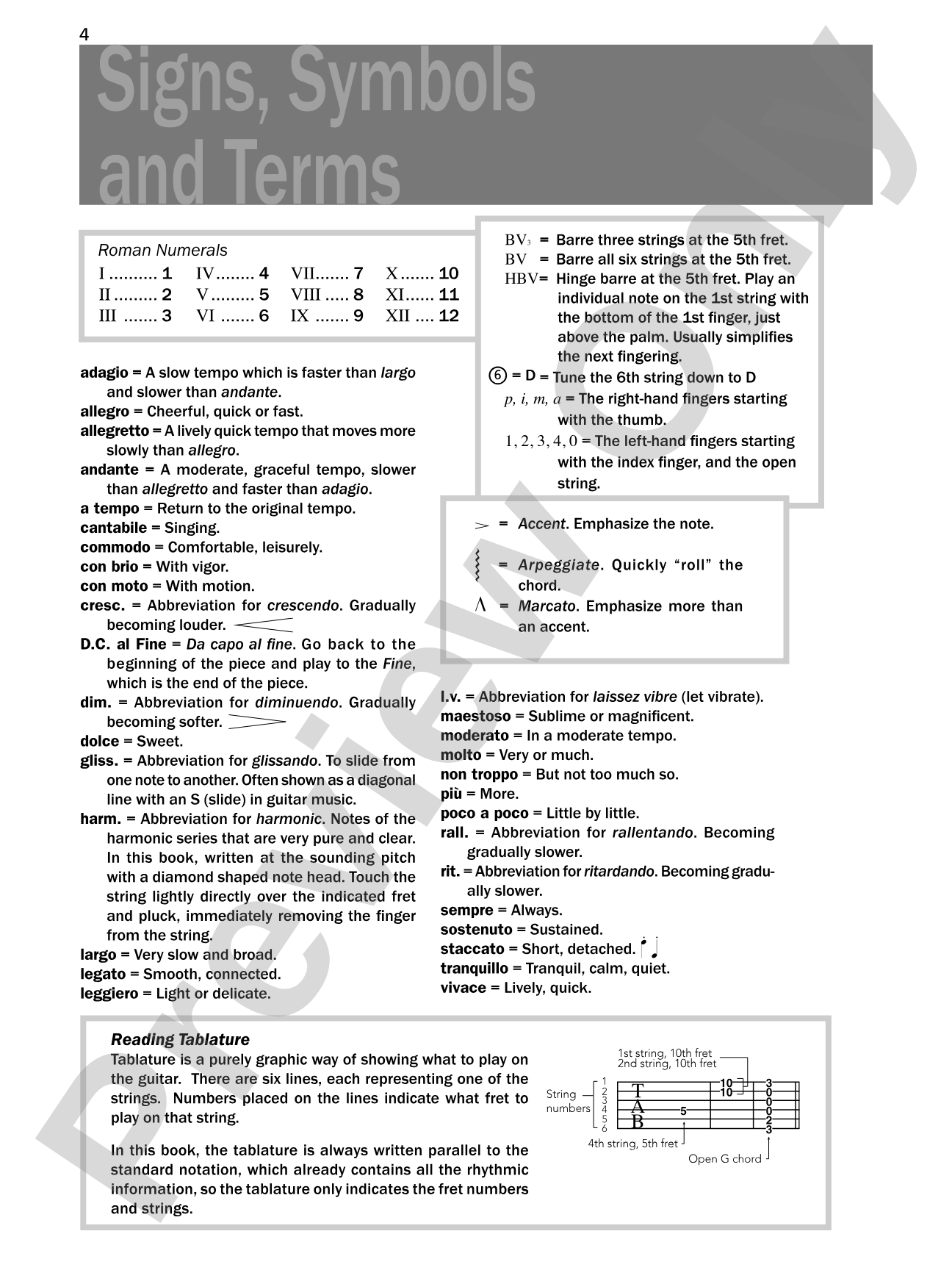
- Reading standard notation with TAB as a learning scaffold
- Phrasing and voice leading across guitar's fretboard
- Ornamentation and period style interpretation
- Translating composed melody and harmony to single-line instrument
- Understanding proportions and structure in classical forms