Baroque Fugue Cover Image

Baroque Fugue: String Orchestra Conductor Score & Parts

$48.00 USD
Sale price  $48.00 USD Regular price 
Skip to product information
Baroque Fugue Cover Image

Baroque Fugue: String Orchestra Conductor Score & Parts

By Edmund J. Siennicki

Grade: 2

Item: 00-12752

makemusic Cloud badge

Need it now?

Buy Digital Version
$48.00
Shipped

One moment…

Description
This title is available in MakeMusic Cloud.

Don't just read it, hear it, play along with it, and watch your students grow with it. In MakeMusic Cloud, Baroque Fugue: String Orchestra Conductor Score & Parts comes alive with professional accompaniment, adjustable tempo, and built-in practice tools that turn solo practice into real progress.

Sample Pages

Sample Audio
No sample audio found.
Sample Video
Additional Details
Series: Highland/Etling String Orchestra
Publisher: Alfred Music
Page Count: 72
UPC: 038081007380
SKU: 00-12752

More about this title

About the Composer: Edmund J. Siennicki
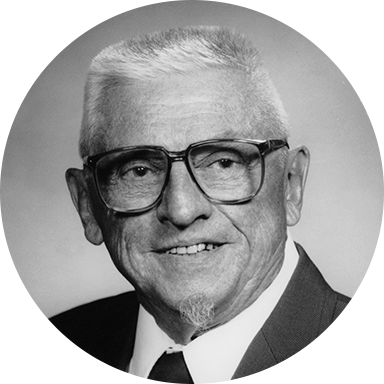
Edmund J. Siennicki

Edmund J. Siennicki's musical journey began in Cleveland, where a formative conversation with virtuoso Ignacy Jan Paderewski at age 12 set the direction for his entire career. He earned his Bachelor's degree from Kent State University, where he wrote the school's fight song still performed at football games today, and later completed his MA at Teachers College, Columbia University, studying composition with Herbert Elwell and electronic music with Sergio Barroso.

Siennicki has maintained an active career as both composer and educator, bringing his work to nearly 200 published compositions. His creative achievements include prizes in National School Orchestra composition contests and two residencies at the MacDowell Colony. Beyond his prolific output, he spent decades teaching in Cleveland's junior high schools while also holding faculty positions at Michigan and Kent State University, and he continues to compose, visit schools, and lead clinics.

Why we love this

A Grade 2 fugue that actually teaches contrapuntal thinking without overwhelming young players. Siennicki's orchestration respects the voices clearly enough that students hear the independence of each line, making this an excellent stepping stone into Bach-inspired textures. The contest/festival designation means your ensemble will have a rewarding, structured goal.

What to expect

The piece unfolds with the logical architecture of genuine Baroque craft. Each voice enters with purpose, weaving together in a texture that feels both disciplined and musical, formal enough to satisfy pedagogical goals, engaging enough that students understand why contrapuntal writing endures.

Who it's for

String orchestras working at the Grade 2 level who are ready to encounter Baroque forms and counterpoint. This title works especially well for ensembles preparing for festival competition or those aiming to build a foundational understanding of fugal writing.

How to get the most out of it

  • Isolate each voice in sectional rehearsals before bringing the full score together. The contrapuntal texture demands precise rhythmic accuracy from every player.
  • Work the subject and answer separately so students internalize how the melodic material transforms and reappears throughout the piece.
  • Pay attention to balance between voices; the exposition is only effective when listeners can track the fugal entries without one section drowning out the others.
  • Use the full 72-page score to plan which passages need extra rehearsal time. Baroque phrasing and articulation conventions will require explicit coaching.

How to use it

Feature this as a contest entry or as part of a concert exploring historical forms alongside your contemporary repertoire. It also serves as a natural bridge in a curriculum that moves from easier tonal pieces into the structural clarity of Baroque instrumental music.

Skills your students will build

  • Following independent melodic lines within a contrapuntal texture
  • Recognizing and tracking a subject through exposition, development, and recapitulation
  • Maintaining rhythmic independence while listening to other voices
  • Baroque articulation and phrasing conventions
  • Balance and voice leading in four-part writing

You May Also Like
