
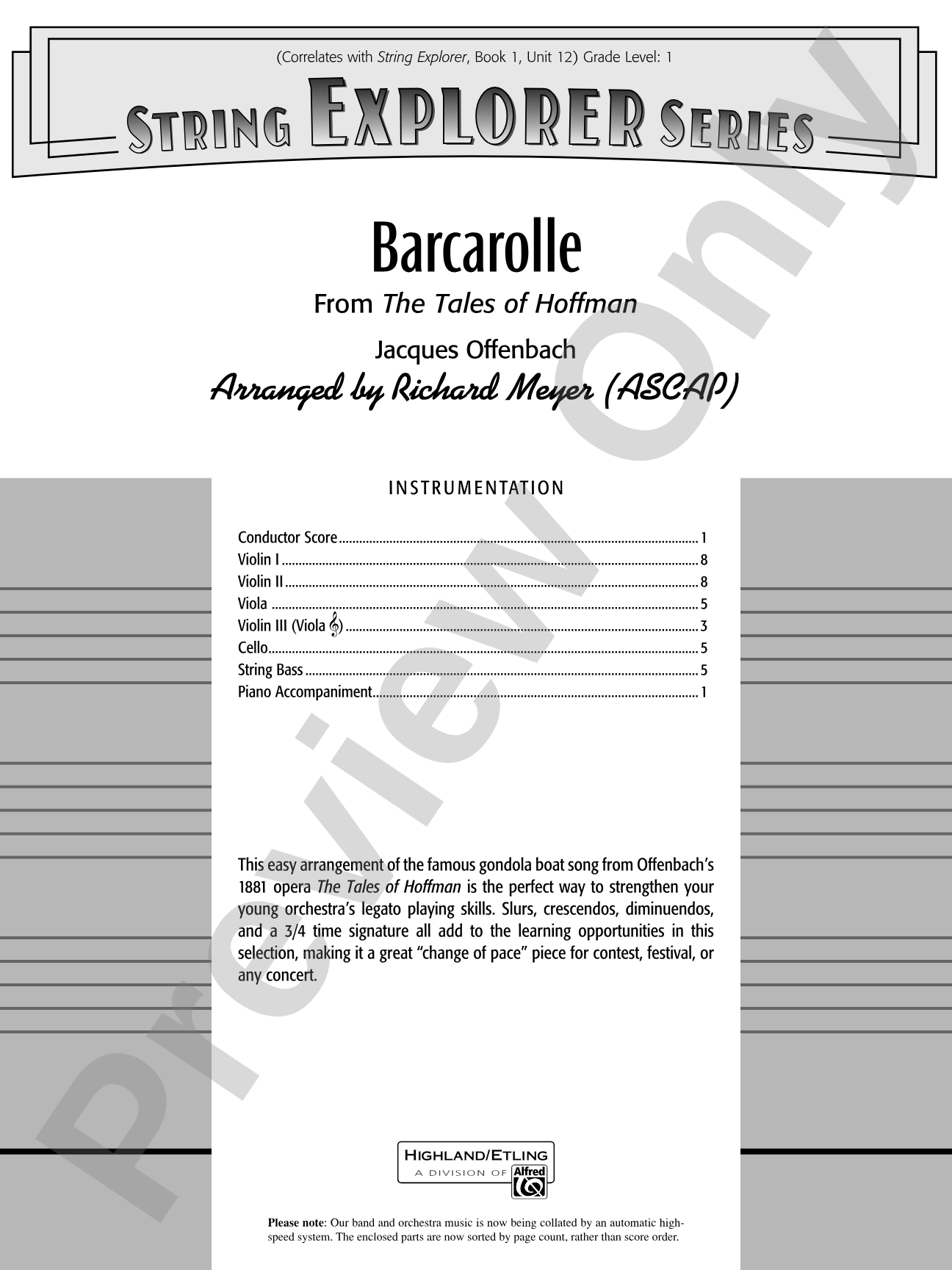
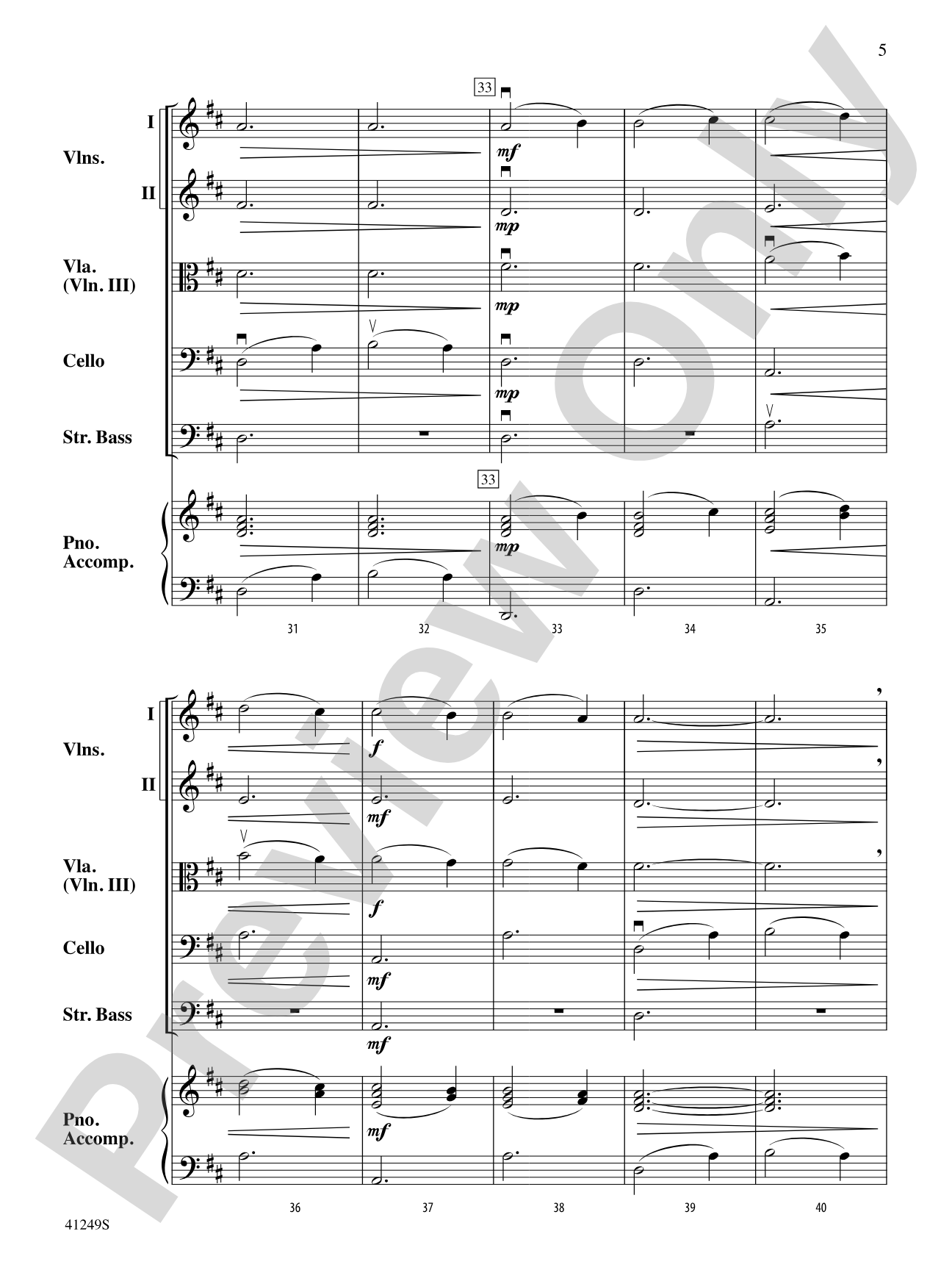
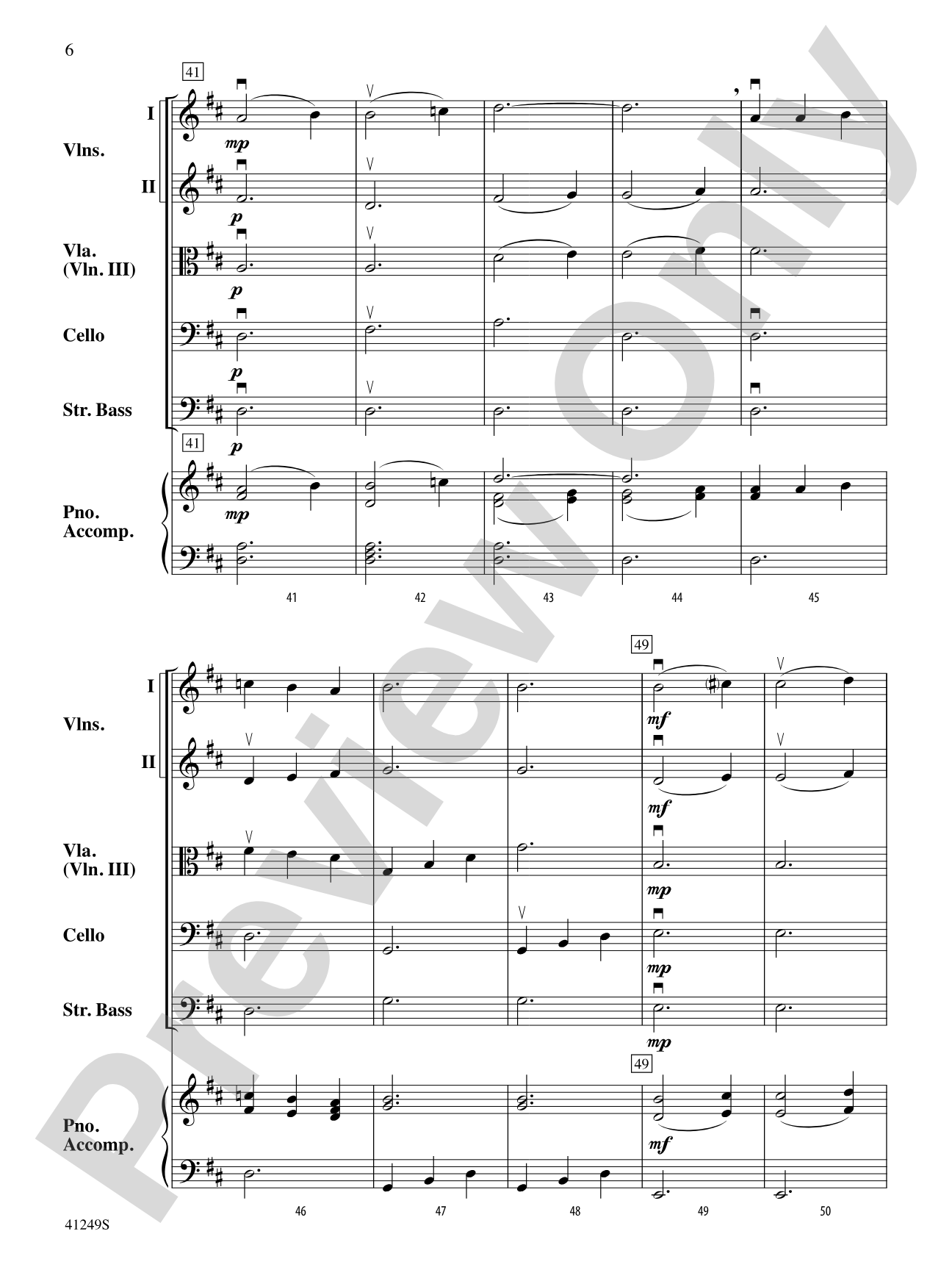
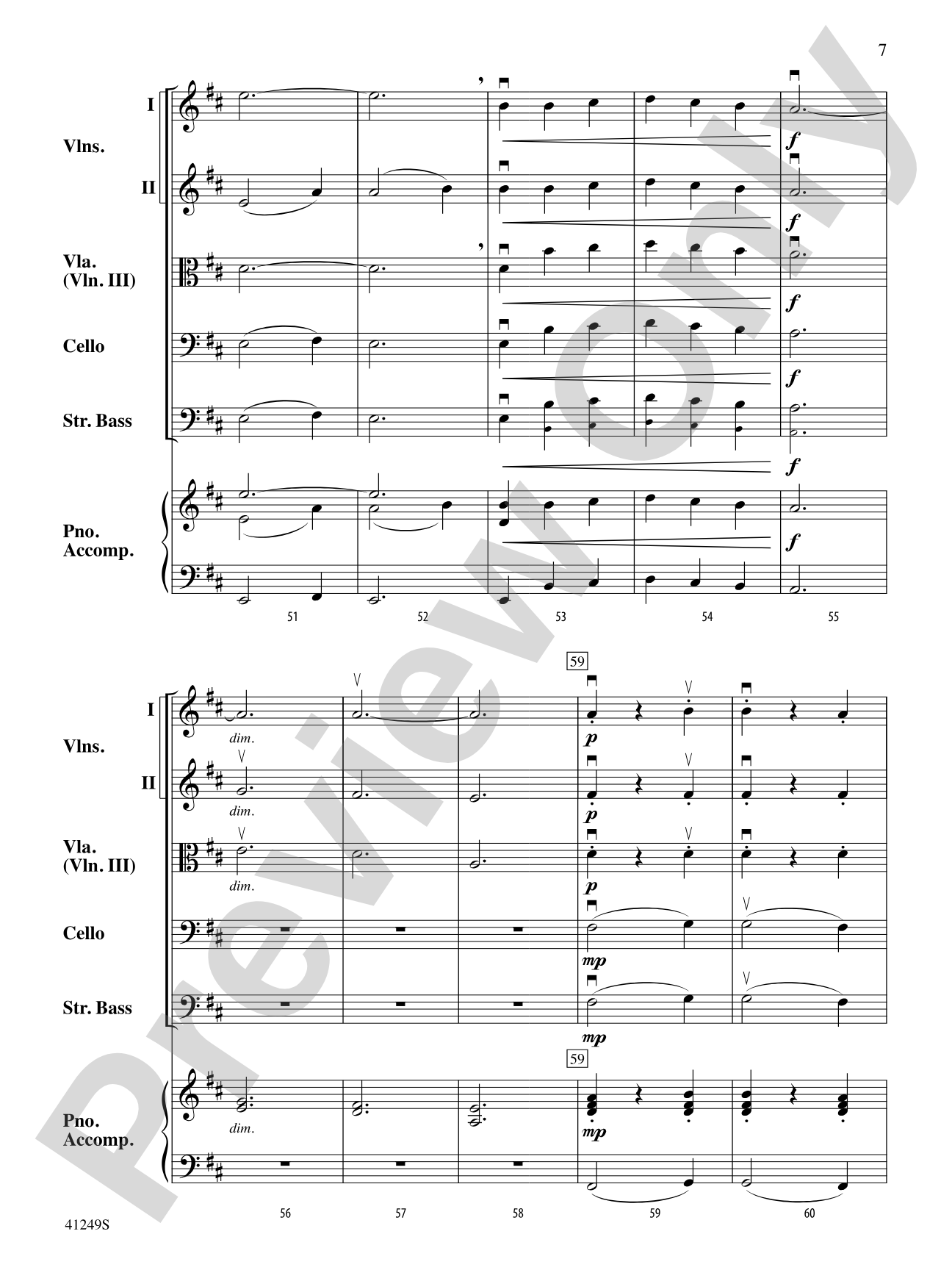
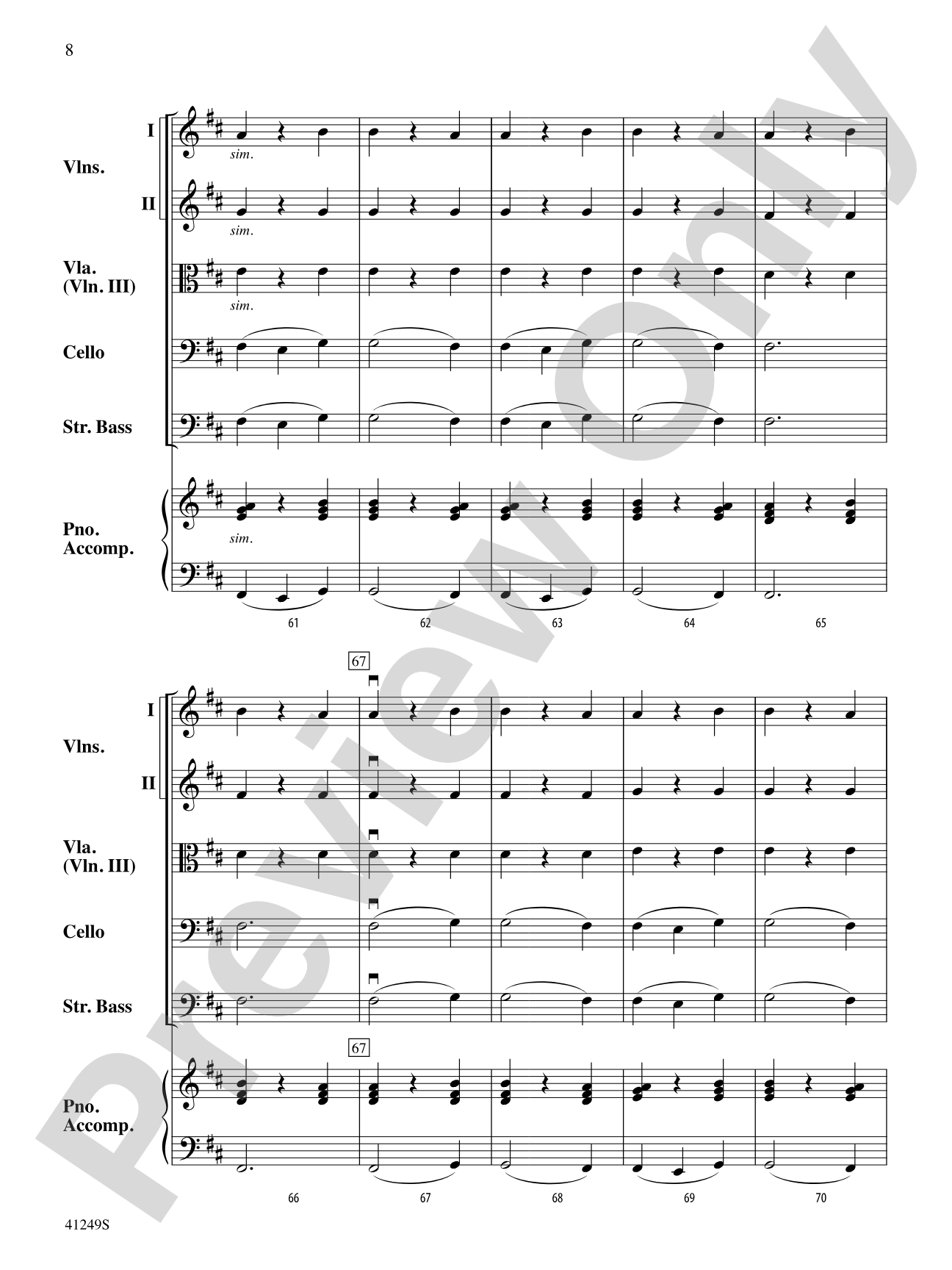
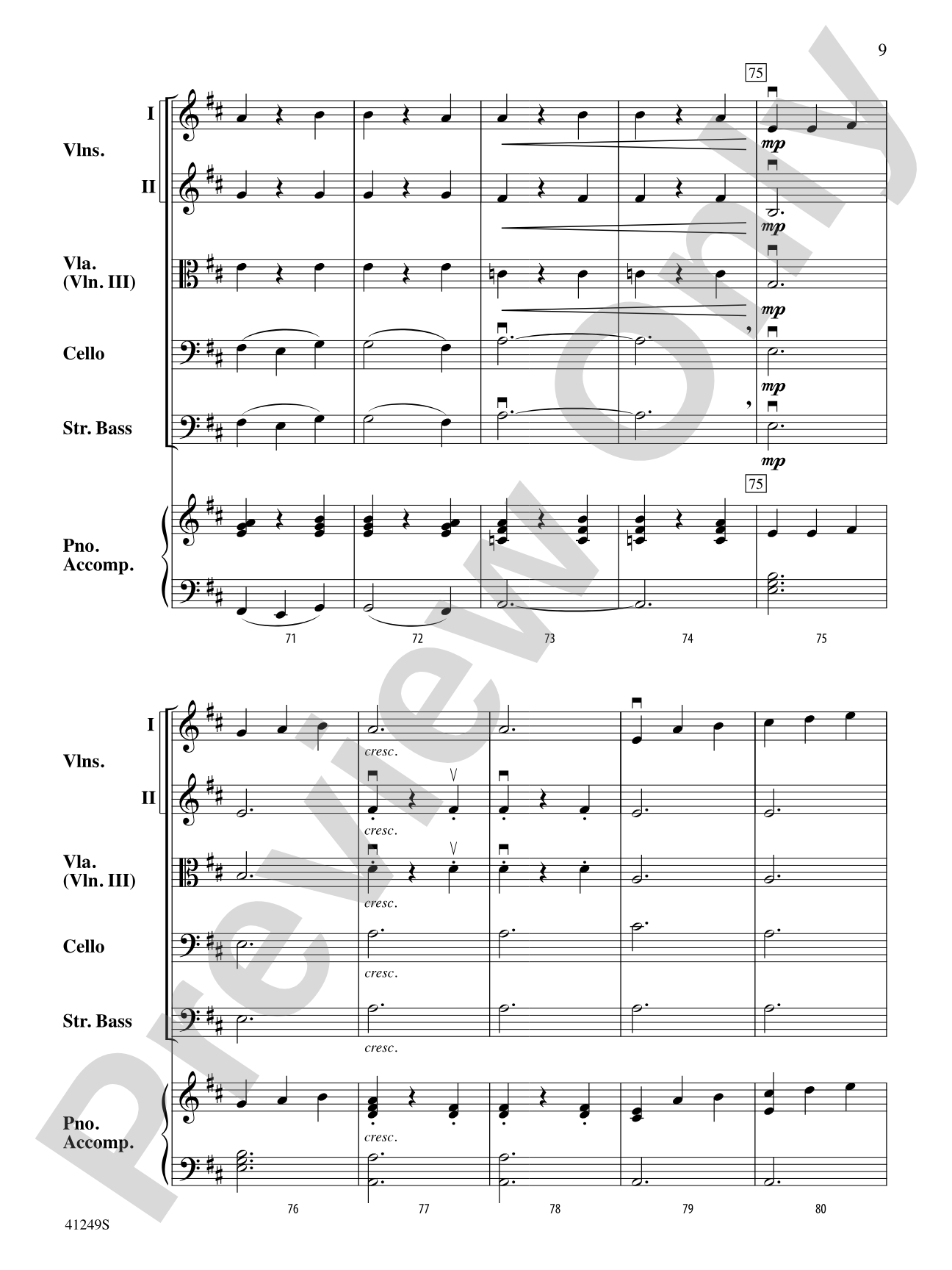
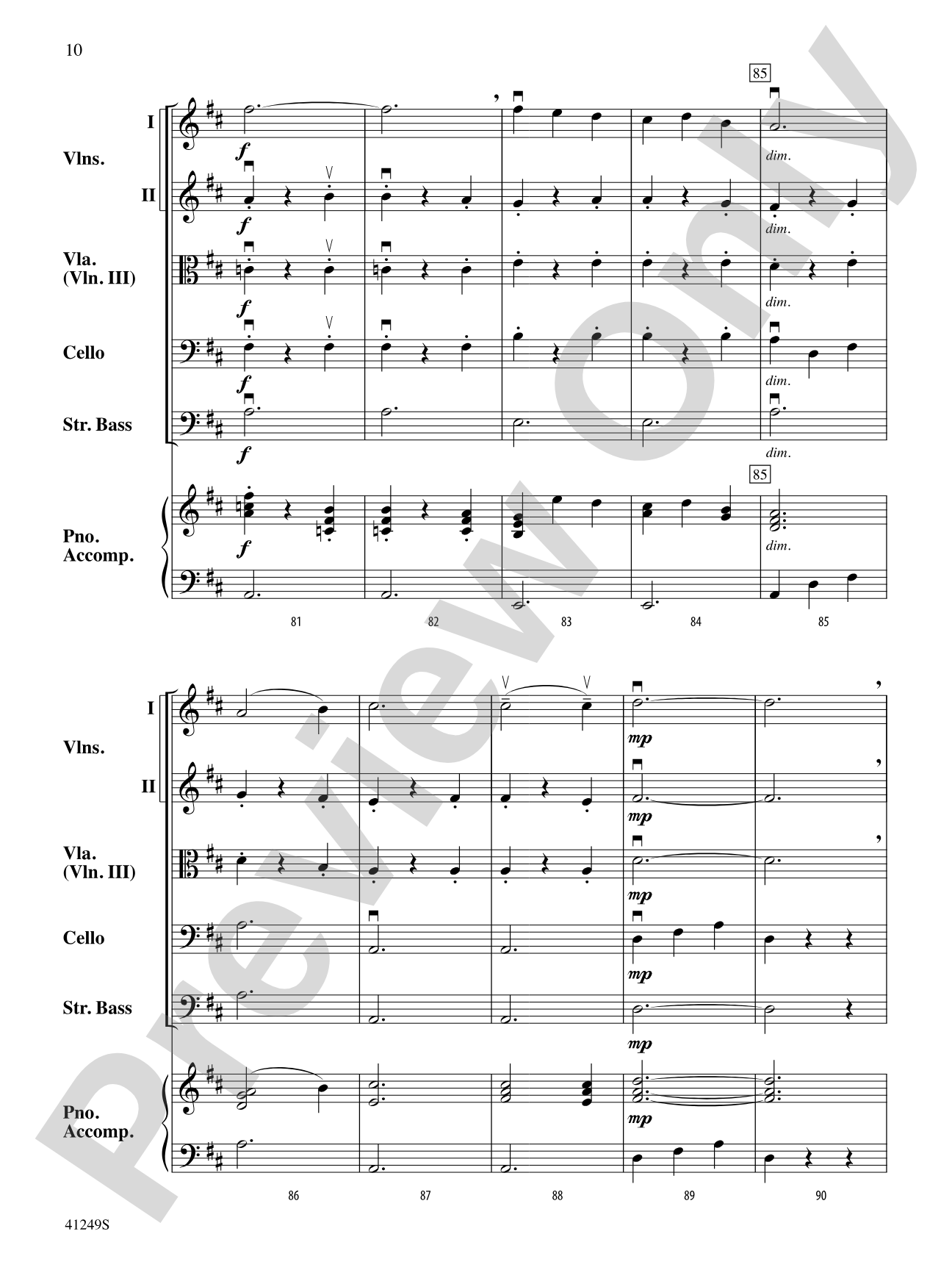
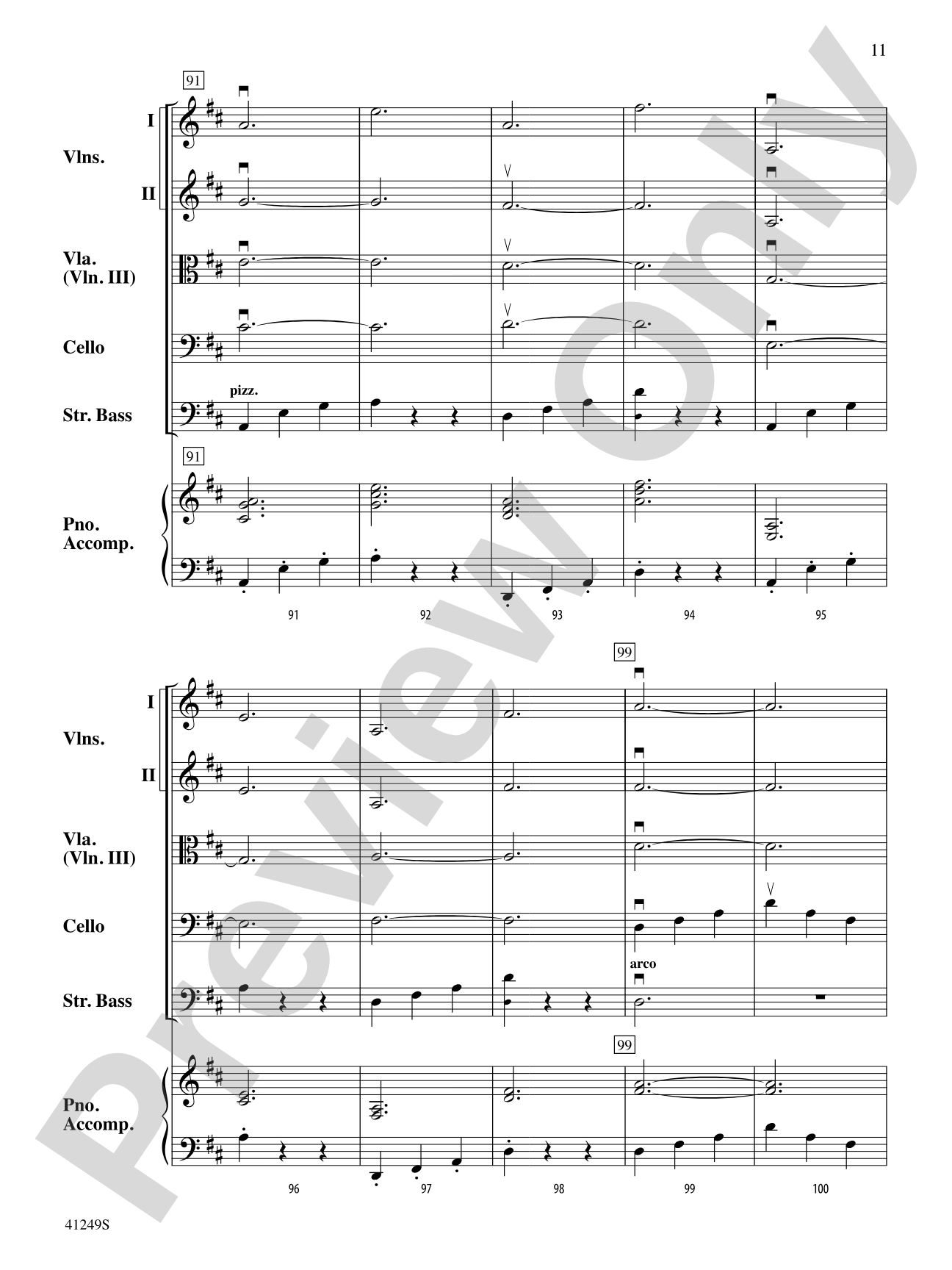
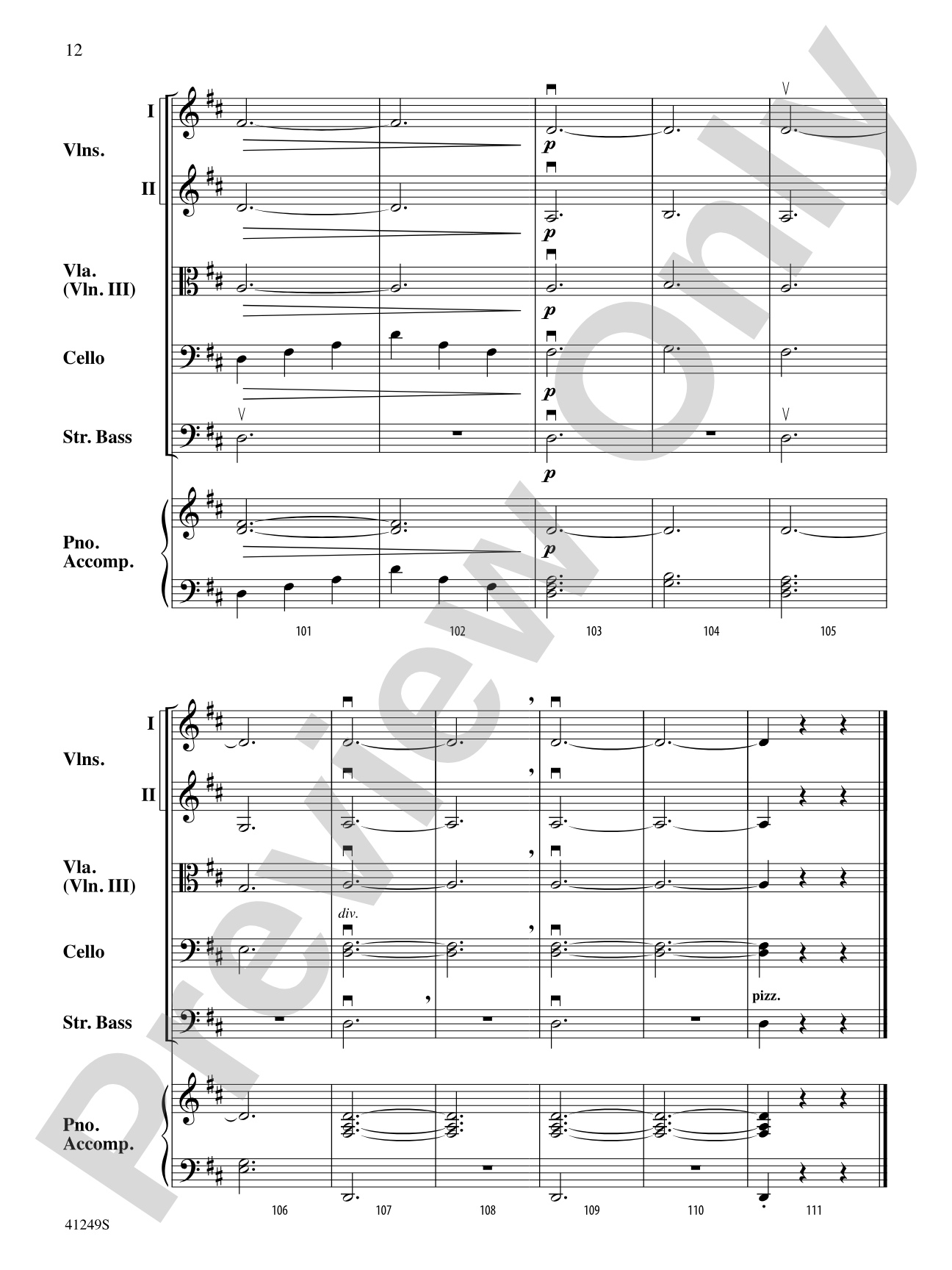

Barcarolle (from The Tales of Hoffman): String Orchestra Conductor Score & Parts
By Jacques Offenbach / arr. Richard Meyer
Grade: 1
Item: 00-PK-0006112

$46.00
Pickup currently not available
Buy Extra Parts (Digital PDF Download)
Parts Added to Cart!
Related Items
Barcarolle from "The Tales of Hoffman": Full Orchestra Conductor Score & Parts |
$55.00
|
View | |
Barcarolle (from The Tales of Hoffman): Full Orchestra Conductor Score & Parts |
$53.00
|
View | |
Barcarolle (from The Tales of Hoffman): Full Orchestra Conductor Score |
$7.00
|
View | |
Barcarolle (from The Tales of Hoffman): String Orchestra Conductor Score & Parts |
$46.00
|
View | |
Barcarolle (from The Tales of Hoffman): String Orchestra Conductor Score |
$6.00
|
View |
Description
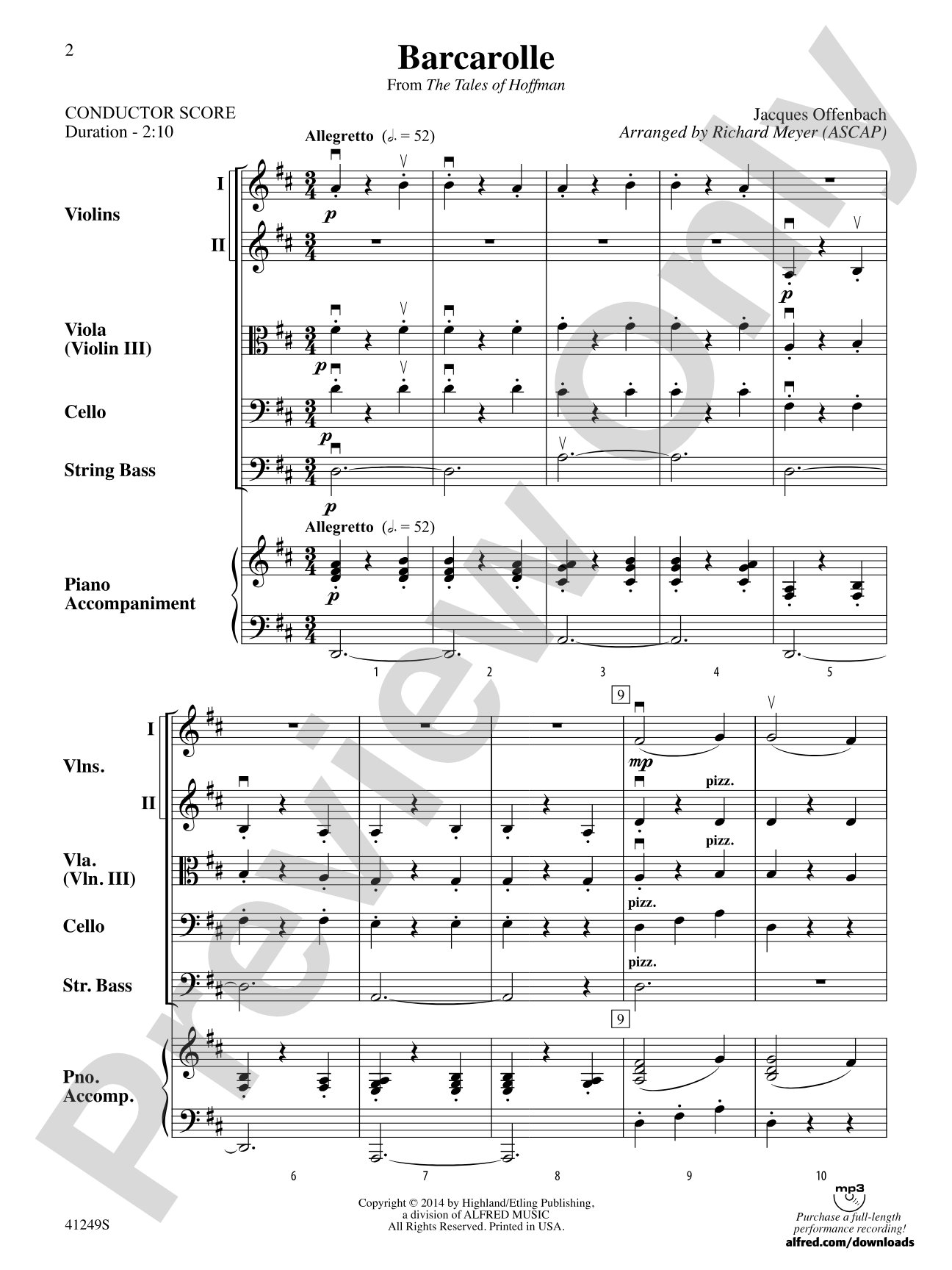
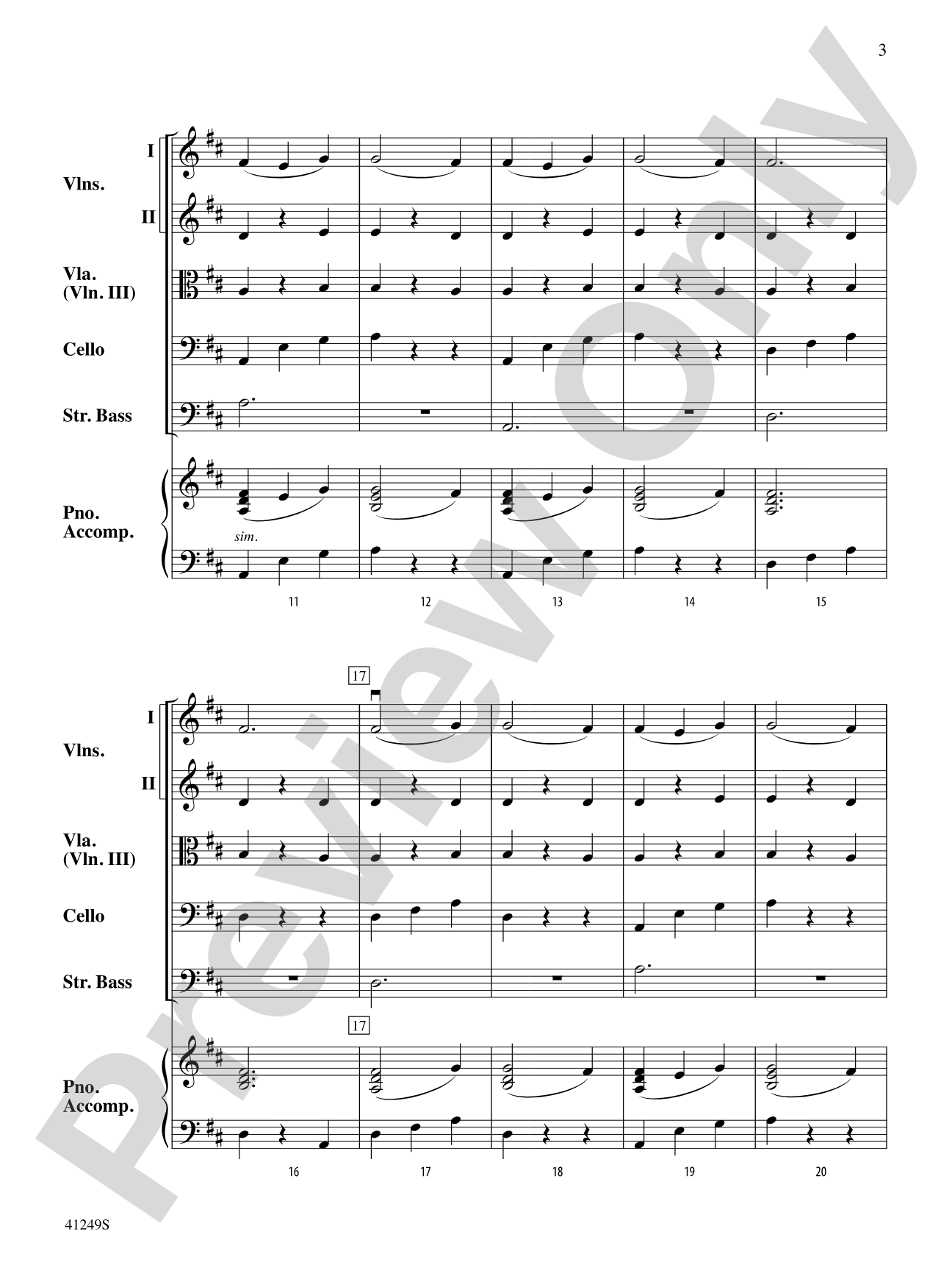
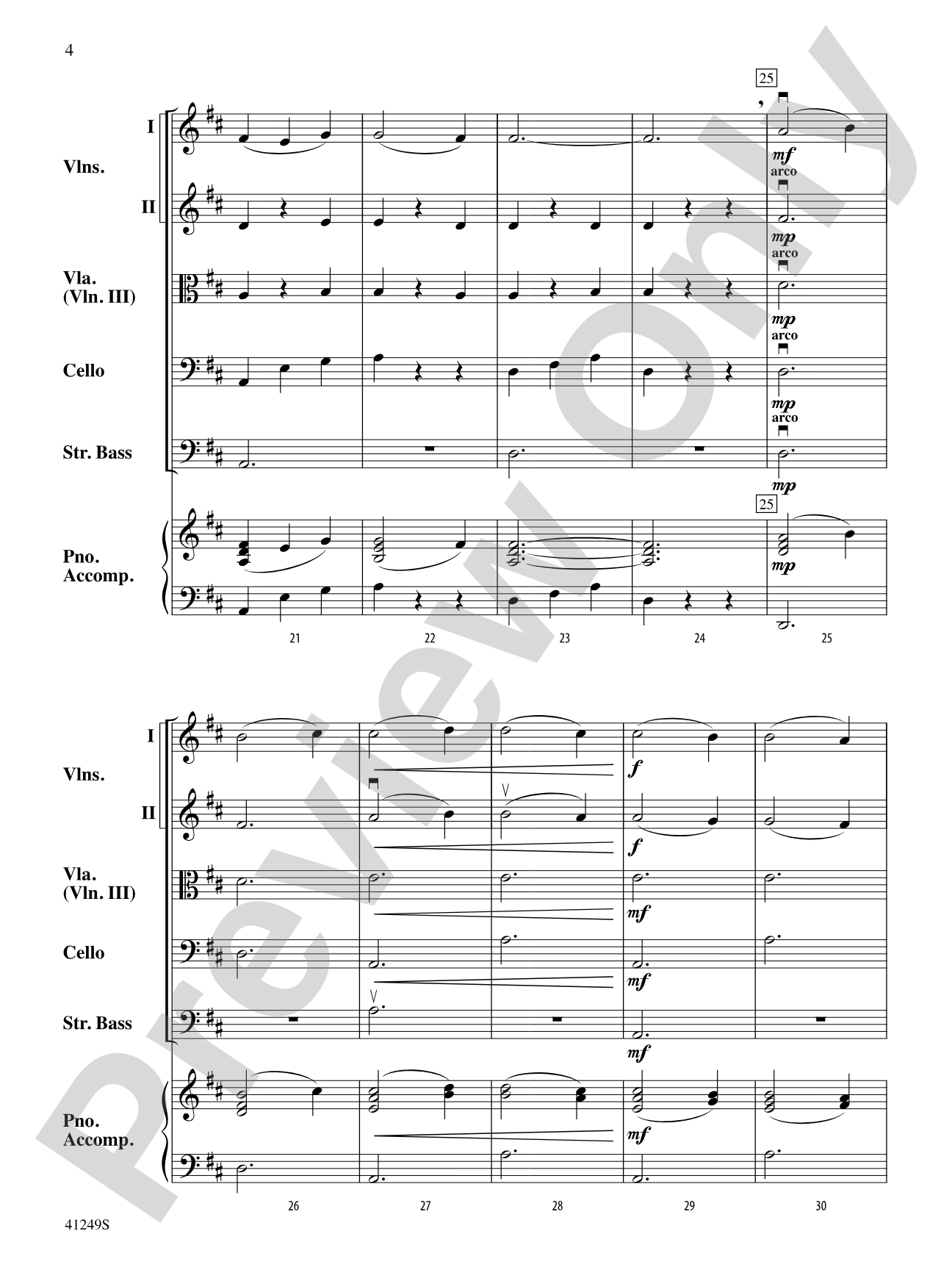
This easy arrangement of the famous gondola boat song from Offenbach's 1881 opera The Tales of Hoffman is the perfect way to strengthen your young orchestra's legato playing skills. Slurs, crescendos, diminuendos, and a 3/4 time signature all add to the learning opportunities in this selection, making it a great "change of pace" piece for contest, festival, or any concert. (2:10)
Correlates to String Explorer Book 1, Unit 12. This title is available in MakeMusic Cloud.


Correlates to String Explorer Book 1, Unit 12. This title is available in MakeMusic Cloud.
Don't just read it, hear it, play along with it, and watch your students grow with it. In MakeMusic Cloud, Barcarolle (from The Tales of Hoffman): String Orchestra Conductor Score & Parts comes alive with professional accompaniment, adjustable tempo, and built-in practice tools that turn solo practice into real progress.
Open in the Player
Jump straight in and assign it today.
Start Your Free Trial
Open this title and explore the full library in minutes.
Sample Audio
1
Audio File
--:--
0:00
0:00
Sample Video
No sample videos found.
Additional Details
Series:
Highland/Etling String Explorer
Publisher:
Alfred Music
Page Count:
140
SKU:
00-PK-0006112
More about this title
About the Composer: Jacques Offenbach
Jacques Offenbach (1819, 1880) was a German-born composer who became the father of French operetta, transforming light opera into a genre that prioritized wit, melody, and orchestral sophistication. His works dominated Parisian stages in the second half of the 19th century, establishing a compositional voice that balanced frivolity with genuine musical craft.
Offenbach's influence on music education extends beyond his operettas. His melodies are so naturally singable and his orchestrations so transparent that arrangers have found his work ideal for young ensembles. The Barcarolle from The Tales of Hoffman exemplifies what makes Offenbach enduring: a memorable tune that invites legato playing and rewards careful dynamic shaping.
Why we love this
This arrangement captures everything that makes the Barcarolle sing without overwhelming a developing orchestra. The 3/4 meter and flowing legato writing sit naturally under young players' hands, and the piece delivers the unmistakable character of one of opera's most recognizable tunes. Programming this opens doors to operatic repertoire while building the musical sophistication your students need.
What to expect
The Barcarolle evokes the gentle rock of a gondola gliding through Venetian canals, with a lilting, almost hypnotic motion in triple meter. The melody floats above warm accompaniment like a song half-heard across the water, inviting listeners into a moment of Romantic reverie.
Who it's for
This is ideal for Grade 1 string orchestras building legato technique and musical phrasing. It works equally well for orchestras preparing for contest or festival, as well as students in the String Explorer curriculum who are ready to apply their foundational skills to a masterwork.
How to get the most out of it
- Shape each phrase as a complete musical idea rather than stopping between slurs. The gondola motion depends on continuous, singing bow contact across the phrasing.
- Balance the melody generously in the first violin so the familiar tune emerges clearly, but resist the urge to let accompaniment figures drop away entirely. The supporting lines give the Barcarolle its floating quality.
- Conduct the 3/4 in one (or in three, depending on your orchestra's comfort level) to encourage the lilt and buoyancy of the boat song rhythm.
- Take the crescendos and diminuendos as gradual journeys, not abrupt shifts. Young players often change dynamics in chunks; this piece rewards smooth, sustained dynamic shaping.
How to use it
This piece sits comfortably on a concert that mixes lighter and more substantial works; its brevity (2:10) and character make it an excellent change of pace between more vigorous selections. It's also a strong choice for young orchestras preparing for festival competition, where judges recognize its melodic integrity and the musicianship required to sustain legato playing.
Skills your students will build
- Sustained legato playing across multiple measures
- Phrasing with slurs, crescendos, and diminuendos in a unified ensemble
- Playing in triple meter (3/4 time) with rhythmic steadiness
- Balance between melody and accompaniment in a simple harmonic texture
- Ensemble listening and collective dynamic control