
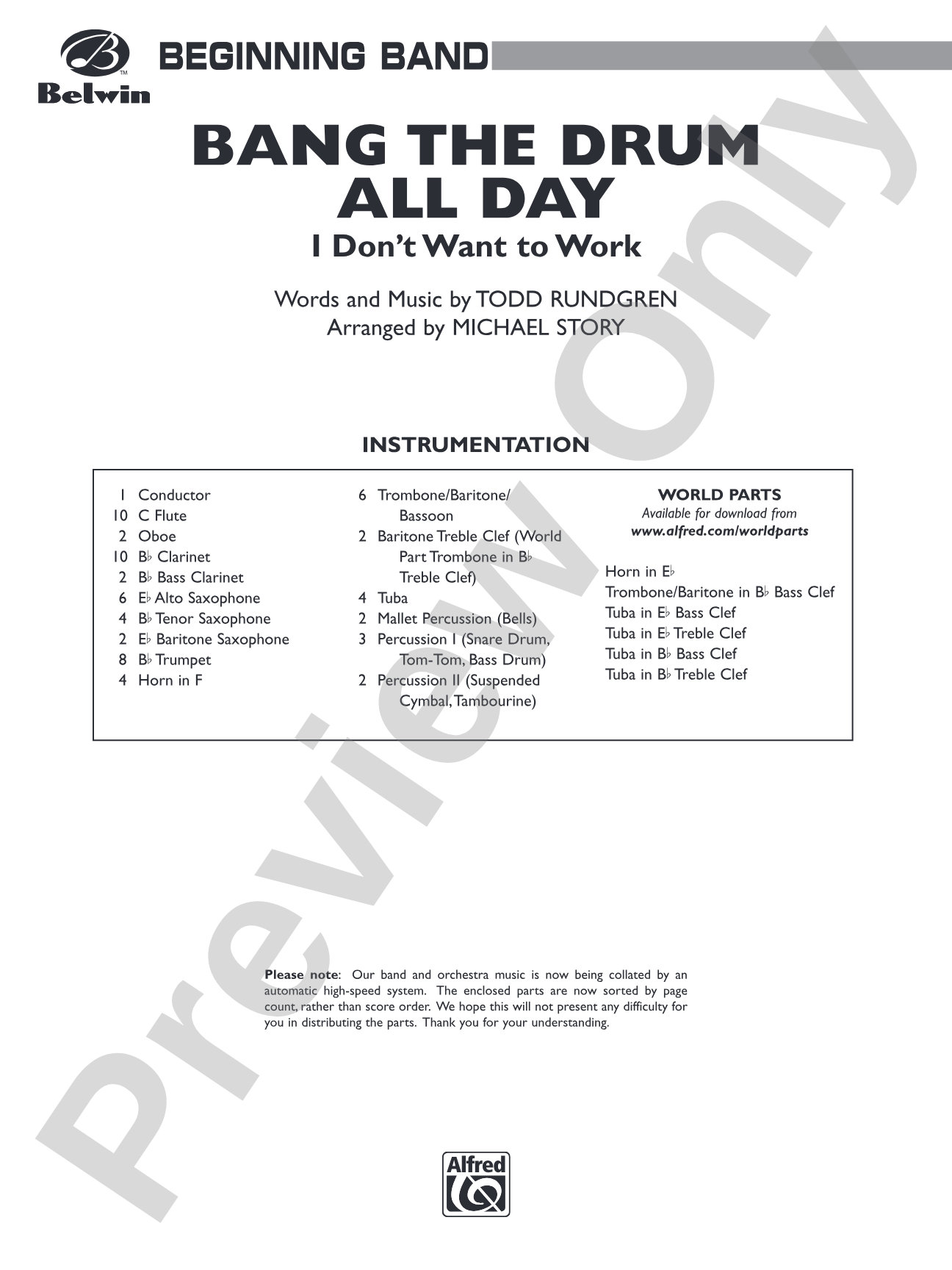

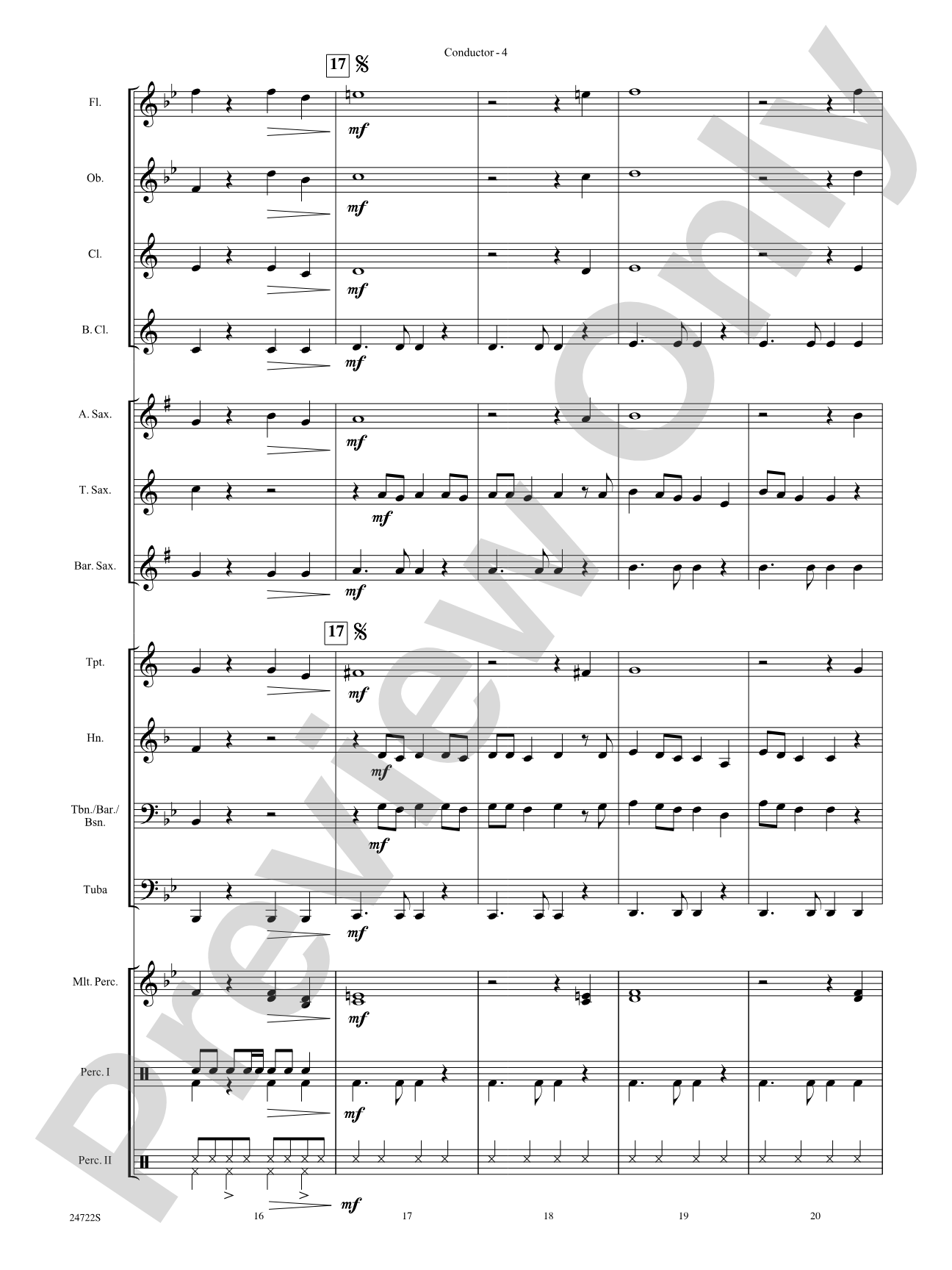
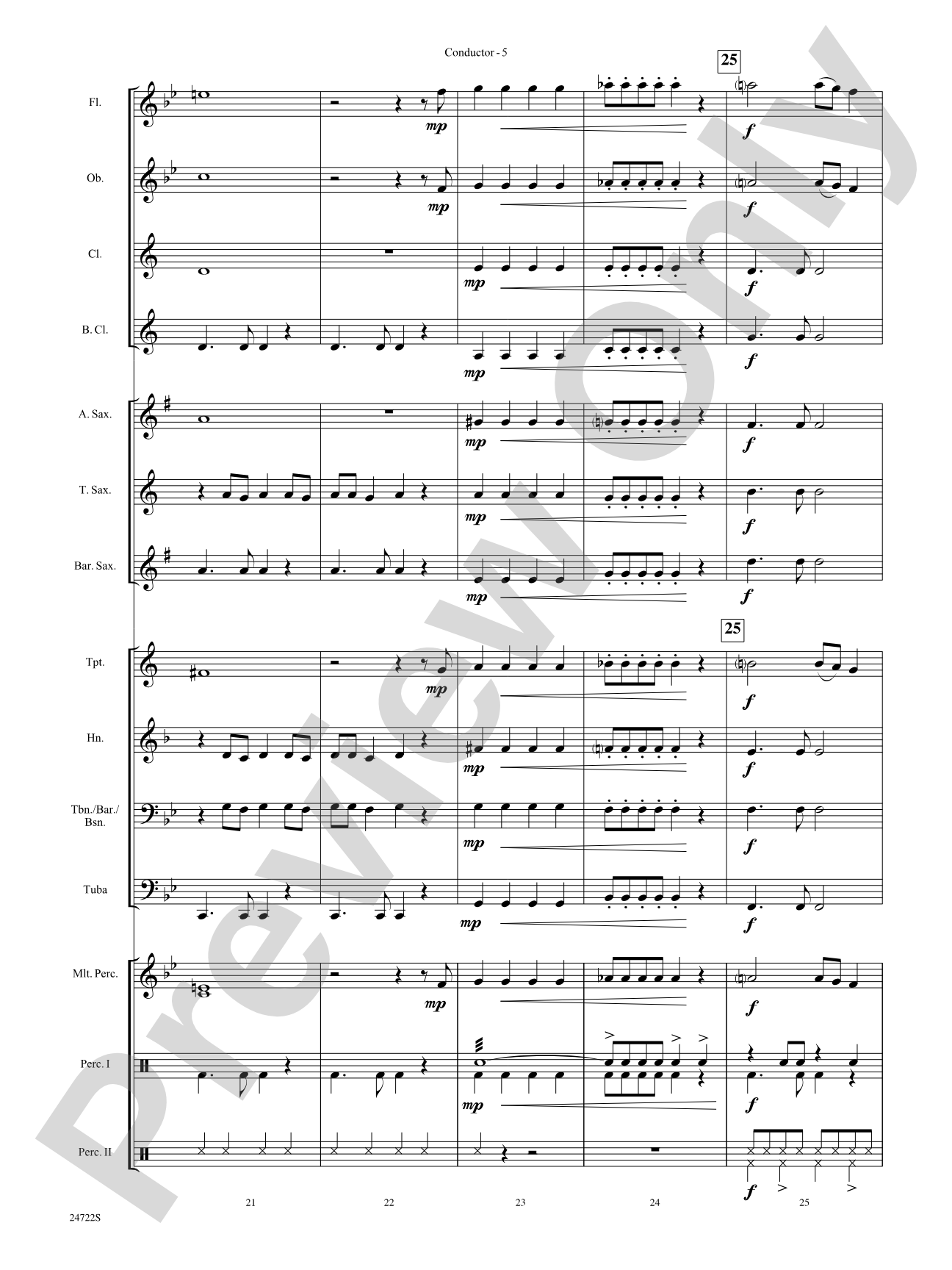
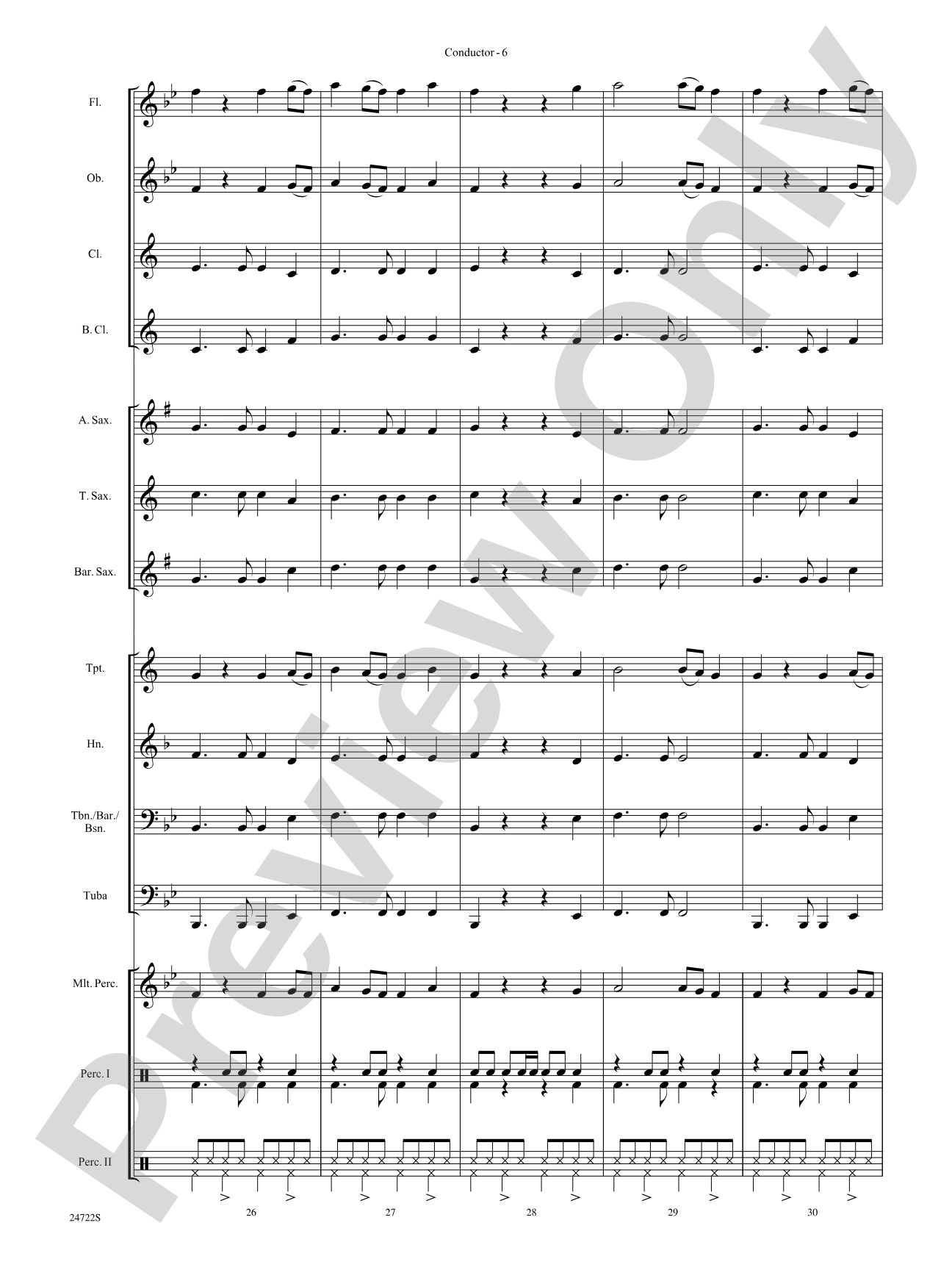
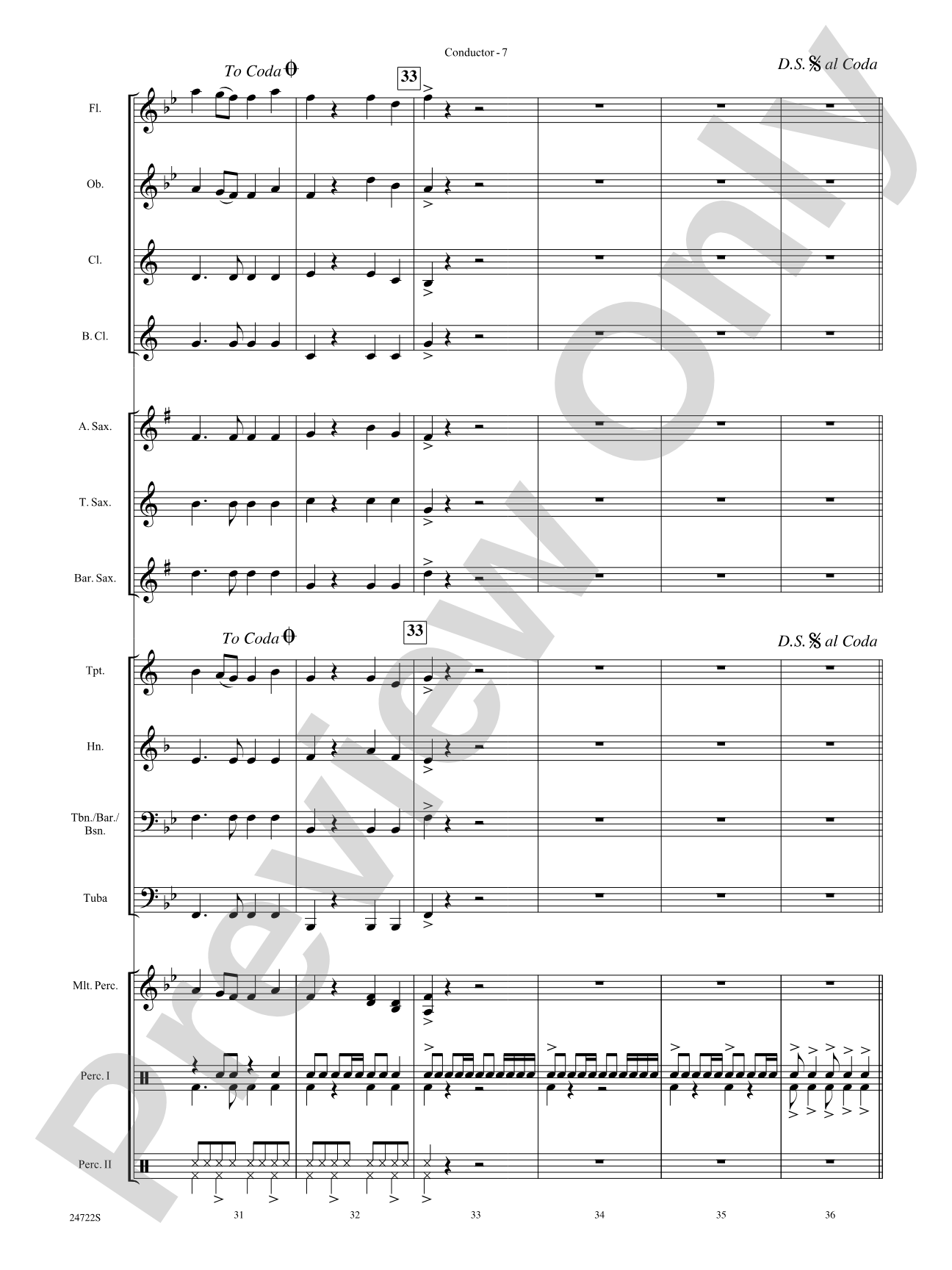


Bang the Drum All Day (I Don't Want to Work): Concert Band Conductor Score & Parts
Words and music by Todd Rundgren / arr. Michael Story
Grade: 1 (Very Easy)
Item: 00-PK-0000885

$56.00
Pickup currently not available
Buy Extra Parts (Digital PDF Download)
Parts Added to Cart!
Description
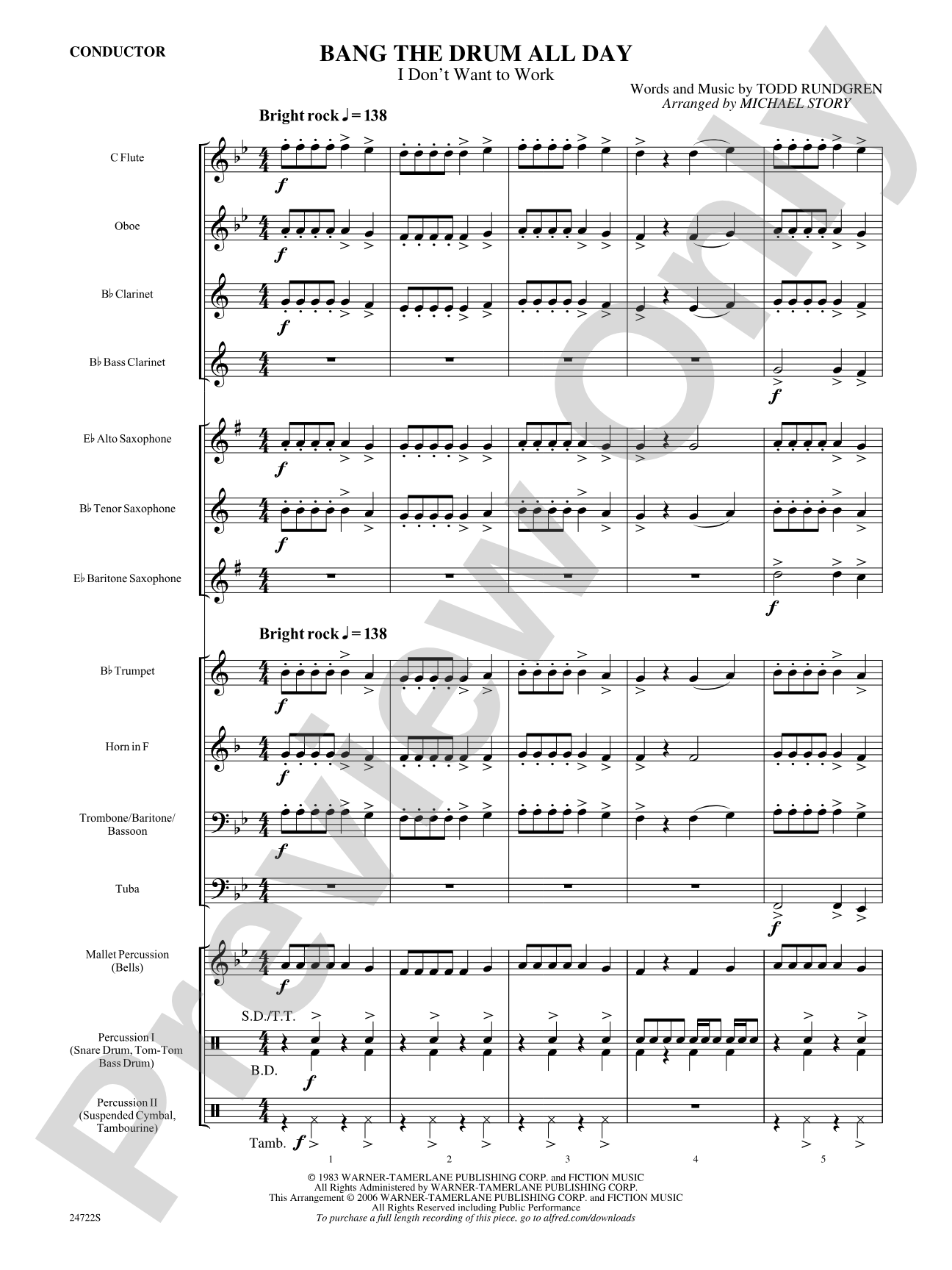
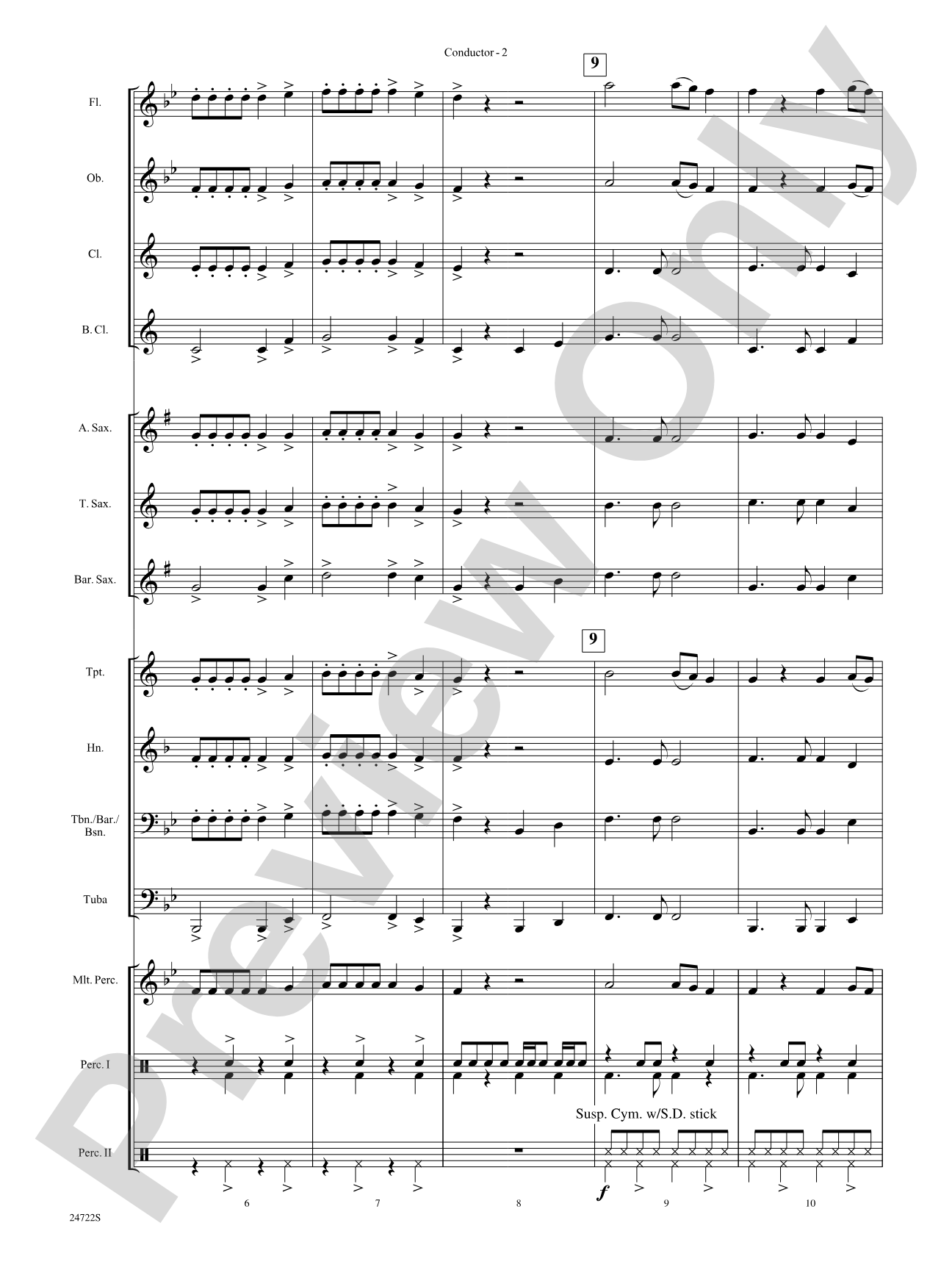
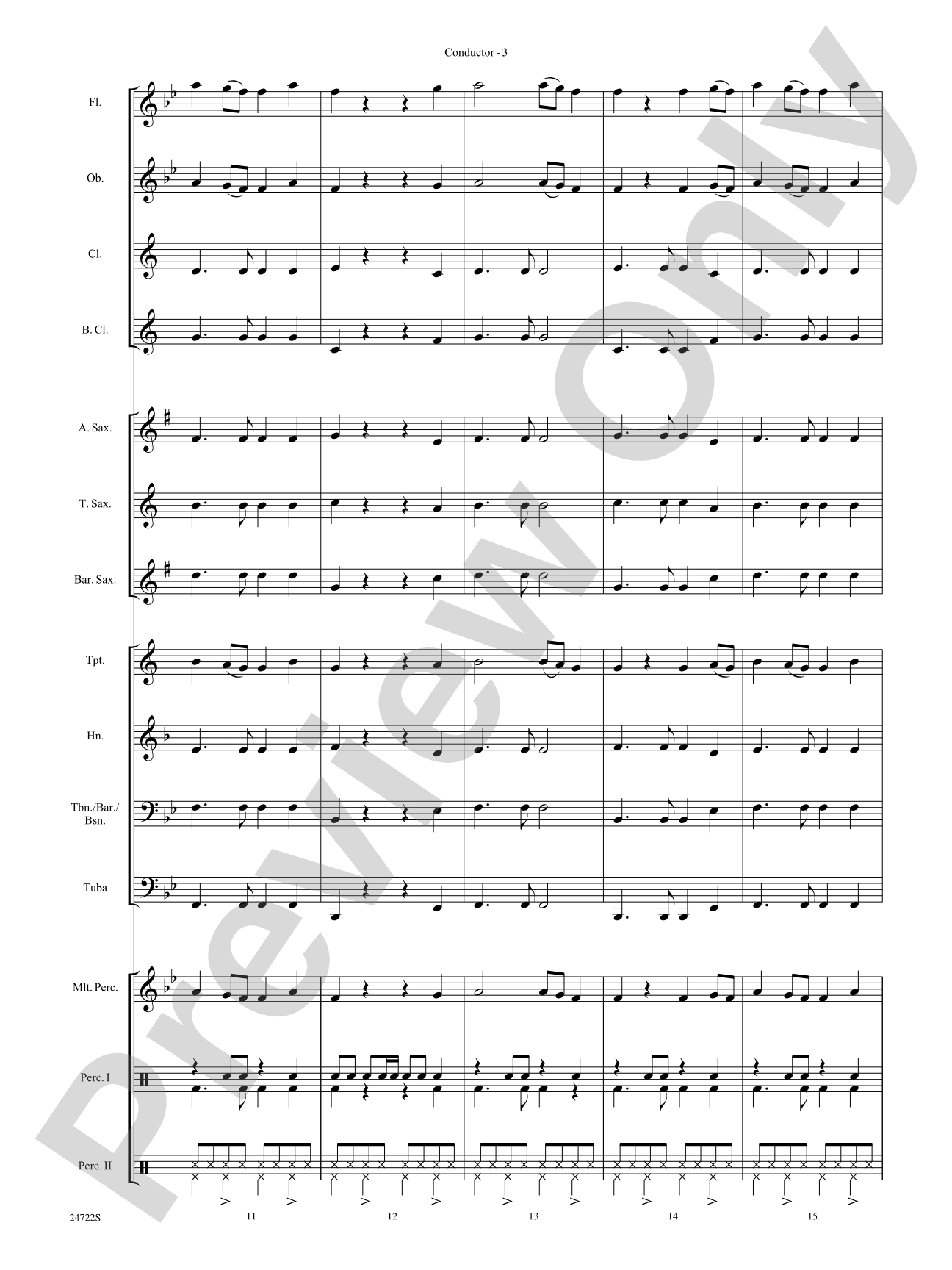
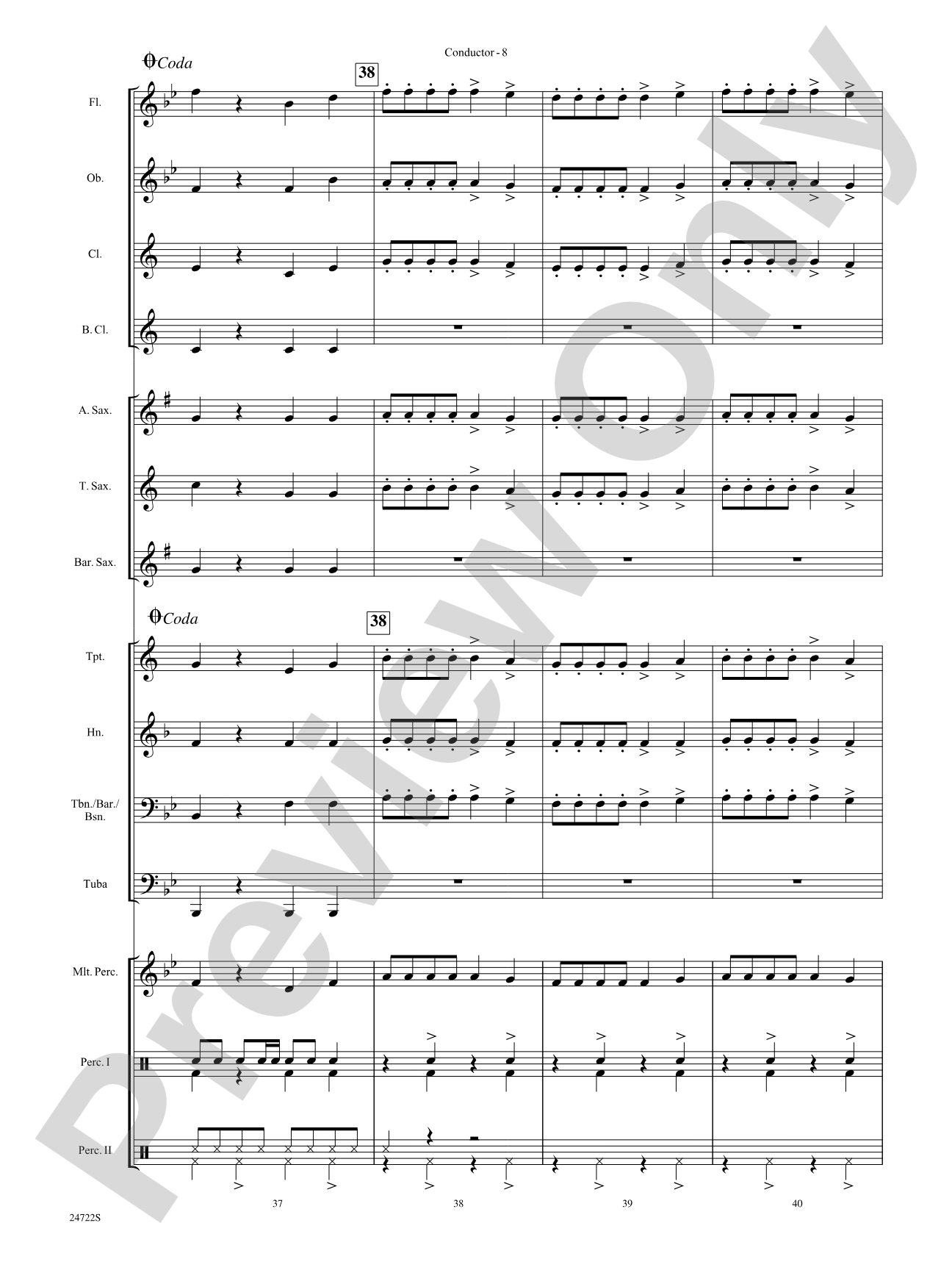
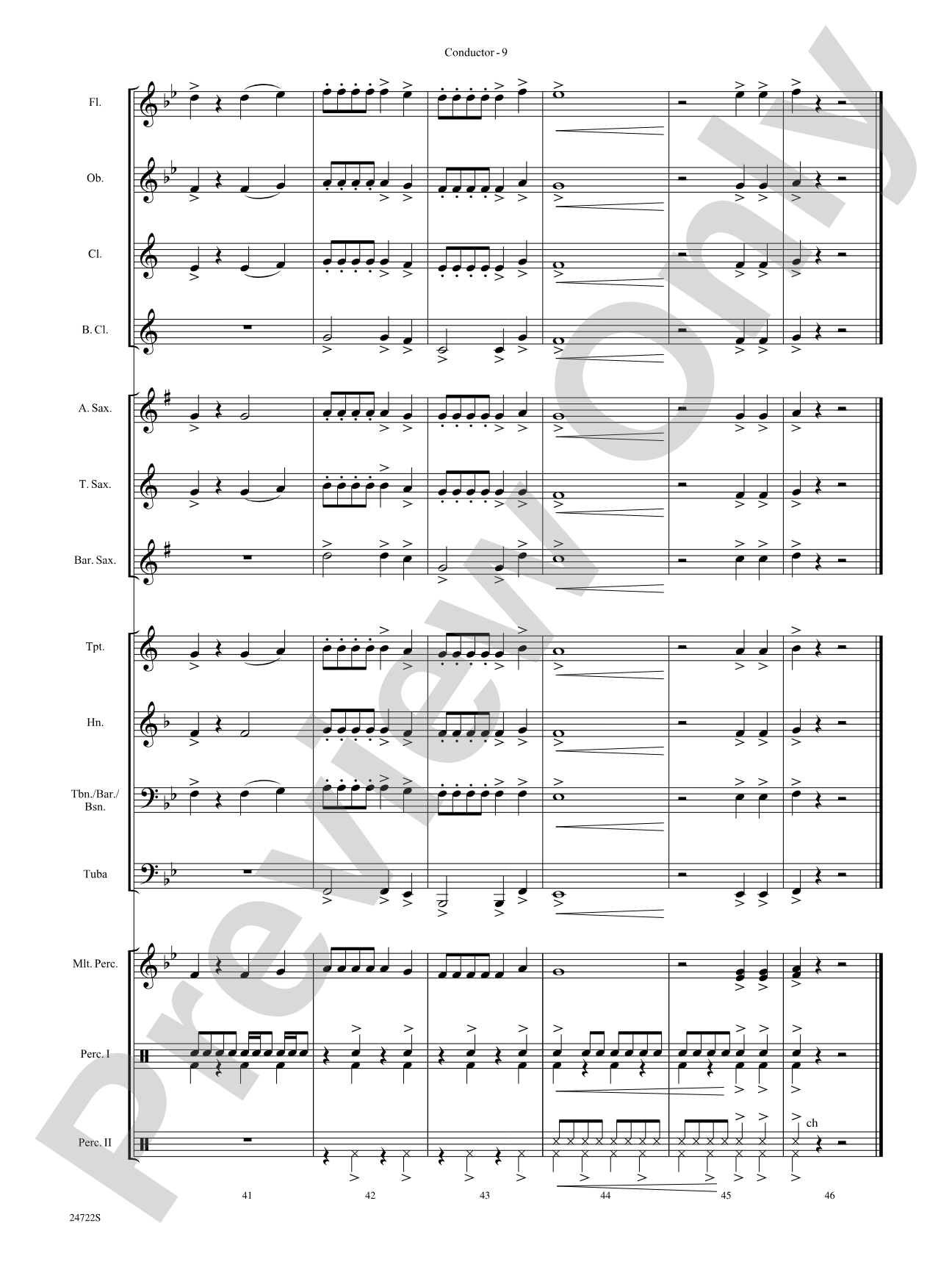
Although it's been called a goofy novelty, this classic Todd Rundgren rock-and-roll favorite is perfect for your beginners. A hard driving rock beat with repeated eighths throughout sets the stage for a big sound in "Bang the Drum All Day." Careful attention to the articulations supplied by master arranger Michael Story will make this the hit on your beginning band concert. (1:50)


Don't just read it, hear it, play along with it, and watch your students grow with it. In MakeMusic Cloud, Bang the Drum All Day (I Don't Want to Work): Concert Band Conductor Score & Parts comes alive with professional accompaniment, adjustable tempo, and built-in practice tools that turn solo practice into real progress.
Open in the Player
Jump straight in and assign it today.
Start Your Free Trial
Open this title and explore the full library in minutes.
Sample Audio
1
Audio File
--:--
0:00
0:00
Sample Video
Additional Details
Series:
Pop Beginning Band
Publisher:
Alfred Music
Page Count:
134
SKU:
00-PK-0000885
More about this title
About the Composer: Todd Rundgren
Todd Rundgren is a multi-instrumentalist singer-songwriter and producer whose career spans rock, pop, and experimental music since the 1960s. His prolific output includes solo albums, work with the band Utopia, and production credits for artists across genres. "Bang the Drum All Day" remains one of his most recognizable tracks, capturing the playful irreverence that has defined much of his artistic identity.
Beyond his recording legacy, Rundgren's music has proven durable in educational settings, particularly in beginning band repertoire where his straightforward rock sensibility translates well to young ensembles. The accessibility of his melodies and rhythms make his work valuable for teaching fundamental ensemble concepts without sacrificing genuine musical personality.
Why we love this
Michael Story's arrangement captures the essential swagger of the original without overwhelming young musicians. The repeated eighth-note figures create rhythmic drive that holds interest while remaining within the technical reach of a beginning ensemble, and the novelty factor genuinely engages students in a way that makes them want to nail those articulations.
What to expect
Unapologetic and playful, with a driving rock pulse that feels accessible and energetic. The repeated rhythmic figures create momentum and forward motion, while the piece maintains enough simplicity to keep focus on execution rather than struggling through complex passages. There's a lightness here that invites students to commit to the groove without overthinking it.
Who it's for
This arrangement works for beginning concert bands at the Grade 1 level who have enough ensemble experience to maintain a steady rock beat and respond to basic articulation markings. It's ideal for students encountering contemporary pop-rock repertoire and gives young musicians permission to have fun while still working on legitimate musical skills.
How to get the most out of it
- Treat the repeated eighth notes as the backbone of the arrangement. Precision and consistency in these figures matter far more than volume; a crisp, unified articulation will carry the energy more effectively than a loud but sloppy attack.
- Use the conductor score to establish a steady, confident tempo from the downbeat. Beginning bands often rush rock grooves, so locking in the pulse early prevents the piece from accelerating under its own momentum.
- Highlight the articulation markings in the parts during sectional rehearsals. Story's attention to staccato, accent, and legato choices is what separates a fun novelty from a tightly executed rock performance.
- Balance the ensemble by restraining the volume of the lower woodwinds and brass in the early sections. Let the piece build naturally as more voices enter rather than pushing hard from measure one.
How to use it
Include this on a concert featuring other accessible pop-rock arrangements to give beginning band students a chance to play music they recognize and enjoy. The novelty appeal and short running time (1:50) make it an excellent opener or encore, and it pairs well with other Grade 1 contemporary selections that help build program variety and audience engagement.
Skills your students will build
- Articulation control (staccato and accented passages)
- Rhythmic precision in rock groove contexts
- Ensemble balance and blend in a rock style
- Reading and responding to conductor cues in a steady, repetitive form
- Maintaining pulse and groove with repeated rhythmic patterns