Bailes para Orquesta (For Two Solo Violins and String Orchestra) Cover Image

Bailes para Orquesta (For Two Solo Violins and String Orchestra): String Orchestra Conductor Score

$10.00 USD
Sale price  $10.00 USD Regular price 
Skip to product information
Bailes para Orquesta (For Two Solo Violins and String Orchestra) Cover Image

Bailes para Orquesta (For Two Solo Violins and String Orchestra): String Orchestra Conductor Score

By Richard Meyer

Grade: 4

Item: 00-18551S

$10.00
Shipped

One moment…

Description
These dances for string orchestra, with two solo violins, simply sparkle with their engaging rhythms and vitality. A major achievement at this level from master composer Richard Meyer, this work fully captures the audience and players' attention from start to finish. You can't miss with this one! This title is available in MakeMusic Cloud.

Bailes para Orquesta (For Two Solo Violins and String Orchestra): String Orchestra Conductor Score isn't in MakeMusic Cloud just yet...but it could be. Let us know you'd like to see it, and you'll help shape what comes next. In the meantime, start a free trial and dive into thousands of interactive titles your students can play along with today.

Sample Pages

Sample Audio
No sample audio found.
Sample Video
Additional Details
Series: Highland/Etling String Orchestra
Publisher: Alfred Music
Page Count: 36
ISBN10: 1-4706-5720-1
ISBN13: 978-1-4706-5720-8
UPC: 038081168364
SKU: 00-18551S

More about this title

About the Composer: Richard Meyer
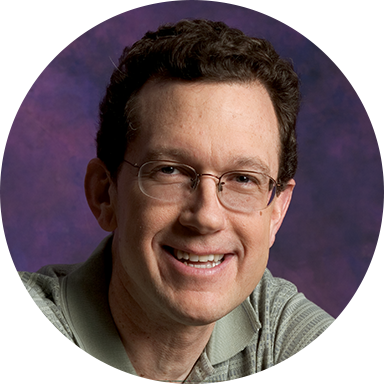
Richard Meyer

Richard Meyer brings three decades of direct experience in string education to his compositions, having taught at the elementary, middle, and high school levels throughout his career in public schools. His tenure directing orchestras at Oak Avenue Intermediate School in Temple City, California, expanded the program from 29 students to 200, and he subsequently oversaw the city's elementary string curriculum. Beyond the classroom, Meyer served as music director of the Pasadena Youth Symphony Orchestra for 16 years, leading ensembles on international tours to Vienna, Australia, Canada, and major U.S. cities.

As a guest conductor and clinician, Meyer has been featured at the A.S.T.A. National Conference, the Texas Orchestra Directors' Association Conference, and string workshops at Ohio State University. He founded the "Giving Bach" program in 2009, an initiative that uses interactive concerts to reach special needs and underserved students throughout Southern California. With nearly 200 published compositions and arrangements to his name, Meyer also served as string editor for Alfred Publishing Company and co-authored the String Explorer Series and Sight-read It for Strings.

Why we love this

Meyer writes for string orchestras with clear understanding of what young players can execute and what audiences find genuinely exciting. The solo violin parts give your strongest players meaningful material without overshadowing the ensemble, and the rhythmic drive keeps everyone engaged through all 36 pages.

What to expect

These dances burst with rhythmic energy and color, moving with the directness and joy of traditional Spanish and Latin music reimagined for the orchestra. The two solo violins sparkle above warm harmonic support, creating moments of intimacy that contrast with fuller, brighter ensemble passages.

Who it's for

String orchestras at the Grade 4 level looking for repertoire that balances technical engagement with genuine audience appeal. Directors seeking pieces where competent soloists can shine while the full ensemble maintains equal musical responsibility.

How to get the most out of it

  • Bring out the two solo violins in their exposed passages by seating them slightly forward and ensuring the full orchestra pulls back dynamically; these moments define the piece's character.
  • Work the rhythmic precision in small section rehearsals before full orchestra run-throughs; the dance forms depend on crisp ensemble attacks to maintain their vitality.
  • Let the soloists establish tempo and pulse clearly on their opening figures; the rest of the orchestra will lock in more securely when the solo parts lead with confidence.

How to use it

This piece works exceptionally well as a mid-program energizer, especially in concerts that include more introspective works. Its approachable virtuosity and clear dance forms make it an ideal choice for family concerts or community performances where both players and audiences benefit from straightforward musical momentum.

Skills your students will build

  • Ensemble coordination between soloists and accompanying ensemble
  • Rhythmic precision in syncopated and Latin-inflected meters
  • Dynamic contrast and color shifts across full orchestra textures
  • Sustained intonation in accompanying harmonic lines
  • Character and style interpretation in dance-form writing

You May Also Like