Bailes para Orquesta (For Two Solo Violins and String Orchestra) Cover Image

Bailes para Orquesta (For Two Solo Violins and String Orchestra): String Orchestra Conductor Score & Parts

$85.00 USD
Sale price  $85.00 USD Regular price 
Skip to product information
Bailes para Orquesta (For Two Solo Violins and String Orchestra) Cover Image

Bailes para Orquesta (For Two Solo Violins and String Orchestra): String Orchestra Conductor Score & Parts

By Richard Meyer

Grade: 4

Item: 00-18551

makemusic Cloud badge

Need it now?

Buy Digital Version
$85.00
Shipped

One moment…

Description
These dances for string orchestra, with two solo violins, simply sparkle with their engaging rhythms and vitality. A major achievement at this level from master composer Richard Meyer, this work fully captures the audience and players' attention from start to finish. You can't miss with this one! This title is available in MakeMusic Cloud.

Don't just read it, hear it, play along with it, and watch your students grow with it. In MakeMusic Cloud, Bailes para Orquesta (For Two Solo Violins and String Orchestra): String Orchestra Conductor Score & Parts comes alive with professional accompaniment, adjustable tempo, and built-in practice tools that turn solo practice into real progress.

Sample Pages

Sample Audio
0:00
0:00
Sample Video
Additional Details
Series: Highland/Etling String Orchestra
Publisher: Alfred Music
Page Count: 248
ISBN10: 1-4706-5719-8
ISBN13: 978-1-4706-5719-2
UPC: 038081168357
SKU: 00-18551

More about this title

About the Composer: Richard Meyer
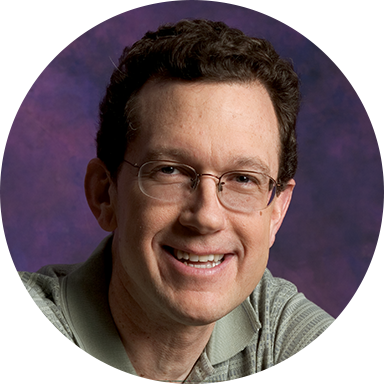
Richard Meyer

Richard Meyer spent 35 years teaching string students from elementary through high school in California public schools. For two decades, he directed orchestras at Oak Avenue Intermediate School in Temple City, expanding the program from 29 students to 200 and overseeing the city's elementary string curriculum. He led the Pasadena Youth Symphony Orchestra for 16 years, taking them on performance tours to New York, Washington D.C., Vienna, Australia, and Canada.

Beyond the classroom, Meyer has become known nationally as both a clinician and composer. He created the "Giving Bach" program, which uses interactive concerts to reach special needs and underserved students throughout Southern California. His catalog includes over 190 published compositions and arrangements, and he spent 16 years as string editor for Alfred Publishing Company. Meyer co-authored the String Explorer Series and Sight-read It for Strings, resources widely used in school string programs.

Why we love this

Meyer writes with a keen understanding of what works on the string orchestra stage. The rhythmic energy and clear orchestration in Bailes para Orquesta keep both players and audiences engaged, while the two solo violin parts give your strongest players a moment to shine without overshadowing ensemble unity.

What to expect

Bailes para Orquesta dances with infectious vitality. The rhythms propel the music forward with clarity and joy, while the two solo violins weave through the ensemble like partners in conversation, sometimes leading, sometimes reflecting. From start to finish, the piece maintains a buoyant energy that makes audiences lean forward.

Who it's for

String orchestras at the high intermediate level (Grade 4) looking for engaging repertoire that challenges musicians without requiring virtuosic solo writing. Directors want pieces that program well, hold audience attention, and give students the satisfaction of playing music that feels alive and contemporary.

How to get the most out of it

  • Balance the two solo violins so they blend as partners rather than compete. They should feel like the voice of the ensemble, not separate from it.
  • Anchor the rhythmic integrity with your cello and bass lines; their precision will let the soloists and upper strings move with freedom and flexibility.
  • Let the dance rhythms breathe naturally. Avoid pushing the tempo; the engagement comes from clear articulation and rhythmic clarity, not speed.
  • Use the tutti sections to reset and refocus the ensemble before the next solo passage. This prevents fatigue and maintains the sparkle throughout.

How to use it

Program this as a concert centerpiece or pops finale where you want something that connects with your audience immediately. It pairs well alongside more traditional repertoire as a statement piece that shows your orchestra's versatility and contemporary voice.

Skills your students will build

  • Playing rhythmically complex passages in ensemble while maintaining clarity
  • Balancing solo roles with ensemble texture
  • Reading multiple simultaneous rhythmic patterns
  • Responding to rhythmic energy and vitality without rushing
  • Listening and blending within a string orchestra context

You May Also Like
