

Backcountry Ramble: String Orchestra Conductor Score & Parts
By Bob Lipton
Grade: 1
Item: 98-DST6326
$40.00
Pickup currently not available
Buy Extra Parts (Digital PDF Download)
| Product | Price | Quantity |
|---|---|---|
| Backcountry Ramble: Score | $5.00 | |
| Backcountry Ramble: Violin 1 | $7.00 | |
| Backcountry Ramble: Violin 2 (Viola T.C.) | $7.00 | |
| Backcountry Ramble: Viola | $7.00 | |
| Backcountry Ramble: Violoncello | $7.00 | |
| Backcountry Ramble: Double Bass | $7.00 | |
| Backcountry Ramble: Piano | $7.00 |
Parts Added to Cart!
Description
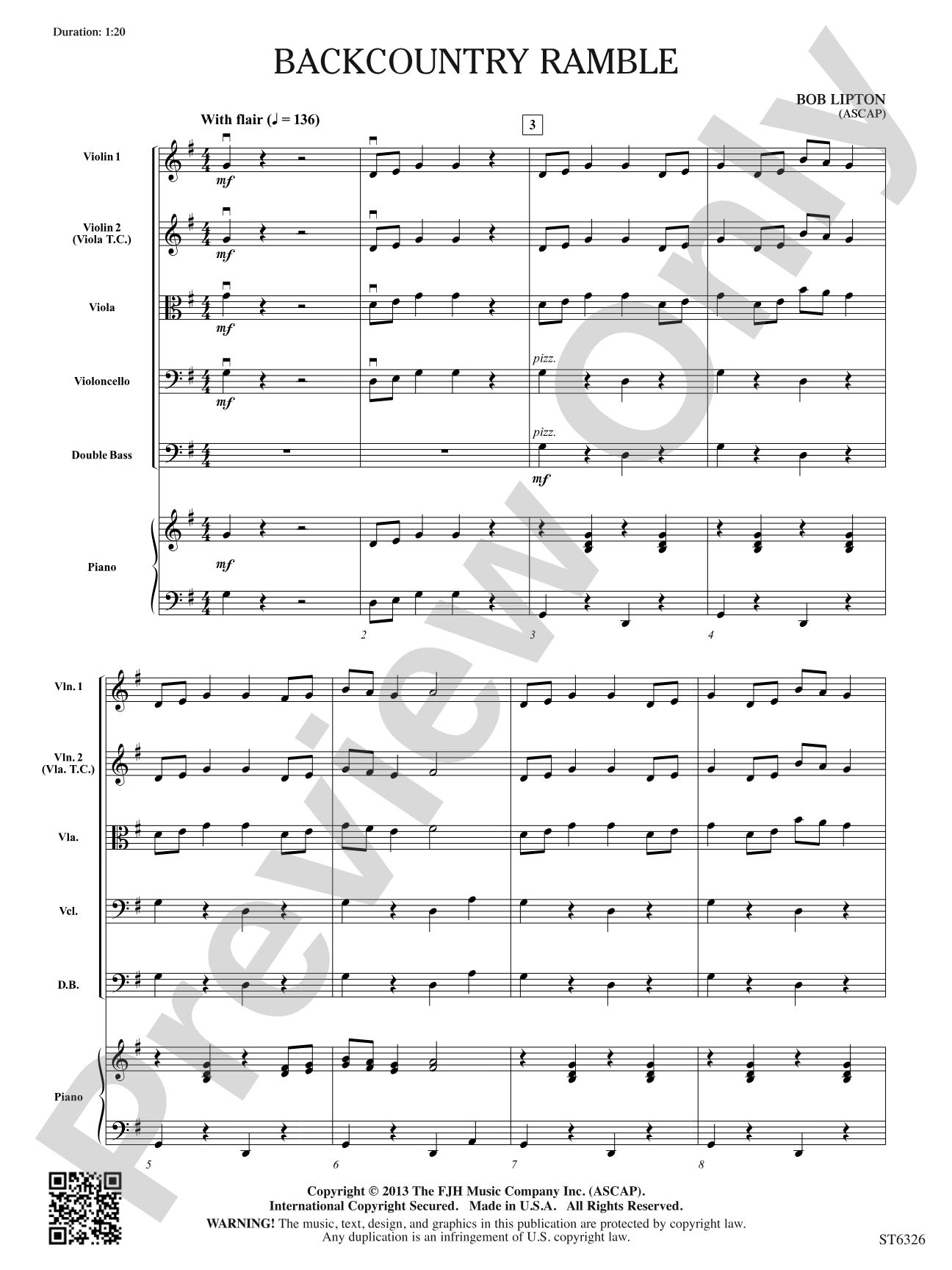
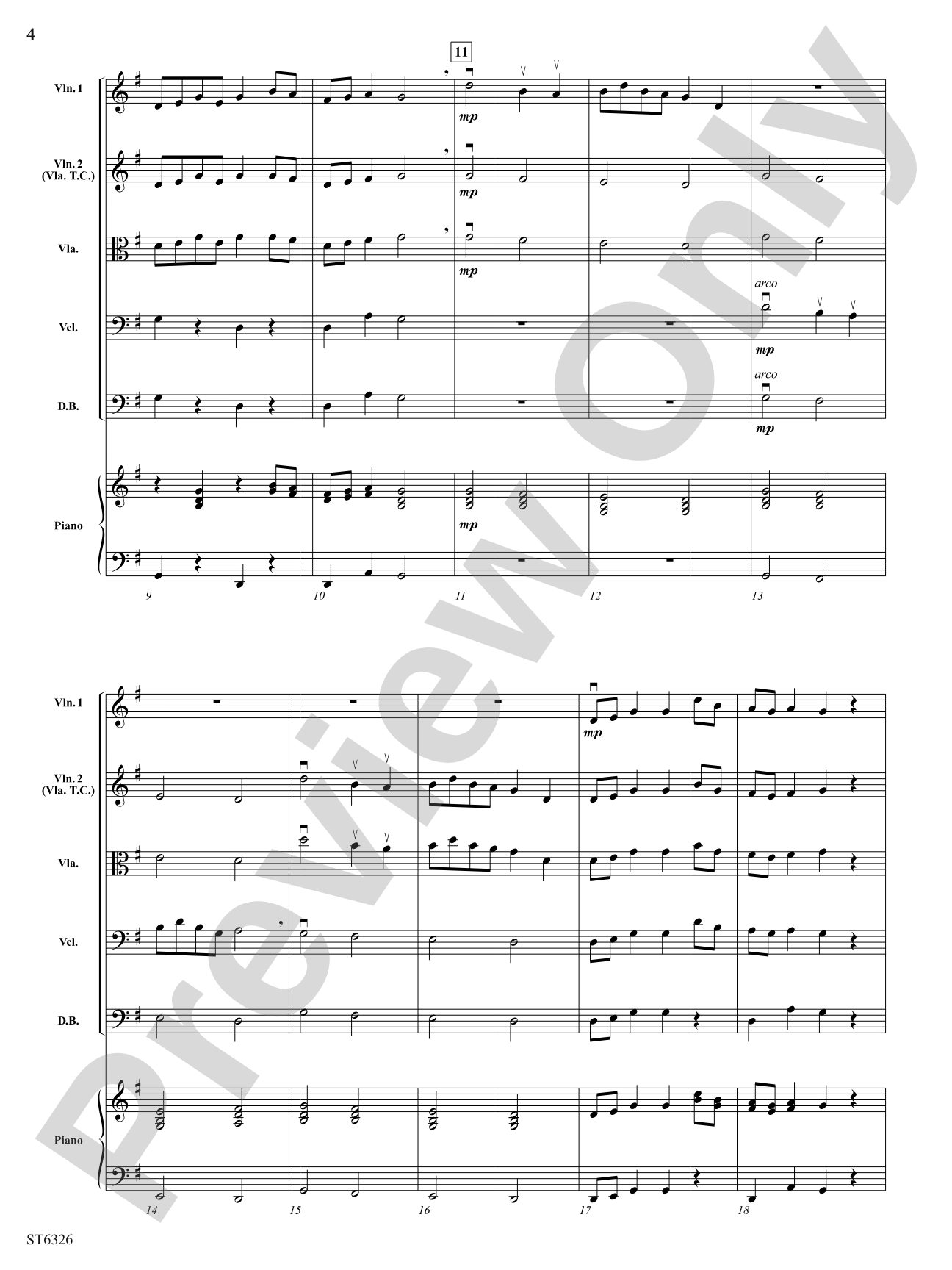
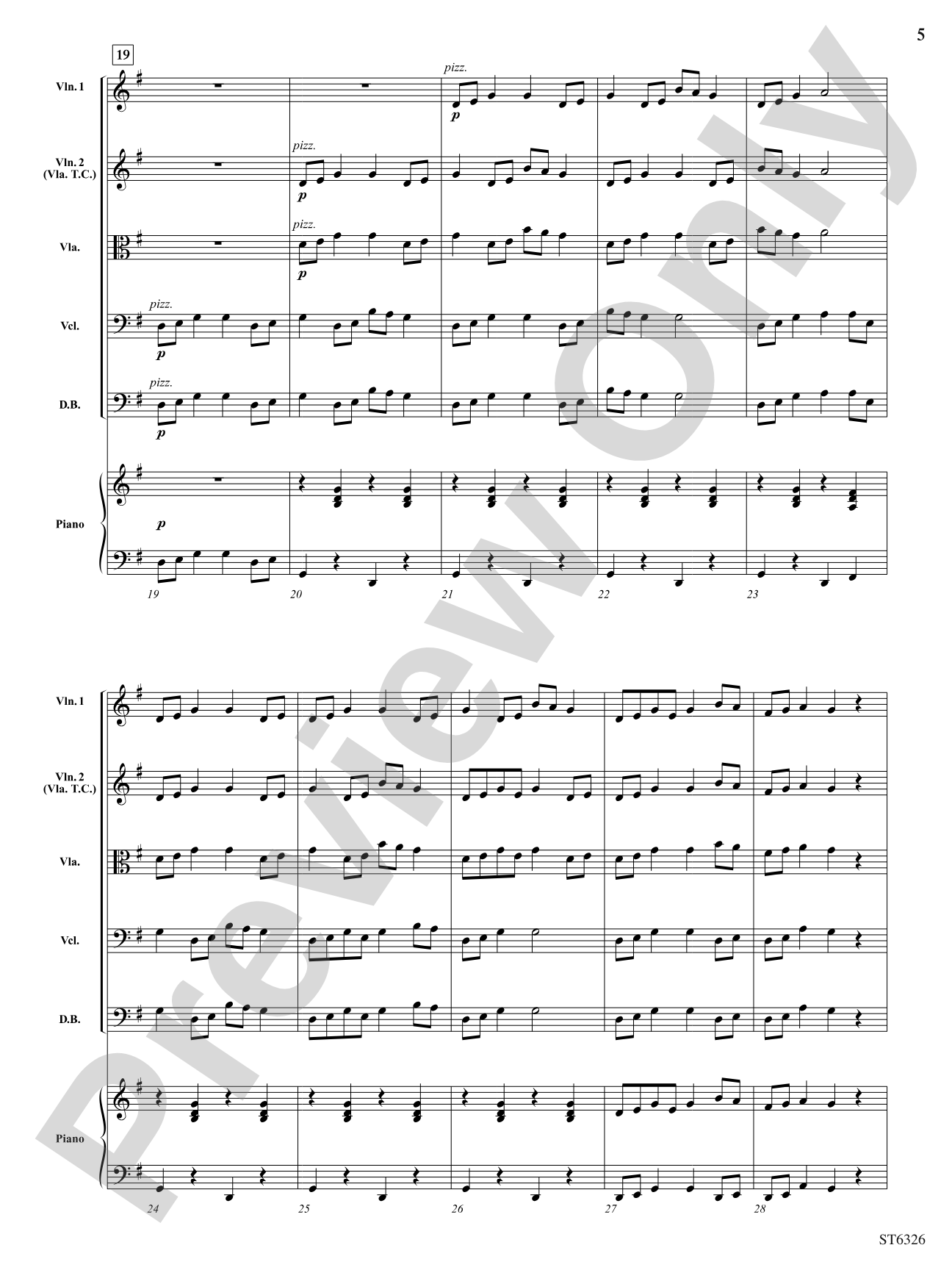
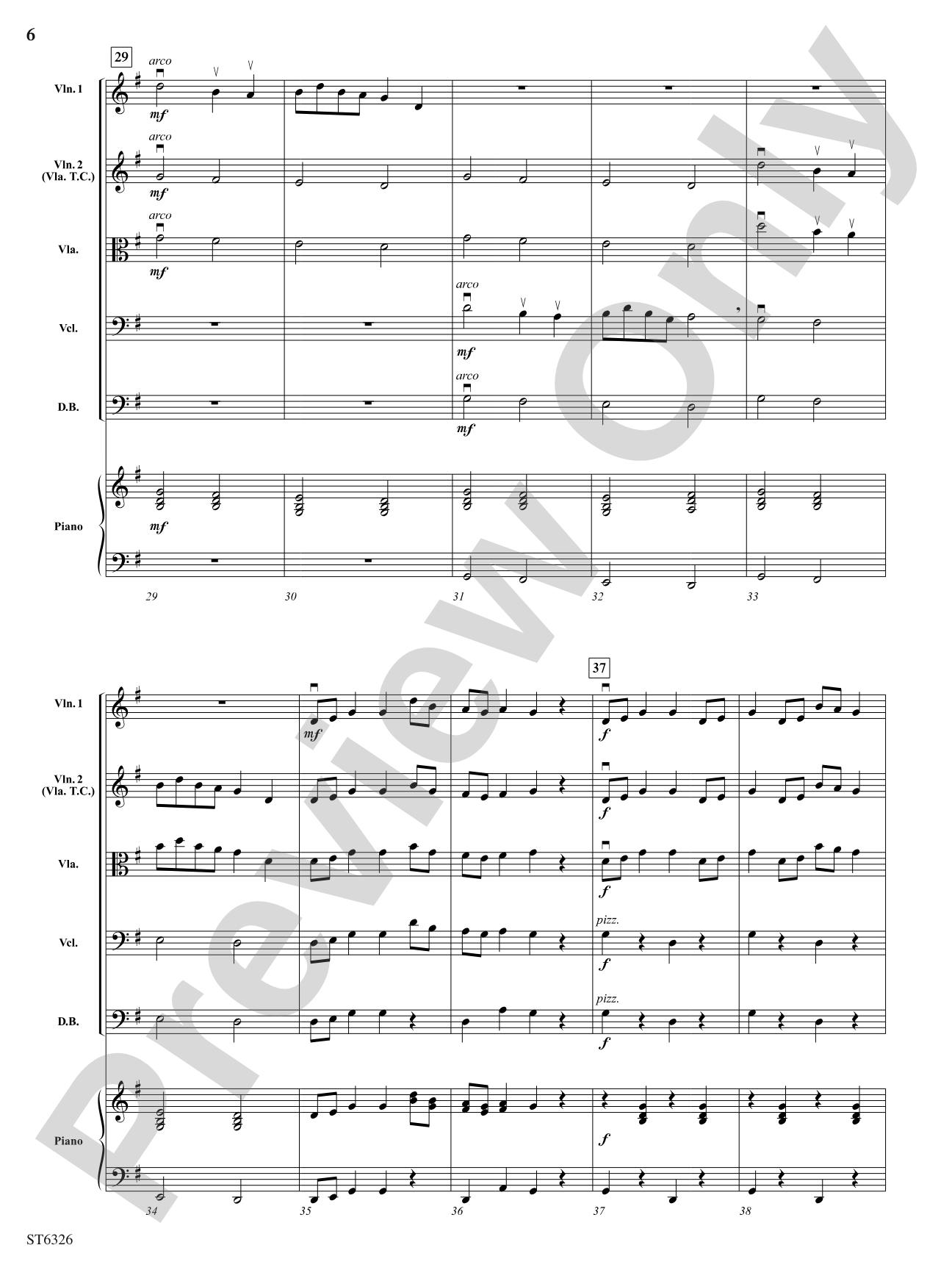
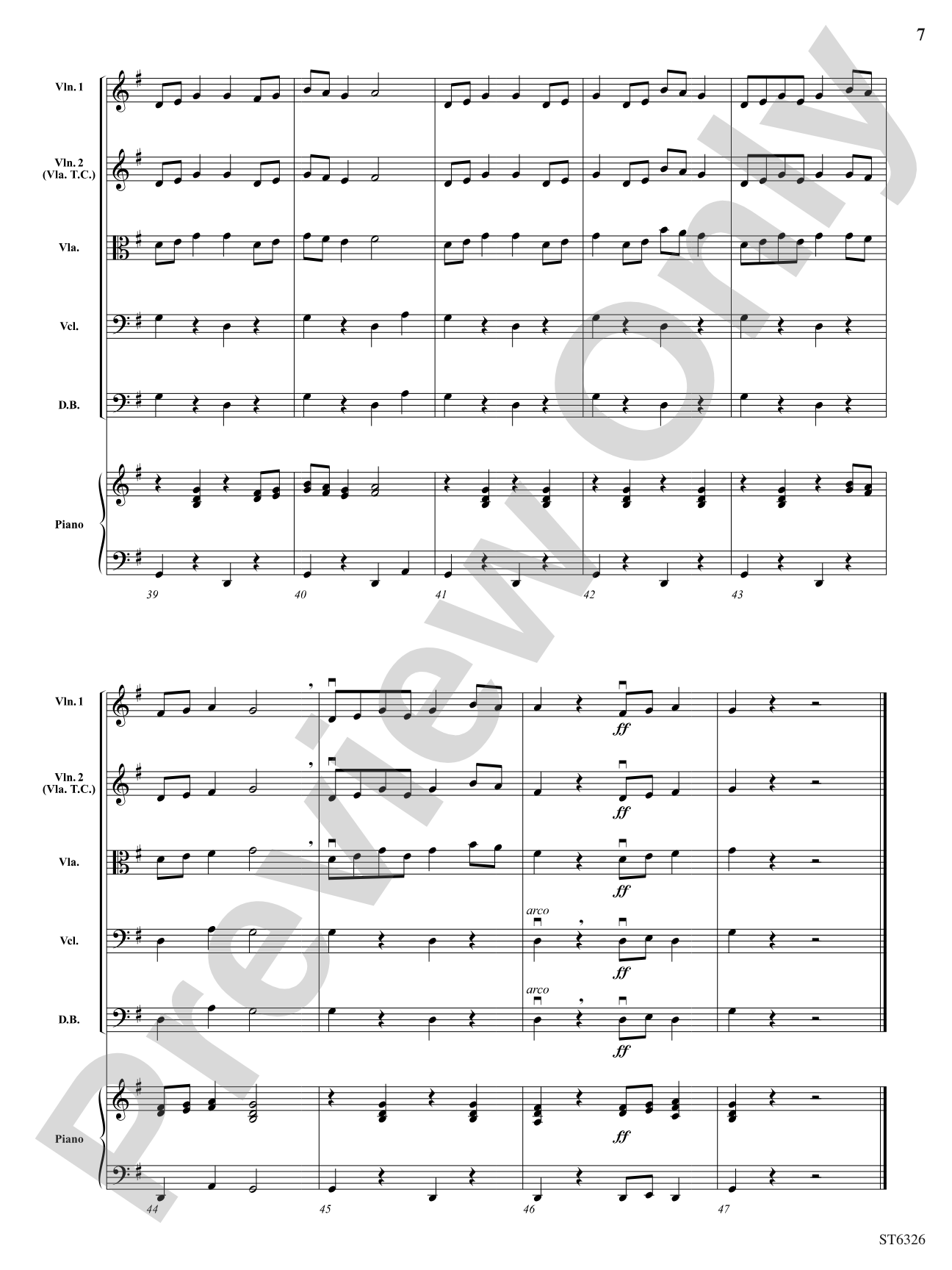
Based entirely on a one-octave D Major scale, this jovial work is an ideal selection for the lighter portion of your concert. In addition to its fun, dance-like character, the work serves as a wonderful tool to introduce independence between sections through very basic counterpoint. A great choice for so many reasons!


Backcountry Ramble: String Orchestra Conductor Score & Parts isn't in MakeMusic Cloud just yet...but it could be. Let us know you'd like to see it, and you'll help shape what comes next. In the meantime, start a free trial and dive into thousands of interactive titles your students can play along with today.
Request This Title
Tell us you want it.
Start Your Free Trial
Explore everything that's ready to play right now.
Sample Audio
1
Audio File
--:--
0:00
0:00
Sample Video
No sample videos found.
Additional Details
Series:
FJH Beginning Strings
Publisher:
The FJH Music Company, Inc.
SKU:
98-DST6326
More about this title
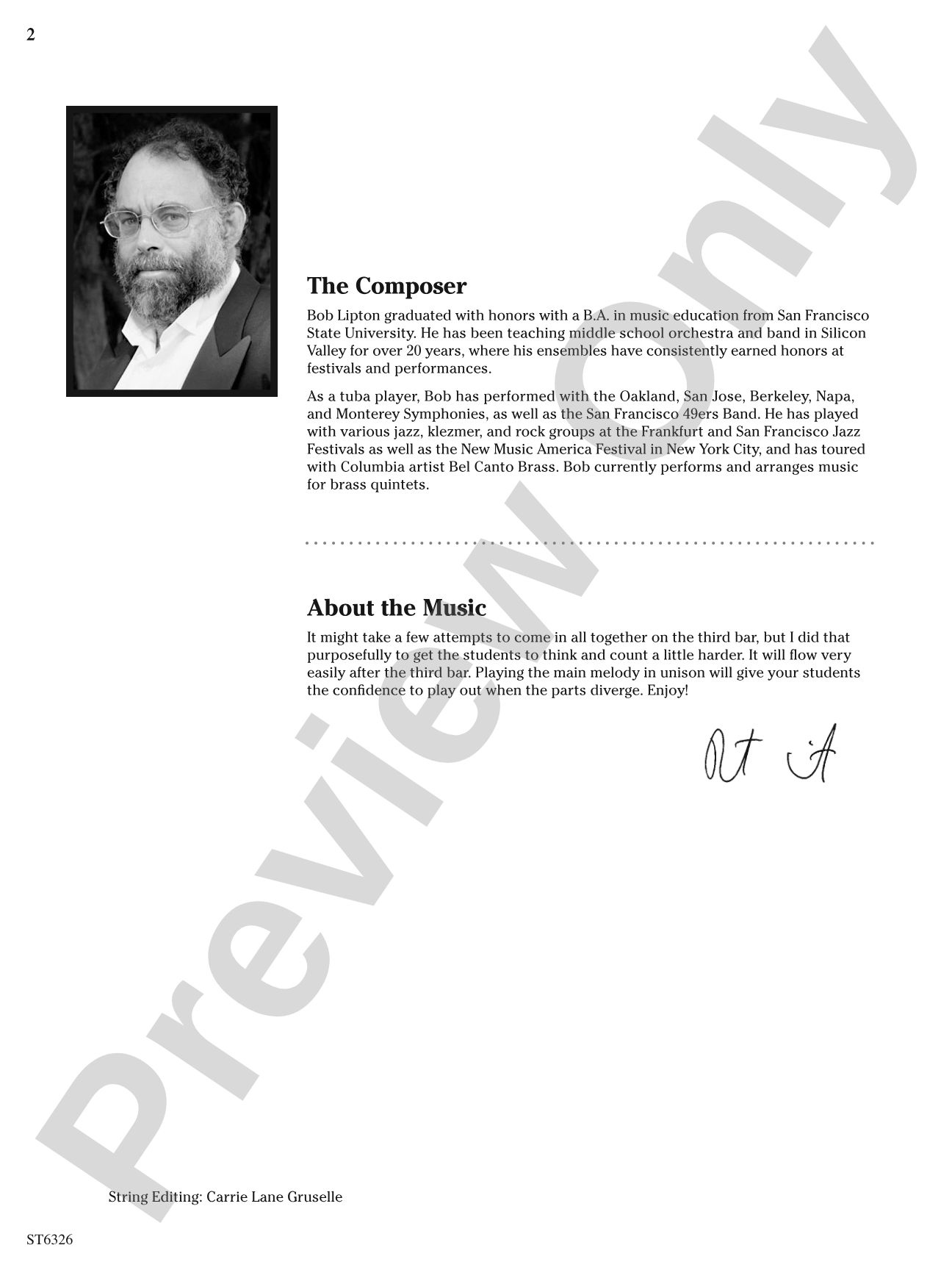
About the Composer: Bob Lipton

Bob Lipton holds a B.M. in music education from San Francisco State University and brings real-world performing experience to his compositional work. A tuba player who has performed with orchestras across Northern California (San Jose, Oakland, Napa, Monterey, and Berkeley), he has also toured internationally with the Colombia Artists Bel Canto Brass and performed at jazz festivals in San Francisco and Frankfurt.
For the past 19 years, Lipton has taught middle school orchestra and band in Silicon Valley, giving him deep insight into what young musicians need to learn and what they enjoy playing. His arranging work extends beyond school ensembles to brass quintet, making him skilled at writing across different instrumental combinations while maintaining accessibility and musical substance.
Why we love this
Lipton has designed a piece that accomplishes multiple teaching goals without feeling like work. The one-octave D Major constraint forces clarity and directness, while the dance-like character keeps students engaged and excited about rehearsal. Most impressively, he introduces genuine sectional independence through basic counterpoint, giving beginners their first real taste of polyphonic thinking without overwhelming them.
What to expect
A ramble suggests wandering with purpose, and this piece captures that quality perfectly. The jovial D Major scale never feels simplistic; instead, it bounces with the energy of a folk dance, inviting students to hear themselves as real musicians making something lively and whole.
Who it's for
Grade 1 string orchestras ready to move beyond unison or simple two-part writing. This piece works equally well for programs that include multicultural or patriotic contexts and for directors seeking repertoire that teaches musical independence without requiring advanced technique.
How to get the most out of it
- Balance the melody between first and second violins during the dance sections. The counterpoint only lands if both lines are equally heard, so avoid letting melody dominate.
- Keep the rhythmic pulse steady and slightly buoyant. This piece thrives on the lift of a straight quarter note, not a heavy or dragging tempo.
- Encourage your section leaders to listen across the ensemble before entering their independent lines. Taking a moment to place an entrance relative to what's happening around them prevents the counterpoint from sounding chaotic.
- Mark dynamic changes clearly in parts. Even at Grade 1, terraced dynamics help each section feel ownership of their musical moment.
How to use it
Place this in the lighter portion of a concert program, especially between more serious pieces or as a natural partner to other Grade 1 repertoire exploring cultural traditions. Its brevity and accessibility also make it an excellent teaching demonstration at open rehearsals or school assemblies where non-musicians are listening.
Skills your students will build
- Basic sectional independence using simple counterpoint
- Listening across the ensemble to place their part in a larger texture
- Maintaining steady pulse while playing rhythmically distinct material
- Reading and responding to basic dynamic and articulation markings
- Understanding how a limited pitch set (one-octave D Major scale) can support varied musical expression