Bach to Rock Cover Image

Bach to Rock: String Orchestra Conductor Score & Parts

$60.00 USD
Sale price  $60.00 USD Regular price 
Skip to product information
Bach to Rock Cover Image

Bach to Rock: String Orchestra Conductor Score & Parts

By Mark Wood

Grade: 3.5

Item: 00-49053

Need it now?

Buy Digital Version
$60.00
Shipped

One moment…

Description
The traditional bolero is a moderately slow dance in triple meter which originated in late-18th century Spain. Since then it has spread to other countries and become transformed in the process. The Cuban bolero became a bit faster in tempo and duple in meter. In the U.S. it became a staple of competitive ballroom dancing, even faster and in 4/4 time. Maurice Ravel's Boléro for orchestra harkens back to the slower Spanish dance in three. Wood's Bolero by Mark Wood, on the other hand, focuses on the American version but maintains elements of the dance's origins and first iterations. For string orchestra with optional rock rhythm section parts. (3:10)

Download Play-Along Track

Bach to Rock: String Orchestra Conductor Score & Parts isn't in MakeMusic Cloud just yet...but it could be. Let us know you'd like to see it, and you'll help shape what comes next. In the meantime, start a free trial and dive into thousands of interactive titles your students can play along with today.

Sample Pages

Sample Audio

Bach to Rock

0:00
0:00
Sample Video
Additional Details
Series: Mark Wood Series
Publisher: Alfred Music
ISBN10: 1-4706-4786-9
ISBN13: 978-1-4706-4786-5
UPC: 038081567082
SKU: 00-49053

More about this title

About the Composer: Mark Wood
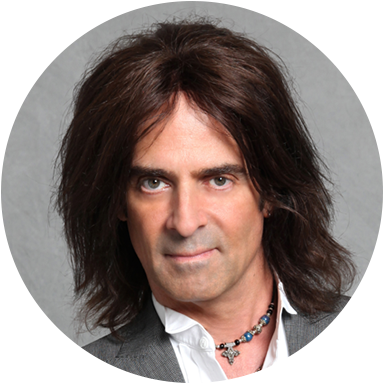
Mark Wood

Mark Wood stands apart in contemporary music as an electric violinist who has spent four decades transforming what strings can do in popular and orchestral contexts. His technical command, tonal aggression, and fearless approach to genre-blending earned him recognition as the premier electric violinist of his generation and a founding member of Trans Siberian Orchestra, whose recordings have sold over 10 million copies worldwide.

Beyond his acclaimed solo career and touring band The Mark Wood Experience, Wood has become a vital voice in music education and film scoring. His work includes commissions for institutions like The Juilliard School, Emmy Award-winning television scores for the Winter Olympics and Tour de France broadcasts, and collaborations with major artists including Paul McCartney, Billy Joel, and Celine Dion. He has performed at Carnegie Hall, Lincoln Center, and Madison Square Garden, and his educational content reaches millions through his YouTube channel and TED talk.

Why we love this

Wood strips away the complexity that often surrounds bolero arrangements and gives you something that actually plays. The optional rock rhythm section parts mean you can keep things orchestral in a concert setting or add drums and bass for a rehearsal that feels alive. At grade 3.5, students engage with genuine genre fusion without sacrificing ensemble balance or technical accessibility.

What to expect

This piece moves between the languid, intimate world of Spanish dance tradition and the driving propulsive energy of American ballroom and rock idioms. The strings articulate each version distinctly, creating a mini-narrative about how a single dance form transforms across geography and time.

Who it's for

String orchestra directors seeking accessible repertoire that bridges classical tradition and contemporary energy. Students who respond to recognizable cultural references and want to experience genuine genre-based arranging without simplification.

How to get the most out of it

  • Shape the melodic line with dynamic restraint during the Spanish bolero sections. Ravel's influence appears in Wood's orchestration, and overkill kills the sultry atmosphere.
  • Lock the rhythm with your rhythm section (if using the optional parts) by establishing the pulse at rehearsal before adding strings. The shift from triple to duple meter works only if both sections feel the same tempo.
  • Emphasize the transformation between movements: the American 4/4 version should feel materially different in energy and articulation from the opening triple meter, signaling a real shift in dance style rather than just a tempo change.

How to use it

Pair this with other Mark Wood arrangements or contemporary string works to anchor a concert celebrating strings in non-classical contexts. It works equally well as a standalone feature or paired with a more traditional classical selection to show the full range of your ensemble's capability.

Skills your students will build

  • Playing in triple and duple meters within a single piece
  • Maintaining ensemble cohesion across tempo shifts and rhythmic transitions
  • Responding to rock and popular music articulation and phrasing
  • Understanding how cultural and geographical context shapes musical style
  • Reading and performing with optional rhythm section parts

You May Also Like