

Aya Ngena: SSA Choral Octavo
Traditional Zulu Folk Song / arr. Ruth Morris Gray
Item: 00-PO-0000919
$2.20
Minimum order quantity: 20 copies
Pickup currently not available
Related Items
Aya Ngena: SoundTrax Digital Audio Download |
$27.99
|
View | |
Aya Ngena: SATB Choral Octavo |
$2.20
|
View | |
Aya Ngena: 3-Part Mixed Choral Octavo |
$2.20
|
View | |
Aya Ngena: TTB Choral Octavo |
$2.20
|
View | |
Aya Ngena: SATB Choral Octavo |
$2.20
|
View | |
Aya Ngena: 3-Part Mixed Choral Octavo |
$2.20
|
View | |
Aya Ngena: SSA Choral Octavo |
$2.20
|
View | |
Aya Ngena: Choral Octavo SoundTrax CD |
$27.99
|
View |
Description
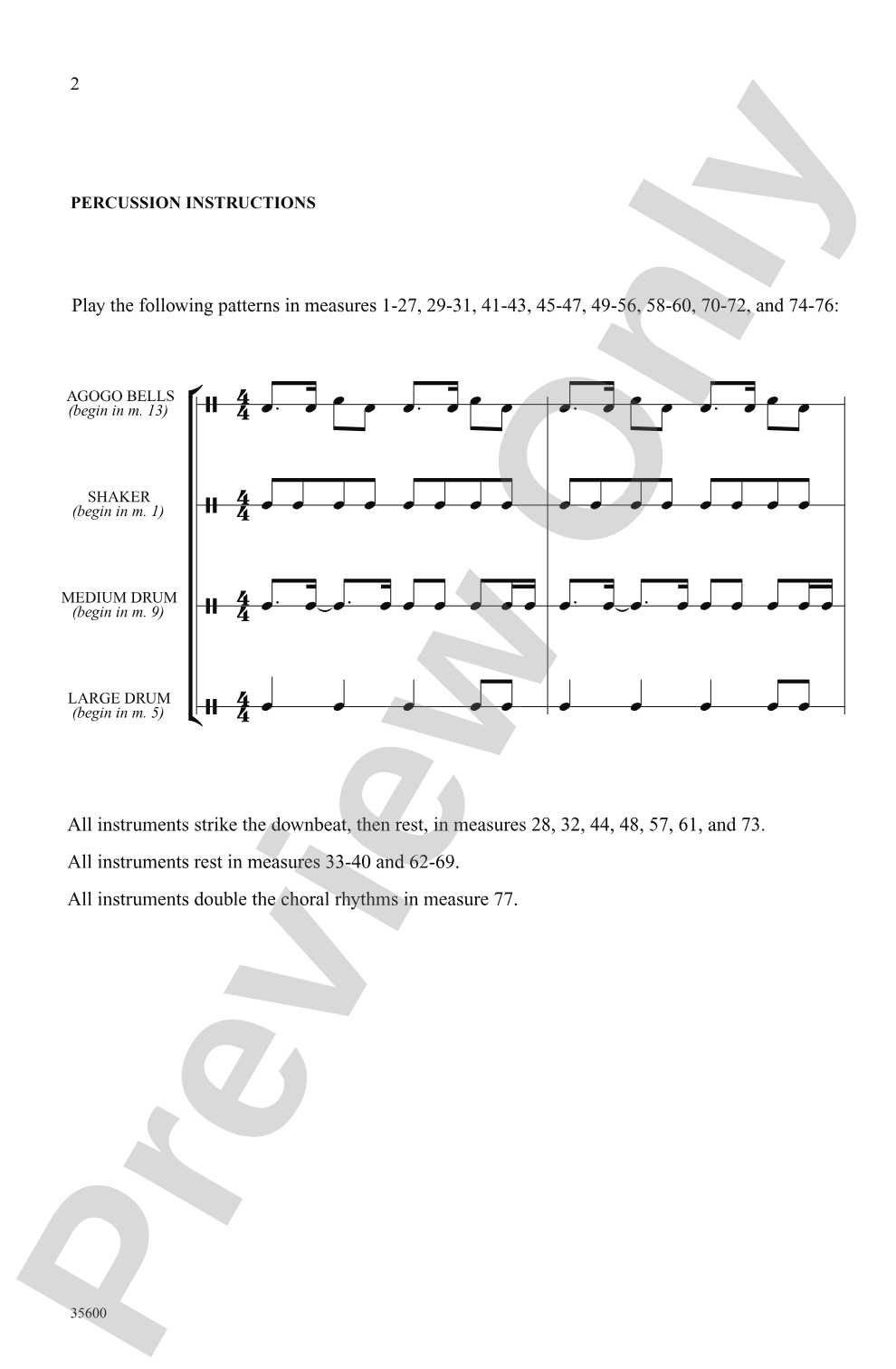
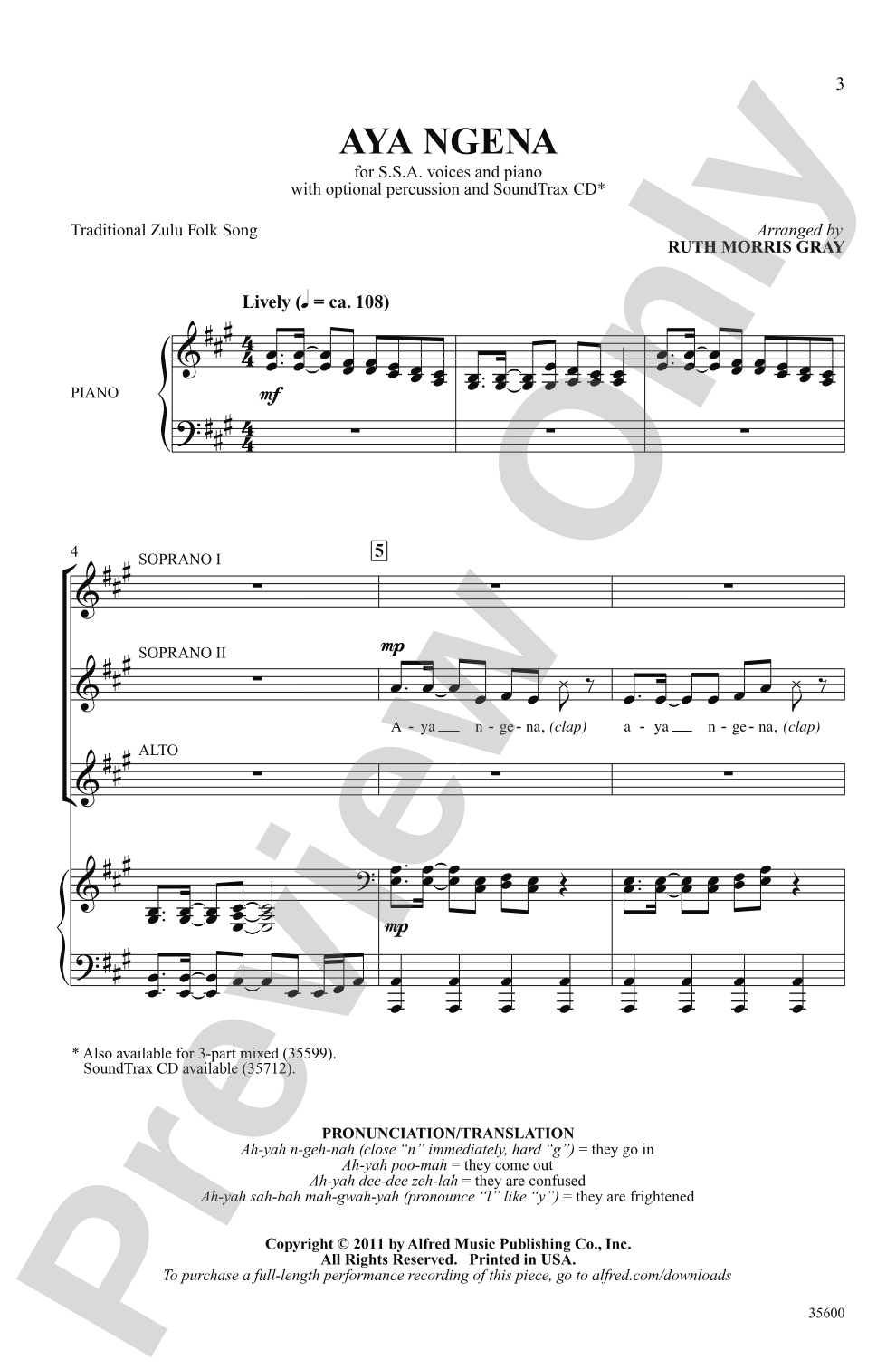
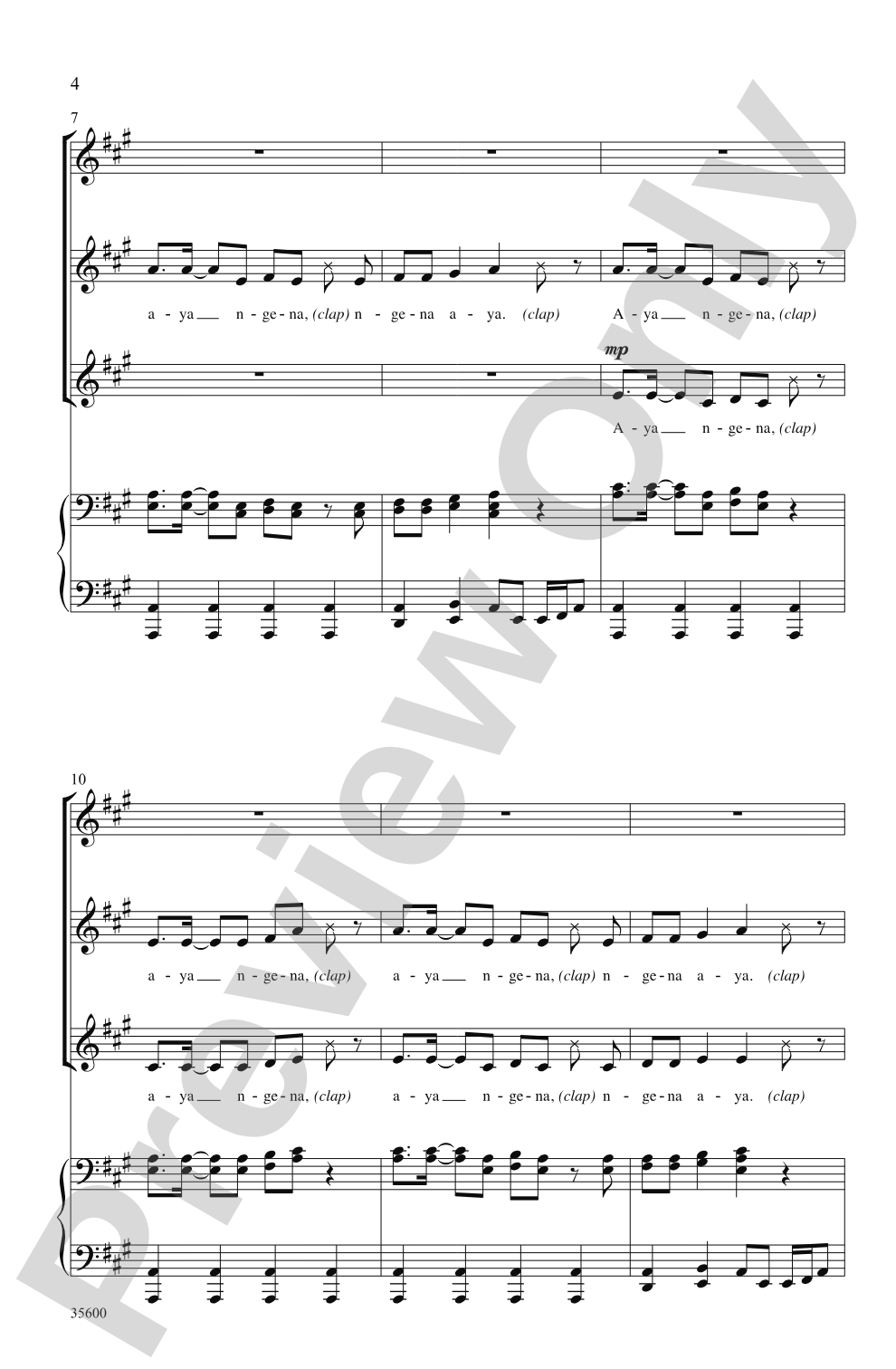
This authentic Zulu folk song is a perfect fit for mixed and treble choirs in three parts. The multicultural groove of rhythmic choral parts is routinely punctuated by brief solos and joyful handclaps. Add the optional African percussion to enhance the experience. This title is available in Music Prodigy.


Aya Ngena: SSA Choral Octavo isn't in MakeMusic Cloud just yet...but it could be. Let us know you'd like to see it, and you'll help shape what comes next. In the meantime, start a free trial and dive into thousands of interactive titles your students can play along with today.
Request This Title
Tell us you want it.
Start Your Free Trial
Explore everything that's ready to play right now.
Sample Audio
1
Audio File
--:--
0:00
0:00
Sample Video
No sample videos found.
Additional Details
Series:
Alfred Choral Designs
Publisher:
Alfred Music
Page Count:
16
SKU:
00-PO-0000919
Instrumentation:
with Opt. African Percussion
More about this title
About the Arranger: Ruth Morris Gray

Ruth Morris Gray brings two decades of choral direction to her work at Rosemead High School, where she has shaped the choir program since 2004. Her output spans over 100 published choral compositions, grounded in formal training that includes a bachelor's degree in Piano Performance and Composition from Biola University and a master's degree in Music Composition from UC Santa Barbara. Beyond the rehearsal room, Gray remains active as a performer and composer, drawing inspiration from travel and community engagement.
Gray's arrangements reflect her deep understanding of both choral pedagogy and the cultures her singers encounter. Her work consistently balances accessibility with authenticity, creating pieces that challenge singers while honoring the traditions they represent.
Why we love this
This arrangement preserves the genuine character of the Zulu folk tradition while making the piece immediately engaging for treble choirs. The interplay between rhythmic tutti sections and featured solos creates natural momentum, and the optional African percussion transforms what could be a simple piece into a genuine cross-cultural learning experience that students actually want to perform.
What to expect
The piece radiates joy through rhythmic momentum and call-and-response energy. Handclaps punctuate the singing with infectious vitality, while the featured solos offer moments of intimacy that contrast beautifully with the fuller ensemble sections, creating a sense of communal celebration that feels both celebratory and connected to its Zulu roots.
Who it's for
SSA and SSAA choirs seeking repertoire that energizes both performers and audiences. This piece works equally well for high school choirs, treble ensembles in middle school, and adult community choirs looking to expand beyond traditional Western European choral literature.
How to get the most out of it
- Establish the handclap rhythm as a foundation before layering in the vocal parts; this anchors the groove and keeps ensemble cohesion tight, especially during the solo passages.
- Treat the solo sections as conversation rather than performance moments. Encourage soloists to sing directly to the ensemble, maintaining the participatory spirit of the original tradition.
- If using the optional percussion, rehearse the drums and claps separately first, then integrate them gradually to avoid overwhelming the voices during early rehearsals.
- Work the SSA voicing so that each line understands its harmonic function during the tutti passages; clarity here makes the transitions into solos feel intentional rather than accidental.
How to use it
Program this early in a concert to set an energetic, welcoming tone, or place it strategically in the middle of a set to refresh audience engagement. It pairs particularly well with other world music selections or can anchor a multicultural concert theme. The movement and staging options make it ideal for festival competitions where dynamic presentation earns recognition.
Skills your students will build
- Rhythmic precision in syncopated, non-Western meters
- Call-and-response singing with secure part independence
- Authentic vocal production for African folk traditions
- Ensemble awareness while managing featured solo moments
- Integration of body percussion and movement with singing