Avinu Malkeinu Cover Image

Avinu Malkeinu: Concert Band Conductor Score

$7.00 USD
Sale price  $7.00 USD Regular price 
Skip to product information
Avinu Malkeinu Cover Image

Avinu Malkeinu: Concert Band Conductor Score

Our Father, Our King

Arr. Vince Gassi

Grade: 2 (Medium Easy)

Item: 00-39632S

$7.00
Shipped

One moment…

Description
"Avinu Malkeinu" (Our Father, Our King) is an ancient Jewish prayer chanted during Rosh Hashanah and Yom Kippur. The reverent and plaintive character of this centuries-old supplication for God's mercy and grace is brought forth poignantly in this beautifully scored arrangement for band. (2:25)

Avinu Malkeinu: Concert Band Conductor Score isn't in MakeMusic Cloud just yet...but it could be. Let us know you'd like to see it, and you'll help shape what comes next. In the meantime, start a free trial and dive into thousands of interactive titles your students can play along with today.

Sample Pages

Sample Audio
No sample audio found.
Sample Video
Additional Details
Series: Young Symphonic
Publisher: Alfred Music
Page Count: 12
UPC: 038081454948
SKU: 00-39632S

More about this title

About the Arranger: Vince Gassi
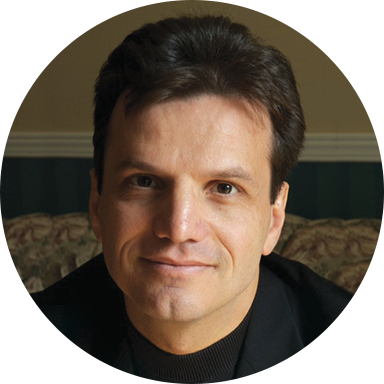
Vince Gassi

Vince Gassi has been publishing music through Alfred since 2006 and has built a catalog of over 100 works that consistently appear on festival and contest programs across North America, Europe, and Japan. He holds a Bachelor of Music from the University of Western Ontario and completed graduate studies in composition and arranging at the Dick Grove School of Music in Los Angeles before earning his Ph.D. from York University in Toronto.

Gassi brings twenty-five years of experience teaching instrumental music at the K-12 level, combined with his active work as a guest conductor, adjudicator, and clinician. His seminars on creative engagement and digital workflows for music directors reflect his commitment to helping educators develop both student musicianship and classroom innovation. His pieces are regular fixtures at the Midwest Clinic and appear frequently on contest lists.

Why we love this

Gassi's arrangement honors the spiritual weight of this ancient prayer while keeping the band writing transparent and manageable for a Grade 2 ensemble. The scoring allows genuine musical expression without overwhelming young players, making this a strong choice for concerts that benefit from a moment of reflection or reverence. Programming sacred music from multiple traditions deepens students' cultural awareness and gives them access to repertoire with real meaning beyond the concert hall.

What to expect

The arrangement captures the reverent quality of a centuries-old supplication, conveying both solemnity and an earnest plea for mercy. Beneath the contemplative surface, there's an underlying urgency that reflects the gravity of the Rosh Hashanah and Yom Kippur observances from which this prayer emerges.

Who it's for

This arrangement serves bands at the early intermediate level who want to add sacred music to their concert repertoire. Directors seeking culturally diverse programming or a liturgical piece suitable for interfaith concert contexts will find this accessible without sacrificing musical substance.

How to get the most out of it

  • Shape the opening carefully to establish the plaintive character immediately; the opening statement sets the emotional tone for the entire arrangement.
  • Balance inner harmonic voices with the melody so accompaniment doesn't obscure the prayer's central message.
  • Control tempo to allow the 2:25 duration to breathe naturally without rushing through the emotional arc.
  • Pay attention to dynamic nuance in the scoring to bring out the supplication inherent in the text and melody.

How to use it

Position this during a concert section focused on world traditions or sacred music to provide meaningful contrast with secular works. It also serves well as a festival or contest entry when the schedule calls for demonstrated artistic control over musical expression rather than technical display.

Skills your students will build

  • Sustaining tone and phrasing in a purely lyrical context without rhythmic drive
  • Balancing melodic clarity with harmonic support
  • Understanding how arrangement honors original cultural sources
  • Performing with intentional dynamic control and expressive restraint

You May Also Like