Autumn Cover Image

Autumn: Jazz Ensemble Conductor Score, Parts & CD

$69.00 USD
Sale price  $69.00 USD Regular price 
Skip to product information
Autumn Cover Image

Autumn: Jazz Ensemble Conductor Score, Parts & CD

By Jim Snidero / arr. Frank Reinshagen

Item: 01-ADV34015

$69.00
Shipped

One moment…

Description
This medium swing chart features a beautifully-harmonized sax section soli. It is perfect for a change of pace in any program and it gives your brass section a change to rest. Instead of the written trombone solo you may want to feature your improvising guitarist or pianist. "Autumn" is based on the etude with the same name from Jim Snidero's Jazz Conception Series. First trumpet: G (top of staff).

Autumn: Jazz Ensemble Conductor Score, Parts & CD isn't in MakeMusic Cloud just yet...but it could be. Let us know you'd like to see it, and you'll help shape what comes next. In the meantime, start a free trial and dive into thousands of interactive titles your students can play along with today.

Sample Pages

Sample Audio

track 1

0:00
0:00
Sample Video
Additional Details
Series: Advance Music: Big Band Plus
Publisher: Advance Music
ISBN10: 3-892215-01-4
ISBN13: 978-3-892215-01-1
UPC: 805095340150
SKU: 01-ADV34015

More about this title

About the Composer: Jim Snidero
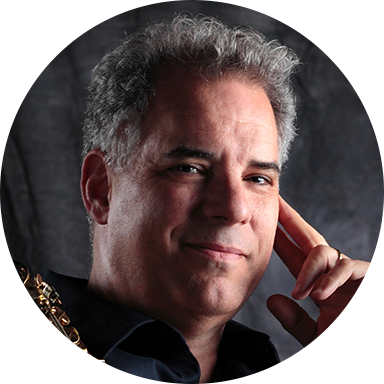
Jim Snidero

Jim Snidero has established himself as a leading voice in contemporary jazz over more than three decades. An alto saxophonist, composer, arranger, and educator, he earned recognition from Downbeat Magazine as both a "master musician" and "alto saxophone virtuoso," and placed in the 2017 Downbeat Critic's Poll. His early mentorship from Phil Woods and Dave Liebman, combined with his time in the One O'Clock Lab Band at the University of North Texas, shaped his musical foundation before he moved to New York in 1981.

Snidero's career spans work with landmark ensembles including the Mingus Big Band, the Toshiko Akiyoshi Jazz Orchestra, and appearances on Frank Sinatra's Duets II. As a bandleader and recording artist, he has created a substantial catalog marked by consistency and range, from his debut On Time (1984) through acclaimed releases like Mixed Bag and Blue Afternoon. His pedagogical contributions, particularly the Jazz Conception Series, have become essential resources for jazz education worldwide.

Why we love this

The sax section writing here is genuinely sophisticated without requiring virtuosic soloists, and the swing feel sits comfortably in a medium tempo. Frank Reinshagen's arrangement keeps the ensemble engaged throughout while offering your brass section a legitimate breather, and the flexibility to substitute a guitarist or pianist solo for the written trombone part means you can showcase whatever improviser is ready to step forward.

What to expect

A warm, mid-tempo swing with autumn light filtering through the harmonies. The sax section carries the melodic weight with sophisticated voicings that swing without rushing, creating an accessible yet musically refined sound that feels both relaxed and composed.

Who it's for

Jazz ensembles of intermediate ability looking to expand their repertoire beyond pure bebop or blues-based charts. Directors who want a well-crafted swing vehicle that showcases the saxes and provides breathing room for the trumpet and trombone sections will find this especially useful.

How to get the most out of it

  • Anchor the groove in the rhythm section first. The swing feel depends entirely on the bassist and drummer locking the pocket, so spend early rehearsals isolating those two parts and building the swing feel before layering in the horns.
  • Blend and balance the sax section unison passages carefully. The harmonized soli will shine only if the four saxes match tone quality, dynamic weight, and articulation; have them listen to each other and adjust individually rather than assuming uniform voicing automatically happens.
  • If you feature an improvising guitarist or pianist instead of the trombone solo, seat that player where the ensemble can hear them clearly and cue together. Brief the soloist on the chord progression and number of choruses beforehand so everyone stays together.

How to use it

Place this in the middle of a set when the audience and ensemble both need a shift in energy and texture. Its moderate difficulty and straightforward swing style make it an ideal bridge between higher-energy bebop charts and ballads, and the optional solo flexibility means you can tailor it to whoever is ready to improvise at any given moment.

Skills your students will build

  • Reading and executing medium-swing feel with accurate articulation
  • Blending and balancing within a sax section soli
  • Accompanying and responding to improvisation
  • Listening for pocket and ensemble cohesion in a groove-based setting

You May Also Like