Are You Now or Have You Ever Been a Democrat or a Republican? Cover Image

Are You Now or Have You Ever Been a Democrat or a Republican?: SATB Choral Octavo

$2.95 USD
Sale price  $2.95 USD Regular price 
Skip to product information
Are You Now or Have You Ever Been a Democrat or a Republican? Cover Image

Are You Now or Have You Ever Been a Democrat or a Republican?: SATB Choral Octavo

Lyrics by Dave and Iola Brubeck, music by Dave Brubeck

Item: 00-38616

makemusic Cloud badge

Need it now?

Buy Digital Version
$2.95
Shipped

One moment…

Description

Don't just read it, hear it, play along with it, and watch your students grow with it. In MakeMusic Cloud, Are You Now or Have You Ever Been a Democrat or a Republican?: SATB Choral Octavo comes alive with professional accompaniment, adjustable tempo, and built-in practice tools that turn solo practice into real progress.

Sample Pages

Sample Audio
No sample audio found.
Sample Video
Additional Details
Series: Lawson-Gould: The Dave Brubeck Series
Publisher: Alfred Music
Page Count: 16
UPC: 038081427898
SKU: 00-38616

More about this title

About the Composer: Dave Brubeck
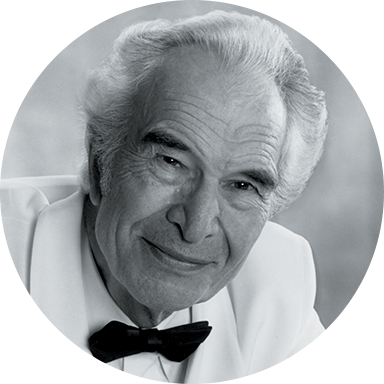
Dave Brubeck

Dave Brubeck was a jazz pianist and composer whose work bridged improvisation and classical structure. Beyond his legendary recordings, including the groundbreaking album "Time Out" and the iconic composition "Take Five," Brubeck created an expansive catalog of fully notated works spanning choral pieces, orchestral compositions, chamber music, and large-scale works for chorus and orchestra. His education at the College of the Pacific and subsequent study with French composer Darius Milhaud at Mills College shaped his approach to blending jazz language with classical forms.

Brubeck's influence extended beyond music into social progress. He was instrumental in dismantling racial barriers in mid-20th-century America through his performances and artistic choices. His sacred and secular choral works have been performed worldwide, from European concert halls to the National Cathedral in Washington, DC. Throughout a distinguished career as both performer and composer, Brubeck received the Presidential Medal of the Arts, Grammy Lifetime Achievement Award, and was elected to the American Classical Music Hall of Fame in 2003.

Why we love this

Brubeck's choral writing reflects the wit and sophistication of his jazz-inflected classical voice, and this octavo demonstrates his ability to tackle contemporary subject matter with musical intelligence rather than polemics. The piece engages singers with engaging part writing and harmonic color while maintaining the accessibility that makes it suitable for college and advanced high school choirs. Programming work by Brubeck signals to audiences that choral music can be intellectually curious and strikingly modern.

What to expect

The piece carries the dry wit and intellectual curiosity that characterizes much of Brubeck's compositional output. Musically, it inhabits a space between mid-century sophistication and timeless craftsmanship, with harmonies and rhythmic gestures that feel modern without sacrificing clarity or singability.

Who it's for

This octavo suits college choirs, advanced high school ensembles, and community choruses with solid musicianship and comfort with contemporary harmonic language. Singers need to navigate Brubeck's sophisticated part writing and jazz-influenced sonorities, making this appropriate for groups with rehearsal time and independent singers.

How to get the most out of it

  • Balance the text delivery across all four parts; Brubeck's counterpoint works only when each voice remains audible. Resist the temptation to let sopranos or tenors dominate.
  • Attend to the harmonic language carefully during rehearsals. Brubeck's jazz-influenced voicings may feel unfamiliar initially, so isolate sections and work through the chord progressions to build confidence.
  • Shape phrases musically rather than mechanically. The piece benefits from the kind of rhythmic flexibility and dynamic subtlety that Brubeck himself brought to his own performances.

How to use it

This work fits naturally into a concert celebrating American composers or exploring jazz's influence on classical forms. It pairs well with other Brubeck choral pieces in the Lawson-Gould series, or can anchor a program segment on 20th-century secular choral music. The piece's engaging text and accessible musical language make it an appealing choice for audiences unfamiliar with contemporary choral repertoire.

Skills your students will build

  • Reading jazz-influenced harmonic language and complex chord structures
  • Maintaining independent lines within sophisticated four-part counterpoint
  • Interpreting text with rhythmic flexibility and musical phrasing
  • Sight-reading mixed meters and syncopated rhythmic figures

You May Also Like
