Antiphon Cover Image

Antiphon: Concert Band Conductor Score & Parts

$60.00 USD
Sale price  $60.00 USD Regular price 
Skip to product information
Antiphon Cover Image

Antiphon: Concert Band Conductor Score & Parts

By William Owens

Grade: 1

Item: 98-B1473

makemusic Cloud badge

Need it now?

Buy Digital Version
$60.00
Shipped

One moment…

Description
This exciting festival work fuses elements of antiphonal music with contemporary rhythms and harmonies. After a lively introduction, melody is passed throughout the ensemble in call-and-response fashion. As the work develops, countermelodies begin to spin off until the powerful opening statement returns once more to bring the work to a dynamic close.

Don't just read it, hear it, play along with it, and watch your students grow with it. In MakeMusic Cloud, Antiphon: Concert Band Conductor Score & Parts comes alive with professional accompaniment, adjustable tempo, and built-in practice tools that turn solo practice into real progress.

Sample Pages

Sample Audio
0:00
0:00
Sample Video
Additional Details
Series: FJH Beginning Band
Publisher: The FJH Music Company, Inc.
UPC: 674398228485
SKU: 98-B1473

More about this title

About the Composer: William Owens
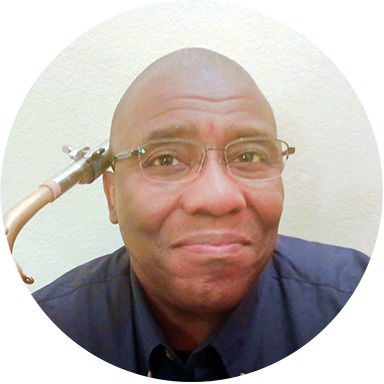
William Owens

William Owens brings three decades of band directing experience to his compositions, having led ensembles in Texas until his retirement in 2014. A 1985 graduate of VanderCook College of Music, he has built an extensive catalog of over 300 works for concert band, string orchestra, and small ensembles since 1993. His music appears on state required lists and in educational texts nationwide, reflecting his reputation as a composer who understands what young musicians need to play.

Owens serves as clinician and conductor across North America and holds memberships in ASCAP, the Texas Music Educators Association, and Phi Beta Mu International Bandmasters Fraternity. His work has earned commissions from major institutions including the American Bandmasters Association and South Plains College. He was recognized as a Distinguished Alumnus by VanderCook and received the Texas Bandmasters Association's Meritorious Achievement Award, affirming his standing in the profession.

Why we love this

Owens writes with genuine understanding of what Grade 1 bands can accomplish without overwhelming them. The antiphonal structure gives every section meaningful musical dialogue, and the call-and-response passages keep young players engaged and accountable. This is the kind of piece that sounds impressive in performance while building genuine musicianship.

What to expect

Antiphon opens with infectious energy and immediately establishes a sense of dialogue and exchange. As voices call and respond across the band, individual sections shine while the whole ensemble pulls together, building toward a satisfying and powerful conclusion that leaves performers and listeners energized.

Who it's for

Beginning concert bands ready to move beyond simple unison writing. This score works well for Grade 1 ensembles that have solid fundamentals and can handle passing responsibility between sections without losing ensemble cohesion.

How to get the most out of it

  • Shape the opening introduction with clear articulation so the call-and-response passages that follow feel like a natural conversation rather than isolated statements.
  • Balance the countermelodies carefully as they enter; they should enhance rather than obscure the primary melodic line.
  • Use the dynamic build toward the final return of the opening statement to give the ensemble a clear structural roadmap for pacing the entire work.

How to use it

Program this as a festival or contest centerpiece for beginning bands, or use it mid-year to showcase how much your ensemble has grown since fall. The dramatic arc and contemporary rhythmic language make it an engaging showcase piece that avoids sounding too simple despite its Grade 1 designation.

Skills your students will build

  • Antiphonal/call-and-response playing (responding to musical cues from other sections)
  • Independent line playing while listening to countermelodies
  • Dynamic control and phrasing across sectional passages
  • Ensemble balance when multiple melodic ideas sound simultaneously
  • Rhythmic independence within a contemporary harmonic framework

You May Also Like
