Amazing Grace Cover Image

Amazing Grace: Piano Sheet

$3.50 USD
Sale price  $3.50 USD Regular price 
Skip to product information
Amazing Grace Cover Image

Amazing Grace: Piano Sheet

Arranged by Margaret Goldston

Level: Late Intermediate

Item: 00-14251

$3.50
Shipped

One moment…

Description
Each verse of this thoughtful arrangement will build in scope and intensity, verse to verse, through G-major and C-major, from simple melodies and harmonies, to running eighth-notes and filled out melodic textures, building to the glorious high point near the very end, which then fades and slows to a reverent plagal cadence ending.

Amazing Grace: Piano Sheet isn't in MakeMusic Cloud just yet...but it could be. Let us know you'd like to see it, and you'll help shape what comes next. In the meantime, start a free trial and dive into thousands of interactive titles your students can play along with today.

Sample Pages

Sample Audio
No sample audio found.
Sample Video
Additional Details
Series: The Alfred Sacred Series
Publisher: Alfred Music
Page Count: 4
ISBN10: 0-7390-1070-0
ISBN13: 978-0-7390-1070-9
UPC: 038081133591
SKU: 00-14251

More about this title

About the Arranger: Margaret Goldston
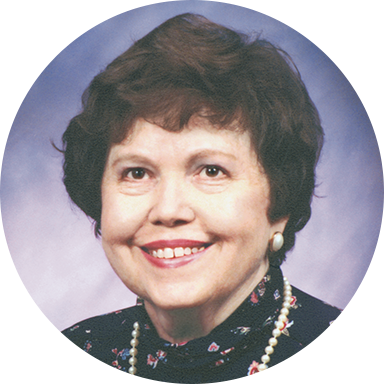
Margaret Goldston

Margaret Goldston (1932-2003) maintained a private piano studio in North Carolina where she taught students across all ages and levels. She earned her Bachelor of Music degree in piano performance from Louisiana State University and received the school's Alumnus of the Year award in 1991. Her compositional voice developed through private study with Pulitzer Prize winner Robert Ward, and she was commissioned to write a piece for Clavier Magazine in 1990.

Goldston's contributions to American music education were recognized through multiple honors: she received the Composer of the Year designation from the North Carolina Federation of Music Clubs twice (1983 and 1994) and served as a convention speaker for the organization. Throughout her career, she led masterclasses and teacher workshops across the United States and Canada. Her works remain standard fixtures on contest lists and festival bulletins, including the NFMC Junior Festivals Bulletin. In 2020, the Music Teachers National Association posthumously named her a Foundation Fellow.

Why we love this

Goldston's approach to this hymn respects the melody's spiritual gravity while giving pianists real musical work to do. The progression from simple statements to flowing eighth-note figuration and expanded harmonies makes this arrangement rewarding for late intermediate students who are ready to explore how texture and register can deepen a familiar tune. The plagal cadence ending provides a gentle, authentic close that feels earned rather than tacked on.

What to expect

The arrangement unfolds like a prayer spoken with increasing clarity and emotion. What begins as a gentle, almost spare statement grows steadily richer, with eighth-note movement creating a current of motion beneath the familiar melody. The build toward the high point feels inevitable and earned, and the final turn toward the plagal cadence brings you back to stillness and reflection.

Who it's for

Late intermediate pianists who are comfortable with flowing accompaniment patterns and can balance melody with more active harmonic support. This arrangement works well for students preparing church recitals, community concert programs, or those seeking sacred repertoire that deepens their interpretive skills beyond early intermediate versions of the same tune.

How to get the most out of it

  • Map out the harmonic movement between G major and C major before diving into performance. Understanding when the modulation occurs will help you shape the architecture of the piece and navigate the key changes with intention.
  • Attend carefully to the dynamic arc, especially as the eighth-note passages enter. These running figures should feel like natural intensification of the melody, not a separate layer competing for attention.
  • Give the final plagal cadence space to breathe. After building through the verses, the slowness and reverence of this ending creates its own powerful moment when you resist the urge to rush.

How to use it

This works beautifully as a closing or reflective piece on a recital that includes both secular and sacred works. Its four-page length and moderate demands make it suitable as a standalone recital piece or as a meaningful interlude between longer, more dramatic works.

Skills your students will build

  • Navigating key changes (G major to C major) in real time
  • Balancing flowing accompaniment patterns with melodic focus
  • Managing dynamic and textural growth across multiple verses
  • Executing flowing eighth-note passages with rhythmic precision
  • Understanding and performing plagal cadences with appropriate character
  • Shaping longer phrases through varied harmonic and textural accompaniment

You May Also Like