Allegro Molto from Symphony No.1 Cover Image

Allegro Molto from Symphony No.1: String Orchestra Conductor Score

$5.00 USD
Sale price  $5.00 USD Regular price 
Skip to product information
Allegro Molto from Symphony No.1 Cover Image

Allegro Molto from Symphony No.1: String Orchestra Conductor Score

Arranged by Robert D. McCashin

Grade: 3.5

Item: 98-ST6264S

$5.00
Shipped

One moment…

Description
Delightfully vivacious and full of character, this well crafted string arrangement is an ideal work to include either as a centerpiece or a closer for any concert. A fantastic way to introduce the work of a master composer while still offering a bit of variation in the classically inspired portion of your program.

Allegro Molto from Symphony No.1: String Orchestra Conductor Score isn't in MakeMusic Cloud just yet...but it could be. Let us know you'd like to see it, and you'll help shape what comes next. In the meantime, start a free trial and dive into thousands of interactive titles your students can play along with today.

Sample Pages

Sample Audio
No sample audio found.
Sample Video
Additional Details
Series: FJH String Orchestra
Publisher: The FJH Music Company, Inc.
UPC: 241444566084
SKU: 98-ST6264S

More about this title

About the Arranger: Robert D. McCashin
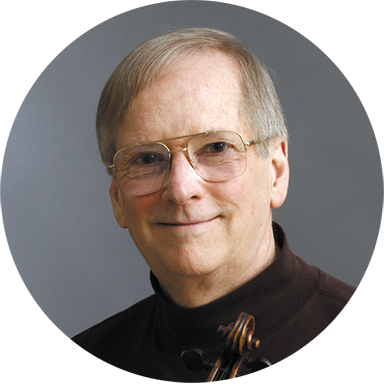
Robert D. McCashin

Robert D. McCashin holds a Doctor of Musical Arts in conducting from the University of Arizona and spent 43 years teaching orchestral conducting and string performance at the university level. As Professor Emeritus and former Director of Orchestras at James Madison University, he led the JMU Symphony, Chamber Orchestra, and Opera Orchestras while maintaining a robust applied strings studio and teaching within the graduate conducting program. He received JMU's Distinguished Teacher Award for the College of Visual and Performing Arts in 2015.

Beyond academia, McCashin established himself as a prolific arranger and composer for educational ensembles, publishing nearly 80 works across Grade I through V difficulty levels. His arrangements have earned recognition as bestsellers and Editors' Choice selections in music education. A trained violinist, he has performed with regional orchestras including the Fort Worth Symphony and Wichita Falls Symphony, and co-authored the widely adopted string class methods New Directions for Strings and A Scale in Time.

Why we love this

McCashin's arrangement captures the energy and brilliance of a symphonic masterwork while keeping the texture transparent and playable at Grade 3.5. String directors consistently choose this piece because it delivers genuine musical substance without requiring virtuosic technique, making it equally effective as a concert opener or finale that audiences remember.

What to expect

Buoyant and spirited, this movement sparkles with the energy of a lively allegro molto. The writing maintains rhythmic momentum and orchestral clarity throughout, offering strings the chance to play with character and stylistic awareness while the piece remains joyful and engaging for both players and audience.

Who it's for

String orchestra directors at the intermediate level who want to program a recognized masterwork without overshooting their ensemble's capabilities. This arrangement works for high school and advanced middle school orchestras seeking substantial concert repertoire that builds musicianship while remaining accessible.

How to get the most out of it

  • Establish a crisp, energetic pulse from the downbeat; this movement thrives on forward momentum and clarity of articulation across all sections.
  • Balance the melodic material between first violins and supporting voices by ensuring seconds and lower strings project with confidence during their thematic moments.
  • Listen carefully for rhythmic alignment in faster passages; mark potential trouble spots in rehearsal and use subdivision to lock the ensemble together.
  • Shape phrases by varying vibrato intensity and bow weight rather than relying on tempo fluctuations; this keeps the piece moving while adding character.

How to use it

Open a concert with this piece to establish a confident, energetic tone for the evening. Its vivacious character and clear form also make it an excellent final selection before an intermission, or pair it with a slower work earlier in the program to showcase your ensemble's range.

Skills your students will build

  • Articulation control in faster passages with maintained clarity
  • Ensemble balance between primary and secondary melodic material
  • Musical style and phrasing in Classical-era writing
  • Rhythmic precision at moderate to quick tempos

You May Also Like