Allegro Molto from Symphony No.1 Cover Image

Allegro Molto from Symphony No.1: String Orchestra Conductor Score & Parts

$50.00 USD
Sale price  $50.00 USD Regular price 
Skip to product information
Allegro Molto from Symphony No.1 Cover Image

Allegro Molto from Symphony No.1: String Orchestra Conductor Score & Parts

Arranged by Robert D. McCashin

Grade: 3.5

Item: 98-ST6264

Need it now?

Buy Digital Version
$50.00
Shipped

One moment…

Description
Delightfully vivacious and full of character, this well crafted string arrangement is an ideal work to include either as a centerpiece or a closer for any concert. A fantastic way to introduce the work of a master composer while still offering a bit of variation in the classically inspired portion of your program.

Allegro Molto from Symphony No.1: String Orchestra Conductor Score & Parts isn't in MakeMusic Cloud just yet...but it could be. Let us know you'd like to see it, and you'll help shape what comes next. In the meantime, start a free trial and dive into thousands of interactive titles your students can play along with today.

Sample Pages

Sample Audio
0:00
0:00
Sample Video
Additional Details
Series: FJH String Orchestra
Publisher: The FJH Music Company, Inc.
UPC: 674398229956
SKU: 98-ST6264

More about this title

About the Arranger: Robert D. McCashin
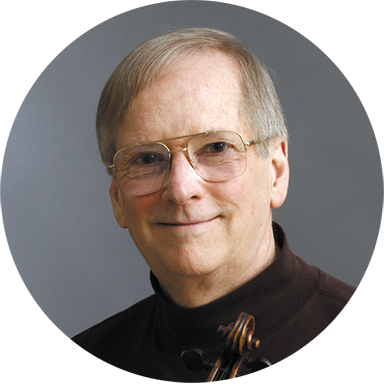
Robert D. McCashin

Robert D. McCashin holds a DMA in conducting from the University of Arizona and spent 43 years in higher education, most recently as Professor Emeritus and former Director of Orchestras at James Madison University. He earned his Bachelor and Master degrees in violin performance from Louisiana State University and brings deep expertise in both orchestral conducting and applied string pedagogy.

McCashin's work as a violinist and arranger has shaped music education across multiple generations. He has published nearly 80 educational arrangements and compositions spanning Grades 1 through 5, many of which have become standard repertoire selections and Editors' Choice picks. Before his tenure at JMU, he served on faculties at the University of Texas at Arlington and Texas Wesleyan University, where he conducted youth orchestras, performed with regional ensembles, and maintained an active private studio. He is co-author of New Directions for Strings and A Scale in Time, foundational string class methods published by FJH Music.

Why we love this

McCashin has crafted an arrangement that captures the brilliance of the original while respecting the technical capabilities of Grade 3.5 ensembles. The orchestration sparkles without overcomplicating the score, allowing young string players to experience a major work in an arrangement that feels genuine rather than simplified. Directors will appreciate how naturally it functions as either a concert anchor or closer, giving students meaningful exposure to masterwork literature.

What to expect

Energetic and purposeful, with a buoyant quality that keeps audiences engaged from the first note. The piece carries the hallmark clarity of classical writing while allowing string players to sink their teeth into real musical substance.

Who it's for

String orchestras at the Grade 3.5 level ready to tackle a recognizable masterwork with structural integrity. This arrangement opens the door for younger ensembles to study how a major composer crafts momentum and shape, while remaining within their technical reach.

How to get the most out of it

  • Bring out the character and energy of the "Allegro Molto" marking by maintaining consistent forward momentum; younger ensembles sometimes hesitate in faster passages, so establishing the tempo in sectionals first prevents dragging.
  • Balance the inner voices carefully during tutti sections so the primary melodic line remains clear without drowning surrounding material.
  • Shape phrases with subtle dynamic swells rather than abrupt changes, which keeps the "vivacious" character intact while building musicality.

How to use it

Use this as a concert finale when you want to send audiences out on a bright, accomplished note. Alternatively, open a classical-themed segment with it, positioning it alongside other period works to highlight stylistic variety within your season.

Skills your students will build

  • Executing rapid articulation and crisp rhythmic precision at tempo
  • Maintaining ensemble unity across changing harmonic textures
  • Shaping classical phrasing with appropriate dynamic contour
  • Reading multiple staves with efficient score awareness

You May Also Like