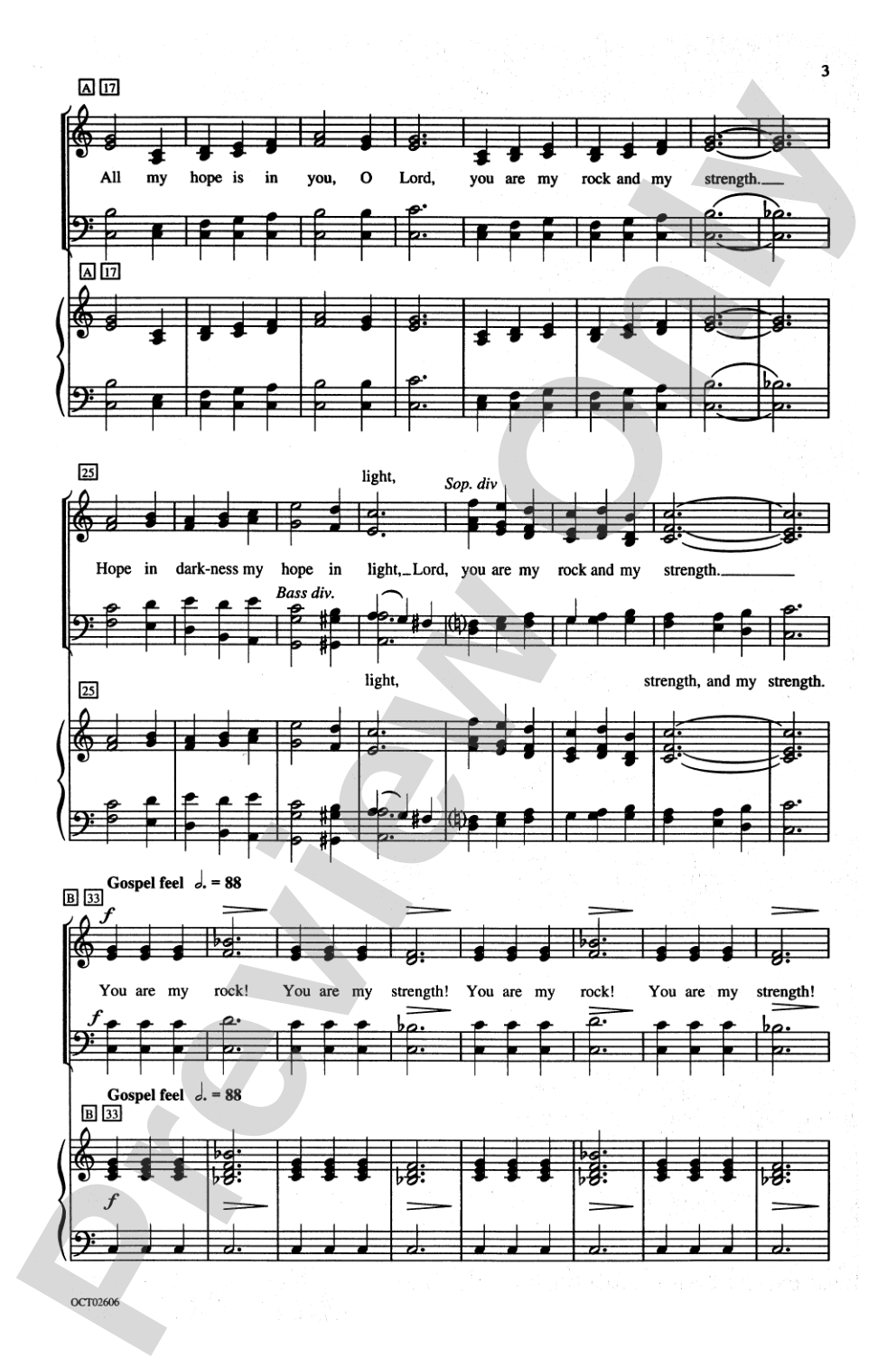
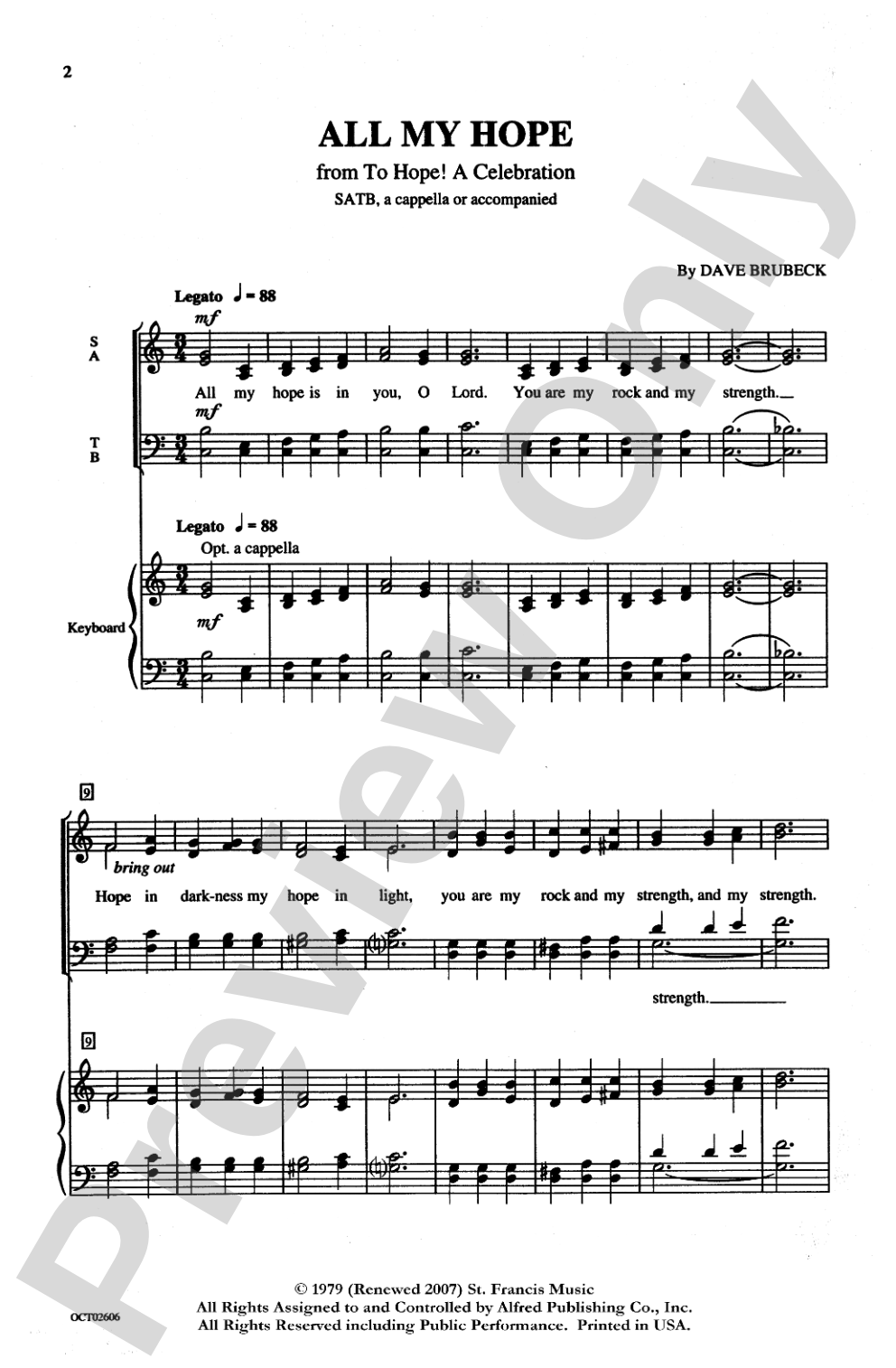
All My Hope (from <I>To Hope! A Celebration</I>) Sheet Music Preview

All My Hope (from To Hope! A Celebration): SATB, a cappella or Accompanied Choral Octavo

By Dave Brubeck

Level: Moderate

Item: 00-PO-0005146

Digital Download
$2.25

Minimum order quantity: 20 copies

Description
Beginning with an almost hymn-like section, Dave sets up a feeling of solemnity before he breaks into a joyful gospel feel. The result is electrifying and exciting. Very chordal in nature. This piece is from his large mass To Hope! A Celebration.

All My Hope (from To Hope! A Celebration): SATB, a cappella or Accompanied Choral Octavo isn't in MakeMusic Cloud just yet...but it could be. Let us know you'd like to see it, and you'll help shape what comes next. In the meantime, start a free trial and dive into thousands of interactive titles your students can play along with today.

Sample Audio
No sample audio found.
Sample Video
Additional Details
Series: Alfred Archive Edition: Belwin Sacred Choral Series
Publisher: Alfred Music
Page Count: 8
SKU: 00-PO-0005146

More about this title

About the Composer: Dave Brubeck

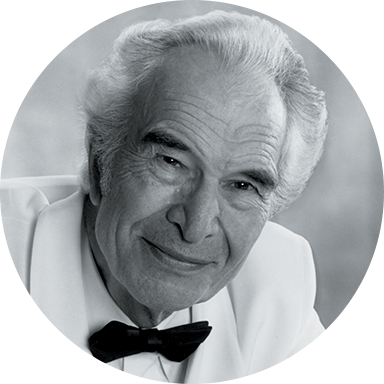
Dave Brubeck

Dave Brubeck was a jazz pianist whose improvisational gifts extended naturally into large-scale composition. Beyond his legendary work in jazz, particularly the album Time Out and the standard "Take Five," he wrote extensively across genres: choral music, hymns, orchestral works, chamber music, and major sacred compositions. His studies with Darius Milhaud at Mills College after World War II shaped his distinctive voice, one that integrated jazz language with classical forms and depth.

Brubeck's mass To Hope! has traveled the world, performed in Germany, Austria, Russia, and throughout the English-speaking world. Major works like Pange Lingua Variations and the oratorios The Voice of the Holy Spirit and Beloved Son were recorded by the London Symphony Orchestra and London Voices. Beyond his musical achievements, Brubeck broke racial barriers as a bandleader and artist during the mid-twentieth century, earning recognition that included the Presidential Medal of the Arts, induction into the American Classical Music Hall of Fame in 2003, and a Grammy Lifetime Achievement Award.

Why we love this

Brubeck's gift for structural contrast shines here: the piece opens in hymnic solemnity, then shifts into genuine gospel joy without feeling forced or schematic. The chordal writing sits comfortably for SATB singers at the moderate level while the emotional arc gives your choir something real to communicate, making rehearsal conversations about style and character genuinely rewarding.

What to expect

The piece begins quiet and reverent, almost like stepping into a sacred space. Then it opens up into something bright and alive, full of hope and affirmation. That emotional journey from solemnity to joy gives singers something substantial to feel and express.

Who it's for

Choirs at the high school or early college level with some choral singing experience and the ability to handle style shifts. The moderate level and SATB voicing make it accessible, while the gospel feel and emotional arc appeal to singers ready for repertoire with real character.

How to get the most out of it

  • Shape the hymn-like opening with restrained dynamics and careful attention to phrase length; let the shift to gospel feel feel earned, not abrupt.
  • Balance the four voices in the chordal passages by checking that inner parts don't disappear even as sopranos and altos carry the melody.
  • Bring the joyful gospel section to life with rhythmic precision in the accompaniment (if used); the contrast between sections depends on the energy level feeling authentically different.

How to use it

Program this as a powerful bridge piece on a concert mixing traditional sacred music with contemporary styles, or use it as an anchor in a thematic program about hope and resilience. Its dual nature makes it work equally well in a service or a concert setting.

Skills your students will build

  • Shifting between hymnic and gospel musical idioms
  • Balancing four-part choral texture in primarily chordal writing
  • Communicating emotional contrast through dynamic and stylistic choices
  • Working with or without accompaniment (a cappella flexibility)

You May Also Like