All My Hope (from <I>To Hope! A Celebration</I>) Cover Image

All My Hope (from <I>To Hope! A Celebration</I>): SATB, <I>a cappella</I> or Accompanied Choral Octavo

$2.25 USD
Sale price  $2.25 USD Regular price 
Skip to product information
All My Hope (from <I>To Hope! A Celebration</I>) Cover Image

All My Hope (from To Hope! A Celebration): SATB, a cappella or Accompanied Choral Octavo

By Dave Brubeck

Level: Moderate

Item: 00-OCT02606

makemusic Cloud badge

Need it now?

Buy Digital Version
$2.25
Shipped

One moment…

Description
Beginning with an almost hymn-like section, Dave sets up a feeling of solemnity before he breaks into a joyful gospel feel. The result is electrifying and exciting. Very chordal in nature. This piece is from his large mass To Hope! A Celebration.

Don't just read it, hear it, play along with it, and watch your students grow with it. In MakeMusic Cloud, All My Hope (from To Hope! A Celebration): SATB, a cappella or Accompanied Choral Octavo comes alive with professional accompaniment, adjustable tempo, and built-in practice tools that turn solo practice into real progress.

Sample Pages

Sample Audio
No sample audio found.
Sample Video
Additional Details
Series: Alfred Archive Edition: Belwin Sacred Choral Series
Publisher: Alfred Music
Page Count: 8
UPC: 029156187342
SKU: 00-OCT02606

More about this title

About the Composer: Dave Brubeck
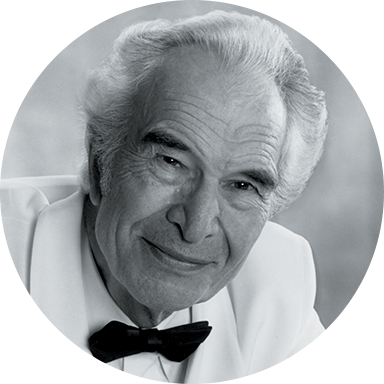
Dave Brubeck

Dave Brubeck was a jazz pianist whose improvisational brilliance extended far beyond the concert stage. He composed extensively across genres, writing choral works, hymns, orchestral pieces, chamber music, and large-scale compositions for chorus and orchestra. His album "Time Out" became the first jazz record to sell over a million copies, and his composition "Take Five" remains a cultural landmark. Beyond his musical innovations, Brubeck actively broke down racial barriers in mid-twentieth-century America, using his platform and artistry to challenge segregation in the music world.

Break from jazz convention came naturally to him after studying with French composer Darius Milhaud at Mills College in Oakland, California, following his World War II service. Milhaud encouraged him to synthesize jazz language with classical forms, a fusion that defined his mature compositional voice. His mass "To Hope!" has traveled internationally, performed by cathedral choirs, symphony orchestras, and recorded ensembles across Europe and North America. Brubeck received numerous honors including a Grammy Lifetime Achievement Award, the Presidential Medal of the Arts, and induction into the American Classical Music Hall of Fame in 2003.

Why we love this

Brubeck's harmonic language feels both accessible and sophisticated, making this piece rewarding for singers at this level without simplifying the musical content. The structural arc from hymnic solemnity into gospel exuberance gives conductors real dramatic material to work with, and the shift between moods creates memorable performance moments. A cappella or accompanied flexibility means you can program it whether your accompanist is available or you want your singers' voices front and center.

What to expect

The piece opens with quiet reverence, unfolding in block harmonies that suggest hymn tradition and spiritual grounding. Then the music ignites, breaking into rhythmic vitality and joyful energy that feels both celebratory and rooted in genuine gospel tradition.

Who it's for

This octavo works well for intermediate choirs that can handle four-part harmony and respond to interpretive direction. It fits programs seeking sacred repertoire with genuine musical substance and churches or choral programs wanting to program Brubeck's compositional voice alongside his jazz legacy.

How to get the most out of it

  • Shape the opening hymn-like section with longer phrase lines and restrained dynamics; this establishes the solemnity that makes the gospel transition land with impact.
  • Let the chordal texture speak clearly by balancing all four voices equally in the opening, then allow the energy to build organically as you approach the gospel feel.
  • If performing a cappella, establish a confident ensemble pitch and meter before the first phrase so the hymnic feel feels grounded rather than uncertain.
  • Highlight the contrast between sections by adjusting articulation and rhythmic precision; the opening benefits from legato singing while the gospel feel invites more rhythmic definition.

How to use it

Program this alongside other sacred works to demonstrate how twentieth-century composers engaged with spiritual material across genres and styles. It pairs naturally with other pieces from "To Hope! A Celebration" or works by composers who bridged classical and jazz idioms. The contrast between sections makes it effective as a standalone moment or as part of a concert that explores different approaches to sacred expression.

Skills your students will build

  • Reading and executing smooth transitions between contrasting harmonic and rhythmic languages
  • Balancing four-part choral texture with clear voice independence
  • Responding to interpretive cues that shift from sustained legato to rhythmic definition
  • Understanding how hymnic and gospel musical vocabularies function within a single piece
  • Singing SATB harmony with stylistic authenticity in both sacred and vernacular contexts

You May Also Like
