
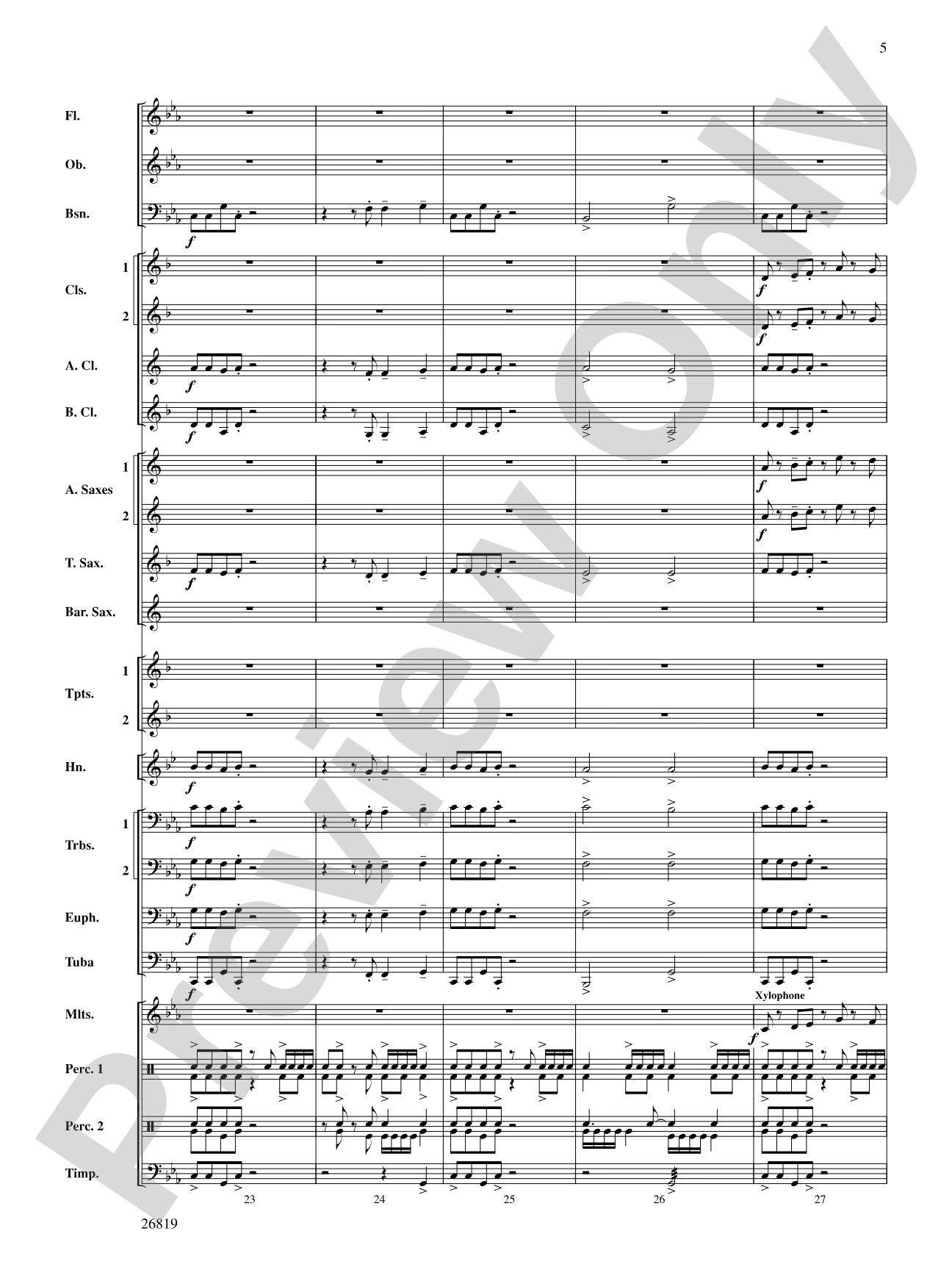
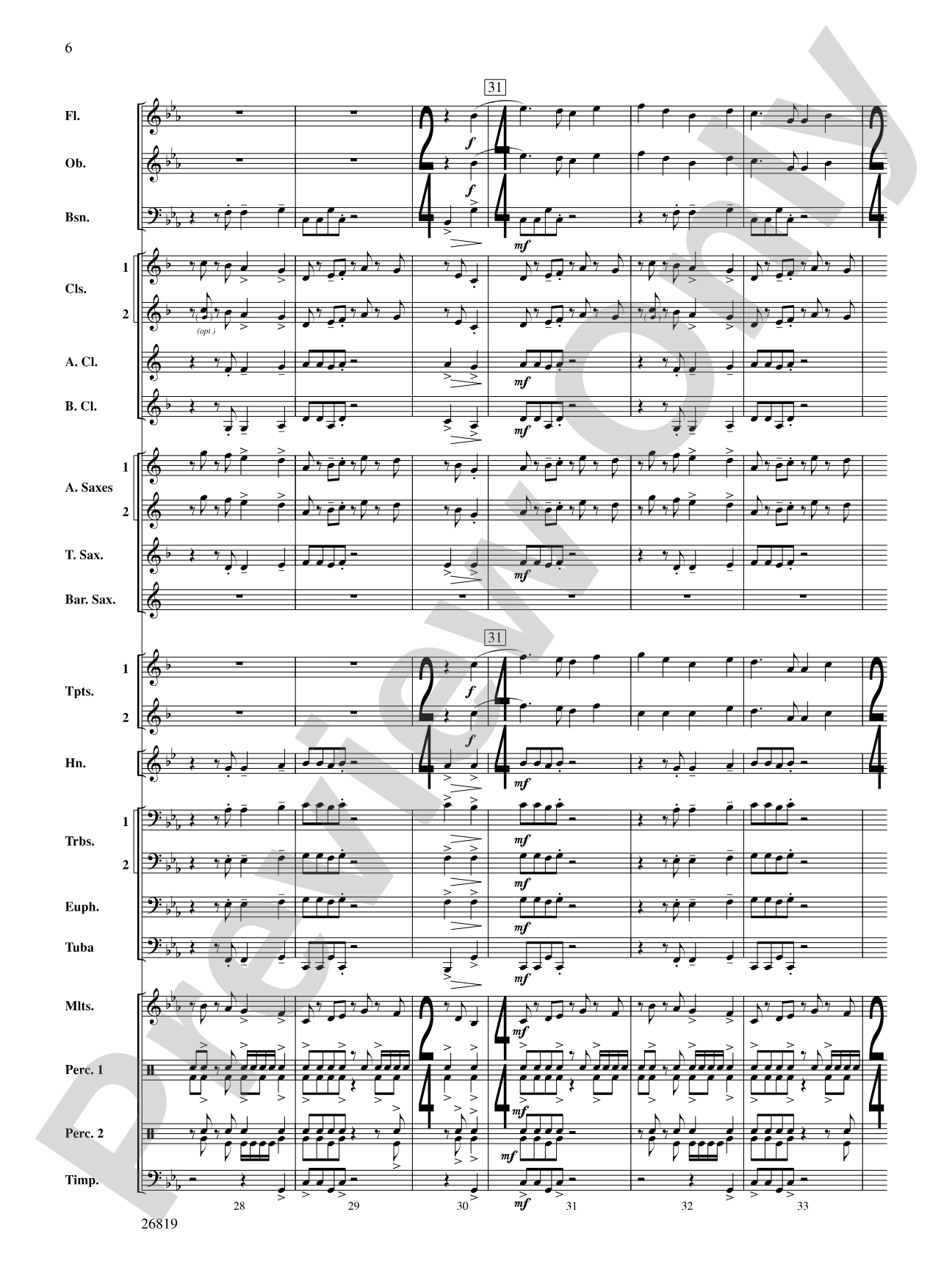
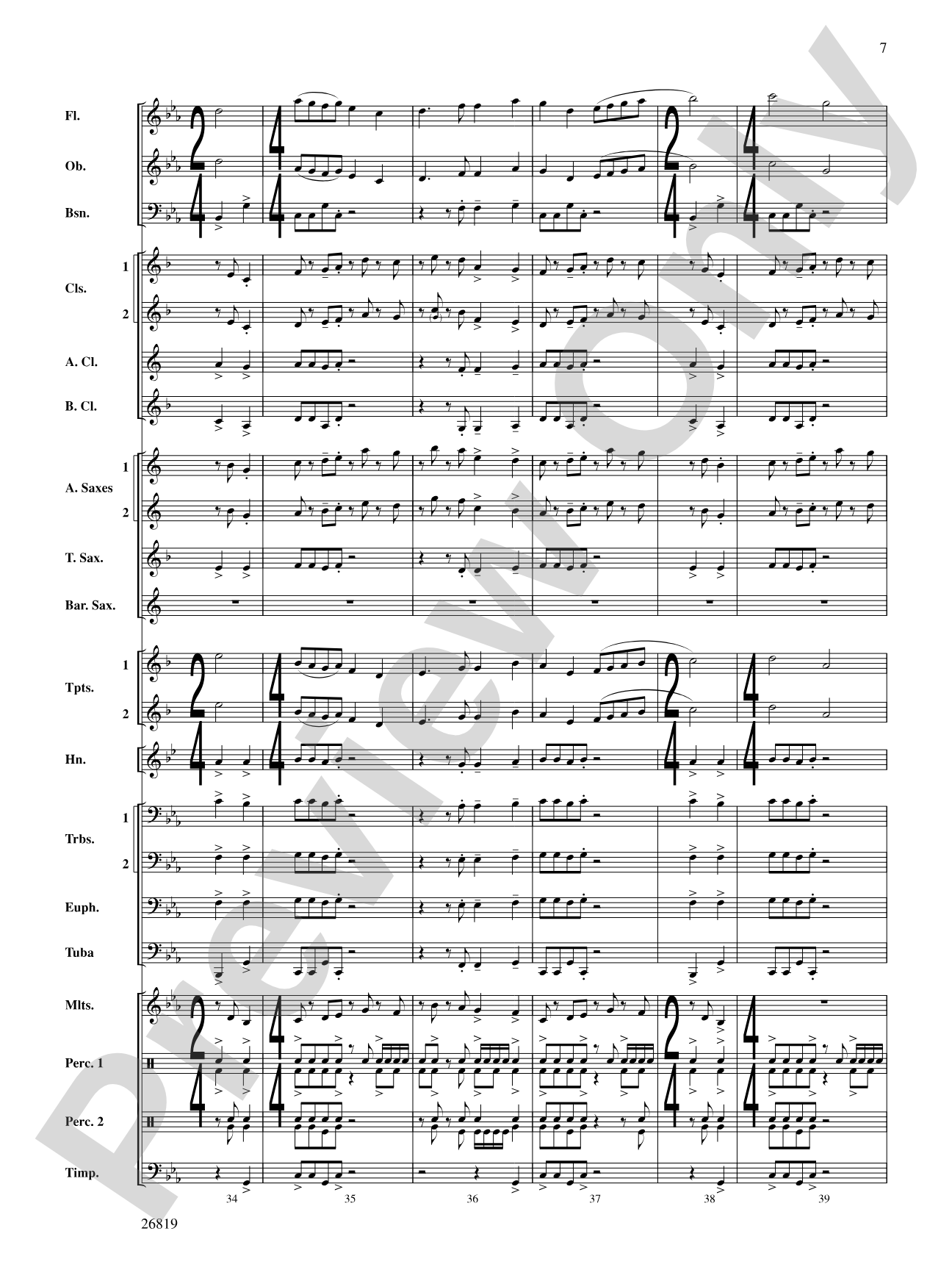
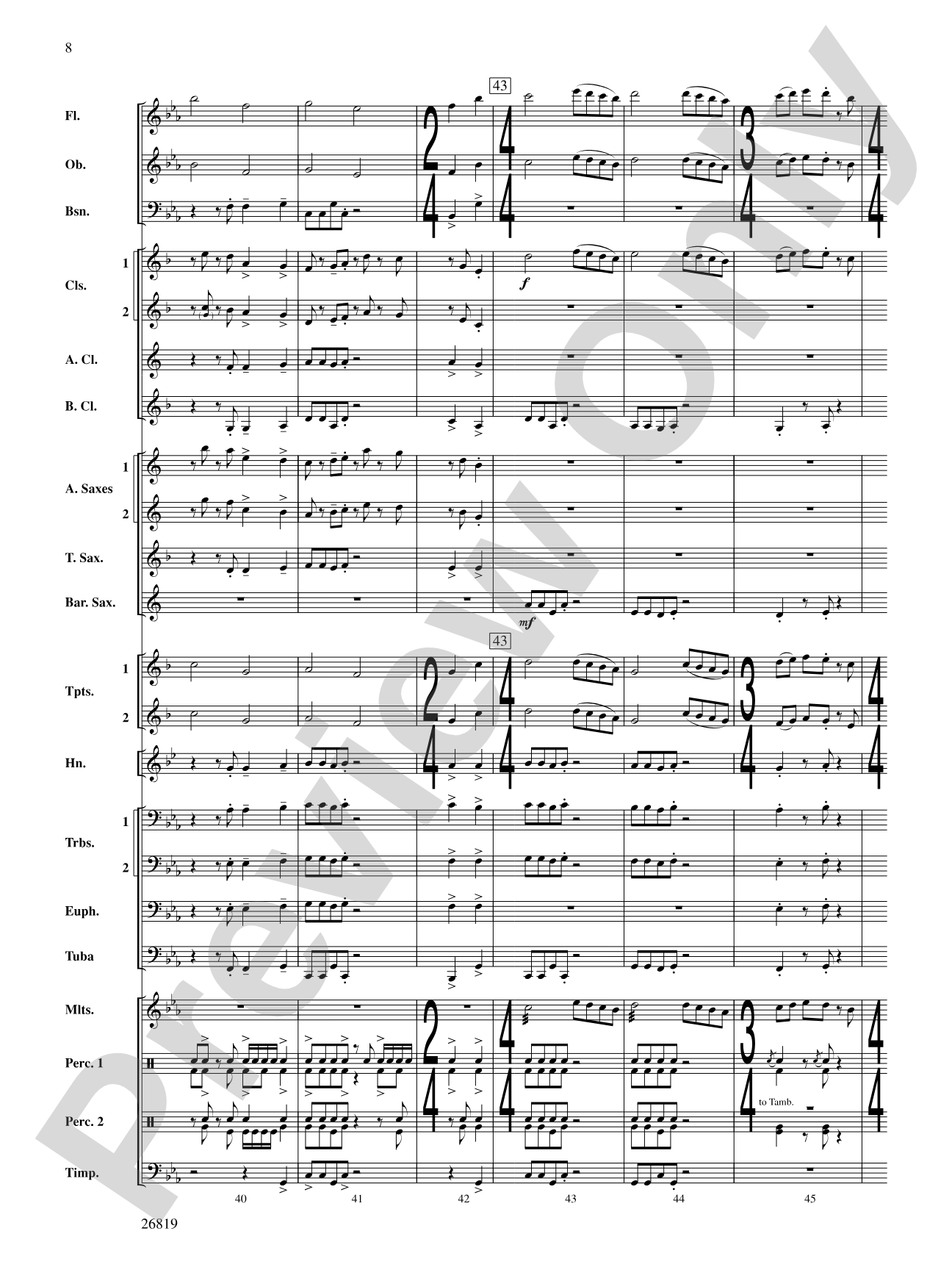
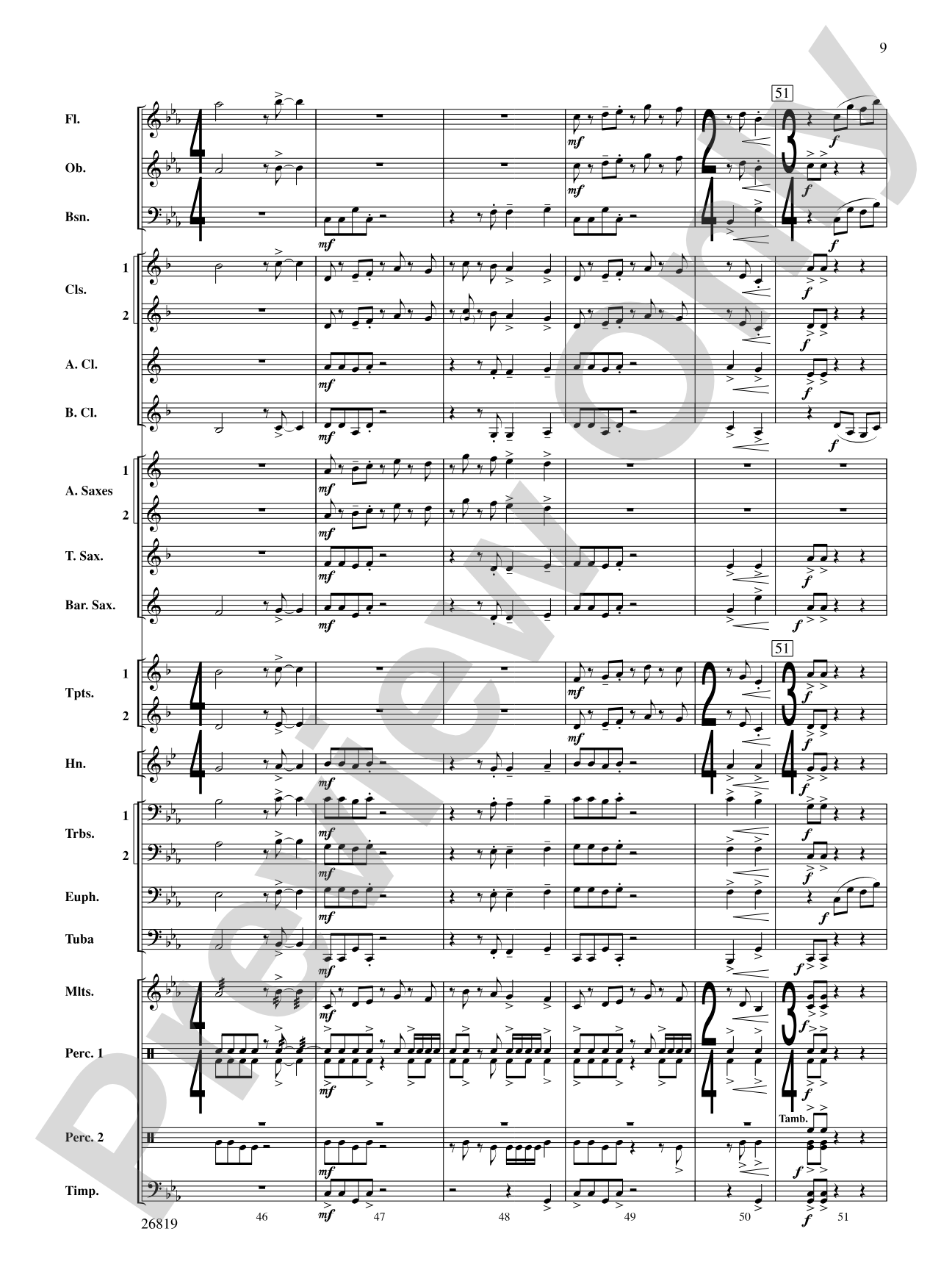
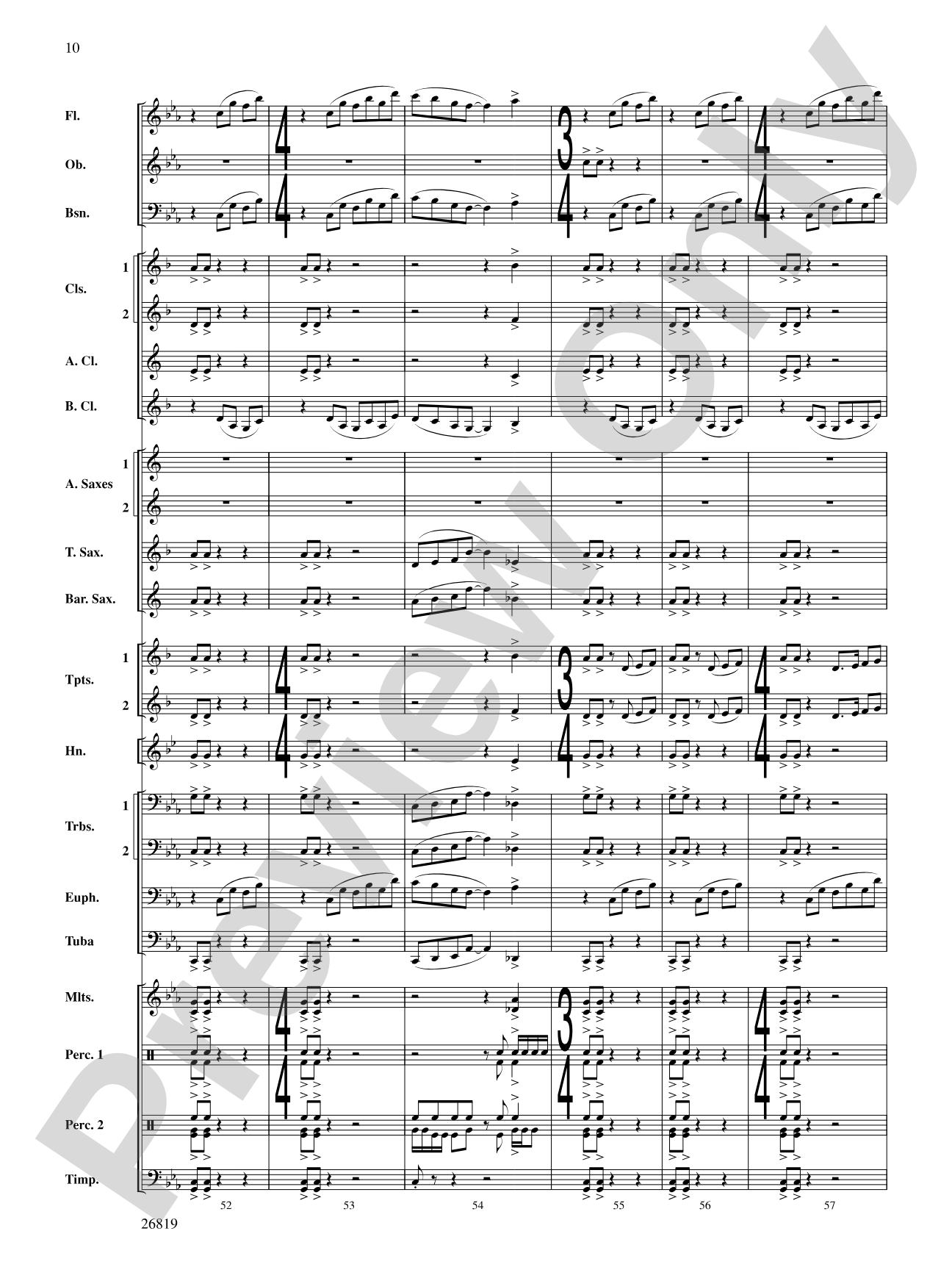
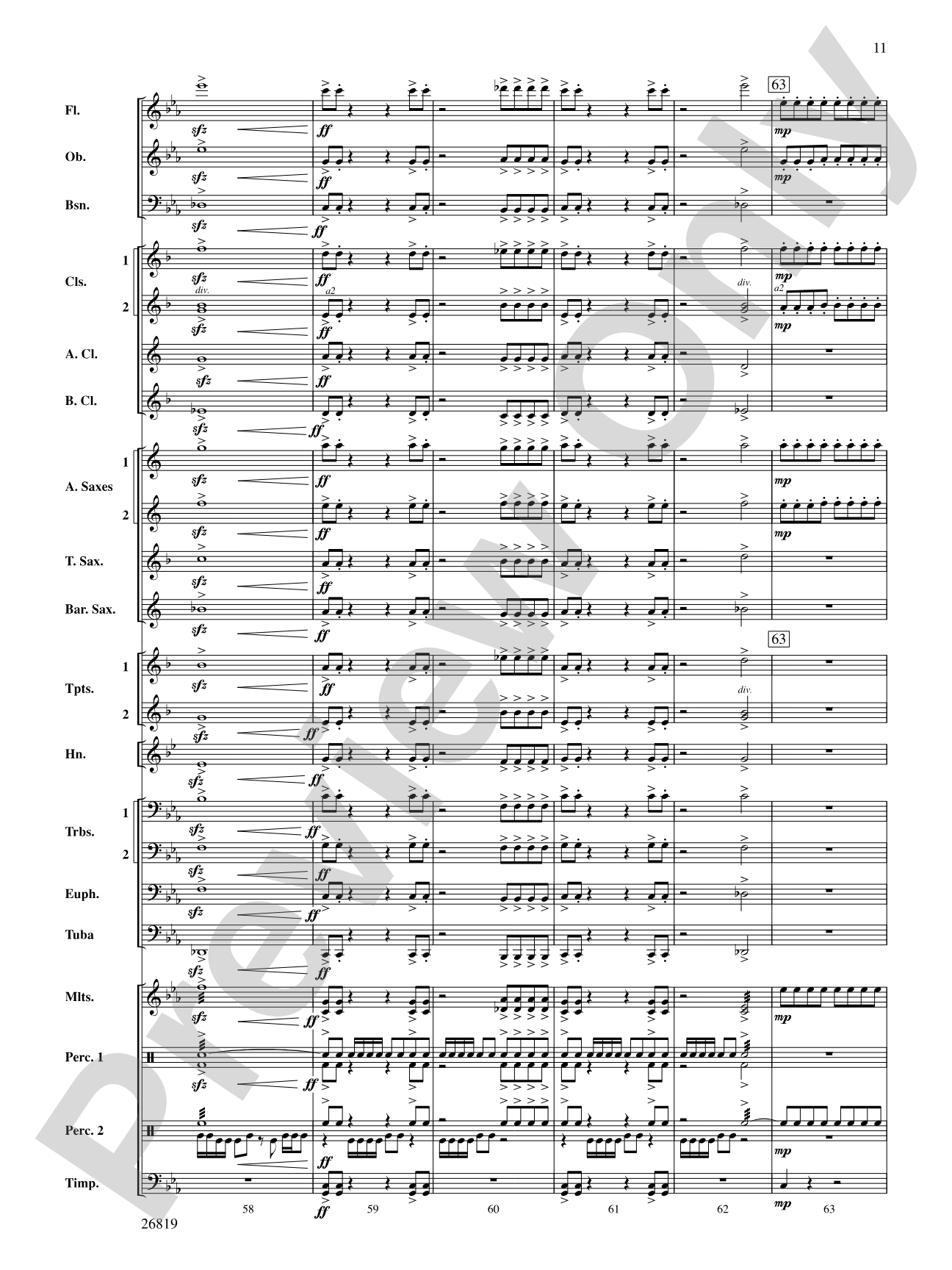
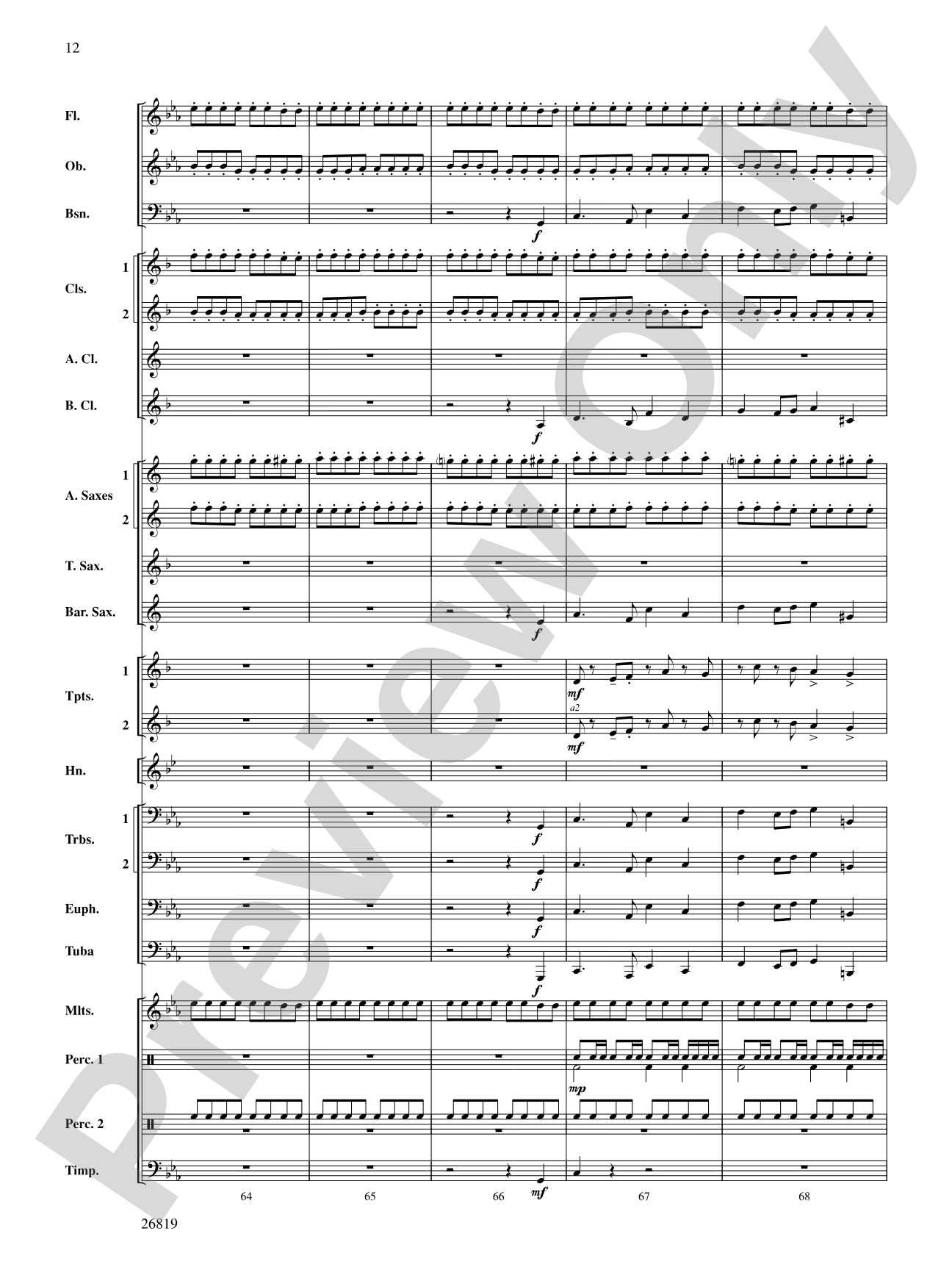
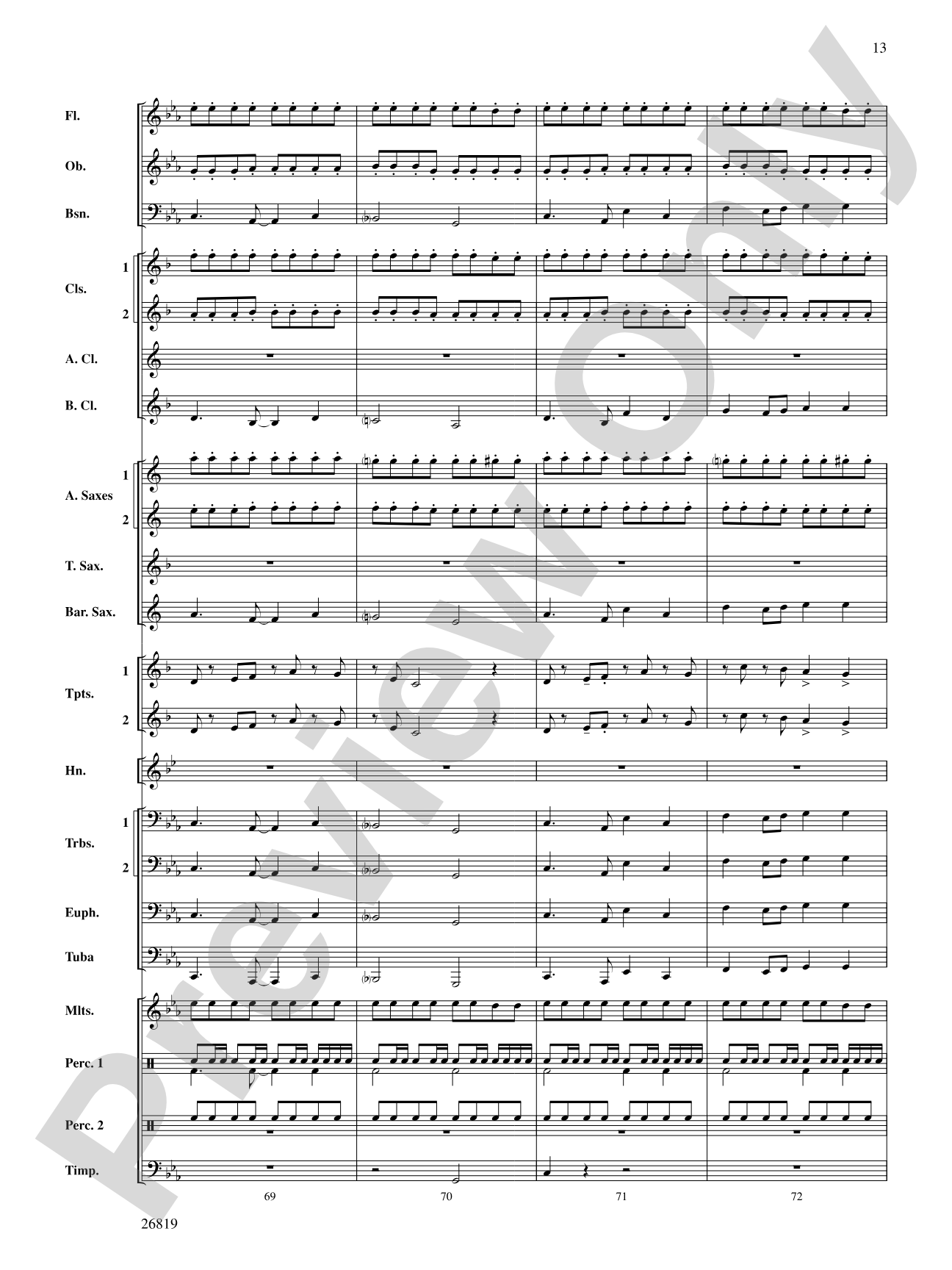
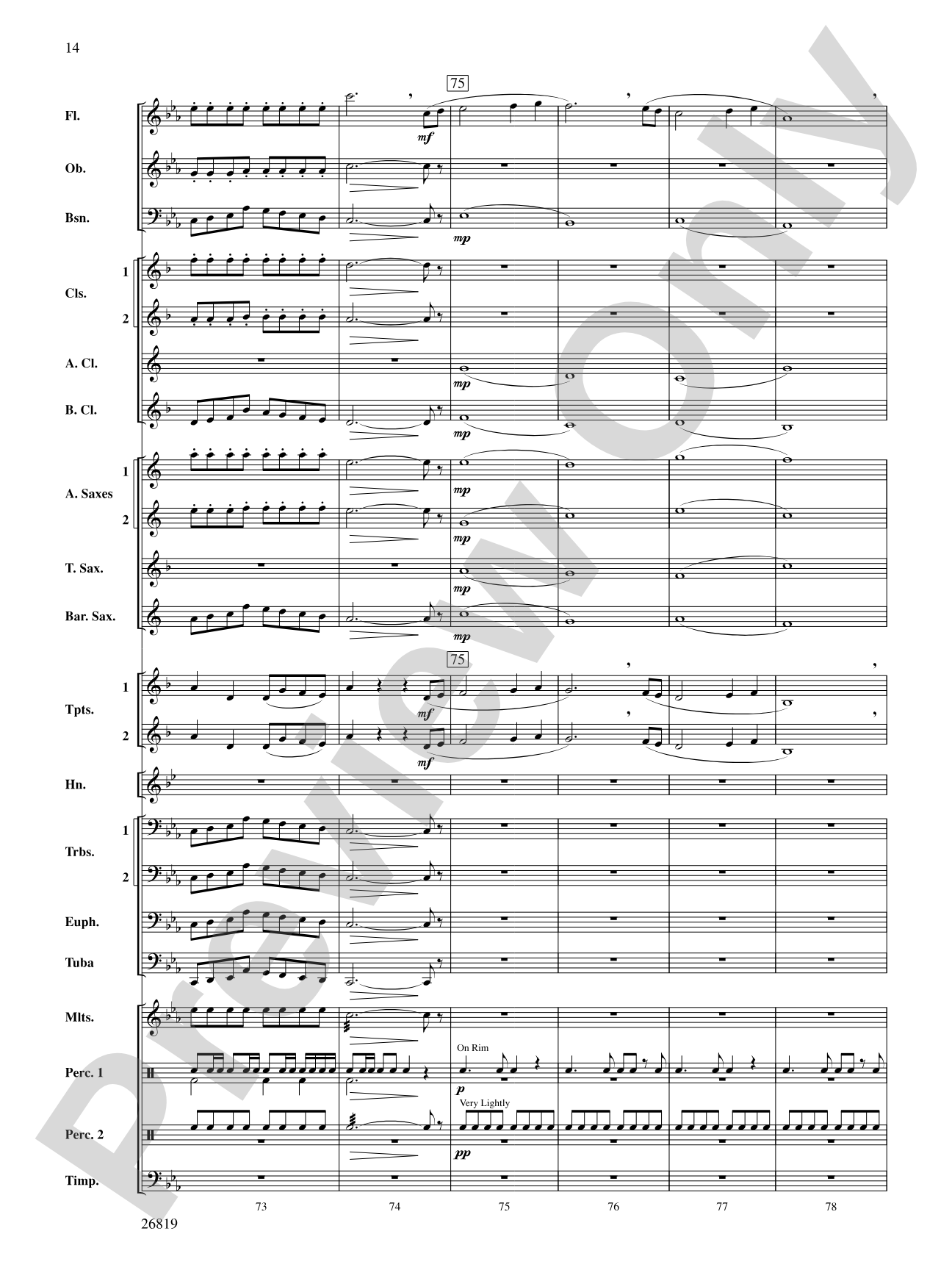
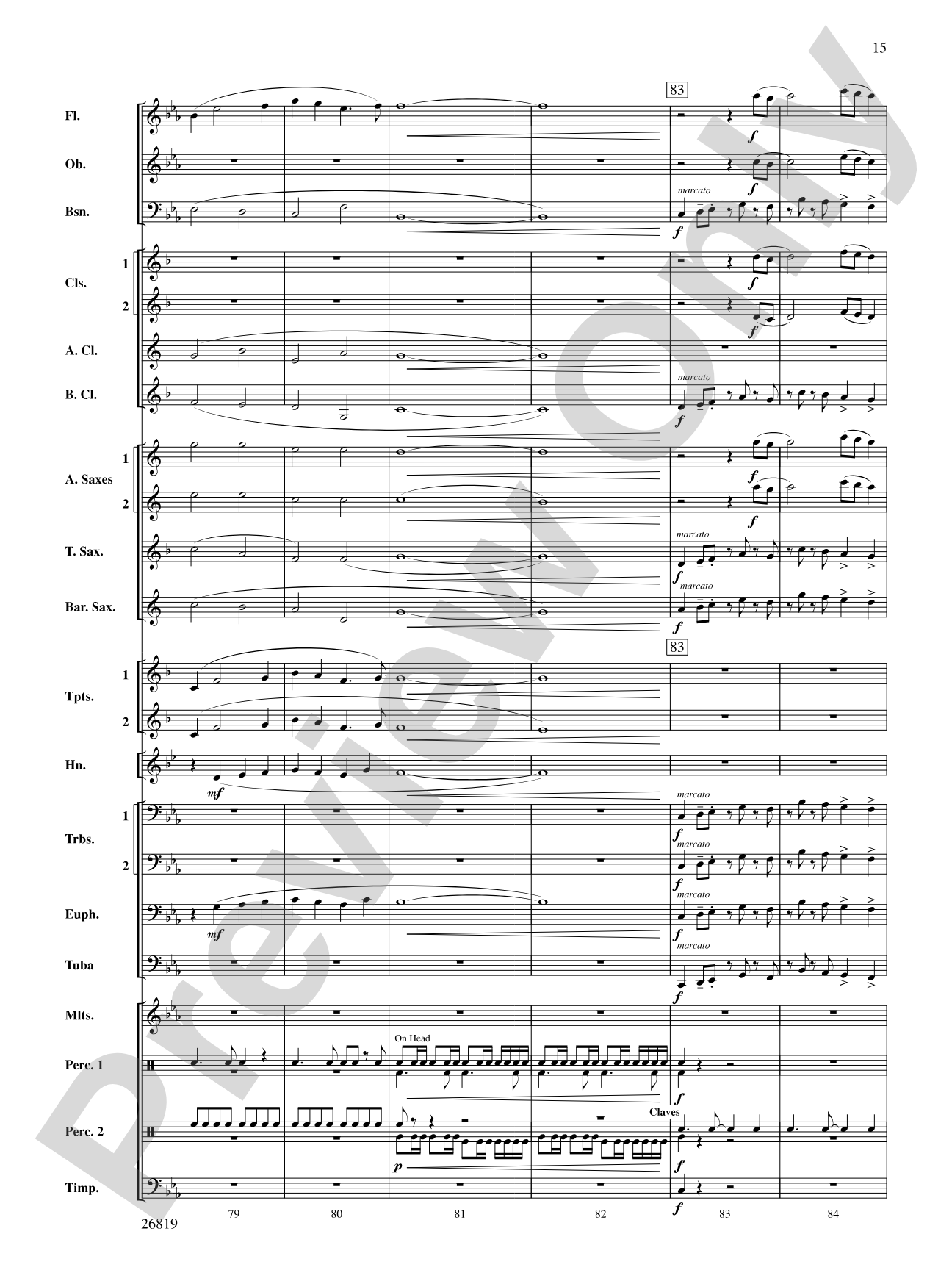
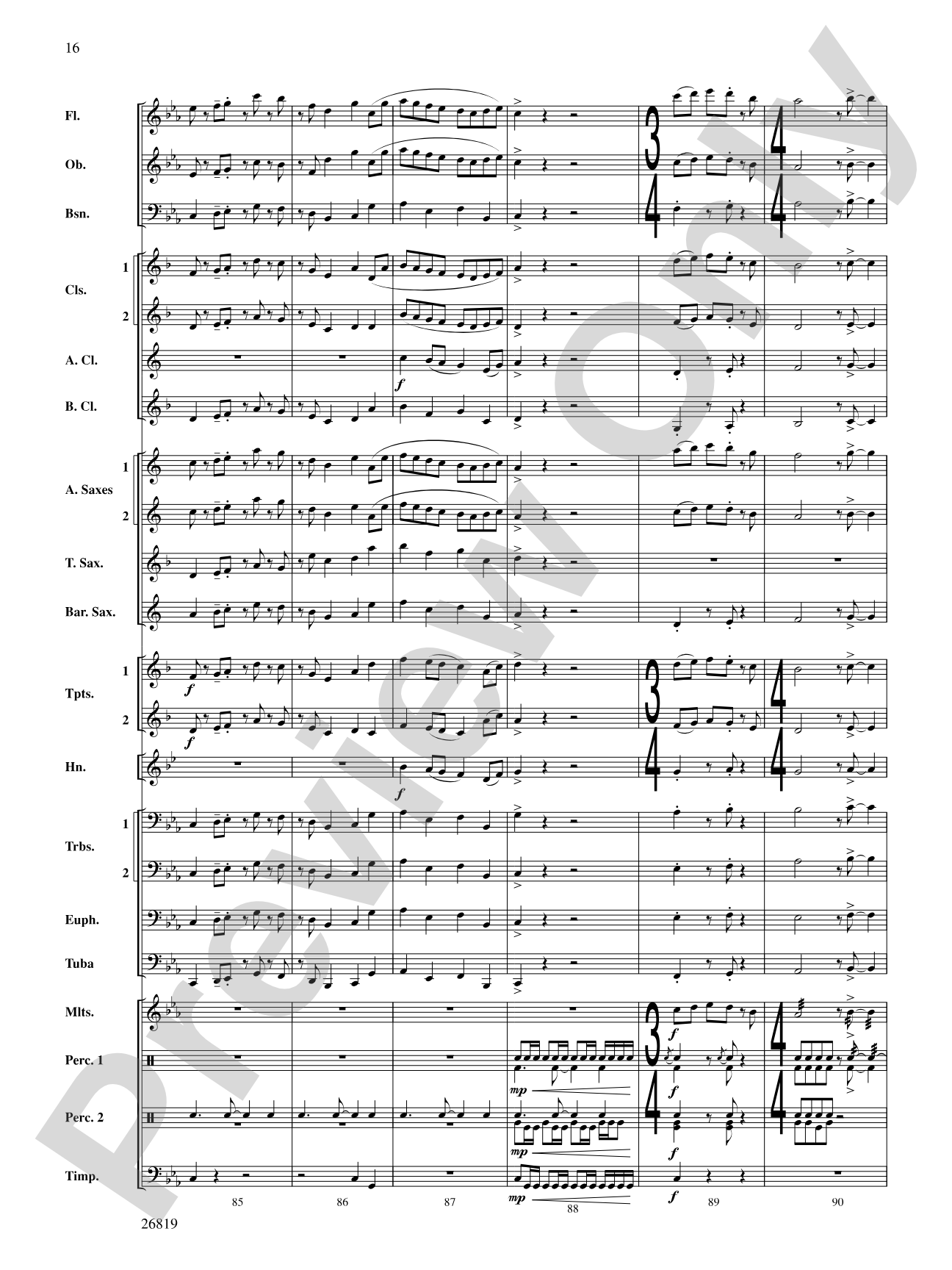
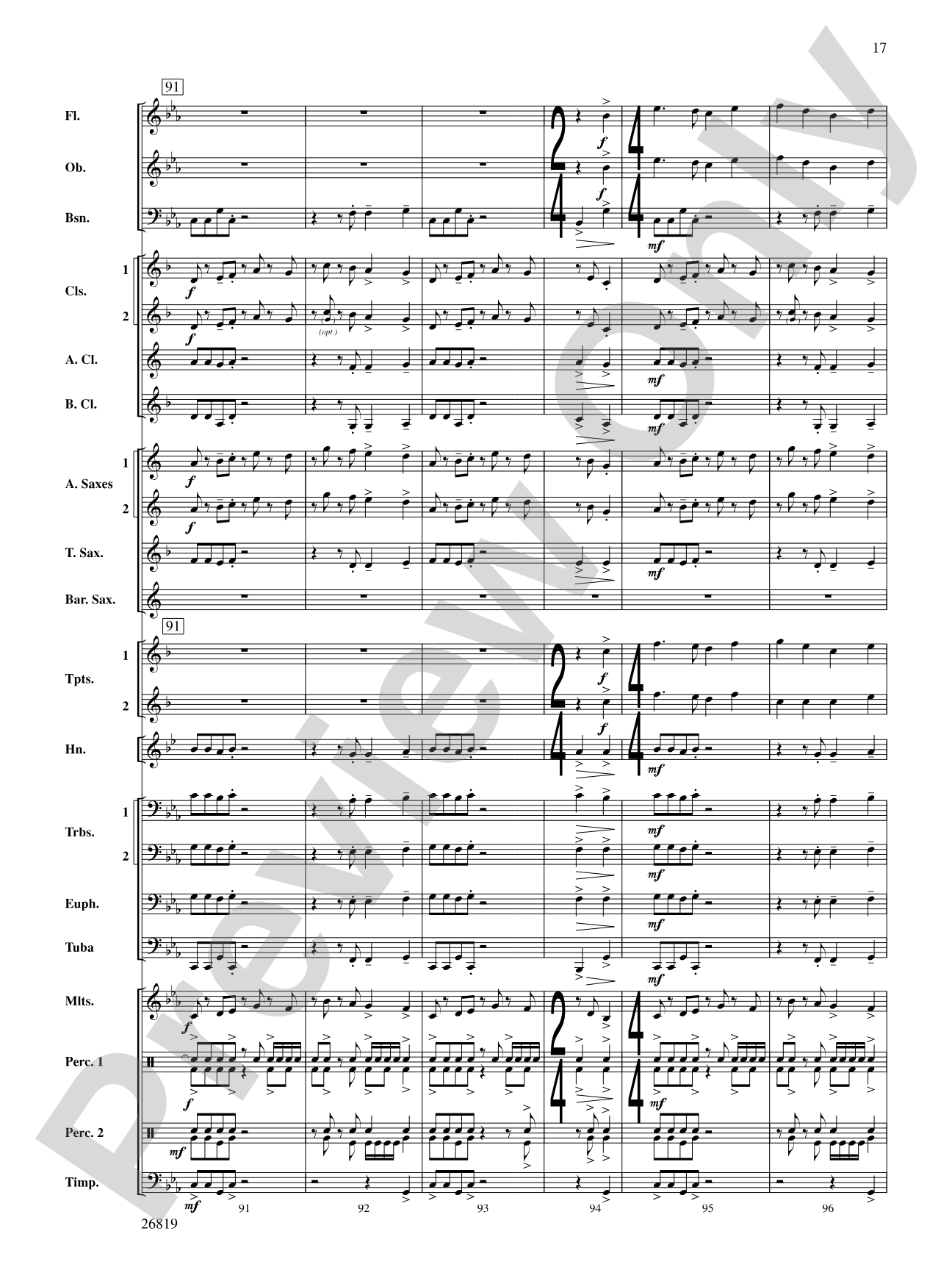
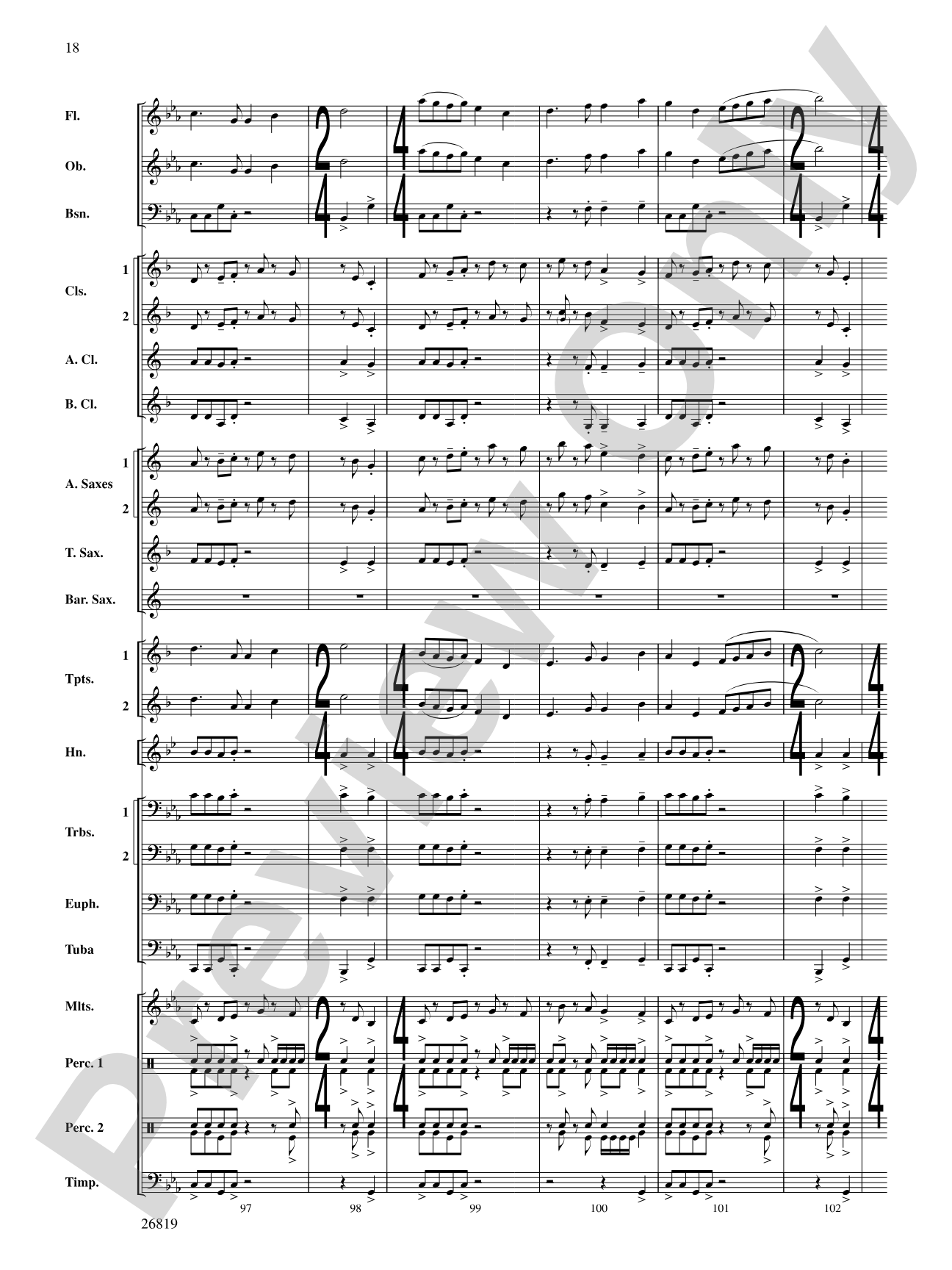
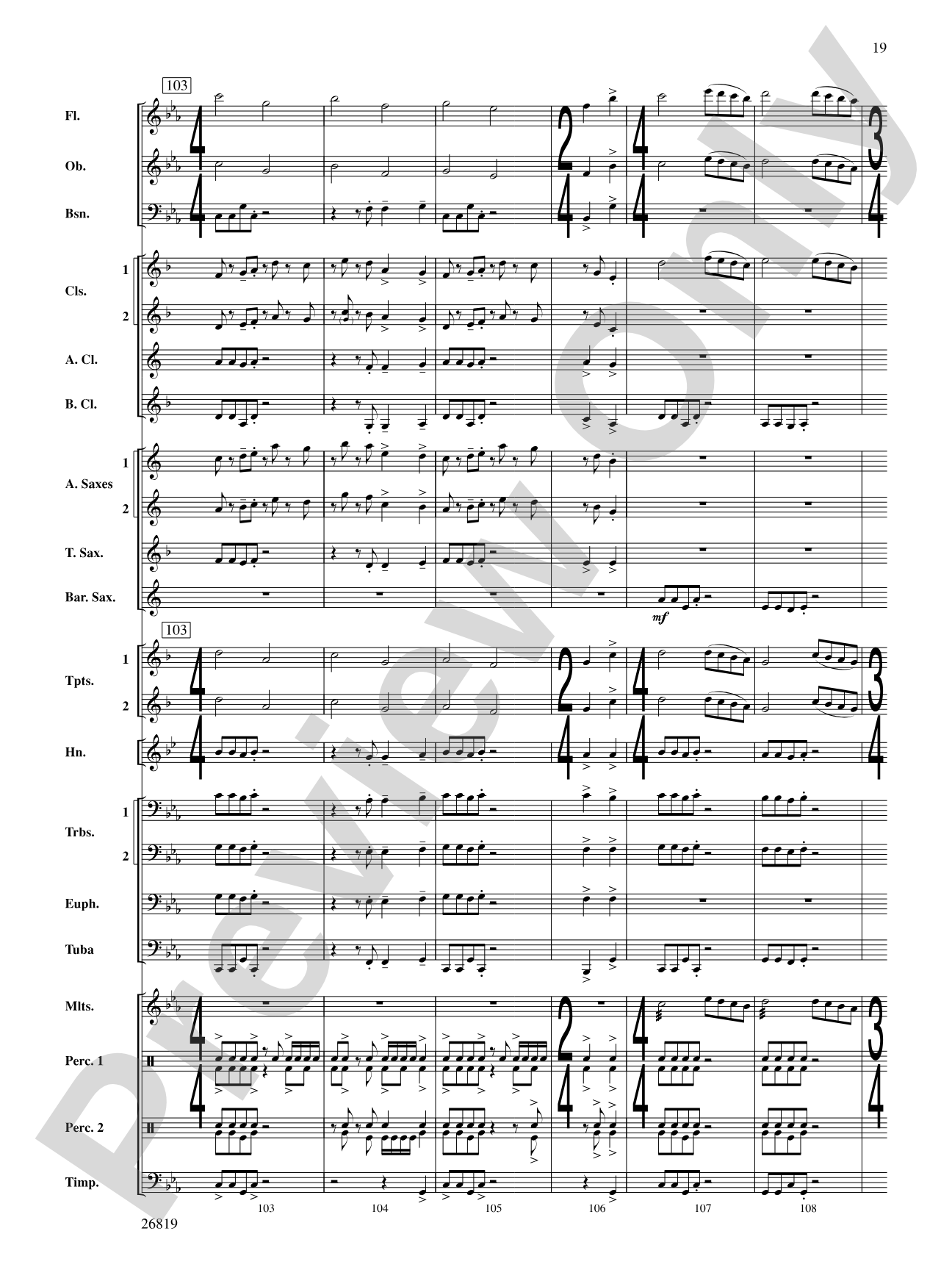
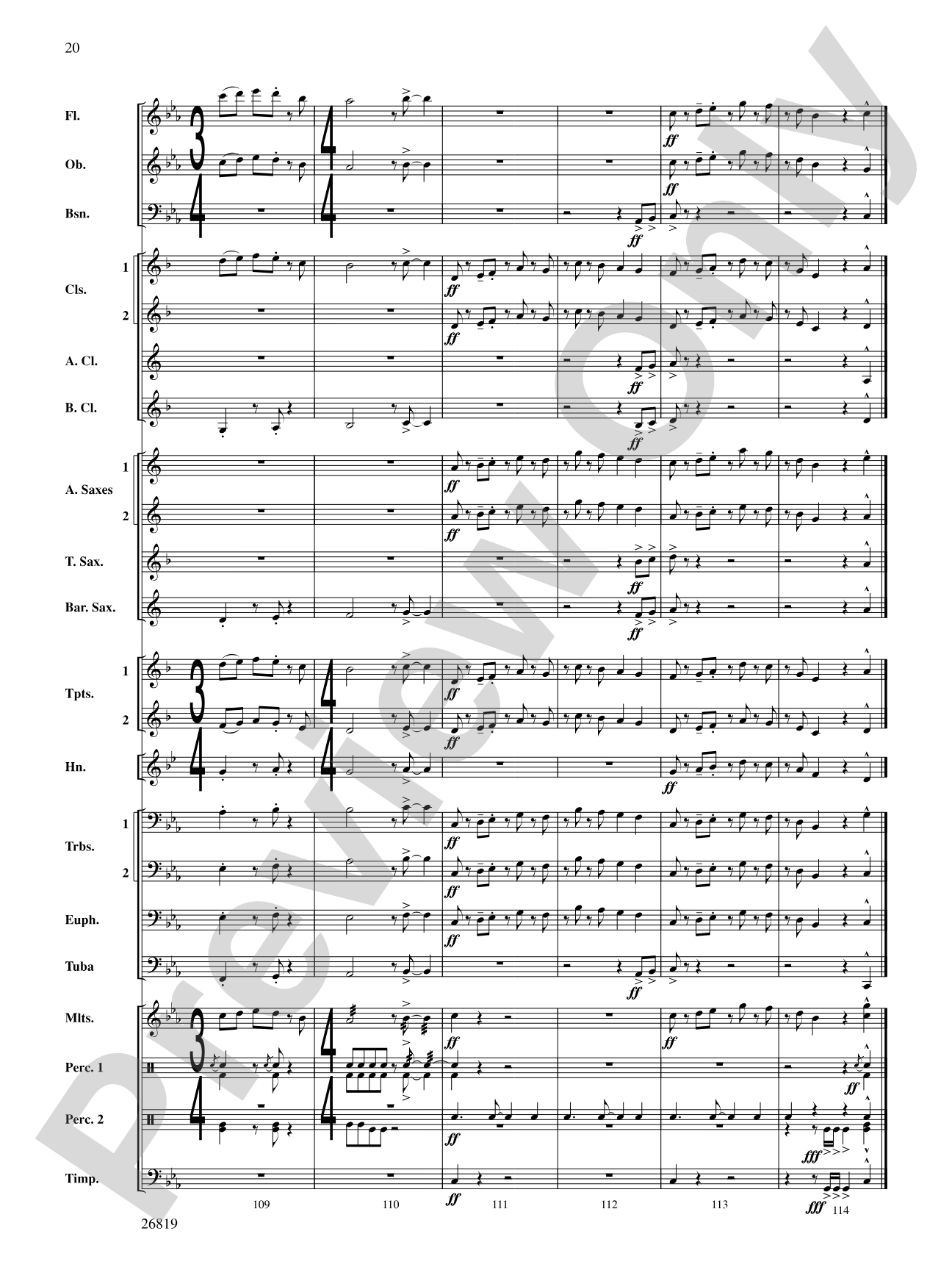

Algorhythms: Concert Band Conductor Score & Parts
By Gary Fagan
Grade: 2.5 (Medium Easy)
Item: 00-PK-0001264

$55.00
Pickup currently not available
Buy Extra Parts (Digital PDF Download)
Parts Added to Cart!
Description
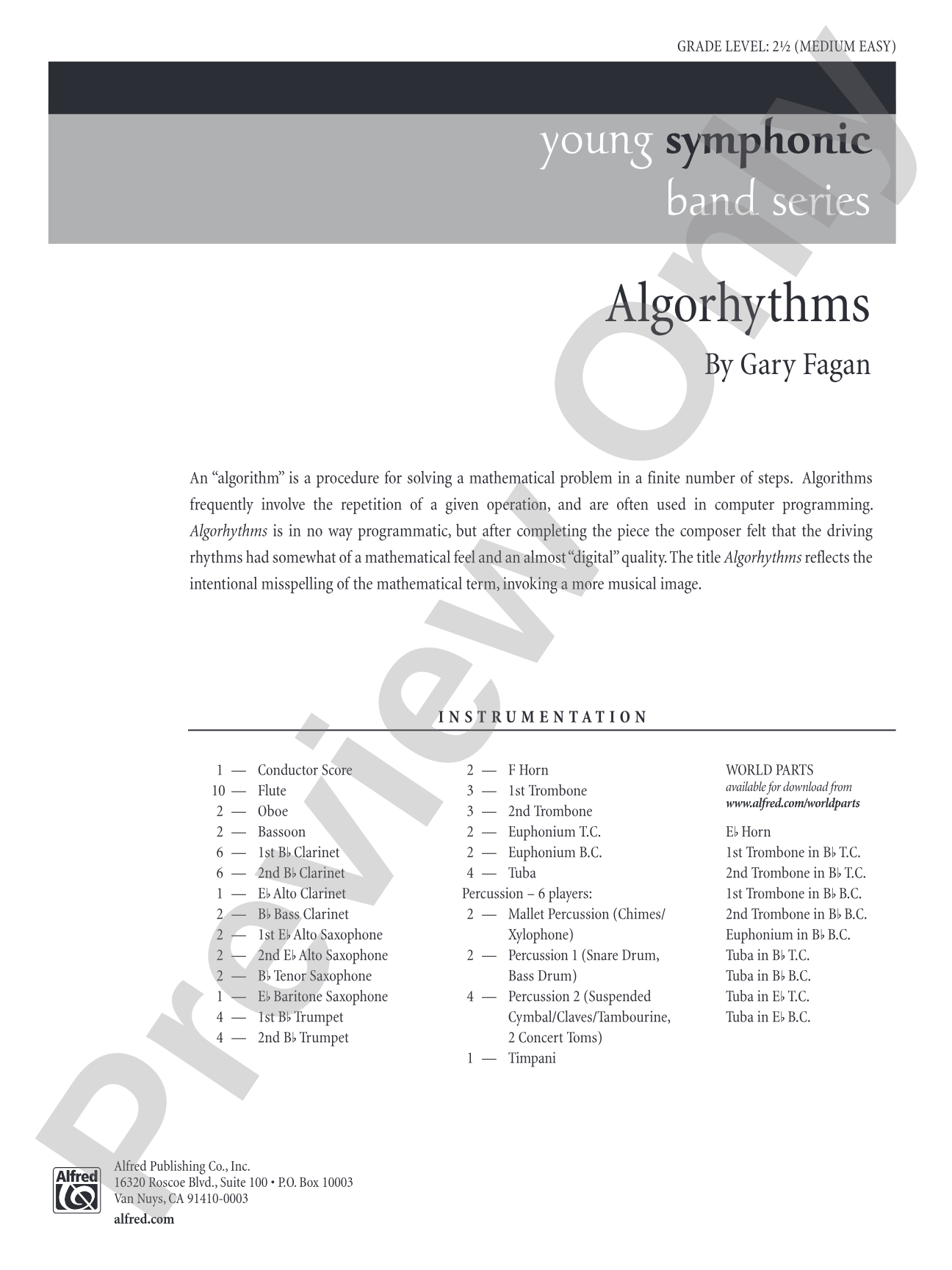
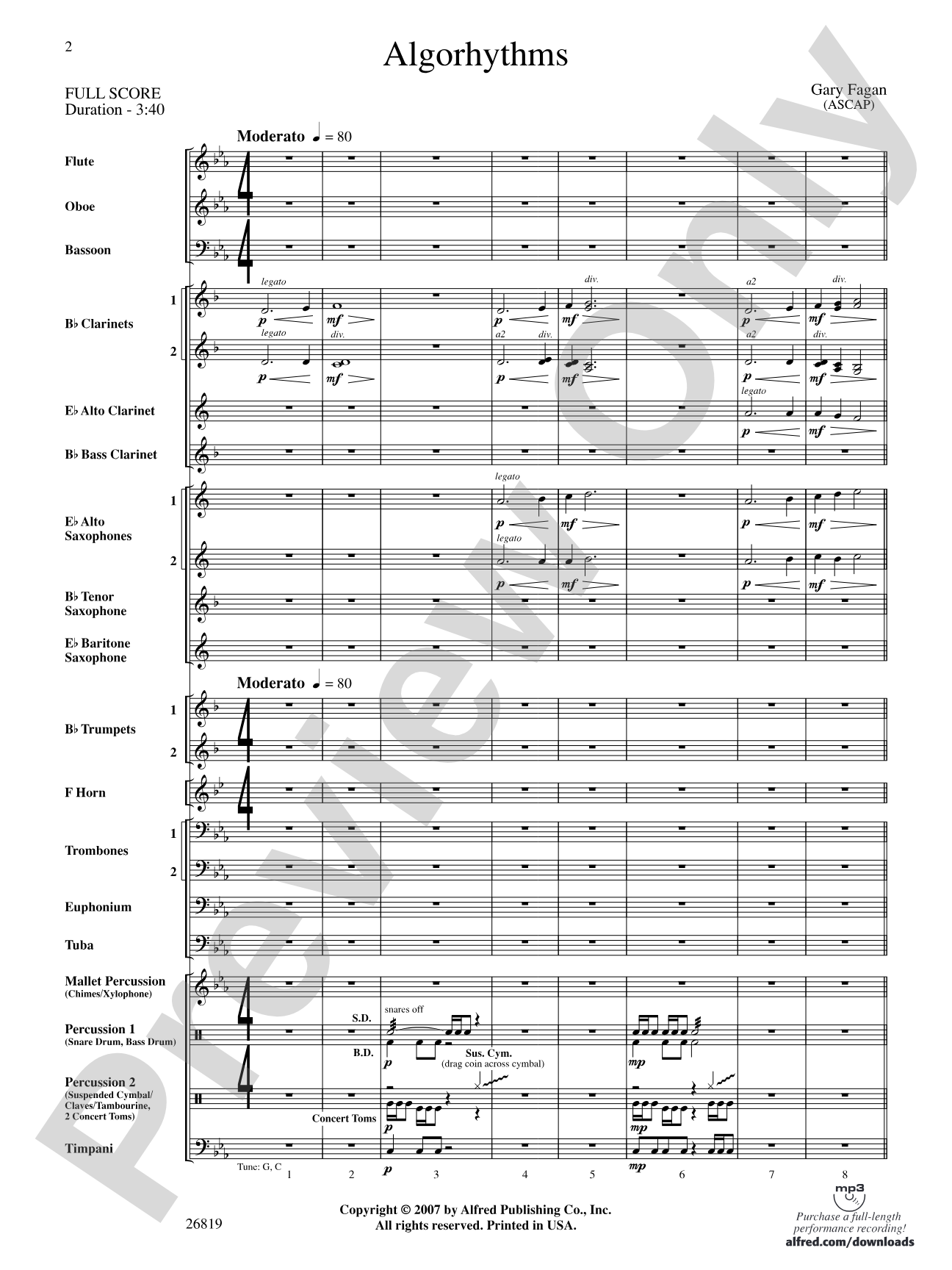
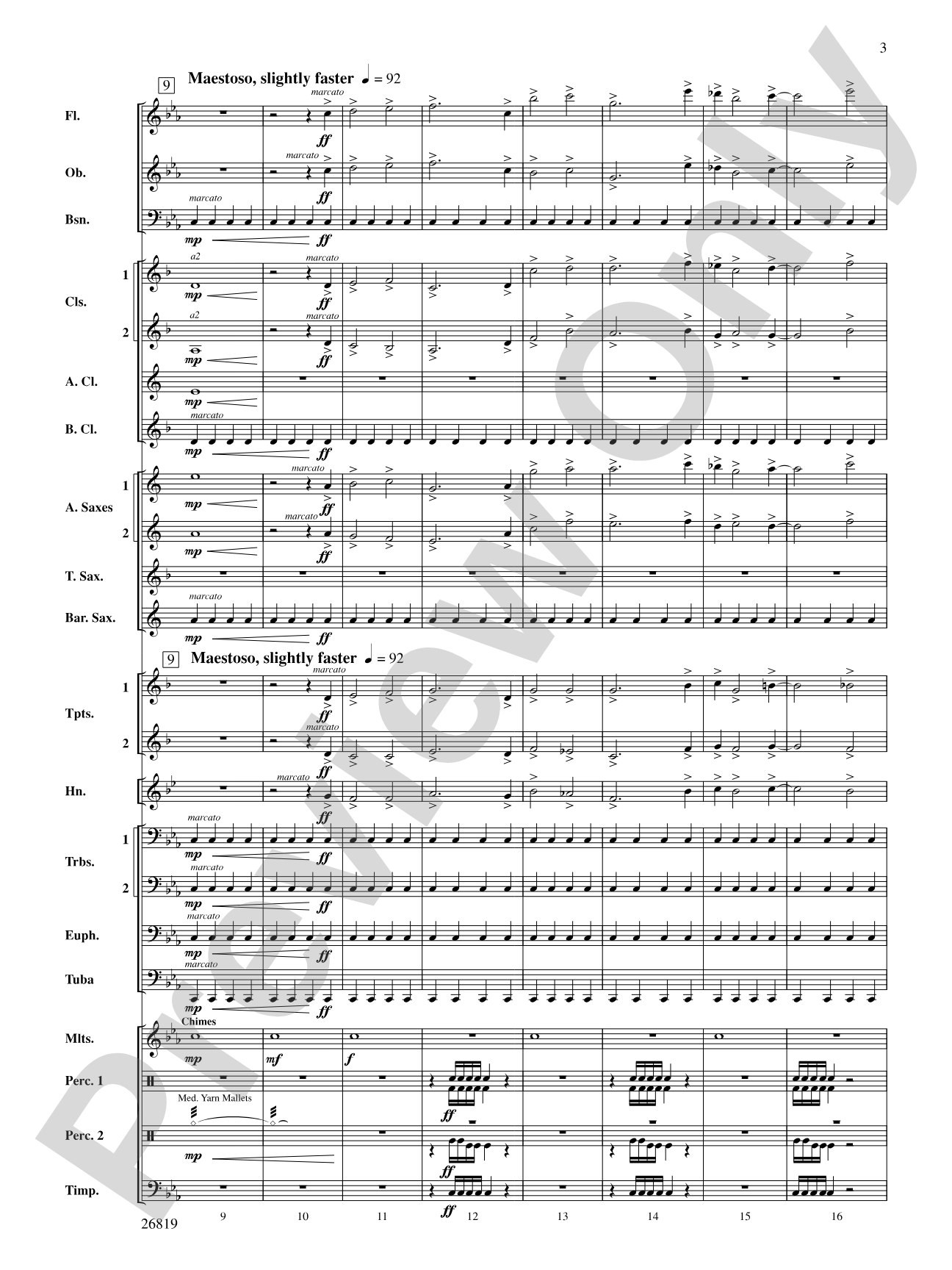
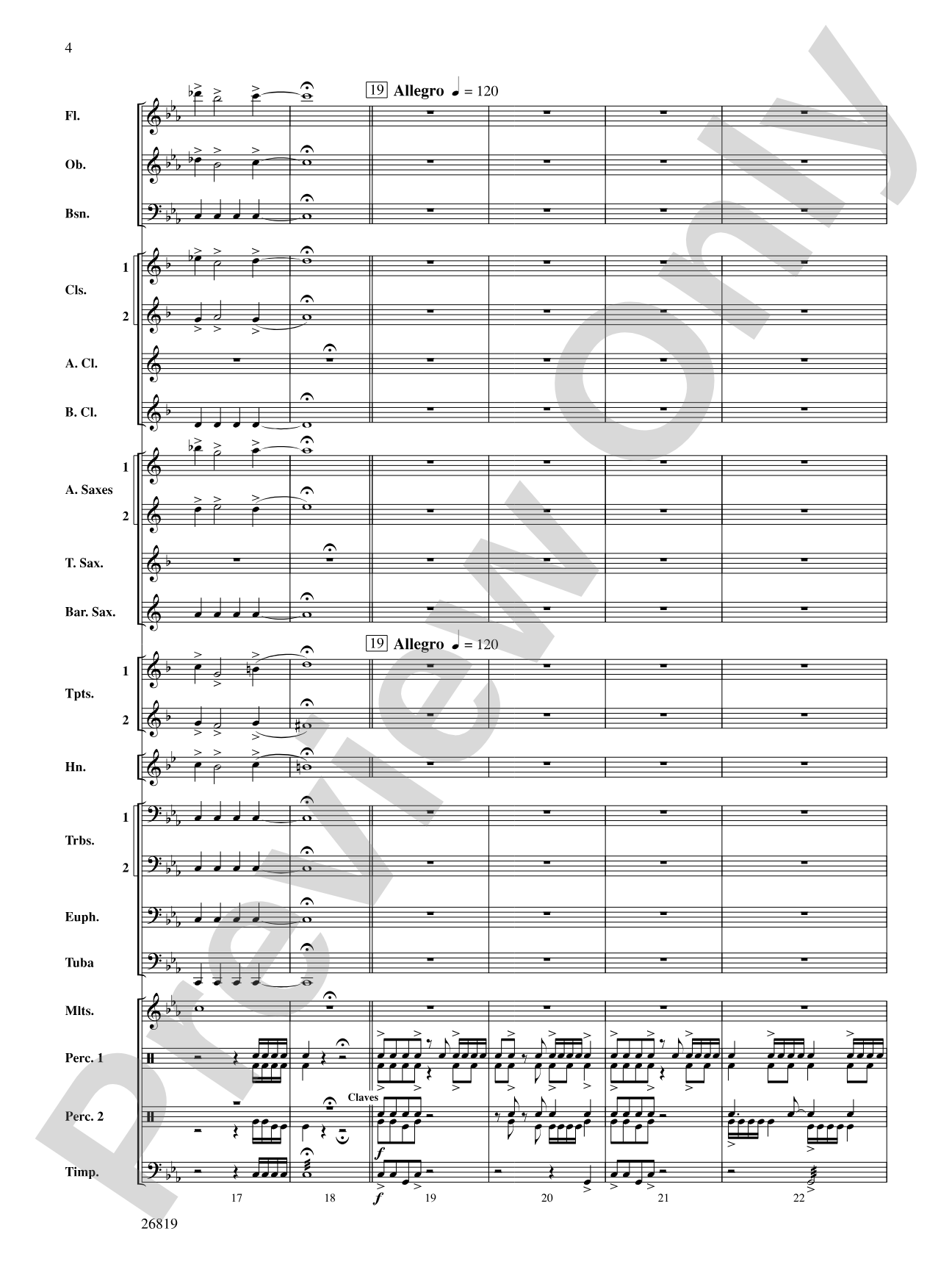
An algorithm is a procedure for solving a mathematical problem in a finite number of steps that frequently involves repetition of an operation. Algorithms are frequently used in programming sequences in computers. The driving rhythms and mathematical "feel" of Algorhythms lends a "digital" quality to the piece, one that will quickly become a favorite for players and the audience. (3:45) This title is available in MakeMusic Cloud.


Don't just read it, hear it, play along with it, and watch your students grow with it. In MakeMusic Cloud, Algorhythms: Concert Band Conductor Score & Parts comes alive with professional accompaniment, adjustable tempo, and built-in practice tools that turn solo practice into real progress.
Open in the Player
Jump straight in and assign it today.
Start Your Free Trial
Open this title and explore the full library in minutes.
Sample Audio
1
Audio File
--:--
0:00
0:00
Sample Video
Additional Details
Series:
Young Symphonic
Publisher:
Alfred Music
Page Count:
137
SKU:
00-PK-0001264
More about this title
About the Composer: Gary Fagan
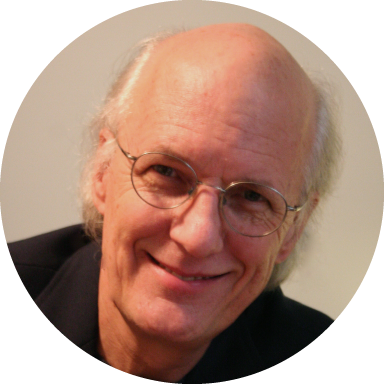
Gary Fagan brings three decades of classroom experience to his compositional work, having shaped young musicians across Albemarle County before stepping into university supervision at James Madison University. His credentials span both formal training (music education degree from Bridgewater College, master's from JMU) and professional recognition, including selections for performance at the White House and the Midwest Band and Orchestra Clinic, plus multiple state-level teaching awards.
Beyond the concert hall, Fagan remains active as a clinician, adjudicator, and arranger while serving as assistant director and percussionist with the Charlottesville Band. His dual roles as educator and musician inform his compositional voice, pieces built for the classroom that don't compromise on musicality or engagement.
Why we love this
Algorhythms delivers exactly what its concept promises: a piece that sounds contemporary and engaging without demanding virtuosic technique from your ensemble. The mathematical precision of the composition mirrors its conceptual foundation, creating a work that sparks genuine interest from both musicians and audiences. At Grade 2.5, it sits in the sweet spot where strong fundamentals shine but technical limitations never undermine the impact.
What to expect
Algorhythms pulses with mechanical energy and forward momentum. The driving rhythms and repetitive structures evoke the precision of digital systems, creating a sound world that feels modern and intentional rather than traditional.
Who it's for
This is ideal for concert bands seeking repertoire that appeals to contemporary sensibilities while remaining accessible to Grade 2.5 ensembles. Directors programming contests or concerts with younger or intermediate-level groups will find a piece that commands attention without extensive rehearsal demands.
How to get the most out of it
- Emphasize the precision of the rhythmic patterns. These "algorithmic" sequences should lock in with mechanical clarity, resisting any tendency to rush or drag as the patterns repeat.
- Balance the digital quality with musical shape. While the piece embraces repetition and a driving pulse, avoid monotony by shaping phrases and varying dynamics within the overall framework.
- Keep the ensemble texture clean and transparent. The composition's strength lies in its rhythmic clarity, so articulation and balance between parts matter more than blending thick sonorities.
How to use it
Program this as a concert opener or centerpiece that will immediately signal a fresh, contemporary concert experience. Its 3:45 duration and accessible difficulty make it an excellent festival selection that doesn't require extensive technical preparation.
Skills your students will build
- Maintaining pulse and tempo through repeated rhythmic patterns
- Executing crisp articulation in driving rhythmic figures
- Understanding form built on algorithmic repetition and variation
- Balancing rhythmic precision with musical phrasing
- Reading and performing ostinati across multiple instruments