

Alfred's Great Music & Musicians, Book 1: An Overview of Music History: Piano
An Overview of Music History
By Nancy Bachus and Tom Gerou
Item: 00-PB-0000962
$12.99
Pickup currently not available
Related Items
Alfred's Great Music & Musicians, Book 1: Music History Book & Online Audio |
$12.99
|
View |
Description
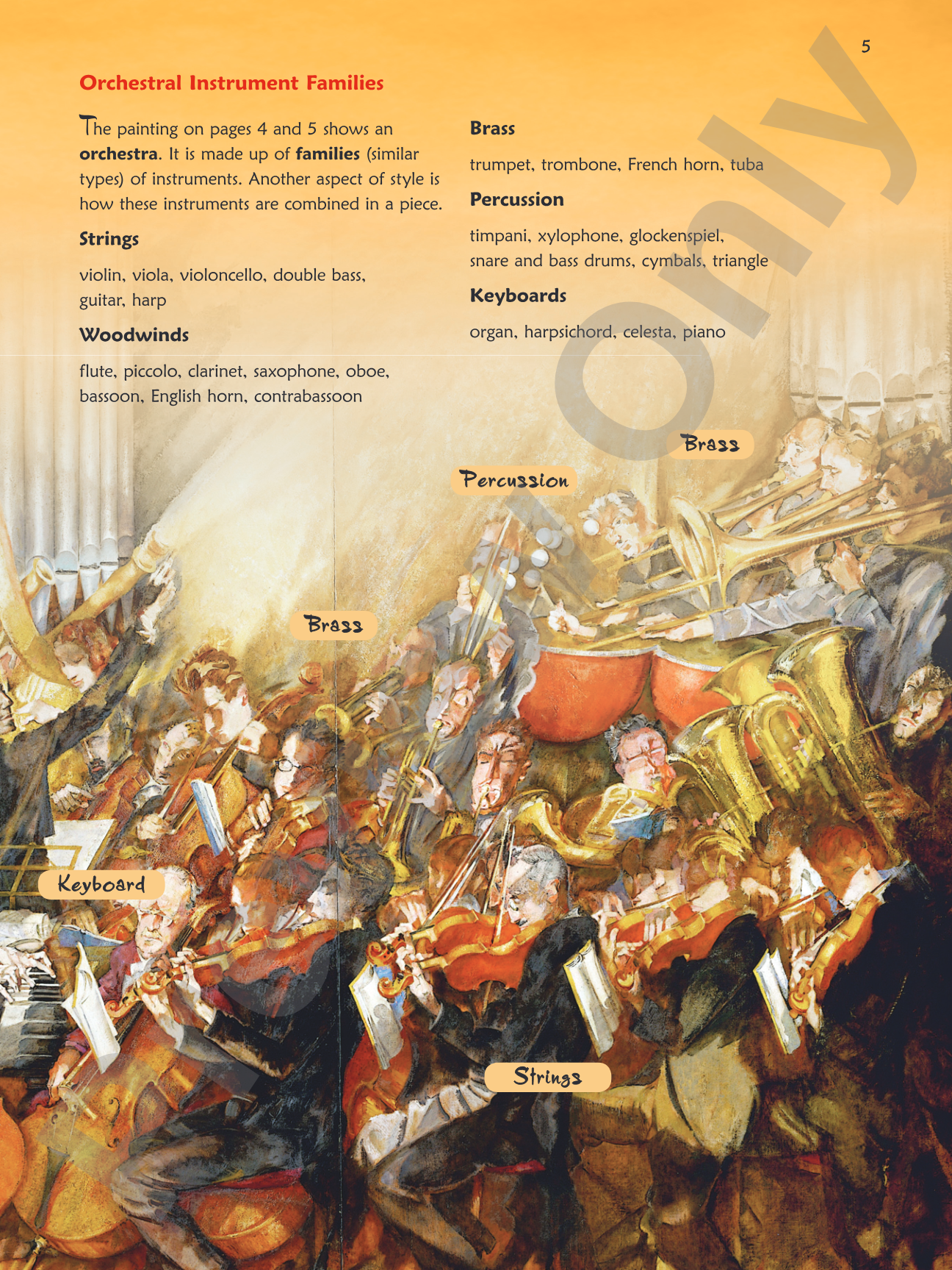
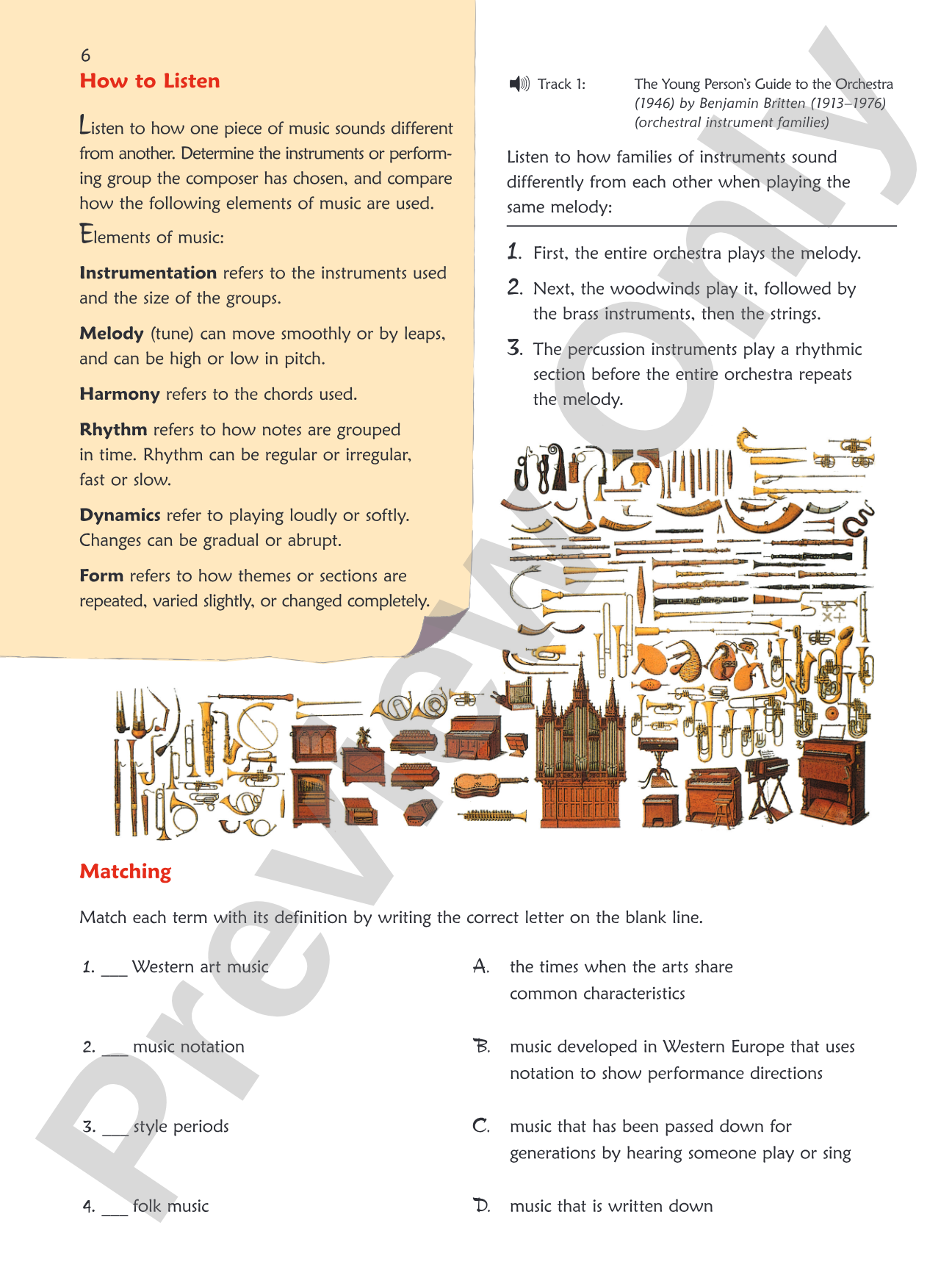
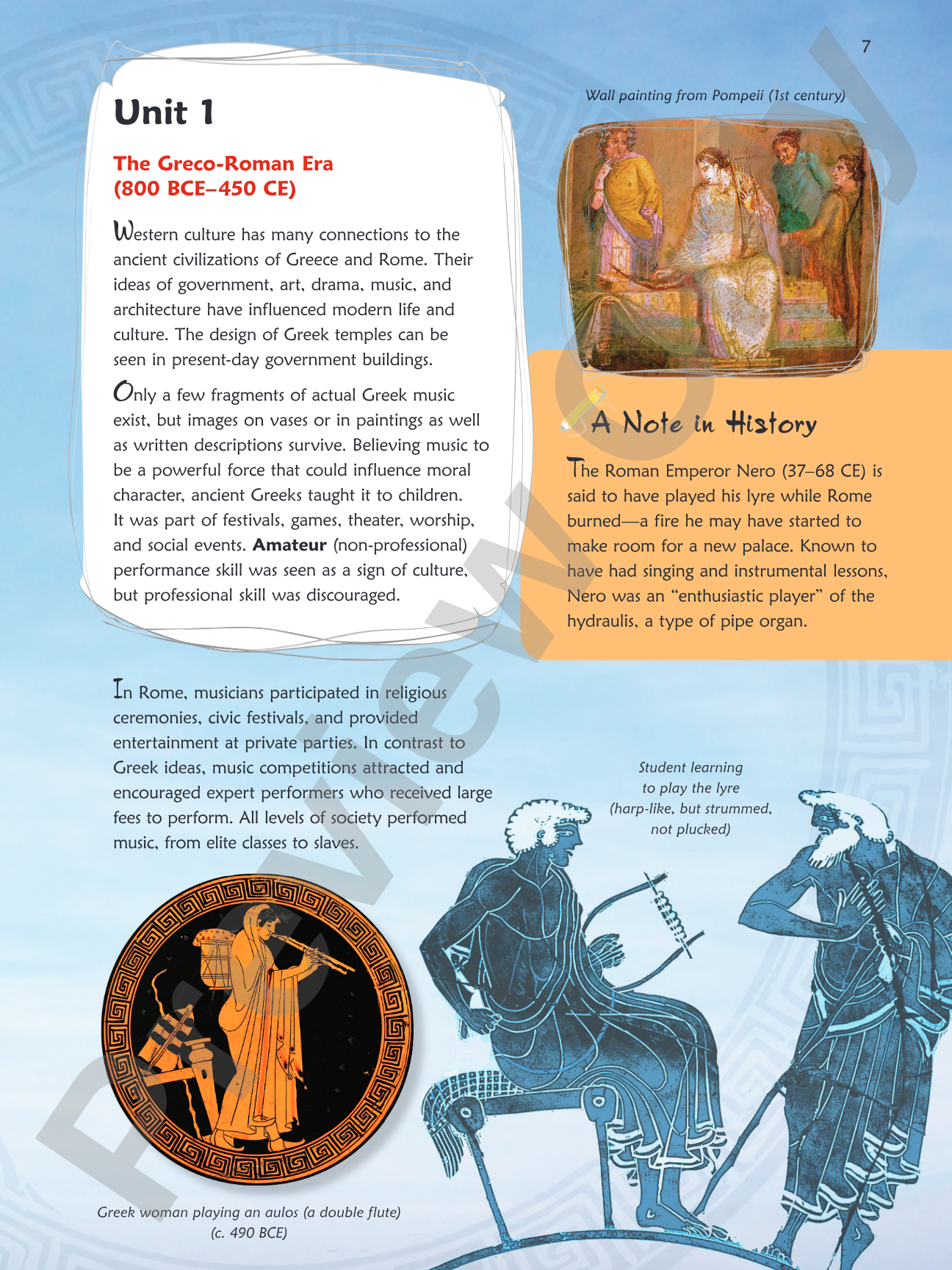
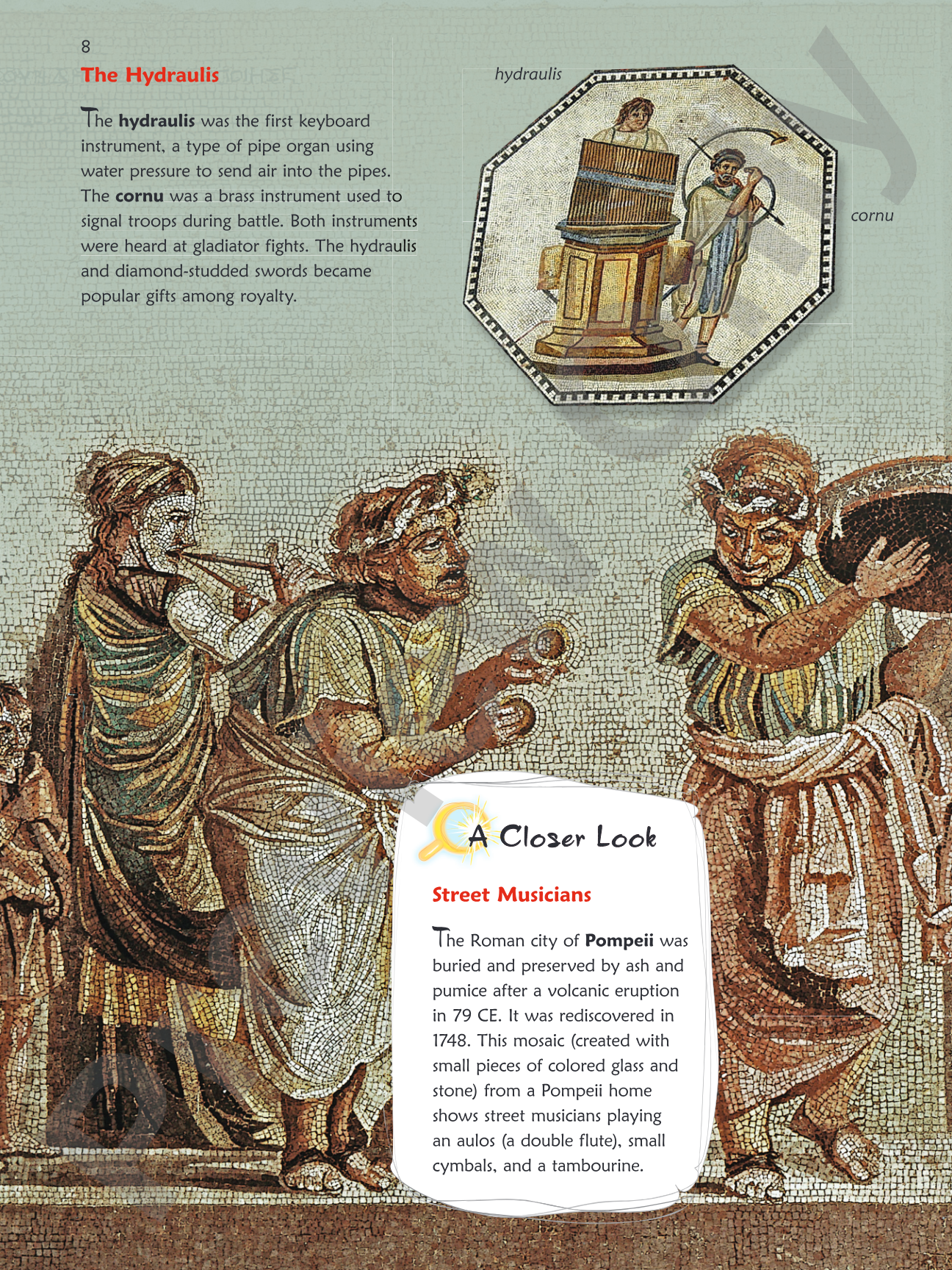
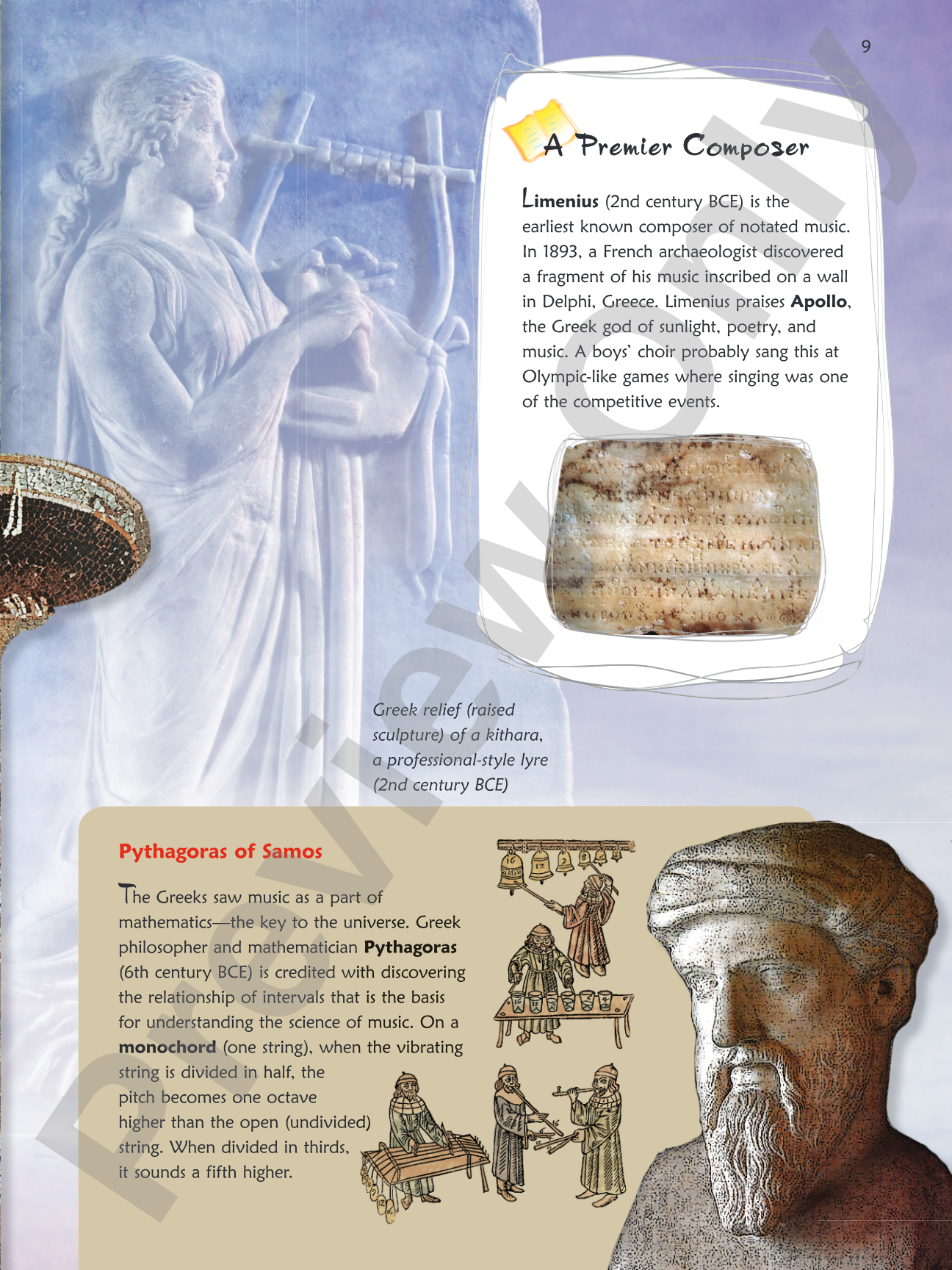
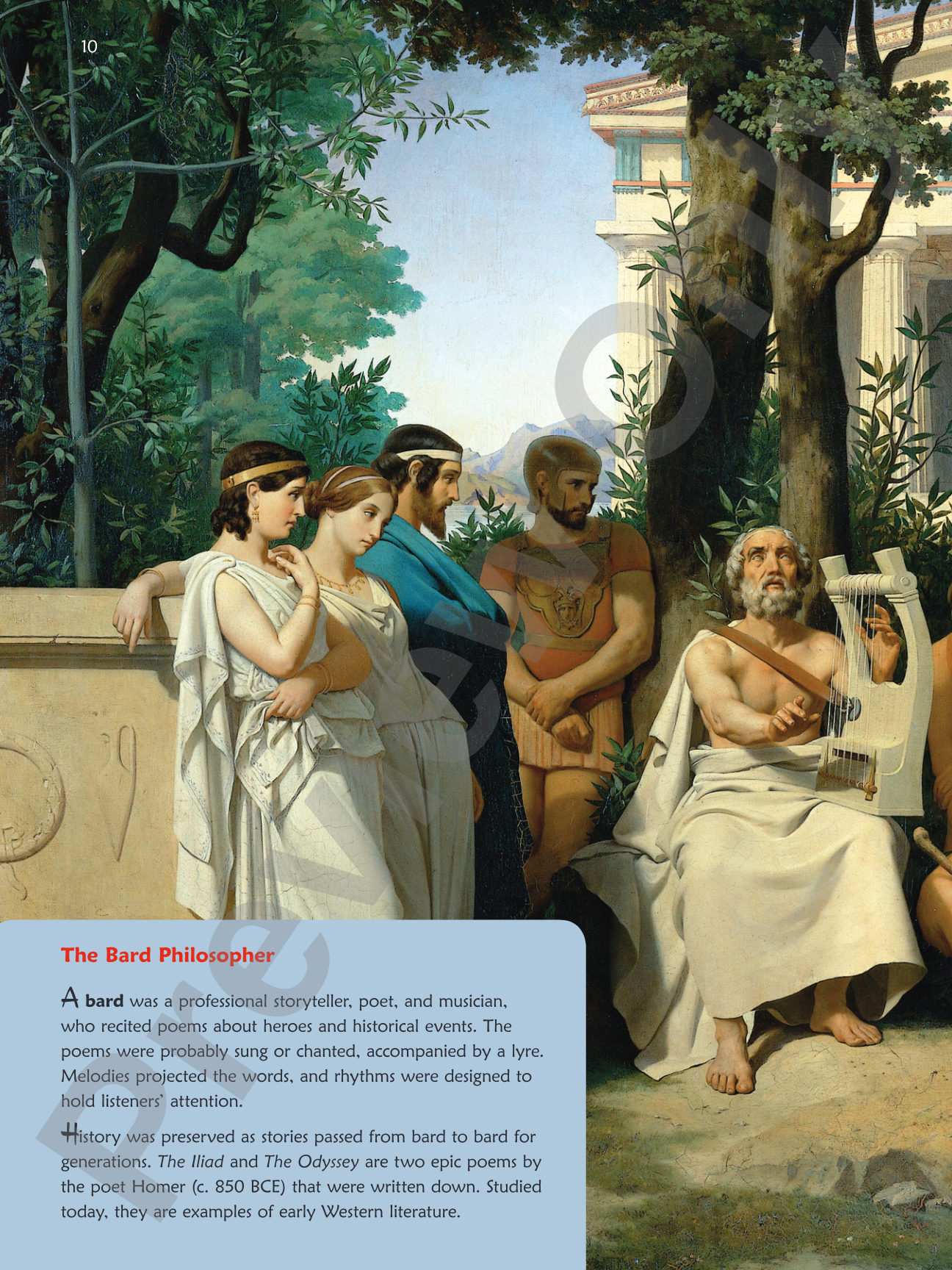
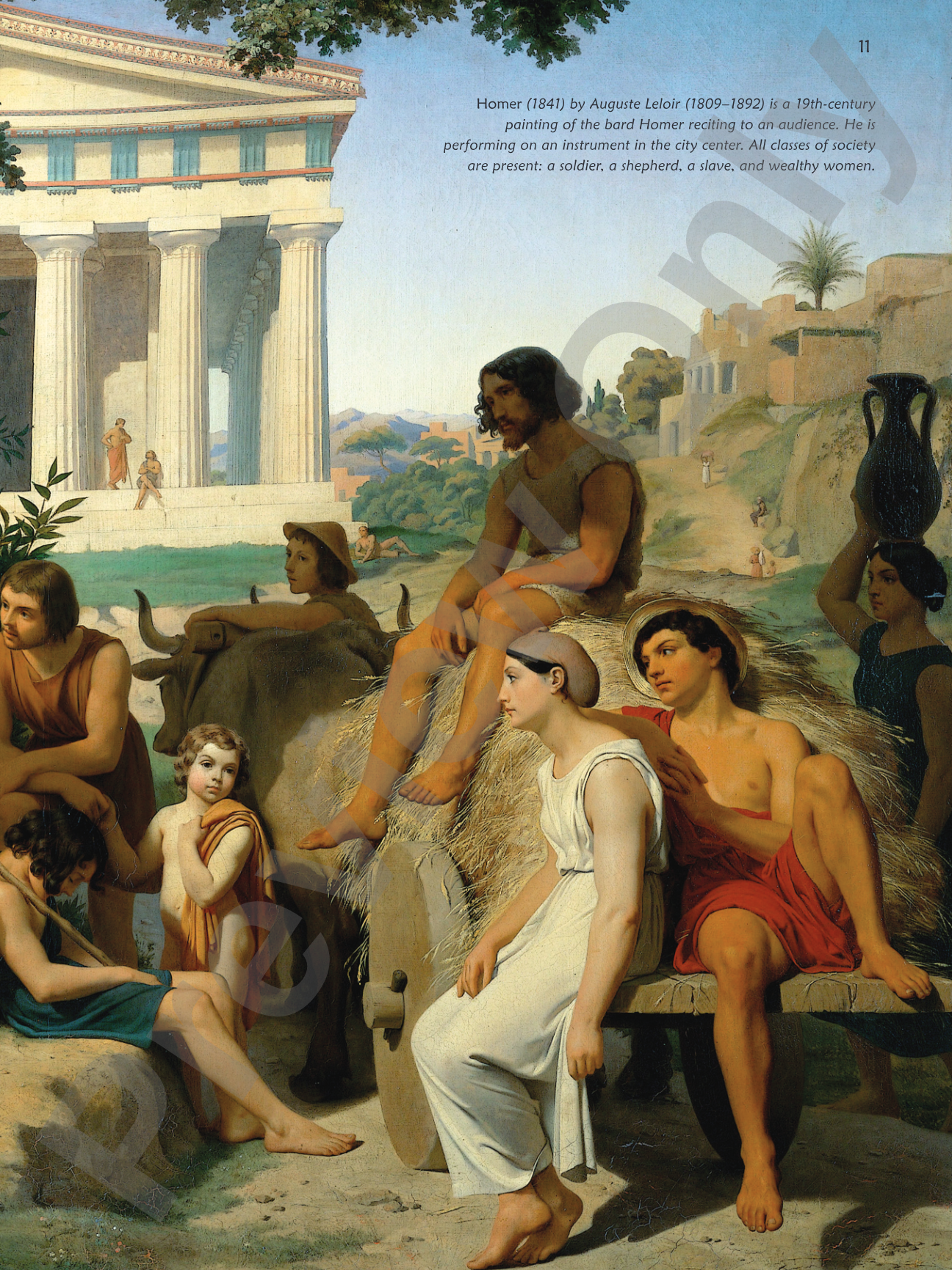
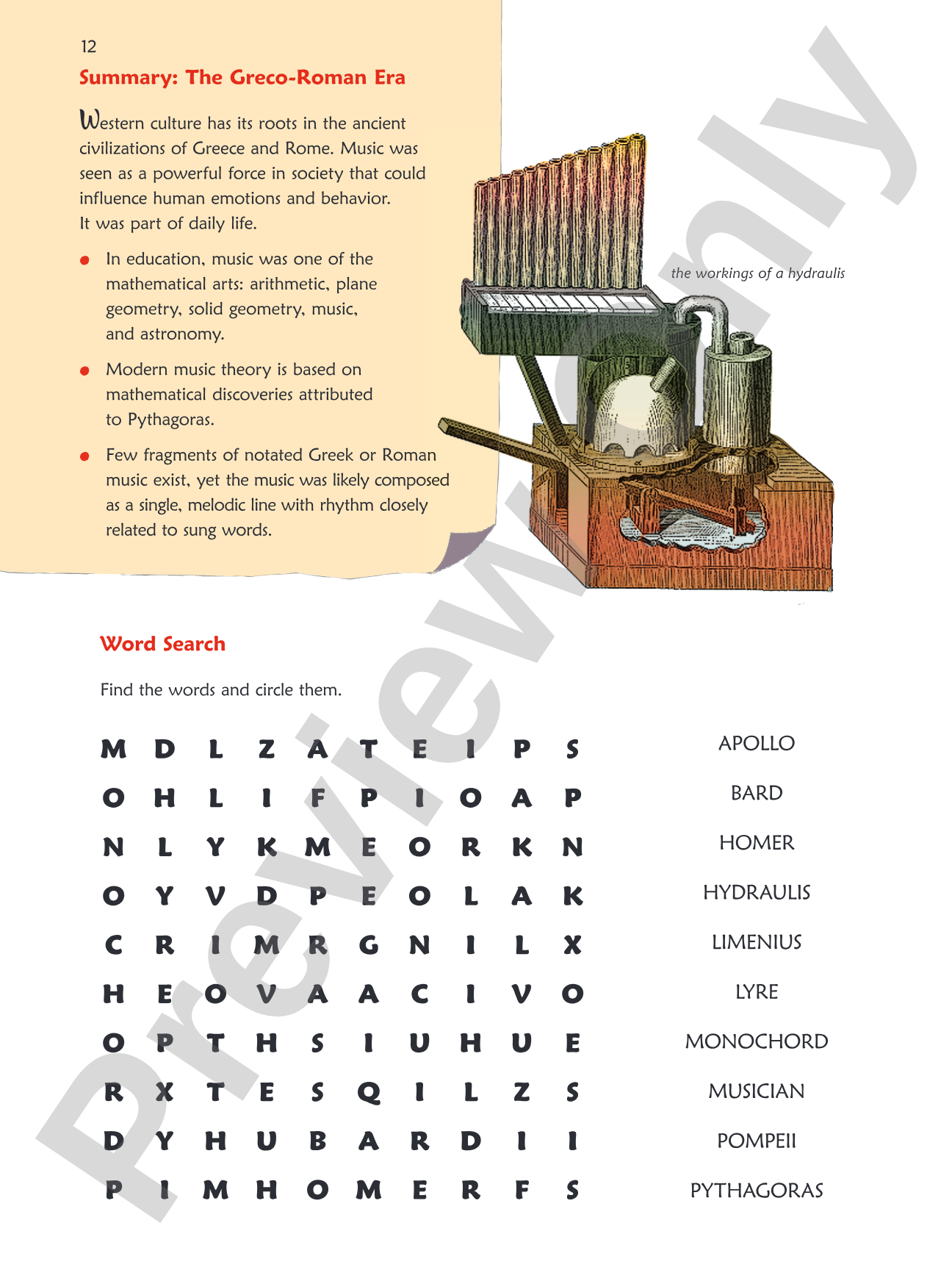
Great Music & Musicians provides a foundation for understanding the major cultural periods---from the Greco-Roman Era to the present. It guides students through musical styles and the development of music through the ages. The book and online audio includes art and listening examples that offer an opportunity for discussions. Although not correlated page-by-page, book 1 is appropriate for piano students in Premier Piano Course, levels 1A and 1B. It also may be used by students in other piano methods or as a focal point for group lessons. Each unit includes an overview and historical background, a closer look at important musical developments, art to provide further insight into life during the time, a short summary, listening suggestions, and a written review.


Alfred's Great Music & Musicians, Book 1: An Overview of Music History: Piano isn't in MakeMusic Cloud just yet...but it could be. Let us know you'd like to see it, and you'll help shape what comes next. In the meantime, start a free trial and dive into thousands of interactive titles your students can play along with today.
Request This Title
Tell us you want it.
Start Your Free Trial
Explore everything that's ready to play right now.
Sample Audio
No sample audio found.
Sample Video
No sample videos found.
Additional Details
Series:
Premier Piano Course
Publisher:
Alfred Music
Page Count:
56
SKU:
00-PB-0000962
More about this title
About the Composer: Nancy Bachus

Nancy Bachus brings three decades of university and college teaching experience to her writing on music history and piano pedagogy. A Eastman School of Music graduate who studied with renowned pianists Eugene List and Brooks Smith, Bachus has performed at major venues including Carnegie Hall and Lincoln Center, and her articles on music and performance have appeared regularly in Clavier and Keyboard/Clavier Companion. She holds MTNA Master Teacher certification.
Beyond her performance career, Bachus has established herself as a music historian and educational author. Her Spirit anthologies (Baroque, Classical, Romantic, and Beyond the Romantic) and the Exploring Piano Classics series have shaped how piano students encounter repertoire across centuries. She served on the editorial board of The Piano Magazine and the Board of Directors of the American Liszt Society, where she edited the organization's newsletter for many years.
Why we love this
This book transforms music history from an abstract timeline into something piano students actually experience through listening, looking at art, and thinking critically about what they hear. Rather than isolated facts, students encounter music within its cultural moment, which deepens their understanding of why composers wrote what they did. The structure supports both independent study and group discussion, making it flexible enough to work alongside any piano method without creating curriculum conflicts.
What to expect
Encountering music as a living conversation across time. Each historical period comes into focus through both sound and image, helping students see connections between what composers created and the world around them. The book invites curiosity rather than memorization, making music history feel relevant to a young pianist's own musical journey.
Who it's for
Piano students in the late elementary to early intermediate range, particularly those working through Premier Piano Course levels 1A and 1B. The book also serves teachers using other piano methods who want to layer historical context into lessons without disrupting their pedagogical sequence.
How to get the most out of it
- Play the listening examples yourself before assigning them to students; your own observations about style and texture will shape how they hear the music.
- Use the discussion prompts following each listening selection to help students articulate what they're hearing rather than telling them what matters about each piece.
- Connect the historical periods to repertoire already in your students' hands; when they're learning a Bach prelude, that's the moment to explore the overview on Baroque musical development.
How to use it
Use this as an anchor for group lessons or studio electives focused on music history and context. The listening suggestions and art reproductions create natural discussion points during lesson planning weeks or when transitioning between repertoire units. Teachers might also assign units as independent reading during summer breaks or winter recesses to keep students musically engaged between regular lesson cycles.
Skills your students will build
- Recognizing stylistic characteristics across historical periods (Greco-Roman through contemporary)
- Making connections between cultural context and musical development
- Active listening and comparative analysis of works from different eras
- Understanding major composers and their contributions to music history
- Engaging with visual art as a lens for understanding musical periods