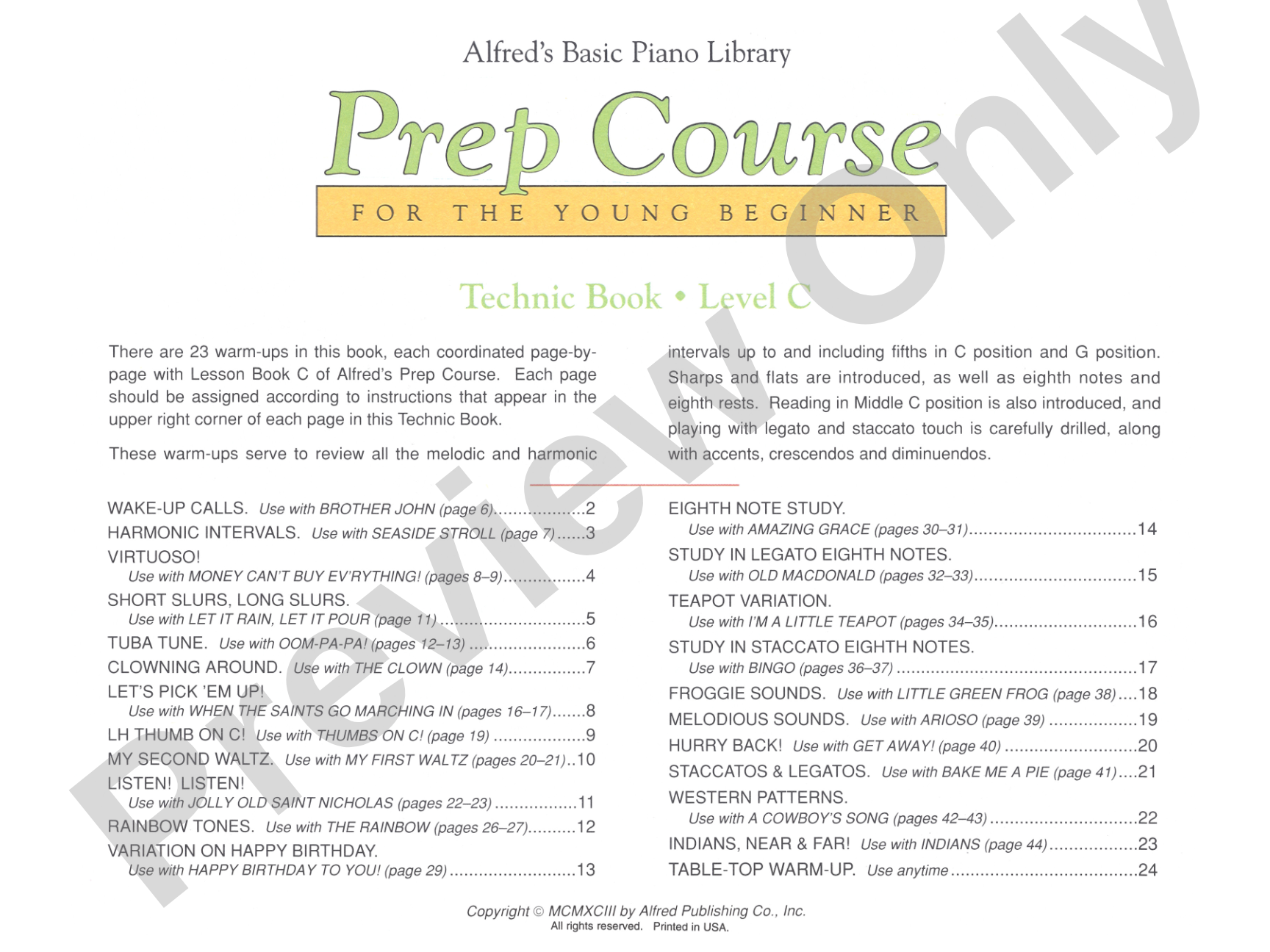
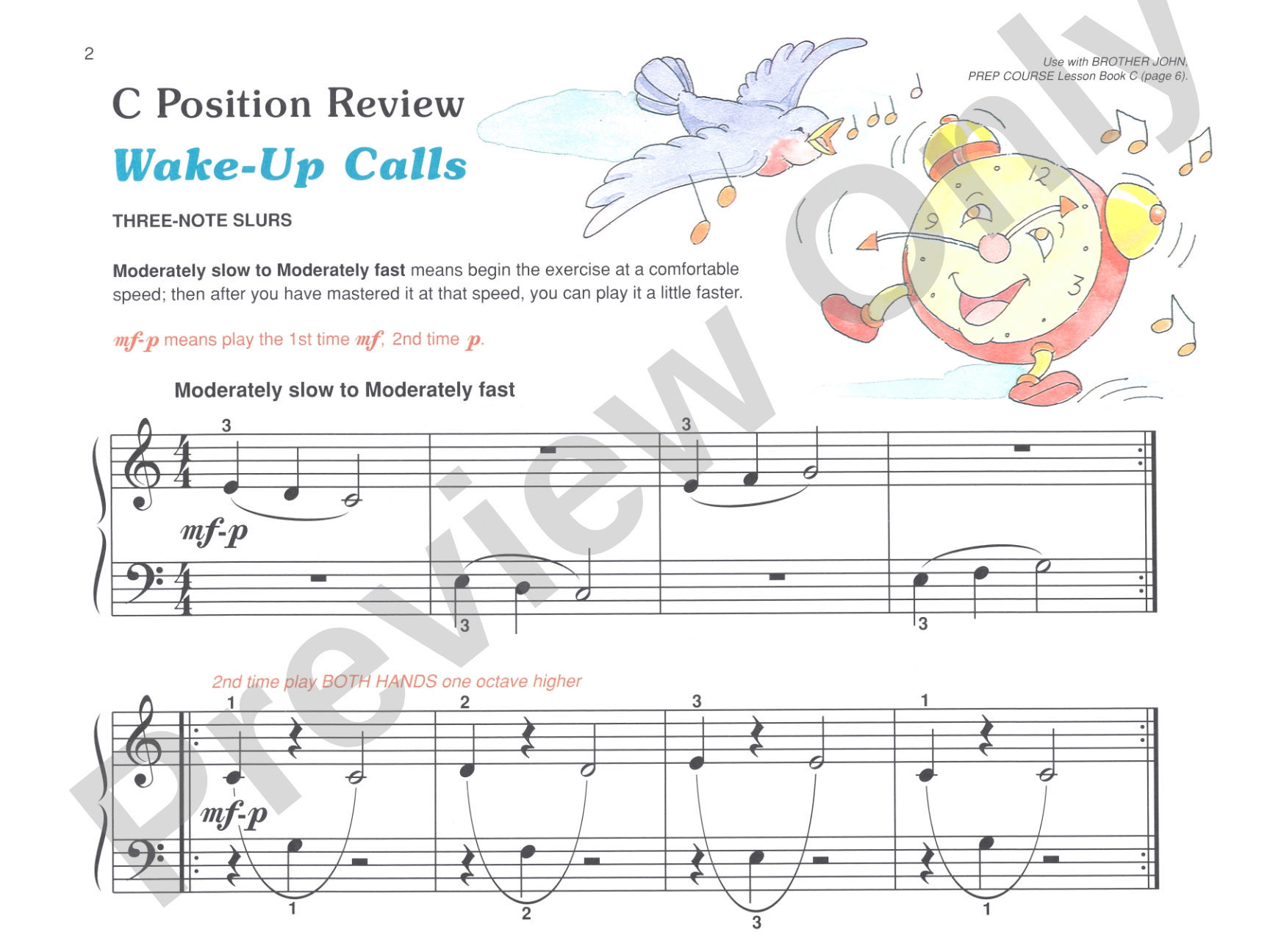
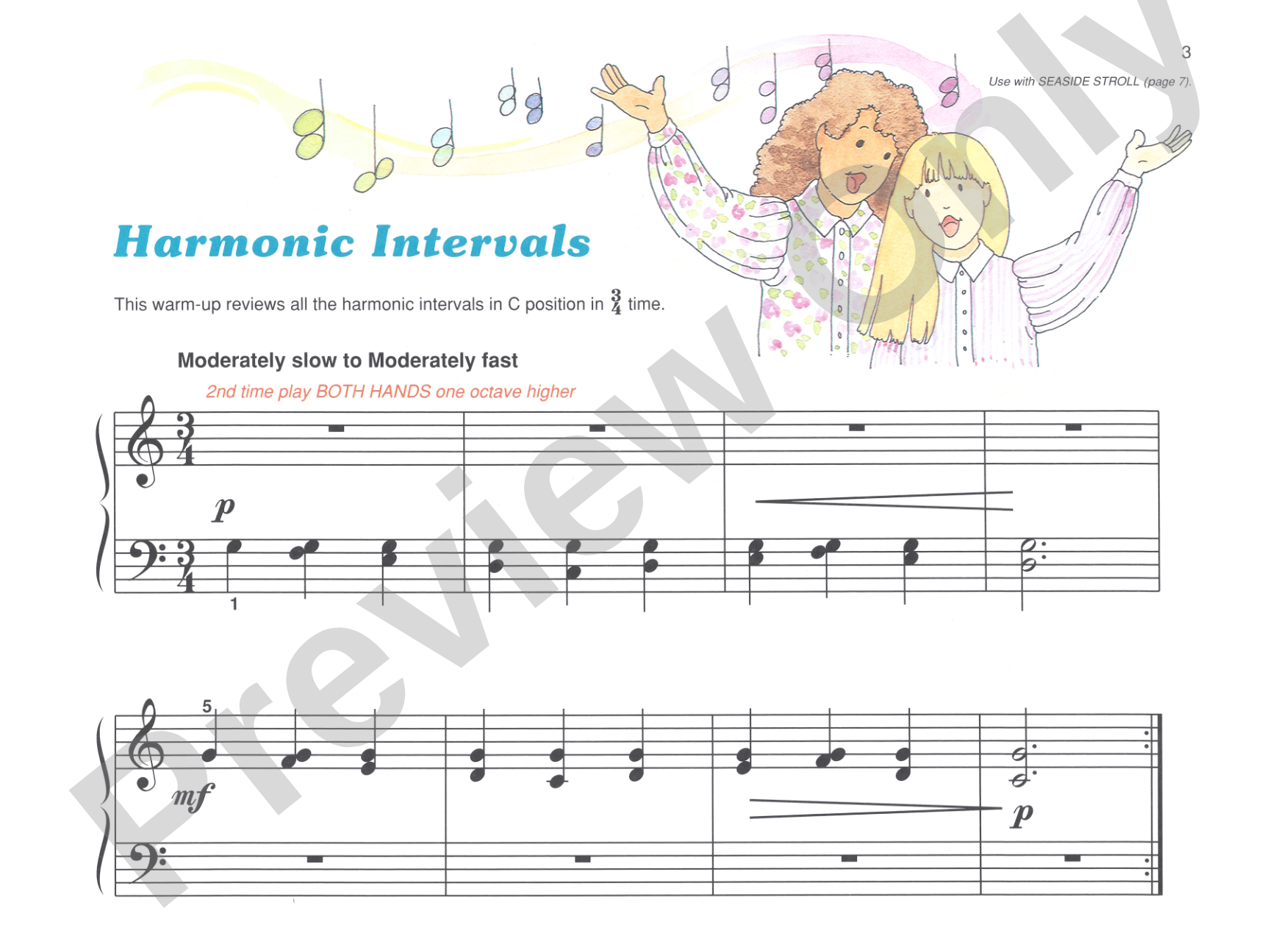
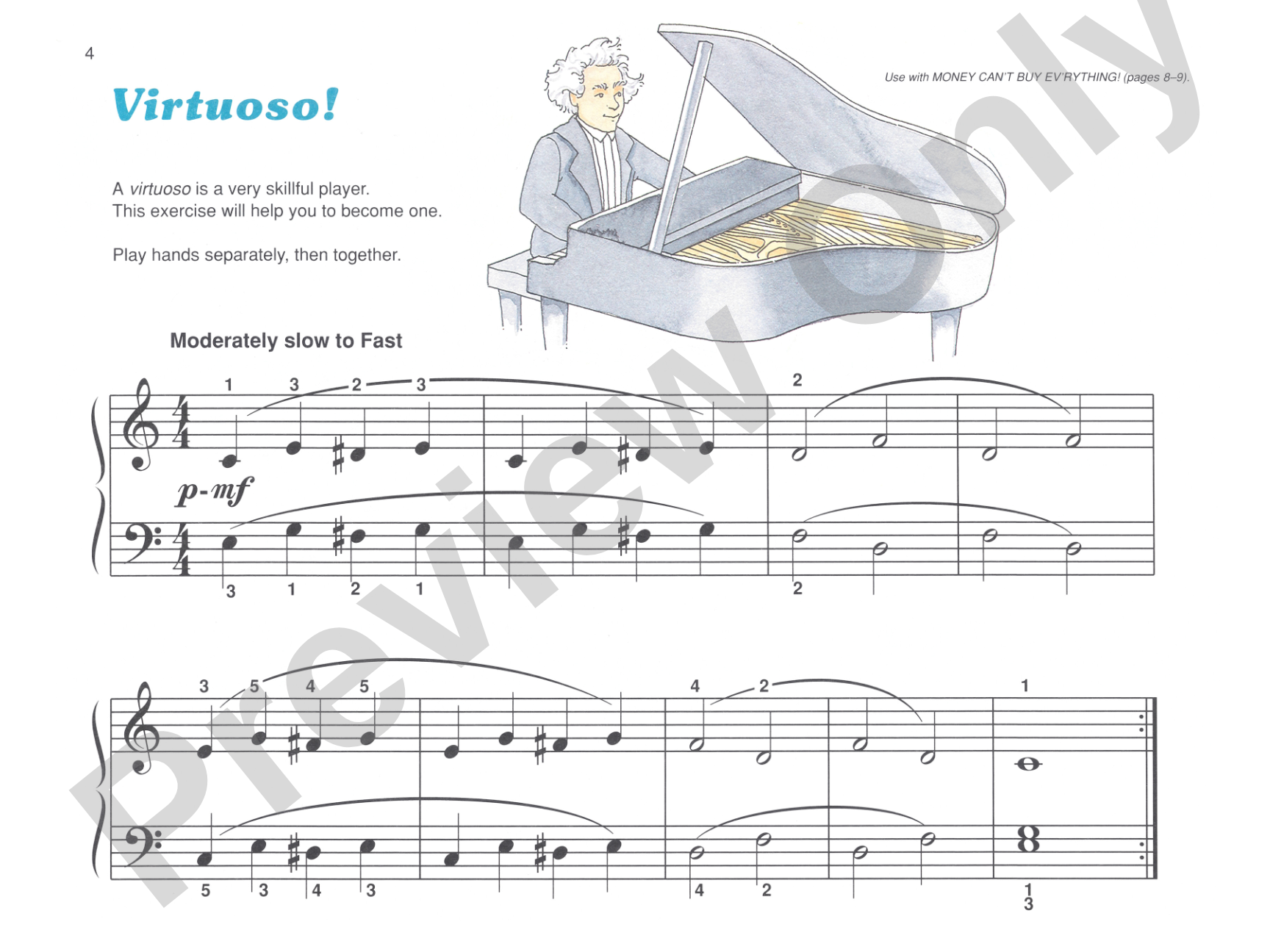
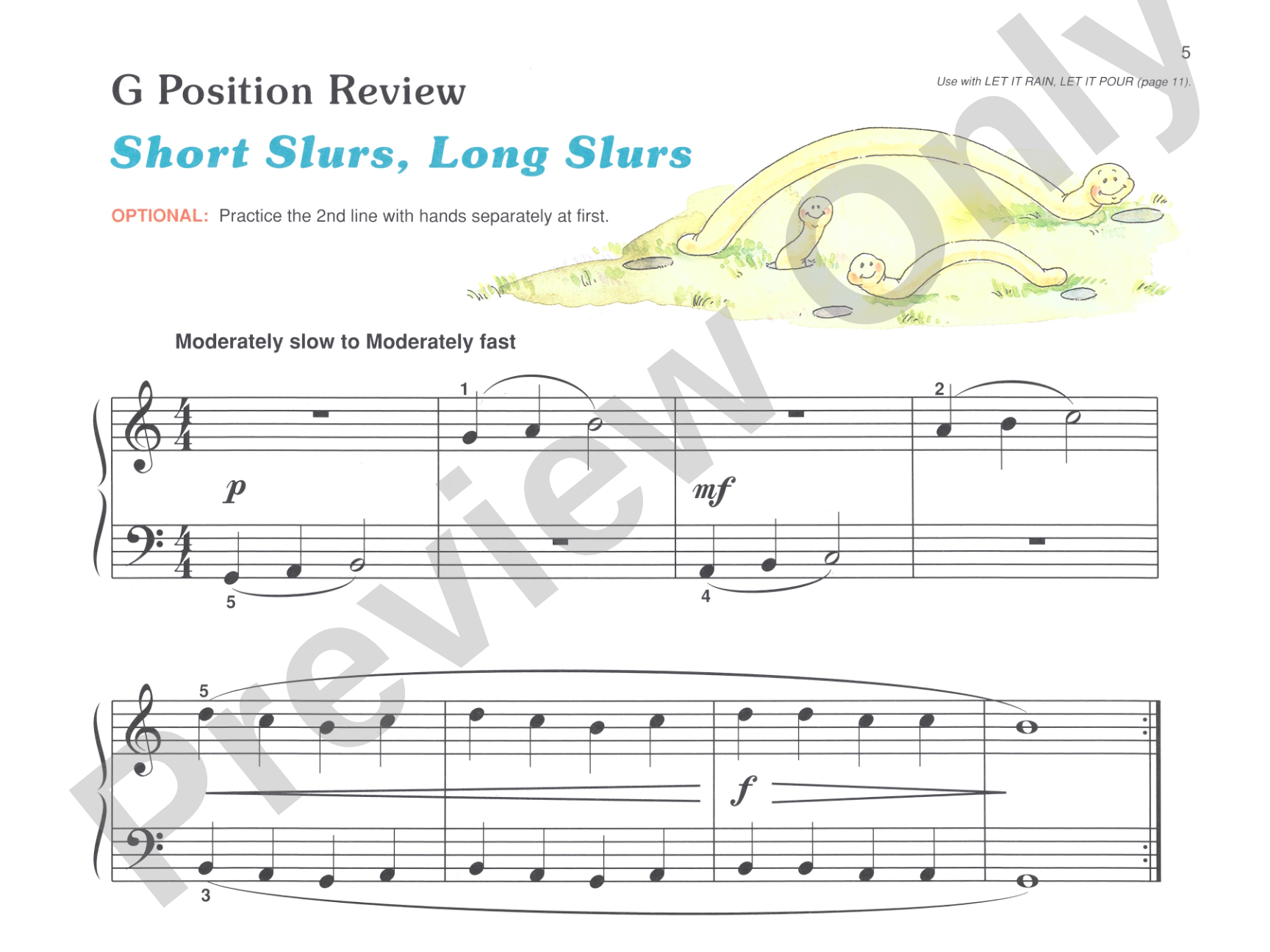
Technical exercises and warm-ups carefully prepared to fit precisely with materials presented in the Lesson Books. Each exercise is coordinated page-by-page with the Prep Course Lesson Books.
Discover MakeMusic Cloud: thousands of interactive titles your students can play along with today.
Willard A. Palmer's career spanned decades as a performer, pedagogue, and prolific composer who authored nearly 800 published works across multiple instruments and genres. His early training in piano and accordion, combined with his radio work as a young musician, informed a lifetime of creating accessible yet musically sound instructional materials. Palmer earned advanced degrees in musicology and conducted extensive research into Baroque performance practice, becoming recognized internationally as an authority on ornamentation and historical style.
Palmer's tenure on the faculty at the University of Houston, where he established the first successful college accordion program, reflected his commitment to rigorous music education. His scholarly work on Classical and Baroque music laid the foundation for the respected Alfred Masterworks series. Throughout his career, he maintained active roles in professional organizations including the American Federation of Musicians and served as director of the Riemenschneider Bach Institute.
Why we love this
This technic book's real strength lies in its precise coordination with the Prep Course Lesson Books. Every exercise arrives exactly when students need it, reinforcing what they've just learned rather than introducing disconnected drills. Young pianists stay engaged because the material feels purposeful and immediately applicable to their piece work.
What to expect
Purposeful and constructive. Each short exercise targets a specific technical goal and connects directly to what the student is learning that week, creating a sense of progression and relevance. The material feels manageable and encouraging, never overwhelming.
Who it's for
Young pianists working through Alfred's Basic Piano Prep Course, typically ages 5-8, who need focused technical preparation coordinated directly with their lesson material. Teachers using the Prep Course curriculum will find this book essential for building hand position, finger independence, and foundational technique without pulling from outside sources.
How to get the most out of it
Work through the exercises in the order presented on the page where they're coordinated in the Lesson Book. This sequential design means earlier warm-ups prepare technical foundations for the piece that follows.
Keep sessions short and focused. These exercises work best as 5-minute warm-ups before lesson material rather than extended drilling sessions.
Vary the tempo and dynamics as your student progresses. Once an exercise is secure at a comfortable speed, gradually increase tempo or add expressive shaping to maintain engagement.
How to use it
Use this as your daily warm-up resource before moving into the coordinated Lesson Book piece. The page-by-page alignment means preparation and application happen in the same practice session, reinforcing learning and building confidence. For students who need extra technical support, the exercises are short enough to work through multiple times without fatigue.
Skills your students will build
Hand position and posture at the keyboard
Finger independence and controlled movement
Smooth legato playing
Proper weight distribution from arm to fingertips
Interval awareness and hand shape adaptation
Muscle memory for foundational technical patterns
You May Also Like
Scan to Complete Your Purchase
Use your phone's camera to scan the code below
You'll log in on your phone and the order will be added to your account