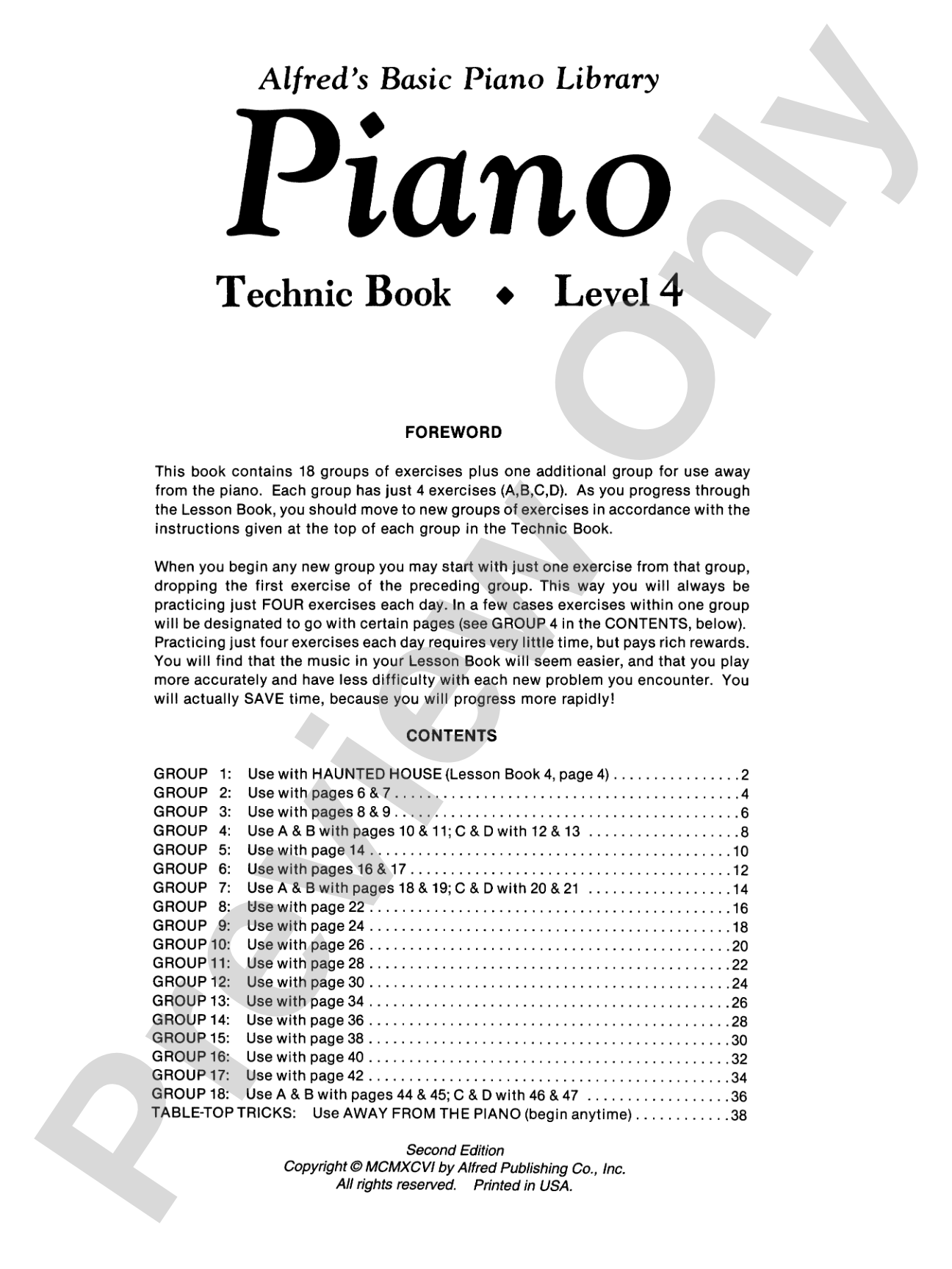
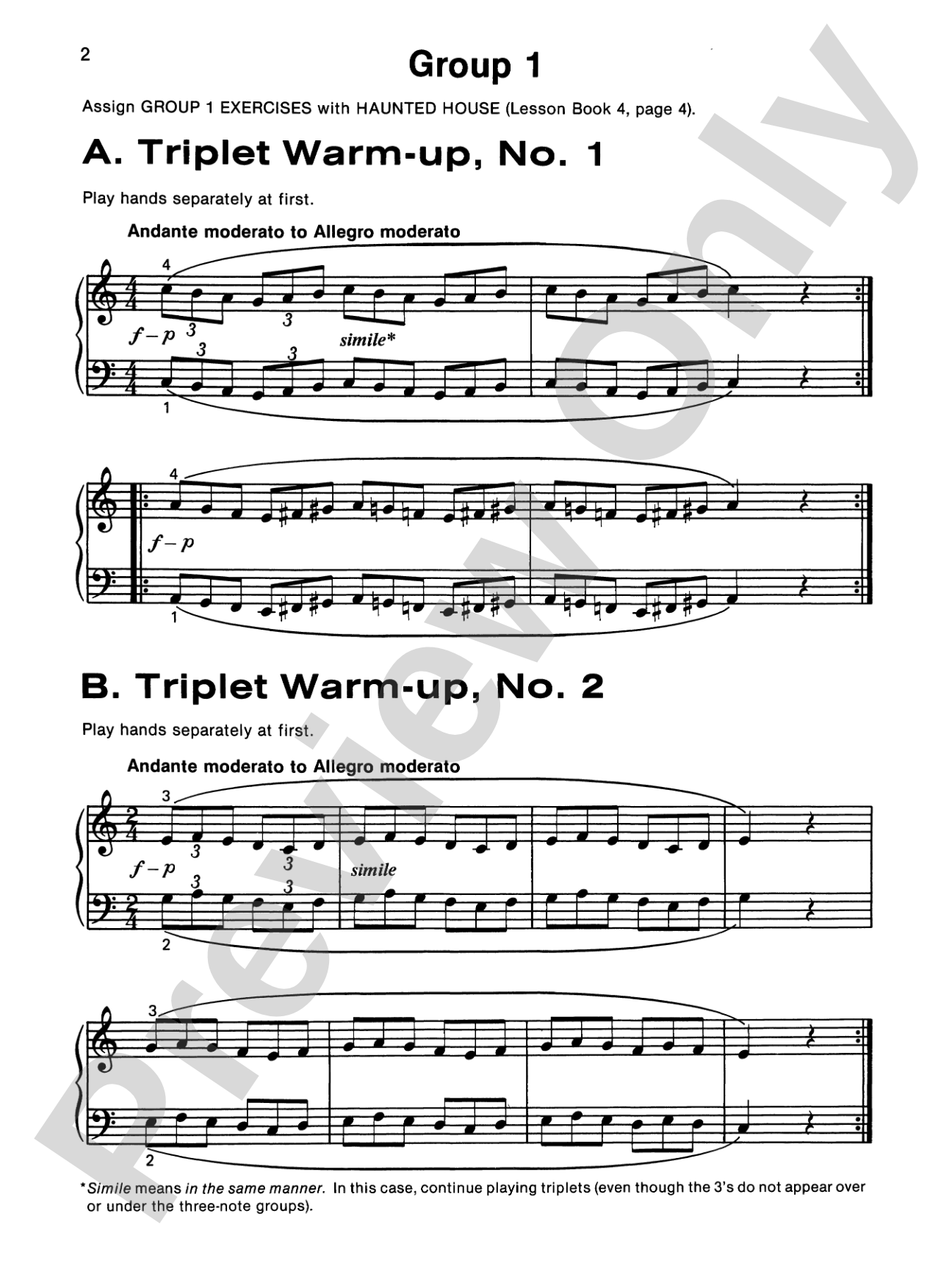
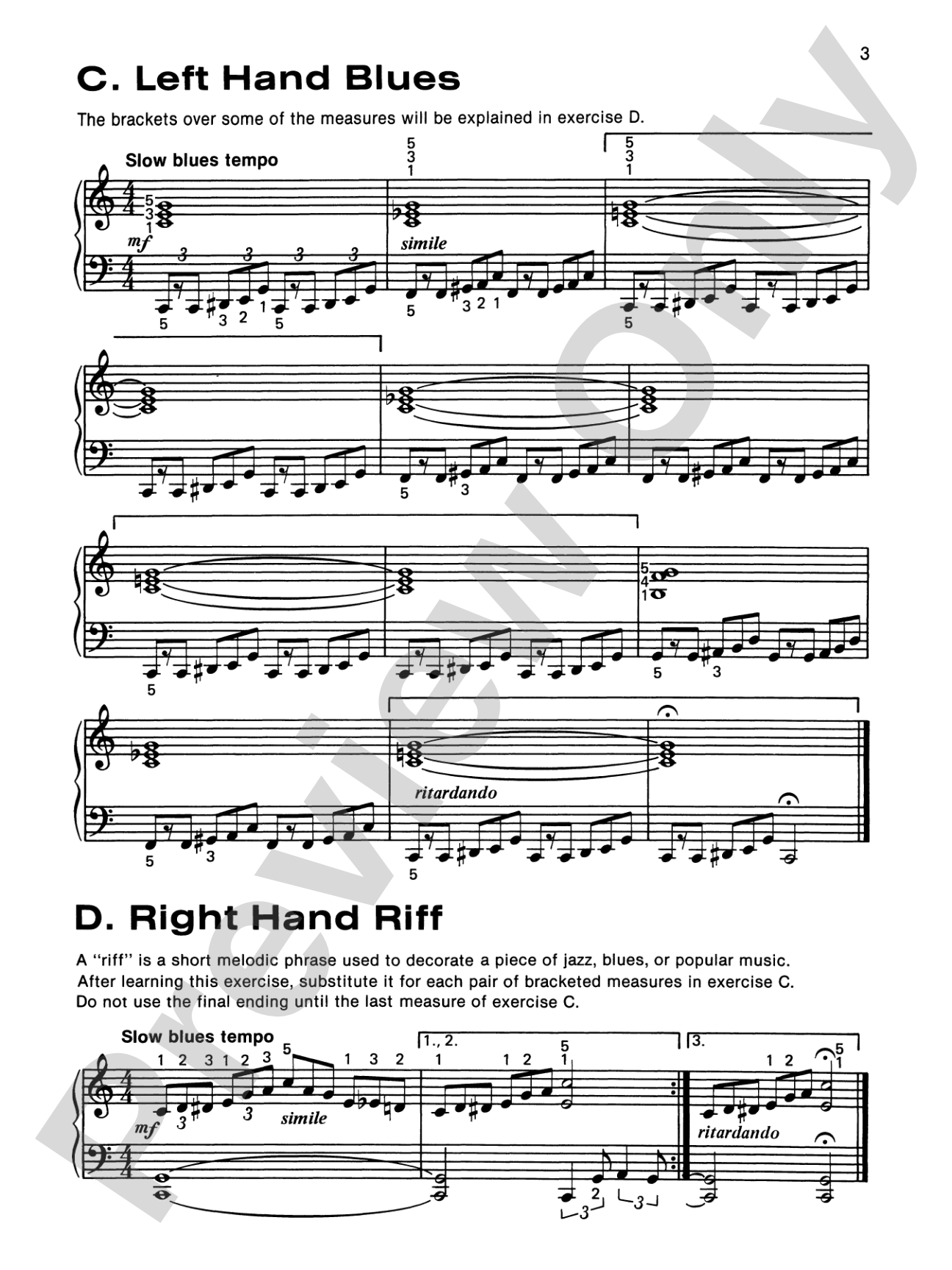
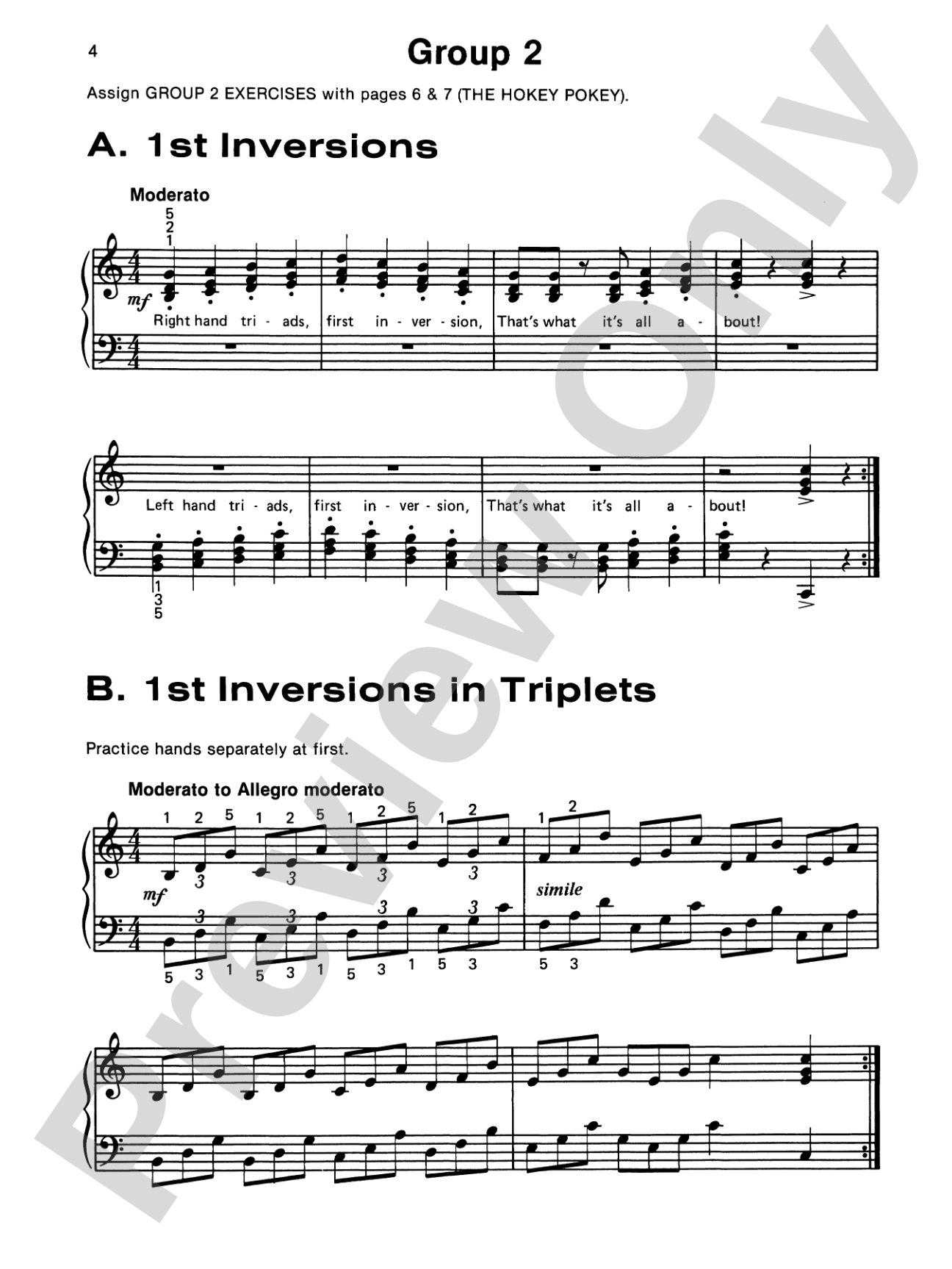
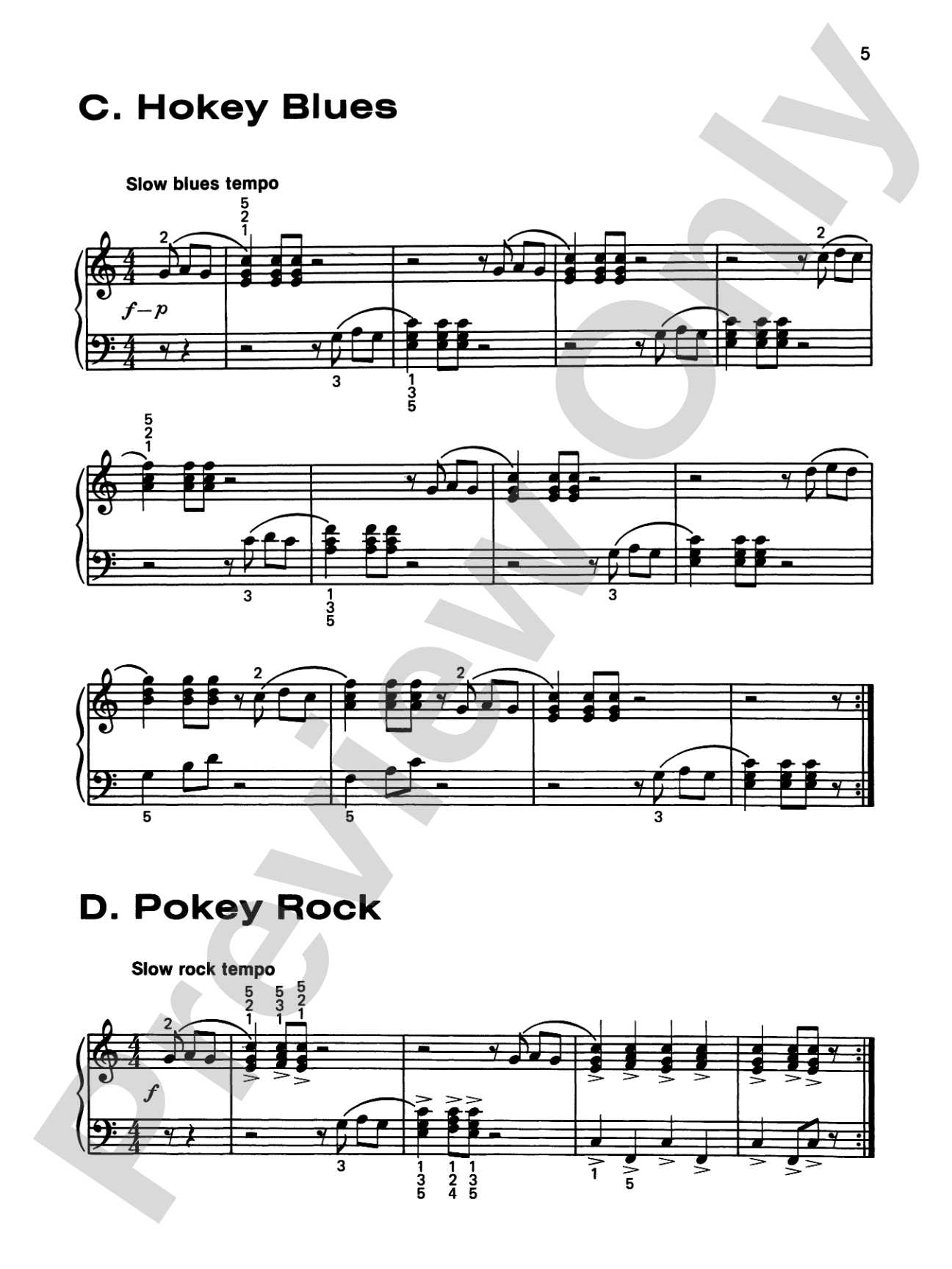
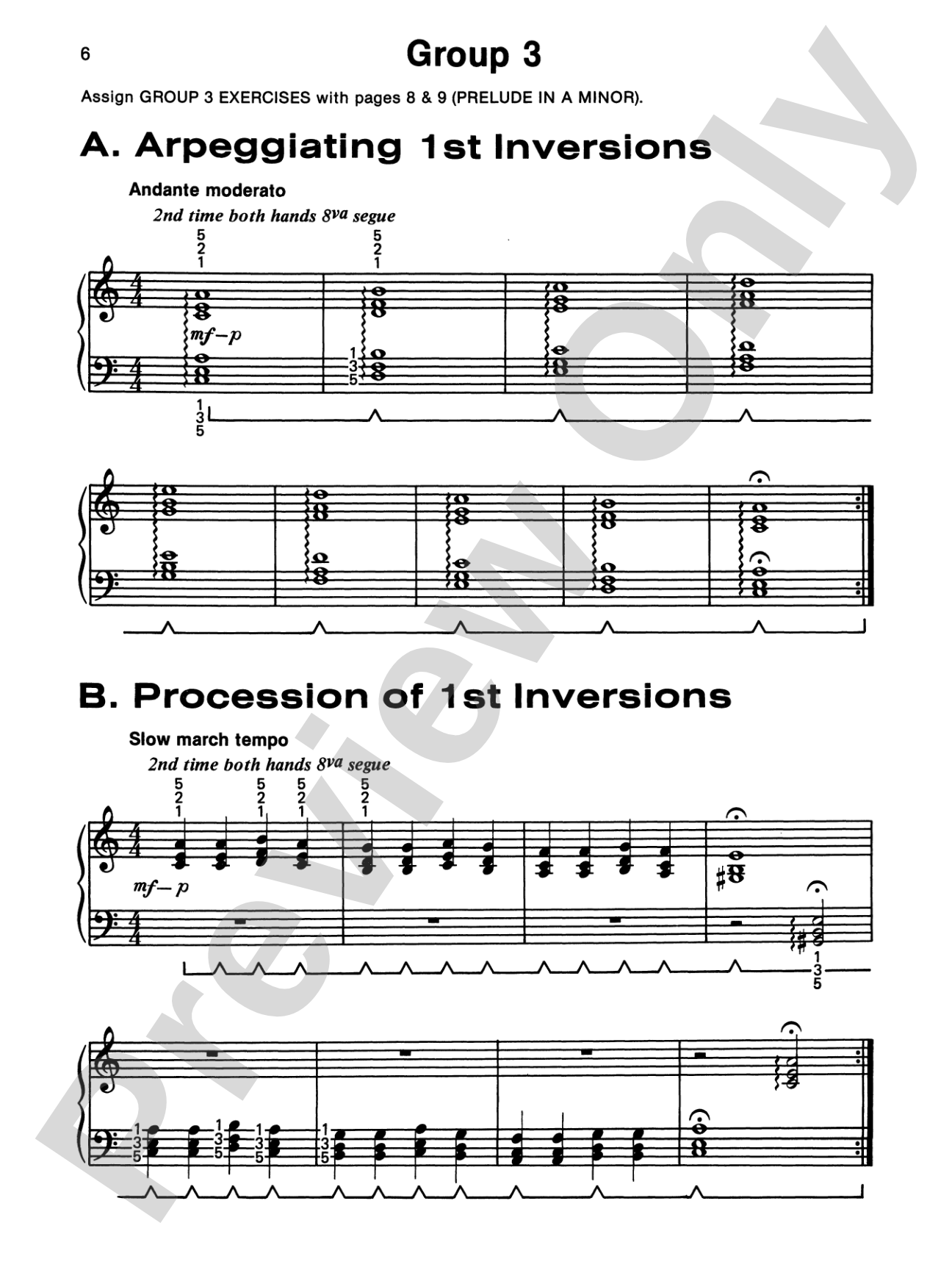
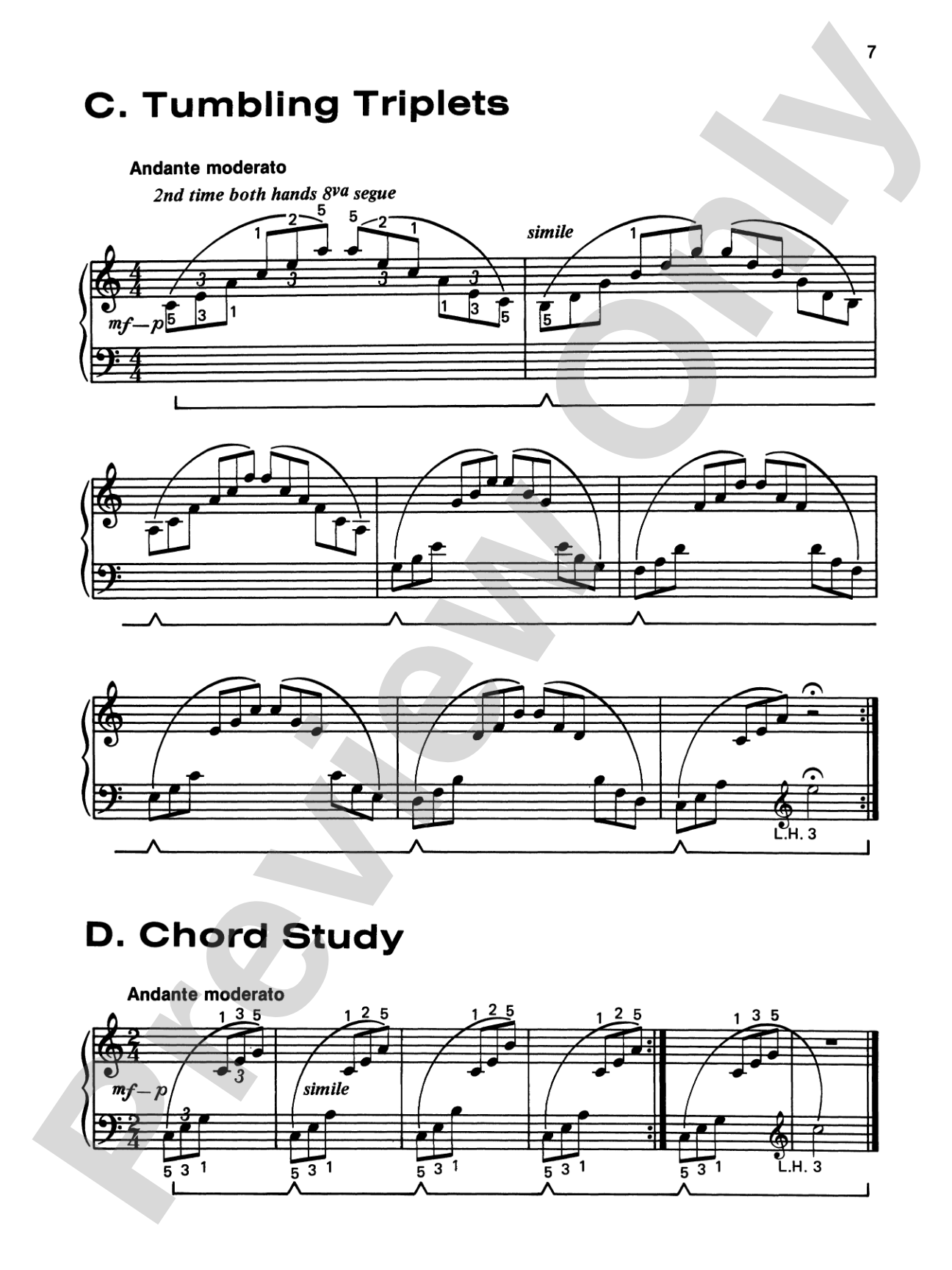
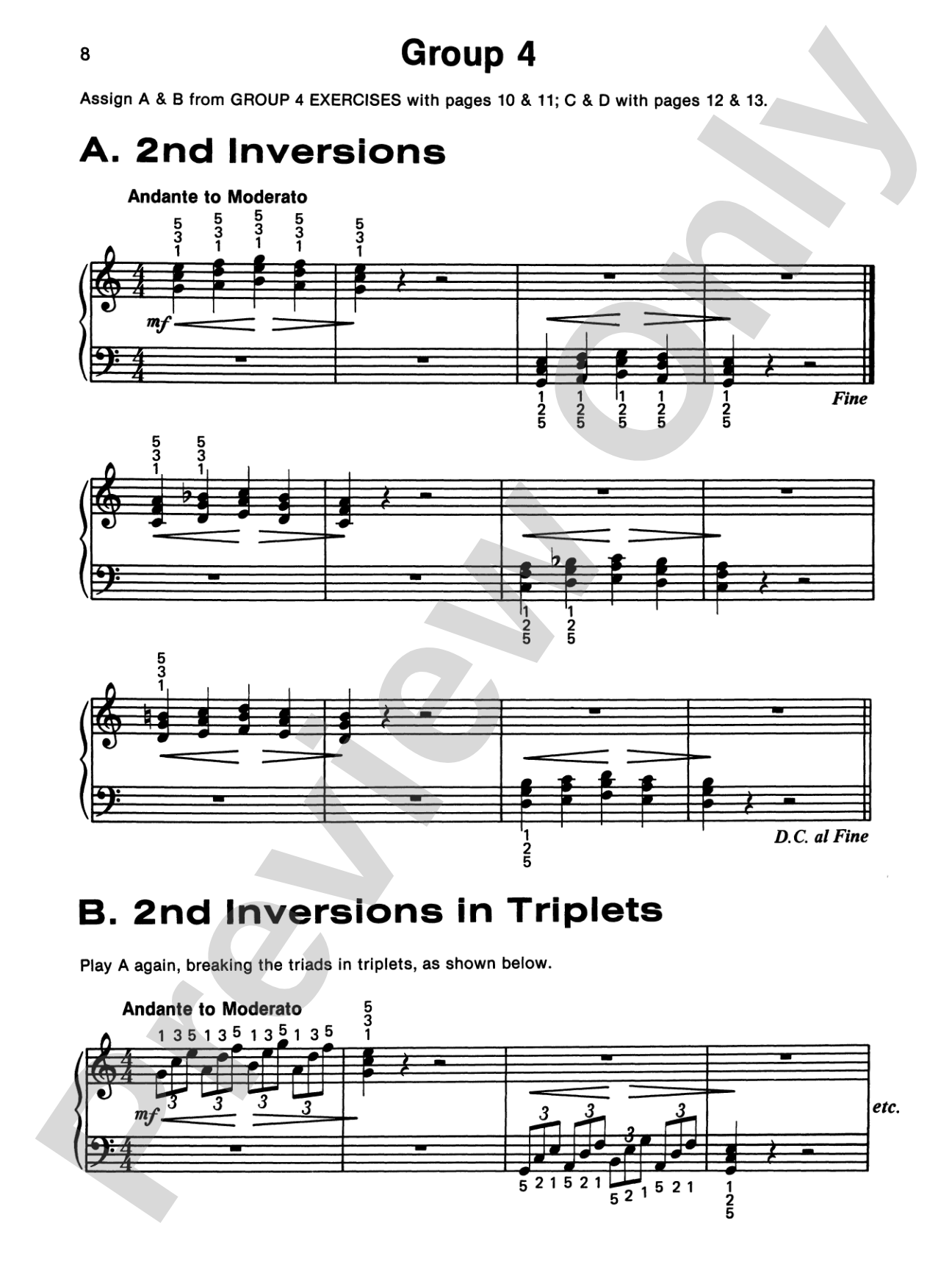
The Technic Books provide reading and rhythm drills and exercises perfectly paced with each Lesson Book in Alfred's Basic Piano Library to improve musicianship and develop coordination of the hands.
Discover MakeMusic Cloud: thousands of interactive titles your students can play along with today.
Willard A. Palmer established himself as a prolific composer and pedagogue whose output of nearly 800 published works spans multiple instruments and genres. His foundational training came from Mae Vardeman, a mentor who instilled in him both rigorous technique and the creative freedom to improvise. Palmer's early years included radio performances as a young pianist and accordionist, experiences that informed his later approach to practical, playable music education.
Palmer's scholarly reputation rests on decades of research into Baroque performance practice and ornamentation, work that earned him recognition as a leading international authority in the field. His tenure at the University of Houston, where he pioneered college-level accordion instruction, combined with his directorship of the Riemenschneider Bach Institute, positioned him uniquely to bridge historical knowledge and contemporary pedagogy. The Alfred Masterworks series stands as testament to his ability to translate scholarly insight into accessible repertoire for serious students.
Why we love this
This Technic Book matches the exact progression of Alfred's Lesson Book 4, so students encounter new technical demands at the precise moment they're ready to address them. Palmer's exercises build hand independence and coordination through purposeful drilling rather than busywork, which keeps young pianists engaged and measurably improves their reading and rhythmic accuracy. The pacing respects how beginners actually learn, layering complexity in ways that feel achievable rather than overwhelming.
What to expect
These exercises balance structure with variety. Drills feel purposeful rather than repetitive because Palmer varies the rhythmic and melodic contours while maintaining technical focus. Students experience genuine forward motion as they complete the book, with each section building on previous work.
Who it's for
Students in their first or second year of piano study using Alfred's Basic Piano Library deserve supplementary material that actually reinforces what they're learning. This Technic Book serves that purpose without requiring a separate purchase philosophy or pedagogical commitment from the teacher.
How to get the most out of it
Assign specific exercises from this book as homework in direct response to technical issues that arise during lesson book work; Palmer's organization makes it easy to target problem areas without starting from the beginning.
Have students complete at least one exercise daily before tackling new pieces from the Lesson Book; this warm-up approach establishes a routine that accelerates progress.
Play through exercises at a steady tempo with a metronome rather than gradually increasing speed; rhythmic accuracy matters more than velocity at this stage.
Rotate which exercises you emphasize based on the student's current repertoire; this keeps the Technic Book from feeling disconnected from their actual playing.
How to use it
Use this as the backbone of individual piano lesson preparation, assigning pages in sync with corresponding Lesson Book material. In group settings or classroom piano, these exercises work well as opening activity to assess rhythm reading and hand coordination before introducing new repertoire.
Skills your students will build
Reading in treble and bass clef with increasing independence
Rhythmic precision with mixed meter patterns appropriate to Level 4
Hand coordination and finger independence across the keyboard
Sight-reading fluency through systematic drill
Consistent practice habits and technique application
Dynamic control and articulation awareness
You May Also Like
Scan to Complete Your Purchase
Use your phone's camera to scan the code below
You'll log in on your phone and the order will be added to your account