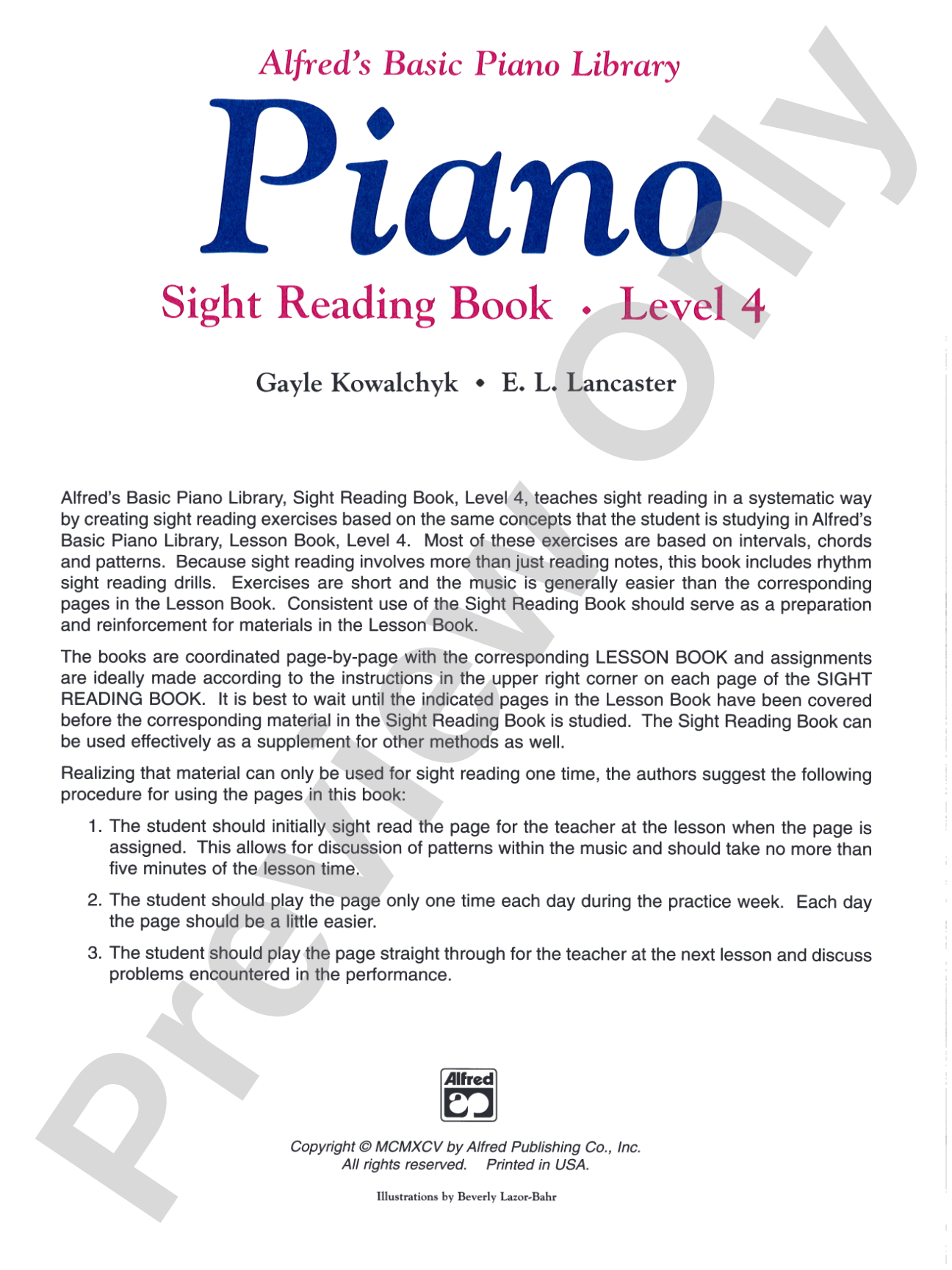
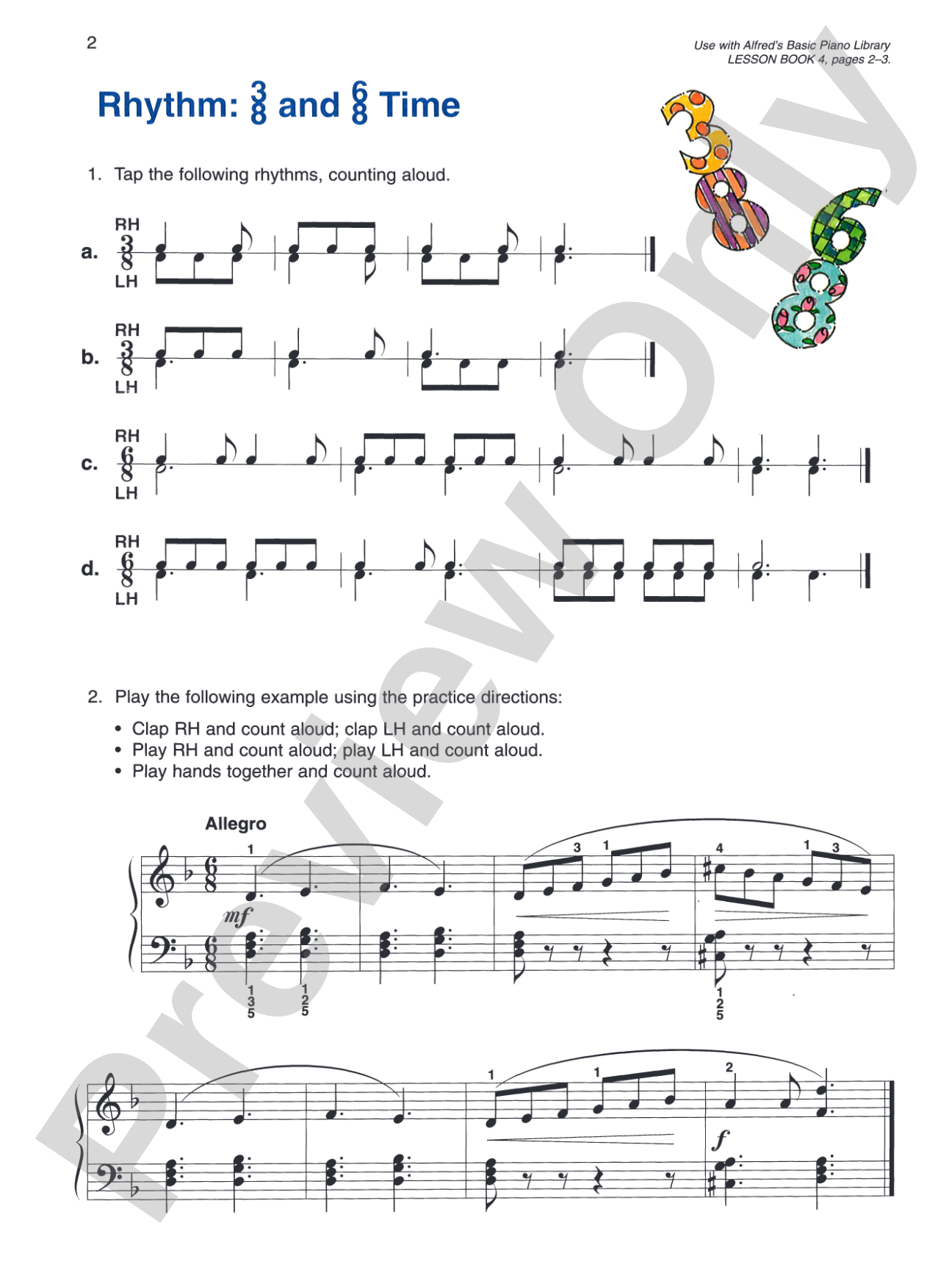
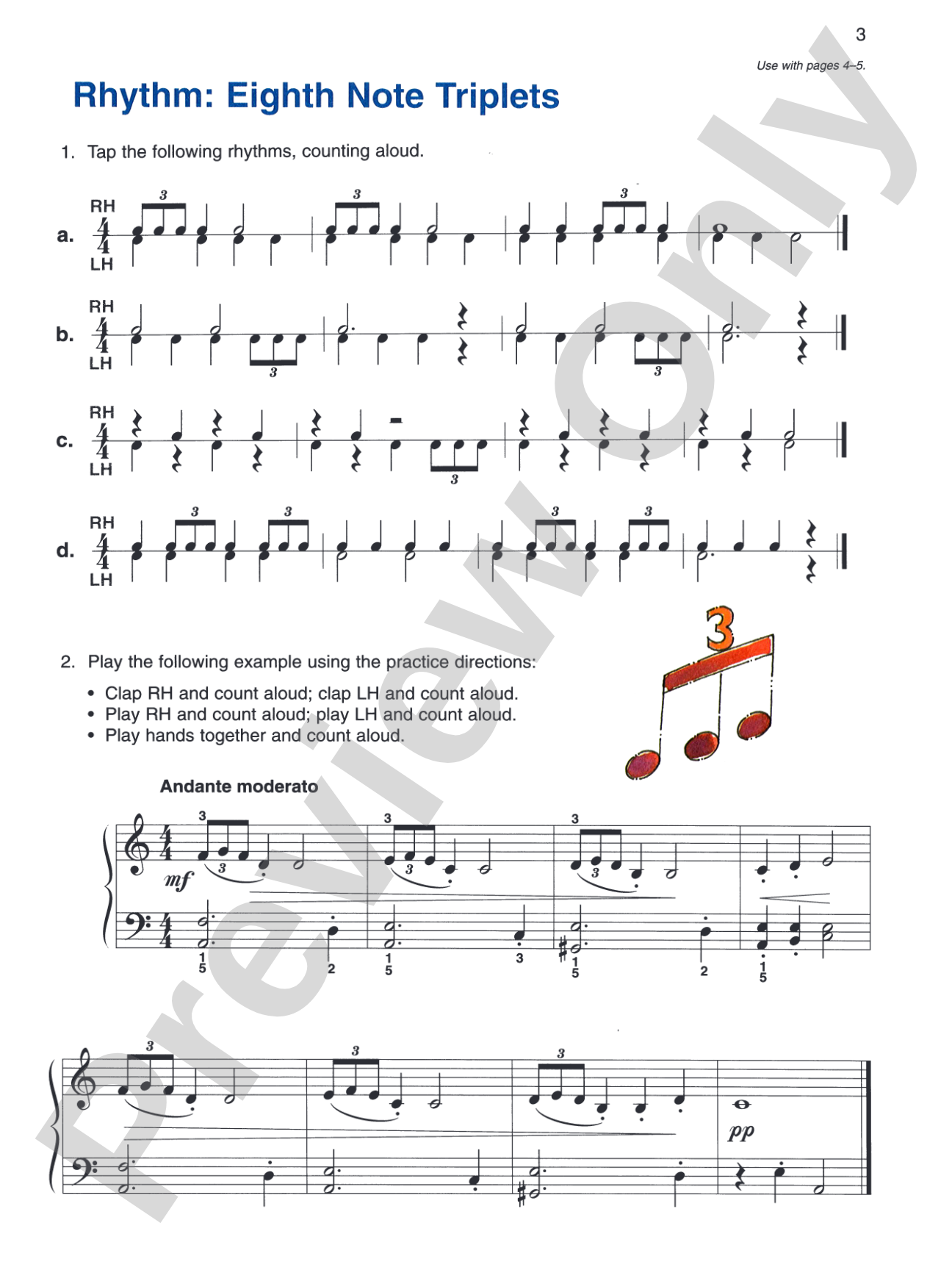
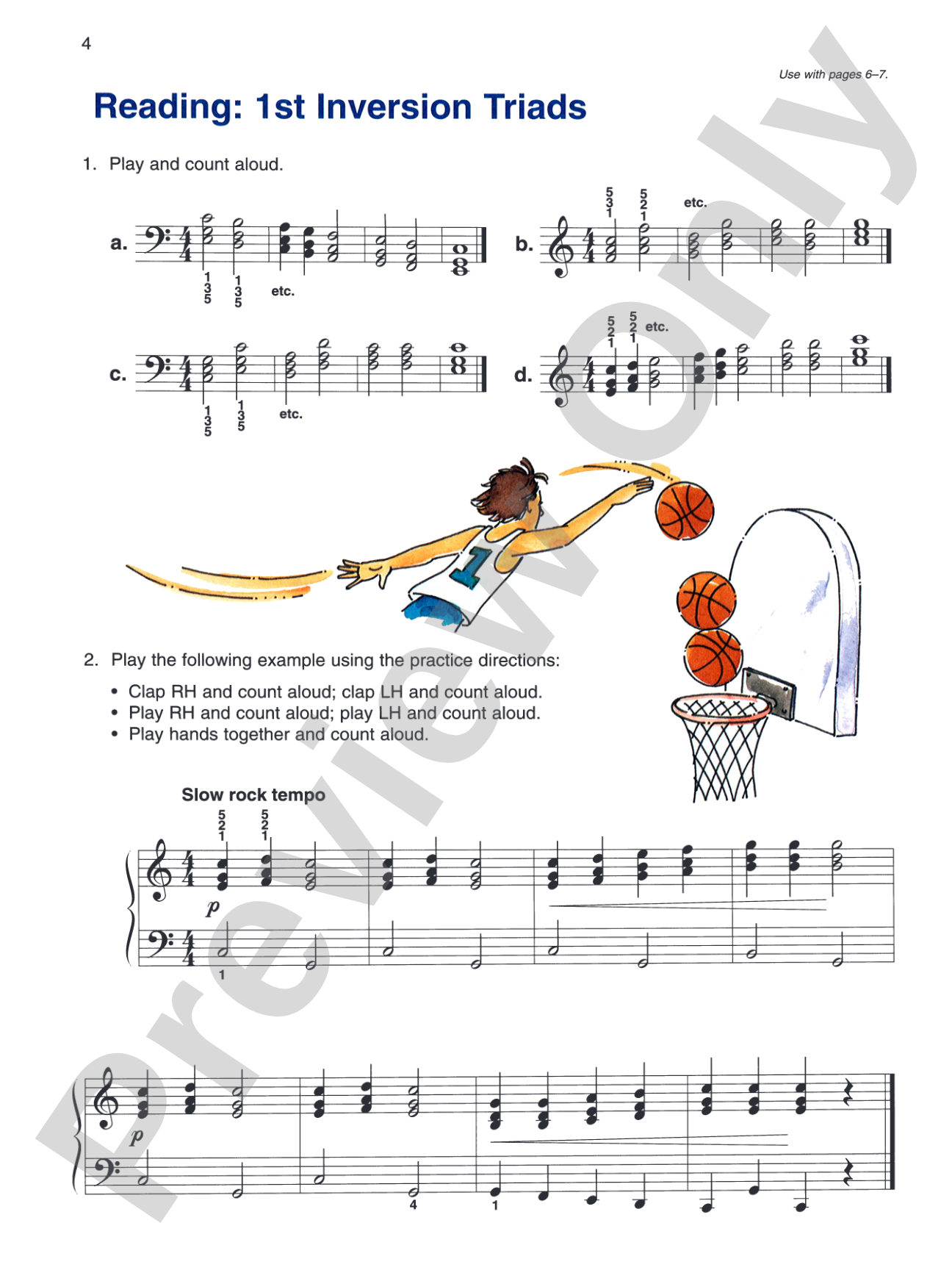
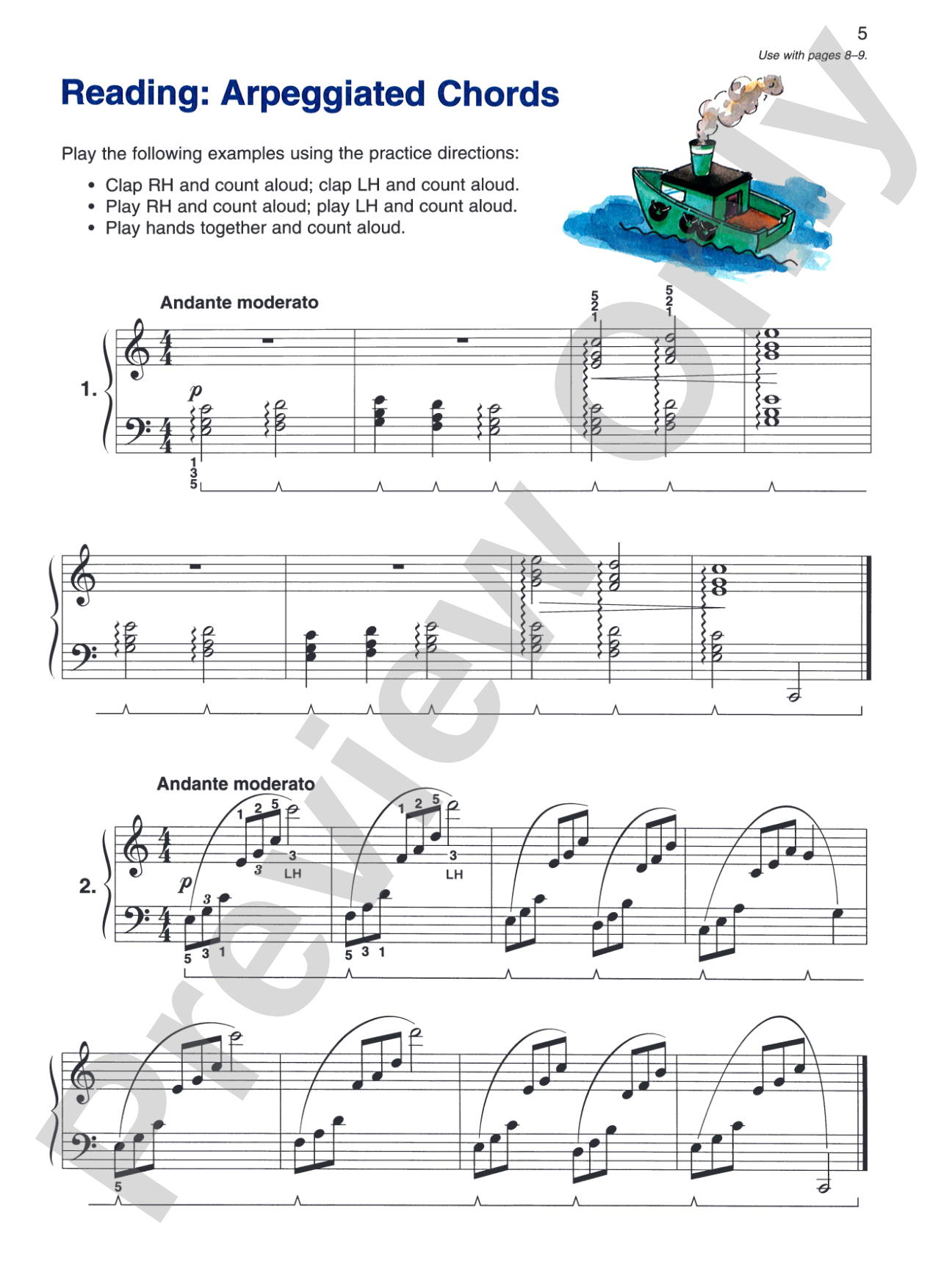
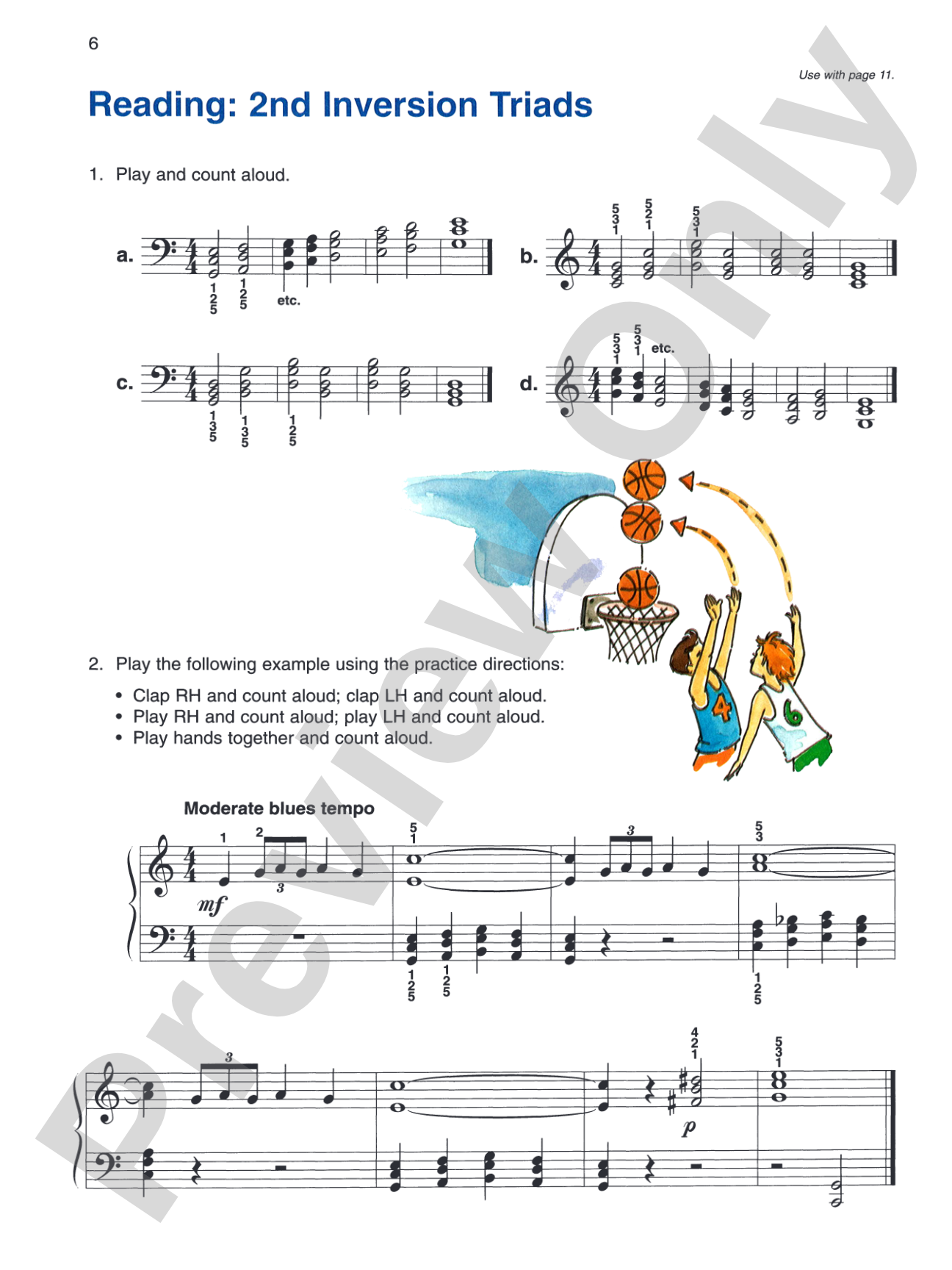
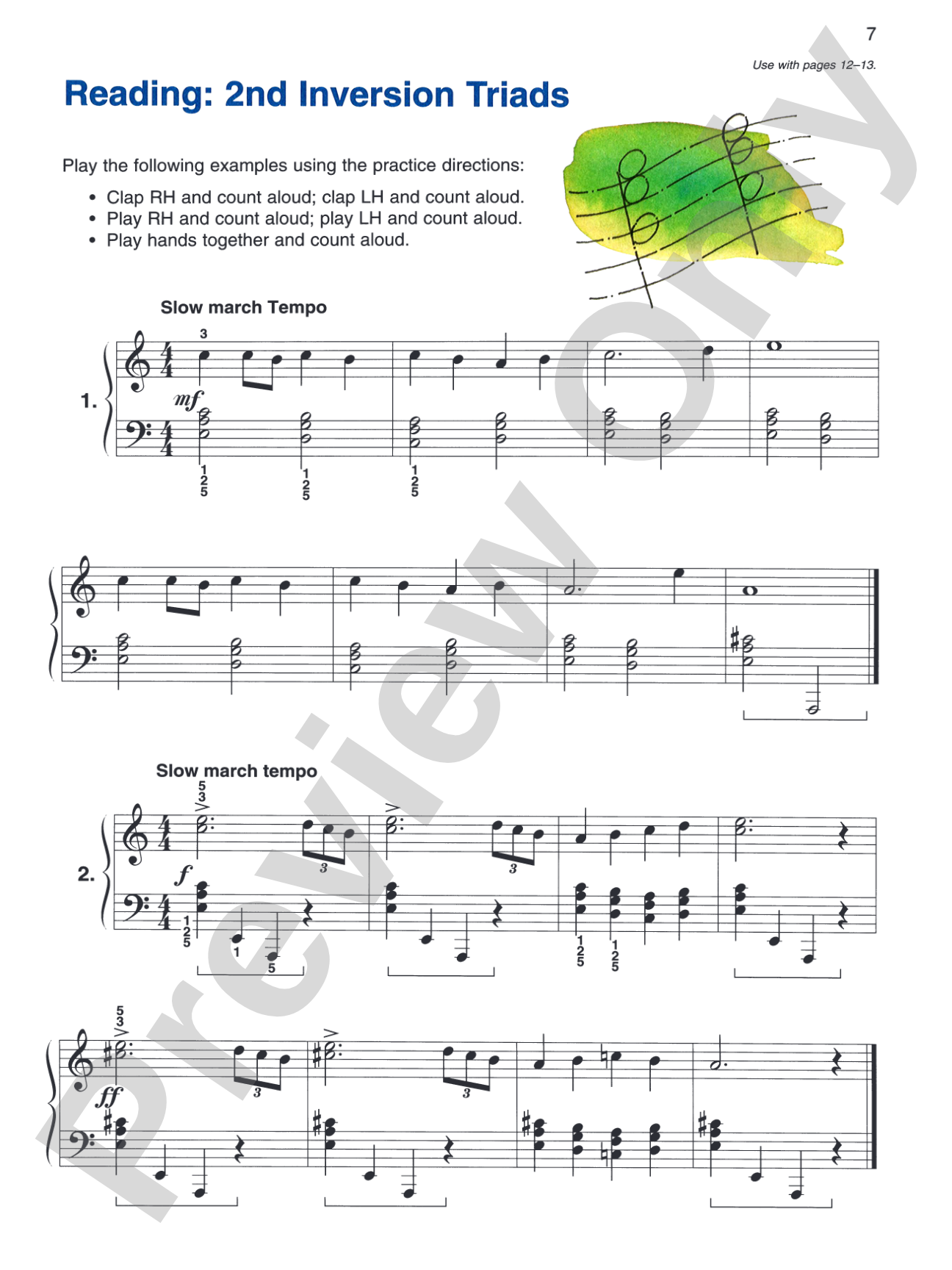
The Sight Reading Books teach sight reading in a systematic way by creating exercises based on the same concepts that students are studying in the Lesson Books. Also includes rhythm sight reading drills and improvisation exercises to develop tactile freedom on the keyboard. Exercises are short and the music is generally easier than the corresponding pages in the Lesson Book.
Discover MakeMusic Cloud: thousands of interactive titles your students can play along with today.
Dr. Gayle Kowalchyk brings decades of piano pedagogy expertise to every page she writes. A faculty member at California State University, Northridge, where she teaches class piano and piano pedagogy, she earned her degrees from Ohio University (piano performance), Northwestern University (piano performance and pedagogy), and Teachers College, Columbia University (Ed.D. in piano pedagogy). Her career spans teaching at multiple universities, directing preparatory programs, and presenting at major national conferences including MTNA, MENC, and the World Piano Pedagogy Conference.
In collaboration with her husband, Dr. E. L. Lancaster, Kowalchyk has authored over 300 educational piano works, including the Alfred's Premier Piano Course and Music for Little Mozarts series. Her approach to pedagogy comes from real classroom experience: she and Lancaster maintained an independent studio in Norman, Oklahoma for fifteen years, teaching students of all ages and skill levels. Today she serves as a clinician for Alfred Music, ensuring that her materials reflect current best practices in piano instruction.
Why we love this
This book arrives at exactly the right moment in a student's development, when sight reading must shift from novelty to habit. Rather than generic exercises, Kowalchyk and Lancaster build every single exercise around concepts the student is actively learning in the Lesson Book, creating genuine reinforcement instead of busywork. The inclusion of rhythm drills and improvisation work means students aren't just reading notes; they're building the tactile confidence and musical independence that separates competent readers from musicians.
What to expect
These exercises breathe the ease of discovery. The music is deliberately lighter than the corresponding Lesson Book pages, which means students experience immediate success and build confidence before tackling the harder material they'll encounter in the next lesson.
Who it's for
Students working through Level 4 of Alfred's Basic Piano Library who need systematic practice reading new materials without the complexity of full lesson pieces. Teachers seeking coordinated exercises that reinforce exactly what's being taught in the student's primary method book will find a ready solution here.
How to get the most out of it
Keep each sight reading session short. Students retain more from three focused exercises than from plowing through a dozen while fatigue sets in.
Encourage students to play the rhythm drills without looking at their hands. This builds aural awareness and reduces dependency on visual tracking.
Use the improvisation exercises to celebrate musical discovery rather than correctness. Let students hear what happens when they apply reading skills to their own musical choices.
Pair a new concept from the Lesson Book with its corresponding sight reading exercise within the same week. The connection solidifies faster when the context is fresh.
How to use it
Assign one or two exercises each week during the same lesson in which a new concept appears in the Lesson Book. The rhythm drills work well as warm-up material, while improvisation exercises can close a lesson on a playful note and help students carry their learning beyond the page.
Skills your students will build
Sight reading fluency at Level 4 difficulty
Recognition of rhythmic patterns across different time signatures
Keyboard geography and hand position awareness
Improvisation using learned technical concepts
Confidence reading unfamiliar material without preparation
You May Also Like
Scan to Complete Your Purchase
Use your phone's camera to scan the code below
You'll log in on your phone and the order will be added to your account