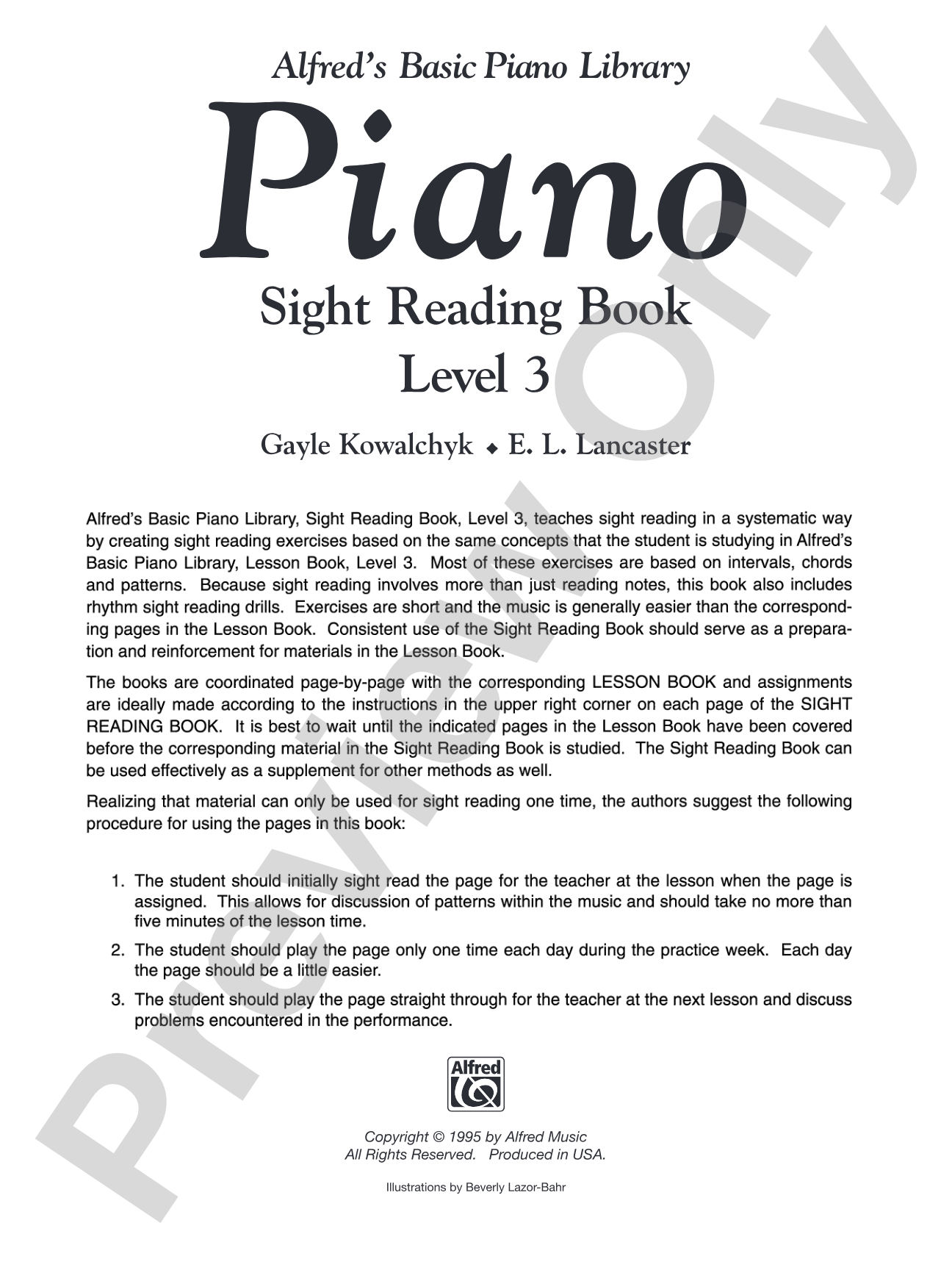
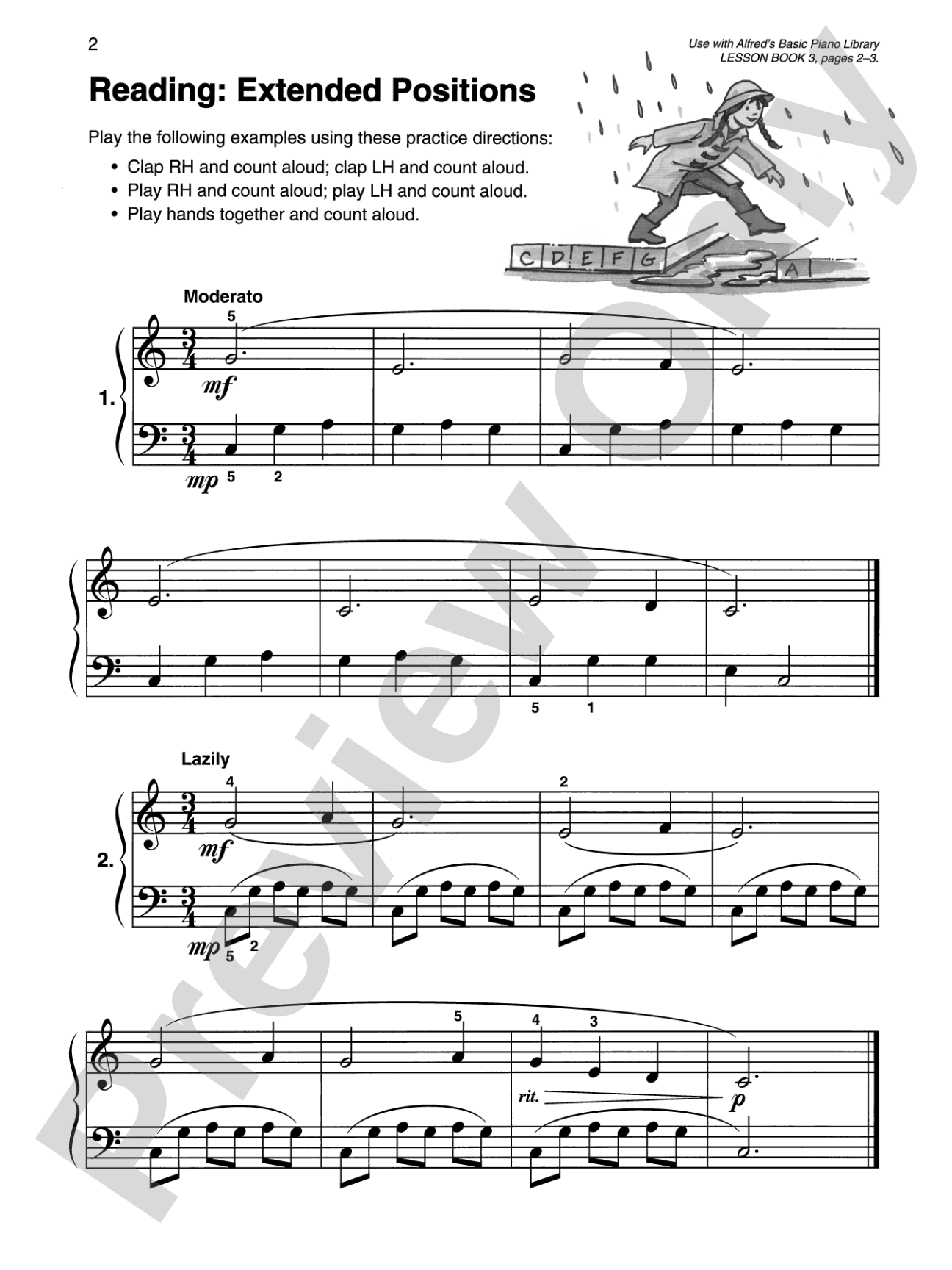
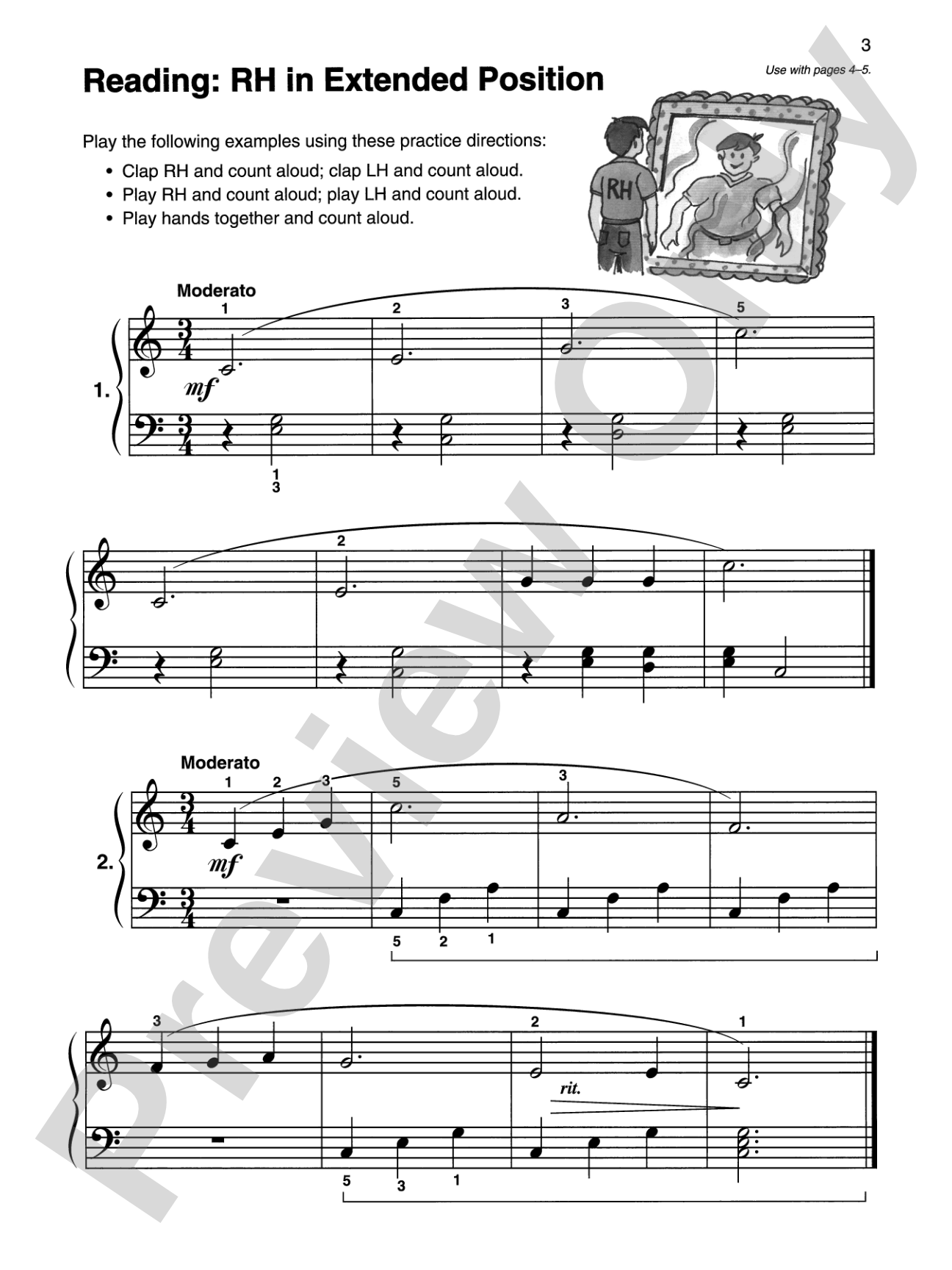
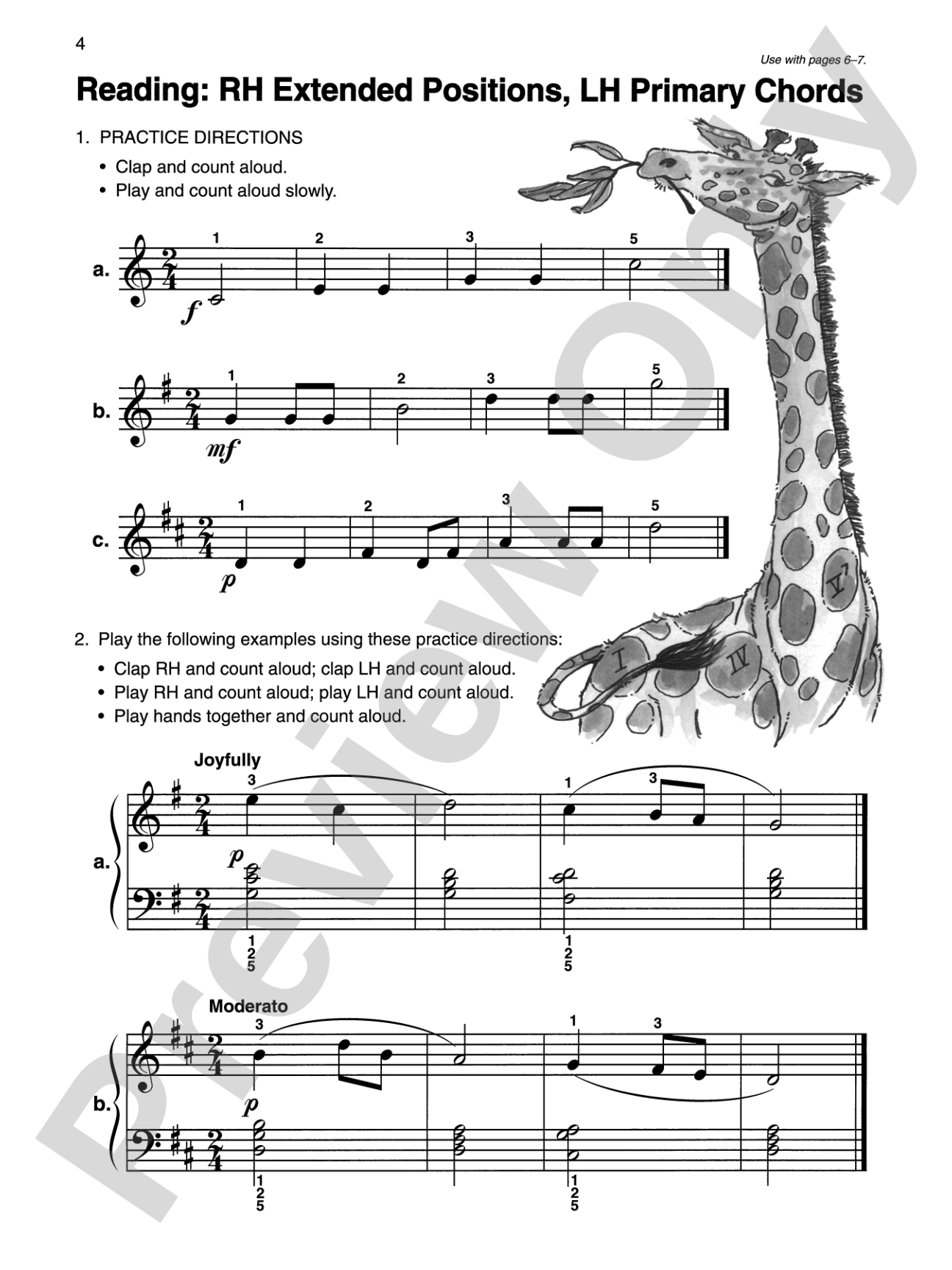
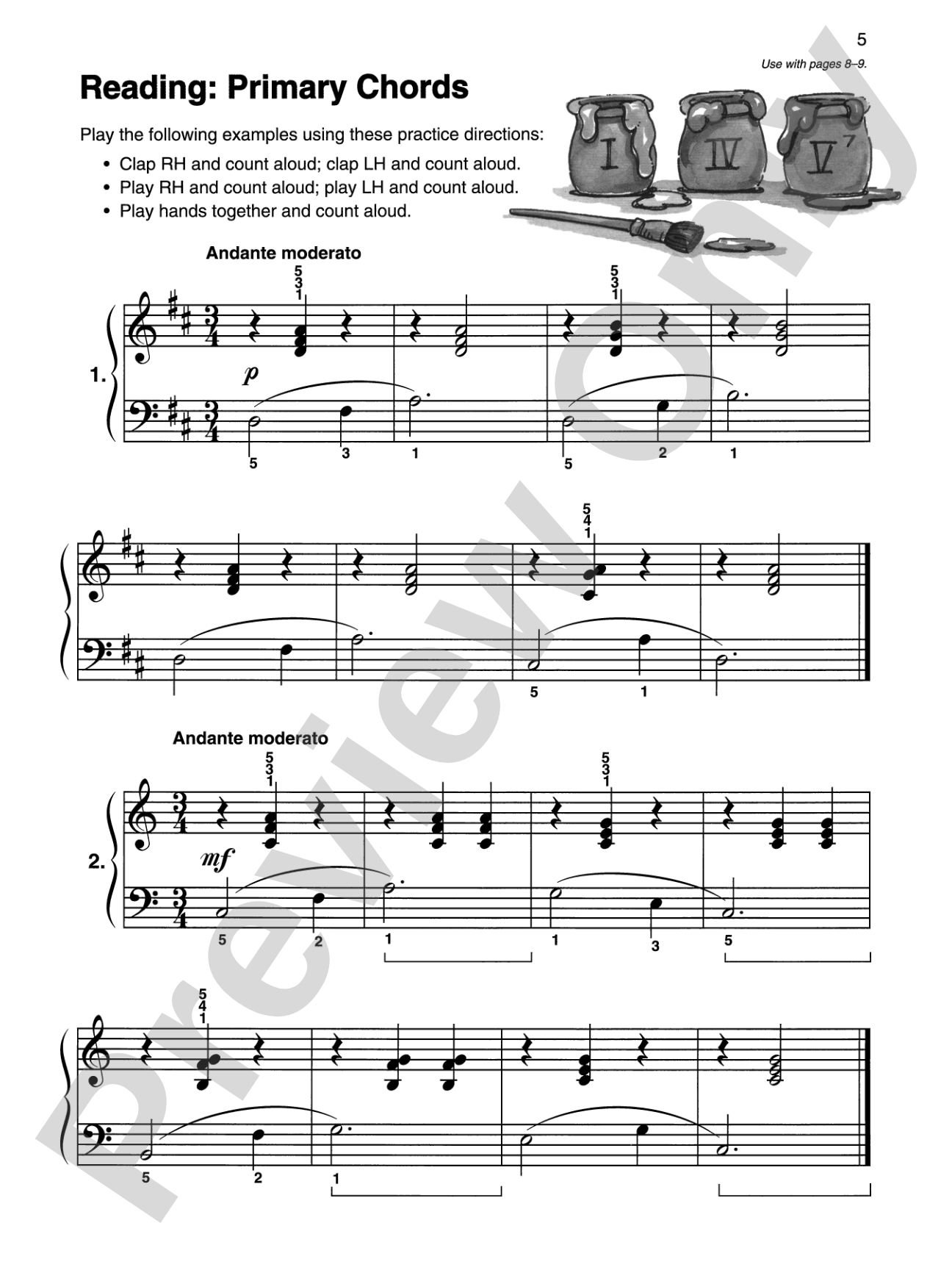
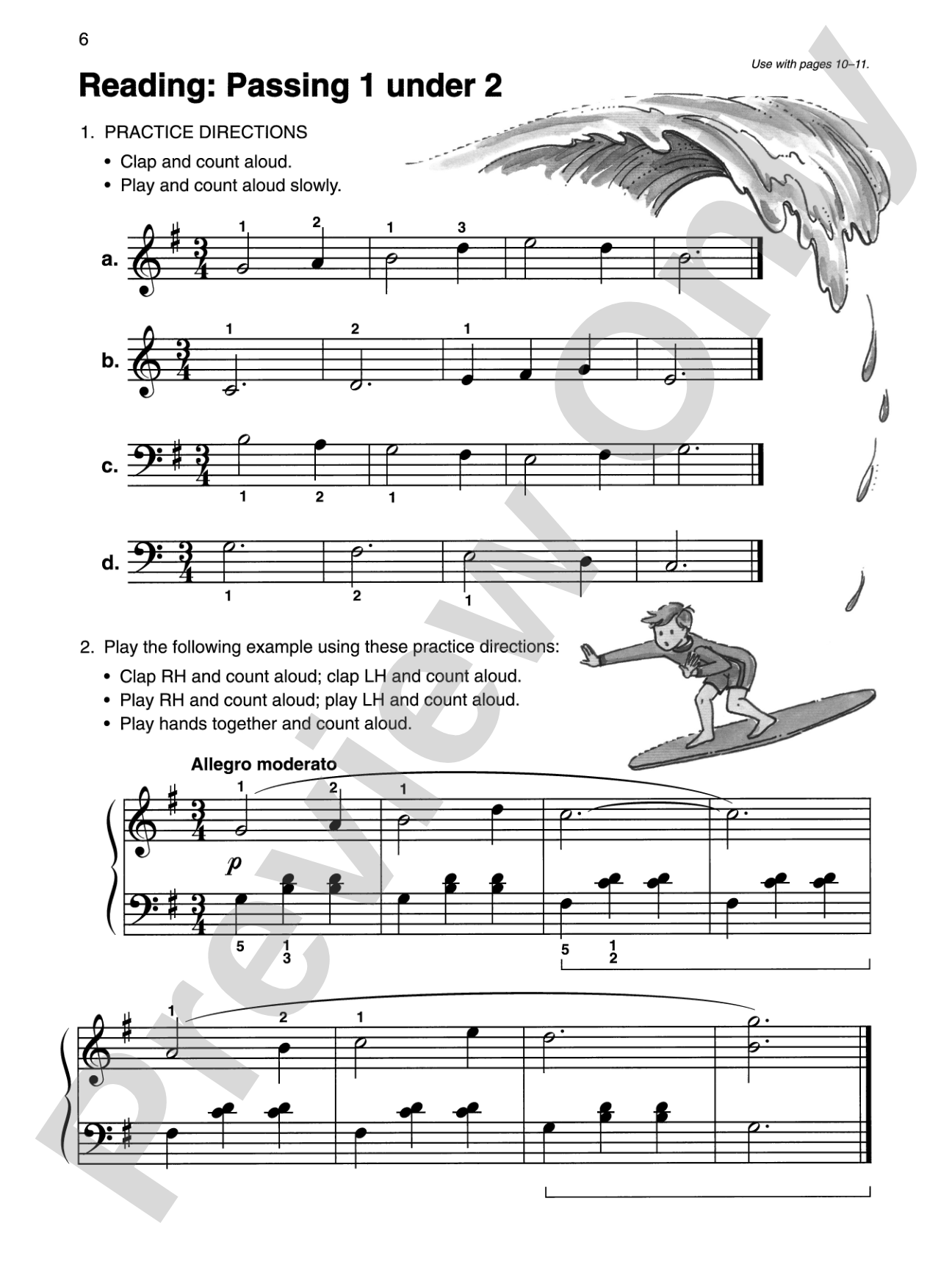
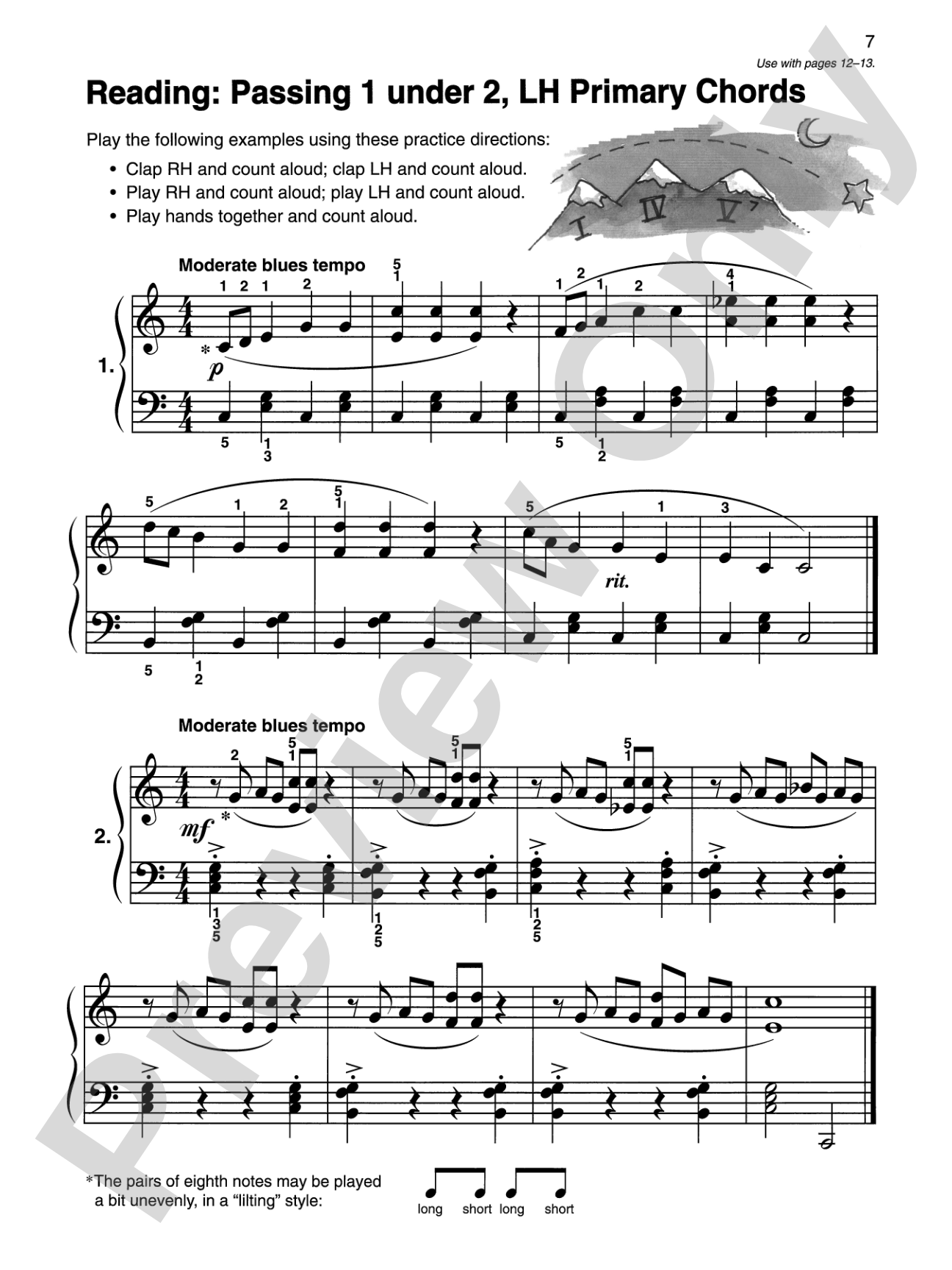
The Sight Reading Books teach sight reading in a systematic way by creating exercises based on the same concepts that students are studying in the Lesson Books. Also includes rhythm sight reading drills and improvisation exercises to develop tactile freedom on the keyboard. Exercises are short and the music is generally easier than the corresponding pages in the Lesson Book.
Discover MakeMusic Cloud: thousands of interactive titles your students can play along with today.
Dr. Gayle Kowalchyk serves as instructor of class piano, piano, and piano pedagogy at California State University, Northridge. Her training spans three decades of rigorous study: a piano performance degree from Ohio University (1977), advanced work in piano performance and pedagogy from Northwestern University (1979), and a doctorate in piano pedagogy from Teachers College, Columbia University (1989). Before her current position, she directed the piano preparatory program and coordinated class piano instruction at Eastern Illinois University while also teaching graduate pedagogy seminars.
Kowalchyk's influence extends far beyond the university classroom. She spent summers at the National Music Camp in Interlochen teaching ensemble and class piano, and has held faculty appointments at Oklahoma Baptist University and the University of Oklahoma. A sought-after clinician and adjudicator, she regularly presents at national conferences including MTNA, MENC, and the World Piano Pedagogy Conference. Working alongside her husband, E. L. Lancaster, she has authored over 300 educational piano books, among them Alfred's Premier Piano Course and Music for Little Mozarts. From 1981 to 1996, the couple operated their own piano studio in Norman, Oklahoma, teaching students across all age groups and levels.
Why we love this
The exercises align precisely with what students encounter in their Lesson Books, eliminating the disconnect that often plagues sight reading practice. Short, manageable exercises keep focus sharp and build confidence quickly, while the integrated rhythm drills and improvisation work develop the kind of tactile confidence that separates fluent readers from hesitant ones.
What to expect
Focused and purposeful. These are working pages, stripped of distraction, designed to build real competence one exercise at a time. The rhythm drills add variety and keep practice sessions brisk.
Who it's for
Students in their third year of Alfred's Basic Piano Library instruction who are developing independent reading skills and need systematic reinforcement. Teachers looking for daily sight reading work that mirrors lesson content without requiring lengthy preparation.
How to get the most out of it
Set a steady tempo before beginning each exercise and maintain it for the full page, even if students stumble. Recovery and forward motion matter more than perfection.
Rotate between cold sight reading (no preparation) and prepared reading so students experience both the challenge and the reward of improvement.
Use the improvisation exercises as a reward and a bridge between reading and playing, letting students feel the keyboard under their fingers without the pressure of note names.
How to use it
Assign five to ten minutes of sight reading from this book at the start of weekly lessons, pairing it with the corresponding Lesson Book material for that week. The short format works well as homework assignments between lessons or as warm-up material for group piano classes.
Skills your students will build
Reading and executing melodies with consistent accuracy across multiple registers
Sight reading rhythm patterns in simple and compound meters
Identifying and responding to key signatures and accidentals without hesitation
Improvising simple melodies and accompaniments using learned fingering patterns
Maintaining steady tempo while decoding new notation on the page
You May Also Like
Scan to Complete Your Purchase
Use your phone's camera to scan the code below
You'll log in on your phone and the order will be added to your account