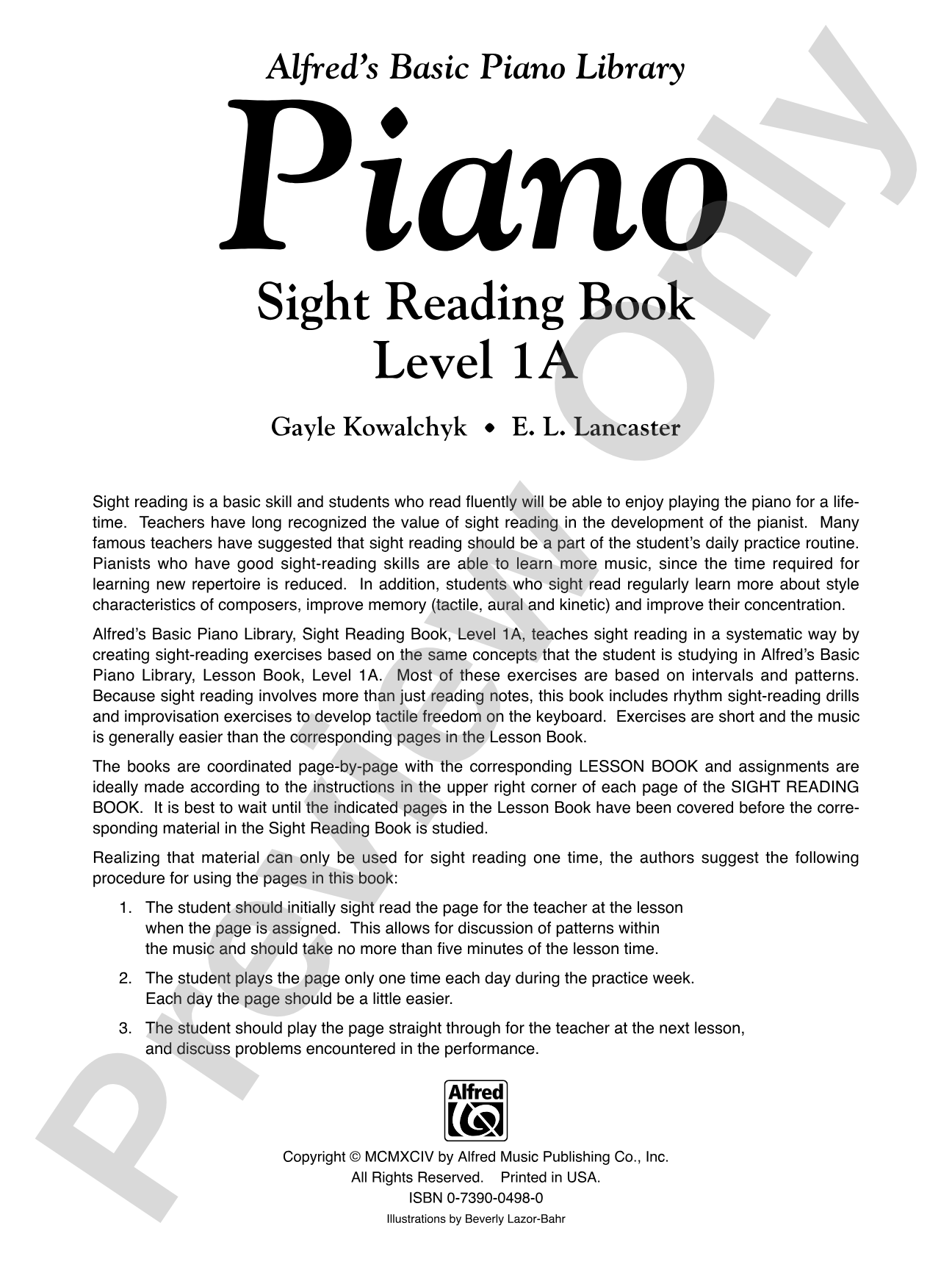
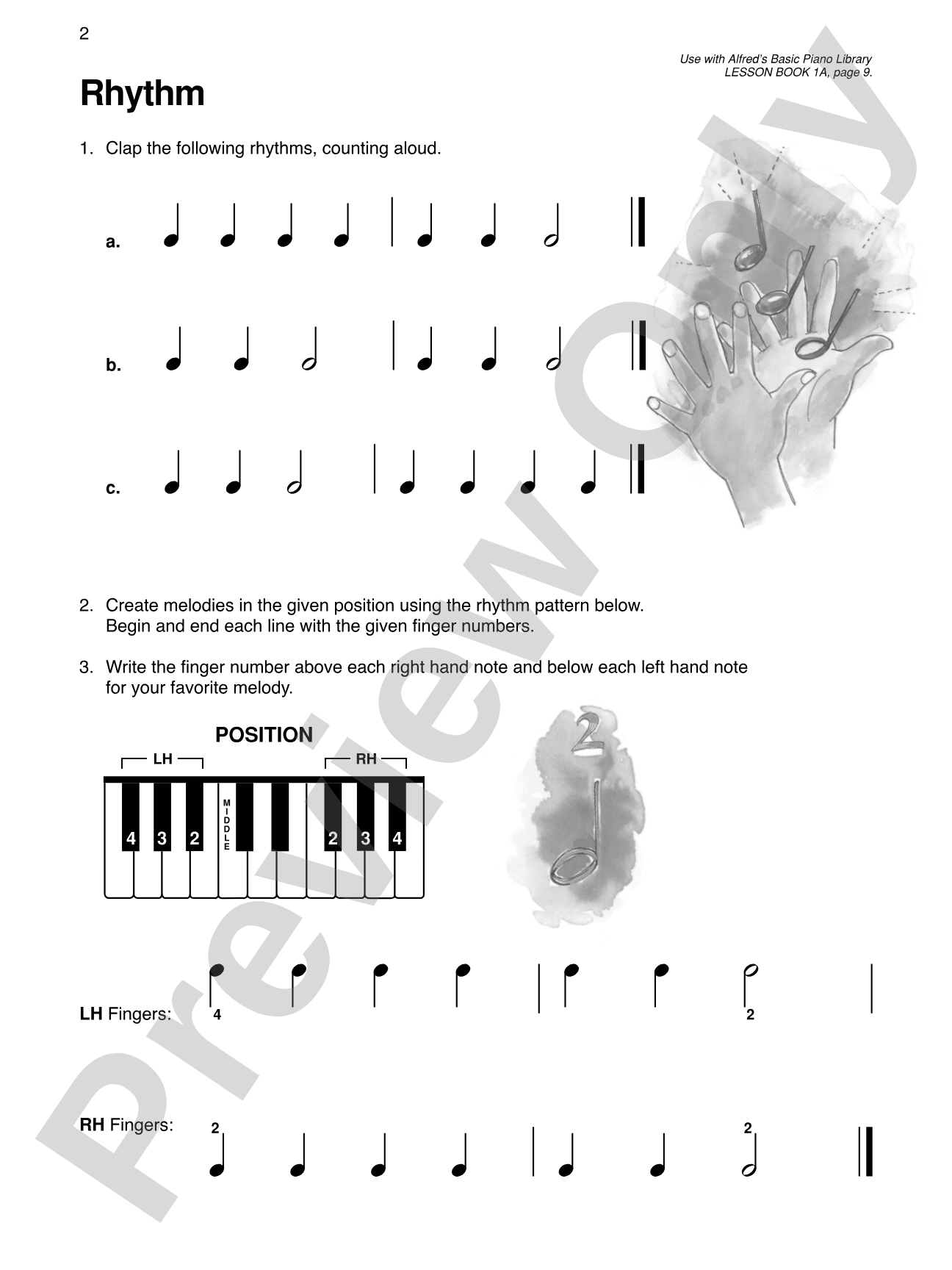
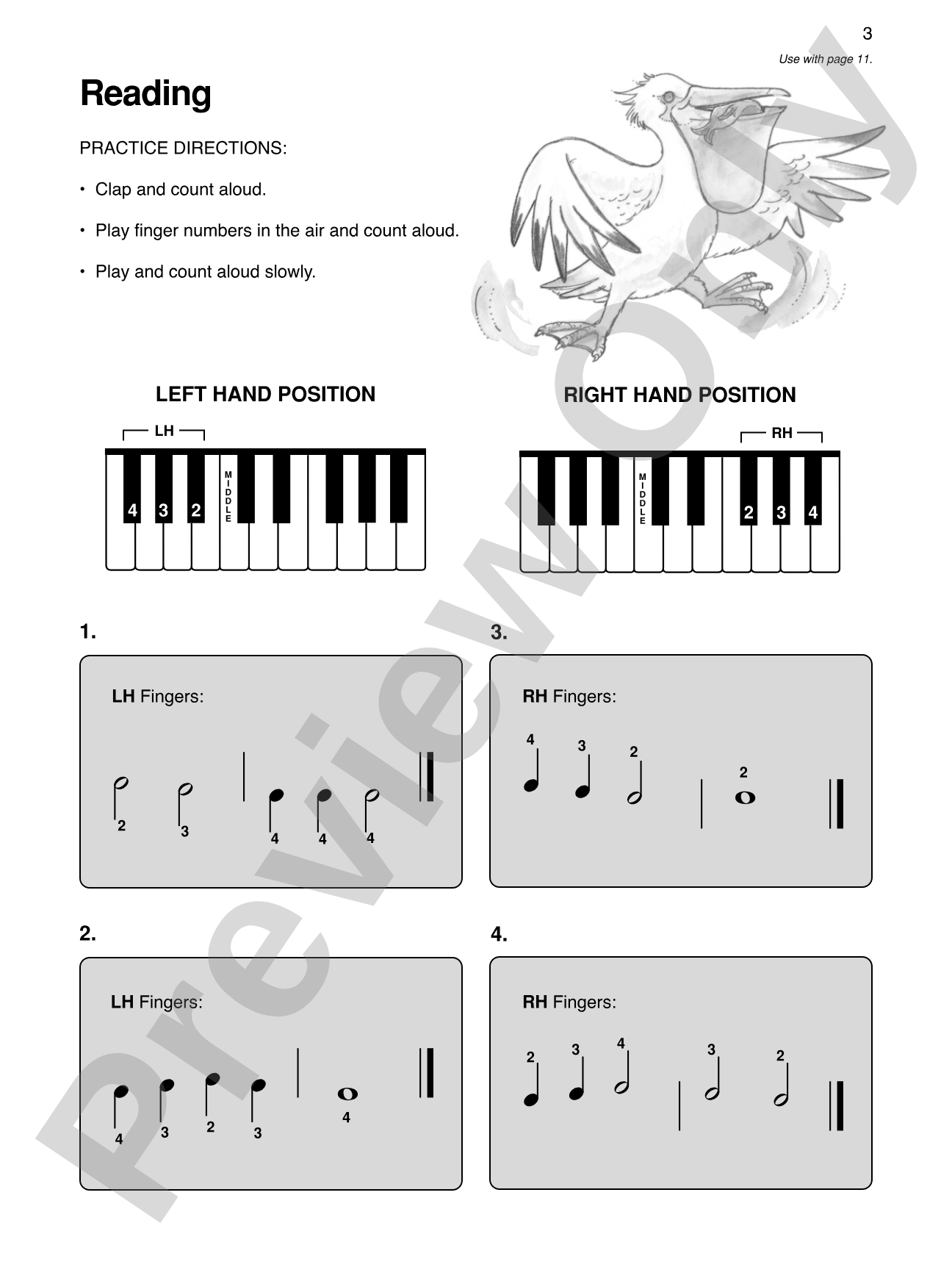
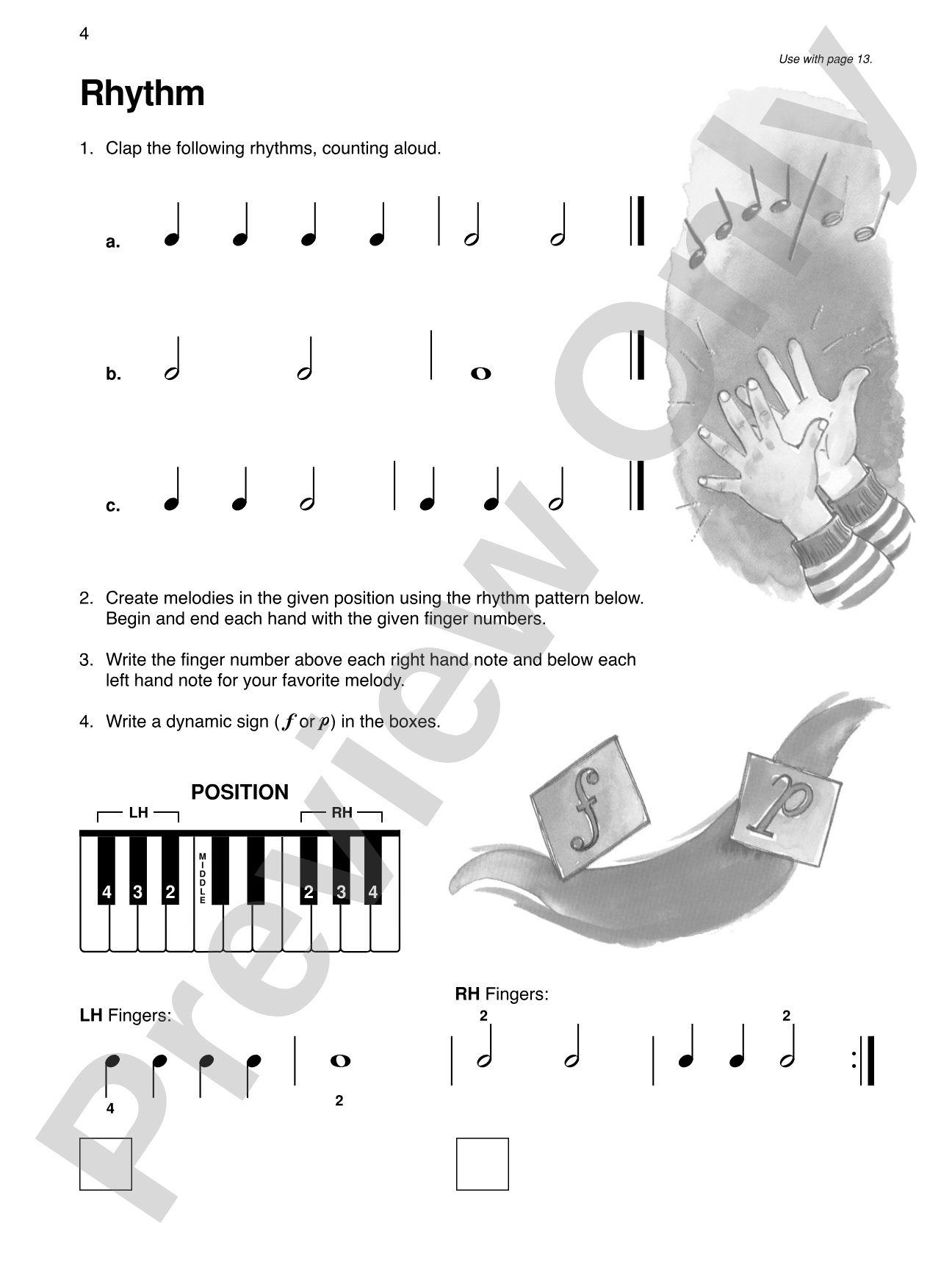
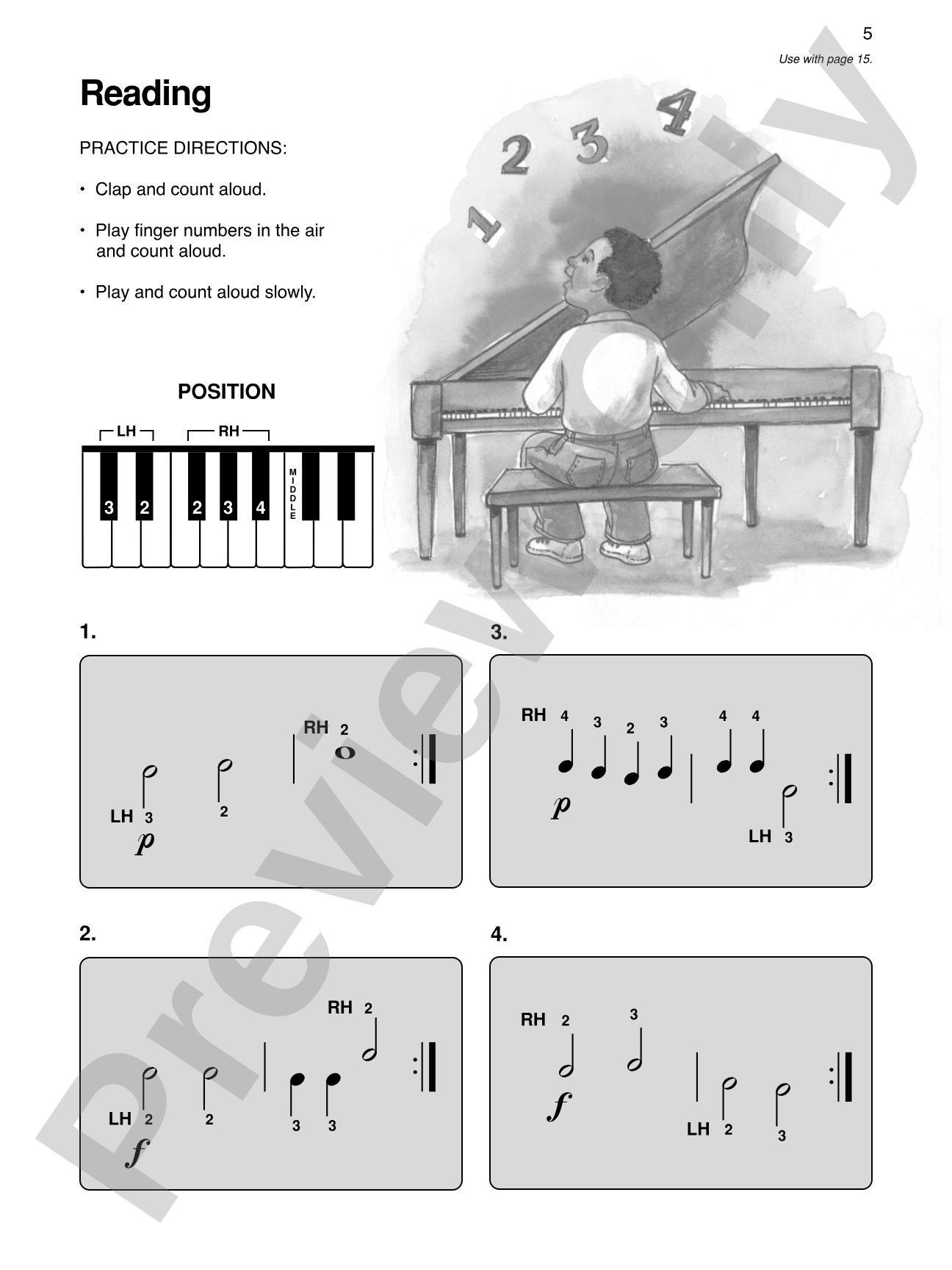
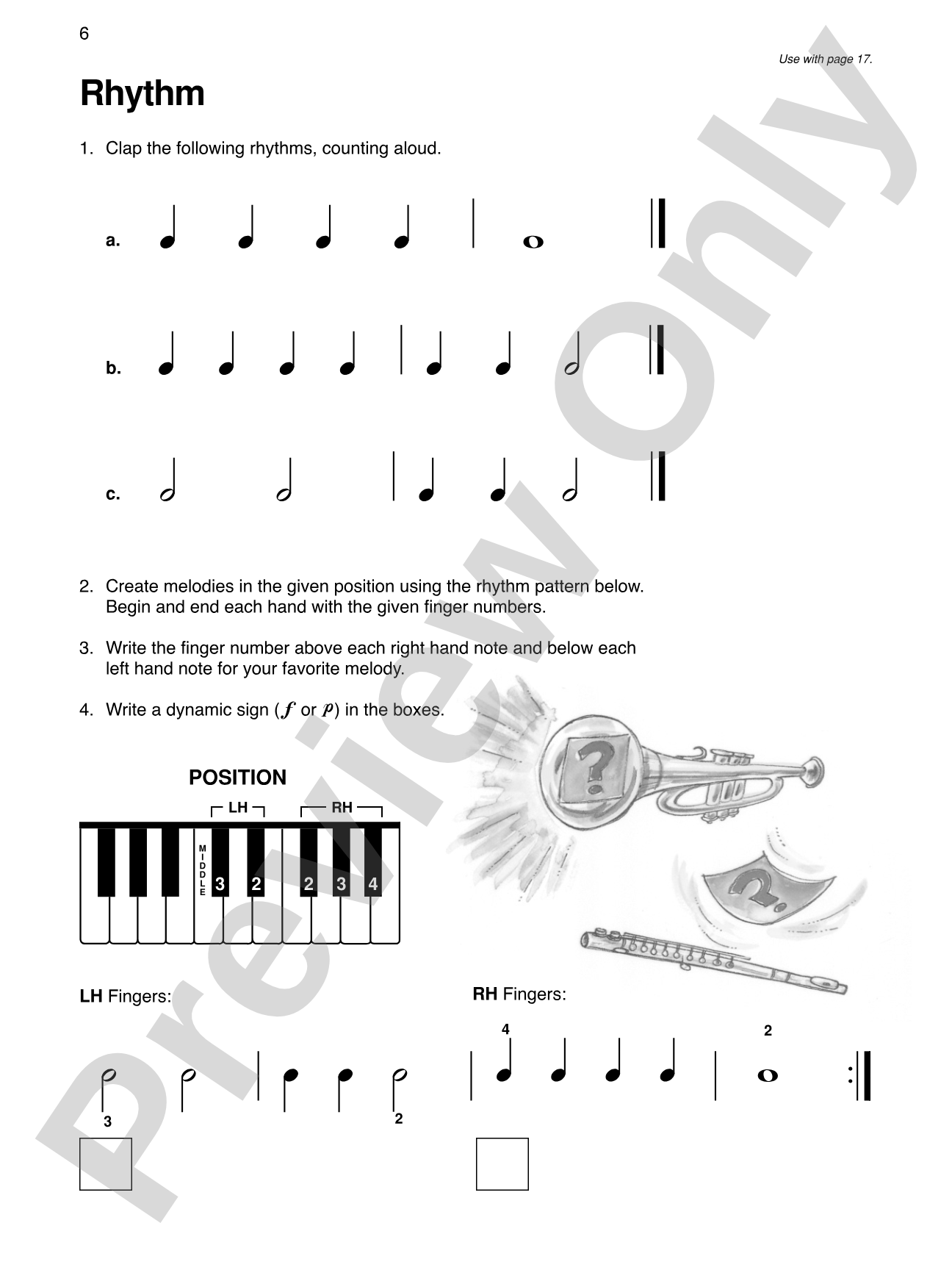
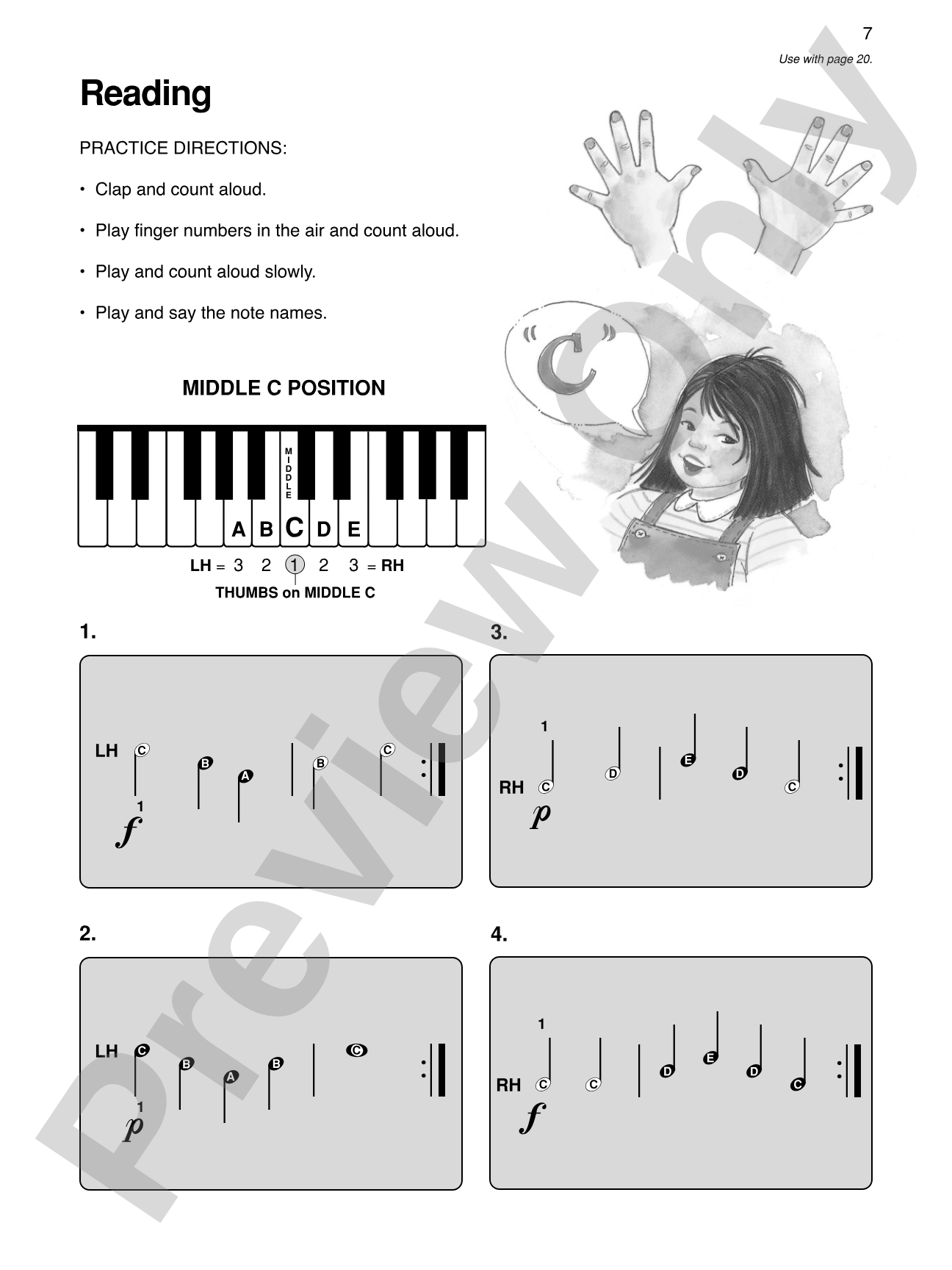
The Sight Reading Books teach sight reading in a systematic way by creating exercises based on the same concepts that students are studying in the Lesson Books. Also includes rhythm sight reading drills and improvisation exercises to develop tactile freedom on the keyboard. Exercises are short and the music is generally easier than the corresponding pages in the Lesson Book.
Discover MakeMusic Cloud: thousands of interactive titles your students can play along with today.
Dr. Gayle Kowalchyk brings decades of pedagogical expertise to piano education at California State University, Northridge, where she teaches piano, class piano, and piano pedagogy. Her academic preparation spans performance studies at Ohio University and Northwestern University, alongside an Ed.D. in piano pedagogy from Teachers College, Columbia University. She has held faculty positions at Eastern Illinois University, Oklahoma Baptist University, and the University of Oklahoma, and spent summers teaching at the National Music Camp in Interlochen.
A prolific author and frequent presenter at major music education conferences, Dr. Kowalchyk co-creates educational materials with her husband, Dr. E. L. Lancaster. Together they have authored over 300 piano books, including Alfred's Premier Piano Course and Music for Little Mozarts. Her work as a clinician for Alfred Music reflects her commitment to translating research-based pedagogy into practical classroom and studio resources.
Why we love this
This book solves the real challenge of independent sight reading practice: short, focused exercises that mirror exactly what students are working on in their Lesson Book without overwhelming them. The rhythm drills and improvisation activities give students tactile confidence at the keyboard, which is especially valuable for younger pianists still building comfort with the physical layout.
What to expect
Manageable and encouraging. Every exercise feels achievable rather than punishing, making daily practice feel like progress rather than struggle. The improvisation sections inject genuine musical creativity into the early stages of learning.
Who it's for
Students in their first year of piano study who are working through Alfred's Basic Piano Library Lesson Book 1A. This book pairs directly with their lesson materials, reinforcing the exact concepts they are learning in real time.
How to get the most out of it
Start each practice session with one or two rhythm drills before moving to the notated exercises. This primes the student's internal pulse and sharpens their rhythmic accuracy.
Rotate between different types of exercises within a single practice period. Alternating between sight reading passages and improvisation activities keeps engagement high and reduces fatigue.
Use the shorter length of each exercise to your advantage: encourage the student to complete a page without stopping, building fluency and confidence in continuous reading.
How to use it
Assign one or two pages weekly alongside the corresponding Lesson Book assignments. The rhythm drills work particularly well as a five-minute warm-up at the start of each lesson, while the improvisation exercises can serve as a spontaneous exploration activity when a student has successfully completed the day's assigned work.
Skills your students will build
Reading simple note combinations introduced in Lesson Book 1A
Rhythm recognition and accuracy through isolated drill work
Visual tracking of staff positions without hesitation
Keyboard tactile awareness through improvisation and pattern exploration
Sight reading independence and confidence in approaching unfamiliar material
You May Also Like
Scan to Complete Your Purchase
Use your phone's camera to scan the code below
You'll log in on your phone and the order will be added to your account