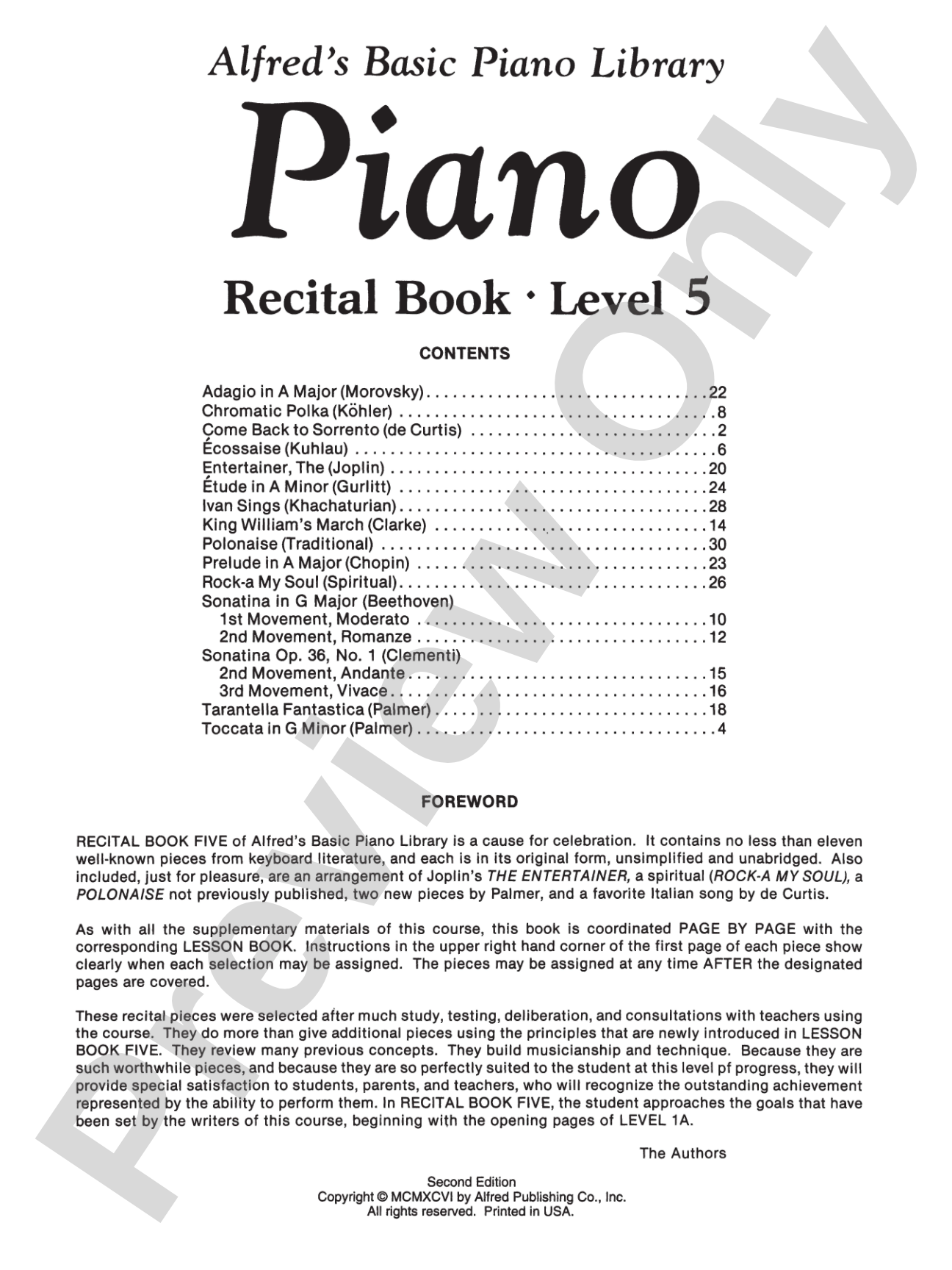
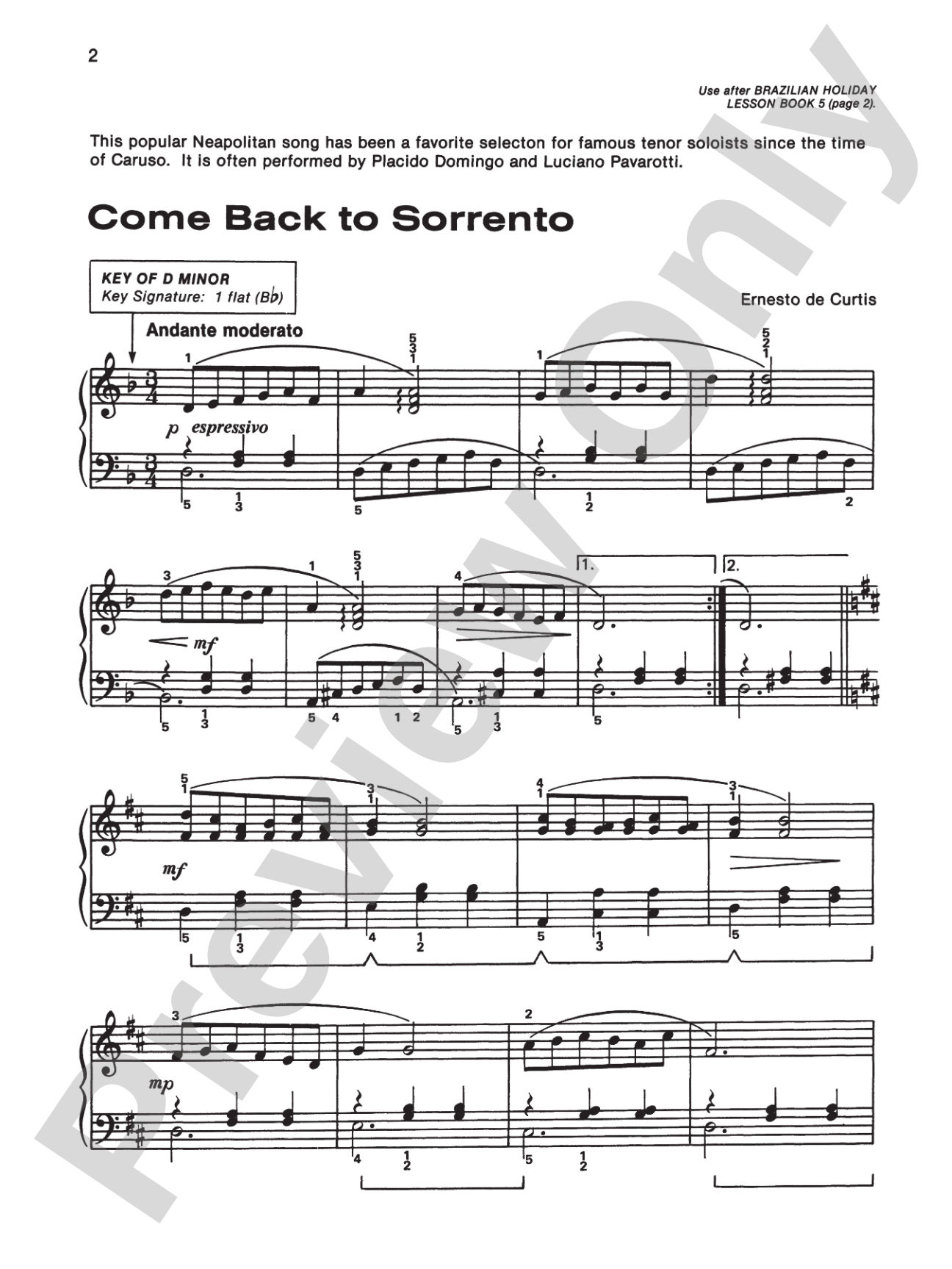
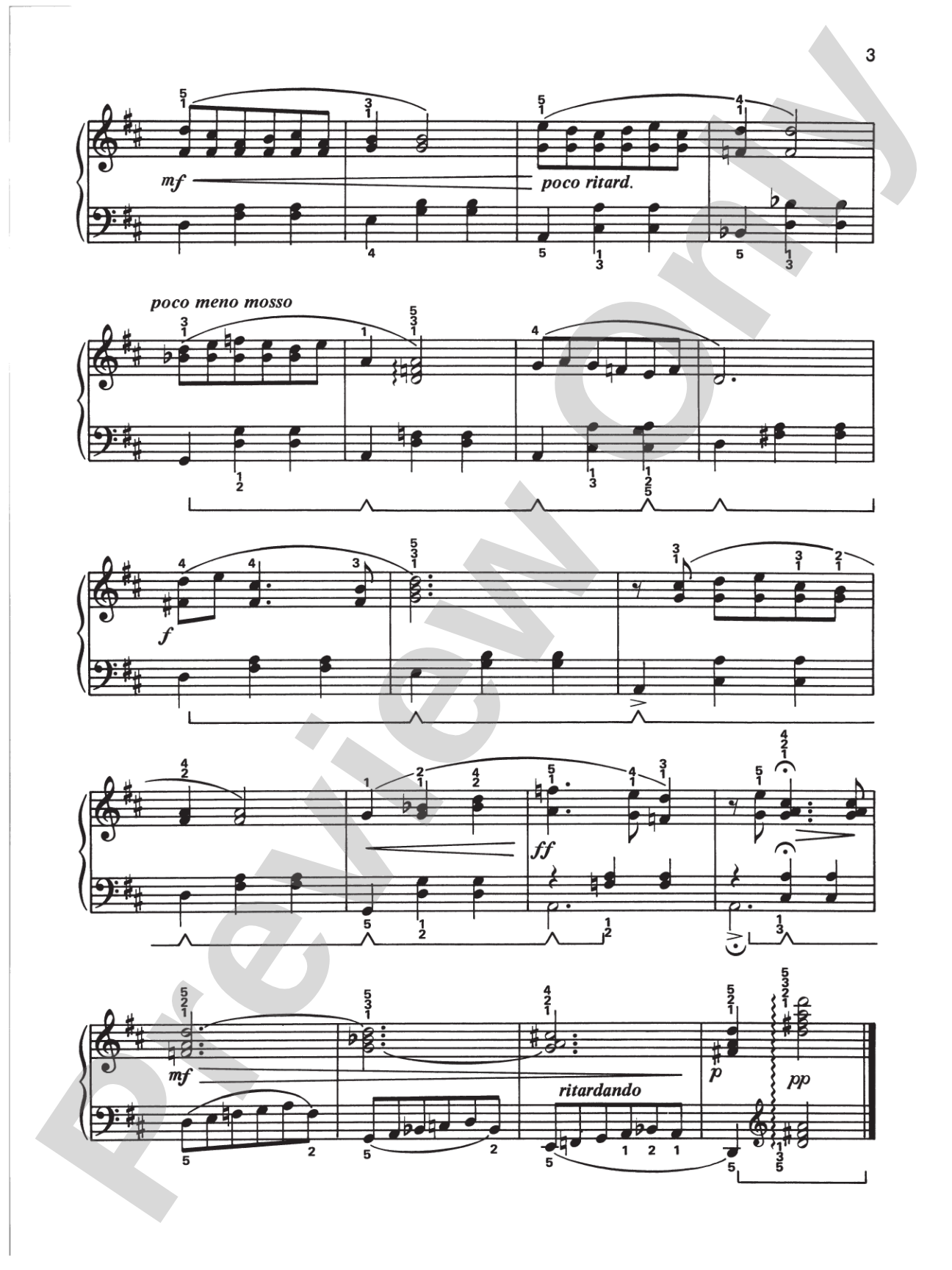
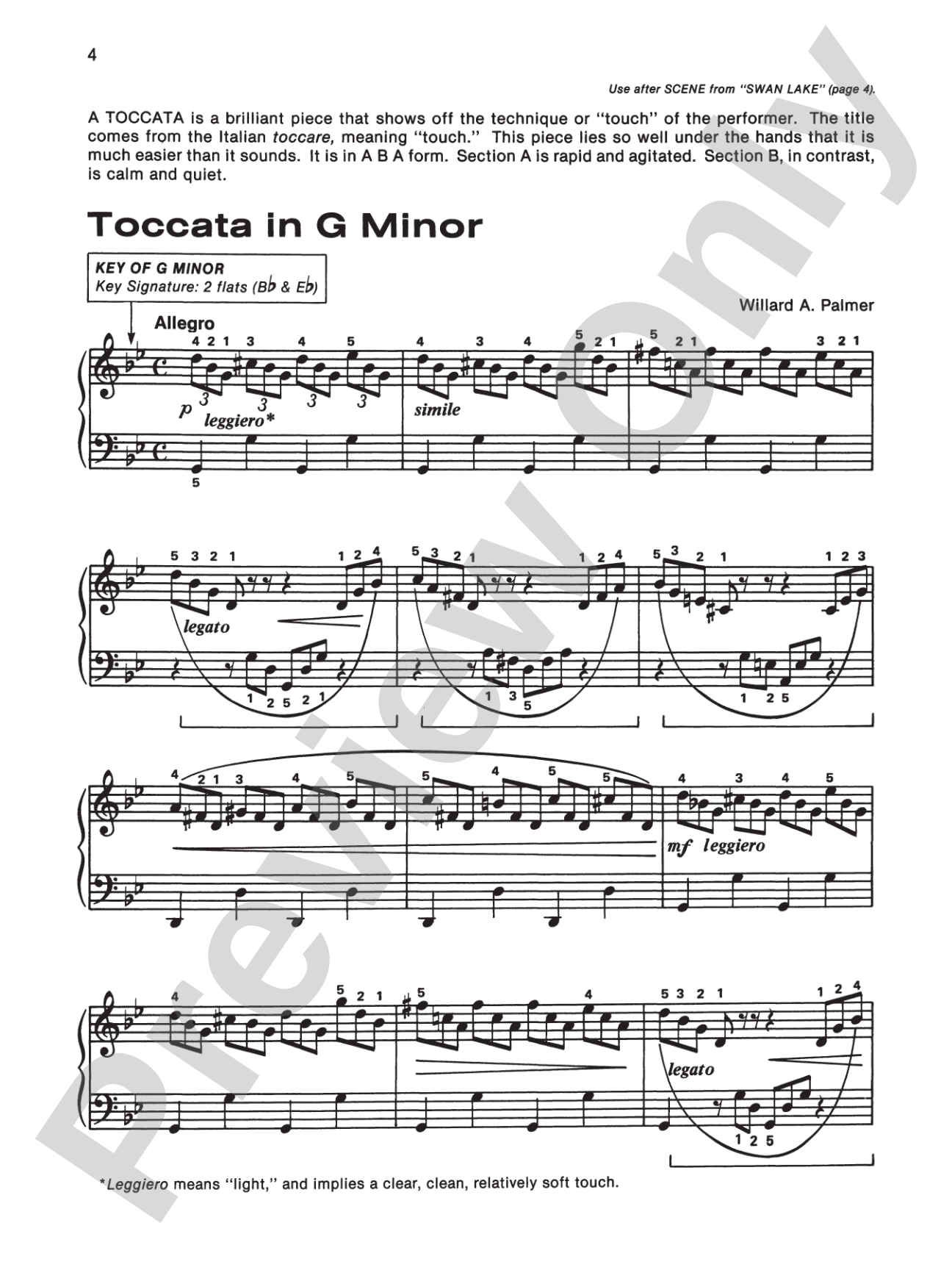
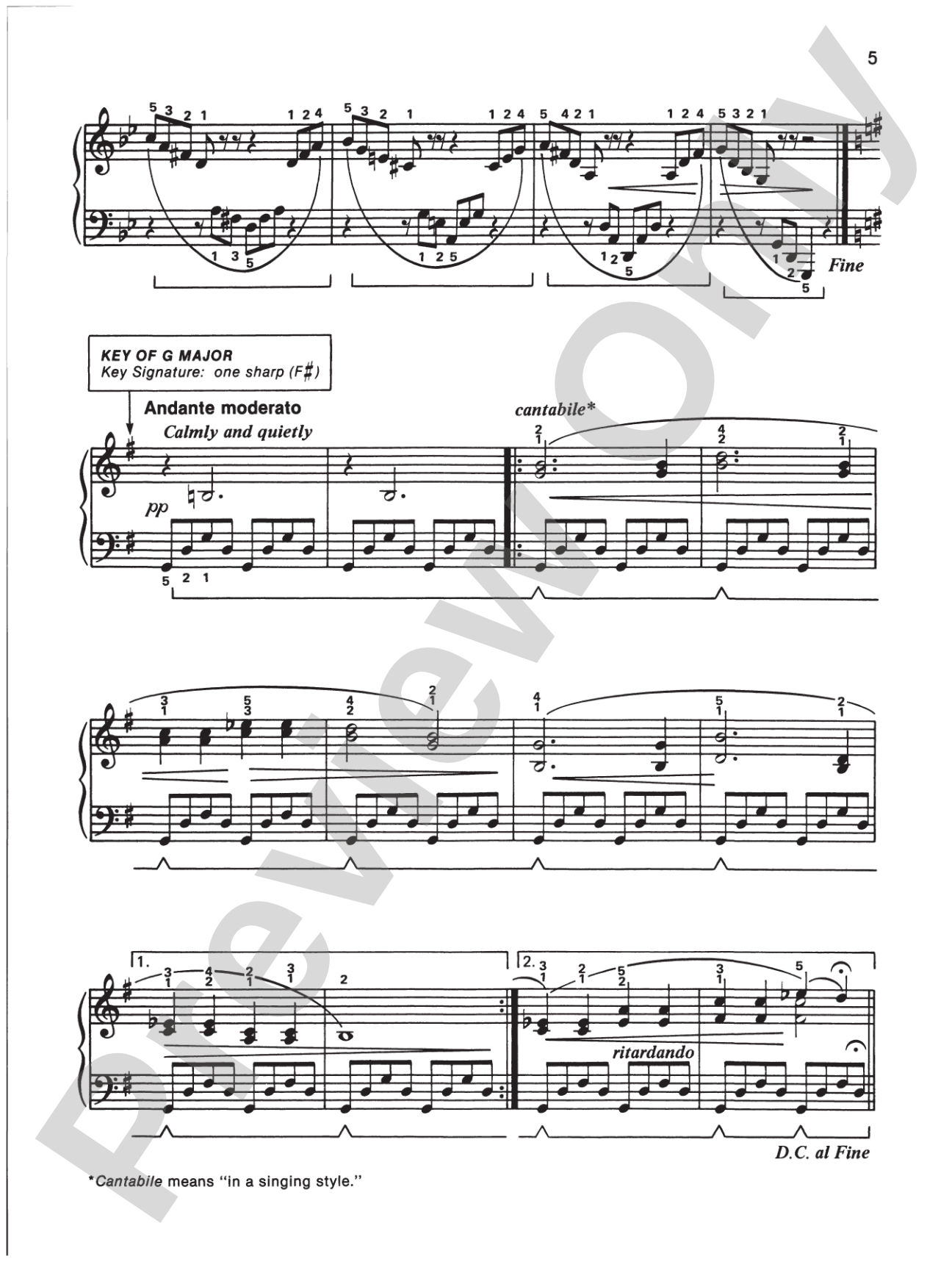
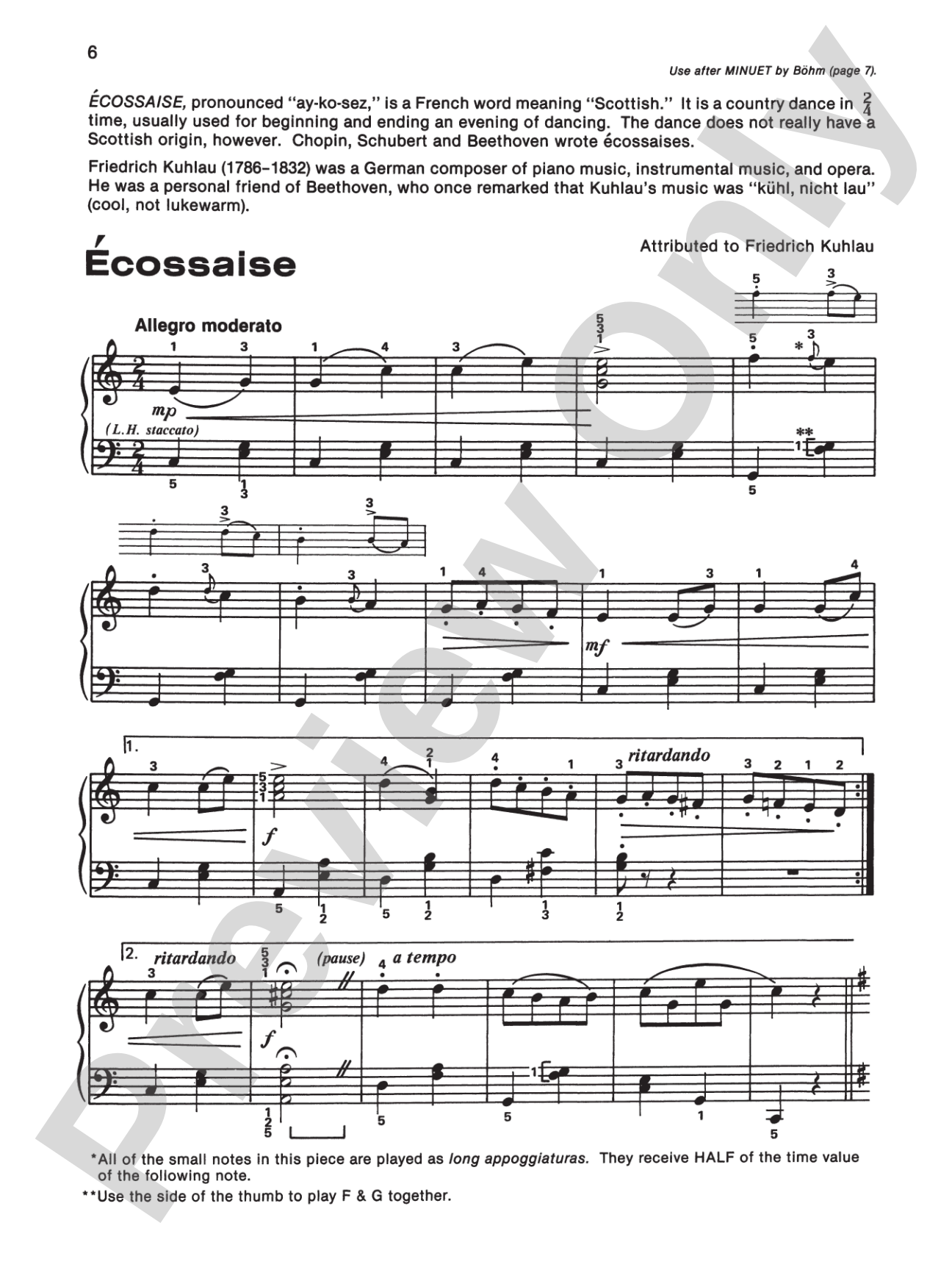
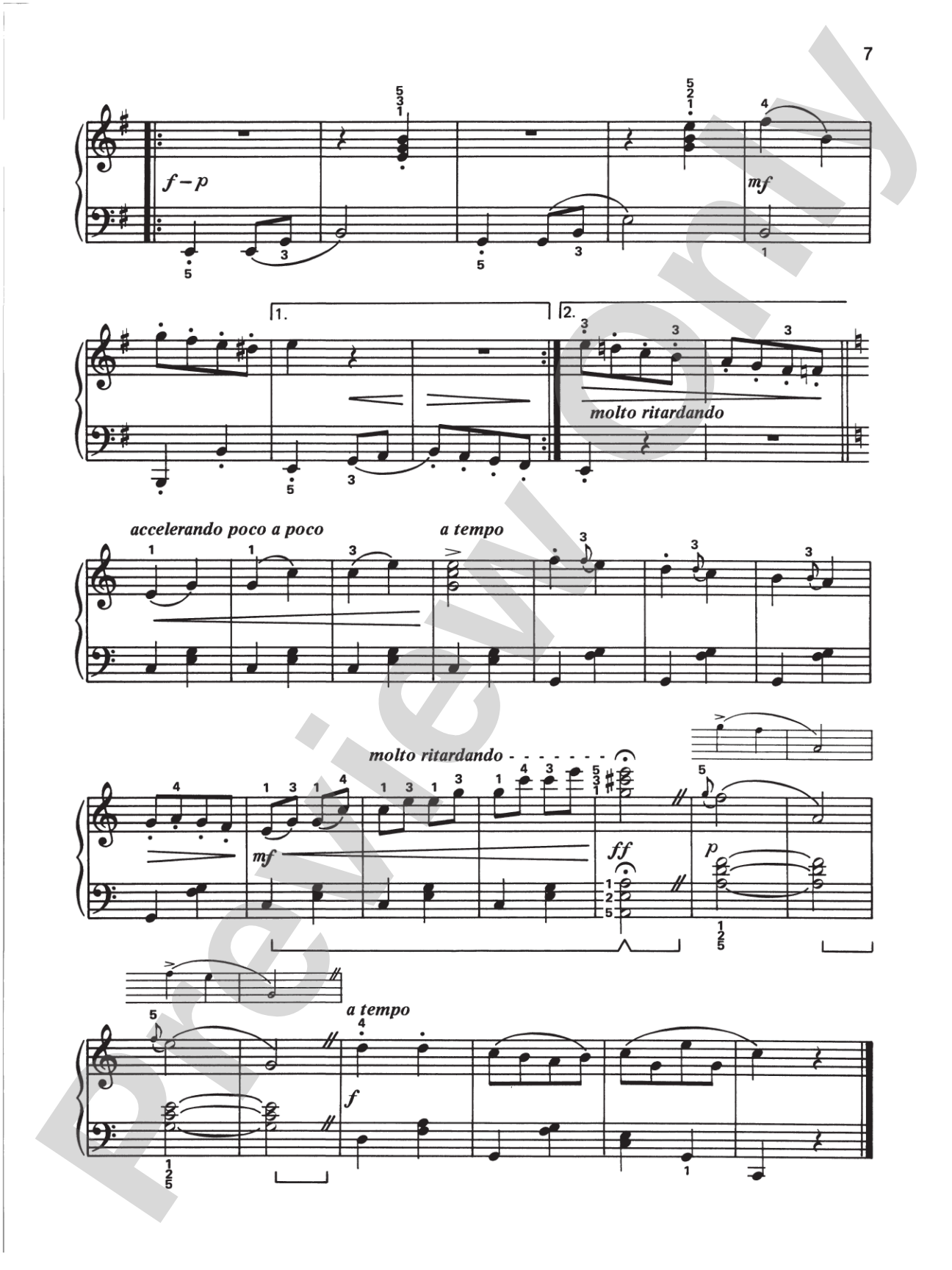
The Recital Books congratulate students for a job well done by providing correlated repertoire to their Lesson Books that are based on concepts they've already learned. As a result, the pieces are quickly mastered. Recital Book Level 5 contains many original pieces of standard literature, including Beethoven's Sonatina in G, Chopin's Prelude in A Major, and originals by Kohler, Gurlitt and Clementi.
Discover MakeMusic Cloud: thousands of interactive titles your students can play along with today.
Willard A. Palmer shaped music education across multiple instruments and continents through prolific composition and scholarly rigor. His output of nearly 800 published works, spanning piano methods, accordion techniques, guitar instruction, and choral music, many translated into German, Japanese, French, Dutch, and Spanish, reflects a career built on understanding how students learn. Palmer's early training under Mae Vardeman instilled deep keyboard fundamentals and improvisational thinking; those principles became foundational to his pedagogical philosophy. His postgraduate research at the University of Houston and subsequent 18-year tenure teaching accordion there cemented his reputation as both musician and methodologist.
Why we love this
This book delivers exactly what intermediate students need: carefully curated repertoire that reinforces concepts from their lesson work without requiring them to learn new technical territory. The mix of standard literature (Beethoven, Chopin, Clementi) alongside worthy original pieces by Kohler and Gurlitt gives students genuine variety in style while maintaining pedagogical clarity. Students experience real accomplishment playing recognized classics alongside quality character pieces, which builds confidence and musical understanding simultaneously.
What to expect
This collection spans from the elegant restraint of early romantic miniatures to the structured clarity of classical sonatinas, offering students a genuine introduction to musical style and period conventions. The pieces breathe with intentionality, encouraging expressive playing while staying grounded in accessible technical territory.
Who it's for
Level 5 pianists ready to play substantial repertoire in a recital setting, building on the concepts and technical foundations established in Alfred's Basic Lesson Book 5. Students at this level have solid note-reading skills and basic technique but benefit from having pieces that feel like natural extensions of their lesson work rather than technical stretches.
How to get the most out of it
Prepare the Beethoven and Chopin selections first, as their structural clarity and familiar harmonic language make them ideal for building program security before tackling more interpretive repertoire.
Pay close attention to the baroque and classical ornamentation in the Chopin and Clementi works; use the Alfred Masterworks series as a reference if students need deeper context on period-appropriate articulation and phrasing.
Work through the original character pieces by Kohler and Gurlitt to explore different approaches to pedaling and tone color within the student's technical comfort zone.
Record practice runs to help students self-assess their tempo consistency and phrase shape, particularly in the longer multi-section works.
How to use it
Use these pieces for mid-year or end-of-year studio recitals where students can showcase solid progress without overreaching technically. The presence of recognizable classics alongside original works allows you to program a cohesive concert that demonstrates student growth while maintaining variety in style and mood.
Skills your students will build
Playing baroque and classical sonatinas with proper phrase structure and articulation
Interpreting early romantic character pieces with appropriate tempo and expression
Managing longer multi-section forms with consistent interpretation across repeated material
Building pedaling awareness through works that demand varied tone colors
Sight-reading confidence through exposure to diverse compositional styles within a single book
You May Also Like
Scan to Complete Your Purchase
Use your phone's camera to scan the code below
You'll log in on your phone and the order will be added to your account