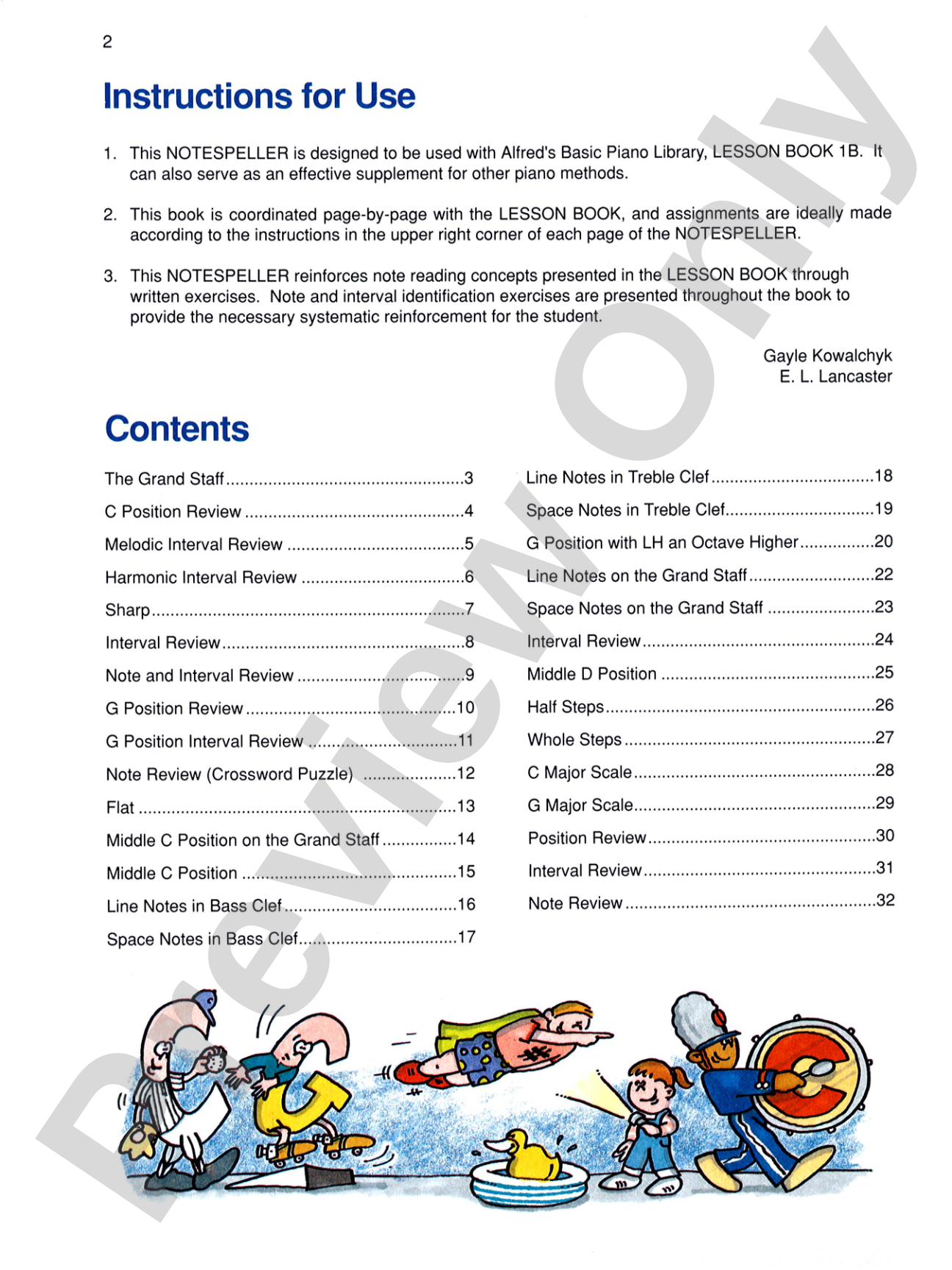
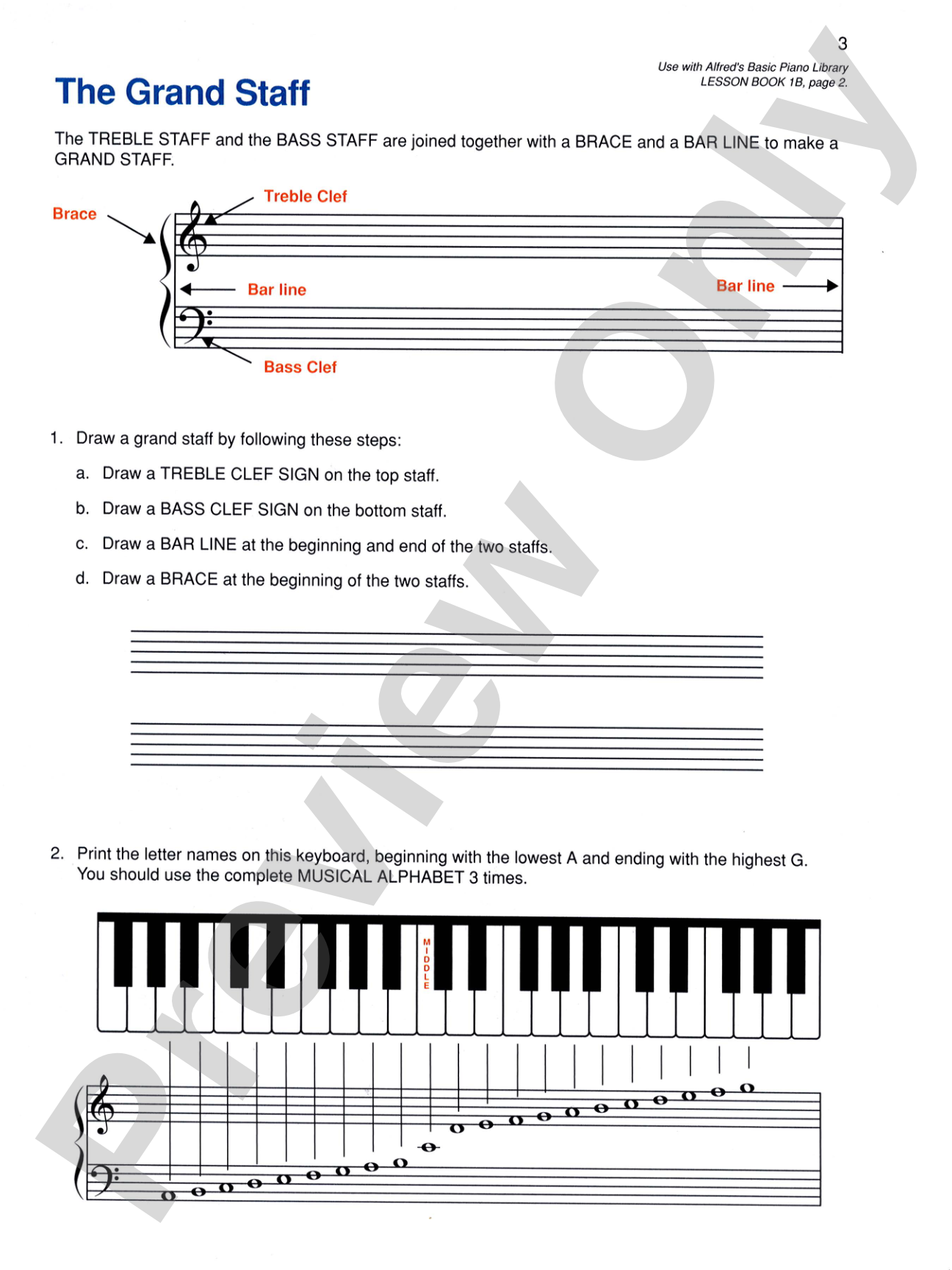
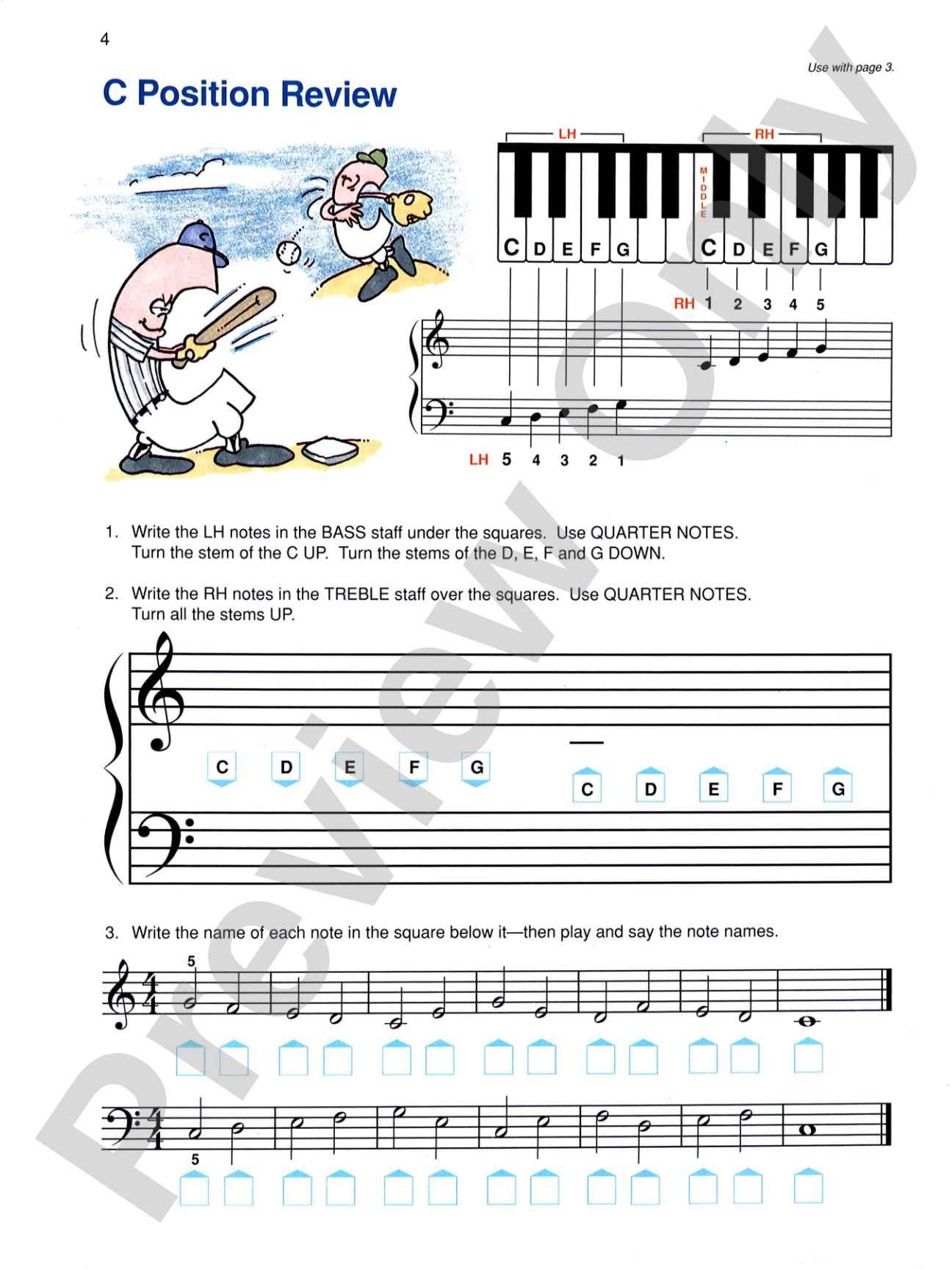
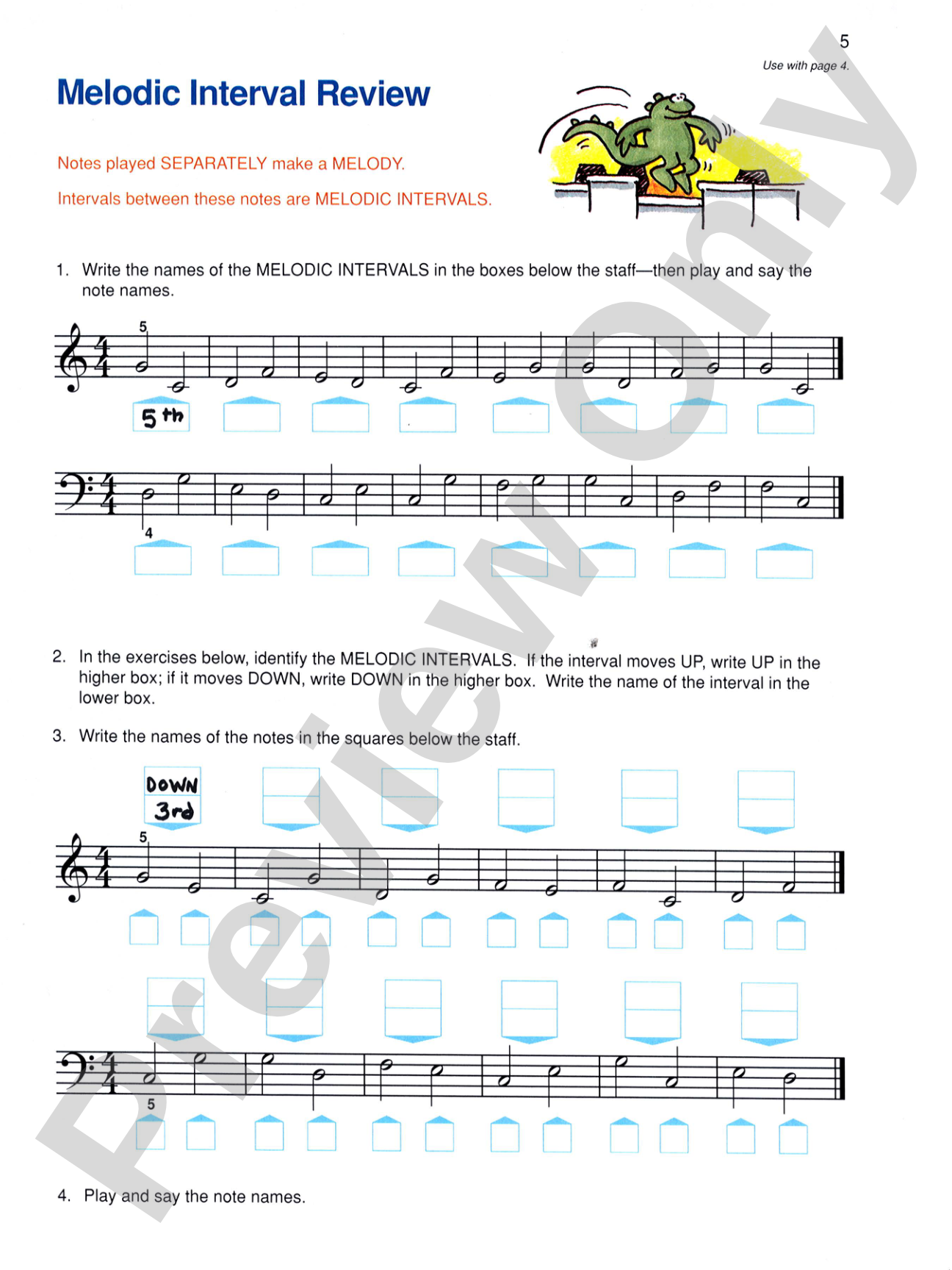
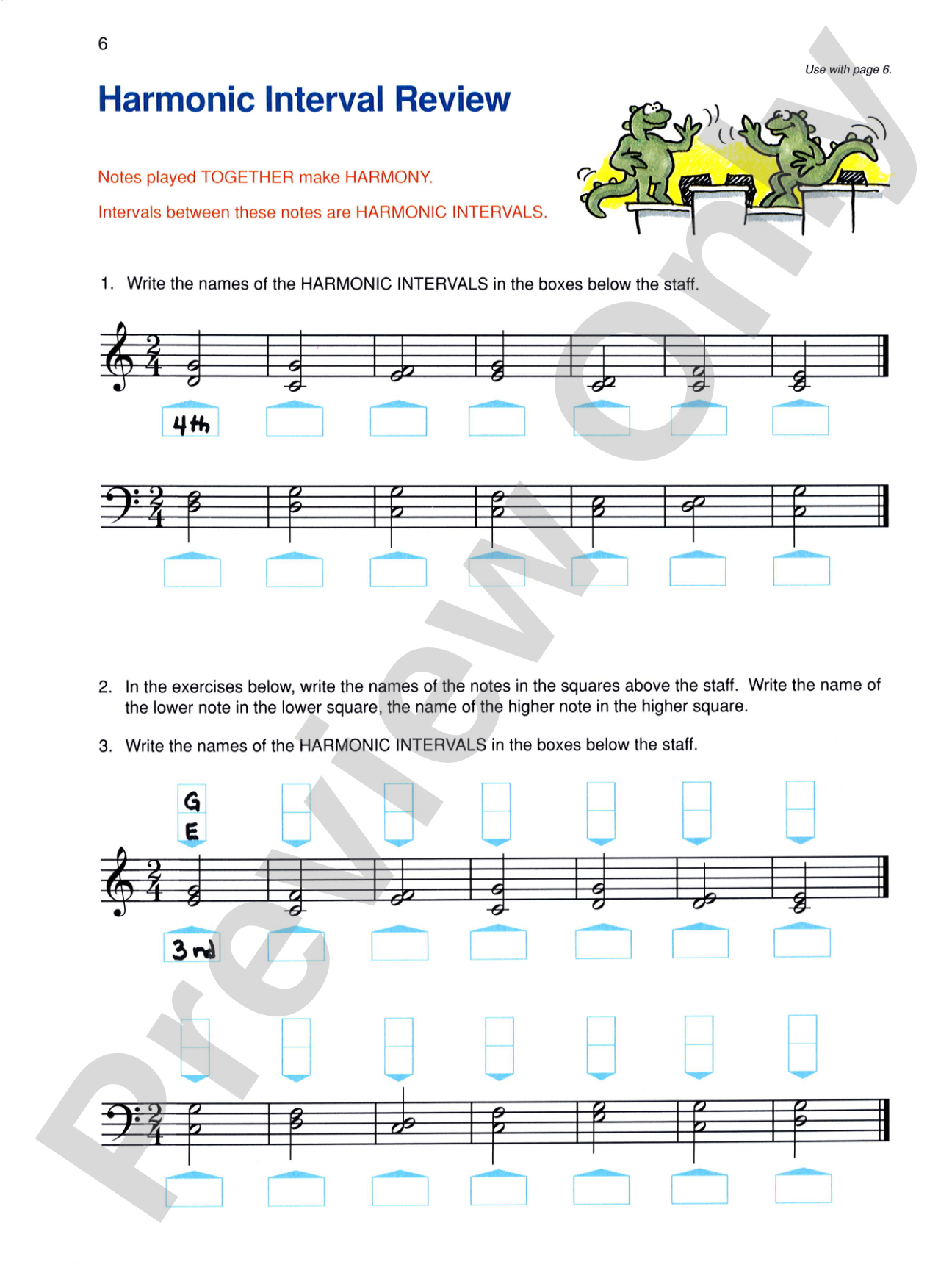
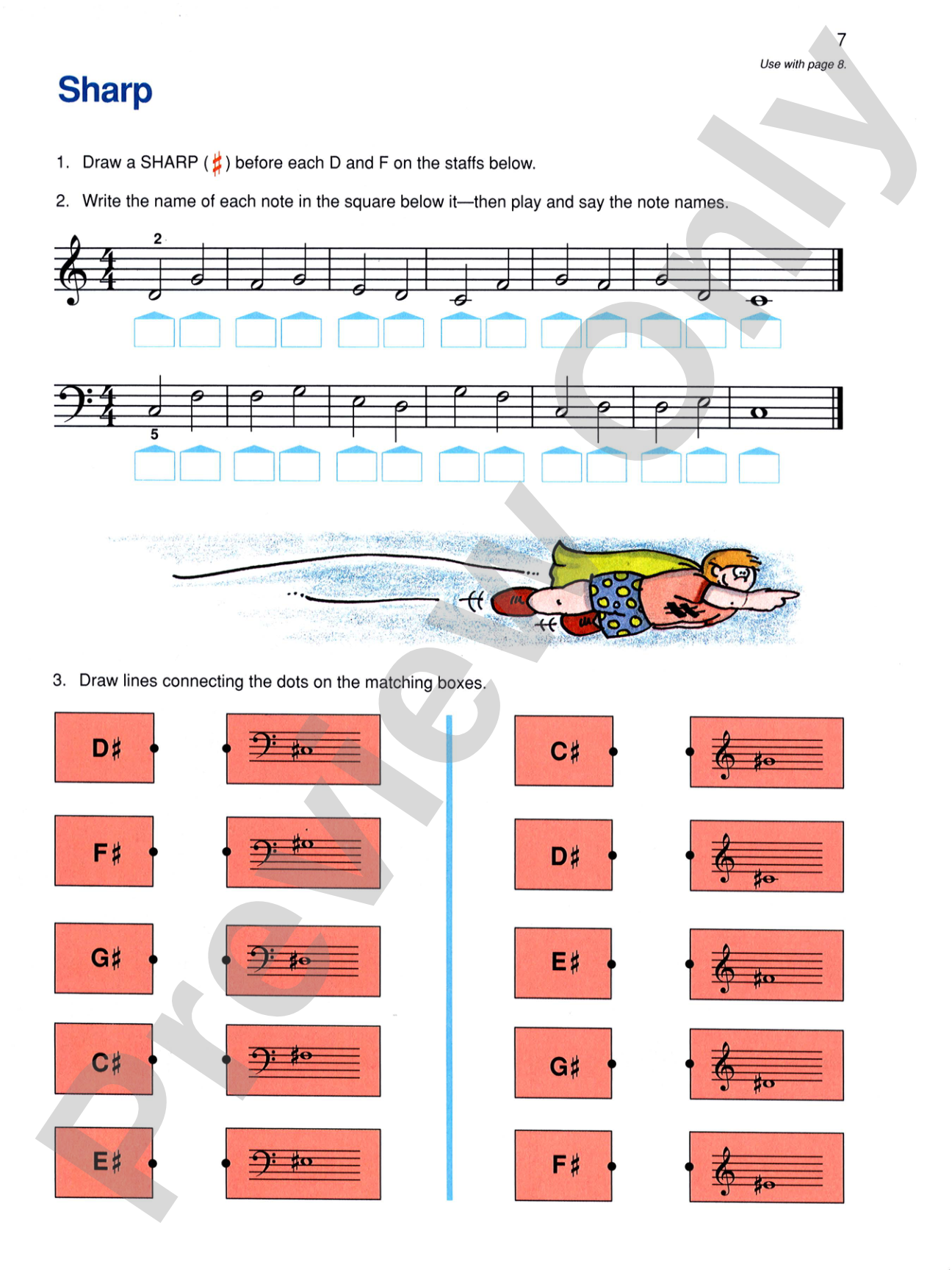
Students needing to review and improve their note-naming and interval-naming skills will benefit greatly from these well-prepared Notespeller Books. Each book provides a variety of written activities that reinforce note reading concepts presented in the Lesson Books. Correlates page-by-page with the Lesson Books, but may also serve as an effective supplement to other piano methods.
Discover MakeMusic Cloud: thousands of interactive titles your students can play along with today.
Dr. Gayle Kowalchyk teaches class piano, piano, and piano pedagogy at California State University, Northridge. She earned degrees from Ohio University (piano performance), Northwestern University (piano performance and pedagogy), and Teachers College, Columbia University (Ed.D. in piano pedagogy). Her career spans decades as both a faculty member at multiple universities and an active clinician presenting at national conferences including MTNA, MENC, and the World Piano Pedagogy Conference.
Working alongside her husband Dr. E. L. Lancaster, Kowalchyk has authored more than 300 educational piano texts, including Alfred's Premier Piano Course and Music for Little Mozarts. She brings extensive experience from directing piano preparatory programs, teaching graduate piano pedagogy, and leading piano ensemble instruction at the National Music Camp in Interlochen during the early 1980s. Today she serves as a clinician for Alfred Music while continuing to teach in the Los Angeles area.
Why we love this
This workbook delivers targeted reinforcement without relying on students to intuit what they need to practice. The page-by-page correlation with the Lesson Book means students see concepts in context right after encountering them in repertoire, which accelerates retention far more effectively than random drill work. Kowalchyk and Lancaster understand exactly where students stumble with note and interval naming, and they've designed activities that close those gaps efficiently.
What to expect
Straightforward and purposeful. Each activity removes distractions and isolates exactly one skill so students build confidence through repetition and success. The writing feels conversational and encouraging rather than clinical, meeting students where their reading ability actually is.
Who it's for
Beginning pianists (roughly age 5 to 7) working through Level 1B who need structured, systematic practice identifying notes and intervals on the staff. This book serves both students following Alfred's Basic Piano Library exclusively and those learning from other methods who simply need extra written reinforcement of foundational reading skills.
How to get the most out of it
Assign one page per lesson rather than collecting several pages at once, so written work directly follows the corresponding lesson material while concepts are fresh.
Mix Notespeller pages with actual playing; students solidify naming skills fastest when they immediately apply new knowledge to reading music on the keyboard.
Review responses together in lesson time rather than just checking them off, pointing out patterns in students' errors (like consistently misreading ledger lines or interval direction).
How to use it
Assign this as homework between lessons rather than using it as makeup work or review for struggling students only. When all students complete the same Notespeller pages correlated to their Lesson Books, everyone enters the next lesson with shared competency in the preceding week's reading concepts, allowing you to move forward confidently rather than backfilling gaps.
Skills your students will build
Note identification on the treble and bass staves
Interval naming and direction (up, down, unison)
Ledger line reading above and below the staff
Rhythmic notation reinforcement through written exercises
Visual pattern recognition for faster sight reading
You May Also Like
Scan to Complete Your Purchase
Use your phone's camera to scan the code below
You'll log in on your phone and the order will be added to your account