Alfred's Basic Piano Library: Merry Christmas! Ensemble, Complete Book 1 (1A/1B) Cover Image

Alfred's Basic Piano Library: Merry Christmas! Ensemble, Complete Book 1 (1A/1B): Piano Book

$10.99 USD
Sale price  $10.99 USD Regular price 
Skip to product information
Alfred's Basic Piano Library: Merry Christmas! Ensemble, Complete Book 1 (1A/1B) Cover Image

Alfred's Basic Piano Library: Merry Christmas! Ensemble, Complete Book 1 (1A/1B): Piano Book

For the Later Beginner

By Gayle Kowalchyk and E. L. Lancaster

Level: 1A & 1B

Item: 00-5749

$10.99
Shipped

One moment…

Description
Each book in this series contains six favorite Christmas carols arranged for four part ensembles. Part 1 is the solo version of the carol from Merry Christmas! with parts 2, 3 and 4 written using the same concepts and hand positions at the same level of difficulty. Also includes suggested sounds for electronic keyboards. General MIDI compatible. Titles: Angels We Have Heard on High * Away in a Manger * Good King Wenceslas * Jingle Bells * Jolly Old Saint Nicholas * O Come, All Ye Faithful * Silent Night * Up on the Housetop * We Three Kings of Orient Are * We Wish You a Merry Christmas.

Alfred's Basic Piano Library: Merry Christmas! Ensemble, Complete Book 1 (1A/1B): Piano Book isn't in MakeMusic Cloud just yet...but it could be. Let us know you'd like to see it, and you'll help shape what comes next. In the meantime, start a free trial and dive into thousands of interactive titles your students can play along with today.

Sample Pages

Sample Audio
No sample audio found.
Sample Video
Additional Details
Series: Alfred's Basic Piano Library
Publisher: Alfred Music
Page Count: 88
UPC: 038081112015
SKU: 00-5749

More about this title

About the Arranger: Gayle Kowalchyk
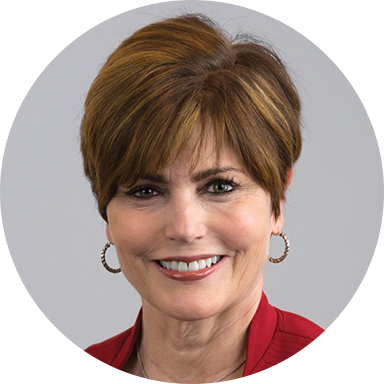
Gayle Kowalchyk

Gayle Kowalchyk holds an Ed.D. in piano pedagogy from Teachers College, Columbia University, and has built her career around the intersection of performance and teaching. She currently serves as a faculty member at California State University, Northridge, where she teaches class piano, private piano, and piano pedagogy. Her work as a clinician and adjudicator has taken her to conventions of MTNA, MENC, and the National Conference on Piano Pedagogy, where she shares insights on effective group piano instruction.

With co-author E. L. Lancaster, Kowalchyk has authored more than 300 educational piano publications, including the foundational Alfred's Premier Piano Course and Music for Little Mozarts. Her arrangements and compositions reflect decades of classroom experience: they know exactly what young pianists can accomplish at each level and how to make that learning feel natural and rewarding.

Why we love this

These arrangements prove that four-part ensemble playing doesn't require leaping ahead in difficulty. Each part stays grounded in the concepts and hand positions students have already mastered in their solo repertoire, which means you can assign ensemble pieces confidently without creating frustration. The collection also takes the guesswork out of holiday programming; you get ten of the most recognizable carols all vetted for pedagogical consistency.

What to expect

These carols sit comfortably under the hands. The familiarity of the melodies means students can focus on their own part and listening to others rather than decoding complex rhythms or awkward voicings. There's a real satisfaction in the moment when all four parts lock together for the first time, especially when the students realize they've created something genuinely musical.

Who it's for

Piano teachers with beginning students (levels 1A and 1B) who are ready to experience ensemble playing without abandoning the fundamentals they're building. This works beautifully for private studios with multiple students at the same level, group piano classes where four or more pianists are present, or preparatory piano programs in schools and universities.

How to get the most out of it

  • Start with individual part rehearsals before combining all four voices. Have students secure their own line first so they can listen for blend rather than defend accuracy.
  • Experiment with the General MIDI sounds to find voicings that work for your ensemble's size. A lighter keyboard sound often prevents the carols from sounding muddy when all four parts play together.
  • Stagger the entrances of each group during early rehearsals, bringing parts in one at a time so students hear how their part functions within the texture.
  • Let students choose which sound they want their part to use on the electronic keyboard. Ownership of the choice increases engagement, and the variety often improves the overall blend.

How to use it

Build a holiday studio recital or group piano class showcase around these carols in November or early December. They work equally well as a fun break from method book work in January or February, offering seasonal color without derailing winter technique development. If you're coordinating multiple piano classes at different levels, this gives your 1A/1B students a meaningful role in a larger ensemble performance.

Skills your students will build

  • Reading four-part ensemble scores and identifying their specific line
  • Maintaining a steady pulse while listening to three other parts
  • Hand position consistency across different finger patterns and ranges
  • Dynamic balance and blend; learning when to recede and when to feature the melody
  • Confidence with the same basic concepts applied to familiar repertoire

You May Also Like