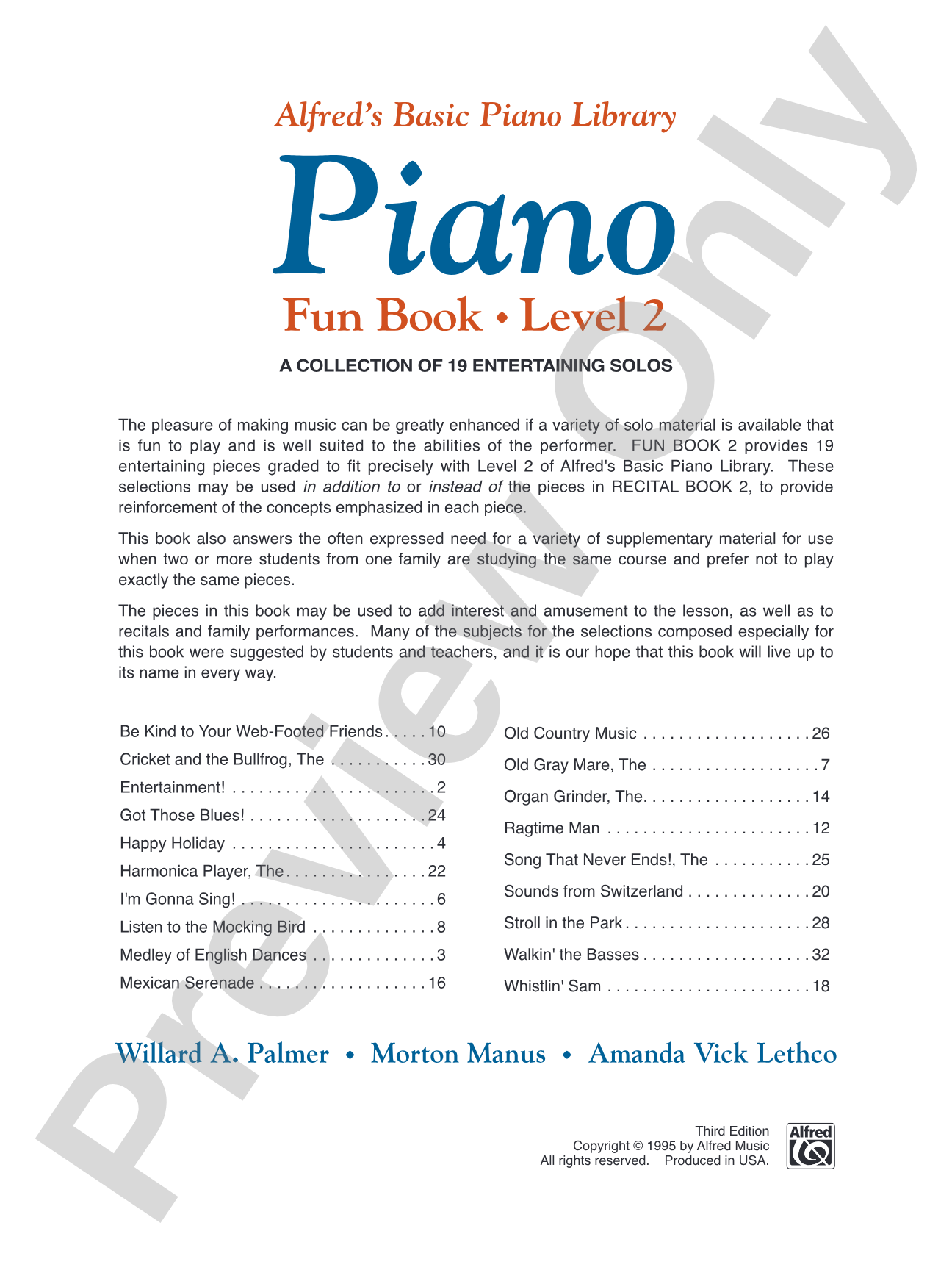
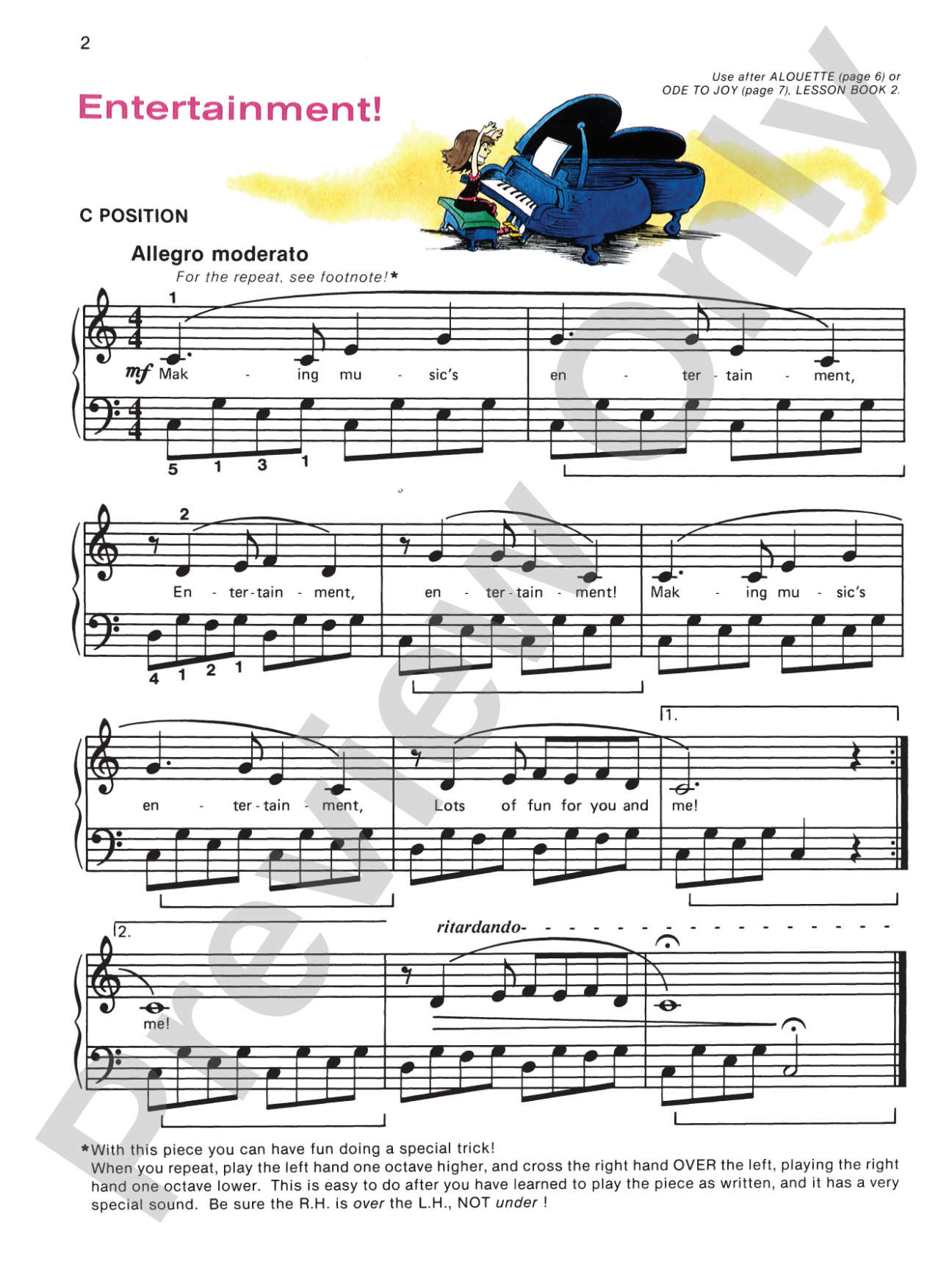
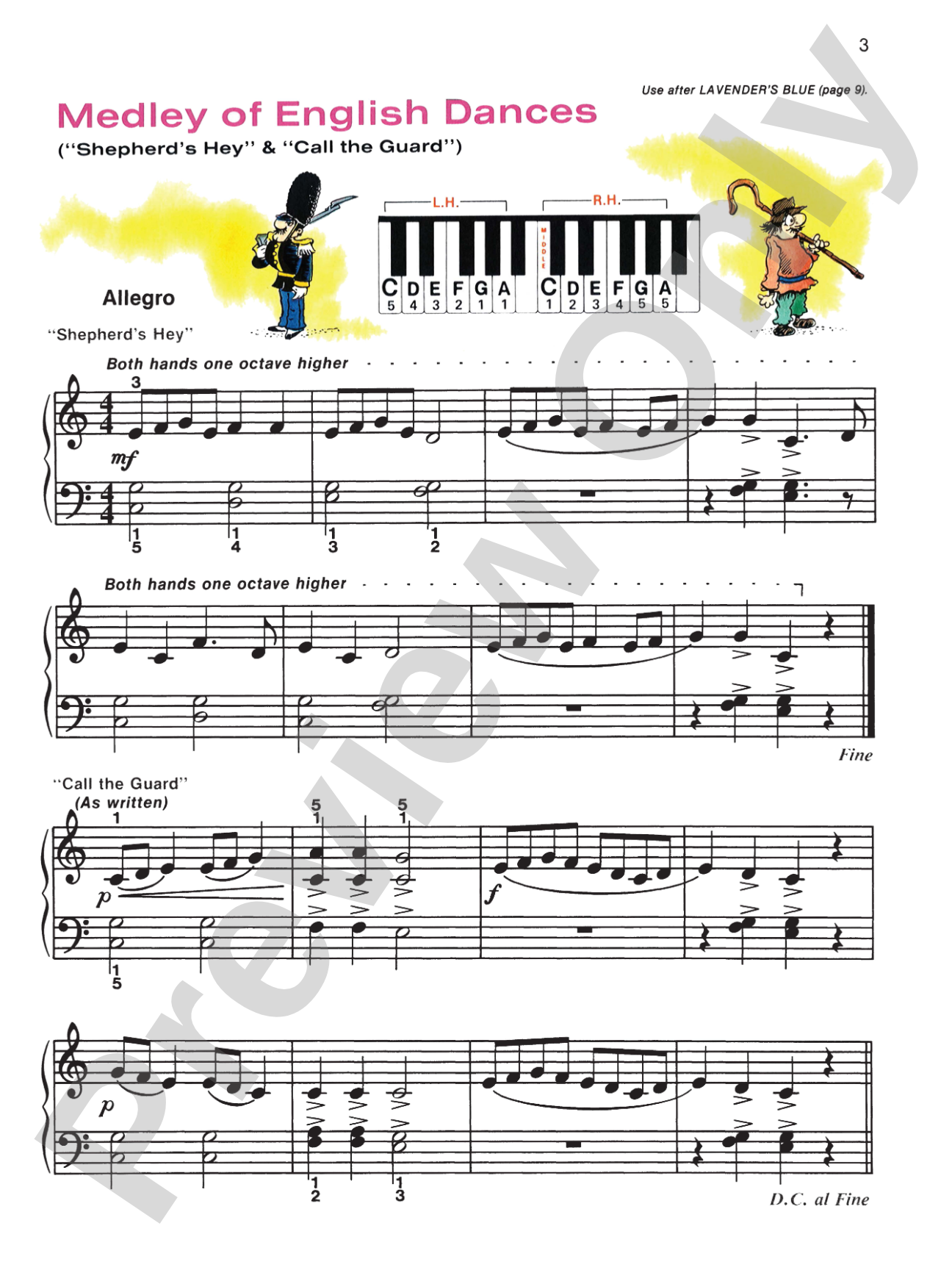
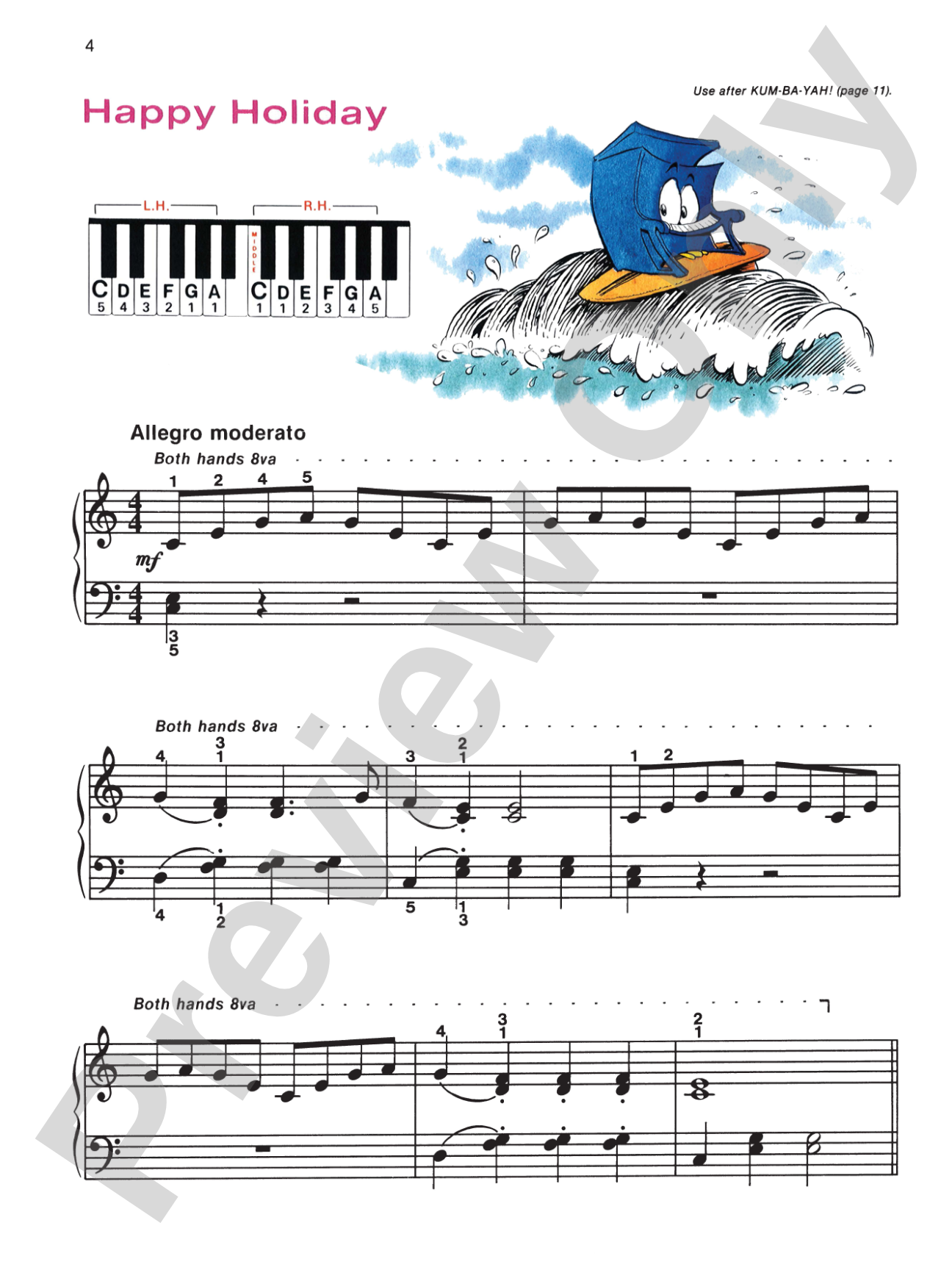
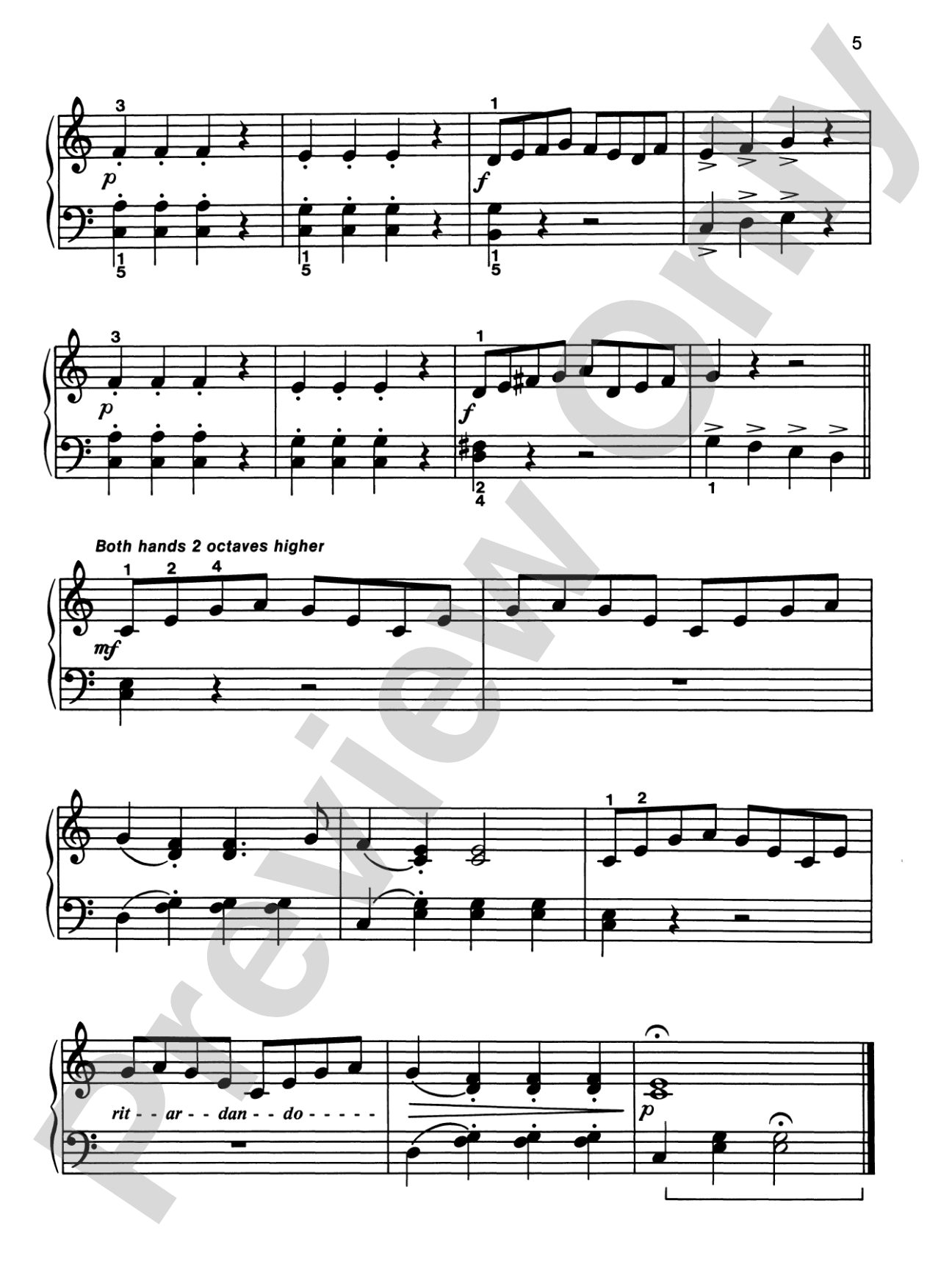
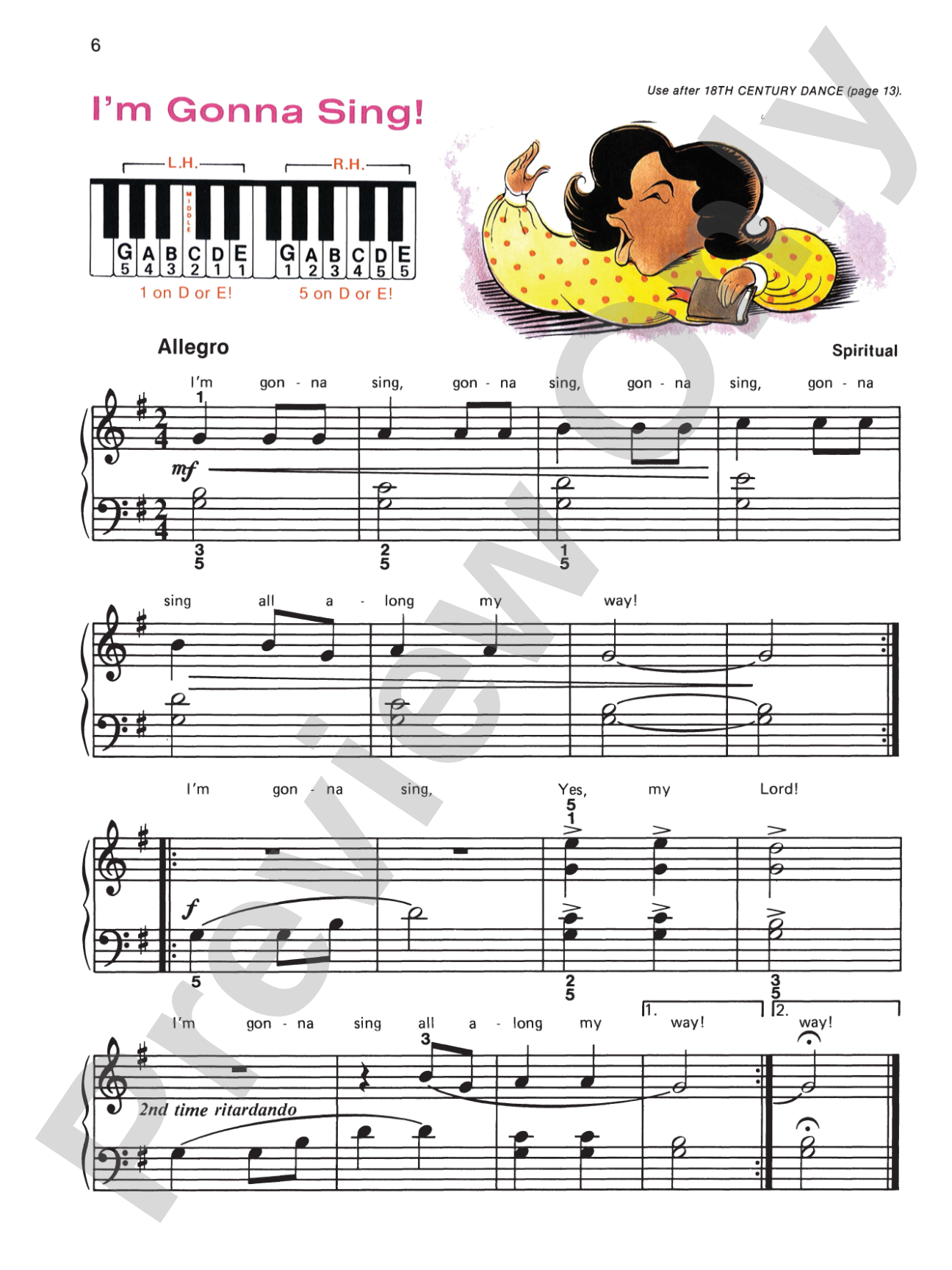
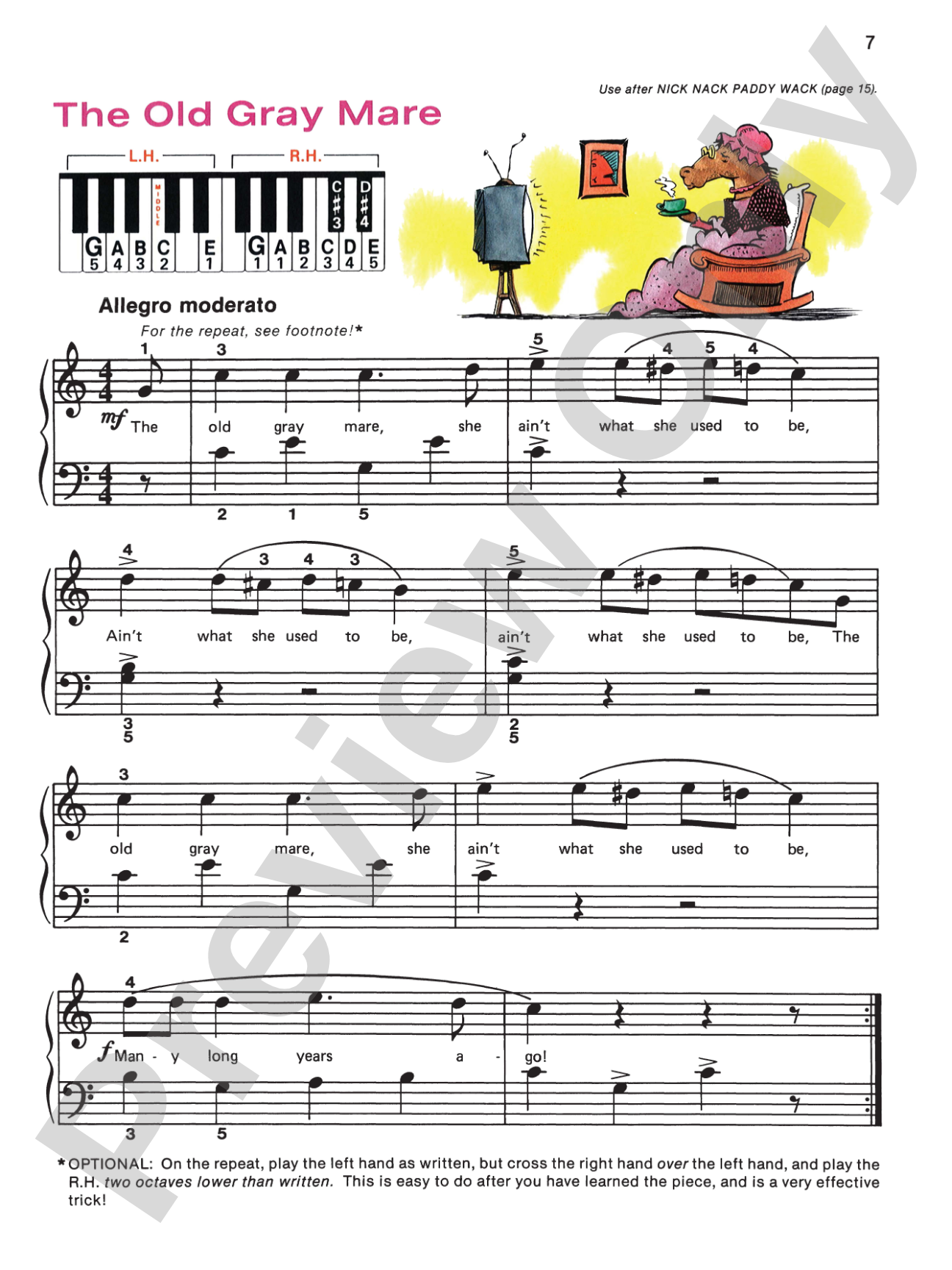
The Fun Books provide additional recital pieces designed for students who require more solo material and are particularly useful when two students are from the same family (Recital Book for one, Fun Book for the other).
Discover MakeMusic Cloud: thousands of interactive titles your students can play along with today.
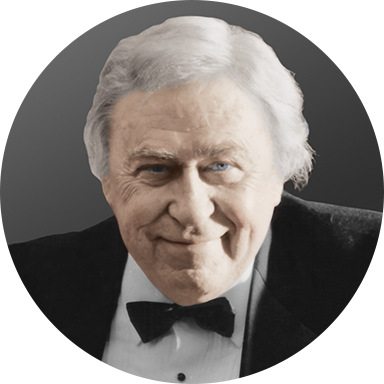
Dr. Willard A. Palmer stands as one of the most prolific and influential music educators of the modern era, having composed and published nearly 800 works across piano, accordion, guitar, organ, and choral literature. His compositions have been translated into German, Japanese, French, Dutch, and Spanish, reflecting their worldwide adoption in music classrooms and concert halls. Palmer's own musical journey began as a child prodigy performing on radio at age 13, and he went on to study at the Conservatory of Leipzig on scholarship before establishing himself as a beloved teacher and scholar.
Beyond his work as a composer and educator, Palmer dedicated decades to rigorous musicological research, becoming recognized internationally for his expertise in Baroque ornamentation and performance practice. He served on the faculty at the University of Houston for 18 years, teaching the first college accordion courses to gain widespread acceptance, and directed the Riemenschneider Bach Institute. His meticulous scholarship earned him dual doctoral degrees in Humanities (1971) and Music (1983), establishing him as both a creative force and an authority on music history and pedagogy.
Why we love this
These 19 solos work brilliantly when you have siblings or friends in the same studio, since one student can perform the Recital Book while their peer tackles the Fun Book. The variety within this collection keeps early students engaged without asking them to tackle technical material beyond Level 2, making each piece feel achievable and rewarding.
What to expect
These solos balance melody and accompaniment in ways that feel natural for young hands, with writing that prioritizes musical satisfaction over technical display. Each piece invites the player to experience complete musical ideas rather than fragments, building confidence and a genuine love for solo performance.
Who it's for
Early Level 2 piano students who need additional solo material for recitals or festivals, particularly useful in studios where multiple students perform on the same program. This book also serves students who want more repertoire choices without jumping to the next difficulty level.
How to get the most out of it
Listen carefully to each piece's character before assigning it; these solos range from playful to lyrical, so matching the right piece to the student's personality matters
Have students practice hands separately first, since many of these pieces introduce independence between the hands in gentle increments
Record yourself playing a few selections at a reasonable tempo; students benefit from hearing how the pieces should sound before attempting them
How to use it
Pair a Recital Book performer with a Fun Book performer to create variety across a studio recital without forcing either student beyond their level. You might also use individual pieces as rewards after reaching specific technique goals, or draw from this collection when you need quick, well-written additions to a concert program.
Skills your students will build
Reading and executing simple dynamic markings (p, f, mp) in context
Distinguishing between melody and accompaniment patterns
Building hand independence through modest left hand figurations
Sustaining focus through complete solo forms
Interpreting stylistic character through composer's written indications
You May Also Like
Scan to Complete Your Purchase
Use your phone's camera to scan the code below
You'll log in on your phone and the order will be added to your account