
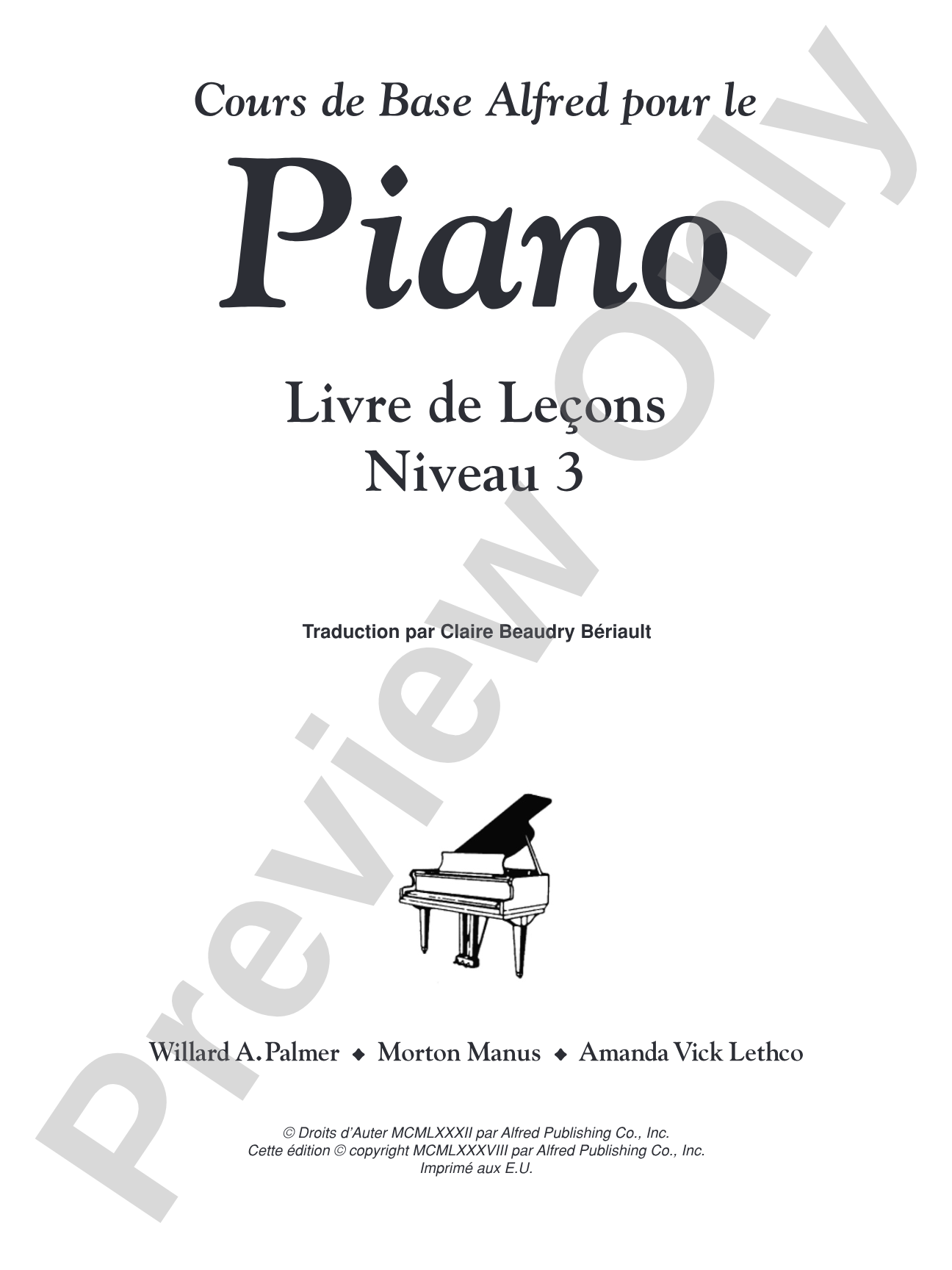

Alfred's Basic Piano Library: French Edition Lesson Book 3: Piano
By Willard A. Palmer, Morton Manus, and Amanda Vick Lethco
Level: 3
Item: 00-PB-0002583
$7.99
Pickup currently not available
Related Items
Alfred's Basic Piano Library: French Edition Lesson Book 3: Piano Book |
$7.99
|
View |
Description
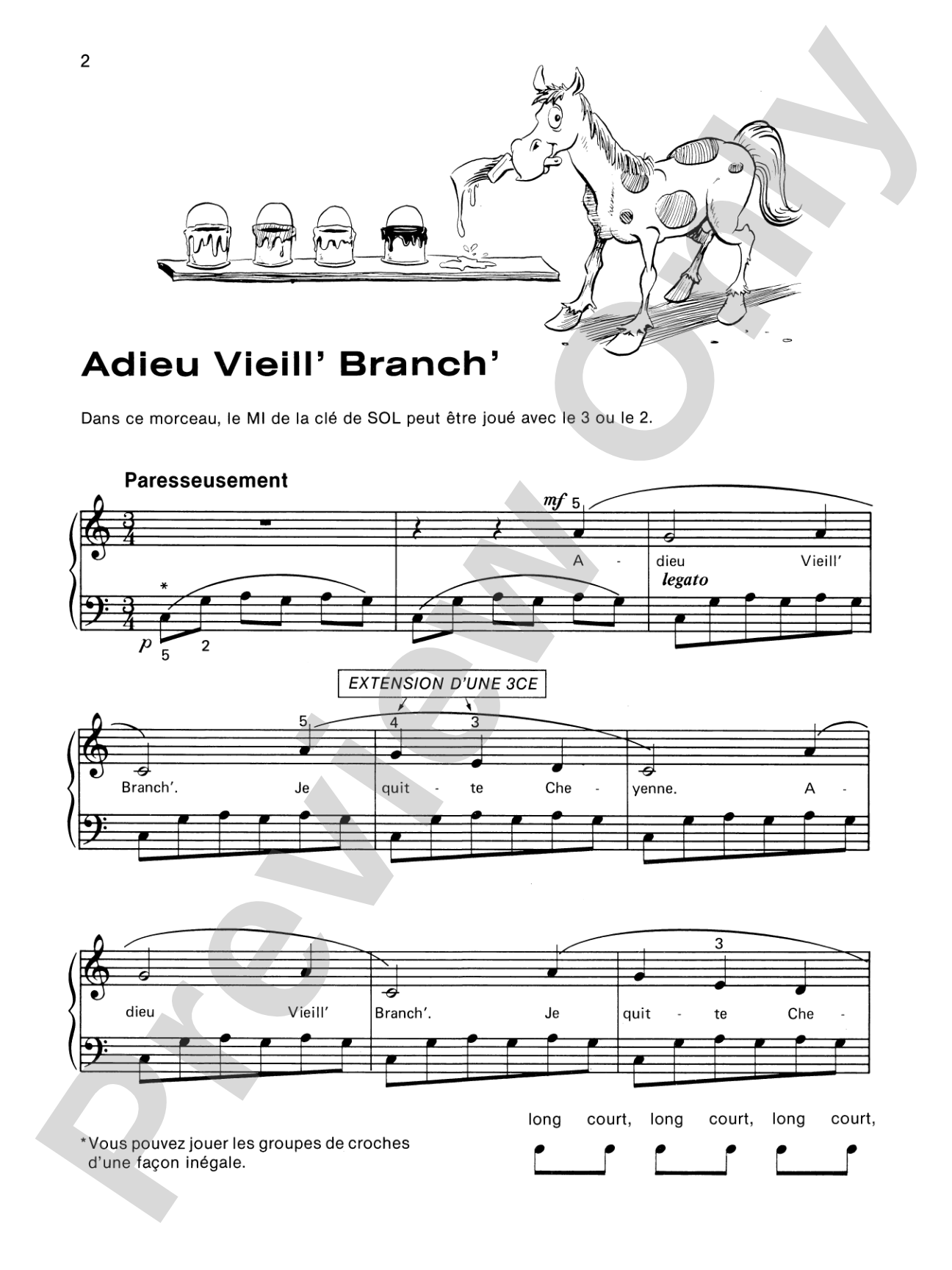
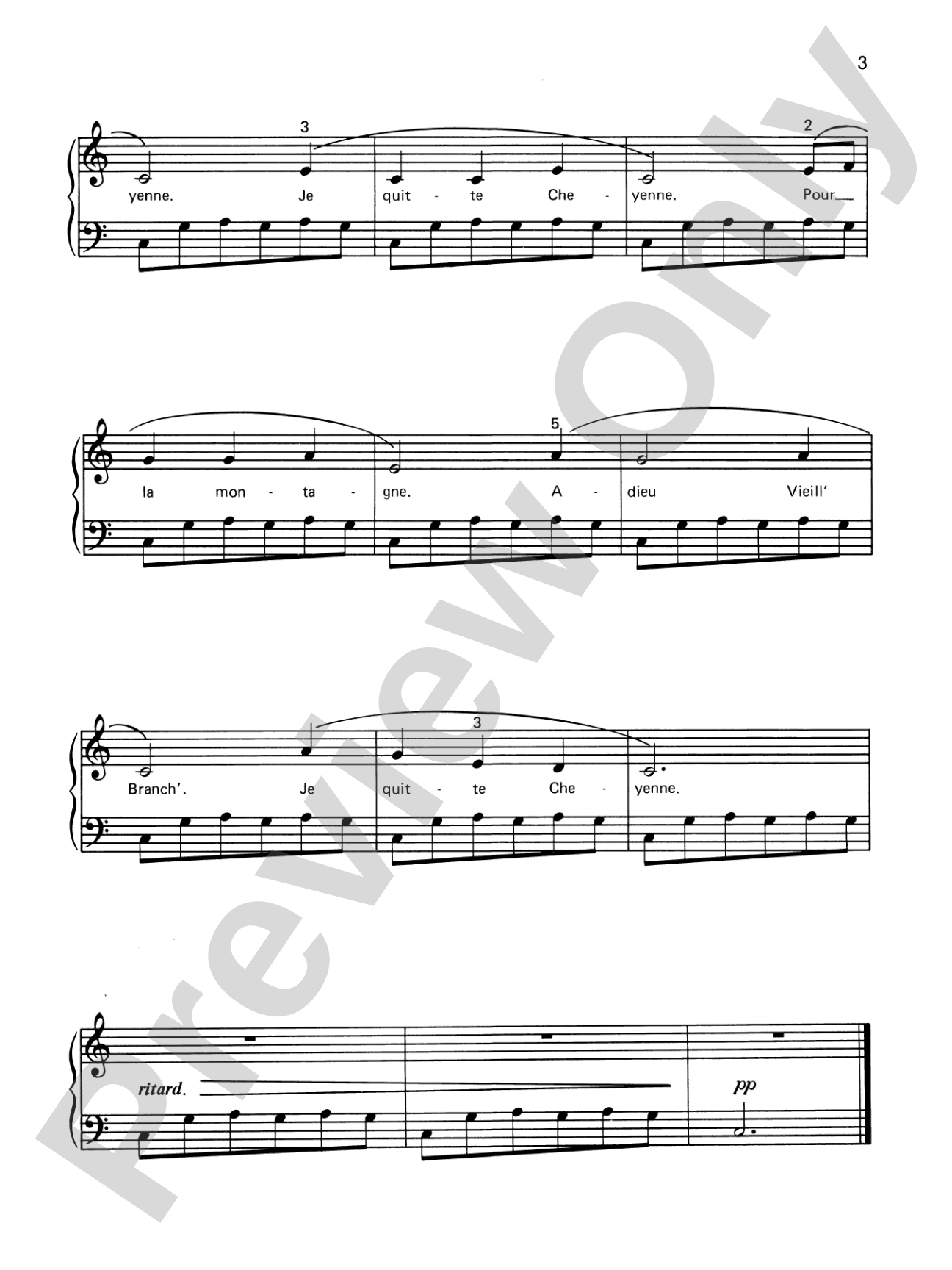
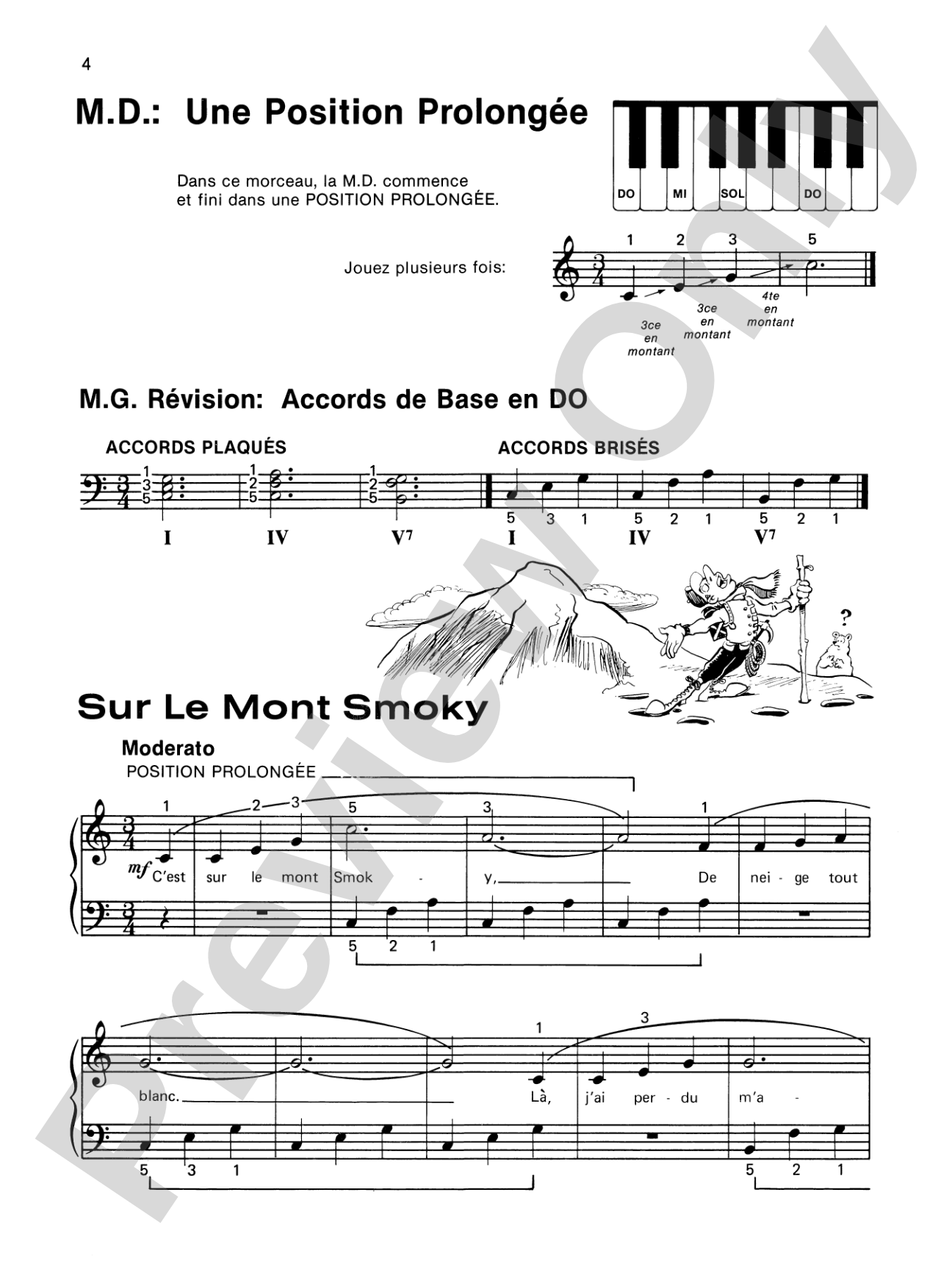
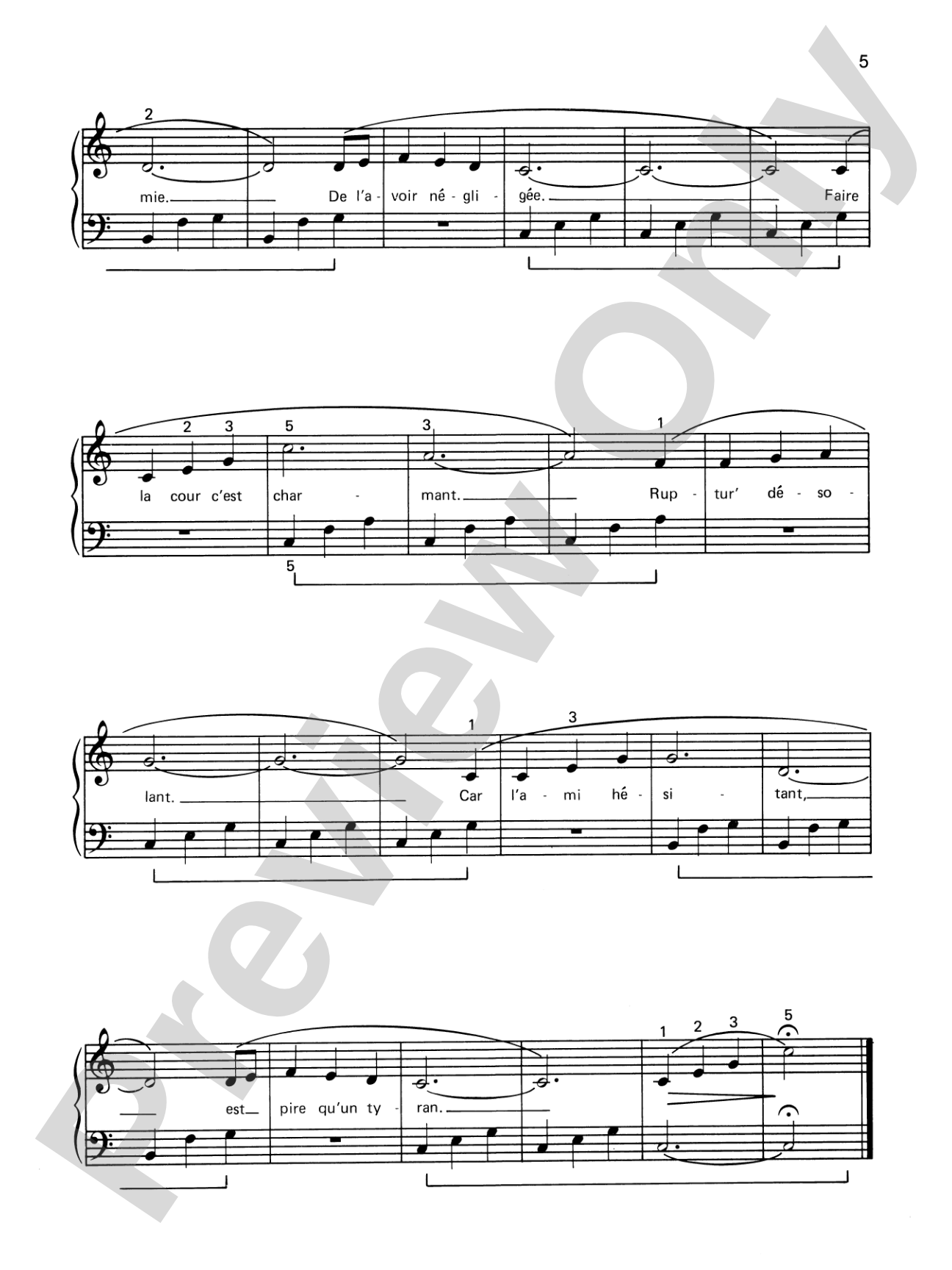
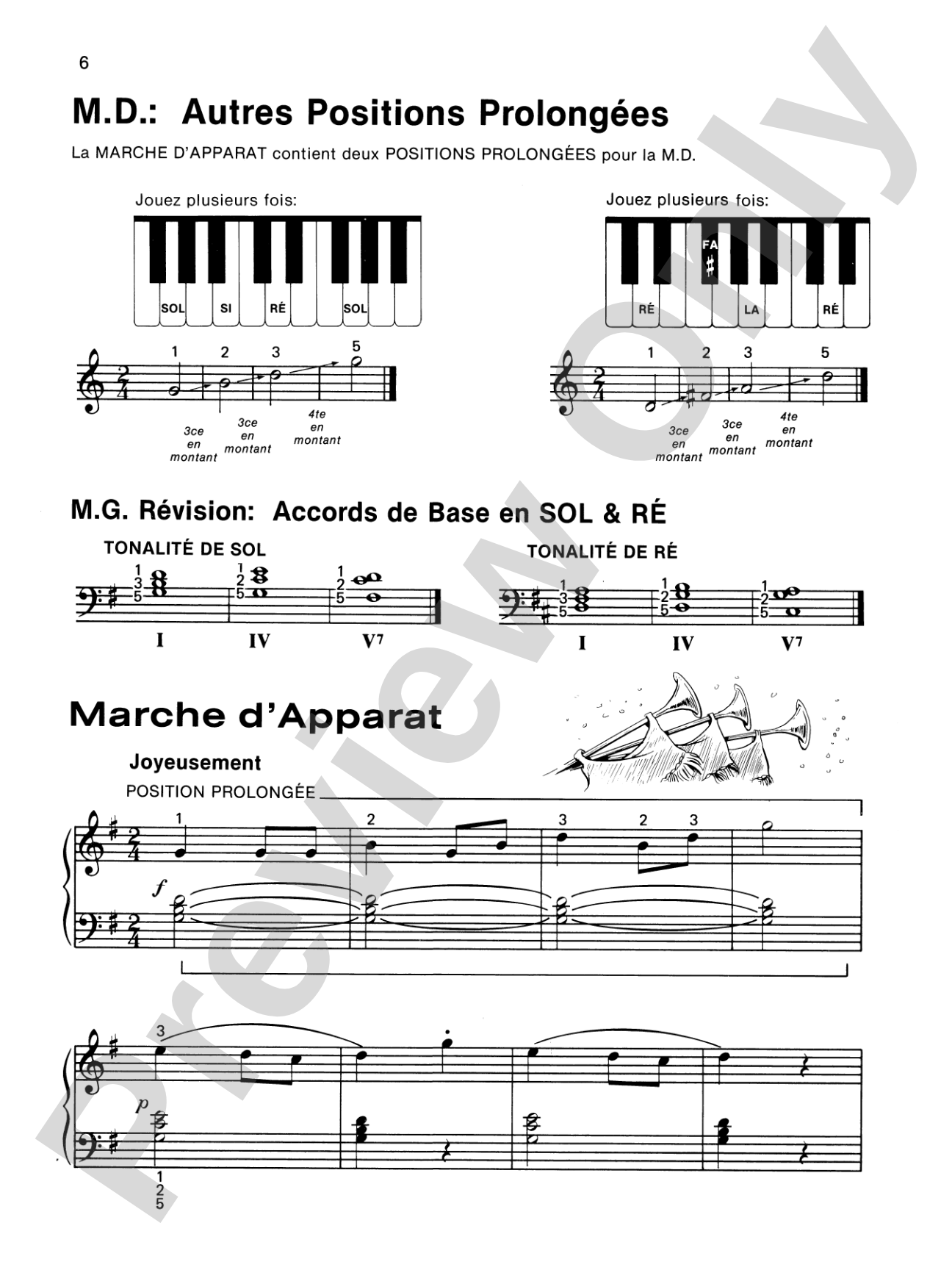
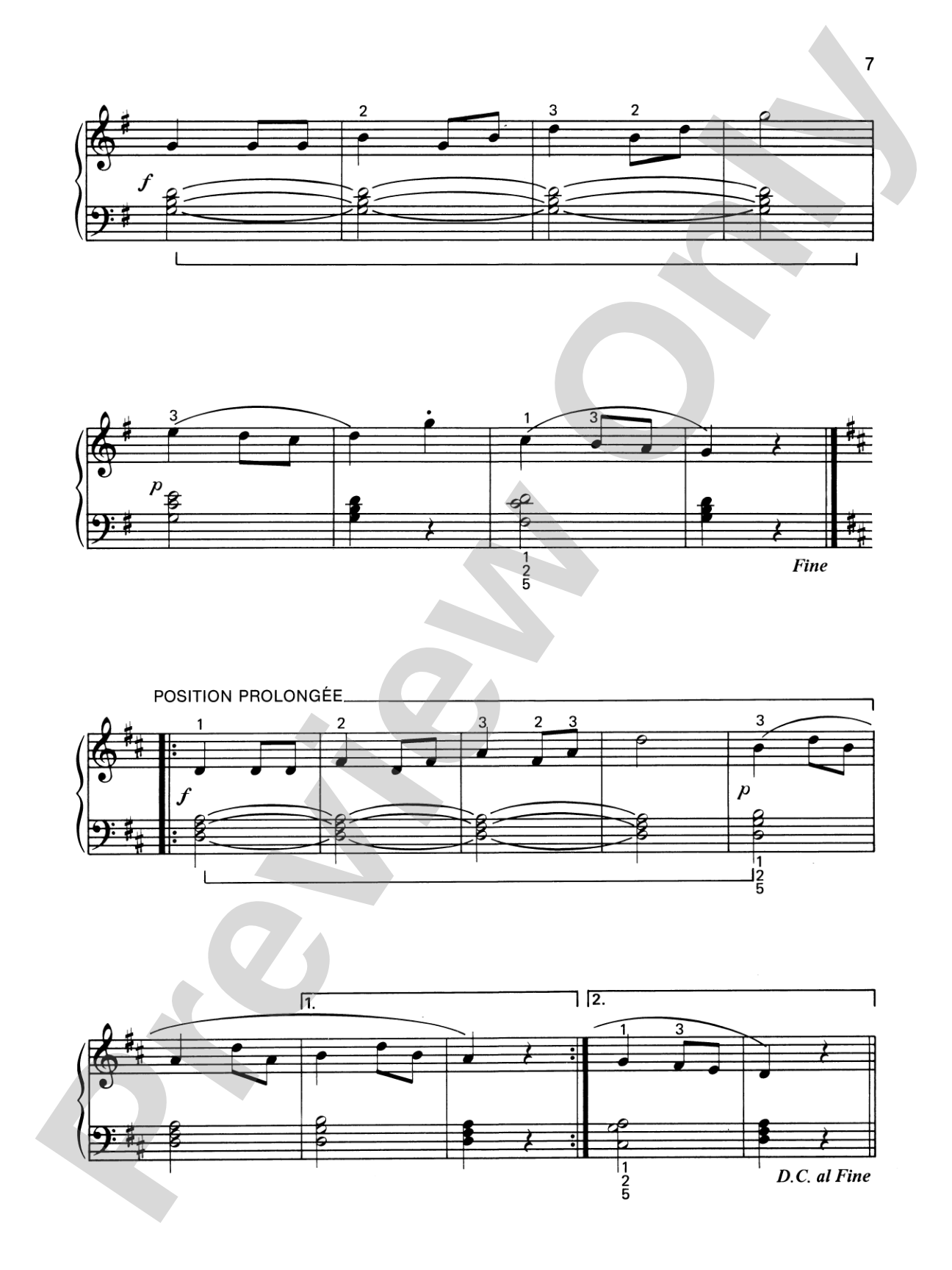
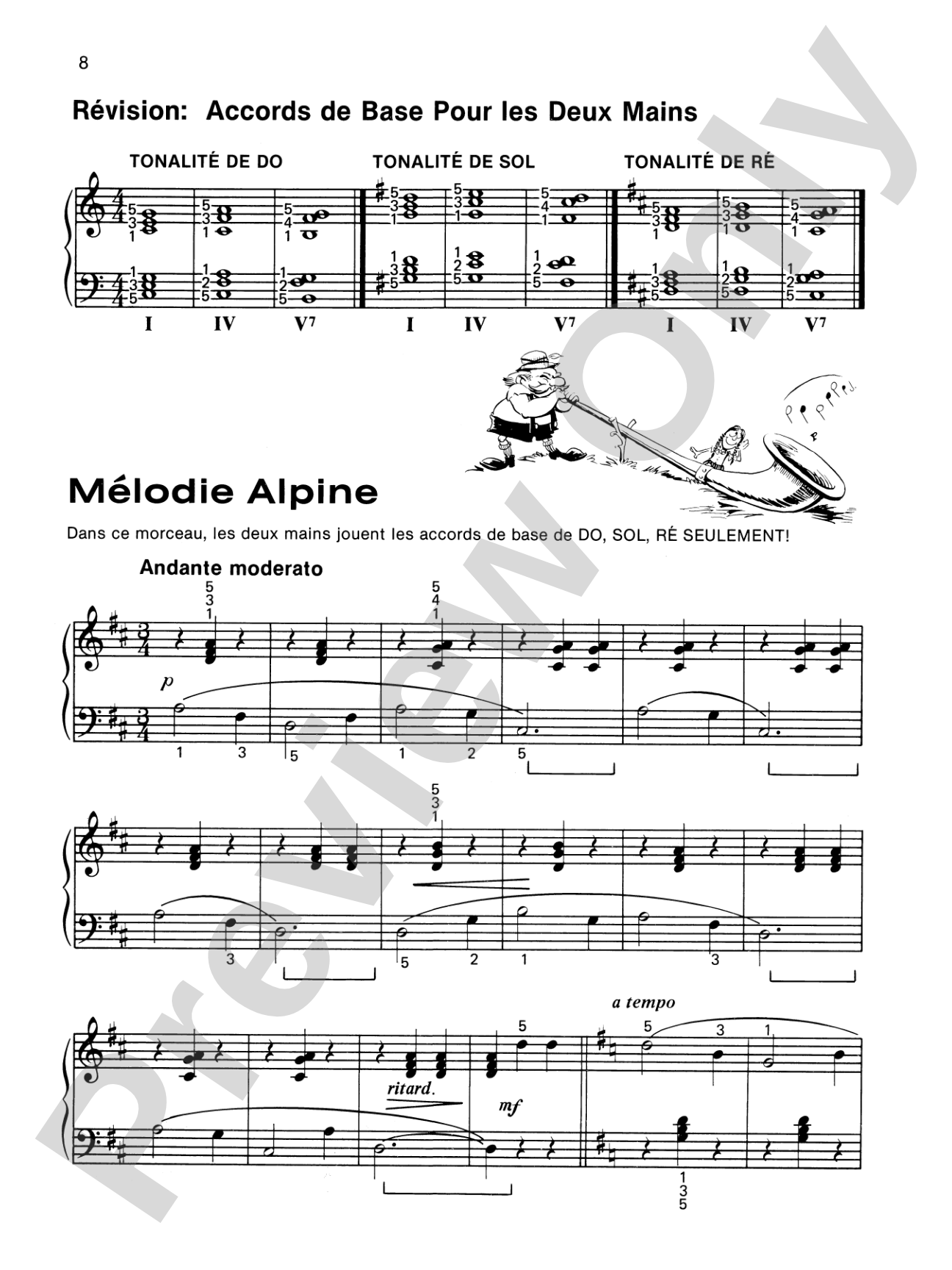
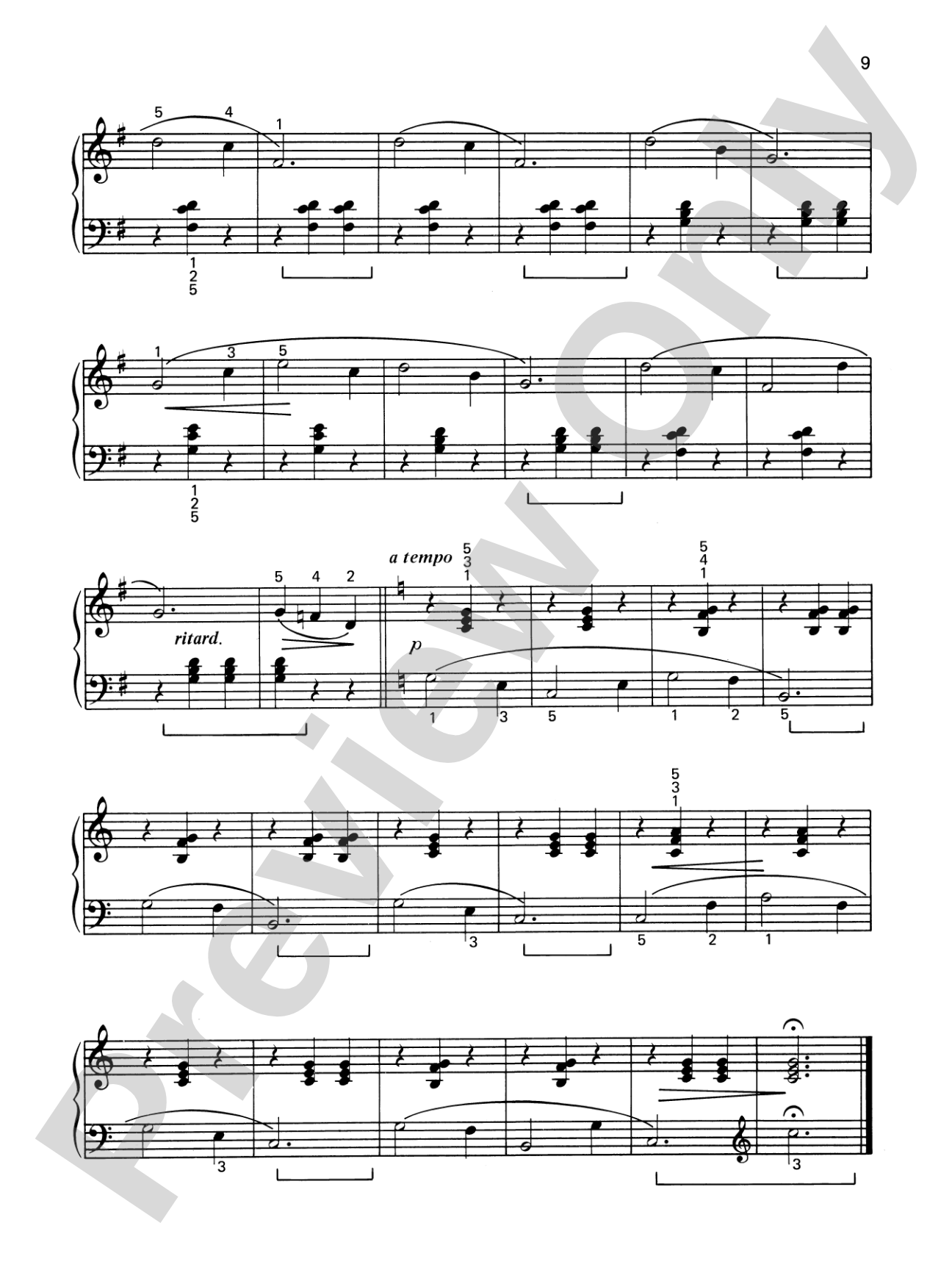
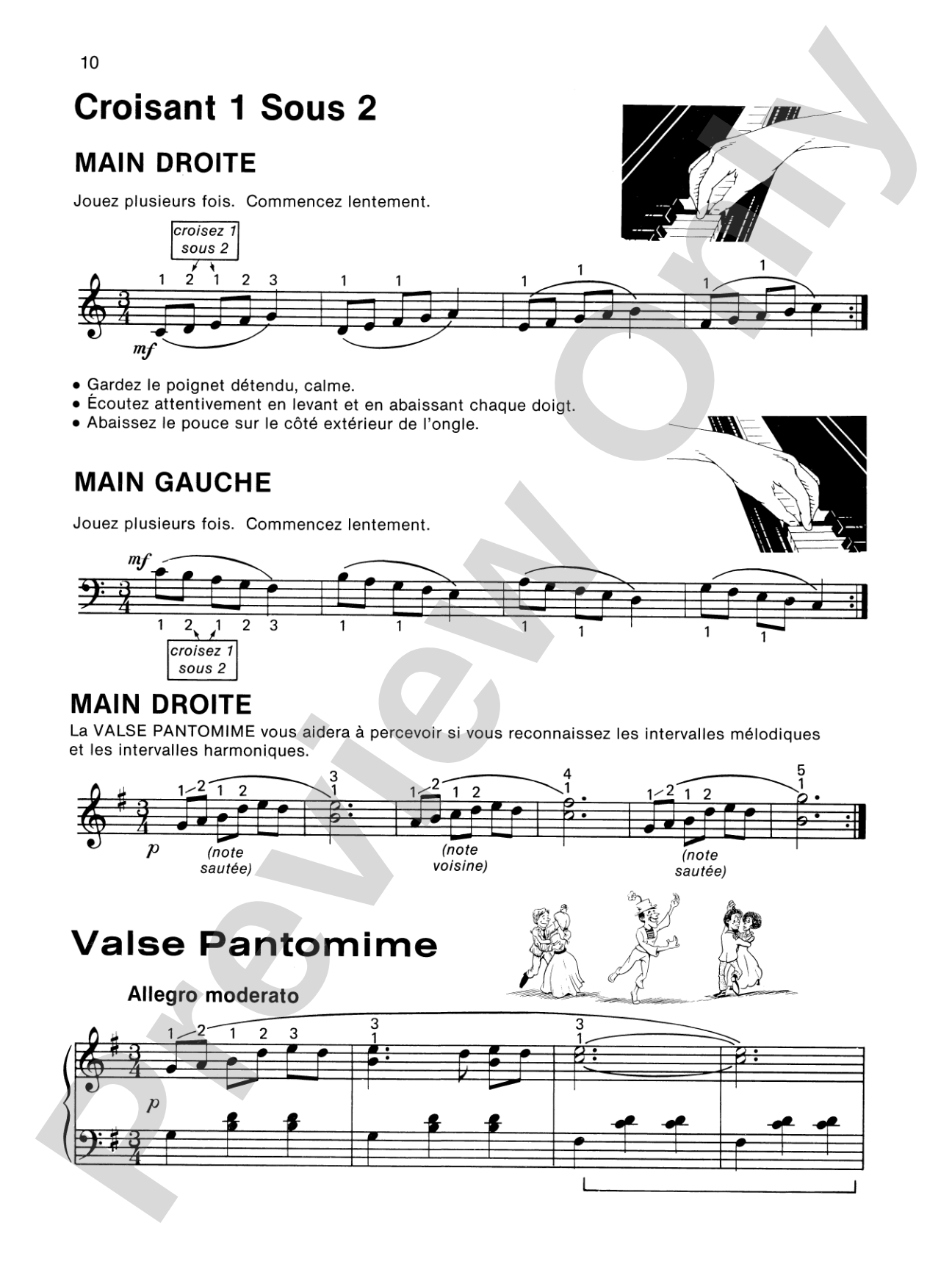
French Language Edition. This easy step-by-step method emphasizes correct playing habits and note reading through interval recognition. Lesson Book 3 introduces "overlapping pedal"; new time signatures 3/8 and 6/8; and the primary triads in Major and Minor keys. Concepts include: passing one under two and one under three; playing major scales in contrary motion; the chromatic scale; the minor scale.
For reinforcement of each principle as it is introduced, supplementary material is carefully coordinated, page for page, at each level of instruction. Coordinating supplemental books for Level 3 include: Classic Themes * Composition * Duet * Ear Training * Ensemble * Fun * Hymn * Merry Christmas * Merry Christmas Ensemble * Musical Concepts * Notespeller * Patriotic Solo * Recital * Repertoire * Sight Reading * Technic * Theory and Top Hits! Solo, Christmas and Duet Book.


For reinforcement of each principle as it is introduced, supplementary material is carefully coordinated, page for page, at each level of instruction. Coordinating supplemental books for Level 3 include: Classic Themes * Composition * Duet * Ear Training * Ensemble * Fun * Hymn * Merry Christmas * Merry Christmas Ensemble * Musical Concepts * Notespeller * Patriotic Solo * Recital * Repertoire * Sight Reading * Technic * Theory and Top Hits! Solo, Christmas and Duet Book.
Discover MakeMusic Cloud: thousands of interactive titles your students can play along with today.
Sample Audio
No sample audio found.
Sample Video
No sample videos found.
Additional Details
Series:
Alfred's Basic Piano Library
Publisher:
Alfred Music
Page Count:
48
SKU:
00-PB-0002583
More about this title
About the Composer: Willard A. Palmer

Willard A. Palmer established himself as a commanding figure in music pedagogy and scholarship, composing nearly 800 published works spanning piano methods, accordion techniques, guitar instruction, and choral literature. His compositions have been translated into German, Japanese, French, Dutch, and Spanish, reaching students across the globe. Palmer's path to this influence began as a child prodigy performing piano on radio at age 13, followed by serious study in piano and accordion under Mae Vardeman, whose emphasis on correct technique and improvisational freedom shaped his entire teaching philosophy.
Palmer's later career focused on deep musicological research, particularly in Baroque ornamentation and performance practice. He taught accordion at the University of Houston for 18 years, directed the Riemenschneider Bach Institute, and earned a Doctor of Humanities degree in 1971 and a Doctor of Music degree in 1983. His meticulous scholarship in Classical and Baroque music became the foundation for the acclaimed Alfred Masterworks series, cementing his legacy as both a prolific composer and an authority on historical musical practice.
Why we love this
Alfred's Basic Piano Library has shaped millions of piano students precisely because it treats note reading as a skill built through interval recognition rather than rote memorization. Book 3 moves beyond foundational concepts to tackle real technical challenges like overlapping pedal technique and contrary motion scales while introducing compound meters (3/8 and 6/8) that demand genuine rhythmic maturity. The coordinated supplementary materials at this level give you flexibility to reinforce concepts through multiple modalities without scrambling for supplemental resources.
What to expect
Level 3 marks the transition from learning to read to reading fluently. Students encounter richer harmonic material through primary triads, experience the physical sensation of pedaling creating sustained color, and begin to feel the independence their hands must develop. The addition of compound meters brings a different rhythmic vocabulary that refreshes what can start to feel routine.
Who it's for
Students who have completed Level 2 and are ready for substantive technique work and more complex rhythmic concepts. This book serves intermediate elementary pianists (typically ages 8-12) who benefit from the French language presentation, as well as any student whose instruction includes coordinated ensemble and theory study.
How to get the most out of it
- Introduce overlapping pedal gradually by first having students hold the pedal down while playing the left hand alone, listening carefully to how the sound sustains and blends before adding the right hand melody.
- When teaching contrary motion scales, have students play hands separately multiple times before attempting together; the independence required here prevents the common habit of mirroring.
- Emphasize that passing one under two and one under three aren't tricks but natural hand movements; demonstrate the forearm rotation on your own hands before students attempt the passage.
- Frame the chromatic scale as a tool for ornamentation and color rather than a pure technical exercise, playing simple melodies with chromatic passing tones so students hear its musical purpose.
How to use it
Integrate this into a structured piano curriculum where supplementary materials are used consistently; the page-by-page coordination means a student working through Lesson Book 3 should simultaneously engage with Technic Book 3, Theory Book 3, or other coordinated resources to reinforce concepts across multiple learning modalities. For students in group piano classes, the duet and ensemble materials at this level provide natural programming for student recitals or informal group performances.
Skills your students will build
- Interval recognition and reading by interval rather than by note name alone
- Overlapping pedal technique and damper pedal control
- Compound time signatures (3/8 and 6/8)
- Passing one under two and one under three hand crossing
- Major scales in contrary motion
- Chromatic scale passage work
- Natural and harmonic minor scales
- Primary triads (I, IV, V) in major and minor keys
- Sight reading fluency at an intermediate level