

Alfred's Basic Piano Library: Composition Book 1B: Piano Book
$6.99 USD
Sale price
$6.99 USD
Regular price
Skip to product information


Alfred's Basic Piano Library: Composition Book 1B: Piano Book
By Valerie Cisler and Deanna Walker-Tipps
Level: 1B
Item: 00-14511
$6.99
One moment…
Description
The Composition Book encourages the development of creativity and compositional skills, while reinforcing important musical concepts including music reading and notation. Although these books are correlated page-by-page with the Lesson Books, they can be used with any piano method.


Discover MakeMusic Cloud: thousands of interactive titles your students can play along with today.
Sample Audio
No sample audio found.
Sample Video
No sample videos found.
Additional Details
More about this title
About the Authors
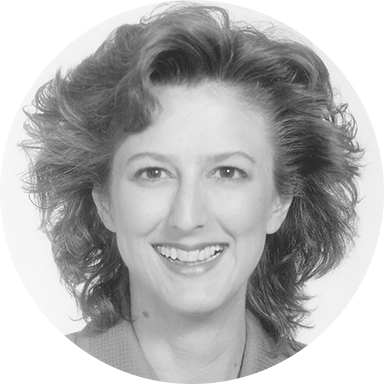
Deanna Walker-Tipps is a composer and educator with degrees from Eastern New Mexico University (Bachelor's in Piano Performance Pedagogy) and the Peabody Conservatory of Johns Hopkins University (Master's in Composition). She currently serves on the faculty at Vanderbilt University.
Walker-Tipps has established herself as both a published composer and an active voice in music education. She co-authored Alfred's Basic Piano Library Composition Books for Levels 1–3 and has received numerous commissions for original works. Her composition Suite for Two Pianos earned third place in the MTNA Distinguished Composer of the Year competition, which drew entries from more than 30 states. Additionally, she has been a frequent speaker at national, division, state, and local MTNA conventions.
Her commissioned works include Theme and Motivations for piano trio, premiered by the Tulsa ensemble Trio Brioso, and Trio for saxophone, flute, and piano, which premiered in Chicago in 1998. Living Arts of Tulsa and the Oklahoma Arts Council presented a concert of her compositions in April 1998, showcasing the breadth of her creative output.
Walker-Tipps has established herself as both a published composer and an active voice in music education. She co-authored Alfred's Basic Piano Library Composition Books for Levels 1–3 and has received numerous commissions for original works. Her composition Suite for Two Pianos earned third place in the MTNA Distinguished Composer of the Year competition, which drew entries from more than 30 states. Additionally, she has been a frequent speaker at national, division, state, and local MTNA conventions.
Her commissioned works include Theme and Motivations for piano trio, premiered by the Tulsa ensemble Trio Brioso, and Trio for saxophone, flute, and piano, which premiered in Chicago in 1998. Living Arts of Tulsa and the Oklahoma Arts Council presented a concert of her compositions in April 1998, showcasing the breadth of her creative output.