Alfred Jazz Play-Along Series, Vol. 3: Brubeck & More Cover Image

Alfred Jazz Play-Along Series, Vol. 3: Brubeck & More: Rhythm Section (Piano, Bass, & Drumset) Book & MP3 CD

$21.99 USD
Sale price  $21.99 USD Regular price 
Skip to product information
Alfred Jazz Play-Along Series, Vol. 3: Brubeck & More Cover Image

Alfred Jazz Play-Along Series, Vol. 3: Brubeck & More: Rhythm Section (Piano, Bass, & Drumset) Book & MP3 CD

9 Jazz Standards

Dave Brubeck

Grade: 3

Item: 00-36096

$21.99
Shipped

One moment…

Description
The Alfred Jazz Play-Along series for Rhythm Section goes beyond the other play-alongs. The rhythm section book has written out parts for piano, bass, and drumset to show comping suggestions. In addition, each of the nine jazz standards includes the melody and a sample jazz solo written out for you to listen to, play, and practice. The included MP3 disc has a demo track and a play-along track for each tune for piano, bass, and drums. The demo track, featuring a pro rhythm section with a horn player, is a learning tool for the melody, piano comping, bass lines, drum parts, and improvisation. The play-along track allows each player to practice with the rhythm section as individuals with their part removed from the mix. In addition, the rhythm section parts in the book can be used as small group arrangements. Each jazz standard has specific improvisation tips and suggestions. The written out comping examples and melody along with the written out sample solos are all invaluable assets that makes learning how to improvise easier. Nine great tunes=great jazz! Titles: Alone Together * Good Bait * How High the Moon * In Your Own Sweet Way * Invitation * It's a Raggy Waltz * Old Devil Moon * Robbin's Nest * Unit 7.

Alfred Jazz Play-Along Series, Vol. 3: Brubeck & More: Rhythm Section (Piano, Bass, & Drumset) Book & MP3 CD isn't in MakeMusic Cloud just yet...but it could be. Let us know you'd like to see it, and you'll help shape what comes next. In the meantime, start a free trial and dive into thousands of interactive titles your students can play along with today.

Sample Pages

Sample Audio
1 How High The Moon --:--
2 Invitation --:--

How High The Moon

0:00
0:00
Sample Video
Additional Details
Series: Alfred Jazz Play-Along Series
Publisher: Alfred Music
Page Count: 132
ISBN10: 0-7390-7316-8
ISBN13: 978-0-7390-7316-2
UPC: 038081402215
SKU: 00-36096
Instrumentation: Rhythm Section

More about this title

About the Composer: Dave Brubeck
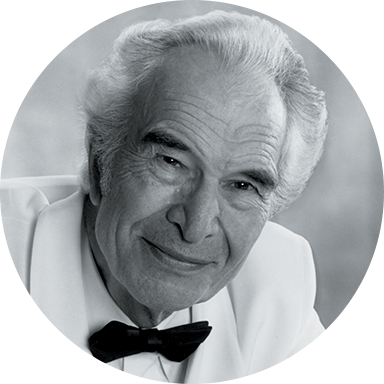
Dave Brubeck

Dave Brubeck was a pianist and composer whose improvisational brilliance shaped modern jazz. Beyond his groundbreaking work as a performer, he created an expansive catalog spanning classical forms: choral works, orchestral pieces, chamber music, ballets, and large-scale compositions for chorus and orchestra. His album "Time Out" became the first jazz recording to sell over a million copies, and "Take Five" remains iconic. Brubeck studied composition with Darius Milhaud after World War II, and Milhaud's encouragement to blend jazz vocabulary with classical technique became central to his artistic voice.

Brubeck's influence extended beyond music. He was a pioneering figure in breaking racial barriers during the mid-20th century, and his sacred works like "To Hope!" and his oratorios have been performed and recorded internationally by ensembles including the London Symphony Orchestra and the Cathedral Choral Society. His achievements earned him the Presidential Medal of the Arts from President Clinton, a Grammy Lifetime Achievement Award, and election to the American Classical Music Hall of Fame in 2003.

Why we love this

This collection gives rhythm section players the rare gift of learning from notated examples instead of guessing. Seeing Brubeck's own comping choices, bass lines, and drum voicings written out alongside melody and improvisation models means students absorb authentic jazz vocabulary directly from a master. The dual-track MP3 format (demo and play-along) serves multiple learning modes at once: students can listen to professional execution, then step into their own part with confidence.

What to expect

These nine standards carry the sophistication and swinging ease that made Brubeck's music instantly recognizable. The arrangements breathe with the harmonic clarity of "Time Out" while offering enough melodic substance to engage listeners and players alike. There's an elegant simplicity here: no overstuffed charts or unnecessary complications, just the bones of great tunes treated with respect and swing.

Who it's for

This book belongs in the hands of any jazz rhythm section player serious about moving beyond reading notes to thinking like a jazz musician. High school and college rhythm section combos, jazz labs, and advanced private students will find the notated examples and dual-track recordings essential for understanding how the parts function within a real arrangement. Piano, bass, and drum students who need concrete models of professional jazz playing will use this resource repeatedly.

How to get the most out of it

  • Listen to the demo track first as a complete learning experience. Study not just your own part but how the piano comps, bass moves, and drums interact across the full arrangement.
  • Use the written comping examples in the book as reference during play-along practice. Internalize the rhythmic and harmonic patterns so they become muscle memory rather than something you read in real time.
  • Practice the sample solo transcriptions before attempting your own improvisation. Understanding Brubeck's harmonic choices and phrasing teaches you where to sit in the changes and how to construct lines that fit the tune.
  • Switch between rhythm section instruments across different tunes to deepen your understanding of the arrangement. A pianist learning the bass part gains insight into voice leading; a drummer studying the comping shapes hears the harmonic architecture.

How to use it

Use these tunes as the foundation for small group jazz recitals or classroom combo performances. The written parts function perfectly as standalone arrangements, so rhythm section players can perform directly from the book while soloists (horns, vibraphone) add their own lines. This material also works beautifully in a jazz history unit focused on cool jazz and West Coast swing, giving students the chance to perform the very repertoire that defined an era.

Skills your students will build

  • Reading and executing written comping patterns and substitutions
  • Interpreting bass lines that outline chord changes and guide harmonic movement
  • Playing behind melody and solo lines with appropriate density and pocket
  • Analyzing improvisation: understanding how sample solos navigate changes and phrase over form
  • Listening skills: tracking individual parts within a group texture and responding to other musicians
  • Building jazz vocabulary through transcription and imitation of notated examples
  • Developing time feel and swing articulation specific to jazz idiom

You May Also Like