Alfred Jazz Play-Along Series, Vol. 3: Brubeck & More Cover Image

Alfred Jazz Play-Along Series, Vol. 3: Brubeck & More: C, B-flat, E-flat, & Bass Clef Instruments Book & CD

$17.99 USD
Sale price  $17.99 USD Regular price 
Skip to product information
Alfred Jazz Play-Along Series, Vol. 3: Brubeck & More Cover Image

Alfred Jazz Play-Along Series, Vol. 3: Brubeck & More: C, B-flat, E-flat, & Bass Clef Instruments Book & CD

9 Jazz Standards

Dave Brubeck

Grade: 3

Item: 00-36093

$17.99
Shipped

One moment…

Description
The Alfred Jazz Play-Along series goes beyond the other play-alongs! Some of the best jazz tunes written are arranged in an educational and fun setting, with sophisticated recordings by some of the top musicians in the country. Each volume has parts for C, B-flat, E-flat, and bass clef instruments and includes a sample jazz solo that is written out for you to listen to, play, and practice. The included CD has a demo and play-along track for each tune. The demo track, featuring a pro rhythm section and horn player, is a learning tool for the melodic concept, overall jazz style, and the sample jazz solo. The play-along track allows a soloist or group to learn and perform with the rhythm section. Specific improvisation tips and suggestions are included. A jazz solo is written out for each song--an invaluable asset that makes learning how to improvise easier. There is also a matching book for rhythm section featuring piano, bass, and drum parts! Nine great tunes=great jazz! Titles: Alone Together * Good Bait * How High the Moon * In Your Own Sweet Way * Invitation * It's a Raggy Waltz * Old Devil Moon * Robbin's Nest * Unit 7.

Alfred Jazz Play-Along Series, Vol. 3: Brubeck & More: C, B-flat, E-flat, & Bass Clef Instruments Book & CD isn't in MakeMusic Cloud just yet...but it could be. Let us know you'd like to see it, and you'll help shape what comes next. In the meantime, start a free trial and dive into thousands of interactive titles your students can play along with today.

Sample Pages

Sample Audio
1 How High The Moon --:--
2 Invitation --:--

How High The Moon

0:00
0:00
Sample Video
Additional Details
Series: Alfred Jazz Play-Along Series
Publisher: Alfred Music
Page Count: 112
ISBN10: 0-7390-7315-X
ISBN13: 978-0-7390-7315-5
UPC: 038081402208
SKU: 00-36093
Instrumentation: C, B-flat, E-flat, & Bass Clef Instruments

More about this title

About the Composer: Dave Brubeck
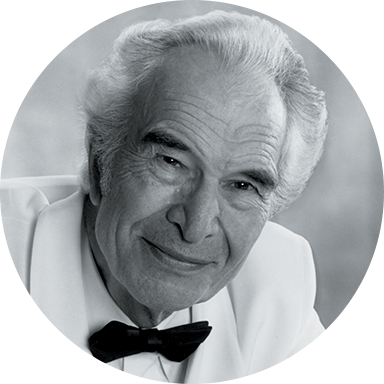
Dave Brubeck

Dave Brubeck built his reputation as a pianist whose improvisational instincts shaped the sound of modern jazz, yet he was equally committed to large-scale compositional work across multiple genres. Trained under Darius Milhaud at Mills College after World War II, Brubeck synthesized jazz language with classical forms, creating everything from choral works and orchestral pieces to chamber music and ballet suites. His album "Time Out" became the first jazz recording to exceed a million copies in sales, anchored by the enduring standard "Take Five."

Beyond music, Brubeck was a cultural force in mid-20th-century America, actively working to dismantle racial barriers in jazz and performance. His sacred works, including the mass "To Hope!" and oratorios such as "The Voice of the Holy Spirit" and "Beloved Son," have been performed and recorded by ensembles ranging from the Cathedral Choral Society at the National Cathedral to the London Symphony Orchestra. His lifetime achievements earned him a Grammy Lifetime Achievement Award, the Presidential Medal of the Arts, and induction into the American Classical Music Hall of Fame.

Why we love this

Brubeck's tunes sit at the sweet spot where jazz tradition meets teachable moments. The written-out solos mean students see exactly how a master soloist navigates changes, turning the demo track into a masterclass rather than just background music. With parts for four different clef families on one recording, you can deploy this across your entire ensemble without splitting rehearsal time.

What to expect

These are tunes with bone-deep swing and melodic clarity. Brubeck's writing is sophisticated enough to keep experienced ears engaged while remaining approachable for developing improvisers. The recorded performances have a polish and purposefulness that lifts the room the moment the first track plays.

Who it's for

Jazz ensembles at the intermediate level, small combos, or mixed-ability groups learning to navigate chord changes and improvisation together. This book works for any director who wants recorded reference tracks that don't feel like karaoke, where students can hear and study professional execution before they perform. Band programs adding jazz literacy to their curriculum will especially appreciate having parts for the full range of standard instruments.

How to get the most out of it

  • Reference the demo track before rehearsal to internalize the groove and rhythmic pocket. The pro rhythm section establishes the jazz feel your students should chase, not just the melody they're reading.
  • Study the written jazz solo alongside the play-along recording. Pause it section by section to isolate how the soloist approaches phrasing, space, and note choices over the changes.
  • Use the play-along tracks in sectional rehearsals with a solo player and rhythm section (or a small group taking turns soloing). This builds listening and responsiveness in real time, not just from sheet music.
  • Encourage your soloists to transcribe phrases from the recorded sample solo into their own practice sessions. Copying vocabulary from professionals accelerates their understanding of what jazz phrasing actually sounds like.

How to use it

Slot this into late fall or spring when students have enough foundational reading and listening skills to benefit from the demo tracks and written solos. The nine tunes span enough styles and tempos that you can scatter them across a jazz concert or weave individual pieces into pops programs. A rhythm section book is available separately, so you can build a complete small ensemble learning experience without searching for compatible parts.

Skills your students will build

  • Listening to and transcribing jazz vocabulary from recorded solos
  • Improvising over jazz changes with written guide phrases as reference
  • Reading jazz nomenclature and lead-sheet symbols
  • Playing with jazz articulation and rhythmic swing feel
  • Ensemble listening and responding to rhythm section grooves
  • Understanding phrase shape and space in jazz performance

You May Also Like