
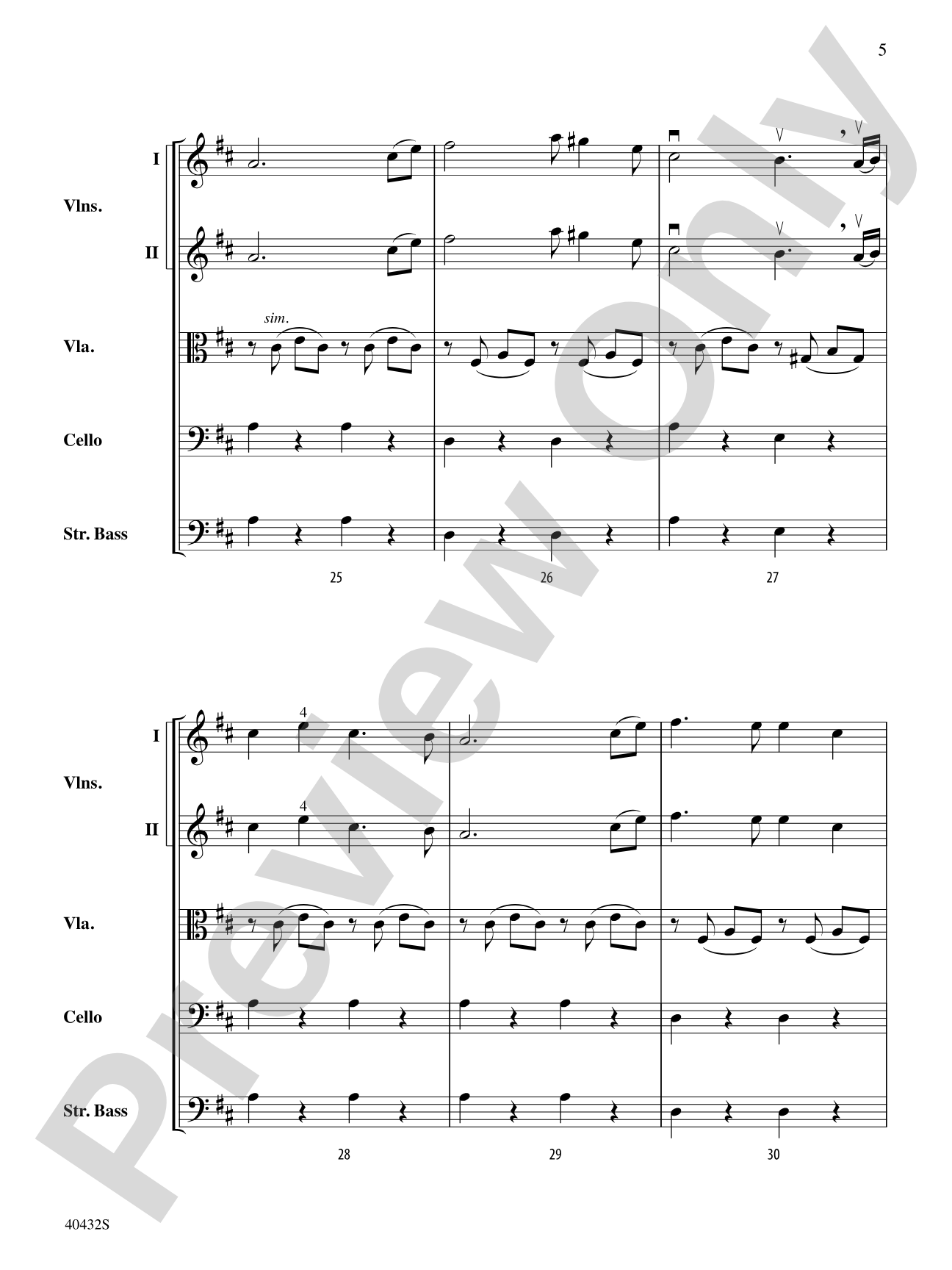
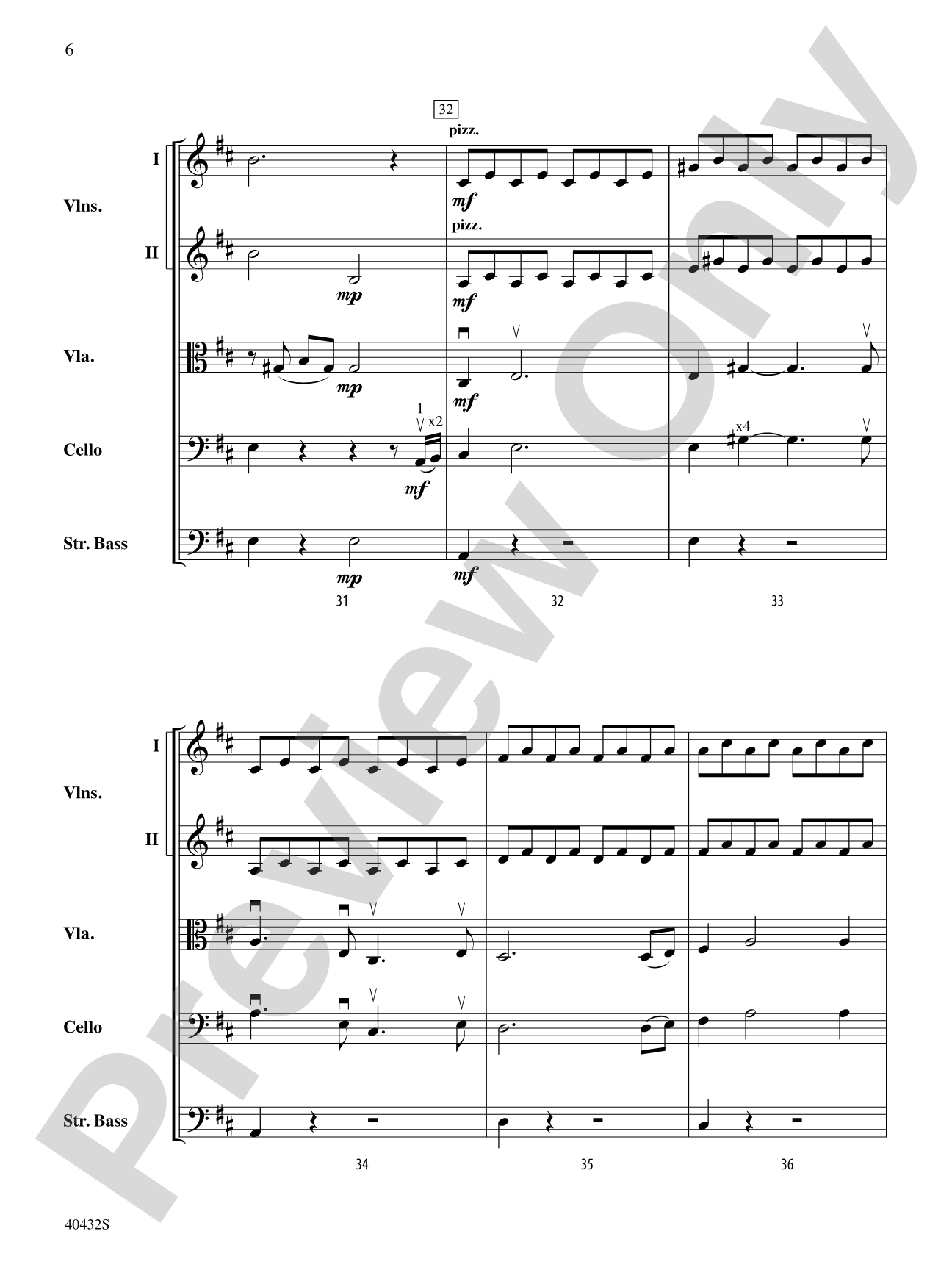
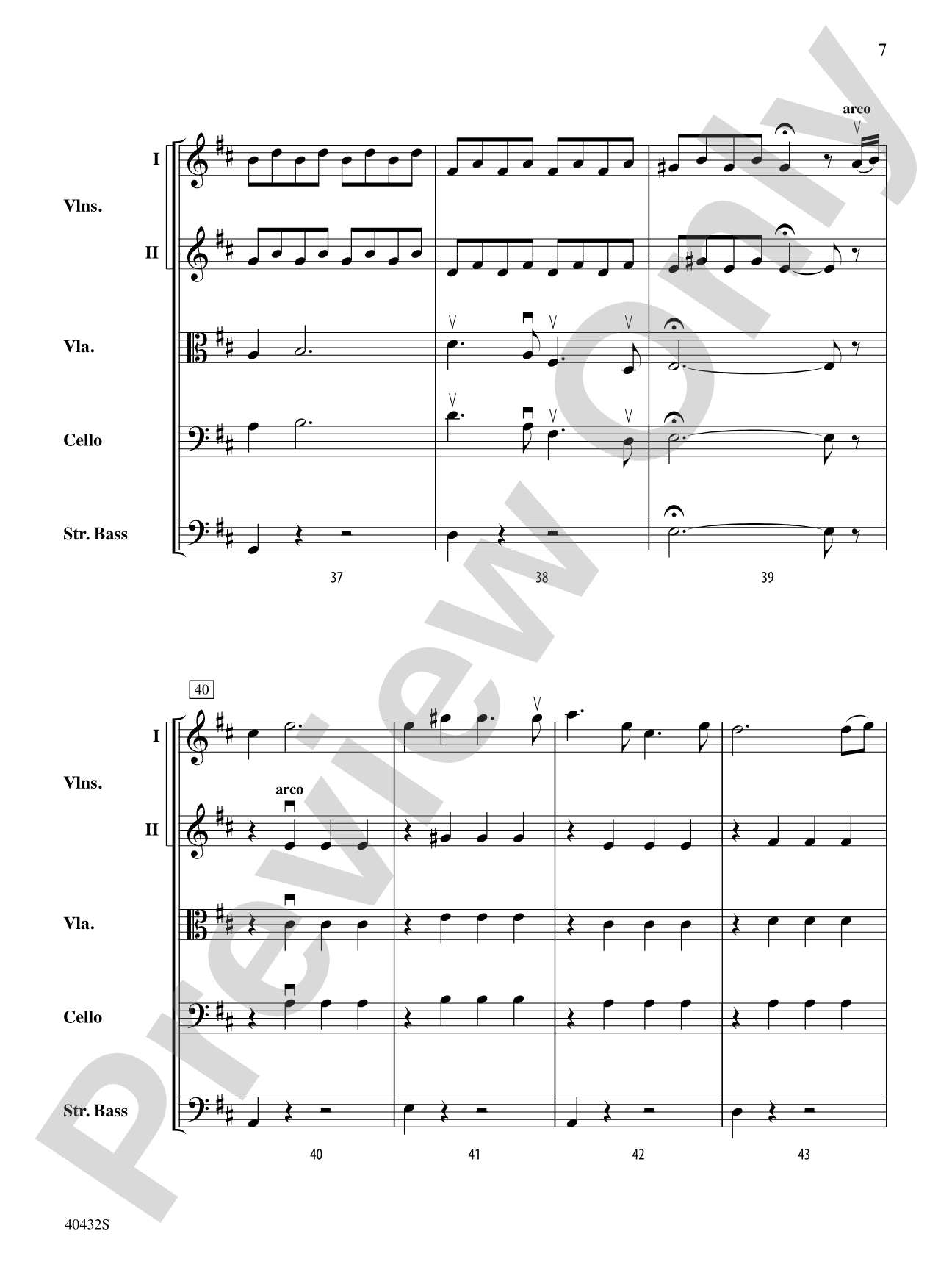
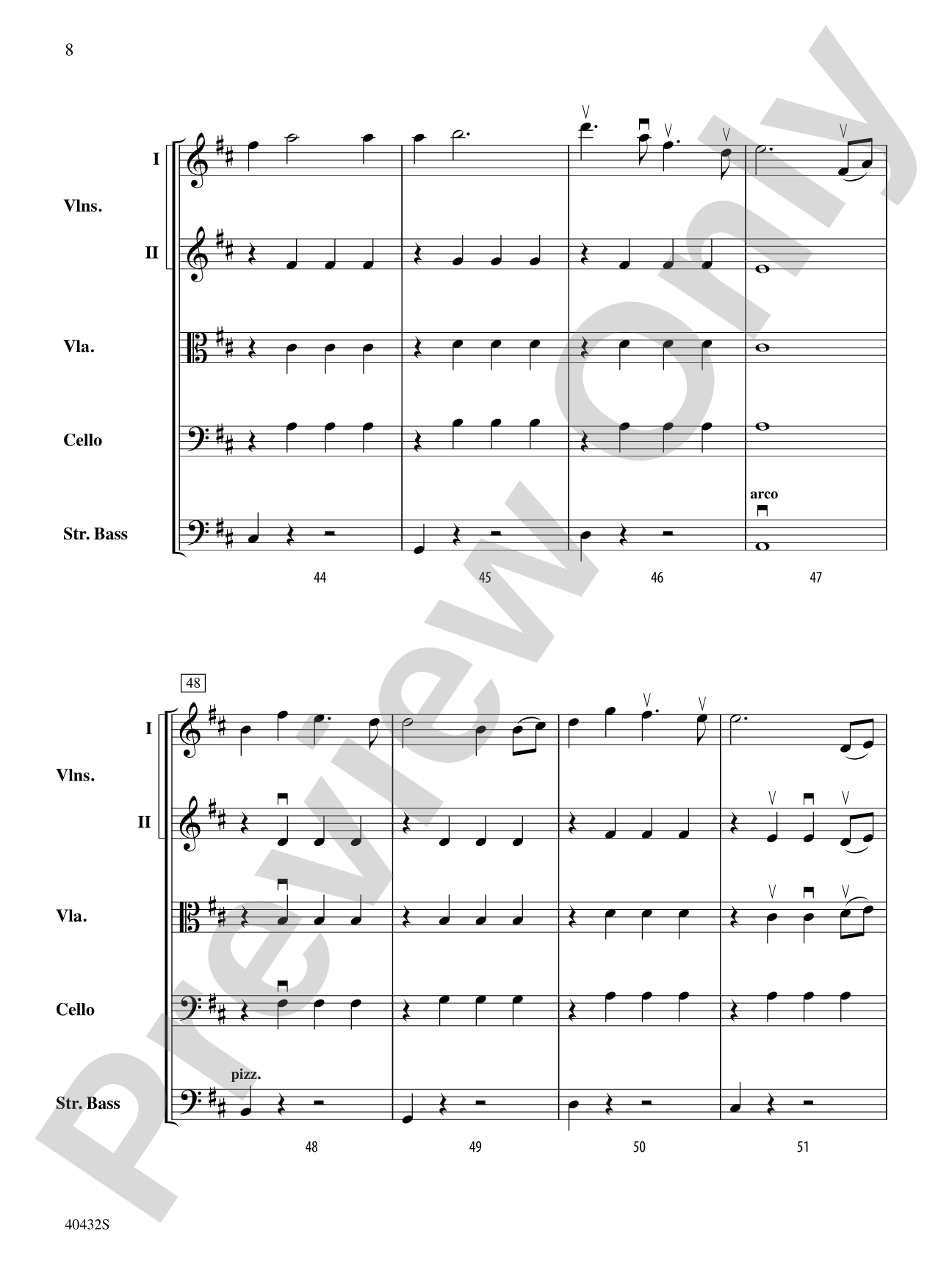
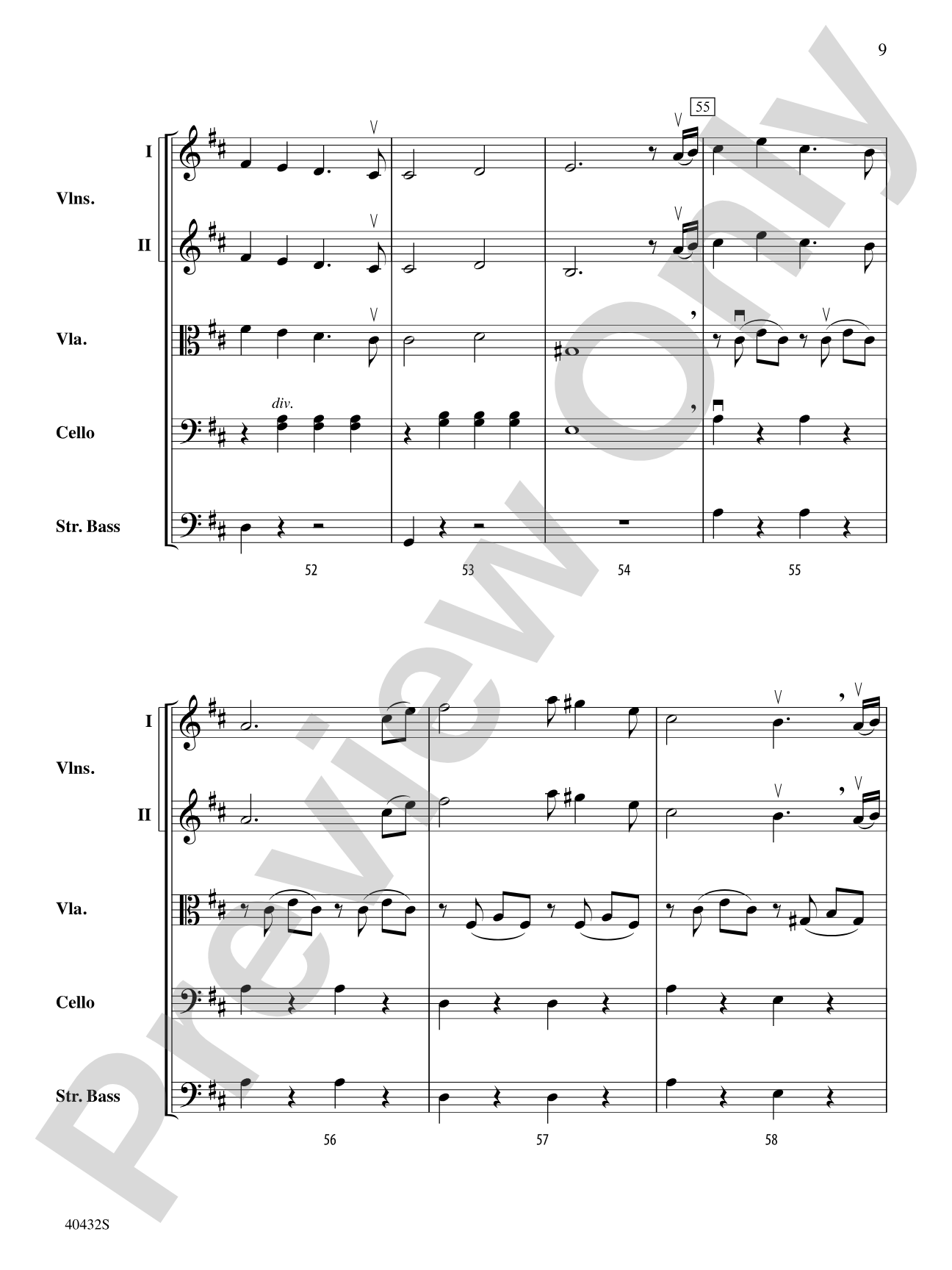
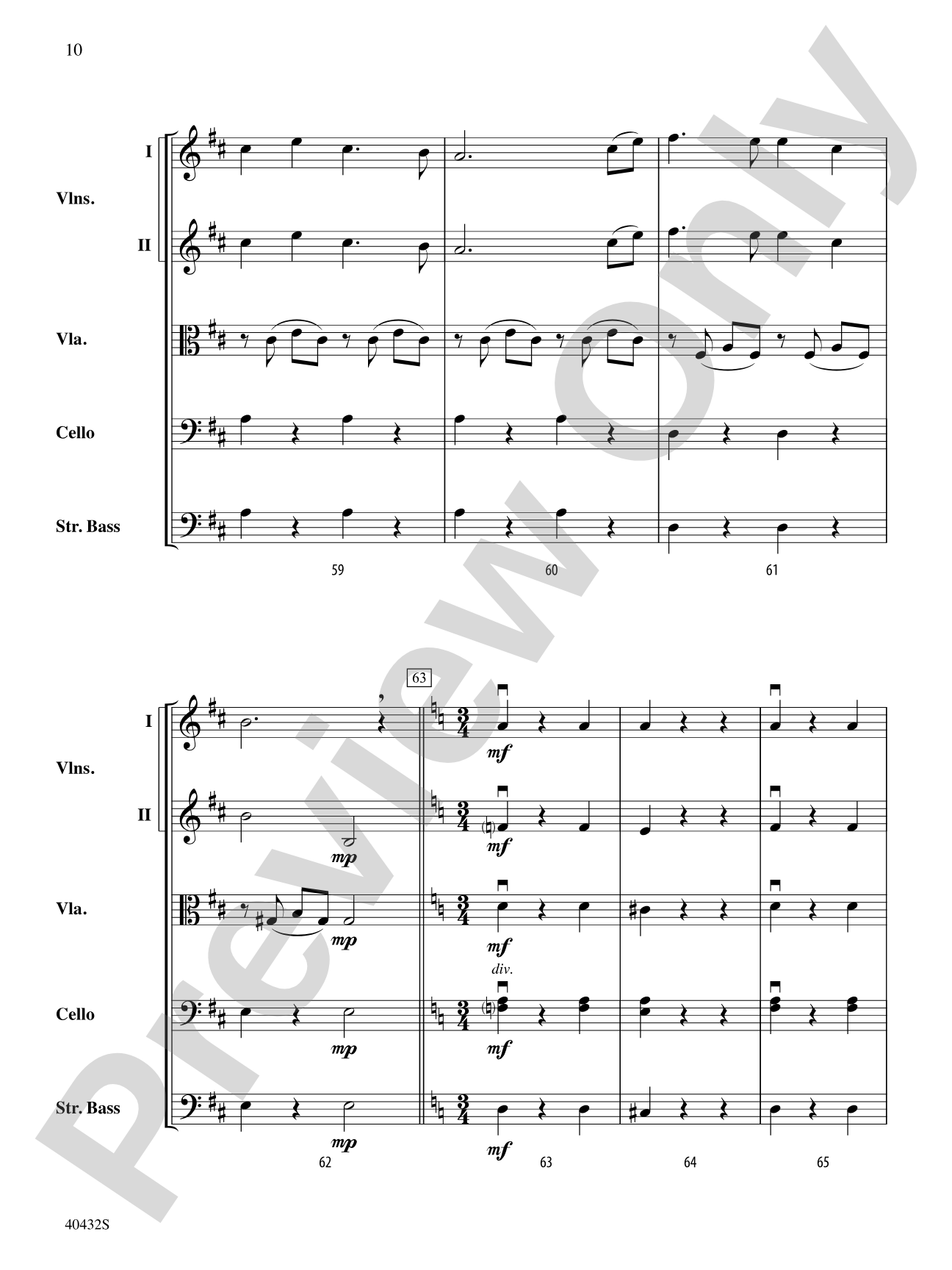
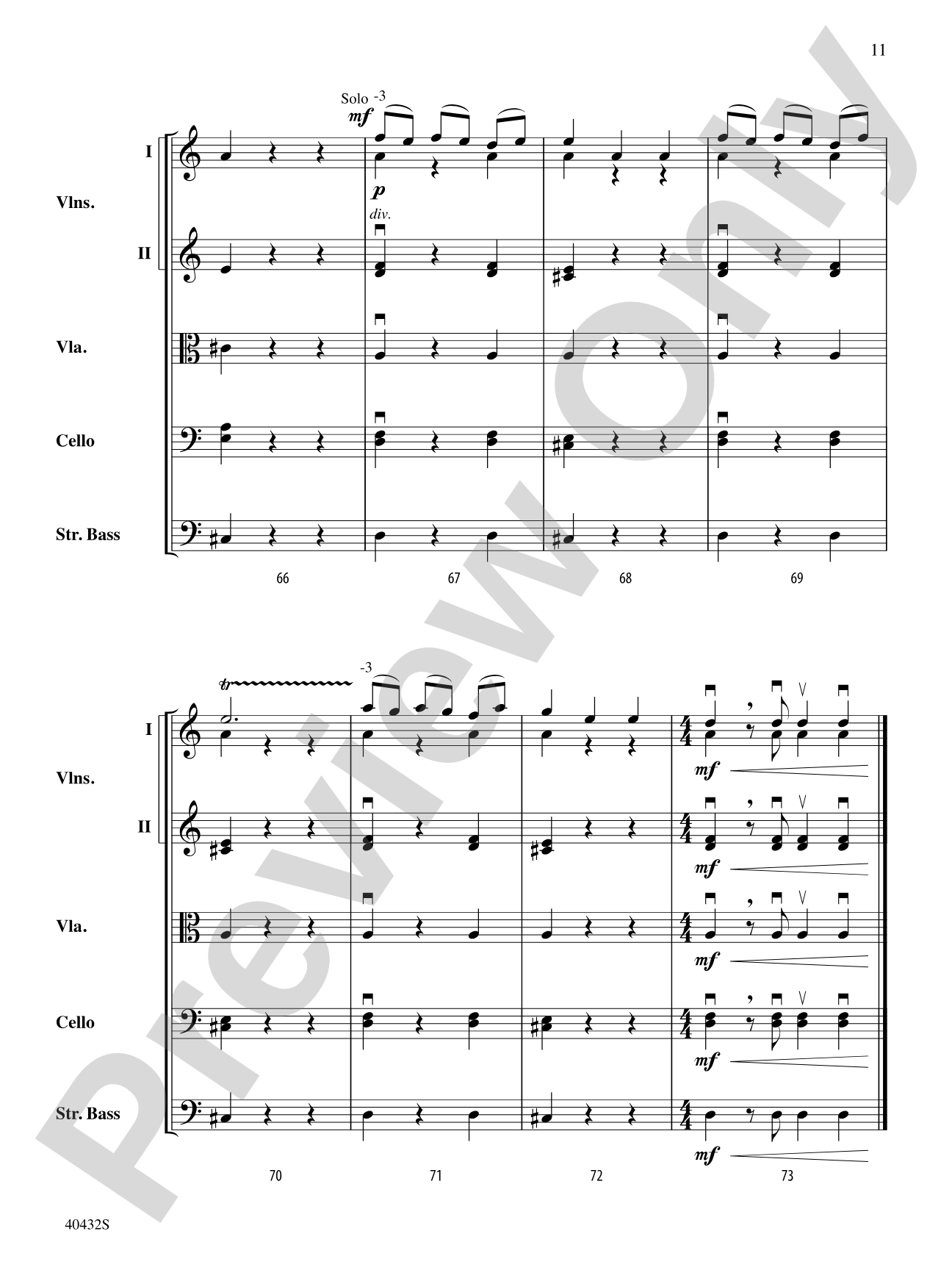


A Very Respectable Hobbit (from The Hobbit: An Unexpected Journey): String Orchestra Conductor Score & Parts
By Howard Shore / arr. Bob Cerulli
Grade: 2.5
Item: 00-PK-0005715

$51.00
One moment…
Description
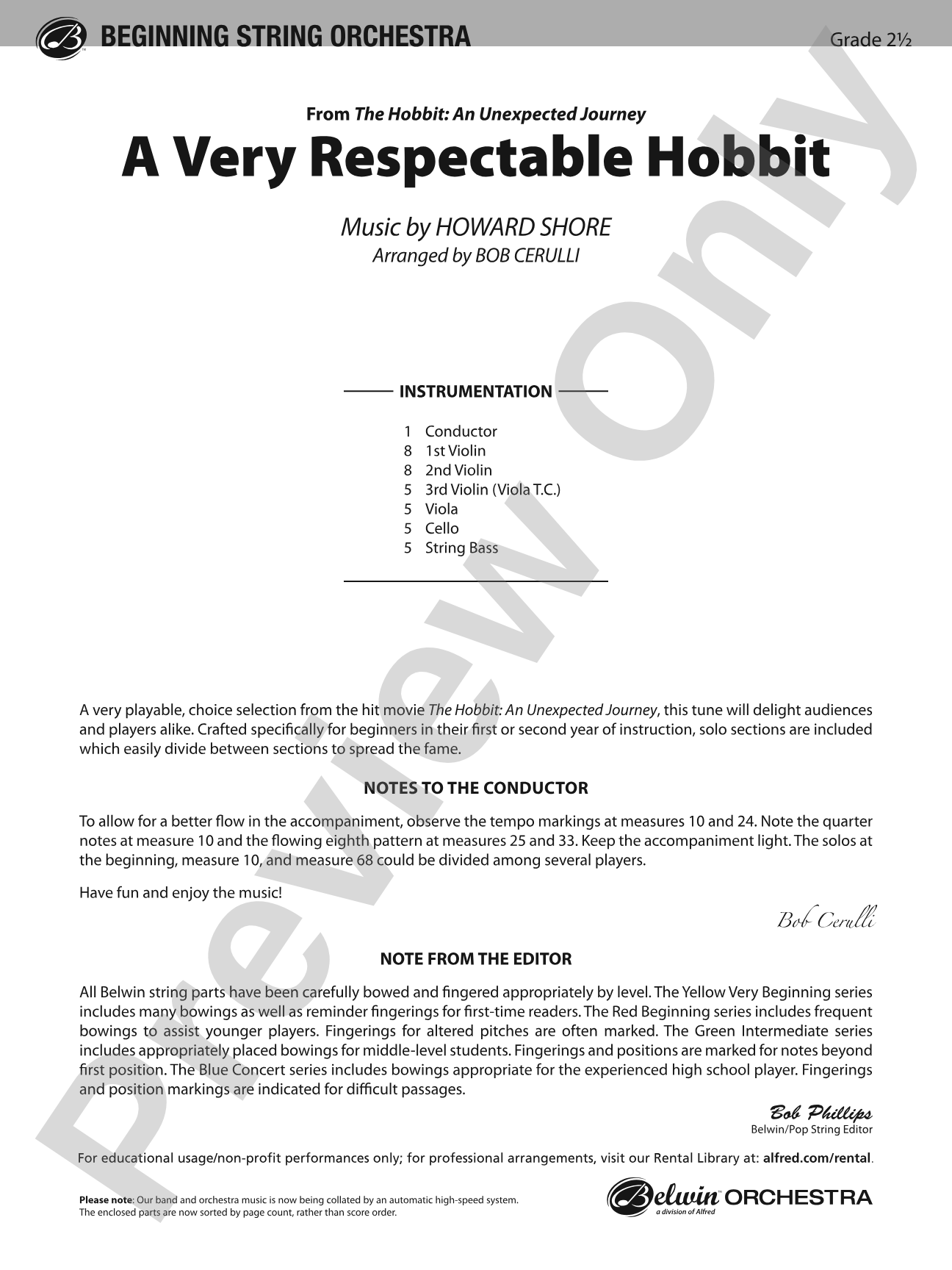
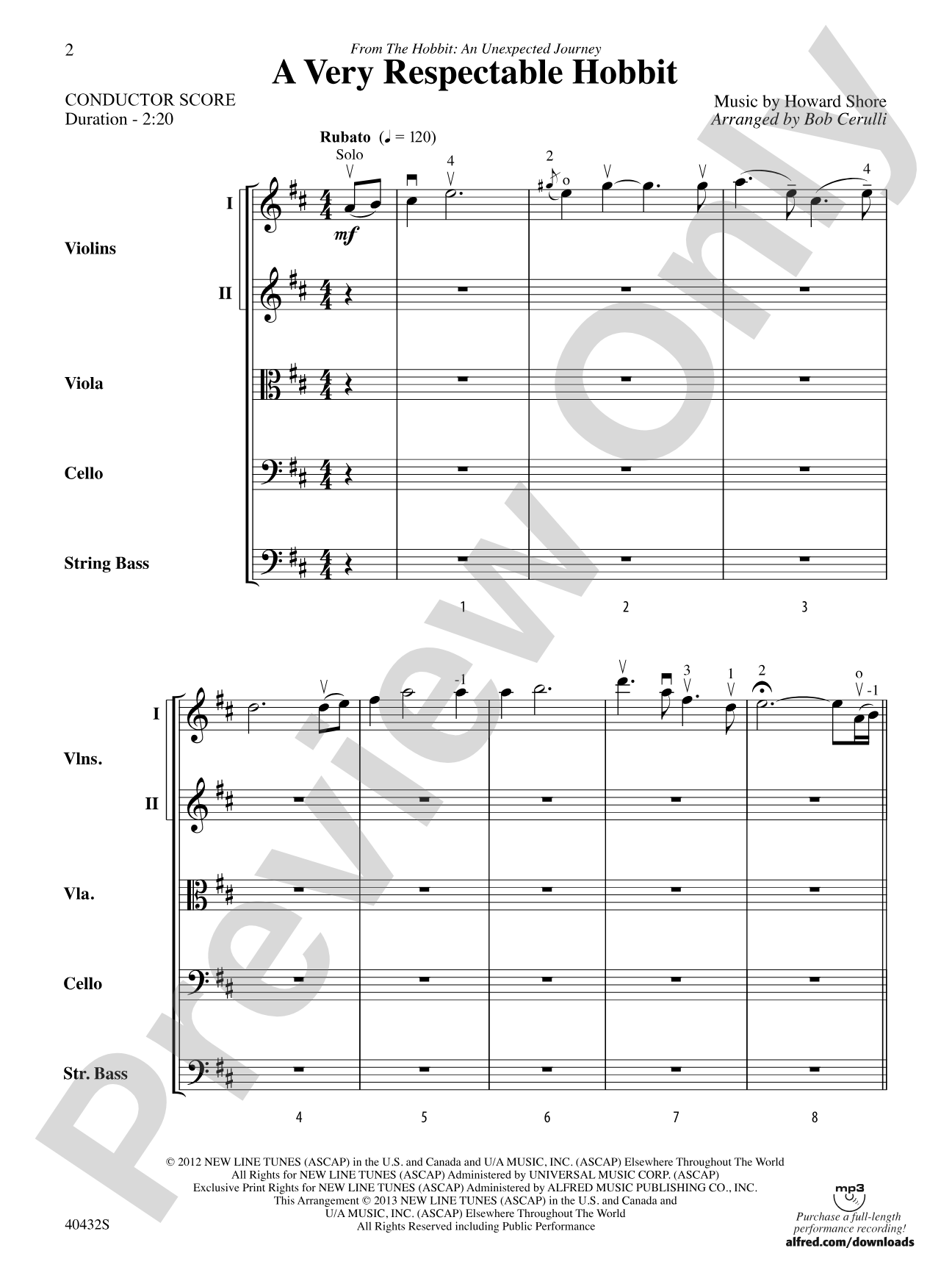
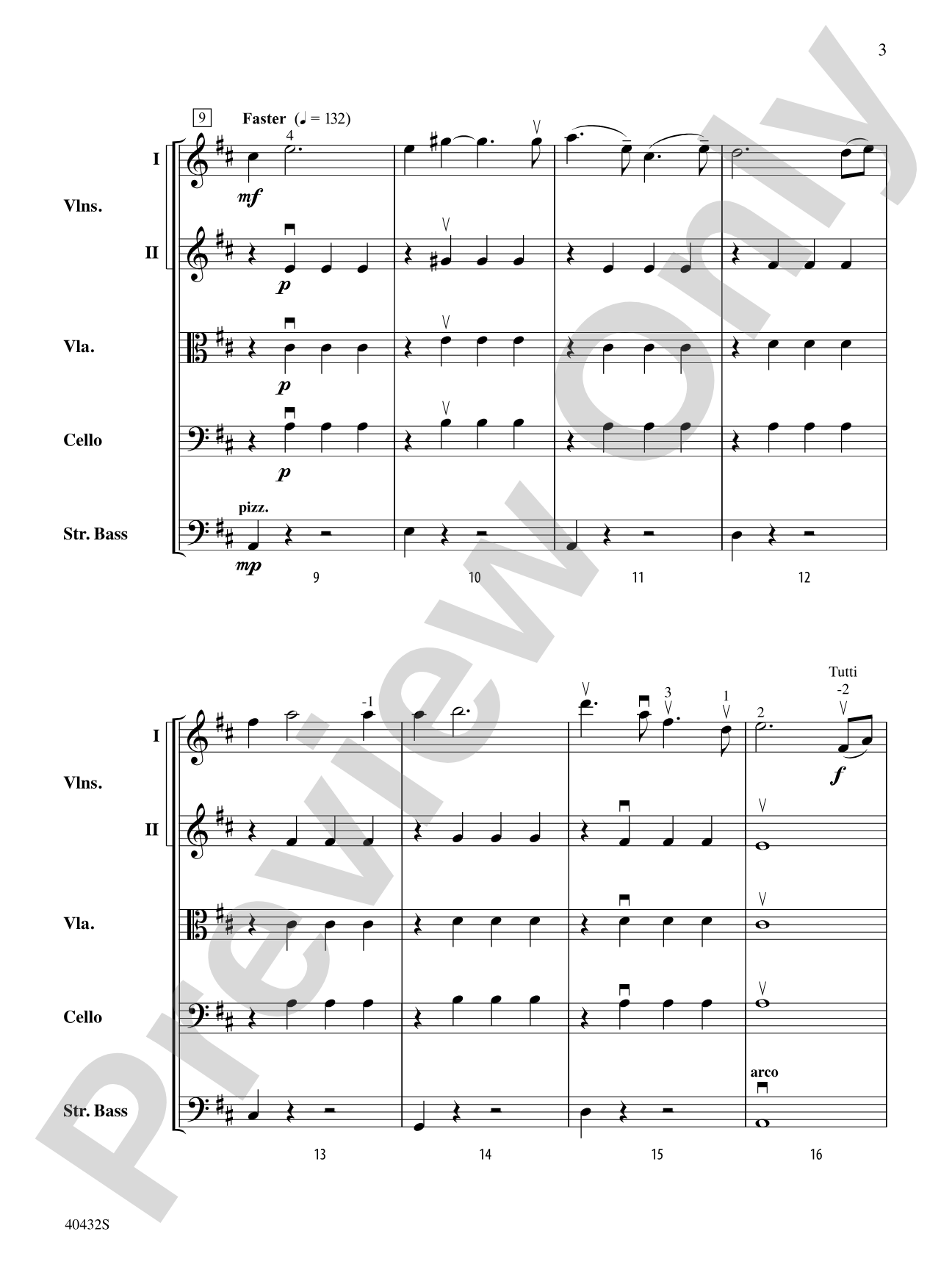
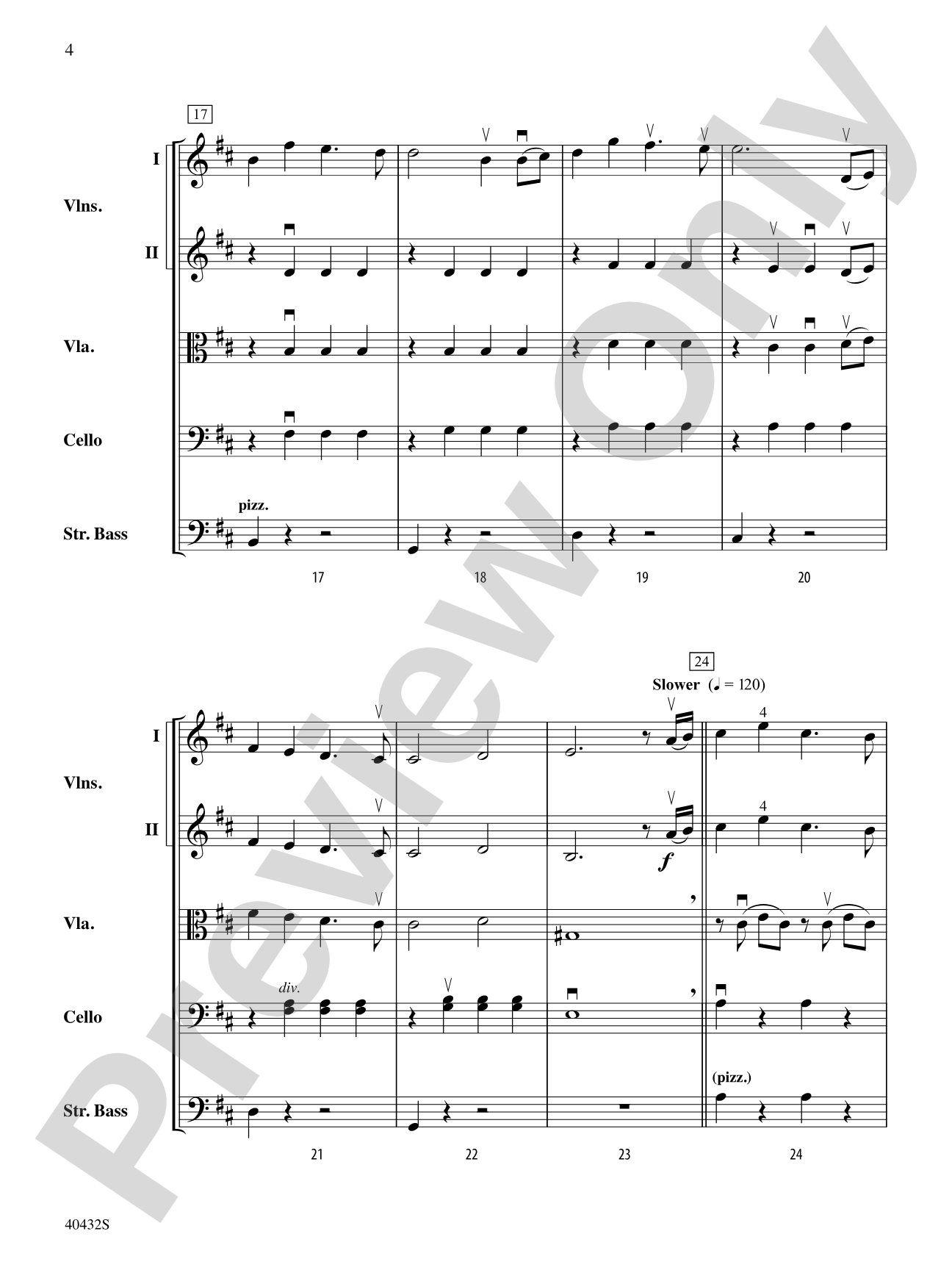
A very playable, choice selection from the hit movie The Hobbit: An Unexpected Journey, this tune will delight audiences and players alike. Crafted specifically for beginners in their first or second year of instruction, solo sections are included which easily divide between sections to spread the fame. (2:24) This title is available in MakeMusic Cloud.
For educational usage/non-profit performances only; for professional arrangements, visit our rental library at alfred.com/rental.


For educational usage/non-profit performances only; for professional arrangements, visit our rental library at alfred.com/rental.
Don't just read it, hear it, play along with it, and watch your students grow with it. In MakeMusic Cloud, A Very Respectable Hobbit (from The Hobbit: An Unexpected Journey): String Orchestra Conductor Score & Parts comes alive with professional accompaniment, adjustable tempo, and built-in practice tools that turn solo practice into real progress.
Open in the Player
Jump straight in and assign it today.
Start Your Free Trial
Open this title and explore the full library in minutes.
Sample Audio
1
Audio File
--:--
0:00
0:00
Sample Video
No sample videos found.
Additional Details
Series:
Pop Beginning String Orchestra
Publisher:
Alfred Music
Page Count:
88
SKU:
00-PK-0005715
More about this title
About the Composer: Howard Shore
Howard Shore is a film composer whose work has shaped the sound of contemporary cinema. His scores for Peter Jackson's The Lord of the Rings and The Hobbit trilogies earned multiple Academy Award nominations and demonstrated his mastery of orchestral writing across intimate character moments and epic ensemble scenes. Shore's approach to film music education is direct: melodies serve the story, orchestration serves the melody, and every instrument has purpose.
Why we love this
Bob Cerulli has captured the warmth and charm of Shore's original theme while keeping the orchestration lean and teachable for second-year students. The solo sections distribute responsibility naturally across the string sections, so every player gets a moment to shine without overwhelming younger musicians. It's a piece that sounds far more ambitious than its technical demands, which means your students will feel genuinely proud of what they've accomplished.
What to expect
Warmth and good humor permeate this piece. The melody has the quality of a well-loved folk tune, gently rolling through the ensemble with a sense of adventure tempered by comfort and home. It feels like a story being told rather than a technical exercise, which is precisely what makes it memorable for both players and listeners.
Who it's for
String orchestra directors working with students in their first or second year of instruction who want accessible literature with genuine musical personality. The piece also suits programs seeking crossover appeal, since audiences recognize the melody immediately and students gain confidence from playing recognizable film music.
How to get the most out of it
- Shape the melody with a gentle swell on the longer phrases rather than keeping dynamics flat; this lifts the character and maintains forward motion without requiring dramatic shifts.
- Balance the divisi passages so accompanying voices stay well under the melody line; younger violins often play at full volume in harmony, which buries the tune.
- Establish a steady tempo early in rehearsal and resist the urge to slow down during held notes; this piece depends on gentle momentum more than lingering.
How to use it
This works beautifully on a concert celebrating film music, or as a lighter selection that gives your audience (and your players) a breather between heavier repertoire. It also pairs naturally with other beginning-level pieces in a spring concert, where the charming energy and short duration make it an ideal closer or transitions between program sections.
Skills your students will build
- Sustaining lyrical melody while playing in ensemble texture
- Balancing divisi passages so accompanying voices support rather than compete
- Managing longer phrases with consistent vibrato and bow control
- Responding to solo and tutti roles within the same piece