

A Soldier's Hymn: String Orchestra Conductor Score & Parts
By Soon Hee Newbold
Grade: 2.5
Item: 98-DST6146
$50.00
Pickup currently not available
Buy Extra Parts (Digital PDF Download)
| Product | Price | Quantity |
|---|---|---|
| A Soldier's Hymn: Score | $11.00 | |
| A Soldier's Hymn: Violin 1 | $7.00 | |
| A Soldier's Hymn: Violin 2 | $7.00 | |
| A Soldier's Hymn: Violin 3 (Viola T.C.) | $7.00 | |
| A Soldier's Hymn: Viola | $7.00 | |
| A Soldier's Hymn: Violoncello | $7.00 | |
| A Soldier's Hymn: Double Bass | $7.00 | |
| A Soldier's Hymn: Piano | $7.00 |
Parts Added to Cart!
Description
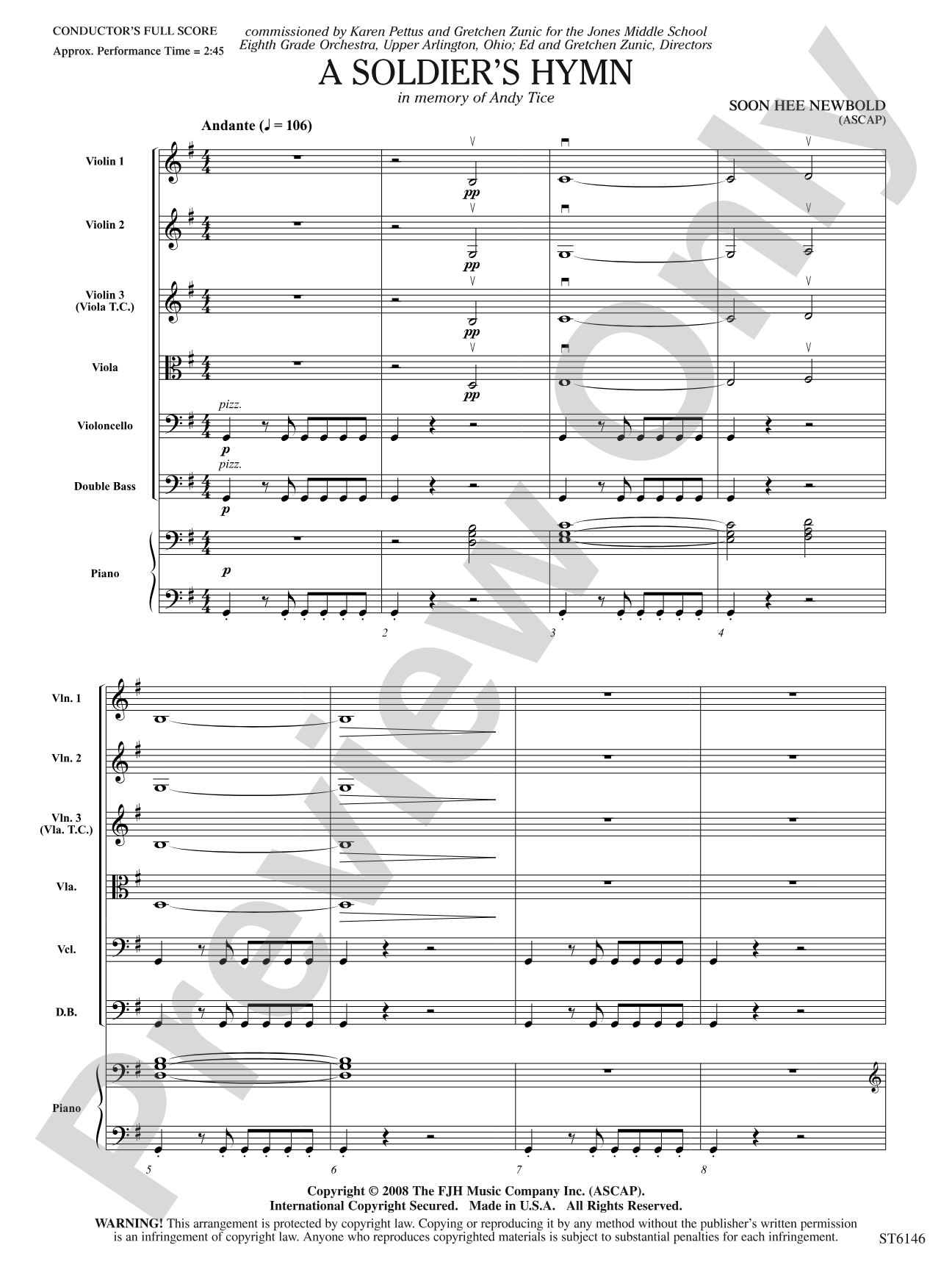
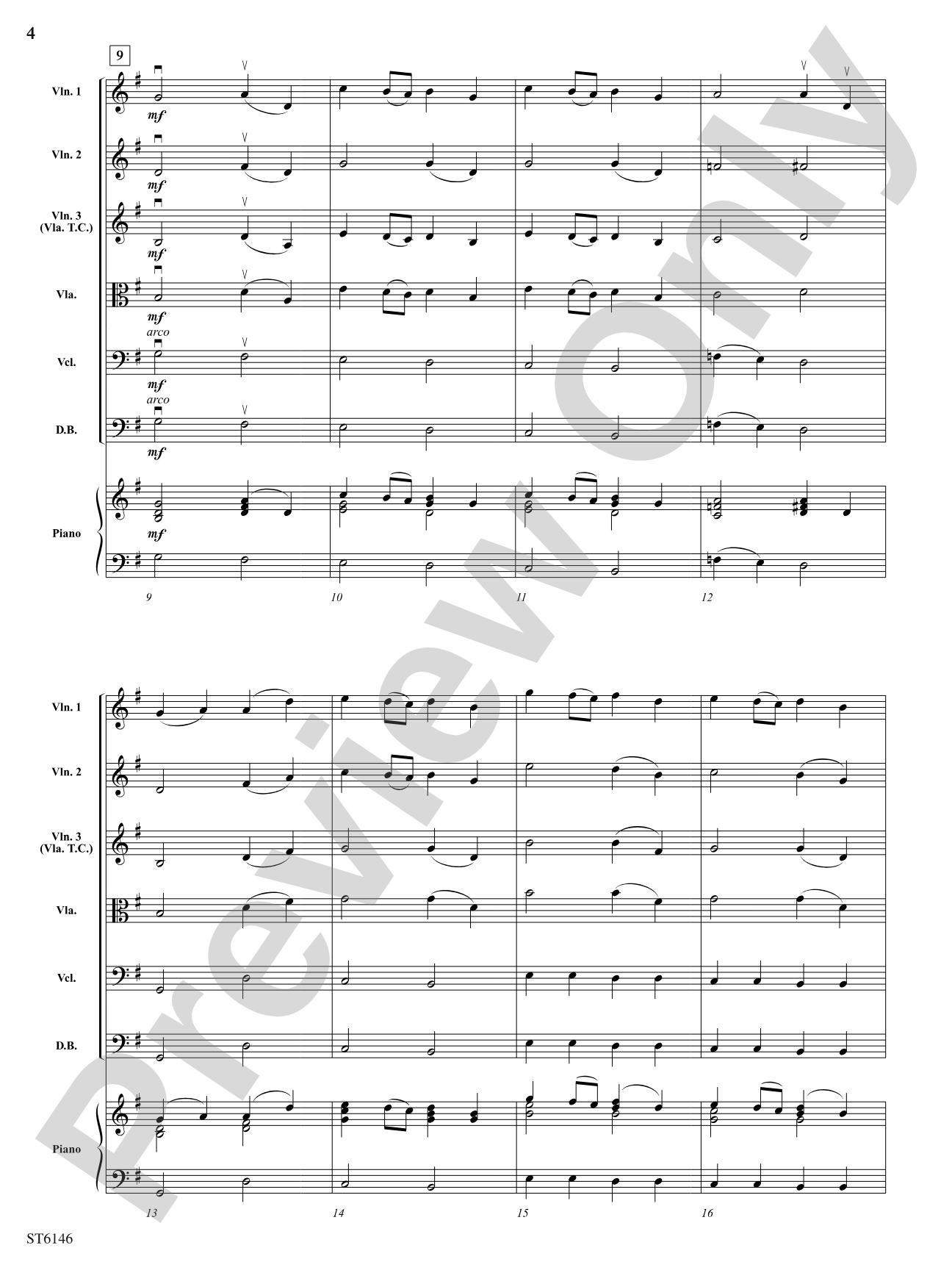
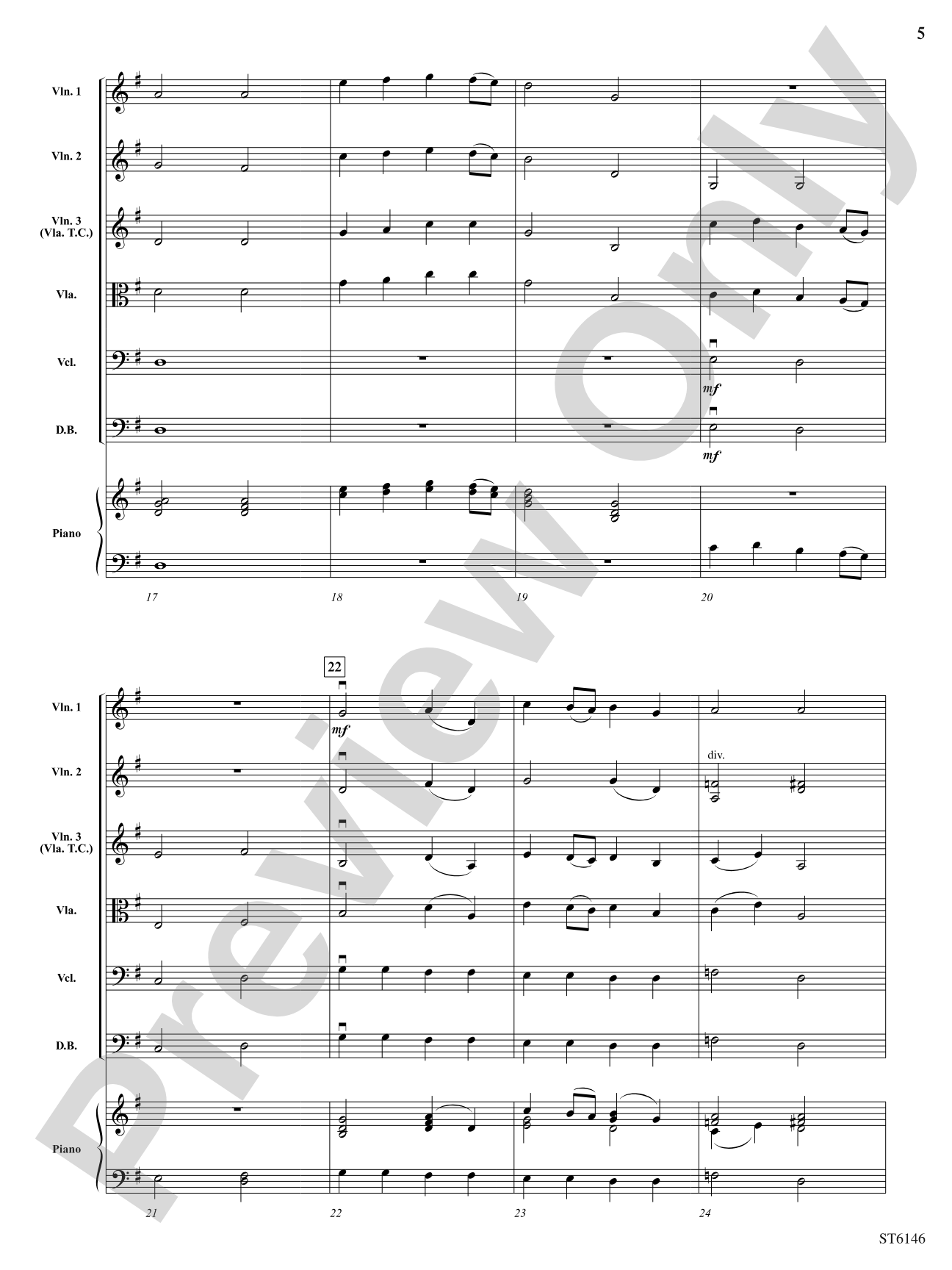
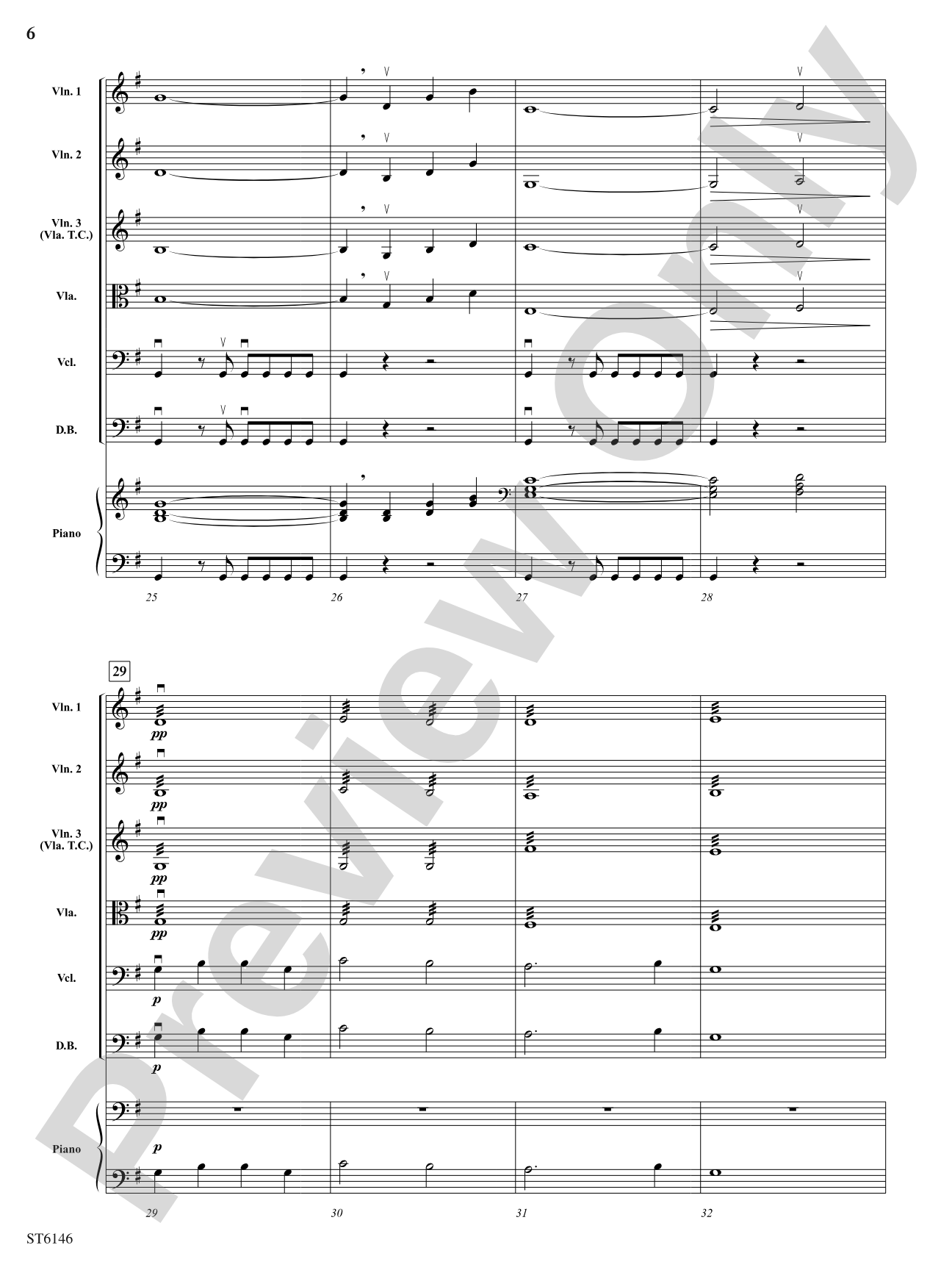
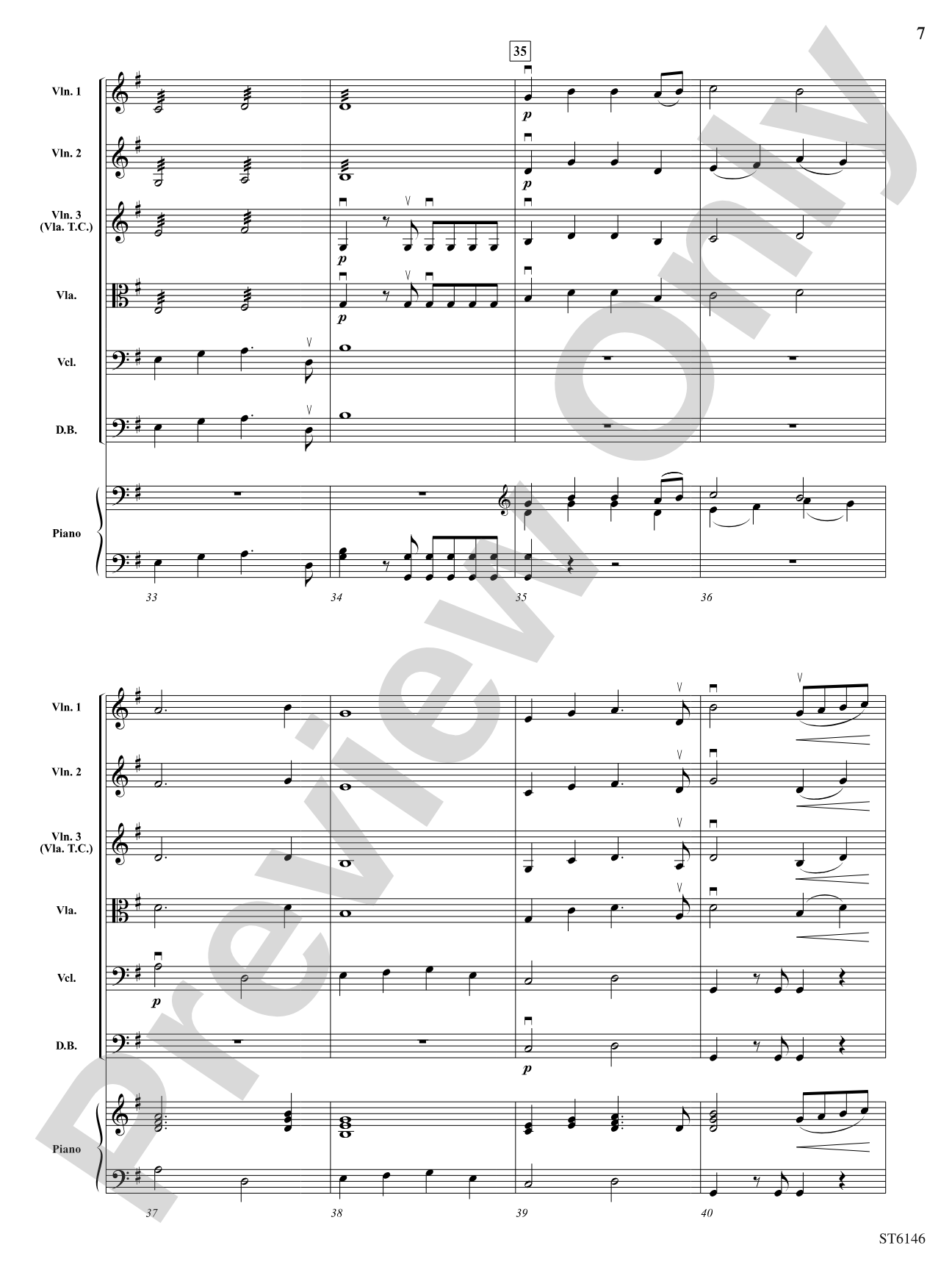
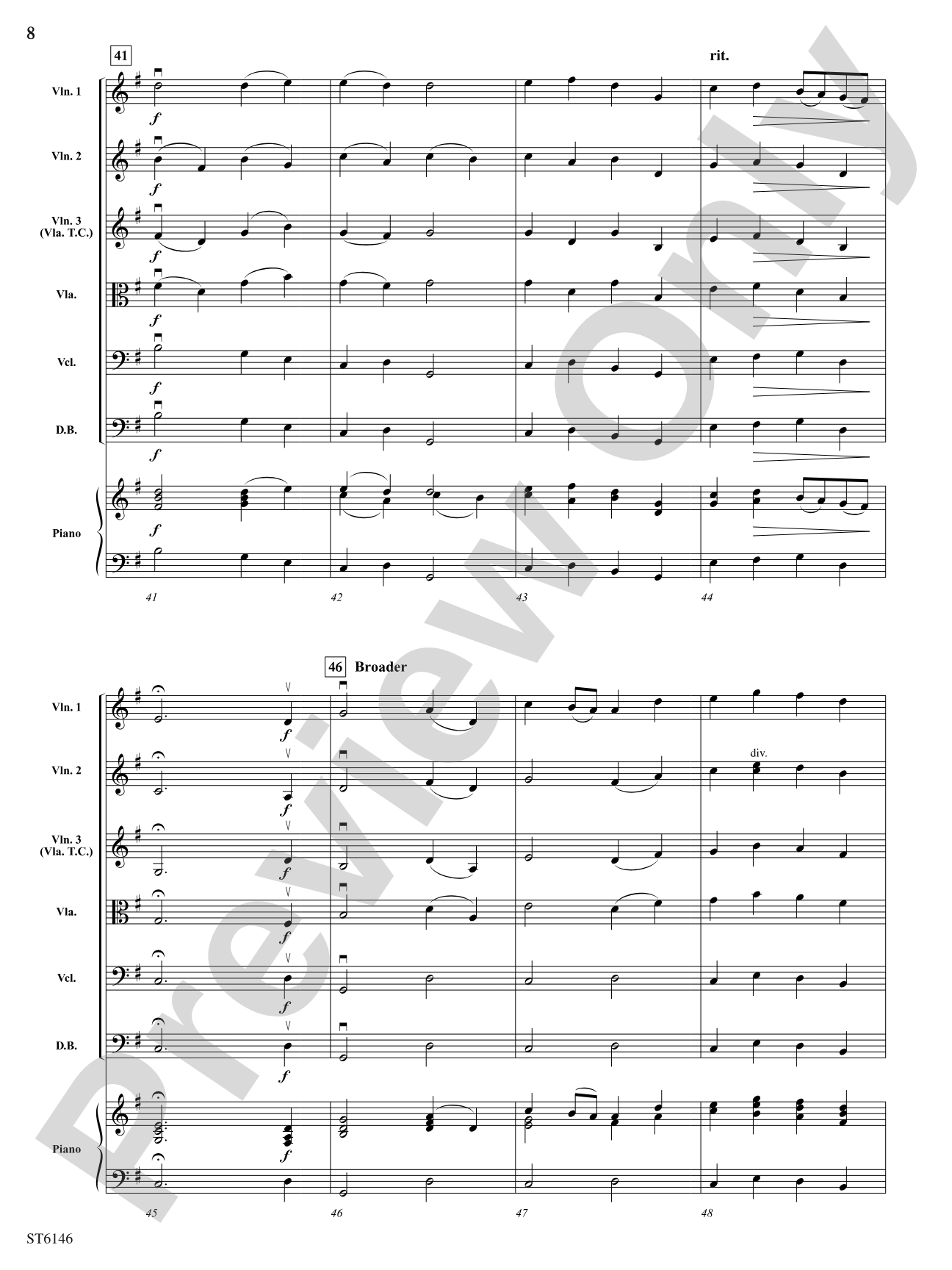
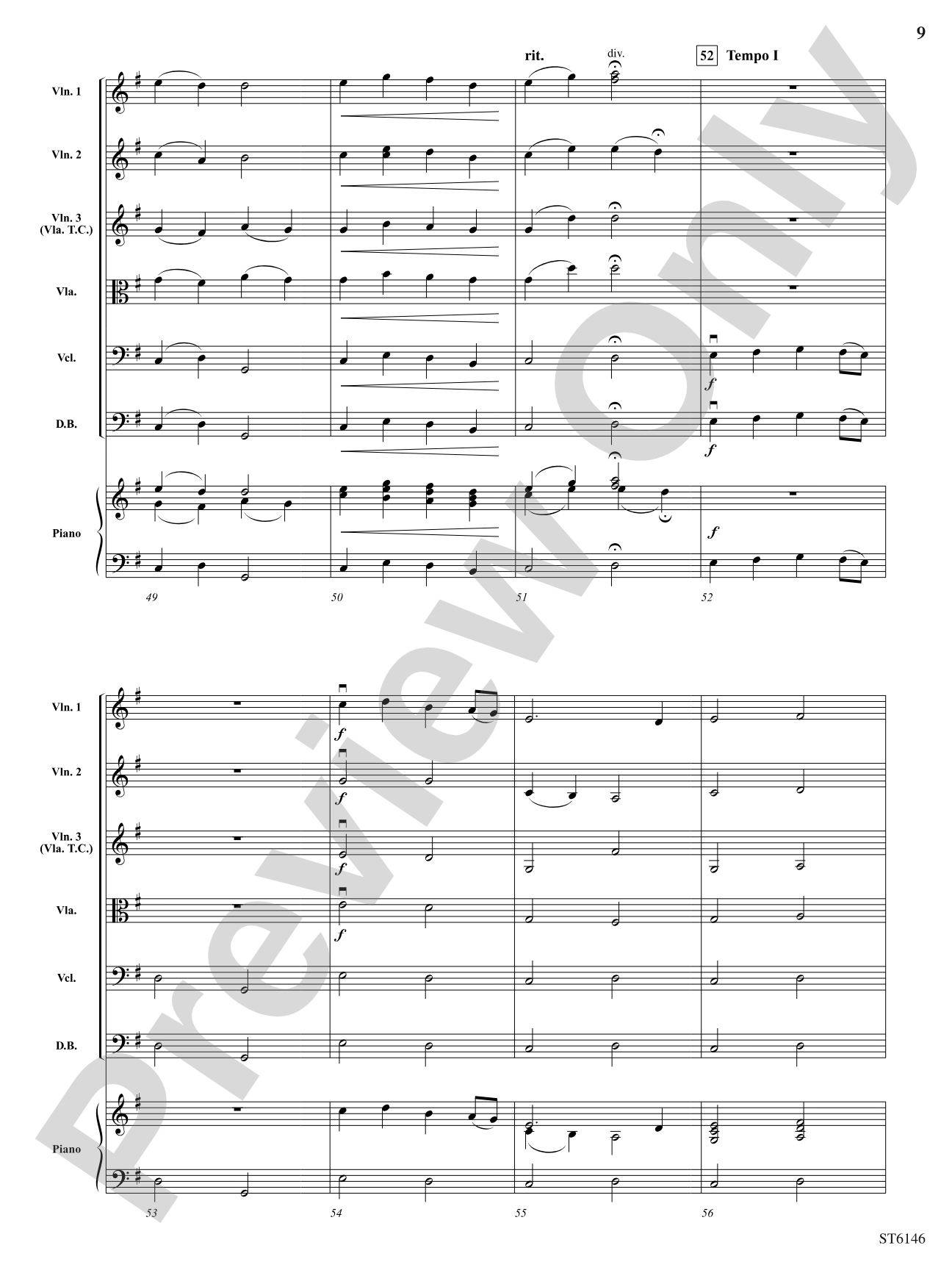
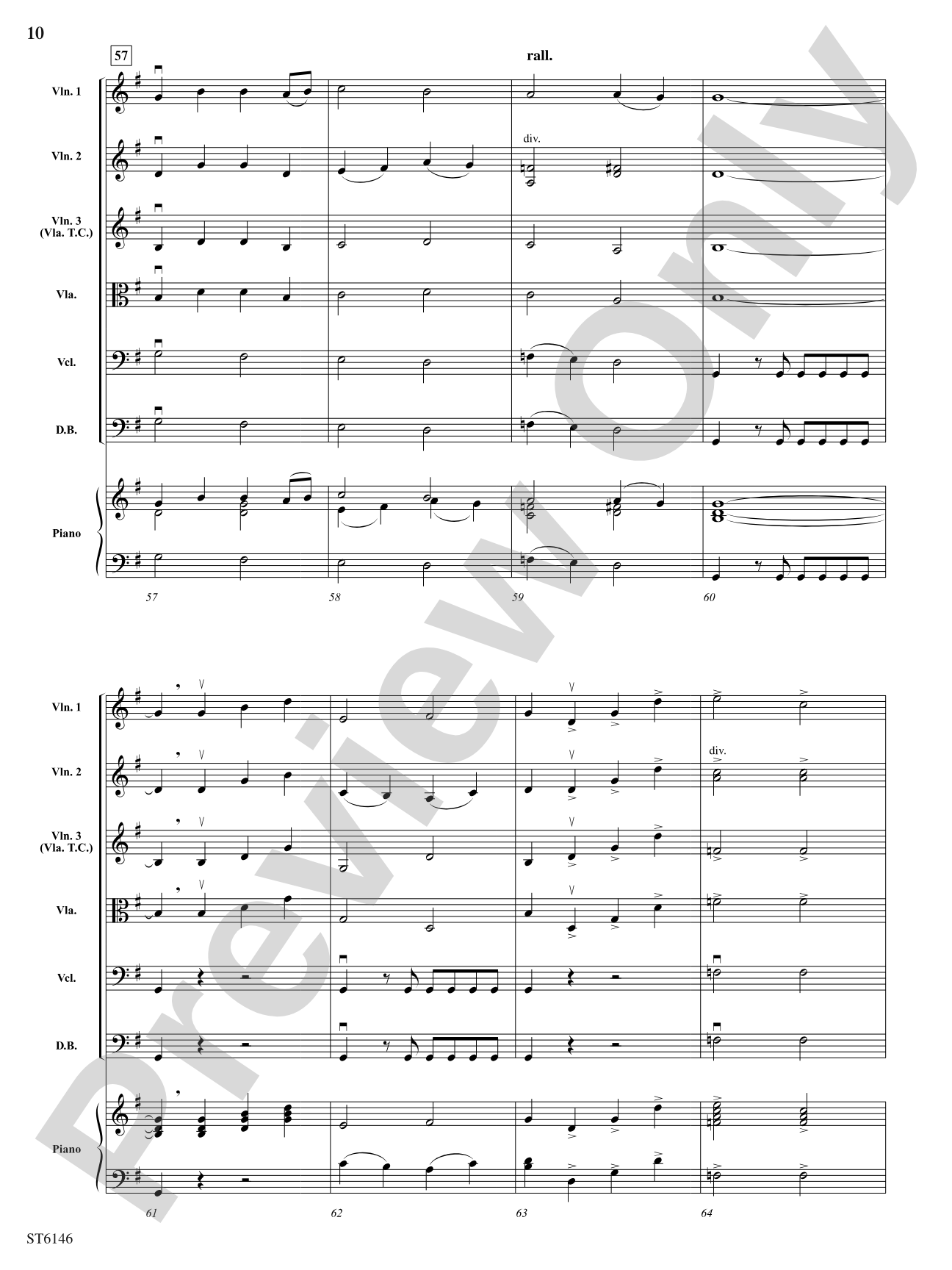
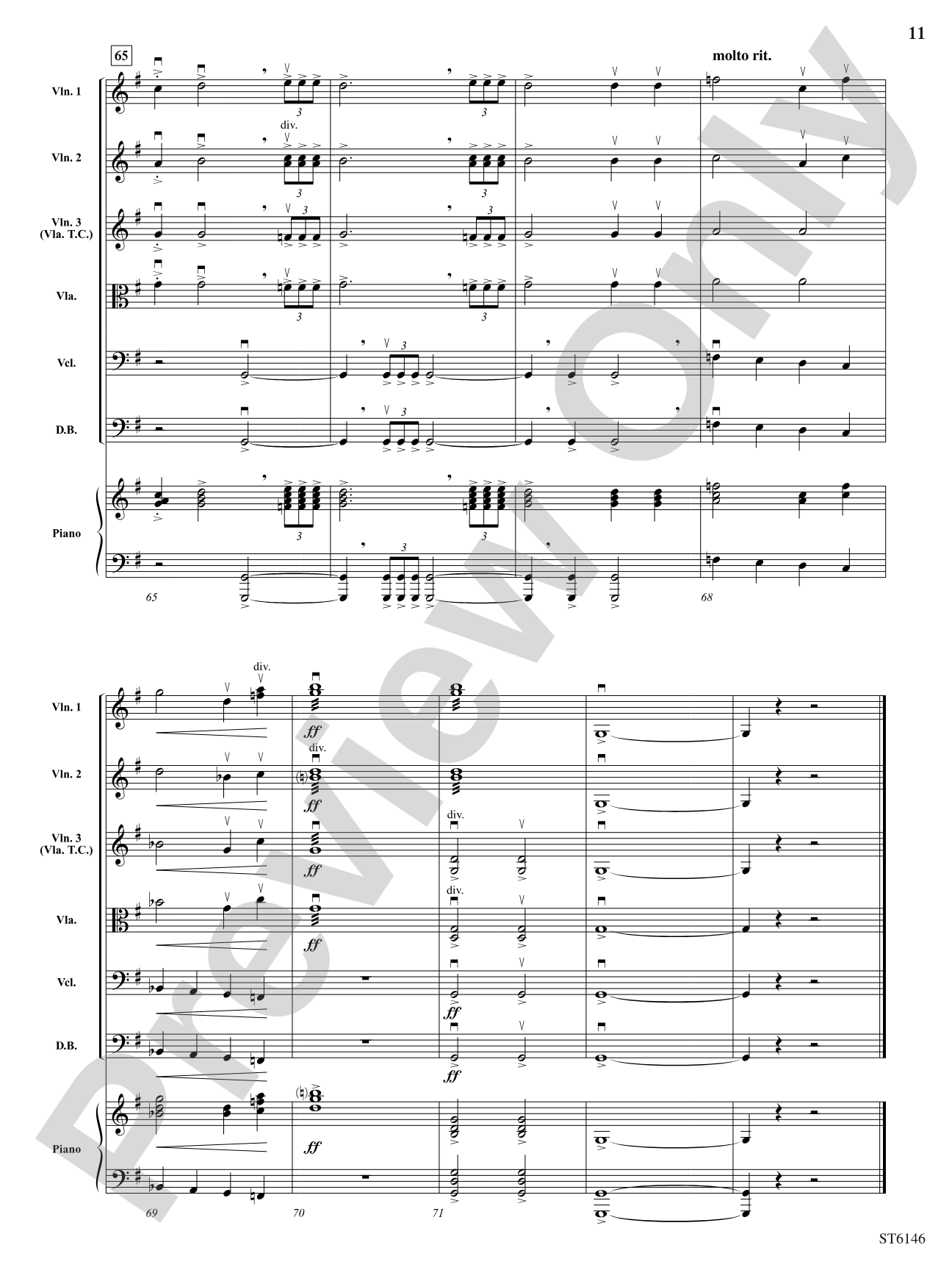
Written in honor of all soldiers, this piece is sure to bring an emotional reaction from your audience. These heroes go out in the world to serve, dedicating their efforts, sacrificing time and even their lives to better humanity. The lonely opening lines are echoed throughout, almost representing the sound of a solitary field drum. As the work builds, soaring musical lines emerge and lead toward a powerful and riveting conclusion. Spectacular and inspirational!


A Soldier's Hymn: String Orchestra Conductor Score & Parts isn't in MakeMusic Cloud just yet...but it could be. Let us know you'd like to see it, and you'll help shape what comes next. In the meantime, start a free trial and dive into thousands of interactive titles your students can play along with today.
Request This Title
Tell us you want it.
Start Your Free Trial
Explore everything that's ready to play right now.
Sample Audio
1
Audio File
--:--
0:00
0:00
Sample Video
No sample videos found.
Additional Details
Series:
FJH Developing Strings
Publisher:
The FJH Music Company, Inc.
SKU:
98-DST6146
More about this title
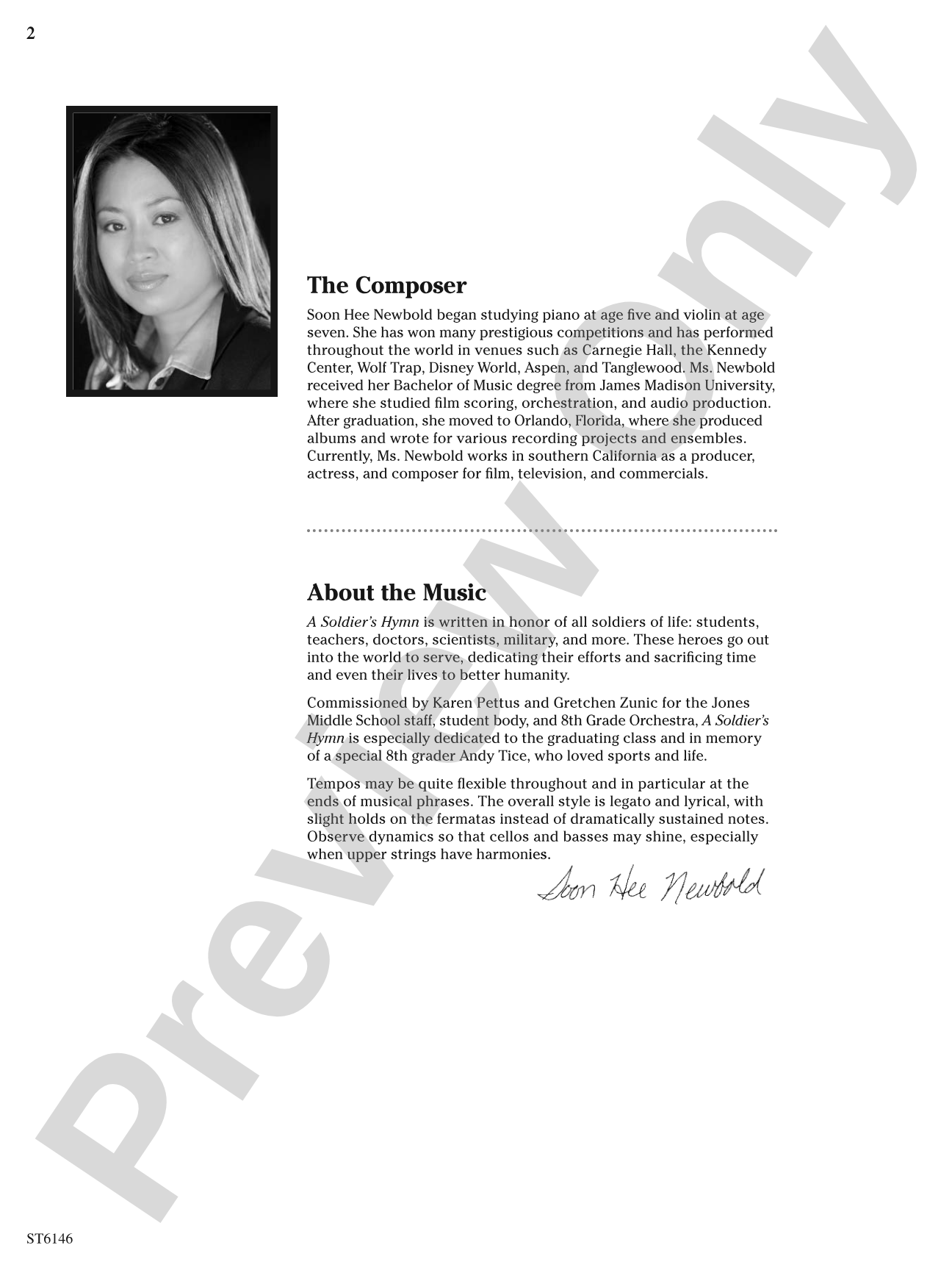
About the Composer: Soon Hee Newbold

Soon Hee Newbold began her musical training at five on piano, adding violin at seven, and went on to perform as a concert artist with professional ensembles internationally. Her compositional voice draws strength from her extensive travel and cultural experiences, resulting in works that speak across all performance levels and settings.
Newbold's music appears regularly on stages ranging from Carnegie Hall and the Kennedy Center to the Midwest Band and Orchestra Clinic, performed by everyone from professional symphonies to elementary school ensembles. She maintains an active presence as a guest clinician and keynote speaker, and her work extends into film composition and recording projects in the Hollywood industry. Her conducting experience spans the United States and countries including the Netherlands, Belgium, Australia, Indonesia, Singapore, and China.
Why we love this
Newbold captures genuine emotional weight without requiring advanced technical demands, making this accessible for developing orchestras while still delivering real musical impact. The compositional restraint in the opening and the gradual architectural build give your ensemble a clear expressive arc to follow, turning this into a meaningful learning experience about phrasing and ensemble balance. String orchestras at this level often struggle to find repertoire that feels consequential; this piece honors both the subject matter and your students' growing capabilities.
What to expect
The opening unfolds with sparse, almost austere beauty, like hearing a distant memory carried on wind. As harmonic and textural layers accumulate, the music swells into something majestic and deeply affirming, balancing introspection with patriotic sincerity throughout.
Who it's for
String orchestras in the upper elementary to middle school range seeking a piece with genuine emotional resonance and programmatic substance. This works equally well for directors building ensembles that can sustain legit phrasing and need accessible music that teaches thoughtful interpretation alongside technical fundamentals.
How to get the most out of it
- Shape the lonely opening lines with particular attention to tone quality and intonation; these sparse textures expose everything, so conductor clarity about phrase contour becomes essential for your section leaders.
- Allow the echoing figures to breathe between statements rather than rushing the transitions, letting the solitary character register fully before the piece begins its ascent.
- Balance the soaring lines against the accompaniment as the work builds, ensuring the motivic material remains audible even as orchestration thickens.
- Prepare your ensemble for the dynamic and textural contrast between the quiet, reflective passages and the powerful conclusion through marking rehearsals that highlight these shifts.
How to use it
Program this as a standalone commemorative work in a patriotic or military appreciation concert, where it can anchor the emotional center of your program. It also pairs naturally with lighter concert fare, using its reflective opening to shift audience attention and its powerful close to leave a lasting impression before intermission or a final piece.
Skills your students will build
- Long-line phrasing and breath control in sustained passages
- Balance between solo and accompaniment voices in layered textures
- Dynamic control and terracing through building orchestration
- Ensemble unity and intonation in sparse, exposed writing
- Interpretive response to emotional and programmatic content